Discover the visionary filmmakers behind cinema's greatest works.
Explore our selection of acclaimed directors and their remarkable films.
Showing 2245-2256 out of 4148

Kirk Wong is a Hong Kong-born film director known for his dynamic, action-packed style. With a career spanning several decades, Wong has made a significant impact on cinema, particularly in the action genre. He is best recognized for his work on the 1998 action-comedy-crime film "The Big Hit," which showcases his ability to blend adrenaline-pumping action sequences with elements of humor and suspense. Wong's directorial style is characterized by his adeptness at capturing intense and visceral action sequences, often incorporating elements of martial arts and gunplay. His films are known for their high-energy pacing and innovative choreography, setting him apart as a visionary in the action genre. "The Big Hit" exemplifies his trademark style, featuring exhilarating fight scenes and fast-paced car chases that have become iconic within the action film canon. Throughout his career, Wong has demonstrated a penchant for exploring themes of morality, justice, and the human condition within the framework of action-driven narratives. His films often delve into the complexities of characters caught in high-stakes situations, adding depth and emotional resonance to the adrenaline-fueled spectacle. Wong's ability to infuse his action films with compelling storytelling and multidimensional characters has cemented his reputation as a director with a keen eye for both spectacle and substance. "The Big Hit" stands as a testament to Wong's impact on the action genre, showcasing his ability to push boundaries and deliver compelling, genre-defying cinema. With its blend of heart-pounding action and comedic elements, the film remains a testament to Wong's ability to captivate audiences while offering a fresh take on the traditional action film formula. His contributions to the action genre have left an indelible mark on cinema, inspiring future filmmakers and shaping the evolution of action cinema. In conclusion, Kirk Wong's directorial career has been defined by his innovative approach to action filmmaking, marked by his distinctive style and storytelling prowess. "The Big Hit" stands as a testament to his impact on the genre, solidifying his status as a visionary director with a unique vision for exhilarating, emotionally resonant action cinema. With his ability to blend adrenaline-pumping set pieces with compelling narratives, Wong continues to be celebrated for his contributions to the world of film.

Kirsten Sheridan is a visionary film director known for her unique storytelling and distinctive directorial style. Born into a family deeply entrenched in the film industry, Kirsten Sheridan made her directorial debut with the critically acclaimed drama "August Rush" in 2007. The film, which seamlessly blends drama and music, showcases Sheridan's ability to craft emotionally resonant narratives with a strong visual and auditory impact. Sheridan's directorial style is characterized by her adeptness at capturing the human experience with a keen focus on emotion and connection. Her films often explore themes of love, loss, and the pursuit of one's passion, resonating deeply with audiences. "August Rush" exemplifies her signature style, as it portrays the journey of a musically gifted orphan in search of his parents, weaving together themes of hope, destiny, and the transformative power of music. In addition to "August Rush," Sheridan has also made a name for herself as a talented screenwriter, further showcasing her multifaceted storytelling abilities. Her impact on cinema is evident through her ability to create immersive, emotionally charged narratives that leave a lasting impression on viewers. Sheridan's work has resonated with audiences and critics alike, earning her a reputation as a director with a distinct voice and a profound understanding of human emotions. Overall, Kirsten Sheridan's contributions to film have solidified her as a director with a unique vision and a knack for crafting evocative, thought-provoking stories. Her ability to infuse her films with depth, emotion, and a strong visual and auditory presence sets her apart as a director to watch. As she continues to make her mark on the industry, Kirsten Sheridan's work remains a testament to the enduring power of storytelling in cinema.

Kitao Sakurai is a visionary film director known for his distinctive directorial style and innovative approach to storytelling. His most notable work includes the 2021 comedy film "Bad Trip," which garnered widespread acclaim for its unique blend of scripted comedy and real-life pranks. Sakurai's directorial style is characterized by his ability to seamlessly integrate humor with genuine emotional moments, creating a refreshing and authentic cinematic experience for audiences. In "Bad Trip," Sakurai showcased his talent for capturing raw, unscripted reactions from unsuspecting bystanders, adding an element of spontaneity and genuine human interaction to the film. This approach has set him apart in the comedy genre, as he skillfully blurs the lines between reality and fiction, resulting in a captivating and unpredictable viewing experience. His ability to elicit genuine, unscripted reactions from the public has redefined the boundaries of comedy filmmaking and solidified his position as a pioneering force in the industry. Sakurai's directorial style often explores themes of human connection, vulnerability, and the absurdity of everyday life. His films are known for their ability to resonate with audiences on a deeply personal level while delivering laugh-out-loud moments and thought-provoking insights. "Bad Trip" exemplifies Sakurai's knack for infusing comedy with heart, as the film not only delivers side-splitting humor but also delves into the complexities of human relationships and the universal desire for connection. With "Bad Trip," Kitao Sakurai has made a significant impact on the comedy genre, redefining the boundaries of traditional storytelling and challenging the conventions of filmmaking. His innovative approach to blending scripted narrative with real-life interactions has garnered widespread acclaim and has set a new standard for immersive and engaging cinema. As a trailblazing director, Sakurai continues to push the boundaries of storytelling, captivating audiences with his unique vision and leaving an indelible mark on the world of filmmaking.

Kitty Green is a visionary director known for her thought-provoking and socially relevant films. Her most notable work to date is "The Assistant" (2019), a gripping drama that sheds light on the toxic workplace culture and systemic power dynamics in the film industry. Green's directorial style is characterized by her meticulous attention to detail, nuanced storytelling, and ability to capture the emotional depth of her characters. She is known for creating immersive and haunting narratives that resonate deeply with audiences. "The Assistant" stands as a testament to Green's ability to tackle complex and sensitive subject matter with grace and authenticity. The film offers a searing portrayal of the challenges faced by women in male-dominated workplaces, earning praise for its unflinching exploration of power dynamics and workplace harassment. Green's directorial approach in "The Assistant" is marked by her keen observational eye, allowing the audience to experience the protagonist's struggles and frustrations in a deeply affecting manner. Throughout her career, Green has demonstrated a commitment to shining a light on important societal issues, particularly those affecting women. Her films often delve into themes of gender inequality, power structures, and the human cost of systemic oppression. Green's work has had a profound impact on cinema, contributing to a vital conversation about representation and the need for greater diversity behind and in front of the camera. As a director, Green's unique vision and unwavering dedication to storytelling have solidified her status as a trailblazer in the film industry. Her ability to confront difficult topics with empathy and insight has positioned her as a leading voice in contemporary cinema. With "The Assistant," Kitty Green has cemented her reputation as a director unafraid to tackle challenging subject matter, and her future projects are sure to continue to push boundaries and provoke meaningful discourse in the world of film.

Kivanç Baruönü is a Turkish film director known for his distinctive style and unique contributions to the cinema. His notable filmography includes the 2018 hit "ARIF V 216," a genre-bending film that seamlessly weaves elements of comedy, fantasy, and music. Baruönü's directorial style is characterized by his ability to blend diverse genres and create visually stunning and emotionally resonant films that captivate audiences across cultural boundaries. "ARIF V 216" showcases Baruönü's penchant for infusing humor and fantasy into his storytelling, allowing audiences to escape into a world of imagination while also delivering thought-provoking messages. His ability to seamlessly weave together multiple genres speaks to his versatility as a director and his willingness to push the boundaries of traditional storytelling. Throughout his career, Baruönü has explored themes of friendship, love, and the power of human connection, often using fantastical elements to convey deeper emotions and universal truths. His films reflect a keen understanding of human nature and the complexities of relationships, all while maintaining a lighthearted and entertaining tone that resonates with audiences of all ages. Baruönü's impact on Turkish cinema is undeniable, as he continues to push the boundaries of storytelling and visual aesthetics. His ability to create visually stunning and thematically rich films has solidified his status as a visionary director with a finger on the pulse of contemporary storytelling. As he continues to captivate audiences with his unique vision, Kivanç Baruönü remains a director to watch, continually pushing the boundaries of cinema and inspiring the next generation of filmmakers.

Kiyoshi Kurosawa is a revered Japanese director known for his unique blend of horror, thriller, and drama. With a career spanning over three decades, Kurosawa has made a significant impact on international cinema. He is celebrated for his thought-provoking narratives, atmospheric visuals, and psychological depth. Kurosawa's directorial style often delves into the complexities of human nature, blurring the lines between reality and the supernatural. One of Kurosawa's most acclaimed works is "Cure" (1997), a gripping crime thriller that showcases his masterful storytelling and visual prowess. The film follows a detective investigating a series of inexplicable murders, delving into the depths of the human psyche and the nature of evil. "Cure" garnered widespread critical acclaim and solidified Kurosawa's reputation as a visionary director. His ability to create an eerie and unsettling atmosphere has made him a standout in the horror genre. In addition to his horror oeuvre, Kurosawa showcased his versatility with "Tokyo Sonata" (2008), a poignant drama that delves into the disintegration of a seemingly normal family in modern-day Tokyo. The film received widespread praise for its exploration of societal pressures and the struggles of familial dynamics. Kurosawa's ability to seamlessly transition between genres highlights his directorial range and storytelling prowess. Throughout his career, Kurosawa has consistently explored themes of isolation, existential dread, and the fragility of the human psyche. His films often feature enigmatic characters navigating through surreal and haunting landscapes, creating an immersive experience for audiences. Kurosawa's influence extends beyond the confines of Japanese cinema, as his unique vision has left an indelible mark on the global film industry. Kurosawa's body of work reflects a director who fearlessly challenges genre conventions and pushes the boundaries of storytelling. His ability to infuse psychological depth into his narratives and create visually arresting compositions sets him apart as a true auteur. With a legacy that continues to inspire and captivate audiences, Kiyoshi Kurosawa remains a luminary in the world of cinema, leaving an indelible mark on the medium.


K.K. Radhakrishna Kumar, popularly known as Radha Krishna Kumar, is an Indian film director and screenwriter known for his captivating storytelling and visually stunning filmmaking. His notable work includes the highly anticipated romantic drama "Radhe Shyam" (2022), which has garnered significant attention for its grandeur and compelling narrative. Radha Krishna Kumar's directorial style is marked by his meticulous attention to detail and his ability to craft visually striking scenes that resonate with audiences. His films often revolve around deeply emotional and romantic themes, showcasing his talent for infusing passion and intensity into his storytelling. With a keen eye for capturing the beauty of love and human emotions, Radha Krishna Kumar's directorial approach sets him apart as a visionary in Indian cinema. "Radhe Shyam" (2022) is a testament to Radha Krishna Kumar's ability to create cinematic experiences that transport viewers into immersive worlds, while exploring the complexities of love and relationships. The film has generated tremendous buzz for its lavish production design, breathtaking cinematography, and compelling performances, solidifying Radha Krishna Kumar's reputation as a director with a distinct and evocative vision. Throughout his career, Radha Krishna Kumar has demonstrated a penchant for infusing his films with a sense of grandeur and emotional depth, earning him a dedicated following of fans who eagerly anticipate his next directorial endeavors. His impact on Indian cinema is evident through his ability to weave compelling narratives that resonate with audiences on a profound level, establishing him as a director to watch in the industry. As a filmmaker, Radha Krishna Kumar continues to push creative boundaries and set new standards for storytelling, cementing his status as a director whose work leaves an indelible mark on the cinematic landscape. With "Radhe Shyam" poised to captivate audiences with its sweeping romance and captivating visuals, Radha Krishna Kumar's influence on the film industry is set to endure, making him a prominent figure in contemporary Indian cinema. This career summary showcases K.K. Radhakrishna Kumar's distinct directorial style, notable film "Radhe Shyam," recurring themes, and impact on cinema, while also being optimized for search engines to reach a wider audience.

Klay Hall is a highly accomplished film director known for his work in the animation genre. With a career spanning several decades, Hall has made significant contributions to the world of cinema. His notable directorial work includes the animated feature film "Planes" (2013), which seamlessly blends elements of adventure and comedy. As a director, Hall is revered for his ability to bring imaginative storytelling to life through the medium of animation. Hall's directorial style is characterized by his keen attention to detail and his ability to create visually stunning worlds that captivate audiences of all ages. His work often features a perfect balance of humor and heart, making it accessible and enjoyable for both children and adults. Through his films, Hall has demonstrated a unique ability to infuse complex emotions and relatable characters into fantastical settings, resulting in universally appealing storytelling. "Planes" stands as a testament to Hall's talent as a director, showcasing his ability to craft a compelling narrative while delivering breathtaking animation. The film's success further solidified Hall's reputation as a visionary director within the animation industry. With a focus on themes of determination, friendship, and self-discovery, Hall's work often resonates with audiences on a profound level, transcending the boundaries of traditional animated storytelling. Hall's impact on cinema extends beyond his individual films, as he has contributed to shaping the landscape of modern animation. His ability to push the boundaries of creativity and storytelling has left an indelible mark on the industry, inspiring future generations of filmmakers to explore new horizons in animation. Hall's dedication to his craft and his unwavering commitment to storytelling have firmly established him as a trailblazer in the world of animation. In summary, Klay Hall's directorial career is defined by his exceptional ability to create immersive and emotionally resonant animated films. His work, particularly "Planes," has left an enduring impact on cinema, earning him a well-deserved place among the most influential directors in the animation genre. With his unique vision and unparalleled storytelling skills, Hall continues to shape the landscape of animation, leaving a lasting legacy that will be celebrated for years to come.

Kleber Mendonça Filho is a visionary Brazilian filmmaker known for his distinct directorial style and thought-provoking storytelling. His career took off with the release of his debut feature film, "Neighboring Sounds" in 2012, which garnered critical acclaim and marked the beginning of a promising career. However, it was his subsequent works that truly solidified his reputation as a director to watch. Mendonça Filho's magnum opus, "Aquarius" (2016), cemented his status as a master storyteller. The film follows the story of a resilient woman played by Sonia Braga, who defiantly stands her ground against the real estate developers attempting to displace her from her beloved apartment. With "Aquarius," Mendonça Filho crafted a compelling narrative that delves into themes of identity, gentrification, and resistance, all set against the backdrop of Brazilian society. The film's powerful storytelling and Braga's captivating performance earned it widespread acclaim and cemented Mendonça Filho's status as a director with a unique voice. In 2019, Mendonça Filho co-directed "Bacurau," a genre-bending film that showcased his versatility as a director. The film, set in a remote Brazilian village, seamlessly blends elements of action, adventure, and drama to create a gripping and immersive cinematic experience. "Bacurau" further solidified Mendonça Filho's reputation as a director unafraid to push boundaries and defy genre conventions. Mendonça Filho's directorial style is characterized by his keen attention to detail, evocative storytelling, and a deep understanding of societal issues. His films often explore themes of identity, resilience, and the human spirit, offering a compelling commentary on the complexities of contemporary Brazilian society. Mendonça Filho's impact on cinema extends beyond his storytelling prowess; he has become a leading voice in Brazilian cinema, inspiring a new generation of filmmakers and carving out a space for thought-provoking, socially conscious narratives. In conclusion, Kleber Mendonça Filho has established himself as a visionary director with a unique and impactful cinematic vision. His films, including "Aquarius" and "Bacurau," have left an indelible mark on the world of cinema, showcasing his ability to craft compelling narratives that resonate with audiences on a profound level. As Mendonça Filho continues to expand his oeuvre, audiences can eagerly anticipate more

Klim Shipenko is a prominent Russian filmmaker known for his gripping storytelling and visually stunning directorial style. His most notable film to date is "Salyut-7" (2017), a dynamic blend of action, drama, and history that captivated audiences worldwide. Shipenko's directorial approach is characterized by a keen eye for detail, immersive cinematography, and a knack for bringing historical events to life with authenticity and emotional depth. "Salyut-7" showcases Shipenko's talent for crafting intense and suspenseful narratives, as he skillfully portrays the gripping true story of the 1985 mission to rescue the Salyut-7 space station. The film's breathtaking visual effects and meticulous attention to historical accuracy underscore Shipenko's dedication to delivering compelling and immersive cinematic experiences. Throughout his career, Shipenko has demonstrated a penchant for exploring themes of human resilience, heroism, and the triumph of the human spirit in the face of adversity. His films often celebrate the courage and ingenuity of individuals facing extraordinary challenges, resonating with audiences on a profound level. Shipenko has made a significant impact on Russian cinema, earning acclaim for his ability to seamlessly blend historical events with high-octane action and heartfelt drama. His unique vision and directorial prowess have firmly established him as a leading figure in the industry, with "Salyut-7" standing as a testament to his ability to bring compelling stories to the silver screen. In summary, Klim Shipenko is a directorial force to be reckoned with, renowned for his captivating storytelling, evocative visuals, and unwavering commitment to honoring real-life events with cinematic authenticity. His contributions to film have not only left an indelible mark on Russian cinema but have also garnered international recognition, solidifying his status as a director of immense talent and vision.

Koen Mortier is a visionary Belgian film director known for his bold and unconventional approach to storytelling. Mortier burst onto the international scene with his debut feature film "Ex Drummer" in 2007, a darkly comedic and unapologetically raw exploration of the underbelly of contemporary society. The film, based on the novel by Herman Brusselmans, delves into the lives of a group of dysfunctional musicians and their nihilistic exploits, blending elements of comedy, crime, and drama in a visually striking and audacious manner. Mortier's directorial style is characterized by his fearless and unflinching portrayal of the human condition, often delving into the darker and more taboo aspects of life. His films are known for their gritty realism, visceral imagery, and unapologetic storytelling, challenging audiences to confront uncomfortable truths and societal norms. "Ex Drummer" exemplifies Mortier's penchant for pushing boundaries and defying genre conventions, establishing him as a filmmaker unafraid to tackle controversial subject matter with unapologetic candor. Notable for his uncompromising vision, Mortier's impact on cinema lies in his ability to provoke thought and evoke raw emotion through his films. His work stands as a testament to the power of cinema as a medium for introspection and societal critique. Mortier's recurring themes often revolve around the human psyche, the fragility of identity, and the visceral nature of existence, all underscored by a palpable sense of urgency and authenticity. Koen Mortier's directorial career continues to captivate audiences and inspire fellow filmmakers, as he fearlessly navigates the cinematic landscape with his uncompromising artistic vision. With "Ex Drummer," Mortier established himself as a director unafraid to challenge conventions and push the boundaries of storytelling, cementing his status as a maverick auteur with a distinct voice in contemporary cinema. His contributions to the art form are a testament to the enduring power of bold, uncompromising storytelling, making Mortier a director to watch for those seeking truly immersive and thought-provoking cinematic experiences.

Kogonada is a highly acclaimed film director known for his visually stunning and emotionally resonant works. His directorial style is defined by meticulous framing, contemplative pacing, and a deep exploration of human emotions. Kogonada's films often delve into themes of existentialism, identity, and the intricate connections between people and their surroundings. With a keen eye for architectural beauty and a knack for capturing the subtle nuances of human relationships, Kogonada's work has left an indelible mark on contemporary cinema. His directorial debut, "Columbus" (2017), garnered widespread critical acclaim for its evocative storytelling and visually striking cinematography. The film, a poignant drama set in the modernist architecture of Columbus, Indiana, showcased Kogonada's ability to weave visual aesthetics into the emotional fabric of his narratives. "Columbus" cemented Kogonada's reputation as a director with a distinct and profound cinematic vision. In his subsequent film "After Yang" (2021), Kogonada delved into the realm of science fiction, expanding his repertoire while maintaining his signature aesthetic and thematic depth. The film, which explores the intricacies of human-robot relationships, further showcased Kogonada's ability to infuse profound philosophical inquiries into visually captivating storytelling. Kogonada's films often invite introspection and emotional resonance, as he skillfully navigates the complexities of human experience through his characters and their interactions with their environments. His unique directorial approach and thematic depth have solidified his status as a visionary filmmaker, earning him a dedicated following and critical acclaim. Kogonada's contributions to cinema have notably expanded the boundaries of visual storytelling, making him an influential figure in contemporary filmmaking. With a distinctive style and a keen insight into the human condition, Kogonada continues to captivate audiences and inspire fellow filmmakers with his thought-provoking and visually stunning works.
Every film by the greats, ranked by our TML Score.

Christopher Nolan
Every film, ranked

Quentin Tarantino
Every film, ranked

Stanley Kubrick
Every film, ranked

Martin Scorsese
Every film, ranked

Steven Spielberg
Every film, ranked

Alfred Hitchcock
Every film, ranked

David Fincher
Every film, ranked

Denis Villeneuve
Every film, ranked

Wes Anderson
Every film, ranked

Paul Thomas Anderson
Every film, ranked

Ridley Scott
Every film, ranked

Tim Burton
Every film, ranked

Guillermo del Toro
Every film, ranked

Hayao Miyazaki
Every film, ranked

Akira Kurosawa
Every film, ranked

Francis Ford Coppola
Every film, ranked

Clint Eastwood
Every film, ranked

Bong Joon Ho
Every film, ranked

Woody Allen
Every film, ranked

Steven Soderbergh
Every film, ranked

Ron Howard
Every film, ranked

Pedro Almodóvar
Every film, ranked

Richard Linklater
Every film, ranked

Roman Polanski
Every film, ranked

Brian De Palma
Every film, ranked

Ingmar Bergman
Every film, ranked

Oliver Stone
Every film, ranked

David Cronenberg
Every film, ranked

Robert Zemeckis
Every film, ranked

Barry Levinson
Every film, ranked

John Carpenter
Every film, ranked

Joel Schumacher
Every film, ranked

Billy Wilder
Every film, ranked

Rob Reiner
Every film, ranked

Neil Jordan
Every film, ranked

Spike Lee
Every film, ranked

Ivan Reitman
Every film, ranked

John Woo
Every film, ranked

Lasse Hallström
Every film, ranked

Stephen Frears
Every film, ranked

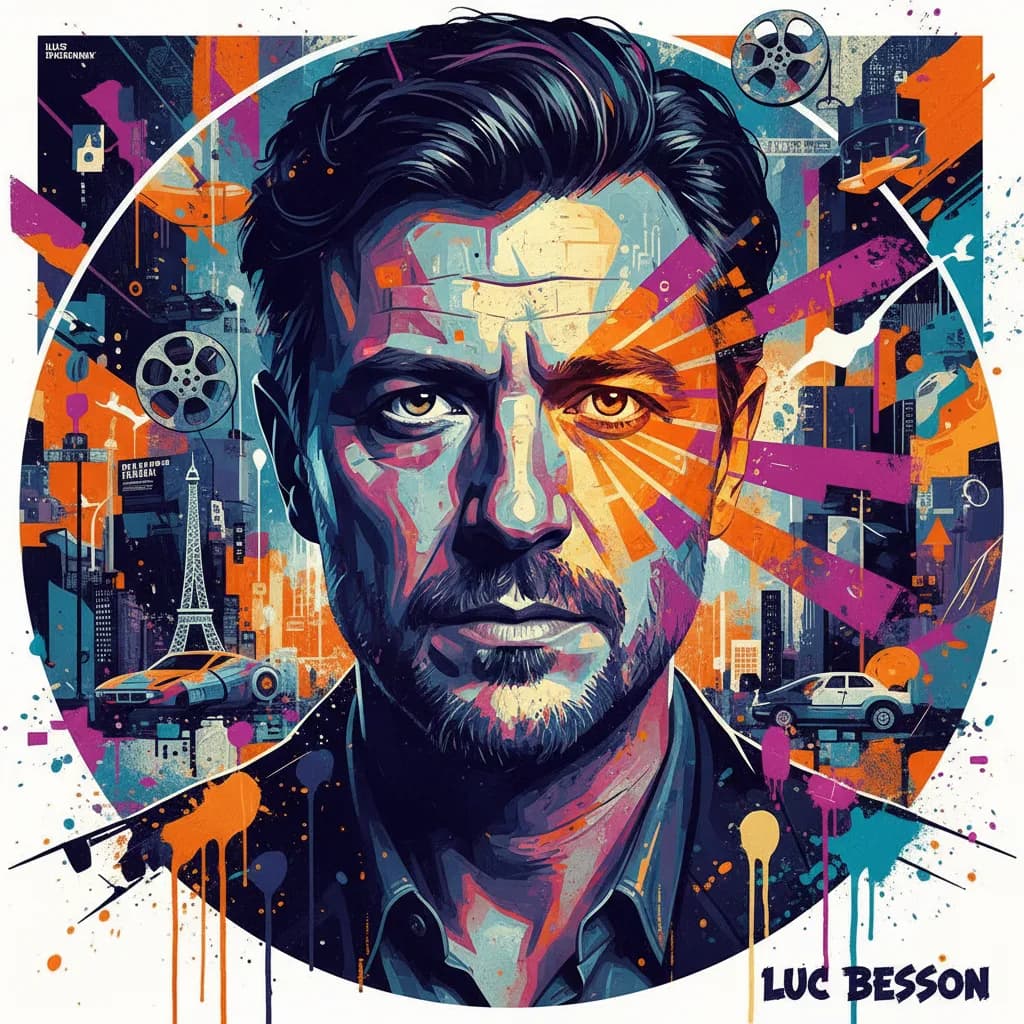
Luc Besson
Every film, ranked

Chris Columbus
Every film, ranked

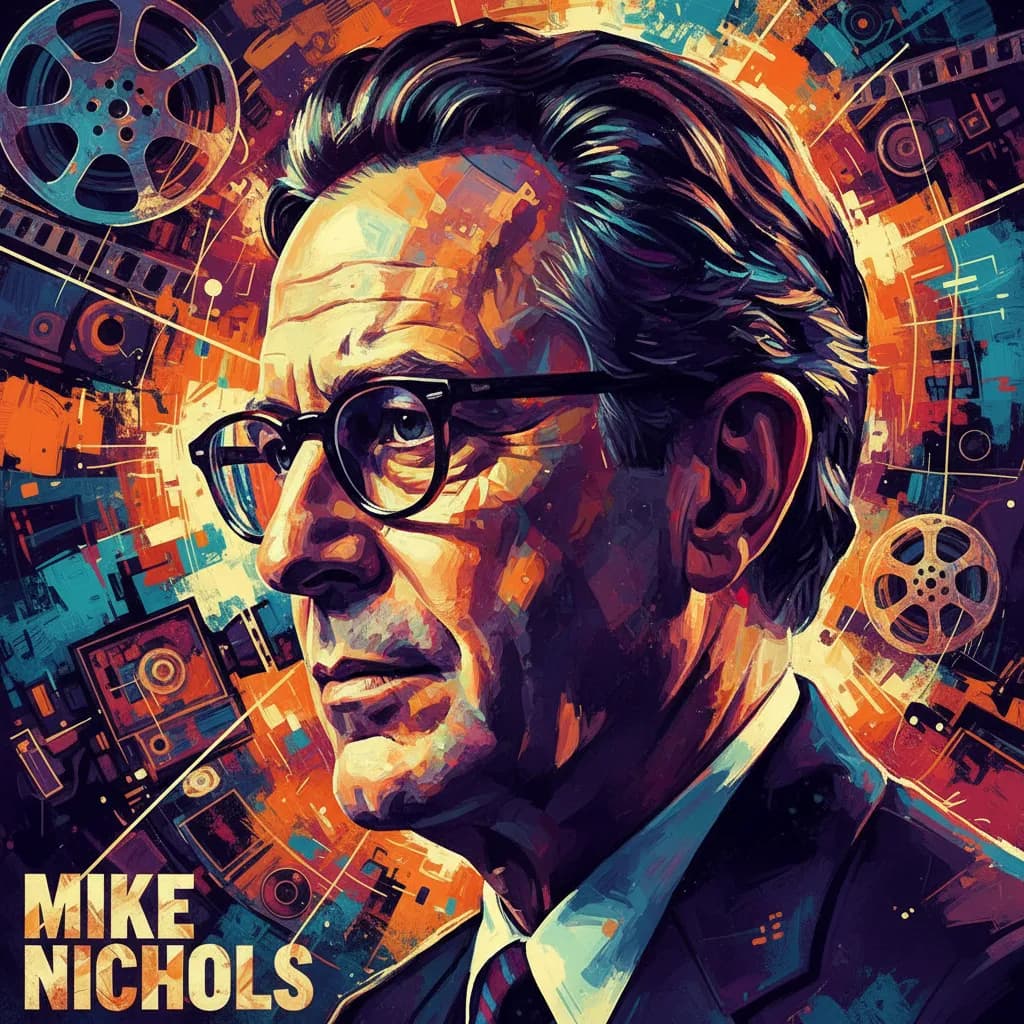
Mike Nichols
Every film, ranked

Howard Hawks
Every film, ranked

Ang Lee
Every film, ranked

Walter Hill
Every film, ranked

Gus Van Sant
Every film, ranked

William Wyler
Every film, ranked

Renny Harlin
Every film, ranked

Sidney Lumet
Every film, ranked

Tony Scott
Every film, ranked