Discover the visionary filmmakers behind cinema's greatest works.
Explore our selection of acclaimed directors and their remarkable films.
Showing 2233-2244 out of 4148

Kimmy Gatewood is a multi-talented director, writer, and actress known for her work in comedy and romance films. Her directorial debut, "Good on Paper" (2021), showcases her unique vision and storytelling prowess. Gatewood's directorial style is characterized by a blend of humor, heart, and relatable characters, making her films a delightful watch for audiences. Her keen understanding of the intricacies of human relationships and the complexities of love shines through in her work. "Good on Paper" stands as a testament to Gatewood's ability to infuse her projects with a distinct blend of wit and warmth. Through her direction, she skillfully navigates the comedic and romantic elements of the film, creating a charming and engaging narrative that resonates with viewers. Gatewood's directorial approach is marked by a keen attention to detail, allowing her to craft authentic and endearing characters that audiences can easily connect with. Gatewood's impact on cinema lies in her ability to breathe fresh life into the comedy and romance genres. With "Good on Paper," she has demonstrated her prowess in crafting compelling narratives that transcend the traditional tropes of the genres, offering a refreshing take on familiar themes. Her work serves as a testament to her dedication to pushing boundaries and challenging conventions, making her a trailblazer in the industry. Throughout her career, Gatewood has consistently showcased her talent for storytelling, leaving an indelible mark on the film industry. Her directorial debut has solidified her position as a formidable creative force, and audiences eagerly anticipate her future projects, eager to experience her captivating storytelling and directorial finesse. As Gatewood continues to make her mark in the world of cinema, her unique vision and contributions are sure to leave an enduring legacy in the film industry. In conclusion, Kimmy Gatewood's directorial career is characterized by her adeptness at infusing comedy and romance with a fresh perspective, creating films that are as delightful as they are impactful. Her directorial style, marked by wit, warmth, and relatable characters, sets her apart as a director to watch. With "Good on Paper," Gatewood has cemented her status as a visionary director, and her future endeavors are eagerly anticipated by audiences and critics alike.

Kim Nguyen is a Canadian film director known for his unique vision and thought-provoking storytelling. With a diverse filmography, Nguyen has established himself as a versatile director capable of creating compelling narratives across various genres. His notable work includes "The Hummingbird Project" (2018), a gripping drama-thriller that showcases his ability to blend intense character-driven storytelling with elements of suspense and intrigue. Nguyen's directorial style is characterized by a meticulous attention to detail and a keen understanding of human psychology. His films often delve into the complexities of the human experience, exploring themes of ambition, morality, and the pursuit of success in the face of adversity. Through his visually striking and emotionally resonant storytelling, Nguyen has captivated audiences and critics alike, earning acclaim for his ability to craft immersive cinematic experiences. "The Hummingbird Project" stands as a testament to Nguyen's directorial prowess, offering a compelling exploration of the high-stakes world of finance and technology. With nuanced character development and a palpable sense of tension, Nguyen skillfully navigates the intricacies of the plot, delivering a film that is both intellectually stimulating and emotionally engaging. Nguyen's impact on cinema is undeniable, as he continues to push the boundaries of storytelling and challenge audiences to confront the complexities of the human condition. His ability to infuse his films with both depth and entertainment has solidified his status as a director to watch in the ever-evolving landscape of contemporary cinema. As he continues to expand his body of work, audiences can eagerly anticipate the next thought-provoking and visually stunning cinematic experience from this visionary director.

Kimo Stamboel is an Indonesian film director known for his distinctive style and unique approach to storytelling. His notable work includes the action-packed thriller "Headshot" (2016), which showcases his prowess in crafting intense and visually stunning cinema. With a keen eye for gripping narratives and dynamic visuals, Stamboel has made a significant impact on the film industry, particularly within the action and thriller genres. Stamboel's directorial style is characterized by its high-octane energy, visceral action sequences, and compelling character dynamics. He is adept at creating an immersive viewing experience, often incorporating elements of suspense and adrenaline-pumping thrills into his films. "Headshot" exemplifies his ability to blend heart-pounding action with profound emotional depth, making it a standout in his filmography. Throughout his career, Stamboel has explored themes of redemption, resilience, and the human capacity for survival. His films often delve into the darker aspects of human nature, offering thought-provoking insights into the complexities of the human psyche. This thematic depth, coupled with his adept handling of action and drama, has solidified Stamboel's reputation as a director with a distinct artistic vision. In the realm of Indonesian cinema, Kimo Stamboel has carved out a niche for himself as a visionary storyteller and a master of tension-building narratives. His contributions to the action and thriller genres have not only resonated with audiences but have also earned him acclaim from critics and industry peers alike. With his innovative approach to filmmaking and his ability to push boundaries, Stamboel continues to leave an indelible mark on the cinematic landscape, cementing his status as a director to watch in the global film industry.

Kim Seong-hun is a South Korean film director known for his compelling storytelling, gripping visuals, and seamless blend of action and suspense. With a career spanning over two decades, Kim has earned a reputation as a master of the crime thriller genre, captivating audiences with his unique directorial style and innovative storytelling techniques. His notable film, "A Hard Day" (2014), exemplifies his ability to craft intense, edge-of-your-seat narratives that leave a lasting impact on viewers. "A Hard Day" stands as a testament to Kim Seong-hun's directorial prowess, featuring a gripping plot that follows a corrupt cop who becomes embroiled in a web of deceit and violence after a hit-and-run accident. The film showcases Kim's penchant for building tension and creating high-stakes scenarios, as well as his keen eye for crafting visually stunning and meticulously choreographed action sequences. Throughout his career, Kim Seong-hun has consistently explored themes of morality, corruption, and the human psyche, infusing his films with thought-provoking undertones that elevate the genre beyond conventional crime thrillers. His ability to delve into the complexities of human nature while maintaining a pulsating pace has cemented his status as a visionary director in the realm of South Korean cinema. Kim's impact on the industry extends beyond his individual films, as he has played a pivotal role in shaping the landscape of contemporary Korean cinema. His directorial contributions have garnered critical acclaim and international recognition, solidifying his position as a revered filmmaker whose work continues to resonate with global audiences. In conclusion, Kim Seong-hun's directorial career is characterized by a commitment to pushing the boundaries of the crime thriller genre, delivering captivating narratives, and leaving an indelible mark on the cinematic landscape. His distinct directorial style, coupled with a penchant for crafting engrossing narratives, has positioned him as a trailblazer in the world of filmmaking, and his impact on cinema is sure to endure for years to come.

Kim Tae-won is a renowned South Korean film director known for his emotionally charged storytelling and visually stunning cinematography. With an impressive career spanning several decades, Kim Tae-won has left an indelible mark on the world of cinema. His directorial style is characterized by a deep exploration of human emotions and relationships, often portrayed against the backdrop of visually striking landscapes. One of Kim Tae-won's most notable films is "A Moment to Remember" (2004), a poignant drama and romance that captivated audiences with its heartfelt narrative and compelling performances. The film tells the story of a young couple whose love is tested when the female protagonist is diagnosed with a rare form of Alzheimer's disease. Through this emotionally charged narrative, Kim Tae-won showcases his ability to delve into complex human experiences and evoke powerful emotions from his audience. Throughout his career, Kim Tae-won has displayed a recurring theme of love, loss, and the resilience of the human spirit. His films often delve into the complexities of relationships and the profound impact of life-altering events. Through his unique directorial vision, he has skillfully crafted narratives that resonate with audiences on a deeply emotional level. Kim Tae-won's impact on cinema extends beyond his storytelling prowess. His visual storytelling and ability to capture the raw essence of human emotions have earned him a revered place in the world of filmmaking. His films have not only garnered critical acclaim but have also touched the hearts of audiences worldwide. Kim Tae-won's contribution to Korean cinema has solidified his status as a visionary director whose work continues to inspire and resonate with film enthusiasts globally. In conclusion, Kim Tae-won's directorial career is a testament to his unparalleled ability to create deeply moving and visually captivating narratives. His films, particularly "A Moment to Remember," stand as a testament to his enduring legacy as a director who skillfully explores the complexities of the human experience. With a career marked by emotional depth and visual splendor, Kim Tae-won's impact on cinema is undeniable, and his work continues to be celebrated by audiences and critics alike.

Kim Yong-hwa is a visionary South Korean filmmaker known for his exceptional storytelling and visually stunning directorial style. With a career spanning over two decades, Kim has made a significant impact on the global film industry, particularly in the realm of action, adventure, and drama genres. He gained widespread acclaim for his work on "Along With the Gods: The Two Worlds" (2017), a groundbreaking film that mesmerized audiences with its captivating narrative and breathtaking special effects. Kim Yong-hwa's directorial style is characterized by his ability to seamlessly blend gripping action sequences with deeply emotional storytelling. His films often delve into profound themes of life, death, and the afterlife, captivating audiences with their thought-provoking narratives. "Along With the Gods: The Two Worlds" exemplifies Kim's penchant for creating immersive cinematic experiences, as he masterfully weaves together intricate plotlines with awe-inspiring visuals, leaving an indelible impression on viewers. The success of "Along With the Gods: The Two Worlds" solidified Kim Yong-hwa's status as a trailblazing director, earning him international recognition and cementing his reputation as a visionary storyteller. His ability to craft compelling narratives that resonate with global audiences has undoubtedly left an enduring mark on the world of cinema, inspiring fellow filmmakers and captivating viewers worldwide. Kim Yong-hwa's filmography reflects a consistent dedication to pushing the boundaries of visual storytelling, and his impact on the industry is undeniable. With his unparalleled directorial vision and unwavering commitment to cinematic excellence, Kim continues to shape the landscape of contemporary filmmaking, leaving an indelible legacy that will undoubtedly endure for generations to come. As audiences eagerly anticipate his future projects, Kim Yong-hwa's influence on cinema remains an integral part of the evolving tapestry of cinematic history.

King Vidor was an influential American film director, known for his versatile storytelling and visual flair. With a career spanning over five decades, Vidor made a significant impact on cinema through his distinctive directorial style and exploration of varied themes. He was renowned for his ability to capture the human experience with authenticity and emotional depth. Vidor's notable films include "The Fountainhead" (1949) and "War and Peace" (1956), which showcased his talent for bringing complex narratives to life on the silver screen. Vidor's directorial style was characterized by a keen attention to detail and a deep understanding of human emotions. He was a master at creating visually stunning sequences that resonated with audiences on an emotional level. Vidor's films often delved into themes of individualism, societal conflicts, and the human spirit's resilience, reflecting his fascination with the complexities of human nature. His ability to blend personal stories with grand, sweeping visuals set him apart as a director with a unique vision and storytelling prowess. "The Fountainhead" (1949) stands as one of Vidor's most iconic works, known for its powerful portrayal of individualism and artistic integrity. The film was a testament to Vidor's ability to tackle complex philosophical themes while delivering a compelling narrative. "War and Peace" (1956) further showcased Vidor's directorial range, as he skillfully brought Leo Tolstoy's epic novel to life with breathtaking visuals and gripping storytelling. King Vidor's enduring impact on cinema is evident in his ability to create timeless films that continue to resonate with audiences today. His exploration of human emotions and societal dynamics set a standard for storytelling that has inspired generations of filmmakers. Vidor's legacy as a visionary director is cemented by his ability to infuse his films with profound depth and emotional resonance, leaving an indelible mark on the history of cinema.

Kinji Fukasaku was a prolific Japanese film director known for his impactful and innovative contributions to cinema. With a career spanning over five decades, Fukasaku's directorial style was characterized by his gritty, raw, and unflinching portrayal of human nature and societal issues. He was a visionary filmmaker who fearlessly tackled controversial subjects, leaving an indelible mark on the world of cinema. One of Fukasaku's most notable films is "Battle Royale" (2000), a groundbreaking action-adventure drama that garnered international acclaim for its bold and unapologetic portrayal of youth violence and societal decay. The film's stark commentary on the darker aspects of human behavior and the oppressive nature of authority solidified Fukasaku's reputation as a director unafraid to push the boundaries of storytelling. In addition to "Battle Royale," Fukasaku co-directed the epic war film "Tora! Tora! Tora!" (1970), a gripping portrayal of the events leading up to the attack on Pearl Harbor. The film's immersive depiction of historical events and its intense action sequences showcased Fukasaku's versatility and mastery of the directorial craft. Fukasaku's recurring themes often revolved around the complexities of human nature, the struggle for survival, and the inherent flaws within society. His films frequently delved into the darker aspects of the human psyche, offering unflinching portrayals of violence, power dynamics, and the impact of societal pressures on individuals. Fukasaku's impact on cinema is undeniable, as his fearless approach to storytelling and his unyielding commitment to authenticity continue to inspire filmmakers around the world. His influence can be seen in the works of contemporary directors who strive to emulate his uncompromising vision and dedication to shedding light on the harsh realities of the human experience. Kinji Fukasaku's legacy as a trailblazing director remains an integral part of the cinematic landscape, and his films continue to resonate with audiences, cementing his status as a visionary auteur.

Kinka Usher is an American film director best known for his work on the action-comedy-fantasy film "Mystery Men" (1999). Usher's directorial style is characterized by a blend of irreverent humor, inventive visual storytelling, and a keen eye for creating larger-than-life, fantastical worlds. "Mystery Men" stands as a testament to Usher's ability to infuse genre films with a distinct sense of whimsy and offbeat charm, making him a standout director within the comedy and action genres. Usher's directorial debut with "Mystery Men" showcased his knack for bringing together an ensemble cast and crafting a visually dynamic and imaginative world. The film's off-kilter humor and unconventional approach to superhero storytelling solidified Usher's reputation as a director unafraid to take risks and push the boundaries of genre conventions. His ability to seamlessly blend action, comedy, and fantasy elements set "Mystery Men" apart as a cult classic with a devoted fan base. Throughout his career, Usher's work has often featured recurring themes of underdog protagonists, embracing individuality, and celebrating the unconventional. His films frequently explore the transformative power of embracing one's unique characteristics and the triumph of the underdog in larger-than-life scenarios. Usher's directorial vision is marked by a commitment to creating visually striking and immersive cinematic experiences that resonate with audiences on both an emotional and comedic level. In the realm of cinema, Kinka Usher's impact lies in his ability to infuse genre films with a distinct sense of playfulness and originality. His directorial contributions have left an indelible mark on the action-comedy and fantasy genres, inspiring audiences and filmmakers alike to embrace the unconventional and revel in the joy of storytelling without boundaries. As a director, Usher's dedication to creating imaginative, larger-than-life worlds has solidified his status as a visionary filmmaker with a penchant for crafting memorable and offbeat cinematic experiences.

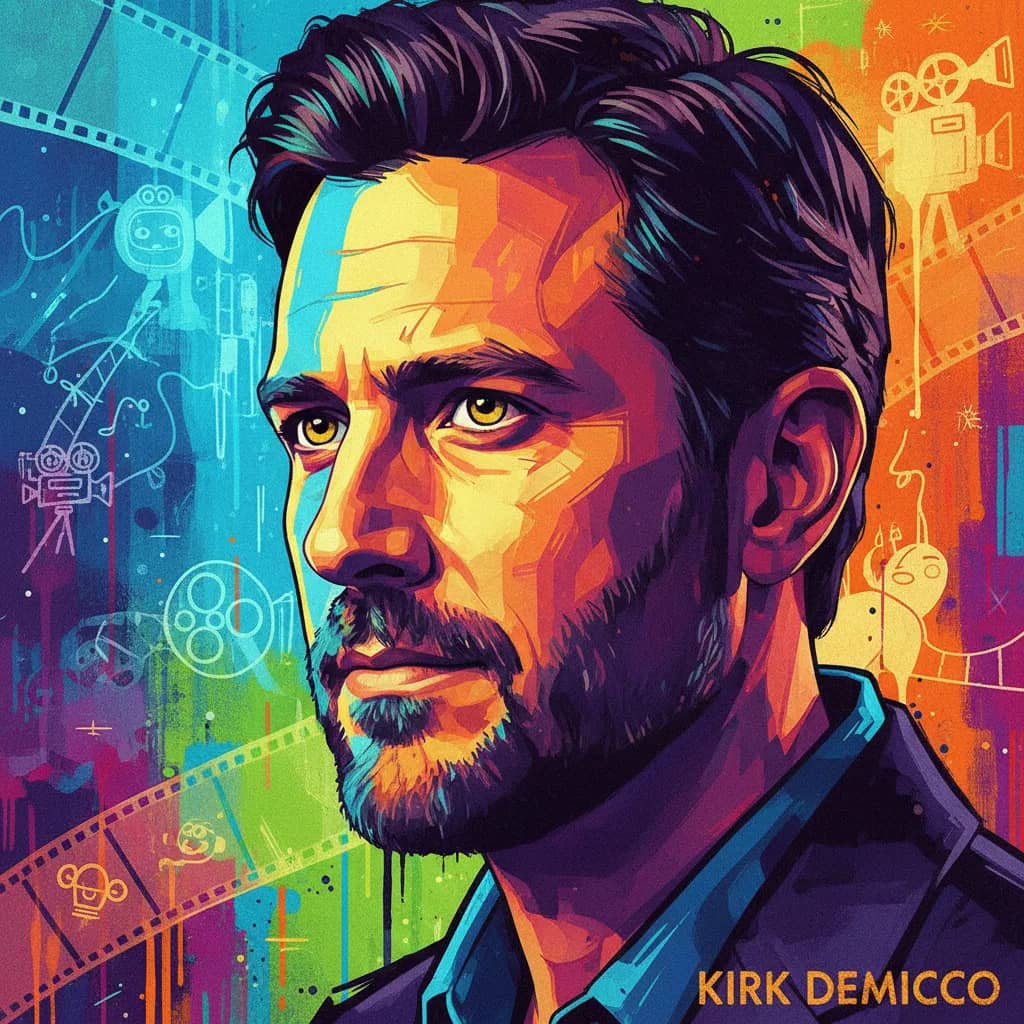
Kirk DeMicco is a highly talented film director known for his exceptional work in the animation genre. With a career spanning several decades, he has made a significant impact on the world of cinema. DeMicco's unique directorial style is characterized by his ability to blend heartwarming storytelling with visually stunning animation, creating films that resonate with audiences of all ages. One of DeMicco's most notable works is "The Croods" (2013), a captivating animated film that seamlessly combines action, adventure, and humor. The movie follows the journey of a prehistoric family as they navigate a changing world, and it showcases DeMicco's skill in crafting compelling narratives with universal themes. The success of "The Croods" solidified DeMicco's reputation as a director capable of delivering visually dazzling and emotionally resonant storytelling. In 2021, DeMicco once again demonstrated his directorial prowess with "Vivo," a delightful animated adventure that masterfully blends music, comedy, and heartwarming themes. The film follows a musically gifted kinkajou named Vivo as he embarks on a thrilling journey to deliver a love song from Havana to Miami. With "Vivo," DeMicco further showcased his ability to create immersive worlds and endearing characters, cementing his status as a visionary director in the animation genre. Throughout his career, DeMicco has explored recurring themes of family, friendship, and the power of perseverance, infusing his films with messages that resonate with audiences on a profound level. His commitment to storytelling that inspires and entertains has left an indelible mark on cinema, earning him a dedicated following of fans and critical acclaim from industry peers. Kirk DeMicco's contributions to the world of film have been nothing short of extraordinary. His ability to create engaging, visually stunning, and emotionally resonant animated films has left an enduring legacy in cinema. As he continues to captivate audiences with his unique vision and storytelling prowess, DeMicco remains a director to watch, with each new project promising to deliver a cinematic experience that is both unforgettable and uplifting.


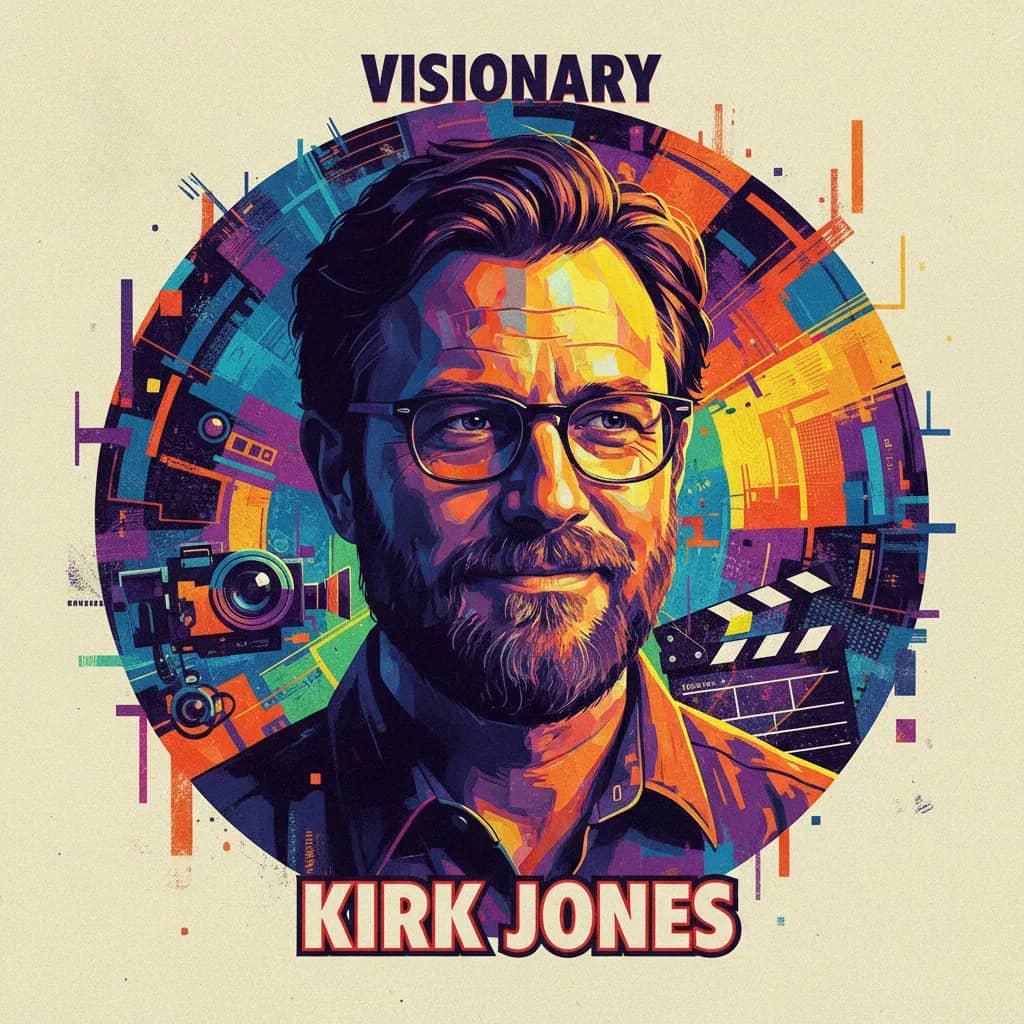
Kirk Jones is a British director known for his charming and heartwarming storytelling in family-friendly and comedic films. With a career spanning over two decades, Jones has made a mark in the industry with his unique directorial style and ability to capture the essence of human relationships with wit and warmth. His notable films reflect his talent for blending humor, emotion, and relatability, making him a beloved figure in the world of cinema. One of Jones's most acclaimed works is "Nanny McPhee" (2005), a delightful comedy-fantasy film that showcases his knack for creating magical and endearing narratives. The film, starring Emma Thompson and Colin Firth, received widespread praise for its imaginative storytelling and heartwarming themes. Jones's directorial prowess was further evident in "Everybody's Fine" (2009), a touching adventure-drama that explored the complexities of family dynamics, featuring a stellar performance by Robert De Niro. In "My Big Fat Greek Wedding 2" (2016), Jones demonstrated his ability to infuse romantic comedy with genuine sentiment, offering audiences a nostalgic and heartening sequel to the beloved original. "Waking Ned Devine" (1998) stands as another testament to Jones's talent, as he skillfully navigated the comedic and heartfelt elements of the story, leaving a lasting impression on viewers. Jones's directorial style often revolves around themes of family, love, and the human experience, with a focus on genuine emotions and relatable characters. His films are characterized by their ability to evoke laughter and tears in equal measure, resonating with audiences of all ages. Through his work, Jones has made a significant impact on the film industry, contributing a unique voice and vision that continues to captivate viewers worldwide. With a diverse filmography that includes comedies, dramas, and family-oriented films, Kirk Jones has solidified his reputation as a director with a genuine understanding of human emotions and relationships. His ability to infuse warmth, humor, and sincerity into his storytelling sets him apart in the world of cinema, making his films timeless treasures that continue to enchant audiences. As a director, Jones has left an indelible mark on the industry, and his contributions are sure to inspire future generations of filmmakers.

Kirk Wise is a renowned film director celebrated for his exceptional contributions to the animation genre. Wise, along with his creative partner Gary Trousdale, has left an indelible mark on cinema with his directorial vision and storytelling prowess. He is best known for his directorial work on Disney's animated classics, including "The Hunchback of Notre Dame" (1996) and "Atlantis: The Lost Empire" (2001). Wise's directorial style is characterized by a captivating blend of drama, romance, action, and adventure. His films often feature richly developed characters, intricate storytelling, and visually stunning animation, captivating audiences of all ages. Notably, "The Hunchback of Notre Dame" stands as a testament to Wise's ability to infuse depth and emotion into animated storytelling, addressing mature themes while maintaining broad appeal. Throughout his career, Wise has demonstrated a penchant for exploring themes of heroism, self-discovery, and the human spirit, infusing his films with timeless messages and universal resonance. His commitment to pushing the boundaries of animation and storytelling has had a lasting impact on the industry, inspiring future generations of filmmakers and captivating audiences worldwide. Wise's directorial contributions have solidified his status as a visionary in the animation genre, with his films standing as enduring classics in the hearts of film enthusiasts. His unique ability to blend captivating narratives with breathtaking visuals has reshaped the landscape of animated cinema, earning him a revered place in the annals of film history. Kirk Wise's directorial legacy continues to inspire and captivate audiences, cementing his status as a master storyteller and visionary filmmaker.
Every film by the greats, ranked by our TML Score.

Christopher Nolan
Every film, ranked

Quentin Tarantino
Every film, ranked

Stanley Kubrick
Every film, ranked

Martin Scorsese
Every film, ranked

Steven Spielberg
Every film, ranked

Alfred Hitchcock
Every film, ranked

David Fincher
Every film, ranked

Denis Villeneuve
Every film, ranked

Wes Anderson
Every film, ranked

Paul Thomas Anderson
Every film, ranked

Ridley Scott
Every film, ranked

Tim Burton
Every film, ranked

Guillermo del Toro
Every film, ranked

Hayao Miyazaki
Every film, ranked

Akira Kurosawa
Every film, ranked

Francis Ford Coppola
Every film, ranked

Clint Eastwood
Every film, ranked

Bong Joon Ho
Every film, ranked

Woody Allen
Every film, ranked

Steven Soderbergh
Every film, ranked

Ron Howard
Every film, ranked

Pedro Almodóvar
Every film, ranked

Richard Linklater
Every film, ranked

Roman Polanski
Every film, ranked

Brian De Palma
Every film, ranked

Ingmar Bergman
Every film, ranked

Oliver Stone
Every film, ranked

David Cronenberg
Every film, ranked

Robert Zemeckis
Every film, ranked

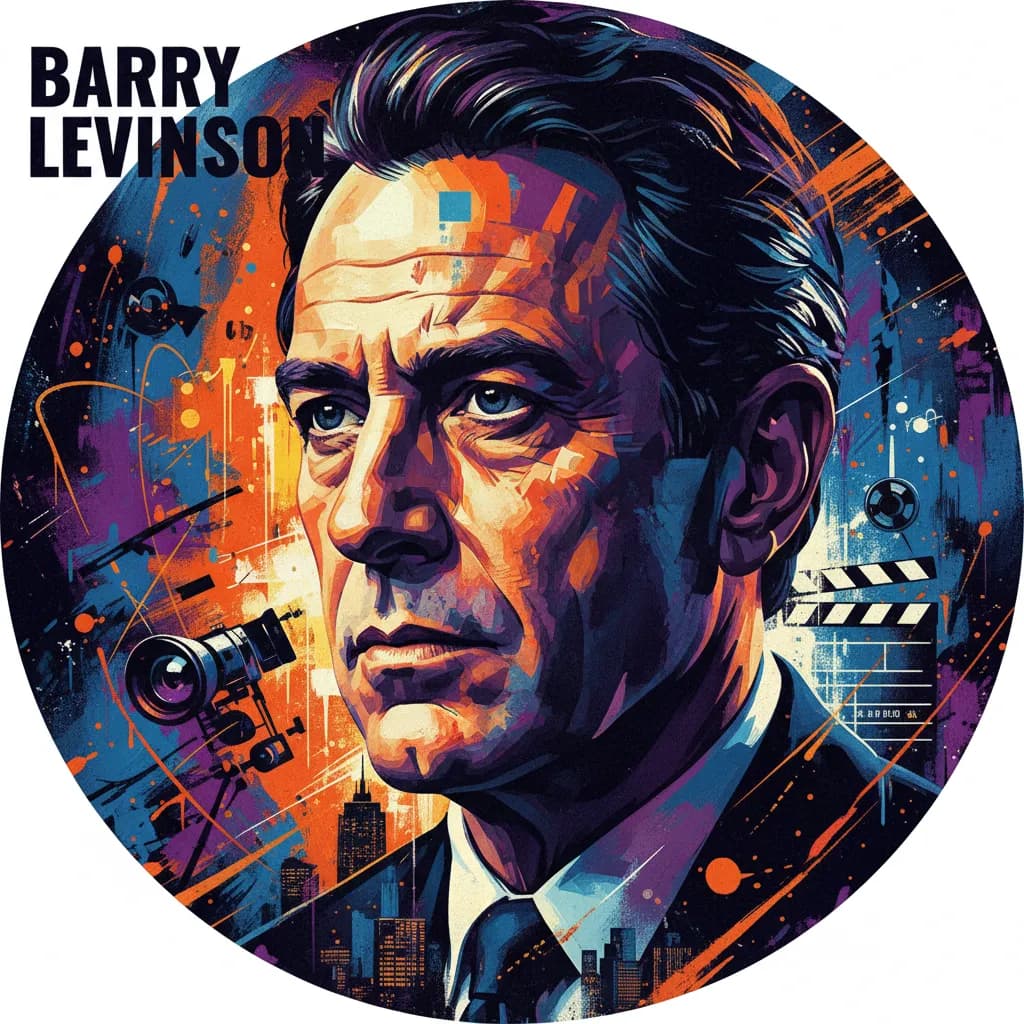
Barry Levinson
Every film, ranked

John Carpenter
Every film, ranked

Joel Schumacher
Every film, ranked

Billy Wilder
Every film, ranked

Rob Reiner
Every film, ranked

Neil Jordan
Every film, ranked

Spike Lee
Every film, ranked

Ivan Reitman
Every film, ranked

John Woo
Every film, ranked

Lasse Hallström
Every film, ranked

Stephen Frears
Every film, ranked

Luc Besson
Every film, ranked

Chris Columbus
Every film, ranked

Mike Nichols
Every film, ranked

Howard Hawks
Every film, ranked

Ang Lee
Every film, ranked

Walter Hill
Every film, ranked

Gus Van Sant
Every film, ranked

William Wyler
Every film, ranked

Renny Harlin
Every film, ranked

Sidney Lumet
Every film, ranked

Tony Scott
Every film, ranked