Discover the visionary filmmakers behind cinema's greatest works.
Explore our selection of acclaimed directors and their remarkable films.
Showing 2269-2280 out of 4148

Kristina Buozyte is a visionary Lithuanian film director known for her unique blend of adventure, drama, and sci-fi genres. Her notable film "Vesper" (2022) showcases her distinct directorial style, characterized by visually stunning cinematography, thought-provoking storytelling, and immersive world-building. Buozyte's films often delve into existential themes, human emotions, and the exploration of the unknown, captivating audiences with their compelling narratives and striking visuals. "Vesper" stands as a testament to Buozyte's ability to craft mesmerizing, atmospheric worlds that transport viewers into uncharted territories, both literally and metaphorically. Her directorial approach seamlessly weaves together elements of suspense, mystery, and philosophical underpinnings, creating an immersive cinematic experience that lingers long after the credits roll. Buozyte's adeptness at blending genres allows her to push creative boundaries, resulting in films that resonate with audiences across diverse interests. Throughout her career, Buozyte has left an indelible mark on the cinematic landscape, garnering acclaim for her innovative storytelling and ambitious vision. Her films often confront existential questions, the human condition, and the enigmatic nature of the universe, inviting audiences to ponder profound concepts while being enraptured by the visual splendor unfolding on screen. Buozyte's directorial prowess has solidified her status as a trailblazing filmmaker, leaving an enduring impact on the sci-fi and adventure genres. As Buozyte continues to push the boundaries of storytelling and visual storytelling, her distinct directorial style and thought-provoking narratives are sure to captivate audiences worldwide, cementing her legacy as a visionary director whose contributions to cinema resonate far beyond the screen. With "Vesper" serving as a testament to her unparalleled talent, Buozyte's future endeavors are eagerly anticipated by cinephiles and critics alike.

Kristin Hanggi is a talented film director known for her work in the comedy, drama, and romance genres. Her notable film, "Naomi and Ely's No Kiss List," released in 2015, showcases her unique directorial style and storytelling prowess. Hanggi's films often delve into the complexities of relationships, personal growth, and the intricacies of human emotions, making her a distinctive voice in modern cinema. With a keen eye for capturing authentic emotions and relatable experiences, Hanggi's directorial style is characterized by its heartfelt and emotionally resonant storytelling. She has a knack for bringing out the depth of her characters and creating a genuine connection with her audience. Her films often explore the nuances of friendships, love, and self-discovery, offering a refreshing take on familiar themes. "Naomi and Ely's No Kiss List" stands as a testament to Hanggi's ability to craft compelling narratives that blend humor, poignancy, and romance. The film's success not only solidified Hanggi's reputation as a director to watch but also demonstrated her impact on the rom-com genre. Her work has left a lasting impression on audiences, paving the way for more inclusive and emotionally rich storytelling in contemporary cinema. Hanggi's contributions to film extend beyond her directorial achievements; she has played a crucial role in shaping the landscape of modern romantic comedies and drama. Her films resonate with audiences by presenting authentic and relatable characters, and her unique directorial vision has left an indelible mark on the industry. As a director, Hanggi continues to inspire with her ability to infuse her films with sincerity, humor, and emotional depth, solidifying her status as a visionary filmmaker.

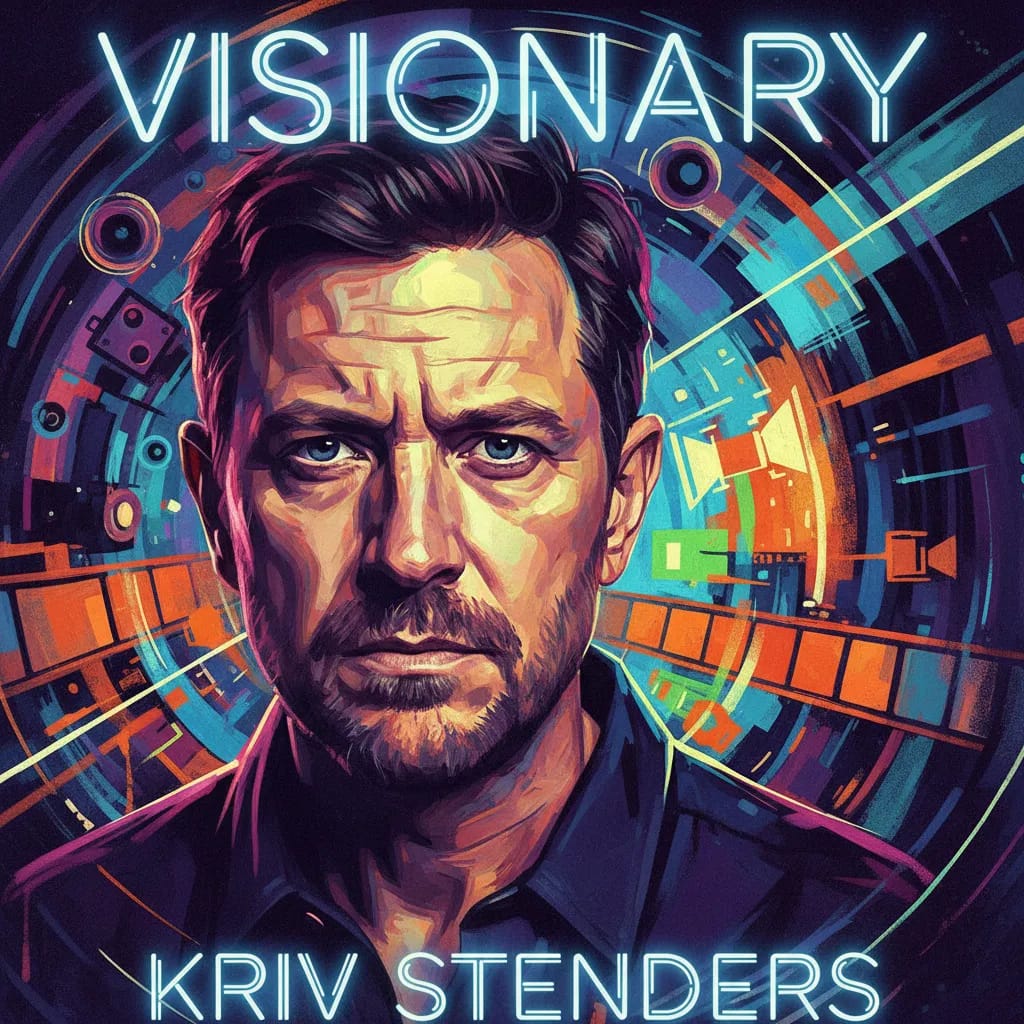
Kriv Stenders is an Australian film director known for his versatile directorial style, which spans across various genres, including Biography, Comedy, Drama, Action, and War. Stenders garnered widespread acclaim for his poignant and heartwarming directorial debut, "Red Dog" (2011). The film, based on a true story, captured the hearts of audiences worldwide with its compelling storytelling and endearing portrayal of the bond between a dog and its community. Stenders' adept direction in "Red Dog" showcased his ability to infuse warmth and depth into his characters, setting the stage for his future successes. In 2014, Stenders shifted gears to the action-comedy-crime genre with "Kill Me Three Times." The film demonstrated his versatility as a director, combining elements of dark humor, suspense, and intricate storytelling. Stenders' innovative approach to genre-blending and his knack for creating compelling narratives solidified his reputation as a director with a distinct creative vision. Stenders continued to explore diverse themes and genres with "Danger Close" (2019), a gripping war drama that depicted the Battle of Long Tan during the Vietnam War. With this film, Stenders demonstrated his ability to helm intense, emotionally charged narratives while honoring the bravery and sacrifices of soldiers. His deft direction in "Danger Close" underscored his commitment to portraying profound human experiences against the backdrop of historical events. Stenders' filmography showcases his ability to traverse genres with finesse while maintaining a consistent focus on engaging storytelling and character-driven narratives. His unique vision and impactful contributions to cinema have cemented his status as a director to watch. With a keen eye for emotional resonance and a penchant for crafting immersive cinematic experiences, Kriv Stenders continues to leave an indelible mark on the film industry, captivating audiences with his distinct directorial style and compelling storytelling.

Krzysztof Kieślowski was a visionary Polish director whose career spanned over two decades, leaving an indelible mark on cinema. Known for his masterful storytelling, Kieślowski's directorial style was characterized by his profound exploration of human emotions and existential themes. His filmography includes several acclaimed works, such as "La double vie de Véronique" (1991), "Three Colors" trilogy - "Blue" (1993), "White" (1994), and "Red" (1994), as well as "Blind Chance" (1987) and "A Short Film About Love" (1988). Kieślowski's films often delved into the complexities of human nature, morality, and the interconnectedness of lives. His unique ability to capture the nuances of human emotions and the intricacies of relationships resonated deeply with audiences worldwide. The "Three Colors" trilogy, in particular, stands as a testament to Kieślowski's unparalleled storytelling prowess, as he skillfully weaved together themes of liberty, equality, and fraternity in a visually striking and emotionally evocative manner. Throughout his career, Kieślowski's recurring themes included fate, chance, and the impact of individual choices on the course of one's life. His thought-provoking narratives often left audiences contemplating the existential dilemmas and moral quandaries presented in his films long after the credits rolled. Kieślowski's impact on cinema extended beyond his storytelling, as he also pushed the boundaries of visual storytelling, employing symbolism and metaphor to convey profound messages. Kieślowski's directorial legacy continues to inspire filmmakers and cinephiles alike, as his films remain timeless classics that continue to captivate new generations of viewers. His unparalleled ability to infuse his works with deep philosophical underpinnings while maintaining a captivating cinematic experience solidifies his status as a true auteur. Kieślowski's influence on world cinema is immeasurable, and his body of work stands as a testament to the enduring power of storytelling through the lens of an extraordinary filmmaker.


K.S. Ravikumar is an acclaimed Indian film director known for his versatile storytelling and directorial prowess. With a career spanning over three decades, Ravikumar has made a significant impact on Indian cinema through his unique vision and directorial style. His notable film, "Dasavatharam" (2008), is a testament to his ability to seamlessly blend action, adventure, and science fiction elements, captivating audiences with its compelling narrative and visual spectacle. Ravikumar's directorial style is characterized by his adeptness in crafting high-octane action sequences, intricate storytelling, and larger-than-life cinematic experiences. He has a penchant for seamlessly integrating multiple genres, infusing his films with a dynamic energy that keeps audiences on the edge of their seats. "Dasavatharam" exemplifies his ability to navigate complex narratives and deliver a visually stunning cinematic experience, showcasing his mastery in handling diverse themes and genres. Throughout his career, Ravikumar has demonstrated a knack for exploring thought-provoking themes while maintaining a mass appeal, earning him a dedicated fan base. His films often delve into societal issues, ethical dilemmas, and the human condition, resonating with audiences on a profound level. Moreover, his directorial finesse has contributed to the evolution of Indian cinema, inspiring a new wave of filmmakers and setting a high standard for cinematic excellence. Ravikumar's influence extends beyond his directorial achievements, as he has played a pivotal role in shaping the landscape of Indian cinema. His ability to infuse grandeur into his storytelling and create immersive cinematic experiences has cemented his status as a visionary director. With a stellar filmography and a legacy of groundbreaking films, K.S. Ravikumar continues to be a revered figure in the realm of Indian filmmaking, leaving an indelible mark on the industry. In summary, K.S. Ravikumar's illustrious career as a film director is defined by his exceptional storytelling abilities, genre-defying films, and enduring impact on Indian cinema. His directorial style, marked by its dynamism and thematic depth, has solidified his reputation as a visionary filmmaker. Through his remarkable body of work, Ravikumar has left an indelible imprint on the cinematic landscape, earning accolades and admiration from audiences and peers alike.

Kunal Deshmukh is a talented Indian film director known for his impactful storytelling and visually stunning directorial style. With a career spanning over a decade, Deshmukh has left an indelible mark on the Indian film industry with his unique vision and narrative finesse. His filmography includes notable works such as "Shiddat" (2021), a captivating romance that showcases his ability to depict intense emotions and complex relationships on screen. Deshmukh's directorial style is characterized by his keen attention to detail, striking visual compositions, and an innate ability to delve deep into the intricacies of human emotions. His films often feature compelling characters and nuanced storytelling, which resonate with audiences on a profound level. Through his work, Deshmukh has established himself as a master storyteller, capable of crafting immersive cinematic experiences that stay with viewers long after the credits roll. "Shiddat" (2021) stands as a testament to Deshmukh's directorial prowess, as he skillfully navigates the complexities of love, passion, and heartbreak, creating a film that resonates with audiences of all ages. His ability to bring out raw emotions and capture the essence of human relationships has earned him widespread acclaim and cemented his status as a director to watch in the Indian film industry. Throughout his career, Deshmukh has explored recurring themes such as love, destiny, and the human experience, infusing his films with a sense of authenticity and relatability. His impact on Indian cinema is undeniable, as he continues to push boundaries and redefine the art of storytelling through his directorial ventures. With each project, Deshmukh reaffirms his position as a visionary director, capable of weaving compelling narratives that transcend cultural boundaries and resonate with audiences worldwide. In conclusion, Kunal Deshmukh's directorial career is a testament to his unwavering commitment to storytelling and his ability to craft compelling narratives that leave a lasting impression. With "Shiddat" (2021) and his other notable works, Deshmukh has solidified his status as a visionary director, whose unique vision and narrative finesse continue to captivate audiences and shape the landscape of Indian cinema.

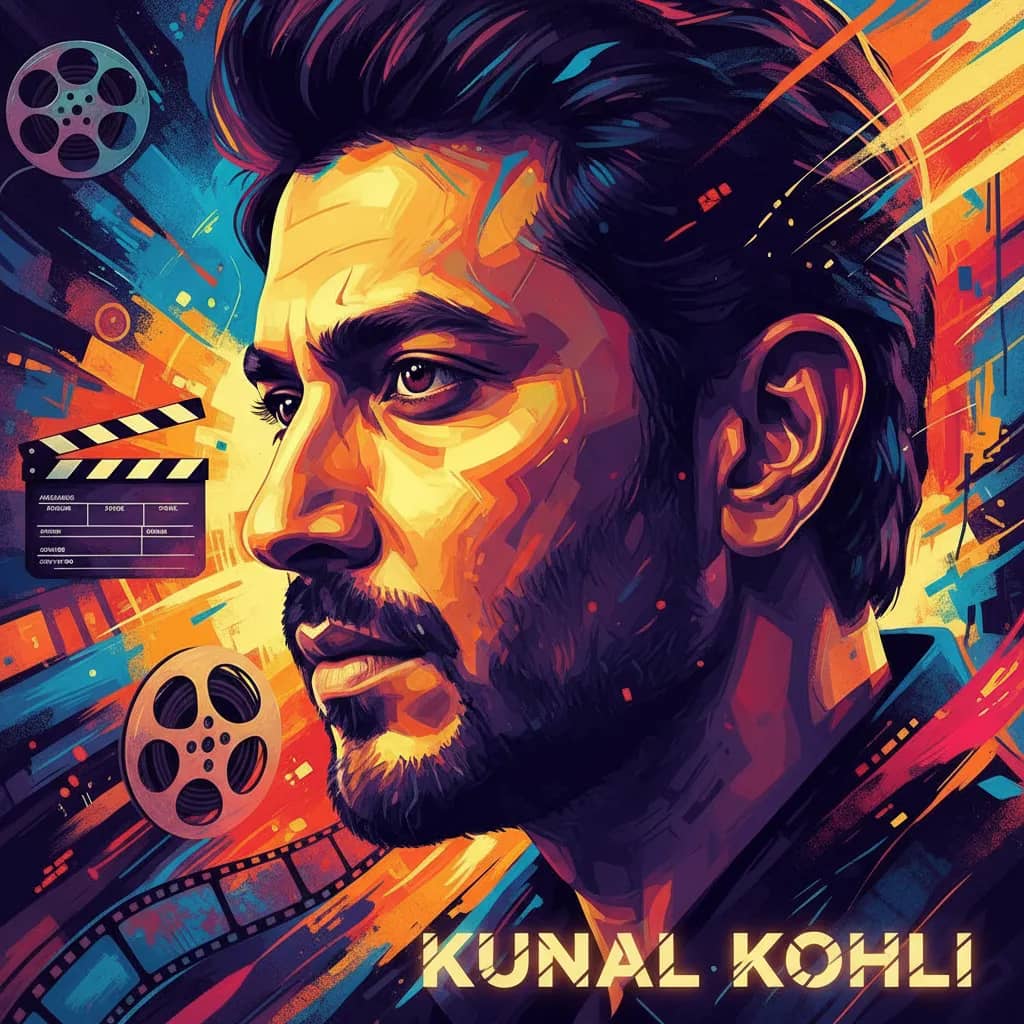
Kunal Kohli is an accomplished Indian film director known for his captivating storytelling and ability to blend genres seamlessly. With a career spanning over two decades, Kohli has left an indelible mark on Indian cinema with his unique directorial style and ability to evoke deep emotions from his audience. One of Kohli's most notable works is "Fanaa" (2006), a romantic drama that masterfully combines elements of action and suspense, showcasing his versatility as a director. The film's gripping narrative and powerful performances made it a commercial success and solidified Kohli's reputation as a director with a keen eye for compelling storytelling. In "Hum Tum" (2004), Kohli demonstrated his expertise in crafting heartwarming romantic comedies, a genre he has excelled in throughout his career. The film's witty dialogue, endearing characters, and poignant moments cemented Kohli's status as a maestro of romantic storytelling in Indian cinema. Kunal Kohli's directorial style is characterized by his ability to infuse depth and emotion into his films, often exploring themes of love, fate, and personal growth. His films resonate with audiences due to their relatable characters and universal themes, creating a lasting impact on the Indian film industry. Kohli's contributions to Indian cinema have been instrumental in shaping the romantic drama and comedy genres, inspiring a new generation of filmmakers to explore complex emotions and interpersonal relationships on screen. With a penchant for crafting compelling narratives and evocative visuals, Kunal Kohli continues to be a revered figure in the world of Indian cinema, leaving an indelible mark with his distinctive directorial vision.

Kundan Shah is a celebrated Indian film director known for his unique storytelling and directorial style that effortlessly blends comedy, drama, and social commentary. Shah's career took off with the iconic cult classic "Jaane Bhi Do Yaaro" (1983), a satirical take on corruption and bureaucracy in Indian society. The film's sharp wit, clever humor, and incisive social commentary garnered widespread acclaim, establishing Shah as a visionary director with a keen eye for societal issues. Shah's directorial prowess shone once again with "Kabhi Haan Kabhi Naa" (1994), a heartwarming coming-of-age story that seamlessly weaves together elements of comedy, drama, and music. The film's endearing characters, relatable narratives, and memorable soundtrack resonated deeply with audiences, further solidifying Shah's reputation as a master storyteller who effortlessly captures the complexities of human relationships and emotions. Throughout his career, Shah's films have consistently featured a blend of comedic elements, thought-provoking narratives, and societal critiques, showcasing his penchant for creating multi-layered cinematic experiences. His directorial style often incorporates a balance of lighthearted moments and poignant reflections on the human condition, making his films both entertaining and intellectually stimulating. Kundan Shah's impact on Indian cinema is profound, as his films continue to inspire and influence a new generation of filmmakers. His ability to infuse humor with social relevance and emotional depth has left an indelible mark on the industry, earning him a well-deserved place among the most respected directors in Indian cinema. With a legacy defined by thought-provoking storytelling and a distinctive directorial vision, Kundan Shah's contributions to film endure as a testament to his creative genius and enduring influence.

Kunihiko Yuyama is a highly esteemed Japanese film director, recognized for his exceptional contributions to the world of animation and his close association with the globally adored Pokémon franchise. With a career spanning several decades, Yuyama has left an indelible mark on the entertainment industry, particularly within the realm of animated feature films. His directorial style is characterized by a seamless blend of captivating storytelling, striking visuals, and a deep understanding of the emotional resonance that can be evoked through animation. Yuyama's films often showcase his unparalleled ability to create immersive worlds that resonate with audiences of all ages. Yuyama's most notable works include his directorial ventures within the Pokémon film series, such as "Pokémon: The First Movie - Mewtwo Strikes Back" (1998), "Pokémon 3 the Movie: Spell of the Unown" (2000), and "Pokémon the Movie 2000" (1999). These films not only captured the hearts of fans worldwide but also solidified Yuyama's reputation as a visionary director capable of crafting compelling narratives within the Pokémon universe. His keen eye for detail and his commitment to preserving the essence of the beloved franchise have made him an integral part of Pokémon's enduring success. Throughout his career, Yuyama has consistently demonstrated a remarkable ability to infuse his films with themes of friendship, adventure, and the power of teamwork, resonating with audiences on a profound level. His commitment to storytelling and his ability to create emotionally resonant narratives have had a significant impact on the animation genre. Yuyama's work has not only entertained audiences but has also inspired a new generation of filmmakers and storytellers, leaving an indelible mark on the world of cinema. In conclusion, Kunihiko Yuyama's directorial prowess and his invaluable contributions to the Pokémon franchise have solidified his status as a luminary within the animation industry. His ability to transport audiences into enchanting worlds, coupled with his profound storytelling acumen, has firmly established him as a director with an enduring legacy. Yuyama's impact on cinema is undeniable, and his work continues to captivate and inspire audiences around the globe.

Kuran Dhillon is a talented Indian film director known for his unique blend of comedy and drama, as evidenced by his notable film "Gulabo Sitabo" (2020). Dhillon's directorial style is characterized by his ability to seamlessly weave together humor and poignant storytelling, creating a captivating cinematic experience for audiences. With "Gulabo Sitabo," Dhillon showcased his adeptness at portraying the complexities of human relationships while infusing the narrative with genuine moments of levity. Throughout his career, Dhillon has demonstrated a keen eye for capturing the nuances of everyday life, often delving into themes of interpersonal dynamics, societal issues, and the human experience. His films are marked by their relatable characters and thought-provoking narratives, which resonate with viewers on a profound level. Dhillon's ability to infuse his storytelling with humor and emotional depth has set him apart as a director with a distinct and impactful cinematic voice. "Gulabo Sitabo" stands as a testament to Dhillon's directorial prowess and his ability to bring compelling stories to life on the silver screen. The film received widespread acclaim for its engaging narrative, stellar performances, and Dhillon's adept direction. His contribution to Indian cinema has been significant, as he continues to push boundaries and challenge conventions, enriching the cinematic landscape with his distinct vision. In conclusion, Kuran Dhillon's directorial career is defined by his mastery in crafting compelling narratives that seamlessly blend comedy and drama. His films, most notably "Gulabo Sitabo," have left an indelible mark on Indian cinema, resonating with audiences and critics alike. Dhillon's unique directorial style and ability to infuse his storytelling with emotional depth have solidified his position as a director to watch, with a promising future ahead in the world of filmmaking.

Kurt Wimmer is an American film director best known for his work in the action, drama, and sci-fi genres. His most notable directorial work is the 2002 cult classic "Equilibrium." Wimmer's directorial style is characterized by visually stunning action sequences, thought-provoking storytelling, and a focus on dystopian and futuristic themes. His films often explore the consequences of oppressive societies and the struggle for individual freedom, all set against visually arresting backdrops. "Equilibrium" marked Wimmer's directorial debut and quickly gained a dedicated following for its unique blend of martial arts, gunplay, and a dystopian society devoid of emotion. The film's striking visual style and innovative action choreography showcased Wimmer's ability to create immersive and adrenaline-pumping cinematic experiences. Wimmer's directorial vision is often characterized by a bold and uncompromising approach to storytelling, which challenges traditional genre conventions and pushes the boundaries of visual storytelling. Throughout his career, Wimmer has demonstrated a knack for incorporating philosophical and existential themes into his work, often using them as a backdrop to explore the human condition within the context of larger societal issues. His films often feature protagonists who rebel against oppressive systems, sparking revolutions and inciting change. Wimmer's ability to blend high-concept ideas with pulse-pounding action has solidified his reputation as a visionary director with a unique perspective on the human experience. Wimmer's impact on cinema lies in his ability to create visually arresting and thematically rich films that resonate with audiences on both an emotional and intellectual level. His work has inspired a new generation of filmmakers to explore the intersection of action, sci-fi, and philosophical storytelling, and his influence can be seen in the works of directors who have followed in his footsteps. As Wimmer continues to explore new creative territories, his legacy as a director who fearlessly challenges the status quo and expands the boundaries of cinematic storytelling is sure to endure.

K.V. Anand, a prominent Indian film director, was known for his unique directorial style and innovative storytelling. With a career spanning over two decades, Anand left an indelible mark on the Indian film industry. His directorial debut came with the critically acclaimed film "Kana Kandaen" in 2005, which showcased his adeptness at crafting compelling narratives and visually stunning sequences. However, it was his 2009 action-packed blockbuster "Ayan" that catapulted him to fame and solidified his position as an influential filmmaker. Anand's directorial style is characterized by his ability to seamlessly blend high-octane action with engaging storytelling, often incorporating elements of suspense and thrill. His keen eye for capturing breathtaking visuals and his proficiency in handling complex action sequences set him apart in the industry. "Ayan" exemplifies Anand's prowess in creating adrenaline-pumping cinematic experiences, earning him praise from audiences and critics alike. Throughout his career, Anand explored themes of heroism, adventure, and the triumph of the underdog, resonating with a wide spectrum of viewers. His films often depicted larger-than-life characters set against grand backdrops, showcasing his penchant for creating immersive cinematic worlds. Anand's impact on Indian cinema is undeniable, as he brought a fresh perspective to the action genre, inspiring a new wave of filmmakers to push creative boundaries. K.V. Anand's contribution to the film industry extends beyond his directorial ventures, as he also served as a cinematographer for several acclaimed films, honing his visual storytelling skills. His legacy continues to inspire aspiring filmmakers, and his body of work remains a testament to his influential role in shaping the landscape of Indian cinema. Anand's untimely passing in 2020 left a void in the industry, but his cinematic imprint endures, ensuring his lasting legacy as a visionary director and storyteller.
Every film by the greats, ranked by our TML Score.

Christopher Nolan
Every film, ranked

Quentin Tarantino
Every film, ranked

Stanley Kubrick
Every film, ranked

Martin Scorsese
Every film, ranked

Steven Spielberg
Every film, ranked

Alfred Hitchcock
Every film, ranked

David Fincher
Every film, ranked

Denis Villeneuve
Every film, ranked

Wes Anderson
Every film, ranked

Paul Thomas Anderson
Every film, ranked

Ridley Scott
Every film, ranked

Tim Burton
Every film, ranked

Guillermo del Toro
Every film, ranked

Hayao Miyazaki
Every film, ranked

Akira Kurosawa
Every film, ranked

Francis Ford Coppola
Every film, ranked

Clint Eastwood
Every film, ranked

Bong Joon Ho
Every film, ranked

Woody Allen
Every film, ranked

Steven Soderbergh
Every film, ranked

Ron Howard
Every film, ranked

Pedro Almodóvar
Every film, ranked

Richard Linklater
Every film, ranked

Roman Polanski
Every film, ranked

Brian De Palma
Every film, ranked

Ingmar Bergman
Every film, ranked

Oliver Stone
Every film, ranked

David Cronenberg
Every film, ranked

Robert Zemeckis
Every film, ranked

Barry Levinson
Every film, ranked

John Carpenter
Every film, ranked

Joel Schumacher
Every film, ranked

Billy Wilder
Every film, ranked

Rob Reiner
Every film, ranked

Neil Jordan
Every film, ranked

Spike Lee
Every film, ranked

Ivan Reitman
Every film, ranked

John Woo
Every film, ranked

Lasse Hallström
Every film, ranked

Stephen Frears
Every film, ranked

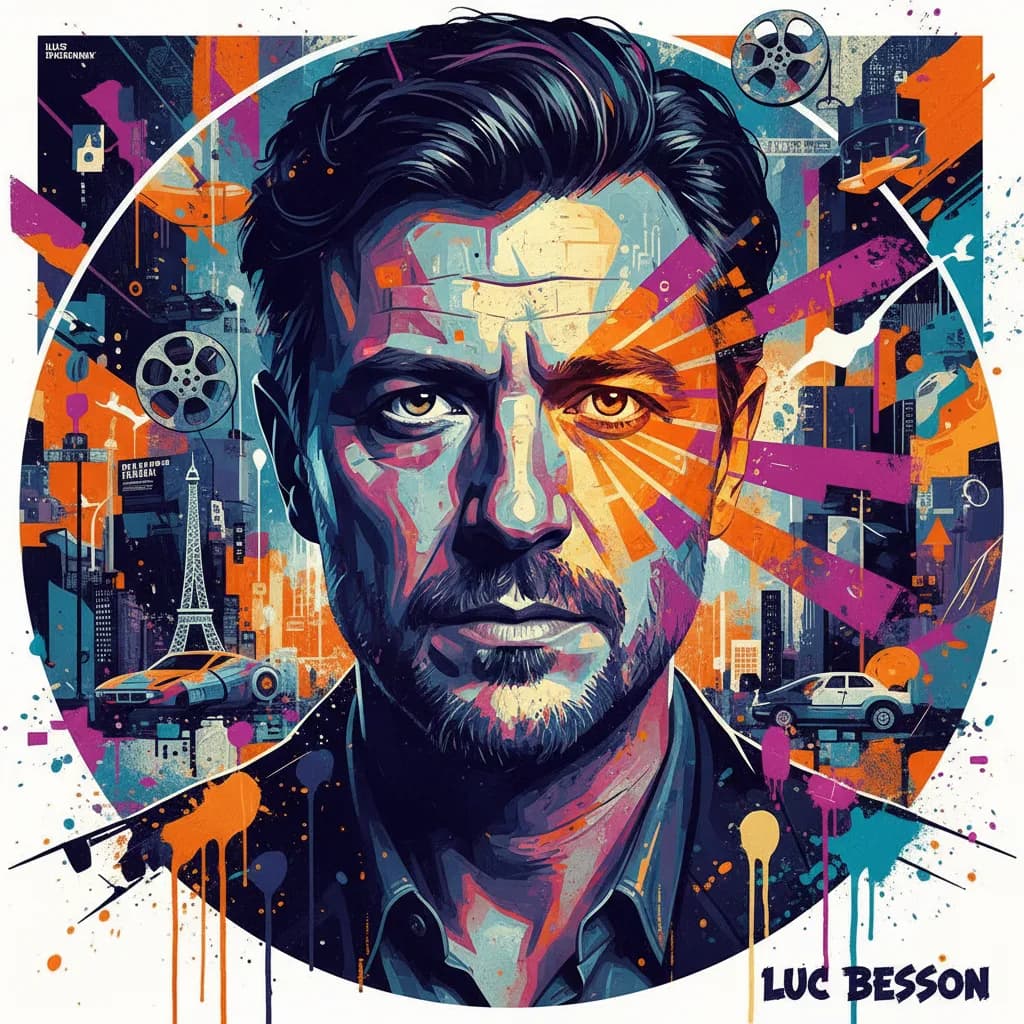
Luc Besson
Every film, ranked

Chris Columbus
Every film, ranked

Mike Nichols
Every film, ranked

Howard Hawks
Every film, ranked

Ang Lee
Every film, ranked

Walter Hill
Every film, ranked

Gus Van Sant
Every film, ranked

William Wyler
Every film, ranked

Renny Harlin
Every film, ranked

Sidney Lumet
Every film, ranked

Tony Scott
Every film, ranked