Discover the visionary filmmakers behind cinema's greatest works.
Explore our selection of acclaimed directors and their remarkable films.
Showing 2221-2232 out of 4148

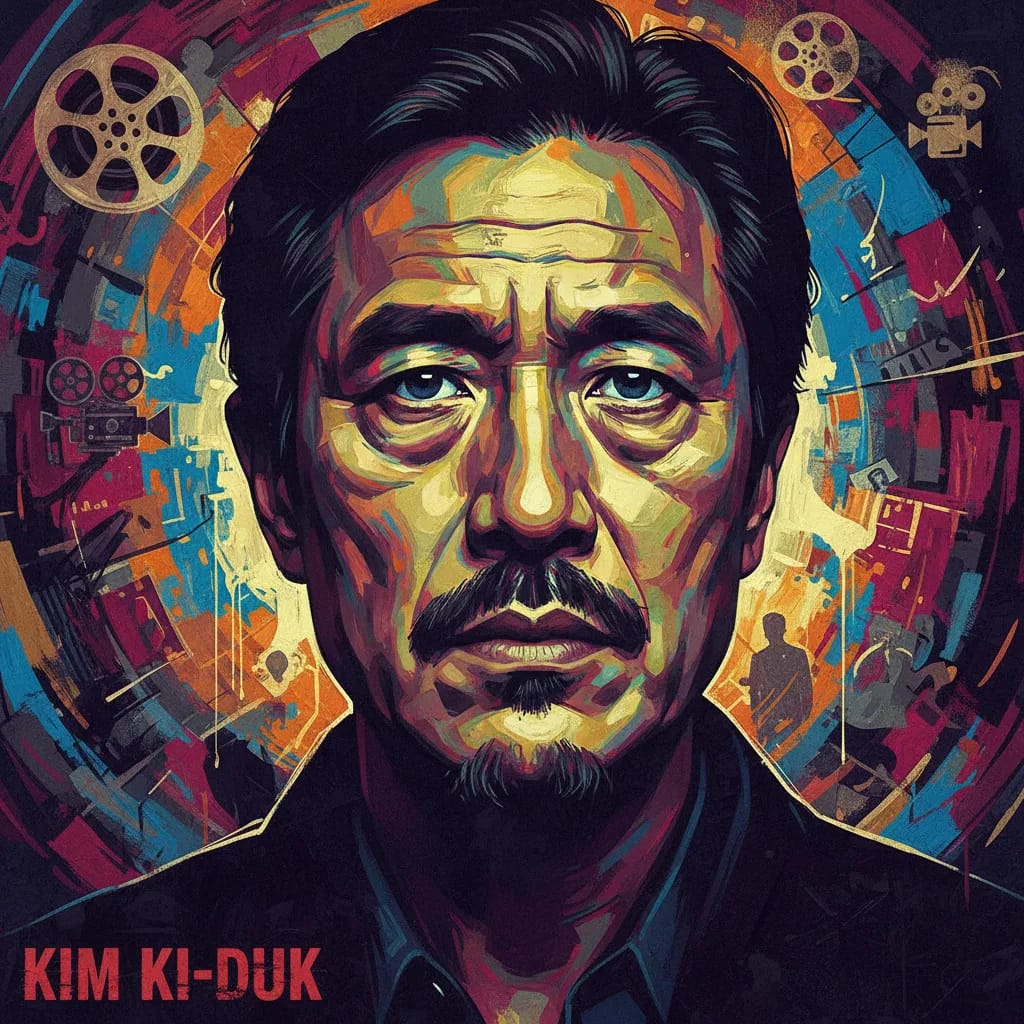
Ki-duk Kim is a renowned South Korean director known for his emotionally charged and visually striking films. With a career spanning over two decades, Kim has left an indelible mark on world cinema with his unique directorial style and the exploration of profound themes. His films often delve into the complexities of human relationships, the struggle for identity, and the juxtaposition of beauty and brutality in life. One of Kim's most notable films is "Bin-jip" (2004), also known as "3-Iron", a crime drama that intricately weaves together themes of love, solitude, and redemption. The film showcases Kim's signature visual storytelling, minimal dialogue, and poetic cinematography, which have become synonymous with his directorial style. Another prominent work in his filmography is "Bom Yeoareum Gaeul Gyeoul Geurigo Bom" (2003), also known as "Spring, Summer, Fall, Winter... and Spring", a contemplative drama that explores the cyclical nature of life, spirituality, and the human experience. Kim's films often feature a distinct blend of realism and symbolism, with a focus on the human condition and the universal struggle for meaning. His exploration of love, violence, and the dichotomy of beauty and cruelty in his narratives has garnered him international acclaim and a dedicated following. Kim's directorial vision has had a profound impact on contemporary cinema, influencing a generation of filmmakers and challenging audiences to confront the inherent complexities of existence through the lens of his artistry. Throughout his career, Ki-duk Kim has maintained a commitment to pushing the boundaries of storytelling and visual language, cementing his status as a visionary in world cinema. His ability to evoke raw emotions, provoke introspection, and create visually arresting narratives has solidified his position as a directorial maestro, leaving an enduring legacy in the realm of filmmaking. Whether exploring the depths of human psyche or the transcendent beauty of existence, Kim's films continue to resonate with audiences and critics alike, establishing him as a luminary in the cinematic landscape.

Kieran Darcy-Smith is an Australian director known for his captivating storytelling and visually striking narratives. His notable directorial work includes "The Duel" (2016), a gripping drama set in the Western genre that showcases his ability to create tension and evoke powerful emotions through his storytelling. Darcy-Smith's directorial style is characterized by his keen attention to detail, immersive cinematography, and his ability to elicit raw, authentic performances from his cast. "The Duel" stands as a testament to Darcy-Smith's skill in crafting thought-provoking narratives within the Western genre, portraying complex characters in morally ambiguous situations. His directorial approach often delves into the human psyche, exploring themes of redemption, justice, and the consequences of one's actions. Darcy-Smith's films are known for their atmospheric visuals, evocative sound design, and a deep understanding of the human condition, which resonates with audiences on a profound level. Darcy-Smith's impact on cinema is evident through his ability to breathe new life into established genres, infusing them with modern sensibilities while maintaining a deep respect for their traditions. His work has garnered critical acclaim and has solidified his reputation as a director with a unique and compelling vision. Through his films, Darcy-Smith has demonstrated a mastery of storytelling, using the medium of cinema to explore the complexities of human relationships and the moral dilemmas that shape our lives. In "The Duel," Darcy-Smith's directorial prowess shines through as he skillfully navigates the tension between characters and the untamed landscapes of the Western frontier, creating an immersive and unforgettable cinematic experience. His ability to weave together intricate narratives with rich character development and stunning visuals cements his status as a director to watch. With a penchant for exploring the depths of human emotion and morality, Kieran Darcy-Smith continues to leave an indelible mark on the world of cinema, captivating audiences with his unique storytelling and directorial finesse.

Kieran Mulroney is a talented director known for his work in the comedy-drama genre. His notable filmography includes the 2009 film "Paper Man," which showcases his unique directorial style and storytelling prowess. Mulroney's approach to filmmaking often blends humor with poignant human drama, creating a distinct and engaging cinematic experience for audiences. In "Paper Man," Mulroney expertly weaves together a narrative that explores the complexities of adult relationships while infusing the story with humor and heart. His directorial style shines through in the film's nuanced character development and emotional depth, demonstrating his ability to craft compelling and relatable stories on the big screen. Throughout his career, Mulroney has exhibited a keen eye for capturing the intricacies of human emotions and relationships, often delving into themes of self-discovery, personal growth, and the human experience. His films resonate with audiences due to their authentic portrayal of the human condition, and his ability to infuse humor into thought-provoking narratives sets him apart as a director with a distinctive vision. Kieran Mulroney's impact on cinema lies in his ability to create films that strike a delicate balance between comedy and drama, offering audiences a rich and multifaceted viewing experience. His work exemplifies his commitment to storytelling that is both entertaining and emotionally resonant, earning him a well-deserved place among the talented directors shaping the landscape of contemporary cinema. Overall, Kieran Mulroney's directorial career is defined by his ability to craft compelling narratives that explore the complexities of human relationships with humor, depth, and authenticity. With "Paper Man" as a standout example of his directorial prowess, Mulroney continues to leave a lasting impression on audiences with his unique vision and contributions to the world of film.

Kihachi Okamoto was a prolific and influential Japanese film director known for his distinct style and impactful contributions to cinema. With a career spanning over four decades, Okamoto left an indelible mark on the world of filmmaking, particularly in the action and drama genres. His most notable film, "The Sword of Doom" (1966), is a testament to his directorial prowess and storytelling abilities. Okamoto's directorial style was characterized by his meticulous attention to detail, innovative cinematography, and compelling narratives. He had a penchant for crafting intense and visually stunning action sequences, capturing the raw emotions and complexities of human nature. This unique approach to filmmaking set him apart as a visionary director with a keen eye for storytelling. "The Sword of Doom" stands as a testament to Okamoto's directorial brilliance, blending action and drama in a captivating narrative. The film's exploration of the moral dilemmas faced by its characters, coupled with its breathtaking sword-fighting sequences, cemented Okamoto's reputation as a master of his craft. His ability to infuse depth and nuance into his characters and narratives showcased his profound understanding of human nature and the human experience. Throughout his career, Okamoto's films often delved into themes of honor, morality, and the human condition, resonating with audiences on a profound level. His impact on cinema extends beyond his individual films, as his innovative techniques and storytelling continue to influence filmmakers and audiences alike. Kihachi Okamoto's enduring legacy as a director lies in his ability to transcend cultural and linguistic barriers, delivering timeless stories that resonate with audiences worldwide. His unique vision and unparalleled contributions to the world of cinema solidify his place as a trailblazing director whose influence continues to shape the landscape of filmmaking.

Kike Maíllo is a Spanish film director known for his distinct visual style and thought-provoking storytelling. His notable film, "Eva" (2011), garnered critical acclaim and showcased Maíllo's talent for blending adventure, drama, and fantasy into a captivating narrative. His directorial style is characterized by a keen attention to detail, striking cinematography, and a penchant for exploring complex human emotions within the framework of fantastical worlds. In "Eva," Maíllo delves into the ethical implications of artificial intelligence and the blurred lines between man and machine. This thematic exploration is indicative of his recurring interest in probing the intersection of technology, humanity, and identity. His ability to infuse profound philosophical inquiries into visually stunning and emotionally resonant storytelling sets him apart as a visionary director. Maíllo's impact on cinema lies in his ability to seamlessly merge genres, create immersive cinematic experiences, and challenge audiences to contemplate the profound questions that underpin his narratives. His work reflects a deep understanding of the human condition, often juxtaposed against the backdrop of futuristic or otherworldly settings. Through his films, Maíllo invites viewers to contemplate the implications of technological advancement and the complexities of the human experience in an increasingly interconnected world. As a director, Kike Maíllo has carved out a niche for himself as a masterful storyteller with a penchant for blending genres and delving into thought-provoking themes. His film "Eva" serves as a testament to his ability to craft visually stunning narratives that transcend traditional storytelling boundaries and resonate with audiences on a profound level. With his unique vision and thematic depth, Maíllo continues to make a significant impact on the world of cinema, solidifying his status as a director to watch in the realm of visionary storytelling.

Kimberly Peirce is a visionary film director known for her powerful storytelling and profound exploration of human struggles and societal challenges. Her notable films include "Boys Don't Cry" (1999) and "Stop-Loss" (2008), both of which have left an indelible mark on cinema. Peirce's directorial style is characterized by her fearless approach to tackling complex and sensitive subjects, often delving into themes of identity, gender dynamics, and the human experience in the face of adversity. "Boys Don't Cry" is a biographical crime drama that brought Peirce widespread acclaim and accolades. The film, based on the real-life story of Brandon Teena, a transgender man, showcases Peirce's ability to sensitively portray the struggles and discrimination faced by marginalized individuals. The film's raw and unflinching portrayal of its subject matter earned Peirce an Academy Award nomination for Best Director and solidified her reputation as a groundbreaking filmmaker unafraid to challenge societal norms. In "Stop-Loss," Peirce turned her lens towards the impact of war on soldiers returning home, delving into the psychological and emotional toll of combat and the challenges of readjusting to civilian life. The film showcases Peirce's commitment to shedding light on important social issues, as well as her ability to craft compelling and emotionally resonant narratives. Throughout her career, Kimberly Peirce has demonstrated a remarkable ability to infuse her films with authenticity and emotional depth, creating an immersive experience for audiences. Her unwavering dedication to amplifying voices that are often overlooked in mainstream cinema has had a profound impact on the industry, paving the way for more inclusive and diverse storytelling. Peirce's legacy as a director is marked by her fearlessness in tackling difficult subjects and her unwavering commitment to authenticity, making her an influential figure in contemporary cinema.

Kimble Rendall is an Australian film director known for his work in the action, comedy, and crime genres. His notable film, "Bait" (2012), garnered attention for its thrilling combination of action and humor. Rendall's directorial style often features high-energy sequences, clever dialogue, and a knack for blending genres to create engaging and entertaining cinematic experiences. In "Bait," Rendall showcased his ability to seamlessly merge action and comedy, a testament to his versatile approach to storytelling. The film follows a group of people trapped in a flooded supermarket, forced to confront not only the rising water but also a pack of hungry sharks. Rendall's deft direction brought tension and humor to the screen, solidifying his reputation as a director with a keen eye for balancing thrilling action with comedic moments. Rendall's films often explore themes of survival, human resilience, and the unexpected humor that can arise in dire situations. His ability to infuse adrenaline-pumping action with lighthearted moments has resonated with audiences, earning him a dedicated following. Rendall's impact on cinema lies in his skillful execution of genre-blending narratives, demonstrating that action-packed scenarios can coexist with comedic elements to create a truly captivating movie-watching experience. As a director, Rendall continues to push boundaries and delight audiences with his unique vision. His ability to craft entertaining and memorable films has cemented his status as a director to watch in the action and comedy genres. With a keen understanding of storytelling and a flair for blending genres, Rendall's contributions to film have left an indelible mark on the industry, earning him a well-deserved place among the ranks of innovative and influential directors.

Kim Chapiron is a French director known for his gritty and unflinching portrayal of the harsh realities of life. With a background in visual arts, Chapiron brings a unique and raw visual style to his films, often exploring themes of violence, survival, and the human condition. His notable film "Dog Pound" (2010) is a powerful and intense drama set in a juvenile detention center, depicting the struggles of young inmates as they navigate the brutal and unforgiving environment. The film received critical acclaim for its authentic portrayal of the juvenile justice system and the outstanding performances of its young cast. Chapiron's directorial style is characterized by his ability to capture the raw emotions of his characters, as well as his unapologetic approach to portraying the harsh realities of life. His films often delve into the darker aspects of society, shedding light on the struggles and hardships faced by marginalized individuals. Chapiron's storytelling is marked by its unflinching honesty and refusal to romanticize or sensationalize the subject matter, earning him a reputation as a director unafraid to tackle difficult and controversial themes. With "Dog Pound," Chapiron made a significant impact on cinema by shining a light on the often overlooked experiences of incarcerated youth. His film resonated with audiences and critics alike, sparking important conversations about the juvenile justice system and the treatment of young offenders. Chapiron's work has also influenced a new generation of filmmakers, inspiring them to tackle challenging and socially relevant subject matter with a raw and uncompromising lens. In conclusion, Kim Chapiron is a director with a distinct vision and uncompromising approach to storytelling. His film "Dog Pound" stands as a testament to his ability to delve into the depths of human struggle and resilience, leaving a lasting impact on the cinematic landscape. With a visual style that is as raw as it is captivating, Chapiron continues to be a trailblazer in bringing the harsh realities of life to the forefront of cinema, solidifying his place as a visionary director unafraid to confront the darker aspects of society.

Kim Farrant is an Australian film director known for her compelling storytelling and visually striking cinematic style. With a career spanning over two decades, Farrant has made a significant impact on the world of cinema with her thought-provoking narratives and distinctive directorial approach. Her filmography includes notable works such as "The Weekend Away" (2022) and "Angel of Mine" (2019), which have solidified her reputation as a skilled director in the genres of crime, drama, and mystery. Farrant's directorial style is characterized by its intense emotional depth and immersive storytelling. She has a knack for delving into the complexities of human relationships and psychological themes, often blurring the lines between reality and perception. Her films are known for their atmospheric visuals and nuanced character portrayals, drawing audiences into the intricate worlds she creates on screen. "Angel of Mine" (2019) marked a significant milestone in Farrant's career, receiving critical acclaim for its gripping narrative and stellar performances. The film's exploration of grief, obsession, and maternal instincts showcased Farrant's ability to unravel intricate human emotions with finesse. Her latest directorial venture, "The Weekend Away" (2022), further demonstrates her prowess in crafting suspenseful and emotionally charged narratives, solidifying her status as a director to watch in the crime and mystery genres. Throughout her career, Farrant has exhibited a recurring theme of exploring the darker aspects of human nature, often juxtaposed with moments of vulnerability and resilience. Her films resonate with audiences for their raw authenticity and unflinching portrayal of the human psyche. Farrant's unique vision and commitment to storytelling have left an indelible mark on cinema, inspiring aspiring filmmakers and captivating audiences worldwide. In conclusion, Kim Farrant's directorial career is defined by her exceptional storytelling prowess and ability to elicit raw, emotive performances from her cast. With her distinct directorial style and penchant for exploring profound human experiences, Farrant continues to push the boundaries of cinematic storytelling, leaving an enduring impact on the world of film. As she continues to bring her unique vision to the screen, audiences can eagerly anticipate her future contributions to the art of storytelling through cinema.

Kim Han-min is a South Korean film director known for his exceptional talent in crafting gripping action and adventure films. With a keen eye for storytelling and visually stunning sequences, Kim Han-min has made a significant impact on the world of cinema. His notable film "War of the Arrows" (2011) stands as a testament to his directorial prowess, receiving critical acclaim and captivating audiences with its intense action and compelling narrative. In "War of the Arrows," Kim Han-min showcases his signature directorial style, characterized by adrenaline-pumping action sequences and meticulous attention to detail. His ability to seamlessly blend thrilling action with a captivating storyline has cemented his reputation as a master of the genre. The film's success not only solidified Kim Han-min's position as a prominent director but also brought international attention to South Korean cinema. One of the recurring themes in Kim Han-min's work is the exploration of resilience and the human spirit in the face of adversity. Through his films, he delves into the complexities of human emotions and the unyielding determination of his characters, creating a profound and immersive cinematic experience for the audience. His ability to infuse depth and emotion into high-octane action films sets him apart as a visionary director. Kim Han-min's impact on cinema extends beyond his individual films, as he has contributed to the global recognition of South Korean cinema. His meticulous craftsmanship and ability to transcend cultural boundaries have played a pivotal role in showcasing the diversity and talent present in the country's film industry. As a director, he continues to inspire aspiring filmmakers and audiences alike, leaving an indelible mark on the world of cinema. In conclusion, Kim Han-min's directorial career is defined by his unparalleled ability to create exhilarating action and adventure films that resonate with audiences on a profound level. With "War of the Arrows" as a standout example of his exceptional work, Kim Han-min has solidified his status as a visionary director with a unique cinematic vision. His contributions to South Korean cinema and the action genre have left an enduring legacy, making him a revered figure in the film industry.

Kim Jee-woon is a South Korean film director known for his diverse and innovative contributions to cinema. With a career spanning over two decades, Kim has garnered international acclaim for his distinct directorial style, which seamlessly blends various genres and captivates audiences with his visually stunning storytelling. His filmography includes several standout works that have solidified his reputation as a masterful filmmaker. One of Kim's most notable films, "The Good the Bad the Weird" (2008), exemplifies his ability to infuse action, adventure, and comedy into a single cinematic experience. This iconic film showcases his talent for crafting high-octane, visually striking narratives that transcend traditional genre boundaries. Similarly, "A Tale of Two Sisters" (2003) and "I Saw the Devil" (2010) demonstrate Kim's prowess in the horror and thriller genres, as he expertly weaves together psychological tension and haunting imagery to create unforgettable cinematic experiences. Kim's directorial style often incorporates themes of moral ambiguity, revenge, and the complexities of human nature. His films frequently delve into the darker aspects of the human psyche, challenging audiences to confront the depths of human emotion and morality. Additionally, his meticulous attention to detail and inventive approach to storytelling have left an indelible mark on the film industry, inspiring a new generation of filmmakers to push creative boundaries. Kim Jee-woon's impact on cinema extends beyond his native South Korea, as his work has garnered international recognition and accolades. With "The Last Stand" (2013) and "The Age of Shadows" (2016), Kim demonstrated his versatility by venturing into the realms of action and historical drama, further solidifying his status as a visionary director with a wide-ranging cinematic vision. His ability to transcend cultural and genre barriers has cemented his legacy as a trailblazing director whose influence continues to reverberate throughout the global film landscape. In conclusion, Kim Jee-woon's career has been defined by his unparalleled ability to craft visually stunning, emotionally resonant narratives that defy genre conventions. His eclectic filmography and unique directorial style have firmly established him as a pioneering force in the world of cinema, and his impact on the industry is undeniable. As audiences continue to be captivated by his visionary storytelling, Kim Jee-woon's legacy as a groundbreaking director remains an enduring testament to his unparalleled talent and creative vision.

Kim Ki-duk is a South Korean film director known for his bold and thought-provoking work that delves into the complexities of human nature and relationships. Throughout his career, Ki-duk has garnered international acclaim for his distinctive directorial style and uncompromising storytelling. With an impressive filmography that includes notable works such as "Samaritan Girl," "Pieta," "Bad Guy," "The Isle," "The Bow," and "Spring, Summer, Fall, Winter... and Spring," Ki-duk has left an indelible mark on the world of cinema. Ki-duk's directorial style is characterized by its raw and unflinching portrayal of the human experience, often exploring dark and controversial subject matter with unapologetic honesty. His films frequently feature minimal dialogue, relying instead on powerful visual storytelling and nuanced performances to convey emotion and meaning. Ki-duk's ability to create deeply immersive and visually stunning cinematic experiences has solidified his reputation as a visionary director with a unique perspective. Notable for his exploration of themes such as love, violence, redemption, and spirituality, Ki-duk's films often challenge the audience to confront uncomfortable truths about the human condition. His unapologetic approach to storytelling has sparked both admiration and controversy, cementing his status as a provocateur in the world of cinema. Ki-duk's willingness to push boundaries and confront taboo subjects has earned him a dedicated following of cinephiles who appreciate his uncompromising vision. Kim Ki-duk's impact on cinema extends beyond his individual films, as his body of work has contributed to the global recognition of South Korean cinema as a powerhouse in the international film industry. His directorial prowess has earned him numerous accolades, including awards at prestigious film festivals such as Cannes, Venice, and Berlin. Ki-duk's influence on a generation of filmmakers is evident in the way his work continues to inspire and challenge the boundaries of storytelling and cinematic artistry. As a trailblazer in the world of filmmaking, Kim Ki-duk has left an enduring legacy that continues to shape and redefine the landscape of contemporary cinema. In summary, Kim Ki-duk is a visionary director whose uncompromising approach to storytelling has established him as a powerhouse in the world of cinema. With a filmography that showcases his ability to confront taboo subjects with unflinching honesty and visual artistry, Ki-duk has made an indelible mark on the global film landscape. His impact on South
Every film by the greats, ranked by our TML Score.

Christopher Nolan
Every film, ranked

Quentin Tarantino
Every film, ranked

Stanley Kubrick
Every film, ranked

Martin Scorsese
Every film, ranked

Steven Spielberg
Every film, ranked

Alfred Hitchcock
Every film, ranked

David Fincher
Every film, ranked

Denis Villeneuve
Every film, ranked

Wes Anderson
Every film, ranked

Paul Thomas Anderson
Every film, ranked

Ridley Scott
Every film, ranked

Tim Burton
Every film, ranked

Guillermo del Toro
Every film, ranked

Hayao Miyazaki
Every film, ranked

Akira Kurosawa
Every film, ranked

Francis Ford Coppola
Every film, ranked

Clint Eastwood
Every film, ranked

Bong Joon Ho
Every film, ranked

Woody Allen
Every film, ranked

Steven Soderbergh
Every film, ranked

Ron Howard
Every film, ranked

Pedro Almodóvar
Every film, ranked

Richard Linklater
Every film, ranked

Roman Polanski
Every film, ranked

Brian De Palma
Every film, ranked

Ingmar Bergman
Every film, ranked

Oliver Stone
Every film, ranked

David Cronenberg
Every film, ranked

Robert Zemeckis
Every film, ranked

Barry Levinson
Every film, ranked

John Carpenter
Every film, ranked

Joel Schumacher
Every film, ranked

Billy Wilder
Every film, ranked

Rob Reiner
Every film, ranked

Neil Jordan
Every film, ranked

Spike Lee
Every film, ranked

Ivan Reitman
Every film, ranked

John Woo
Every film, ranked

Lasse Hallström
Every film, ranked

Stephen Frears
Every film, ranked

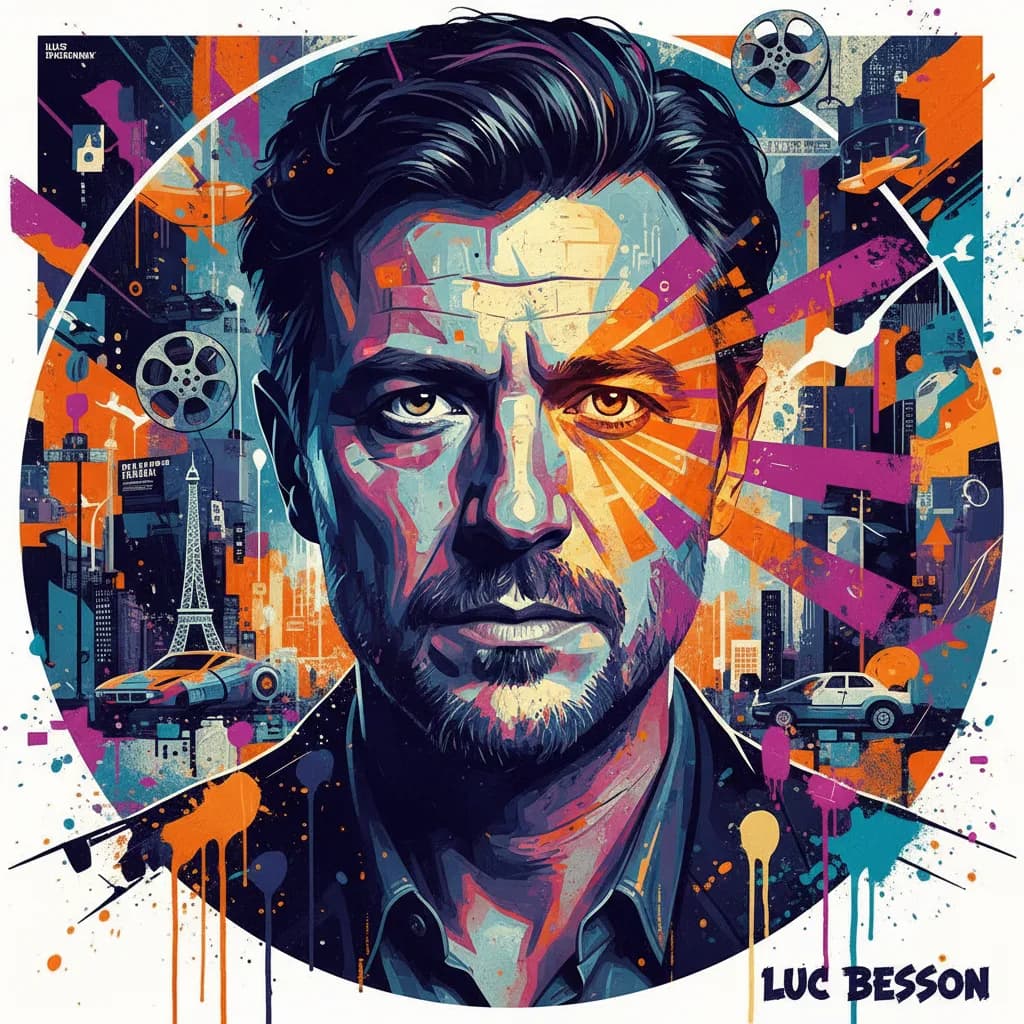
Luc Besson
Every film, ranked

Chris Columbus
Every film, ranked

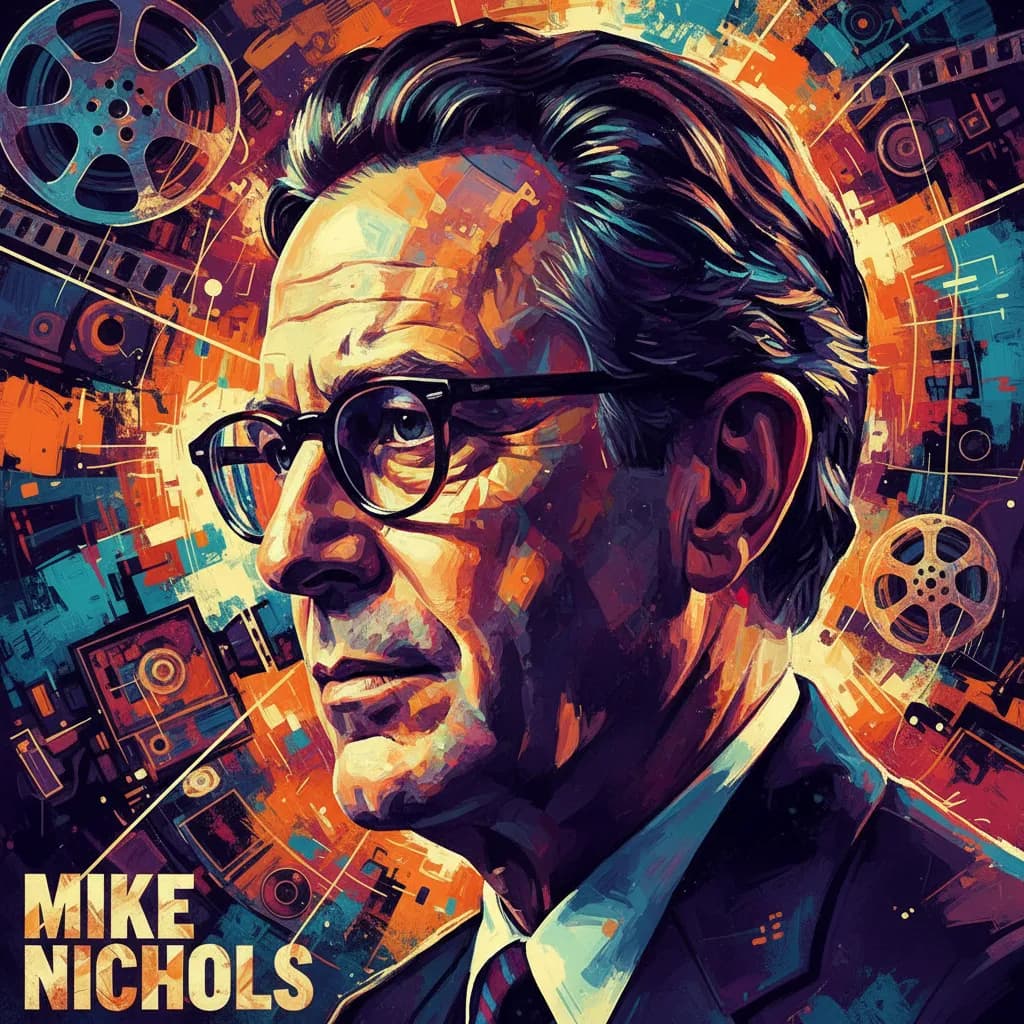
Mike Nichols
Every film, ranked

Howard Hawks
Every film, ranked

Ang Lee
Every film, ranked

Walter Hill
Every film, ranked

Gus Van Sant
Every film, ranked

William Wyler
Every film, ranked

Renny Harlin
Every film, ranked

Sidney Lumet
Every film, ranked

Tony Scott
Every film, ranked