Discover the visionary filmmakers behind cinema's greatest works.
Explore our selection of acclaimed directors and their remarkable films.
Showing 2113-2124 out of 4148

Justin Zackham is a multi-talented director, screenwriter, and producer known for his work in both television and film. Zackham's career took off with his directorial debut, "The Big Wedding," in 2013. This star-studded romantic comedy boasted an ensemble cast including Robert De Niro, Diane Keaton, and Susan Sarandon, and showcased Zackham's ability to tackle complex family dynamics with humor and heart. The film's blend of comedy, drama, and romance highlighted Zackham's versatility as a director and set the stage for a promising career in the industry. Zackham's directorial style is characterized by a deft balance of humor and emotion, as evidenced by his work on "The Big Wedding." His ability to weave together compelling narratives with a touch of levity has resonated with audiences and critics alike. Notably, Zackham's films often explore the intricacies of human relationships, family dynamics, and the complexities of love, offering a nuanced and relatable portrayal of the human experience. In "The Big Wedding," Zackham adeptly navigates the complexities of a dysfunctional family coming together for a wedding, deftly blending comedic moments with heartfelt revelations and poignant reflections on love and commitment. His skillful direction brings out the best in his ensemble cast, creating a cohesive and engaging cinematic experience. Zackham's impact on cinema lies in his ability to create films that resonate with audiences on a personal level, tapping into universal themes while infusing his work with a distinct directorial voice. As he continues to evolve as a filmmaker, his unique vision and storytelling prowess are sure to leave an indelible mark on the film industry, making him a director to watch in the years to come. With a promising debut in "The Big Wedding," Justin Zackham has solidified his position as a director capable of crafting compelling, heartfelt narratives that leave a lasting impression on viewers.

Just Jaeckin is a French film director best known for his groundbreaking work in the erotic drama genre. He made a significant impact on cinema with his visionary storytelling and innovative approach to capturing sensuality on screen. Jaeckin's directorial style is characterized by his ability to sensitively portray the complexities of human relationships, often exploring themes of love, desire, and freedom. His meticulous attention to visual aesthetics and his skillful direction of actors have cemented his reputation as a master storyteller. Jaeckin's most notable film, "Emmanuelle" (1974), is a landmark in erotic cinema and a cultural phenomenon. The film, which follows the sexual awakening of a young woman in Thailand, pushed the boundaries of on-screen sensuality and sparked intense public reaction and debate. Jaeckin's masterful direction and artful cinematography revolutionized the portrayal of eroticism in cinema, setting a new standard for the genre and solidifying his status as a trailblazing director. Throughout his career, Jaeckin's work has consistently explored the complexities of human desire, often delving into the psychological and emotional nuances of intimate relationships. His films are characterized by their lush visuals, evocative storytelling, and unapologetic celebration of sensuality. Jaeckin's unique vision and uncompromising commitment to his artistic vision have left an indelible mark on the cinematic landscape, inspiring a generation of filmmakers and captivating audiences worldwide. In conclusion, Just Jaeckin's contributions to cinema have been profound, revolutionizing the portrayal of eroticism on screen and redefining the boundaries of storytelling. His visionary approach to capturing the complexities of human desire has earned him a revered place in the annals of film history. As a director, Jaeckin's impact on the medium has been nothing short of transformative, and his legacy continues to inspire and influence filmmakers to this day.

Jûzô Itami, born Yoshihiro Ikeuchi, was a prominent Japanese film director known for his distinctive style, witty storytelling, and unique approach to social commentary. Itami's career in film began in the 1960s, primarily as an actor before transitioning into directing. His breakthrough came with the release of "Tampopo" in 1985, a comedic and heartwarming film that revolves around the quest for the perfect bowl of ramen. The movie was a critical and commercial success, establishing Itami as a director with a keen eye for blending humor with social satire. Itami's directorial style often featured a mix of satire, farce, and poignant observations on Japanese society. His films delved into themes such as food, sex, and the complexities of human relationships, often using these subjects to explore broader cultural and societal issues. The director's ability to infuse his narratives with both humor and depth made his work resonate with audiences worldwide. Beyond "Tampopo," Itami's filmography includes notable works such as "A Taxing Woman" (1987) and its sequel "A Taxing Woman's Return" (1988), which critiqued Japan's tax system and bureaucracy through comedic storytelling. These films showcased Itami's talent for blending social commentary with entertaining narratives, solidifying his reputation as a director unafraid to tackle taboo subjects with wit and charm. Itami's impact on cinema extends beyond his individual films. His bold, unapologetic approach to storytelling challenged traditional Japanese filmmaking conventions, paving the way for a new wave of directors who sought to explore contemporary societal issues through a lens of humor and satire. His legacy continues to influence filmmakers, particularly those who aim to address cultural and societal norms in a thought-provoking and entertaining manner. In conclusion, Jûzô Itami's career as a director was defined by his ability to craft compelling narratives that skillfully blended humor and incisive social commentary. His films, particularly "Tampopo," remain beloved for their insightful explorations of human nature and Japanese society. Itami's legacy as a trailblazing filmmaker continues to inspire a new generation of storytellers who seek to challenge cinematic norms and provoke meaningful discussions through the art of filmmaking.


Kaare Andrews is a Canadian director known for his unique vision and contributions to the horror and sci-fi genres. With a career spanning over a decade, Andrews has established himself as a distinct voice in the film industry. He is best recognized for his directorial work on "Altitude" (2010) and "The ABCs of Death" (2012), where he showcased his talent for delivering compelling narratives within the realms of horror, mystery, sci-fi, and comedy. Andrews' directorial style is characterized by a keen sense of visual storytelling and a knack for creating tension and suspense. His films often feature a blend of atmospheric cinematography, intense pacing, and striking visuals that immerse audiences into the worlds he creates. "Altitude" exemplifies Andrews' ability to craft a claustrophobic and chilling atmosphere within the confines of a single location, while "The ABCs of Death" demonstrates his versatility in navigating the realms of horror and comedy with a unique and inventive approach. Notable themes that resonate throughout Andrews' work include the exploration of human fear, the unknown, and the psychological complexities of his characters. His films often delve into the darker aspects of human nature, offering audiences a thought-provoking and immersive experience. Andrews' impact on cinema lies in his ability to push creative boundaries, challenge genre conventions, and deliver fresh perspectives that captivate and engage audiences. As a director, Kaare Andrews has carved out a niche for himself by infusing his projects with a distinct visual flair and a commitment to storytelling that resonates with audiences. His dedication to crafting memorable and impactful narratives has solidified his position as a director to watch in the world of genre filmmaking. With a promising career ahead, Andrews continues to leave his mark on the industry with his innovative approach to filmmaking and a commitment to delivering captivating and unforgettable cinematic experiences.

Kabir Khan is a highly acclaimed Indian film director known for his distinctive storytelling and visually captivating narratives. With a diverse filmography that spans across various genres, Khan has made a significant impact on Indian cinema through his thought-provoking and emotionally resonant films. His directorial style is characterized by a seamless blend of powerful storytelling, compelling characters, and striking visuals, which have garnered him a dedicated fan base and critical acclaim. One of Khan's notable works is "New York" (2009), a gripping crime drama that delves into the complexities of post-9/11 racial profiling and its impact on individuals. The film's intense narrative and nuanced portrayal of its characters established Khan as a director with a keen eye for social and political issues. "Bajrangi Bhaijaan" (2015), another milestone in Khan's career, showcased his versatility as a director by seamlessly blending action, adventure, and comedy while delivering a heartwarming story about the bond between a young mute girl and an earnest man striving to reunite her with her family across the border. Khan's directorial prowess is further exemplified in "Once There Was a Tiger," a compelling action-adventure romance that highlights his ability to craft visually stunning sequences and evoke profound emotions through his storytelling. His recurring themes often revolve around human resilience, compassion, and the triumph of the human spirit, reflecting his commitment to portraying stories that resonate deeply with audiences. Kabir Khan's impact on Indian cinema is undeniable, as he continues to push boundaries and challenge conventional narratives, earning him a reputation as a visionary director with a unique ability to connect with audiences on a profound level. His contributions have solidified his position as one of the most influential directors in contemporary Indian cinema, and his work continues to inspire and captivate audiences worldwide.

Kaige Chen is a renowned Chinese film director known for his visually stunning and emotionally resonant works that have left an indelible mark on global cinema. Born on August 12, 1952, in Beijing, China, Chen's early exposure to artistic and intellectual circles greatly influenced his directorial style. Graduating from the Beijing Film Academy in 1982, he quickly rose to prominence as a leading figure in the Chinese Fifth Generation film movement, a group of filmmakers who challenged traditional cinematic conventions and explored complex social and political themes. Chen's directorial prowess truly came to the fore with his magnum opus, "Farewell My Concubine" (1993). This epic drama, set against the backdrop of China's tumultuous history, beautifully captures the intricacies of love and friendship amidst political upheaval. The film's success catapulted Chen to international acclaim, earning him the Palme d'Or at the Cannes Film Festival and garnering widespread critical acclaim. In "Ba wang bie ji" (1993), also known as "Farewell My Concubine," Chen skillfully intertwines the worlds of Peking opera and real-life drama to create a multi-layered narrative that delves into the complexities of gender, identity, and societal change. This landmark film not only solidified Chen's reputation as a master storyteller but also showcased his ability to blend historical context with deeply personal narratives. Chen's directorial style is marked by a keen eye for detail, exquisite visual compositions, and a profound understanding of human emotions. His films often delve into the human psyche, addressing themes of love, sacrifice, and the struggle for individual and collective identity. "Killing Me Softly" (2002) further exemplifies Chen's ability to weave intricate mysteries within the framework of compelling romantic dramas, demonstrating his versatility as a director. With a career spanning several decades, Kaige Chen continues to leave an indelible mark on the world of cinema. His unique vision and unwavering dedication to storytelling have not only shaped the landscape of Chinese cinema but have also left an enduring impact on the global film industry. As a visionary director, Chen's contributions to the art of filmmaking are characterized by their profound emotional depth, thematic richness, and visual splendor, cementing his legacy as a cinematic trailblazer.

Kamal Haasan, the iconic Indian actor and filmmaker, has left an indelible mark on the world of cinema with his diverse and impactful directorial ventures. With a career spanning over five decades, Haasan is renowned for his distinctive directorial style that seamlessly blends innovation, social commentary, and compelling storytelling. He is celebrated for his ability to navigate across genres, from action-packed thrillers to heartwarming family dramas, showcasing his versatility and creative prowess. One of his most notable directorial endeavors is the 2013 action thriller "Vishwaroopam," a film that exemplifies Haasan's penchant for pushing boundaries and exploring complex themes. Through this film, he masterfully intertwines adrenaline-pumping action sequences with thought-provoking narratives, solidifying his status as a visionary director in the Indian film industry. Additionally, Haasan's 1997 comedy-drama "Chachi 420" stands as a testament to his ability to infuse humor and emotion, showcasing his range as a filmmaker. Haasan's directorial repertoire also includes the historical drama "Hey Ram" (2000), a film that delves into the complexities of human emotions and political turmoil. Known for his thought-provoking storytelling, Haasan consistently incorporates social and political commentary into his films, sparking conversations and challenging societal norms. With a keen eye for detail and a commitment to authenticity, Haasan's directorial style captivates audiences while shedding light on a diverse array of themes. His impact on cinema extends beyond the screen, as he continues to inspire aspiring filmmakers to fearlessly pursue their creative visions, regardless of societal constraints. Kamal Haasan's directorial contributions have not only redefined Indian cinema but have also earned him a revered status as a trailblazer in the world of filmmaking. His unwavering dedication to storytelling and his ability to seamlessly traverse genres have solidified his place as a visionary director, leaving an indelible legacy that continues to shape the landscape of cinema.

Kamal Tabrizi is an influential Iranian film director known for his distinct style and unique storytelling. With a career spanning several decades, Tabrizi has made a significant impact on the Iranian film industry, earning acclaim for his thought-provoking narratives and engaging characters. His notable film, "The Lizard" (2004), is a testament to his directorial prowess, combining comedy and drama to create a compelling and entertaining cinematic experience. Tabrizi's directorial style is characterized by his ability to seamlessly blend humor with deeper social commentary, creating films that resonate with audiences on multiple levels. "The Lizard" exemplifies this approach, as it follows the story of a convict who escapes from prison by disguising himself as a cleric, leading to a series of comical and poignant encounters. Through his work, Tabrizi has demonstrated a keen understanding of human nature and societal issues, using his films as a platform to explore complex themes with sensitivity and depth. Throughout his career, Tabrizi has consistently delved into themes of identity, morality, and the human condition, offering audiences thought-provoking narratives that challenge conventional perspectives. His ability to infuse his films with humor while addressing serious subjects has set him apart as a visionary director with a unique storytelling voice. Tabrizi's contributions to Iranian cinema have been widely recognized, cementing his status as a trailblazer in the industry. As a director, Kamal Tabrizi has left an indelible mark on the Iranian film landscape, captivating audiences with his compelling narratives and innovative approach to storytelling. His ability to craft films that resonate with both humor and depth has solidified his reputation as a visionary director with a lasting impact on cinema. With a career defined by insightful storytelling and memorable characters, Tabrizi continues to be a celebrated figure in the world of film, leaving an enduring legacy through his exceptional body of work. In conclusion, Kamal Tabrizi's directorial career is distinguished by his ability to create films that entertain, provoke thought, and resonate deeply with audiences. His unique vision and storytelling prowess have earned him a well-deserved place among the most influential directors in Iranian cinema, and his impact on the industry continues to be felt to this day.

Kaneto Shindô was a visionary Japanese film director known for his profound impact on world cinema. Born in 1912, Shindô began his career as a scriptwriter and assistant director, eventually establishing himself as a prolific and influential filmmaker. His directorial style was characterized by a deep understanding of human emotions, stunning visual storytelling, and a unique blend of traditional Japanese aesthetics with contemporary themes. One of Shindô's most notable and influential works is the 1964 film "Onibaba." This haunting and atmospheric drama-horror-thriller is set in feudal Japan and follows the story of two women living in a remote, war-torn marshland, who lure wandering samurai to their deaths. "Onibaba" is celebrated for its eerie and evocative visuals, intense performances, and its exploration of primal human instincts and the impact of war on individuals. The film's atmospheric and haunting imagery showcases Shindô's masterful use of cinematography and his ability to create a deeply immersive experience for the audience. Throughout his career, Shindô frequently explored themes of human resilience, the impact of war, and the complexities of human relationships. His films often delved into the psychological and emotional depths of his characters, portraying their struggles and triumphs with profound sensitivity and insight. Shindô's directorial approach was marked by a deep reverence for Japanese culture and traditions, which he seamlessly integrated into his storytelling, creating films that were both visually stunning and thematically rich. Kaneto Shindô's contributions to cinema have left an indelible mark on the industry, inspiring countless filmmakers and captivating audiences around the world. His profound understanding of the human condition, coupled with his mastery of visual storytelling, has solidified his legacy as a true auteur. Shindô's films continue to be celebrated for their timeless relevance, compelling narratives, and their ability to resonate with audiences on a deeply emotional level, cementing his status as one of the most influential directors in the history of Japanese cinema.

Kangana Ranaut is an acclaimed Indian actress who made her directorial debut with the historical epic "Manikarnika: The Queen of Jhansi" in 2019. The film, which falls under the action, biography, and drama genres, marked Ranaut's foray into directing, showcasing her multifaceted talents in the Indian film industry. Ranaut's directorial style is characterized by her meticulous attention to detail and her ability to capture powerful and emotive performances from her actors. "Manikarnika" exemplifies Ranaut's dedication to bringing historical narratives to life on the big screen, with its grand scale and intense action sequences. Her directorial debut solidified her status as a versatile talent, proving her capabilities behind the camera as well as in front of it. Notable for her fearless approach to storytelling, Ranaut's films often explore themes of female empowerment, resilience, and the complexities of human emotion. "Manikarnika" is a testament to her commitment to portraying strong, independent female characters who defy societal norms and challenge the status quo. Ranaut's directorial vision has left a lasting impact on Indian cinema, inspiring audiences and fellow filmmakers alike with her unapologetic storytelling and bold directorial choices. As a director, Ranaut's influence extends beyond the screen, as she continues to push boundaries and spark important conversations within the industry. Her directorial debut serves as a testament to her dedication to bringing untold stories to the forefront, showcasing her ability to tackle ambitious projects with grace and precision. Ranaut's unique perspective and contributions as a director have undoubtedly left an indelible mark on the world of Indian cinema, setting the stage for even more groundbreaking work in the future.

Kang Je-kyu is a South Korean film director known for his powerful storytelling, visually stunning cinematography, and intense action sequences. With a distinct directorial style that blends heart-wrenching drama with adrenaline-pumping action, Kang has made a significant impact on the world of cinema. His notable films often revolve around themes of patriotism, friendship, and the human spirit amidst the backdrop of war and conflict. In 2004, Kang Je-kyu's magnum opus, "Tae Guk Gi: The Brotherhood of War," took the international film community by storm. This epic war drama, set during the Korean War, follows the journey of two brothers who are forcibly drafted into the conflict. The film's unflinching portrayal of the harsh realities of war, coupled with breathtaking battle sequences, solidified Kang's reputation as a masterful director capable of capturing raw human emotions within the chaos of war. Following the success of "Tae Guk Gi," Kang Je-kyu continued to showcase his directorial prowess with "My Way" in 2011. This action-packed historical drama, set against the backdrop of World War II, follows the intertwined destinies of two men from different countries as they navigate the horrors of war. Once again, Kang's ability to intertwine intense action with deeply emotional storytelling captivated audiences and critics alike, further cementing his status as a visionary filmmaker. Kang Je-kyu's directorial style is characterized by his meticulous attention to detail, immersive storytelling, and the ability to evoke powerful performances from his actors. His films often explore the human cost of war, the bonds of brotherhood, and the resilience of the human spirit in the face of adversity. Kang's influence on cinema extends beyond South Korea, as his films have resonated with global audiences, earning him a reputation as a director with a unique vision and an unparalleled ability to craft emotionally resonant narratives. Overall, Kang Je-kyu's impact on cinema is undeniable. His directorial contributions have not only elevated the war drama genre but have also set a new standard for storytelling and visual spectacle in filmmaking. As a visionary director, Kang Je-kyu continues to inspire audiences with his gripping narratives, breathtaking visuals, and profound exploration of the human experience in times of conflict.

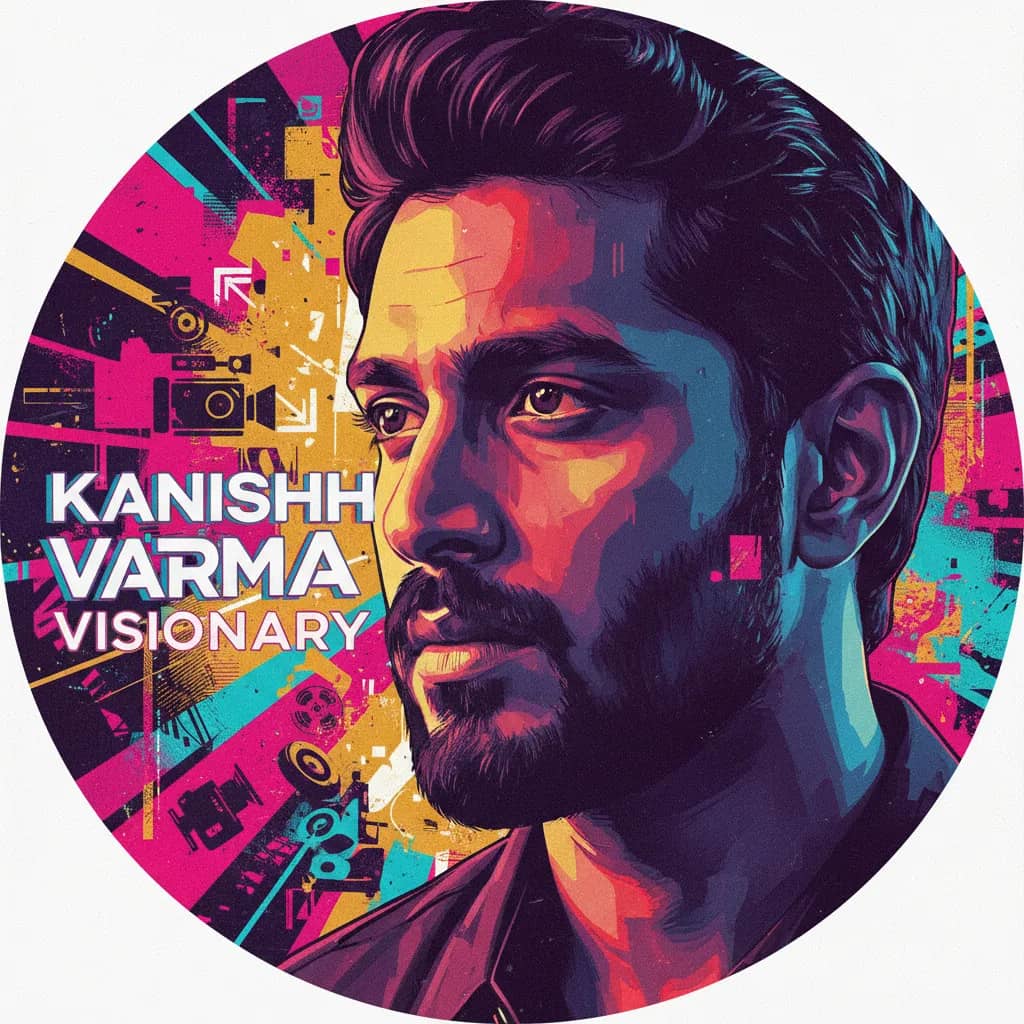
Kanishk Varma is a talented director known for his gripping and visually stunning films, with his most notable work being the action thriller "Sanak" released in 2021. Varma's directorial style is characterized by his ability to seamlessly blend high-octane action sequences with intense drama, creating an immersive and adrenaline-pumping cinematic experience for audiences. "Sanak" stands as a testament to Varma's directorial prowess, showcasing his keen eye for capturing heart-stopping action and crafting compelling narratives. The film has garnered praise for its dynamic storytelling, innovative cinematography, and powerful performances, cementing Varma's reputation as a director capable of delivering edge-of-your-seat entertainment. Varma's films often delve into themes of resilience, courage, and the triumph of the human spirit in the face of adversity. His storytelling is marked by a palpable sense of urgency and tension, keeping viewers on the edge of their seats while also delving into the emotional depth of his characters. In the ever-evolving landscape of cinema, Kanishk Varma's contributions have significantly impacted the action genre, redefining the standards for high-octane filmmaking. His unique vision and commitment to pushing the boundaries of storytelling have solidified his status as a director to watch in the industry. As Varma continues to captivate audiences with his distinct directorial style, his influence on the cinematic landscape is sure to endure for years to come.
Every film by the greats, ranked by our TML Score.

Christopher Nolan
Every film, ranked

Quentin Tarantino
Every film, ranked

Stanley Kubrick
Every film, ranked

Martin Scorsese
Every film, ranked

Steven Spielberg
Every film, ranked

Alfred Hitchcock
Every film, ranked

David Fincher
Every film, ranked

Denis Villeneuve
Every film, ranked

Wes Anderson
Every film, ranked

Paul Thomas Anderson
Every film, ranked

Ridley Scott
Every film, ranked

Tim Burton
Every film, ranked

Guillermo del Toro
Every film, ranked

Hayao Miyazaki
Every film, ranked

Akira Kurosawa
Every film, ranked

Francis Ford Coppola
Every film, ranked

Clint Eastwood
Every film, ranked

Bong Joon Ho
Every film, ranked

Woody Allen
Every film, ranked

Steven Soderbergh
Every film, ranked

Ron Howard
Every film, ranked

Pedro Almodóvar
Every film, ranked

Richard Linklater
Every film, ranked

Roman Polanski
Every film, ranked

Brian De Palma
Every film, ranked

Ingmar Bergman
Every film, ranked

Oliver Stone
Every film, ranked

David Cronenberg
Every film, ranked

Robert Zemeckis
Every film, ranked

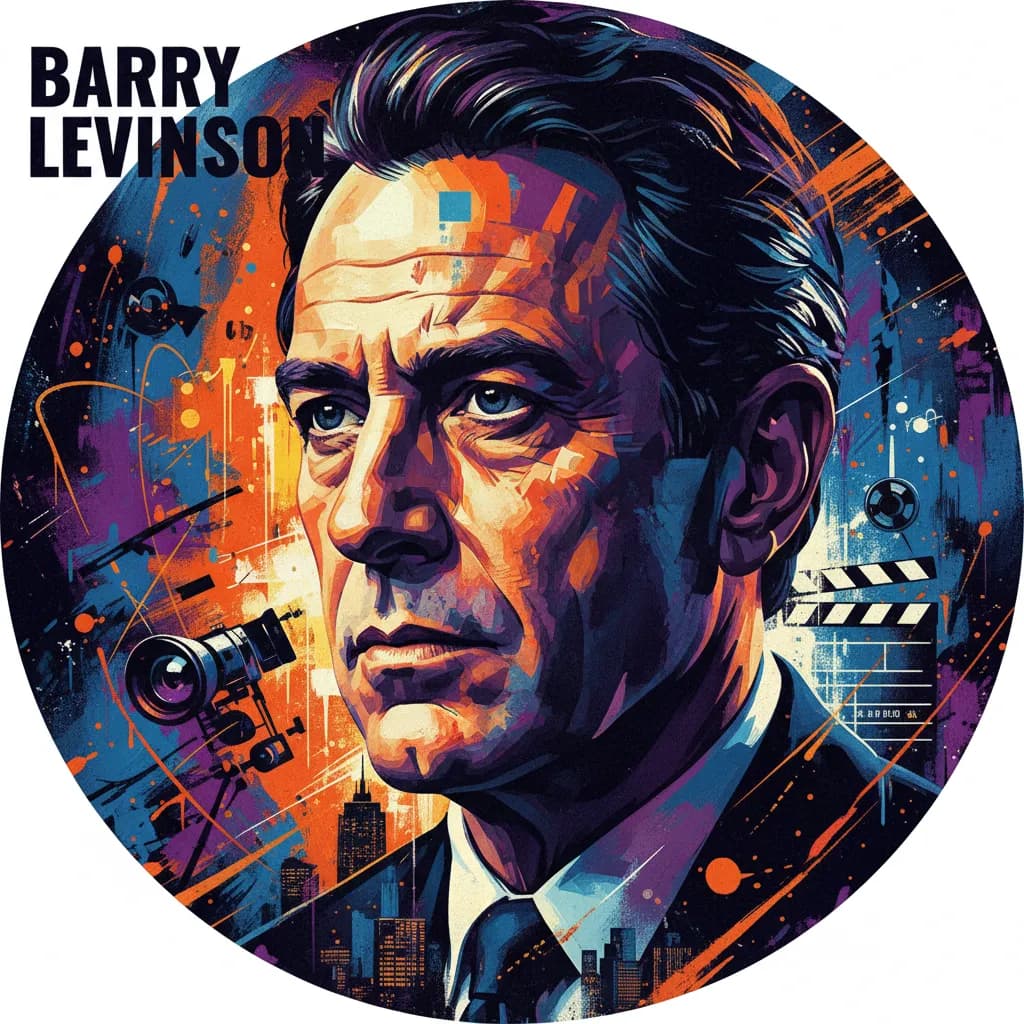
Barry Levinson
Every film, ranked

John Carpenter
Every film, ranked

Joel Schumacher
Every film, ranked

Billy Wilder
Every film, ranked

Rob Reiner
Every film, ranked

Neil Jordan
Every film, ranked

Spike Lee
Every film, ranked

Ivan Reitman
Every film, ranked

John Woo
Every film, ranked

Lasse Hallström
Every film, ranked

Stephen Frears
Every film, ranked

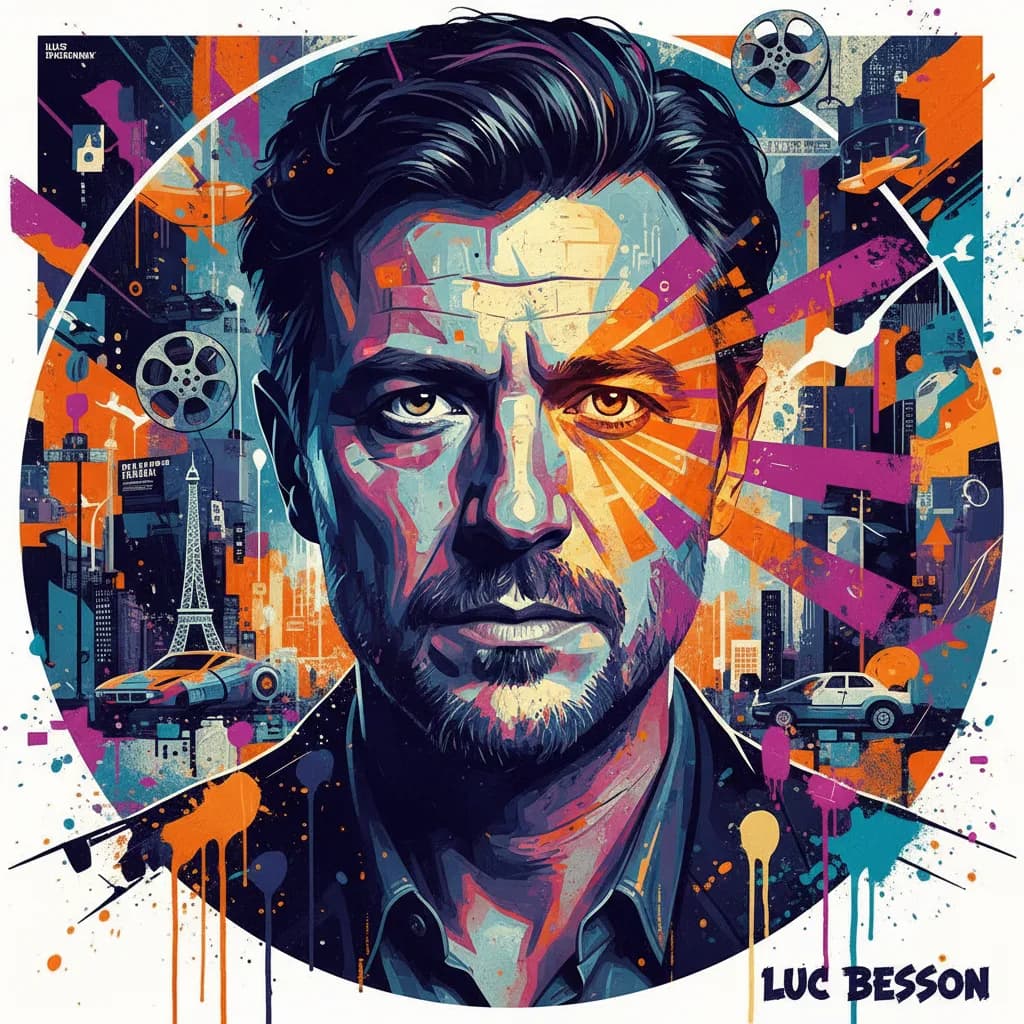
Luc Besson
Every film, ranked

Chris Columbus
Every film, ranked

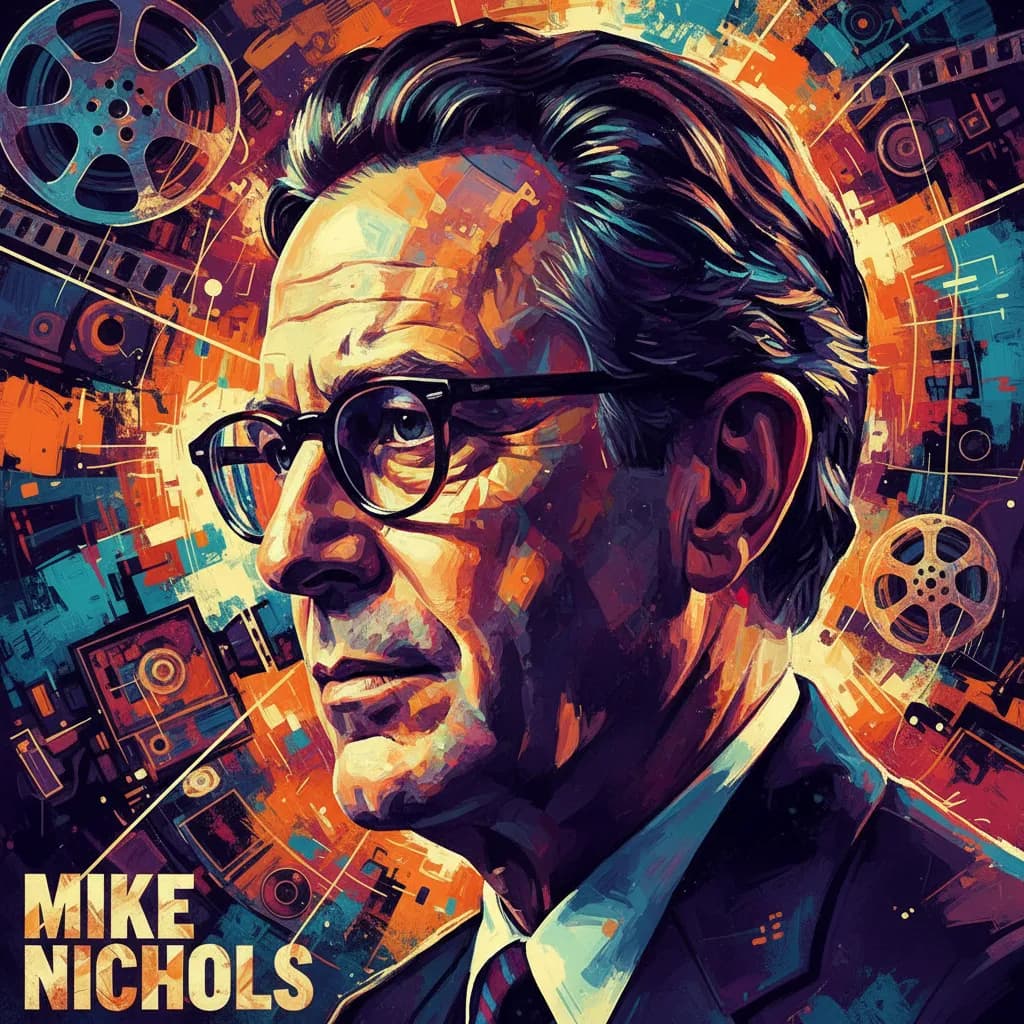
Mike Nichols
Every film, ranked

Howard Hawks
Every film, ranked

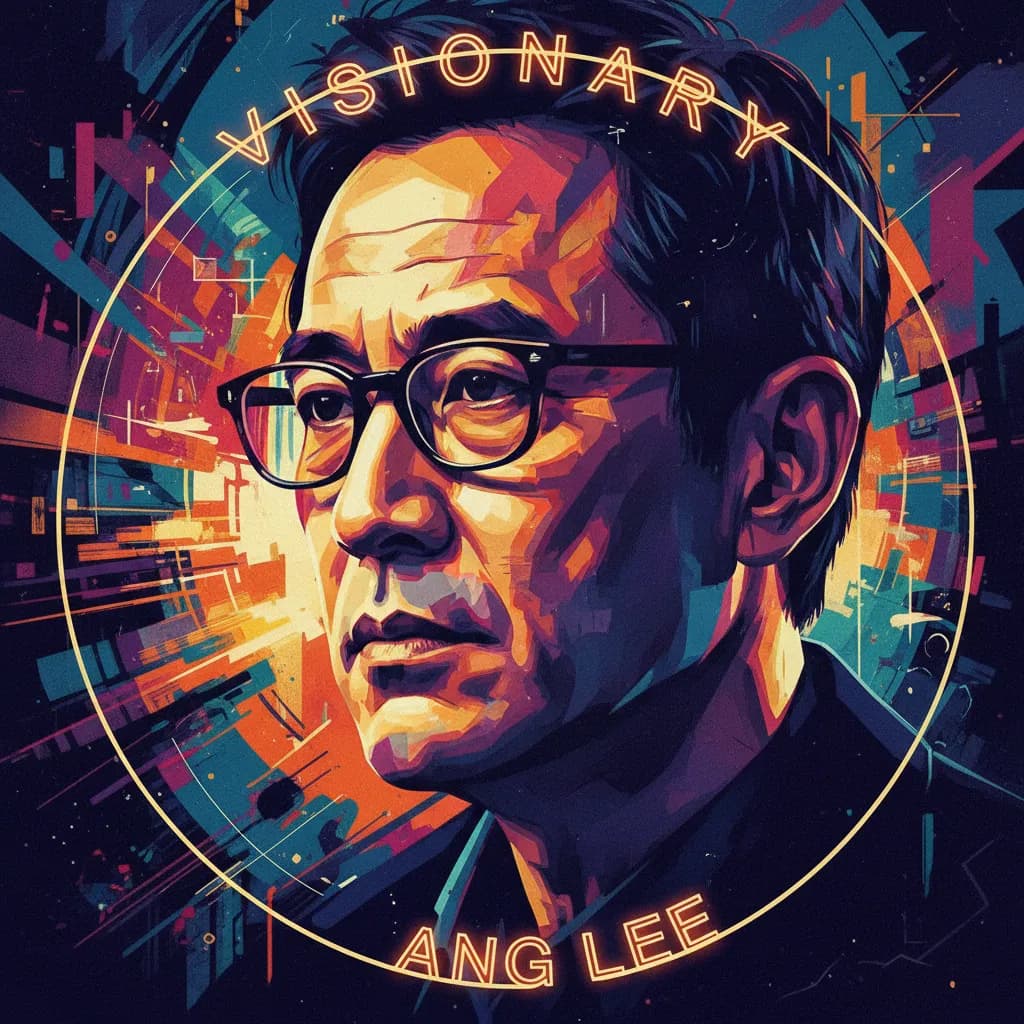
Ang Lee
Every film, ranked

Walter Hill
Every film, ranked

Gus Van Sant
Every film, ranked

William Wyler
Every film, ranked

Renny Harlin
Every film, ranked

Sidney Lumet
Every film, ranked

Tony Scott
Every film, ranked