Discover the visionary filmmakers behind cinema's greatest works.
Explore our selection of acclaimed directors and their remarkable films.
Showing 2125-2136 out of 4148

Kantemir Balagov is a rising star in the world of cinema, known for his distinct directorial style and poignant storytelling. Hailing from Russia, Balagov made waves with his critically acclaimed film "Beanpole" (2019), a gripping drama set in the aftermath of World War II. The film not only garnered widespread international acclaim but also earned Balagov the Best Director award in the Un Certain Regard section at the Cannes Film Festival. With "Beanpole," Balagov showcased his remarkable ability to blend raw emotional depth with striking visual storytelling, solidifying his status as a director to watch. Balagov's directorial style is characterized by meticulous attention to detail and an unflinching exploration of human experiences amid harrowing circumstances. His films often delve into the complexities of relationships, trauma, and resilience, offering a deeply immersive and thought-provoking cinematic experience. "Beanpole" exemplifies his penchant for crafting visually arresting sequences that underscore the psychological and emotional turmoil of his characters, while also conveying broader societal themes with profound sensitivity. In "Beanpole," Balagov deftly explores the aftermath of war through the lens of two women grappling with loss and survival in post-World War II Leningrad. The film's haunting portrayal of friendship, trauma, and the struggle to find hope amidst devastation resonated deeply with audiences and critics alike. Balagov's ability to infuse his work with authentic human experiences while weaving in larger socio-political commentary showcases his mastery of the medium and his commitment to pushing artistic boundaries. Balagov's impact on cinema extends beyond his exceptional storytelling skills; he has emerged as a distinct voice in contemporary filmmaking, garnering accolades for his ability to confront challenging subject matter with nuance and empathy. As he continues to carve his path in the film industry, Kantemir Balagov's innovative approach and unwavering dedication to crafting evocative narratives ensure that he remains a director whose work will continue to captivate and resonate with audiences around the globe.

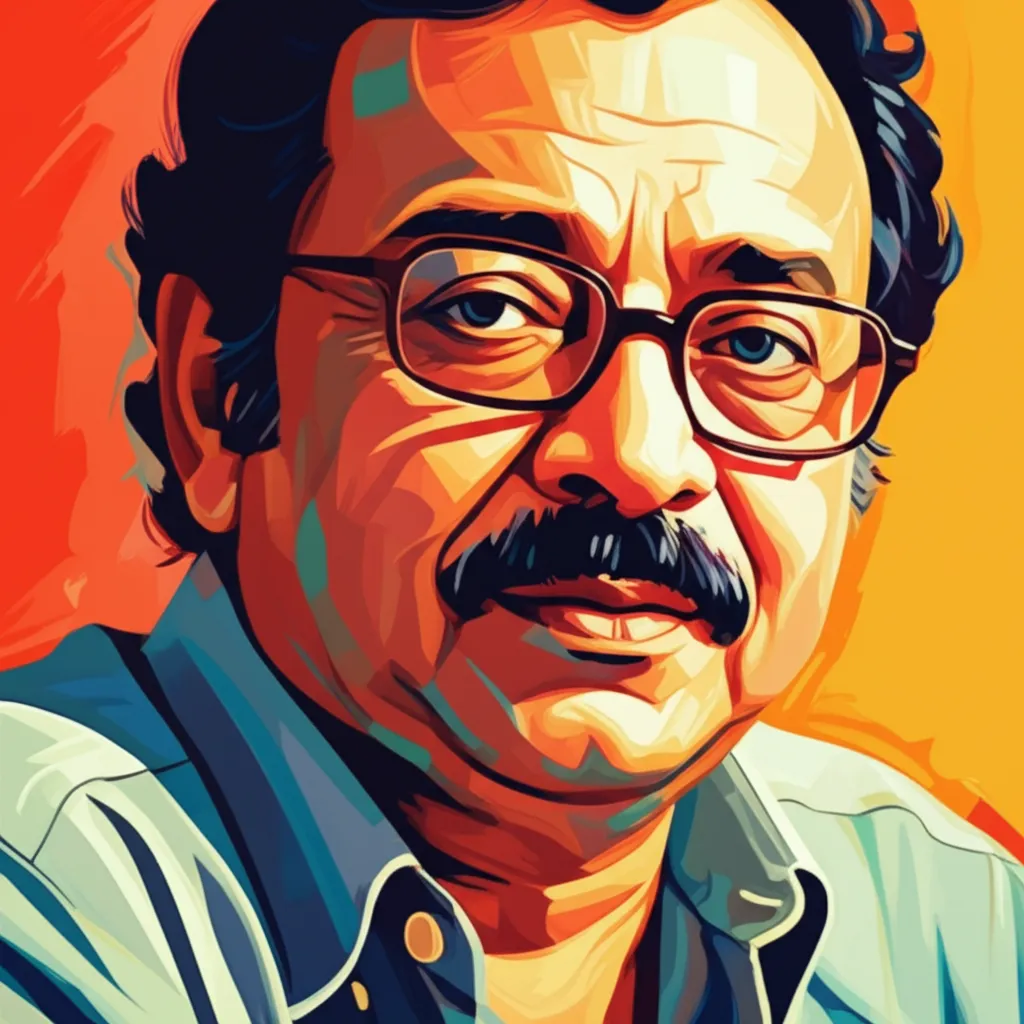
Kanti Shah is an Indian film director known for his unique blend of action, comedy, and crime genres. His most notable work includes the cult classic "Gunda" (1998), which has achieved a legendary status in Indian cinema. Shah's directorial style is characterized by over-the-top action sequences, larger-than-life characters, and a distinct blend of humor and drama. His films often feature a unique mix of colorful visuals, catchy dialogues, and memorable performances, making them stand out in the crowded landscape of Indian cinema. One of Kanti Shah's most significant contributions to cinema is his ability to create cult films that have garnered a dedicated fan following over the years. "Gunda" in particular has achieved a cult status, with its quirky dialogues, eccentric characters, and memorable scenes becoming iconic in popular culture. Shah's directorial approach often incorporates elements of camp and kitsch, embracing the absurd and the outrageous to create an unforgettable cinematic experience. Throughout his career, Kanti Shah has demonstrated a knack for infusing his films with a distinct blend of entertainment and escapism. His movies often explore themes of crime, justice, and the triumph of the underdog, resonating with audiences who seek out larger-than-life narratives and characters. Shah's films have left an indelible mark on Indian cinema, inspiring a new generation of filmmakers and earning him a dedicated fan base. In conclusion, Kanti Shah's directorial career has left an enduring impact on Indian cinema, with his unique vision and storytelling prowess setting him apart as a maverick filmmaker. His cult classic "Gunda" continues to be celebrated for its audacious storytelling and has cemented Shah's reputation as a director with a flair for creating memorable and entertaining cinematic experiences. With his distinct directorial style and penchant for creating cult favorites, Kanti Shah has secured his place in the pantheon of Indian filmmakers.

Karan Johar is one of the most prominent and influential figures in Indian cinema, renowned for his directorial prowess and significant contributions to the film industry. With a directorial career spanning over two decades, Johar has crafted a unique and captivating style that seamlessly blends drama, romance, and musical elements. His films often feature lavish sets, compelling storylines, and memorable soundtracks, captivating audiences with their emotional depth and visual splendor. Johar's directorial debut, "Kuch Kuch Hota Hai" (1998), quickly established him as a formidable force in Bollywood, garnering widespread acclaim for its heartwarming narrative and memorable performances. Known for his adept handling of complex interpersonal relationships, Johar's films often explore themes of love, friendship, and familial bonds. "Kabhi Alvida Naa Kehna" (2006) and "Kabhi Khushi Kabhie Gham..." (2001) exemplify his ability to delve into the intricacies of human emotions, earning accolades for their compelling storytelling and evocative cinematography. In addition to his directorial ventures, Johar has also made significant strides in producing impactful and thought-provoking films, further solidifying his status as a visionary filmmaker. "My Name Is Khan" (2010) stands as a testament to his directorial versatility, delving into socially relevant themes with a nuanced and empathetic approach. Furthermore, his collaboration on the anthology film "Lust Stories" (2018) showcased his willingness to explore unconventional narratives, earning praise for its bold storytelling and compelling performances. Johar's directorial repertoire also includes "Ae Dil Hai Mushkil" (2016) and "Student of the Year" (2012), both of which exemplify his ability to infuse vibrant energy and contemporary flair into his storytelling. With a keen eye for detail and a penchant for crafting visually stunning cinematic experiences, Johar continues to leave an indelible mark on the world of Indian cinema, inspiring a new generation of filmmakers and captivating audiences with his unparalleled directorial vision. His enduring impact on the industry is a testament to his artistry and unwavering commitment to pushing artistic boundaries, solidifying his legacy as a trailblazing director. Key SEO terms: Karan Johar, director, Bollywood, films, Kuch Kuch Hota Hai, Kabhi Alvida Naa Kehna, My Name Is Khan, Ae Dil Hai Mush


Karan Malhotra is an acclaimed Indian film director known for his distinct directorial style and impactful storytelling. He made his directorial debut with the 2012 action-packed crime drama "Agneepath," which garnered widespread acclaim for its intense narrative and powerful performances. Malhotra's ability to seamlessly blend action, drama, and crime elements in "Agneepath" solidified his reputation as a director with a keen eye for storytelling and visual flair. In 2022, Malhotra further showcased his directorial prowess with "Shamshera," an action-adventure drama that captivated audiences with its grand scale and compelling narrative. His ability to helm films that seamlessly blend adrenaline-pumping action sequences with deeply emotive storytelling has set Malhotra apart as a visionary director in the Indian film industry. Malhotra's films often explore themes of redemption, vengeance, and the human spirit, resonating with audiences on a deep and emotional level. His distinct directorial style, characterized by visually stunning cinematography and meticulous attention to detail, has left an indelible mark on the cinematic landscape. As a director, Malhotra continues to push the boundaries of storytelling, delivering thought-provoking narratives that captivate and inspire audiences. His unique vision and storytelling prowess have cemented his status as a trailblazer in Indian cinema, and his contributions to the film industry are sure to leave a lasting legacy for years to come. In conclusion, Karan Malhotra's directorial career has been defined by his ability to craft compelling narratives that seamlessly blend action, drama, and emotion. His films "Agneepath" and "Shamshera" stand as testament to his directorial prowess and his impact on the cinematic landscape. With his unique vision and storytelling acumen, Malhotra continues to be a driving force in the Indian film industry, captivating audiences with his unforgettable storytelling and visually stunning films.

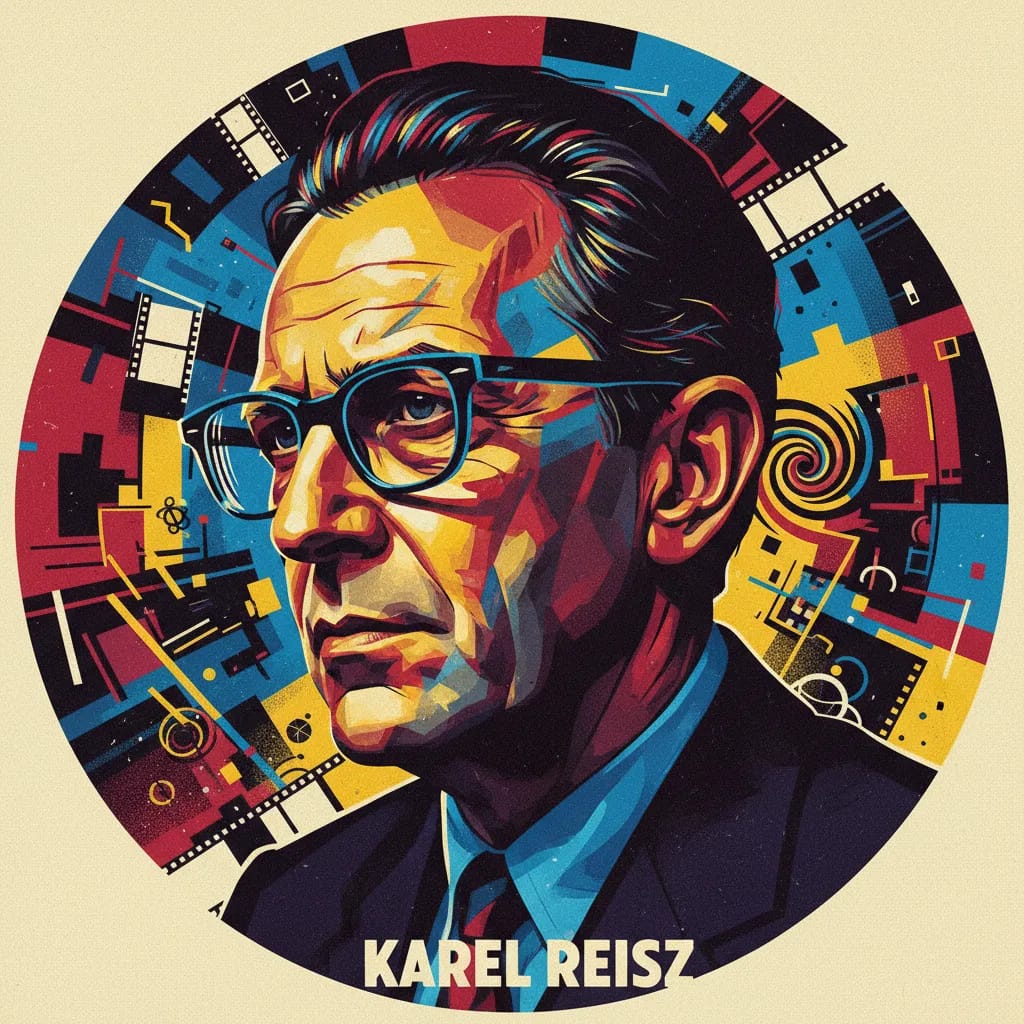
Karel Reisz was a renowned British film director whose career spanned over four decades, leaving an indelible mark on the world of cinema. Born in Czechoslovakia in 1926, Reisz later emigrated to England, where he would become a prominent figure in the British New Wave movement of the 1960s. Known for his meticulous attention to character development and emotional depth, Reisz's directorial style often centered on the human experience, capturing the complexities of relationships and the intricacies of the human psyche. Reisz's directorial debut, "Saturday Night and Sunday Morning" (1960), is considered a seminal work of the British New Wave, showcasing his raw and unflinching portrayal of working-class life in post-war England. The film's exploration of societal disillusionment and the struggle for personal fulfillment established Reisz as a director with a keen eye for social commentary and emotional authenticity. This film set the stage for his subsequent works, cementing his reputation as a director unafraid to delve into the complexities of the human condition. One of Reisz's most notable films, "The French Lieutenant's Woman" (1981), exemplifies his ability to seamlessly blend literary adaptation with visual storytelling. Based on the novel by John Fowles, the film weaves together two parallel narratives, blurring the lines between fiction and reality. Reisz's masterful direction and keen understanding of the source material resulted in a visually stunning and emotionally resonant film that garnered critical acclaim and multiple award nominations. Throughout his career, Reisz demonstrated a commitment to exploring the depths of human emotion and the intricacies of interpersonal relationships. His films often grappled with themes of identity, alienation, and the search for meaning in a rapidly changing world. By infusing his work with a profound sense of empathy and understanding, Reisz left an indelible impact on the landscape of cinema, influencing a generation of filmmakers and leaving behind a legacy of thought-provoking, emotionally rich storytelling. Karel Reisz's unique vision and directorial prowess have solidified his status as a revered figure in the world of cinema. His contributions to the British New Wave movement and his unwavering dedication to crafting emotionally resonant narratives have left an enduring imprint on film history. With a filmography marked by compelling characters, profound storytelling, and a deep exploration of the human experience, Reisz's legacy continues to inspire and captivate audiences, cementing his place as a

Karen Maine is a talented film director known for her insightful and humorous approach to storytelling. Her directorial debut came with the critically acclaimed film "Yes, God, Yes" in 2019. This coming-of-age comedy-drama, which Maine also wrote, follows the story of a teenage girl navigating her sexual awakening within the confines of her strict Catholic school. The film garnered praise for its authentic and relatable portrayal of adolescence, as well as Maine's skillful direction. Maine's directorial style is characterized by a keen understanding of human emotions and a knack for blending humor with poignant narratives. She has a unique ability to delve into the intricacies of personal growth and self-discovery, often exploring themes of identity, sexuality, and religion. Maine's storytelling is marked by its authenticity, offering audiences a genuine and heartfelt reflection of the human experience. "Yes, God, Yes" stands as a testament to Maine's impact on cinema, as it received widespread acclaim for its refreshing take on the coming-of-age genre. The film's success has solidified Maine as a director to watch, with her distinct voice and ability to capture the complexities of youth resonating with audiences and critics alike. Her work has opened up important conversations about sexuality, faith, and the challenges of adolescence, contributing to a more inclusive and diverse cinematic landscape. As Maine continues to make her mark in the film industry, audiences can look forward to more thought-provoking and entertaining narratives that challenge conventions and offer a deeper understanding of the human condition. With her unique vision and storytelling prowess, Karen Maine is undoubtedly a director whose career trajectory promises to leave an indelible mark on cinema.

Karen Mok is a multi-talented filmmaker known for her remarkable directorial debut in the action-drama film "Man of Tai Chi" released in 2013. Mok's directorial style is characterized by her keen attention to detail and her ability to seamlessly blend intense action sequences with deep emotional drama. Her unique vision and directorial prowess have cemented her as a rising star in the film industry. "Man of Tai Chi" stands as a testament to Mok's directorial skills, as she expertly weaves together the story of a young martial artist's journey to self-discovery and the internal conflicts that arise from his involvement in underground fight clubs. Mok's direction is marked by breathtaking fight choreography and stunning cinematography, creating a visually captivating and emotionally resonant experience for audiences. One of Mok's recurring themes in her films is the exploration of the human spirit and the internal struggles faced by her characters. Her films often delve into the complexities of personal growth, inner strength, and the pursuit of one's true identity. Mok's ability to infuse her storytelling with these profound themes has garnered her critical acclaim and a dedicated fan base. Mok's impact on cinema is undeniable, as she continues to push the boundaries of traditional action-drama storytelling and pave the way for female directors in the male-dominated genre. Her innovative approach to filmmaking and her commitment to authentic storytelling have earned her a well-deserved place among the most influential directors in the industry. In conclusion, Karen Mok's directorial career is marked by her exceptional talent, unique vision, and unwavering dedication to creating impactful cinema. Her directorial debut with "Man of Tai Chi" solidified her as a force to be reckoned with in the world of filmmaking, and her future projects are highly anticipated by audiences and critics alike. Mok's contributions to the film industry have left an indelible mark, and her continued success is a testament to her extraordinary abilities as a director.

Karen Moncrieff is an American film director known for her captivating storytelling and keen insight into the human condition. Her directorial debut, "Blue Car" (2002), garnered critical acclaim for its raw and emotionally resonant portrayal of a young woman's poetic journey through trauma and adversity. Moncrieff continued to solidify her reputation as a director with a unique vision and a focus on complex, female-driven narratives with her sophomore feature, "The Dead Girl" (2006). This crime-drama-mystery film weaves together five interconnected stories, delving into the lives of women affected by a young woman's murder. With a stellar ensemble cast and a hauntingly atmospheric approach, Moncrieff expertly navigates the dark and gritty terrain of the human psyche, creating a compelling and thought-provoking cinematic experience. Moncrieff's directorial style is characterized by its unflinching exploration of human struggles and the complexities of interpersonal relationships. Her films often delve into the darker aspects of human nature, offering a stark and unapologetic portrayal of life's harsh realities. Through her nuanced storytelling and evocative visual language, Moncrieff brings a sense of authenticity and emotional depth to her work, drawing audiences into the intimate worlds of her characters. Notably, she has established herself as a director with a keen ability to craft multidimensional female protagonists and to shed light on their inner turmoil and resilience in the face of adversity. "The Dead Girl" stands as a testament to Moncrieff's knack for delving into the psychological underpinnings of her characters, as well as her skill in creating a palpable sense of atmosphere and tension. Her exploration of themes such as trauma, loss, and the search for identity resonates deeply with audiences, showcasing her ability to confront challenging subject matter with sensitivity and insight. Moncrieff's impact on cinema lies in her unwavering commitment to telling stories that challenge conventions and give voice to the marginalized, while her distinct directorial voice continues to leave a lasting impression on the film industry. Karen Moncrieff's directorial career is defined by her unwavering dedication to crafting compelling narratives that illuminate the human experience with unflinching honesty. With her distinct directorial style and a penchant for delving into the depths of human emotion, she has cemented her status as a visionary filmmaker. As she continues to push boundaries and offer a fresh perspective on storytelling, her contributions to cinema remain a testament to the power of

Karey Kirkpatrick is an accomplished film director known for his work in the animation and family comedy genres. His directorial style is characterized by a seamless blend of heartwarming storytelling, humor, and visually stunning animation. Kirkpatrick's notable films include "Smallfoot" (2018), "Imagine That" (2009), and "Over the Hedge" (2006). His films often explore themes of friendship, adventure, and self-discovery, resonating with audiences of all ages. "Smallfoot" stands out as a prime example of Kirkpatrick's directorial prowess, showcasing his ability to create an imaginative and captivating world while delivering a thought-provoking narrative. The film combines stunning animation with a poignant story about the power of curiosity and the importance of challenging societal norms. "Imagine That" and "Over the Hedge" similarly demonstrate Kirkpatrick's talent for infusing family-friendly comedies with meaningful messages and engaging characters. Kirkpatrick's impact on cinema lies in his ability to create films that entertain and inspire, while also addressing universal themes that resonate with diverse audiences. His work has contributed to the evolution of animated storytelling, pushing boundaries and expanding the possibilities of what animated films can achieve. By infusing his projects with relatable characters and thoughtful storytelling, Kirkpatrick has carved out a space for himself as a director who can deliver both visually stunning animation and compelling narratives. Overall, Karey Kirkpatrick's directorial career is defined by his commitment to creating films that entertain, uplift, and resonate with viewers of all ages. His unique vision, combined with his ability to craft emotionally resonant stories, has solidified his status as a director with a lasting impact on the world of cinema. As he continues to explore new creative endeavors, audiences can eagerly anticipate the next chapter in Kirkpatrick's cinematic legacy.

Karim Barras is a visionary film director known for his distinct storytelling style and evocative visual language. His career took a significant leap with the release of his highly acclaimed film "La Piscine" in 2022. This crime drama romance captivated audiences and critics alike, cementing Barras' reputation as a masterful storyteller and a director to watch. Barras' directorial style is characterized by his meticulous attention to detail, immersive cinematography, and a keen understanding of human emotion. His films often explore complex interpersonal relationships, moral dilemmas, and the intricacies of human behavior, delving deep into the psyche of his characters. This thematic depth, combined with his visually striking compositions, sets Barras apart as a director with a unique and compelling vision. "La Piscine" stands as a testament to Barras' ability to craft gripping narratives that resonate with audiences on a profound level. The film's seamless blend of crime, drama, and romance showcases Barras' versatility and storytelling prowess. Through his distinct directorial choices, Barras brings a fresh perspective to familiar genres, infusing them with depth and nuance. Barras' impact on cinema extends beyond his individual films, as he continues to inspire and influence emerging filmmakers with his innovative approach to storytelling and visual expression. His body of work serves as a testament to the power of cinema to provoke thought, evoke emotion, and challenge the status quo. As Barras continues to push the boundaries of storytelling, his contributions to the world of film are sure to leave a lasting impression for years to come.

Kari Skogland is a Canadian film director known for her compelling storytelling and visually stunning work. With a career spanning over three decades, she has made a significant impact on the film industry, particularly in the crime, drama, and thriller genres. One of her most notable films is "Fifty Dead Men Walking" (2008), a gripping portrayal of an undercover agent during the Troubles in Northern Ireland. Skogland's adept direction and nuanced approach to storytelling brought critical acclaim to the film and showcased her ability to delve into complex narratives with a keen eye for detail. Skogland's directorial style is characterized by her ability to create immersive and emotionally resonant experiences for audiences. She has a knack for capturing intense and thought-provoking moments on screen, often incorporating elements of suspense and moral ambiguity into her storytelling. Her films often explore the human condition within the context of high-stakes situations, emphasizing the psychological and emotional depth of her characters. Throughout her career, Skogland has consistently tackled themes of identity, survival, and the consequences of one's choices. Her films delve into the complexities of human nature, often blurring the lines between right and wrong, and challenging audiences to confront moral dilemmas. This thematic richness has contributed to her reputation as a director who fearlessly explores the depths of the human psyche, captivating viewers with her thought-provoking narratives. Skogland's impact on cinema is undeniable, as she continues to push the boundaries of storytelling and visual artistry. Her distinct directorial voice has left an indelible mark on the film industry, inspiring audiences and aspiring filmmakers alike. With a commitment to authenticity and a keen understanding of the human experience, Kari Skogland stands as a visionary director whose contributions to cinema have solidified her as a trailblazer in the world of filmmaking.

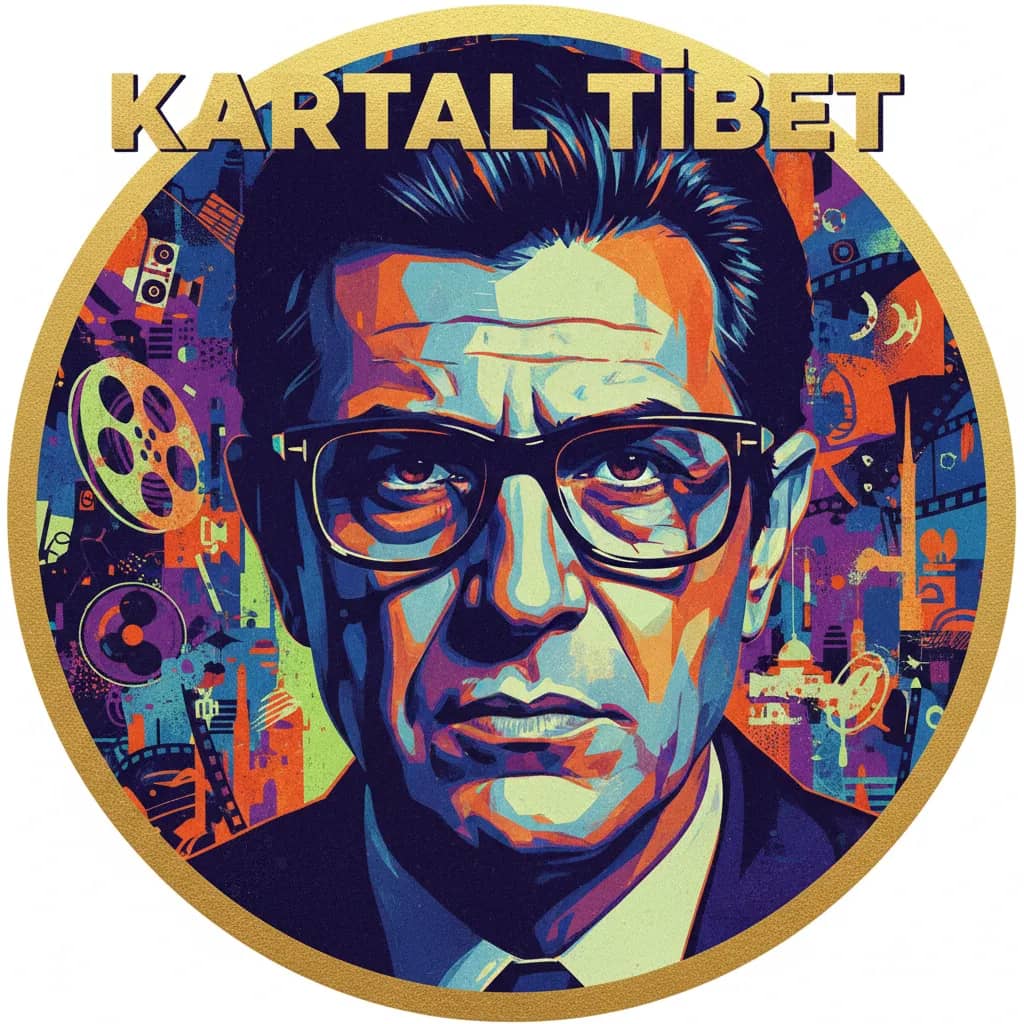
Kartal Tibet, a prominent figure in Turkish cinema, made a significant impact with his directorial prowess and contributed to the industry with his distinct style and storytelling. Known for his versatility and range, Tibet's films often explored themes of comedy, crime, and drama. His directorial debut came with the 1976 comedy classic "Tosun Pasa," which not only showcased his ability to craft compelling narratives but also established him as a director with a keen understanding of the nuances of humor and human emotions. The film's success catapulted him into the spotlight and set the stage for a remarkable career in cinema. Tibet's directorial style was characterized by a seamless blend of humor and poignant storytelling, captivating audiences with his ability to elicit laughter while delving into complex human experiences. His keen eye for detail and adept handling of various genres allowed him to carve a niche for himself in the industry. In 1980, Tibet further solidified his position as a director to reckon with through the film "Zübük," a masterful fusion of comedy, crime, and drama that showcased his ability to tackle multifaceted narratives with finesse. The film's success underscored Tibet's prowess in navigating diverse themes and genres, earning him acclaim from both audiences and critics. Tibet's impact on Turkish cinema is undeniable, with his films leaving an indelible mark on the industry. His ability to infuse entertainment with thought-provoking narratives and compelling characters resonated with audiences, cementing his status as a visionary director. Through his body of work, Tibet demonstrated a commitment to pushing the boundaries of storytelling and exploring the depths of human experiences, ensuring that his films continue to inspire and captivate viewers. With a career spanning several decades, Tibet's contributions to cinema have left an enduring legacy, solidifying his position as a trailblazer in Turkish filmmaking. As a director, Kartal Tibet's legacy extends beyond the silver screen, as his films continue to be celebrated for their timeless appeal and enduring relevance. His unique vision and ability to seamlessly navigate diverse genres have established him as a pioneering force in Turkish cinema, with his films serving as a testament to his creative genius. From comedy to crime to drama, Tibet's directorial prowess transcends boundaries, leaving an indelible mark on the world of cinema and securing his place as an iconic figure in the annals of filmmaking.
Every film by the greats, ranked by our TML Score.

Christopher Nolan
Every film, ranked

Quentin Tarantino
Every film, ranked

Stanley Kubrick
Every film, ranked

Martin Scorsese
Every film, ranked

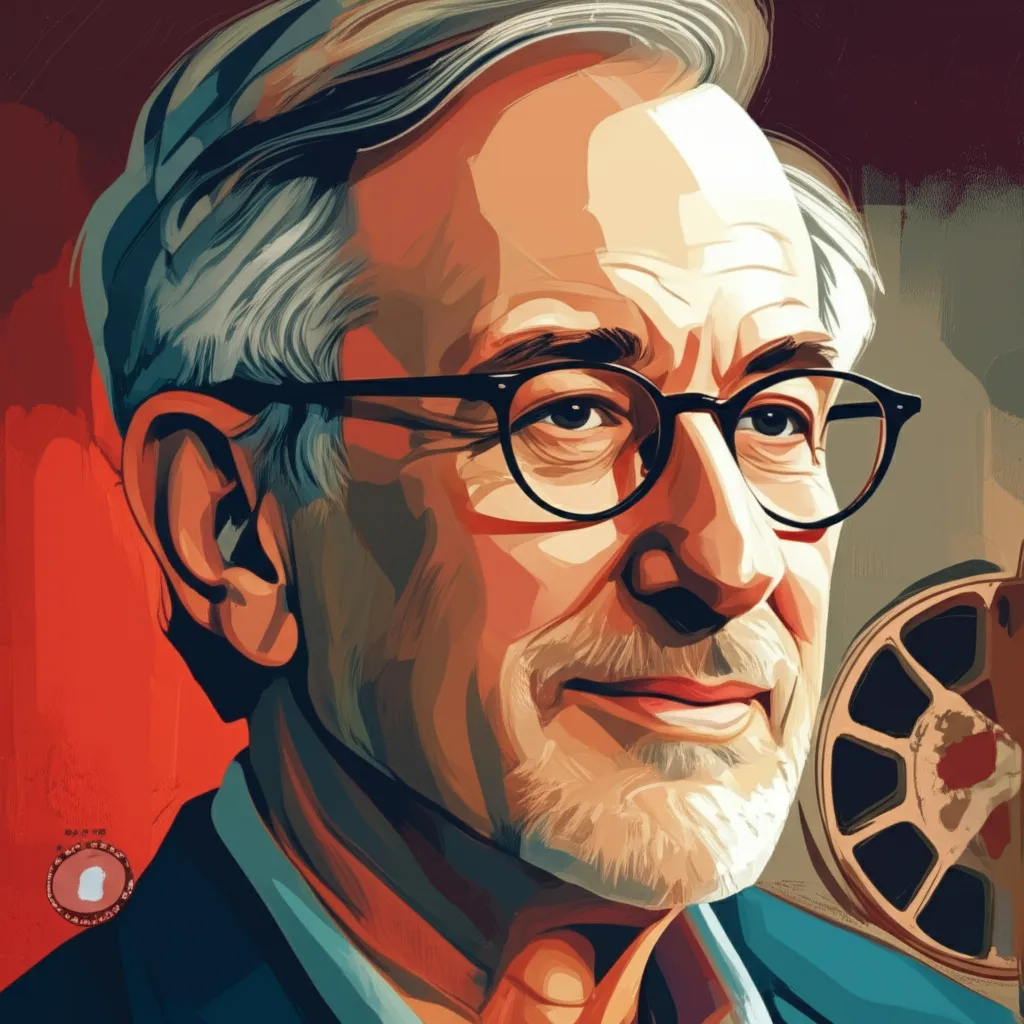
Steven Spielberg
Every film, ranked

Alfred Hitchcock
Every film, ranked

David Fincher
Every film, ranked

Denis Villeneuve
Every film, ranked

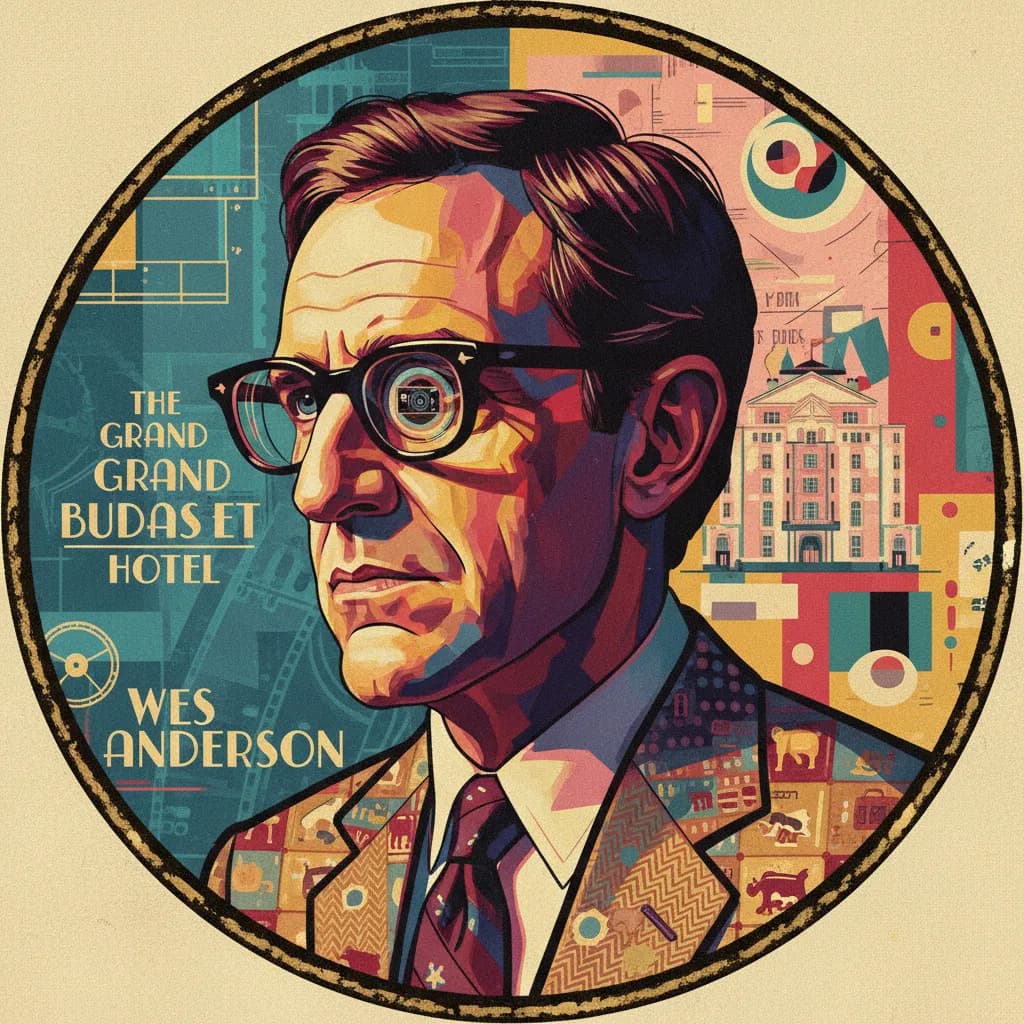
Wes Anderson
Every film, ranked

Paul Thomas Anderson
Every film, ranked

Ridley Scott
Every film, ranked

Tim Burton
Every film, ranked

Guillermo del Toro
Every film, ranked

Hayao Miyazaki
Every film, ranked

Akira Kurosawa
Every film, ranked

Francis Ford Coppola
Every film, ranked

Clint Eastwood
Every film, ranked

Bong Joon Ho
Every film, ranked

Woody Allen
Every film, ranked

Steven Soderbergh
Every film, ranked

Ron Howard
Every film, ranked

Pedro Almodóvar
Every film, ranked

Richard Linklater
Every film, ranked

Roman Polanski
Every film, ranked

Brian De Palma
Every film, ranked

Ingmar Bergman
Every film, ranked

Oliver Stone
Every film, ranked

David Cronenberg
Every film, ranked

Robert Zemeckis
Every film, ranked

Barry Levinson
Every film, ranked

John Carpenter
Every film, ranked

Joel Schumacher
Every film, ranked

Billy Wilder
Every film, ranked

Rob Reiner
Every film, ranked

Neil Jordan
Every film, ranked

Spike Lee
Every film, ranked

Ivan Reitman
Every film, ranked

John Woo
Every film, ranked

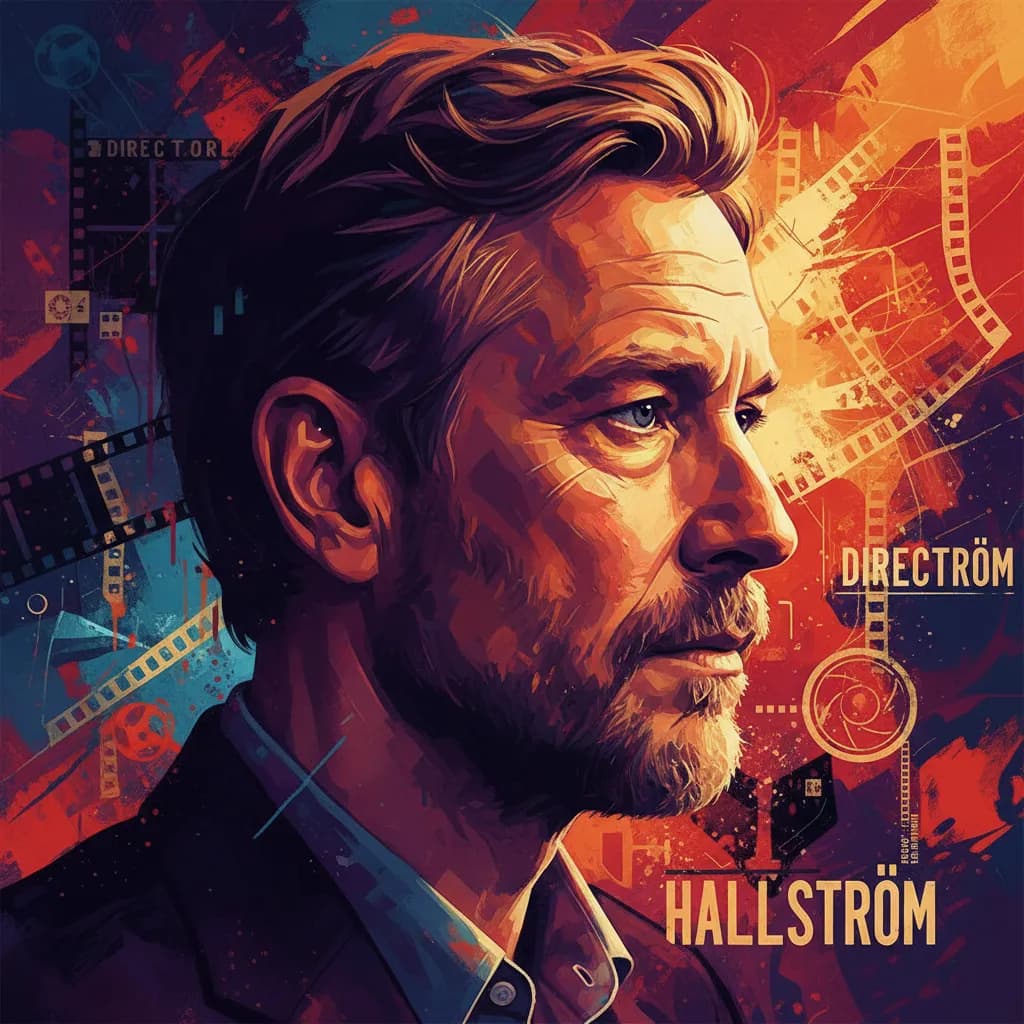
Lasse Hallström
Every film, ranked

Stephen Frears
Every film, ranked

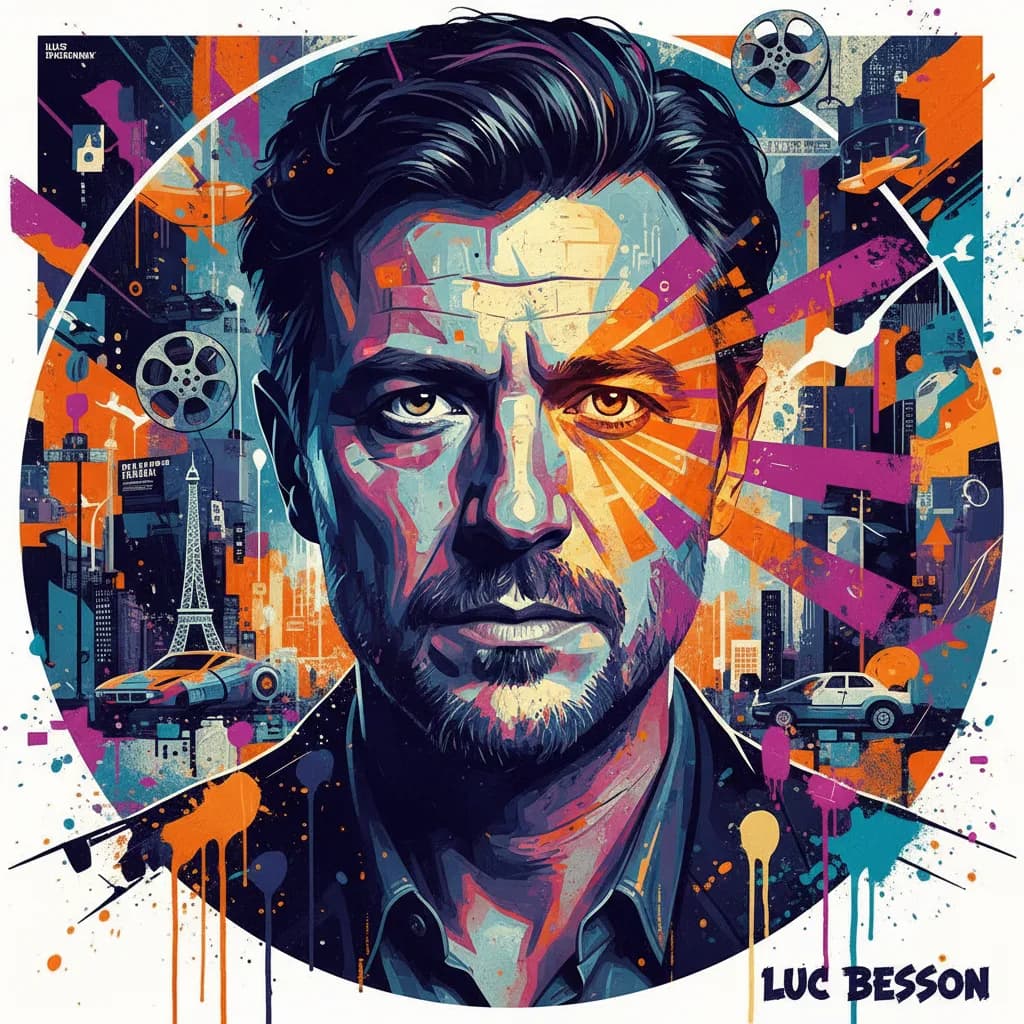
Luc Besson
Every film, ranked

Chris Columbus
Every film, ranked

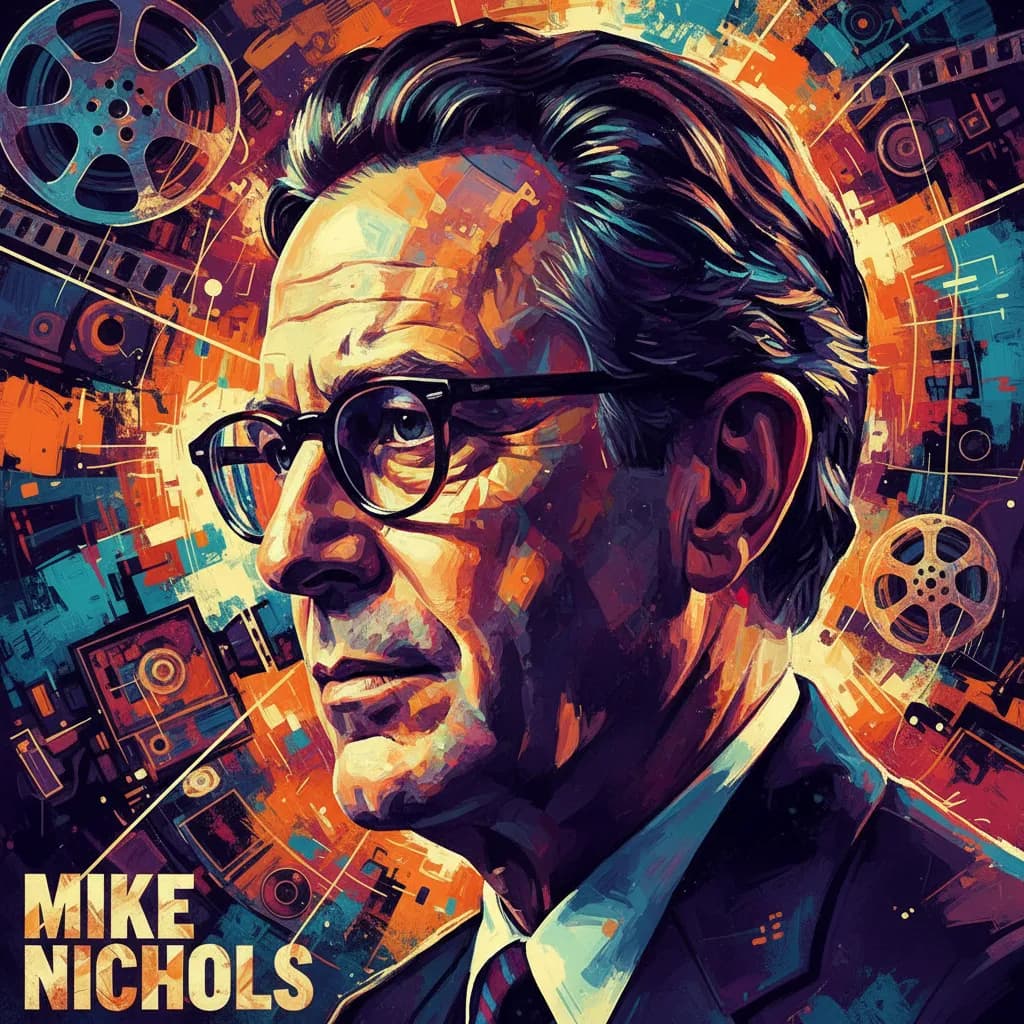
Mike Nichols
Every film, ranked

Howard Hawks
Every film, ranked

Ang Lee
Every film, ranked

Walter Hill
Every film, ranked

Gus Van Sant
Every film, ranked

William Wyler
Every film, ranked

Renny Harlin
Every film, ranked

Sidney Lumet
Every film, ranked

Tony Scott
Every film, ranked