Discover the visionary filmmakers behind cinema's greatest works.
Explore our selection of acclaimed directors and their remarkable films.
Showing 2101-2112 out of 4148

Jun'ichi Satô is a visionary Japanese film director celebrated for his contributions to the animation genre. With a career spanning several decades, Satô has left an indelible mark on cinema through his unique directorial style, captivating storytelling, and visually stunning creations. His impressive filmography includes the critically acclaimed "A Whisker Away" (2020), a captivating animated feature that showcases Satô's exceptional talent for weaving compelling narratives that resonate with audiences of all ages. Satô's directorial style is distinguished by its meticulous attention to detail, vivid imagery, and emotionally resonant storytelling. His films often explore themes of self-discovery, the complexities of human emotions, and the enduring power of love and friendship. Through his remarkable storytelling abilities, Satô has crafted a body of work that transcends cultural boundaries and continues to captivate audiences worldwide. Notably, "A Whisker Away" stands as a testament to Satô's prowess as a director, as he expertly brings to life a heartwarming tale of a young girl who transforms into a cat to get closer to her crush. The film's breathtaking animation, coupled with Satô's adept direction, highlights his ability to infuse depth and poignancy into his storytelling, making it a memorable addition to his illustrious filmography. Satô's impact on cinema extends beyond his individual films, as he has played a pivotal role in shaping the landscape of animated storytelling. Through his commitment to pushing creative boundaries and exploring the human experience through animation, Satô has inspired a new generation of filmmakers and continues to be revered by audiences and industry peers alike. In conclusion, Jun'ichi Satô's directorial career is a testament to his unparalleled talent, creative vision, and enduring impact on the world of cinema. As a master storyteller and visionary director, Satô's contributions to the animation genre have solidified his legacy as an iconic filmmaker, leaving an indelible mark on the medium and inspiring countless creators to follow in his footsteps.

Junpei Mizusaki is a Japanese film director known for his innovative and visually stunning work in the realm of animation. His most notable film to date is "Batman Ninja" (2018), a unique take on the iconic DC Comics character that fuses traditional Japanese aesthetics with cutting-edge animation techniques. Mizusaki's directorial style is characterized by a bold and dynamic approach to storytelling, as well as a keen eye for blending different artistic influences to create visually striking and thematically rich narratives. "Batman Ninja" stands as a testament to Mizusaki's ability to push the boundaries of animation and deliver a fresh take on familiar characters. The film's seamless fusion of traditional Japanese art and modern animation technologies has garnered widespread acclaim and solidified Mizusaki's reputation as a visionary director with an unparalleled ability to breathe new life into well-established franchises. His work on "Batman Ninja" has not only demonstrated his mastery of the medium but also showcased his unique perspective on storytelling and visual aesthetics. Mizusaki's directorial oeuvre often explores themes of identity, heroism, and the collision of disparate cultures, all of which are evident in "Batman Ninja." His films are characterized by a bold and unapologetic approach to storytelling, where he fearlessly incorporates elements of both Eastern and Western culture to create a truly global cinematic experience. Mizusaki's impact on cinema lies in his ability to transcend cultural boundaries and deliver films that resonate with audiences worldwide, cementing his status as a director whose work transcends traditional genre and cultural constraints. With "Batman Ninja," Junpei Mizusaki has firmly established himself as a director with a distinct and visionary approach to animation. His ability to blend disparate influences and create visually arresting narratives has set him apart as a true innovator in the world of animation, and his work continues to inspire and captivate audiences around the globe. As he continues to expand his directorial repertoire, Mizusaki's unique vision and contributions to film are sure to leave an indelible mark on the cinematic landscape for years to come.

Justin Baldoni is a talented filmmaker known for his emotionally charged and heartfelt storytelling. He made his feature directorial debut with the 2019 film "Five Feet Apart," a poignant drama that captivated audiences with its tender portrayal of young love amidst the challenges of cystic fibrosis. This success was followed by his 2020 film "Clouds," a touching biographical drama that celebrates the life of Zach Sobiech, a young musician who battled cancer with optimism and resilience. These films showcase Baldoni's ability to infuse his work with genuine emotion and sincerity, drawing viewers into the intimate worlds of his characters. Baldoni's directorial style is marked by his ability to explore the complexities of human relationships with sensitivity and authenticity. His films delve into the profound emotional connections that bind people together, often navigating themes of love, loss, and the resilience of the human spirit. Through his keen directorial eye, Baldoni crafts narratives that resonate deeply with audiences, offering a compelling blend of heartrending drama and uplifting moments of hope. With "Five Feet Apart" and "Clouds," Baldoni has left an indelible mark on cinema, demonstrating a commitment to telling stories that inspire and uplift. His films have garnered critical acclaim for their emotional impact and powerful performances, solidifying his reputation as a director with a keen understanding of the human experience. Baldoni's unique vision and dedication to authentic storytelling have made him a notable force in the industry, and his work continues to resonate with audiences around the world. As Baldoni's career continues to evolve, he remains a director to watch, with a distinctive ability to bring poignant narratives to the screen. His contributions to the film industry have not only enriched the cinematic landscape but have also touched the hearts of viewers, solidifying his status as a director with a profound understanding of the human condition. With each new project, Baldoni's unique voice and directorial prowess promise to leave a lasting impact on the world of cinema.

Justin Benson is a visionary filmmaker known for his unique blend of drama, horror, and science fiction elements in his directorial works. With a distinctive directorial style that seamlessly combines genre-bending storytelling with emotional depth, Benson has made a significant impact on the contemporary cinema landscape. His filmography includes critically acclaimed titles such as "Resolution" (2012), "Spring" (2014), "The Endless" (2017), and "Synchronic" (2019), each of which showcases his prowess in crafting thought-provoking narratives that push the boundaries of traditional genre conventions. Benson's directorial style is characterized by his ability to seamlessly intertwine disparate genres, creating films that defy easy categorization. His films often blend elements of horror, mystery, and drama, with a strong emphasis on character-driven storytelling and immersive world-building. This unique approach has garnered Benson a dedicated following and critical acclaim for his ability to subvert audience expectations while delivering compelling and emotionally resonant narratives. Notable for his recurring themes of existential dread, the nature of reality, and the complexities of human relationships, Benson's films are marked by their philosophical underpinnings and layered storytelling. His ability to infuse genre elements with deep emotional resonance has set him apart as a director with a distinct and compelling voice in contemporary cinema. Benson's impact on cinema lies in his ability to challenge and redefine genre boundaries, offering audiences a fresh and innovative perspective on familiar tropes. His films have garnered widespread praise for their originality, and his work has been lauded for its ability to captivate and engage audiences across diverse genres. As a director, Benson continues to push the boundaries of storytelling, cementing his status as a trailblazer in the realm of genre filmmaking. In conclusion, Justin Benson's directorial career is distinguished by his unique vision, innovative storytelling, and his ability to create immersive and emotionally resonant cinematic experiences. With a filmography that defies easy categorization and a distinctive directorial style that challenges genre conventions, Benson has made a significant impact on contemporary cinema. His ability to craft compelling narratives that blend disparate genres while delving into profound existential themes has solidified his status as a visionary director with a lasting influence on the film industry.

Justin Chadwick is a talented British film director known for his compelling storytelling and visually stunning films. With a career spanning over two decades, Chadwick has left an indelible mark on the world of cinema, particularly in the historical drama and biography genres. His directorial style is characterized by a keen attention to detail, immersive storytelling, and a knack for bringing historical figures and events to life on the big screen. One of Chadwick's most notable films is "Mandela: Long Walk to Freedom" (2013), a powerful biographical drama chronicling the life of Nelson Mandela. The film received critical acclaim for its powerful performances and Chadwick's sensitive portrayal of Mandela's journey from activist to president. Chadwick's ability to capture the complexities of historical figures and their impact on society is evident in this film, solidifying his reputation as a director with a deep understanding of human stories and historical significance. In "The Other Boleyn Girl" (2008), Chadwick delves into the tumultuous and captivating world of Tudor-era England, exploring the rivalry between Anne and Mary Boleyn as they vie for the affection of King Henry VIII. The film showcases Chadwick's talent for bringing historical settings to life with lush visuals and nuanced character portrayals. His ability to infuse historical dramas with emotional depth and modern relevance sets him apart as a director with a distinct vision and storytelling prowess. Chadwick's most recent work, "Tulip Fever" (2017), further demonstrates his skill in crafting compelling narratives within historical settings. Set against the backdrop of 17th-century Amsterdam, the film weaves a tale of love, art, and betrayal, showcasing Chadwick's ability to immerse audiences in rich historical landscapes while exploring timeless themes of passion and ambition. In conclusion, Justin Chadwick's directorial career has been marked by a dedication to bringing historical stories to life with depth, emotion, and visual splendor. His films stand as testaments to his unique vision and storytelling prowess, solidifying his status as a director who continues to make an impact on the world of cinema. With an impressive body of work and a penchant for breathing life into historical narratives, Chadwick remains a director to watch in the ever-evolving landscape of film.

Justin Dec is a promising filmmaker who made his directorial debut with the horror thriller "Countdown" in 2019. Known for his ability to create tension and suspense, Dec's directorial style resonates with audiences who appreciate a good scare. "Countdown" garnered attention for its innovative take on the supernatural horror genre, blending chilling moments with a modern twist on the classic "countdown to death" trope. In "Countdown," Dec demonstrated his knack for building tension and delivering jump scares, showcasing his potential as a director with a keen eye for crafting gripping narratives. His ability to create an atmosphere of dread and unease has solidified his position as a director to watch in the horror genre. While "Countdown" marked Dec's directorial debut, the film's impact on audiences and the box office is a testament to his ability to engage and thrill moviegoers. His unique vision and skillful execution have earned him a place among contemporary horror directors, with "Countdown" serving as a launching pad for what promises to be a compelling career in the industry. Dec's directorial style is marked by a commitment to delivering captivating and hair-raising experiences for audiences. His work on "Countdown" showcases his penchant for weaving together compelling narratives and spine-tingling moments, setting the stage for future projects that are sure to leave a lasting impression on the horror genre. As Dec continues to make his mark in the film industry, his distinct directorial style and ability to tap into primal fears are poised to make him a formidable force in the realm of horror cinema.

Justin Kerrigan is a British film director best known for his cult classic film "Human Traffic" (1999), a vibrant and energetic comedy-drama that revolves around the lives of a group of club-goers in Cardiff, Wales. Kerrigan's directorial style is characterized by his dynamic and immersive portrayal of youth culture, fueled by pulsating music and a raw, unfiltered approach to storytelling. His keen eye for capturing the energy and hedonism of club culture set "Human Traffic" apart as a seminal film of the late 1990s. "Human Traffic" not only showcased Kerrigan's prowess as a director but also established him as a leading voice in British cinema. The film's frank exploration of drug use, relationships, and the search for meaning resonated with audiences, making it a cornerstone of the UK's burgeoning rave scene. Kerrigan's ability to infuse the narrative with a sense of authenticity and relatability solidified his reputation as a director who could authentically capture the zeitgeist of the era. In addition to his directorial work, Kerrigan's unique perspective and distinctive visual style have left an indelible mark on the film industry. His seamless blend of humor, music, and poignant storytelling in "Human Traffic" cemented his status as a director who fearlessly delves into the complexities of youth culture. Kerrigan's films often revolve around themes of self-discovery, friendship, and the pursuit of happiness, resonating with audiences on a deeply personal level. While "Human Traffic" remains Kerrigan's most celebrated work, its enduring influence on subsequent generations of filmmakers and its cult status underscore Kerrigan's impact on cinema. His dedication to portraying the unvarnished reality of contemporary youth experiences has earned him a place in the annals of influential directors, and his singular vision continues to inspire filmmakers to authentically capture the spirit of their times. In conclusion, Justin Kerrigan's directorial career is defined by his ability to authentically capture the essence of youth culture, making him a trailblazer in British cinema. With "Human Traffic," Kerrigan pioneered a new wave of storytelling that resonated with audiences, marking a significant contribution to the cinematic landscape. His legacy as an auteur is characterized by his uncompromising vision and his ability to encapsulate the vibrancy and complexity of contemporary life on the big screen.

Justin K. Thompson is a visionary director and animator known for his groundbreaking work in the film industry. His most notable directorial credit comes from the highly anticipated "Spider-Man: Across the Spider-Verse," set to be released in 2023. This animated action-adventure film is already generating immense buzz due to Thompson's involvement, as well as the success of its predecessor, "Spider-Man: Into the Spider-Verse," which won the Academy Award for Best Animated Feature. Thompson's directorial style is characterized by his innovative approach to animation, pushing the boundaries of visual storytelling and immersing audiences in captivating and dynamic worlds. His work often exhibits a fusion of traditional animation techniques with cutting-edge technology, resulting in visually stunning and immersive cinematic experiences. These qualities have firmly established Thompson as a leading force in the animation industry, with a keen ability to bring characters and narratives to life in compelling ways. In "Spider-Man: Across the Spider-Verse," Thompson's directorial prowess is expected to shine through once again, as he continues to expand and redefine the possibilities of animated filmmaking. The film promises to showcase his distinct visual language and creative storytelling, further cementing his reputation as a director with a unique and impactful vision. Throughout his career, Thompson has consistently demonstrated a commitment to pushing creative boundaries and delivering films that resonate with audiences on both an emotional and technical level. His influence on cinema extends beyond entertainment, as his work has inspired and influenced a new generation of filmmakers and animators, leaving an indelible mark on the art of animation. As "Spider-Man: Across the Spider-Verse" approaches its release, Thompson's contributions to the film industry are poised to reach new heights, solidifying his position as a visionary director whose impact on animation and cinema as a whole is both profound and enduring.

Justin Kurzel is an Australian film director known for his distinct visual style and compelling storytelling. His directorial debut came with the chilling true crime drama "The Snowtown Murders" in 2011. The film garnered critical acclaim for its unflinching portrayal of the infamous 'bodies-in-the-barrels' murders in South Australia, showcasing Kurzel's ability to delve into dark and unsettling subject matter with raw authenticity. This debut set the tone for Kurzel's directorial style, characterized by its visceral realism and unapologetic exploration of human nature's darkest corners. Kurzel's adaptation of Shakespeare's "Macbeth" in 2015 marked a departure from his previous work, yet it retained his signature intensity. Starring Michael Fassbender and Marion Cotillard, the film was praised for its haunting visuals and powerful performances, solidifying Kurzel's reputation as a director capable of infusing classic stories with modern relevance. In 2016, Kurzel ventured into the realm of video game adaptations with "Assassin's Creed," demonstrating his versatility as a director while bringing his distinct visual flair to the action-adventure genre. "True History of the Kelly Gang," released in 2019, further showcased Kurzel's penchant for exploring the darker aspects of society and history. The film, based on Peter Carey's novel, offered a fresh perspective on the iconic Australian outlaw Ned Kelly, challenging traditional narratives and presenting a visually stunning and thematically rich portrayal of rebellion and notoriety. In 2024, Kurzel ventured into horror with "The Order," further showcasing his willingness to explore diverse genres while maintaining his signature style. Throughout his career, Kurzel has displayed a consistent fascination with the human psyche, often delving into themes of violence, power, and the complexities of the human condition. His visually striking and emotionally evocative storytelling has left an indelible mark on cinema, earning him a reputation as a director unafraid to confront the darker aspects of humanity while crafting visually arresting narratives. Justin Kurzel's unique vision and bold approach to storytelling have solidified his status as a director to watch, with a filmography that continues to push boundaries and captivate audiences worldwide.

Justin Lin is a Taiwanese-American film director known for his high-octane action and compelling storytelling. Lin burst onto the scene with his breakthrough film "Better Luck Tomorrow" (2002), a gripping crime drama that garnered widespread acclaim for its bold exploration of Asian-American identity and youth culture. This early success established Lin as a director unafraid to tackle complex themes within the framework of traditional genre films. Lin's career reached new heights when he took the helm of "The Fast and the Furious: Tokyo Drift" (2006), injecting the franchise with a fresh energy and reinvigorating the series with his dynamic visual style and exhilarating car chases. His seamless blend of heart-pounding action and character-driven narratives elevated him to the status of a sought-after director in the realm of blockbuster filmmaking. One of Lin's most notable contributions to cinema is his work on the "Fast & Furious" franchise. With entries such as "Fast Five" (2011), "Fast & Furious 6" (2013), and "F9: The Fast Saga" (2021), he has left an indelible mark on the action genre, demonstrating a knack for infusing adrenaline-pumping spectacles with emotional depth and intricate character dynamics. His ability to craft thrilling set pieces while maintaining a focus on the human element has solidified his reputation as a master of modern action filmmaking. Lin's directorial style is characterized by his adeptness at blending visceral action with poignant storytelling, creating a cinematic experience that resonates with audiences on both an emotional and visceral level. His recurring themes of family, loyalty, and the pursuit of identity are interwoven into the fabric of his films, lending them a relatable and universal quality that transcends genre boundaries. In conclusion, Justin Lin has carved out a distinctive niche in the film industry, earning a reputation as a visionary director capable of delivering blockbuster entertainment with substance. His unique vision and contributions to the action genre have left an indelible impact on cinema, cementing his status as a director to watch for those seeking captivating storytelling and pulse-pounding excitement on the big screen.

Justin Reardon is a talented film director known for his work in the romantic comedy genre. With a keen eye for humor and heartfelt storytelling, Reardon has made a mark in the industry with his distinct directorial style. His notable film, "Playing It Cool" (2014), showcases his ability to blend comedy and romance seamlessly, captivating audiences with its witty dialogue and endearing characters. Reardon's directorial style is characterized by his ability to infuse humor with emotional depth, creating films that resonate with viewers on a personal level. His keen understanding of human relationships and emotions is evident in "Playing It Cool," where he masterfully navigates the complexities of love and friendship with a refreshing and modern approach. Throughout his career, Reardon has explored recurring themes of love, self-discovery, and the pursuit of happiness, often presenting them in a lighthearted yet thought-provoking manner. His films are known for their relatable characters and sharp, clever dialogue, which have endeared him to audiences seeking a blend of laughter and heartfelt storytelling. In the realm of romantic comedy, Reardon has made a significant impact, bringing a fresh perspective to the genre with his innovative storytelling and directorial flair. His ability to craft engaging narratives and bring out authentic performances from his cast has solidified his reputation as a director capable of delivering memorable, feel-good cinema. Justin Reardon's contributions to film have not only entertained audiences but have also left a lasting impression, emphasizing the importance of authentic storytelling and genuine human connections. As he continues to make his mark in the industry, Reardon's unique vision and directorial prowess are sure to shape the future of romantic comedy cinema, leaving audiences eagerly anticipating his next cinematic endeavor.

Justin Simien is a visionary filmmaker known for his unique storytelling and thought-provoking narratives that challenge societal norms. His breakout film, "Dear White People," garnered critical acclaim for its sharp wit, compelling characters, and incisive commentary on race and identity. Simien's directorial style is characterized by his ability to blend humor with social commentary, creating films that are both entertaining and thought-provoking. "Dear White People" served as a bold exploration of race relations on a college campus, offering a fresh and unapologetic perspective on the complexities of identity and belonging. Simien's keen understanding of his characters and their struggles resonated with audiences and solidified his reputation as a director unafraid to tackle important and often controversial topics. Simien's impact on cinema extends beyond his directorial debut, as he continues to push boundaries with his distinct storytelling. His ability to infuse humor and heart into his narratives has established him as a director with a keen eye for societal commentary, making his work a relevant and important contribution to contemporary cinema. Simien's films are marked by recurring themes of identity, representation, and the intersection of race and culture in modern society. His commitment to amplifying underrepresented voices and shedding light on the complexities of human experience has earned him a dedicated following and cemented his place as a trailblazing director in the industry. In conclusion, Justin Simien's directorial career is defined by his unwavering commitment to telling stories that challenge and inspire audiences. With "Dear White People," he announced himself as a formidable talent capable of navigating complex themes with intelligence and sensitivity. As he continues to evolve as a filmmaker, Simien's contributions to cinema are sure to leave a lasting impact on the industry and audiences alike.
Every film by the greats, ranked by our TML Score.

Christopher Nolan
Every film, ranked

Quentin Tarantino
Every film, ranked

Stanley Kubrick
Every film, ranked

Martin Scorsese
Every film, ranked

Steven Spielberg
Every film, ranked

Alfred Hitchcock
Every film, ranked

David Fincher
Every film, ranked

Denis Villeneuve
Every film, ranked

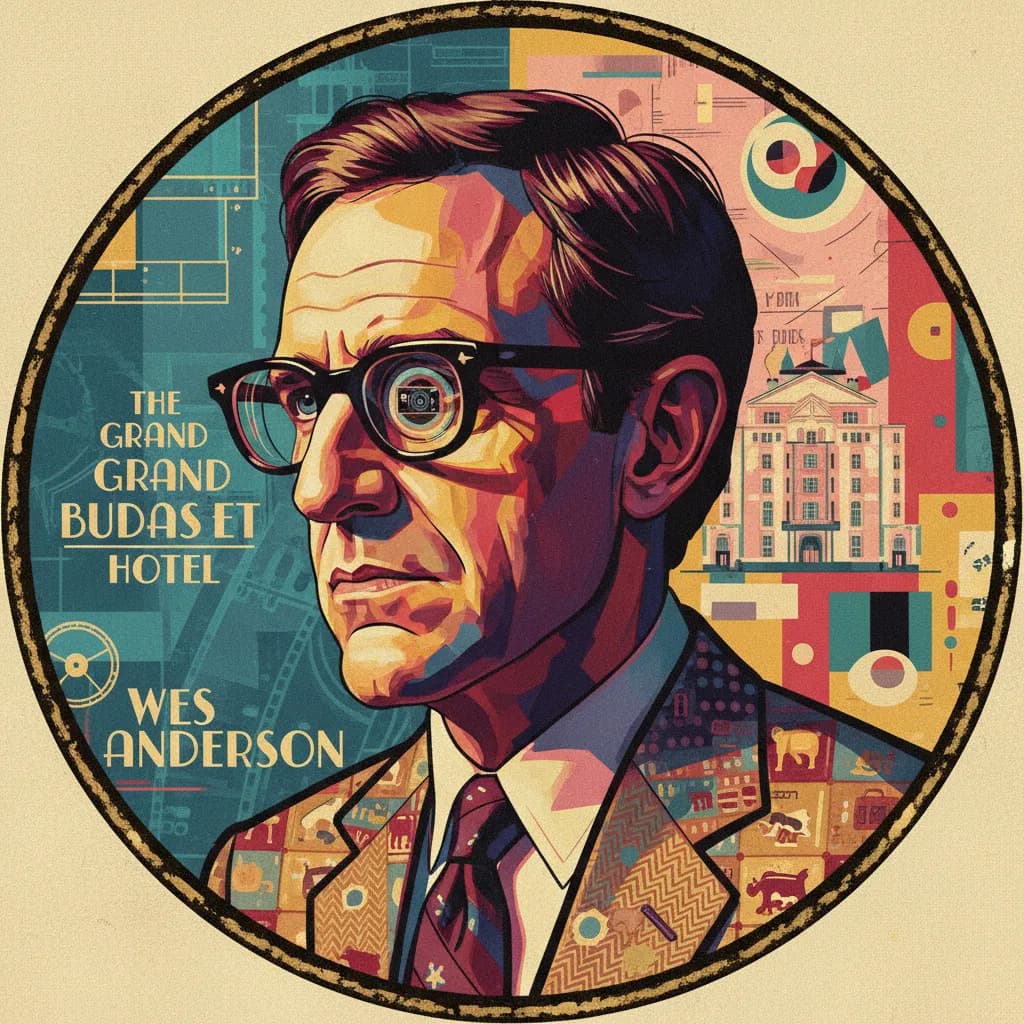
Wes Anderson
Every film, ranked

Paul Thomas Anderson
Every film, ranked

Ridley Scott
Every film, ranked

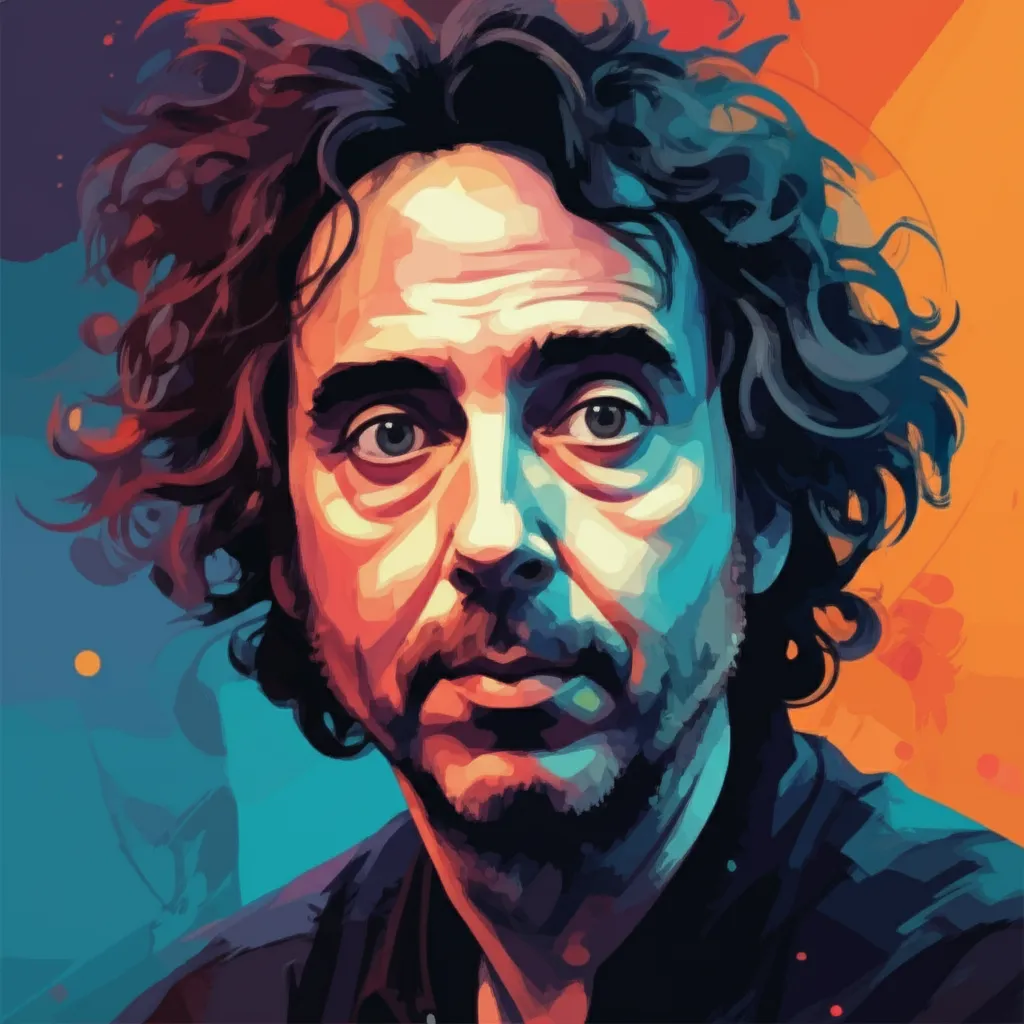
Tim Burton
Every film, ranked

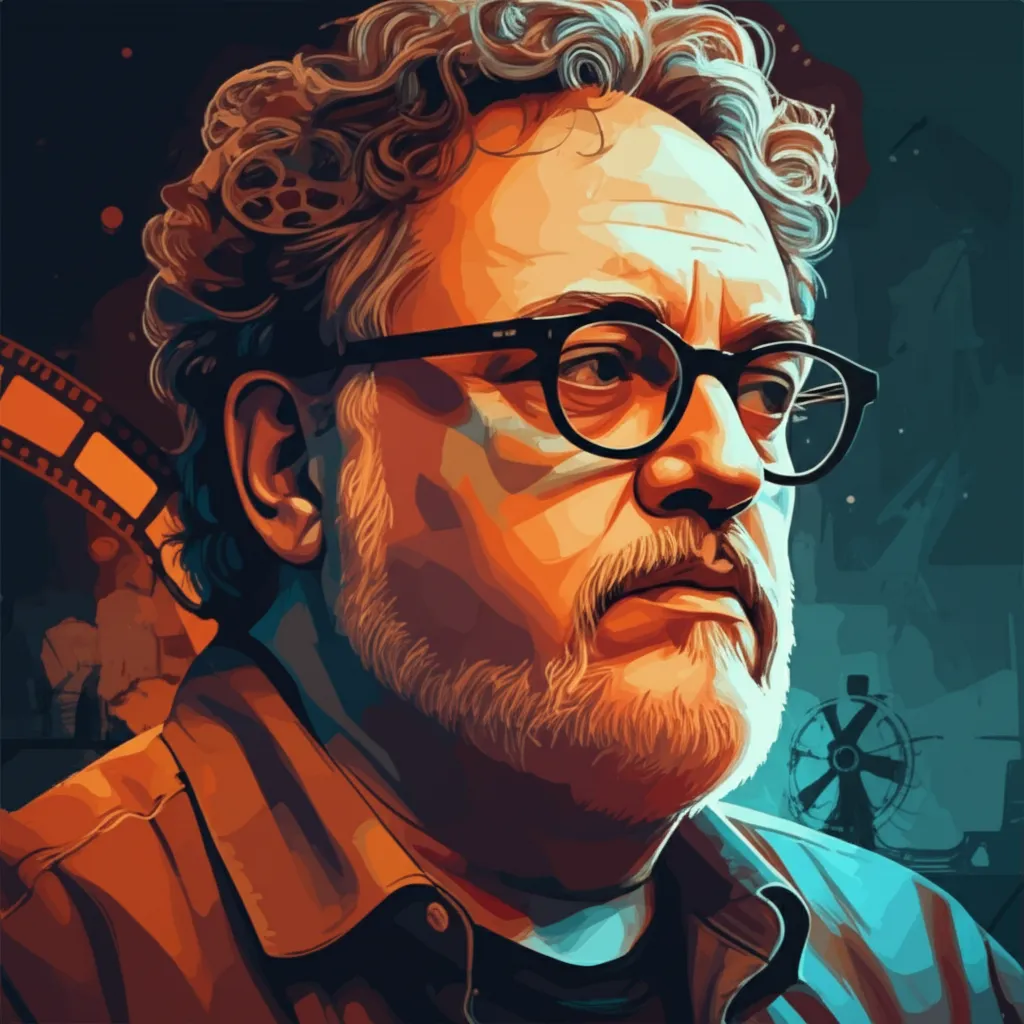
Guillermo del Toro
Every film, ranked

Hayao Miyazaki
Every film, ranked

Akira Kurosawa
Every film, ranked

Francis Ford Coppola
Every film, ranked

Clint Eastwood
Every film, ranked

Bong Joon Ho
Every film, ranked

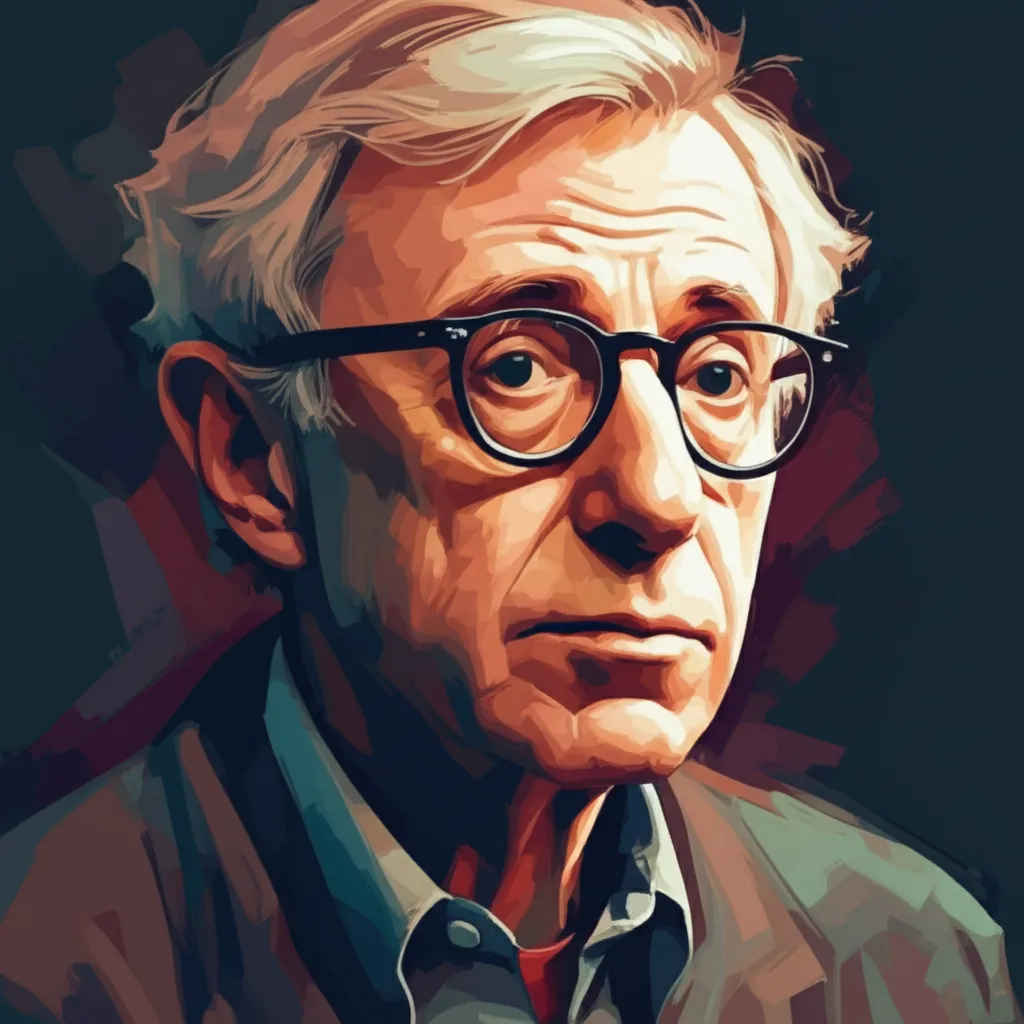
Woody Allen
Every film, ranked

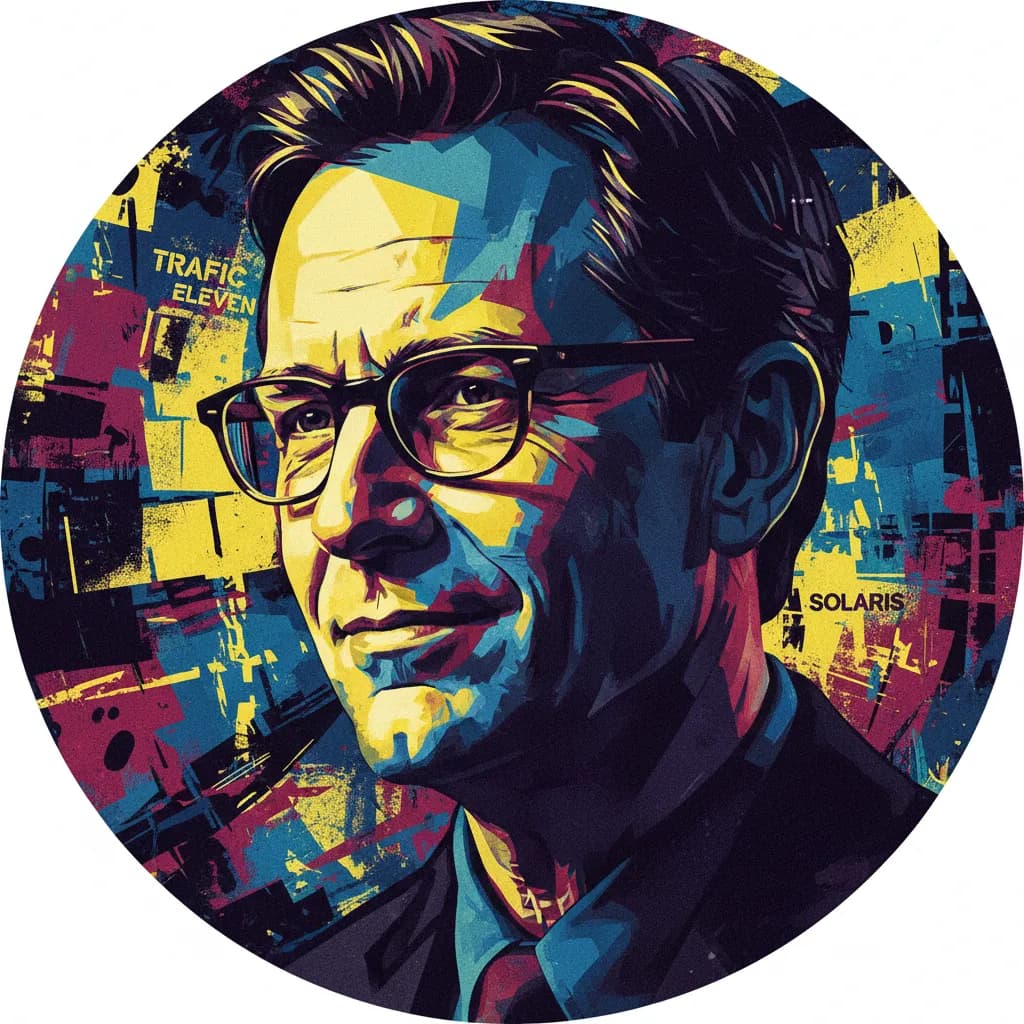
Steven Soderbergh
Every film, ranked

Ron Howard
Every film, ranked

Pedro Almodóvar
Every film, ranked

Richard Linklater
Every film, ranked

Roman Polanski
Every film, ranked

Brian De Palma
Every film, ranked

Ingmar Bergman
Every film, ranked

Oliver Stone
Every film, ranked

David Cronenberg
Every film, ranked

Robert Zemeckis
Every film, ranked

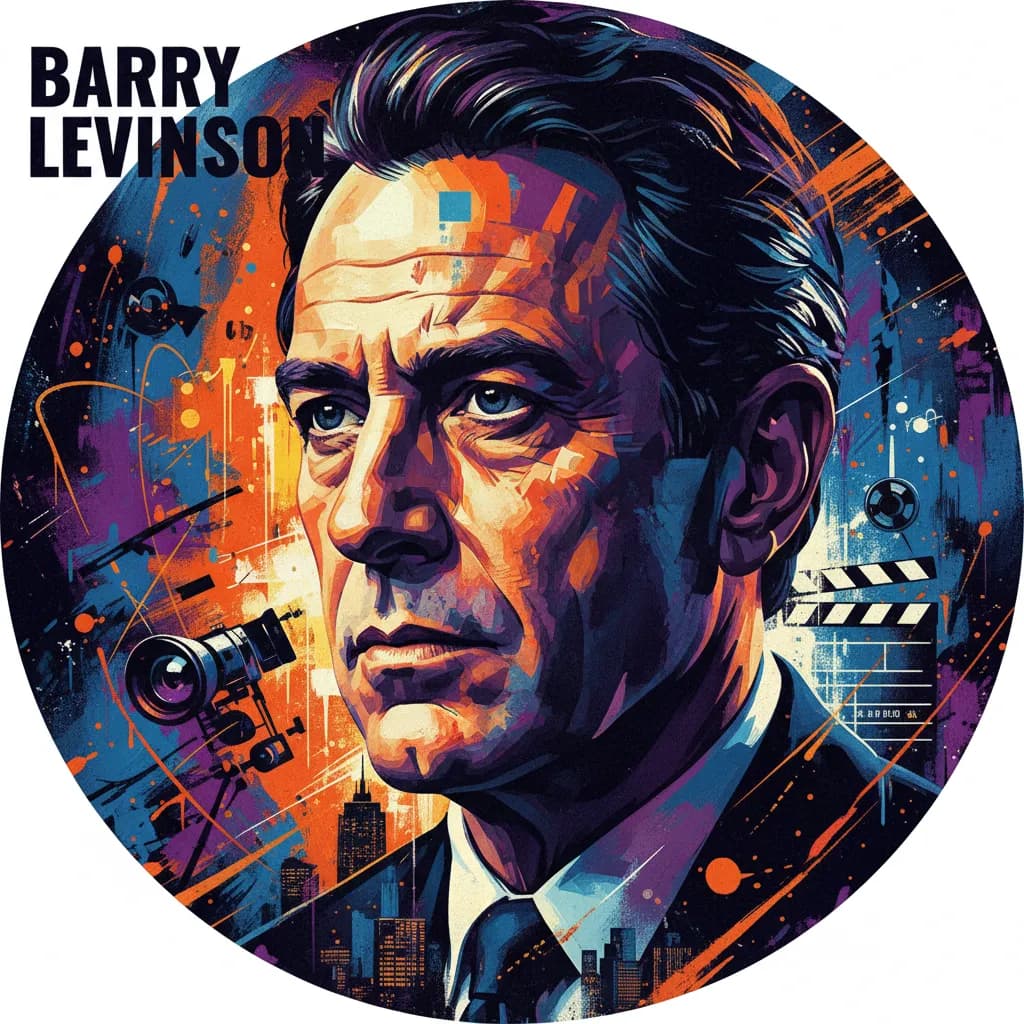
Barry Levinson
Every film, ranked

John Carpenter
Every film, ranked

Joel Schumacher
Every film, ranked

Billy Wilder
Every film, ranked

Rob Reiner
Every film, ranked

Neil Jordan
Every film, ranked

Spike Lee
Every film, ranked

Ivan Reitman
Every film, ranked

John Woo
Every film, ranked

Lasse Hallström
Every film, ranked

Stephen Frears
Every film, ranked

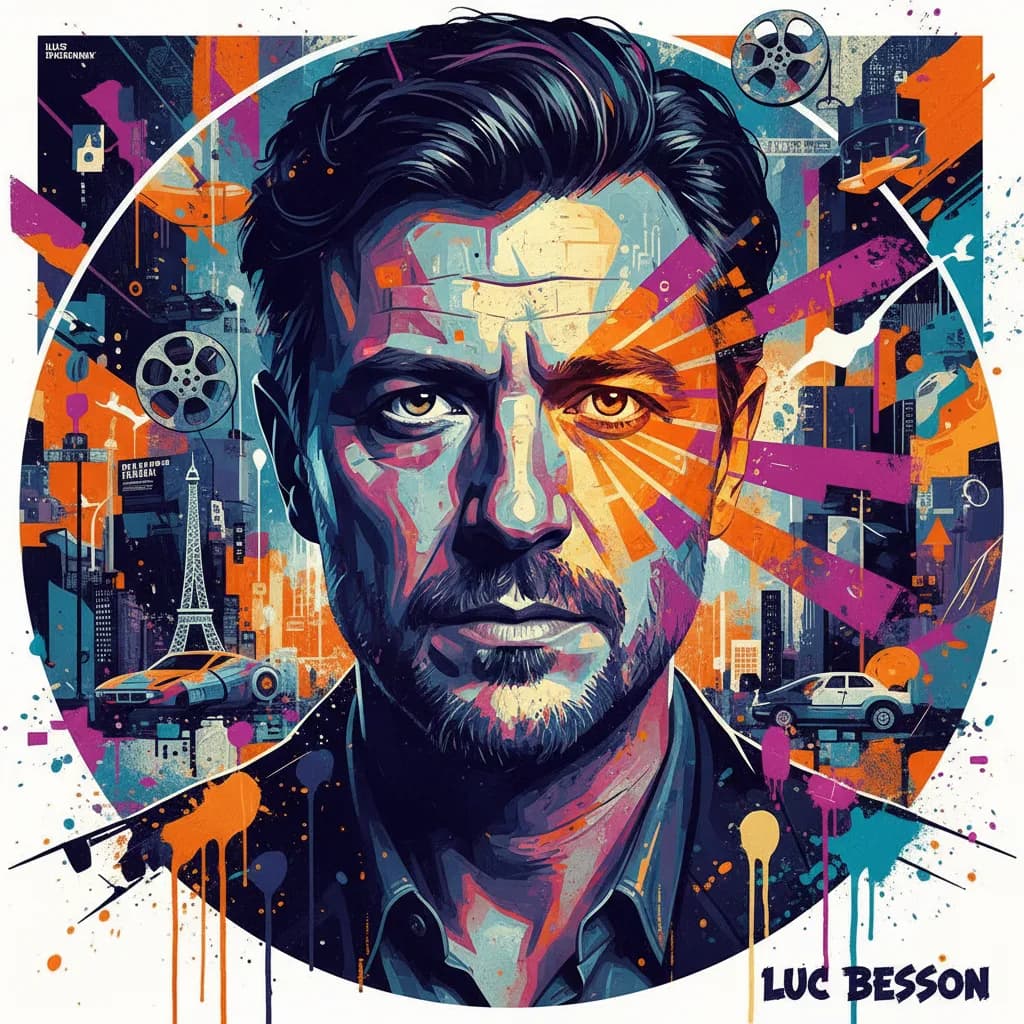
Luc Besson
Every film, ranked

Chris Columbus
Every film, ranked

Mike Nichols
Every film, ranked

Howard Hawks
Every film, ranked

Ang Lee
Every film, ranked

Walter Hill
Every film, ranked

Gus Van Sant
Every film, ranked

William Wyler
Every film, ranked

Renny Harlin
Every film, ranked

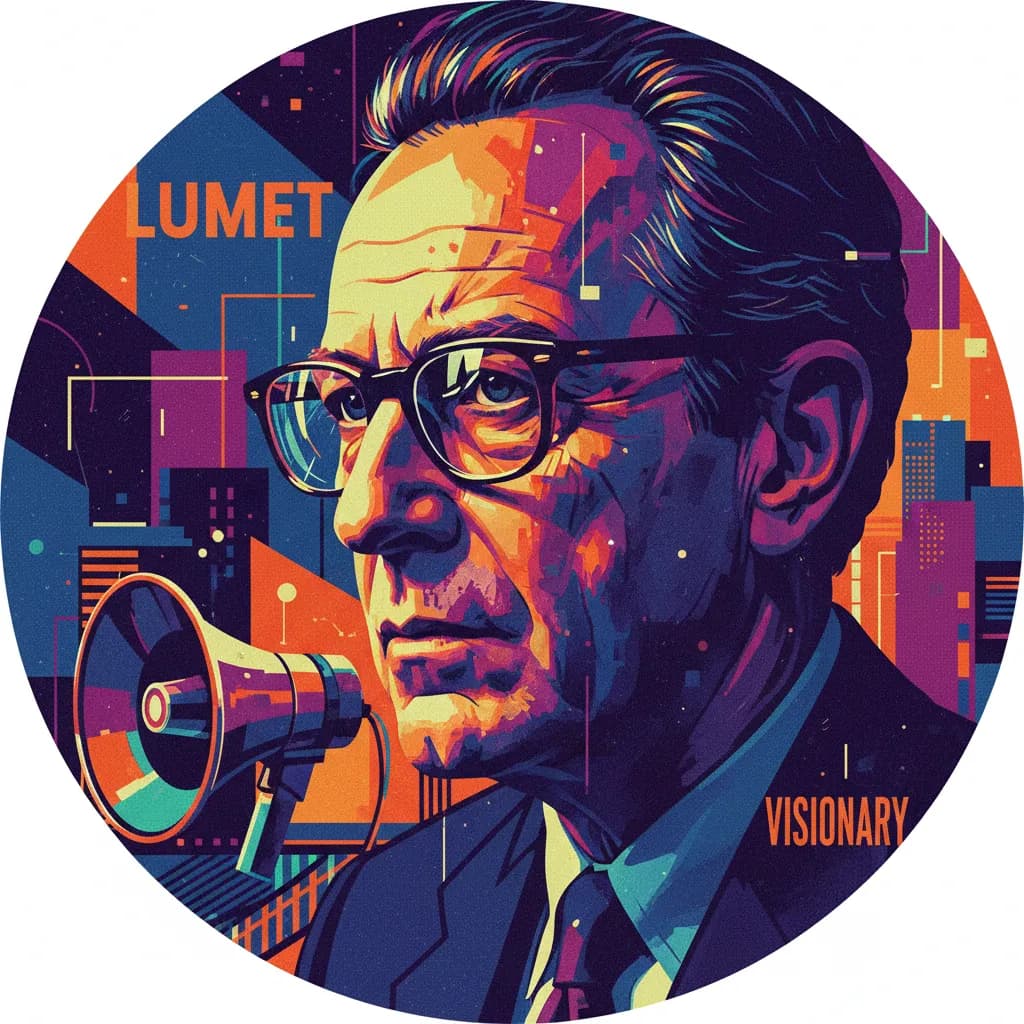
Sidney Lumet
Every film, ranked

Tony Scott
Every film, ranked