Discover the visionary filmmakers behind cinema's greatest works.
Explore our selection of acclaimed directors and their remarkable films.
Showing 2077-2088 out of 4148

Jules Dassin was a prolific and influential American film director known for his innovative contributions to film noir and crime dramas. Born in Middletown, Connecticut in 1911, Dassin began his career in theater before transitioning to film. His directorial style was characterized by a gritty, realistic approach to storytelling, often delving into the criminal underworld and showcasing the moral ambiguity of his characters. Dassin's films were marked by their intense visuals, sharp dialogue, and complex characters, earning him a reputation as a master of the crime genre. One of Dassin's most iconic works is "The Naked City" (1948), a groundbreaking film noir that redefined the genre with its documentary-style cinematography and immersive depiction of New York City. The film's influence on subsequent crime dramas is immeasurable, as it set a new standard for capturing urban landscapes and the psychological depth of its characters. Another standout film in Dassin's career is "Night and the City" (1950), a gripping noir masterpiece that explores the seedy underbelly of London's wrestling scene. Dassin's adept direction and atmospheric storytelling made this film a classic of the genre. In 1955, Dassin made a significant impact on cinema with two remarkable films: "Du rififi chez les hommes" and "Rififi." These French crime dramas are lauded for their suspenseful heist sequences and innovative use of silence to build tension, solidifying Dassin's status as a visionary director. His ability to infuse his films with a sense of urgency and moral complexity set him apart from his contemporaries, earning him widespread acclaim from audiences and critics alike. Dassin's recurring themes of crime, betrayal, and the human condition resonate throughout his filmography, showcasing his deep understanding of the darker aspects of society. His work continues to inspire filmmakers and captivate audiences, leaving an indelible mark on the history of cinema. Jules Dassin's legacy as a pioneering director is defined by his fearless exploration of the human psyche and his enduring impact on the crime genre.

Julia Ducournau is a French film director known for her bold and innovative approach to storytelling, often delving into themes of body horror, identity, and societal norms. Her directorial style is characterized by visceral and intense visuals, as well as thought-provoking narratives that push the boundaries of genre conventions. With only two feature films under her belt, Ducournau has already made a significant impact on the world of cinema. Ducournau burst onto the international film scene with her debut feature "Raw" in 2016, a coming-of-age horror drama that garnered critical acclaim and solidified her reputation as a visionary director. The film follows a young vegetarian student who discovers a taste for human flesh, exploring themes of desire, transformation, and the primal instincts within us. "Raw" received widespread praise for its unflinching portrayal of female sexuality and body horror, establishing Ducournau as a director unafraid to confront taboo subjects with a fresh perspective. In 2021, Ducournau continued to challenge audiences with "Titane," a genre-defying film that defies easy categorization. Blending elements of drama, horror, and sci-fi, "Titane" explores themes of identity, trauma, and the human condition through a provocative and unapologetic lens. The film received the prestigious Palme d'Or at the Cannes Film Festival, cementing Ducournau's status as a groundbreaking director whose work resonates with both critics and audiences alike. Ducournau's films often feature complex and multi-dimensional female protagonists, subverting traditional gender roles and offering a fresh perspective on the female experience. Her unique vision and uncompromising storytelling have solidified her as a leading voice in contemporary cinema, inspiring a new generation of filmmakers to push the boundaries of storytelling and visual expression. As she continues to redefine genre conventions and challenge societal norms, Julia Ducournau stands as a director whose impact on cinema will undoubtedly endure for years to come.

Julian Farino is a talented British film director known for his insightful storytelling and ability to capture the complexities of human relationships on screen. With a career spanning over three decades, Farino has made a significant impact on the film industry with his distinct directorial style and thought-provoking narratives. His notable film, "The Oranges" (2011), showcases his ability to blend comedy, drama, and romance seamlessly, making it a standout in his filmography. Farino's directorial style is characterized by his keen attention to character development and emotional depth. He has a knack for delving into the intricacies of human behavior, often exploring themes of love, friendship, and the challenges of modern life. His films are marked by their authenticity and relatable portrayals of everyday experiences, resonating with audiences on a profound level. "The Oranges" stands as a testament to Farino's directorial prowess, offering a poignant and humorous take on the complexities of familial and romantic relationships. With a stellar cast and nuanced storytelling, the film garnered critical acclaim and solidified Farino's reputation as a director with a unique insight into the human condition. Farino's impact on cinema lies in his ability to create compelling narratives that resonate with audiences across the globe. His work reflects a deep understanding of the human experience, and his films have left a lasting impression on the industry. As a director, he continues to push boundaries and challenge conventional storytelling, earning him a well-deserved place among the most influential filmmakers of his generation. In conclusion, Julian Farino's directorial career is a testament to his ability to craft compelling stories that explore the complexities of human relationships with depth and authenticity. With "The Oranges" as a standout example of his directorial talent, Farino has solidified his status as a filmmaker with a unique vision and a profound impact on cinema. His ability to capture the nuances of human emotion and experience sets him apart as a director to watch, and his contributions to the film industry continue to inspire and resonate with audiences worldwide.

Julian Gilbey is a British film director known for his dynamic and gripping storytelling, particularly within the action and crime genres. His directorial style is characterized by intense, high-octane sequences and a keen focus on character-driven narratives. Gilbey's notable films showcase his ability to create tension-filled atmospheres and deliver adrenaline-pumping action sequences that resonate with audiences worldwide. Gilbey burst onto the scene with his 2007 film "Rise of the Footsoldier," which quickly established him as a director with a flair for gritty, real-life crime dramas. The film, based on the true story of a notorious Essex gangster, received critical acclaim for its raw and unflinching portrayal of criminal underworld activities. Gilbey's adeptness at capturing the complexities of human nature within the context of crime and violence became a hallmark of his directorial approach. In 2011, Gilbey further solidified his reputation with "A Lonely Place to Die," a heart-pounding action-adventure thriller set against the stunning backdrop of the Scottish Highlands. The film showcased Gilbey's ability to seamlessly blend breathtaking natural landscapes with heart-stopping suspense, further demonstrating his versatility as a director. His unique perspective on the human condition and the resilience of the human spirit resonated deeply with audiences and critics alike. Throughout his career, Gilbey has explored recurring themes of loyalty, survival, and the moral ambiguity of human behavior. His films often delve into the darker aspects of society while maintaining a focus on the complexities of human relationships. Gilbey's impact on cinema lies in his ability to craft compelling, visceral experiences that leave a lasting impression on viewers. His commitment to pushing boundaries and challenging conventional storytelling has cemented his status as a director to watch in the world of action and crime cinema. In conclusion, Julian Gilbey's directorial career has been defined by his adeptness at crafting intense, character-driven narratives within the realms of action, adventure, and crime. His ability to capture the raw essence of human emotion amidst high-stakes scenarios has solidified his reputation as a director with a unique vision and a knack for delivering immersive cinematic experiences. As Gilbey continues to leave his mark on the film industry, audiences can anticipate more gripping tales that showcase his signature blend of heart-stopping action and compelling storytelling.

Julian Jarrold is a versatile British director known for his ability to seamlessly transition between genres, crafting compelling narratives that resonate with audiences. With a career spanning over two decades, Jarrold has made a mark on the film industry through his distinct directorial style and thoughtful storytelling. His filmography boasts an impressive array of titles, including "A Royal Night Out" (2015), "Becoming Jane" (2007), "Kinky Boots" (2005), and "Brideshead Revisited" (2008). Jarrold's directorial style is characterized by a keen attention to detail, strong character development, and a knack for infusing his films with emotion and authenticity. His ability to bring historical and biographical narratives to life is particularly notable, as seen in "Becoming Jane," a biographical drama that explores the early life of renowned author Jane Austen. In "Kinky Boots," Jarrold showcases his flair for blending comedy, drama, and music to deliver a heartwarming story of self-discovery and acceptance, demonstrating his versatility as a director. Throughout his career, Jarrold has displayed a penchant for delving into themes of romance, identity, and societal norms, often challenging conventions and offering fresh perspectives on age-old subjects. His films often feature complex relationships and the inner struggles of his characters, adding layers of depth to his storytelling. Jarrold's impact on cinema lies in his ability to create films that resonate with audiences on a personal level, transcending the screen to evoke genuine emotions and contemplation. As a director, Julian Jarrold has left an indelible mark on the film industry, earning recognition for his ability to tackle diverse genres with finesse and deliver thought-provoking narratives that leave a lasting impression. His unique vision and dedication to storytelling have solidified his status as a director to watch, with each new project showcasing his unwavering commitment to crafting captivating cinematic experiences. Whether it's a lighthearted comedy or a poignant historical drama, Jarrold's films continue to captivate audiences and cement his legacy as a director with a distinctive voice in the world of cinema.

Juliano Dornelles is a Brazilian film director known for his unique vision and bold storytelling. He gained international recognition for his work on the critically acclaimed film "Bacurau" (2019), a genre-defying action-adventure drama that garnered widespread praise for its innovative approach to storytelling and bold political commentary. Dornelles' directorial style is characterized by a masterful blend of genre elements, striking visuals, and thought-provoking narratives that challenge the status quo. "Bacurau" stands as a testament to Dornelles' ability to push the boundaries of traditional filmmaking, seamlessly weaving together elements of action, adventure, and drama to create a mesmerizing cinematic experience. The film's exploration of social and political themes within the context of a thrilling narrative showcases Dornelles' commitment to using his craft as a vehicle for social commentary and cultural critique. Throughout his career, Dornelles has demonstrated a keen eye for capturing the complexities of human experiences within the context of larger societal structures. His films often delve into themes of identity, power dynamics, and resistance, offering audiences a window into the intricacies of the human condition. Dornelles' ability to infuse his work with layers of meaning and depth has solidified his status as a director with a distinct and influential voice in contemporary cinema. Dornelles' impact on the film industry extends beyond his directorial achievements, as he continues to inspire a new generation of filmmakers to push the boundaries of storytelling and explore the untapped potential of the medium. With "Bacurau," Dornelles has cemented his position as a visionary director whose work will undoubtedly leave a lasting impression on the landscape of world cinema. As he continues to evolve as an artist, audiences can eagerly anticipate the future contributions of this innovative and trailblazing director.

Julian Schnabel is a visionary film director known for his distinct artistic style and emotionally resonant storytelling. A celebrated artist before transitioning to filmmaking, Schnabel's directorial career has been marked by a series of critically acclaimed and visually stunning biographical dramas. His ability to capture the essence of his subjects and infuse his films with profound depth has solidified his status as a directorial force to be reckoned with. Schnabel's directorial style is characterized by its immersive and deeply human approach to storytelling. His films often delve into the lives of real-life individuals, portraying their struggles, triumphs, and innermost thoughts with unflinching honesty. Through masterful cinematography and evocative visuals, he brings his subjects to life on the screen, allowing audiences to connect with the emotional core of each story. Notable films in Schnabel's repertoire include "Basquiat" (1996), a poignant portrayal of the life and art of the renowned painter Jean-Michel Basquiat, and "The Diving Bell and the Butterfly" (2007), a visually stunning and profoundly moving depiction of the life of Jean-Dominique Bauby, a former editor of French Elle magazine. His most recent work, "At Eternity's Gate" (2018), offers a mesmerizing exploration of the final years of Vincent van Gogh, showcasing Schnabel's ability to capture the essence of the artist's tumultuous life and inner turmoil. Recurring themes in Schnabel's films include the exploration of creativity, the human spirit, and the transformative power of art. His works often delve into the complexities of the human experience, portraying the inner struggles and triumphs of his subjects with raw authenticity. Through his unique directorial vision, Schnabel has left an indelible mark on cinema, inspiring audiences and fellow filmmakers alike with his profound storytelling and visually striking narratives. Julian Schnabel's impact on cinema extends far beyond his directorial achievements. His ability to bring to life the stories of iconic artists and individuals through his visually arresting and emotionally resonant films has solidified his reputation as a master storyteller. As a director, artist, and visionary, Schnabel continues to push the boundaries of cinematic storytelling, captivating audiences with his unparalleled ability to capture the essence of the human experience on screen.

Julie Anne Robinson is a British film and television director known for her versatile directorial style and ability to bring out the best in her characters. With a career that spans across both film and television, Robinson has made a significant impact on the entertainment industry. Her notable filmography includes "One for the Money" (2012), a thrilling action-comedy-crime film, and "The Last Song" (2010), a heartwarming drama with a strong musical and romantic element. Robinson's directorial style is characterized by her keen attention to character development and her ability to bring out authentic and heartfelt performances from her actors. She often infuses her work with a sense of warmth and emotional depth, making her films relatable and engaging for audiences. Her films display a strong sense of visual storytelling, with a focus on creating compelling and visually captivating narratives that resonate with viewers. In "One for the Money", Robinson showcased her talent for blending action, comedy, and crime elements seamlessly, creating a fast-paced and entertaining film that captivated audiences. Meanwhile, "The Last Song" demonstrated her ability to bring out the emotional nuances of a dramatic story, while also incorporating music and romance in a way that felt genuine and heartfelt. One of the recurring themes in Robinson's work is the exploration of human relationships and the complexities of love and family. Her films often delve into the intricacies of interpersonal connections, portraying the joys and struggles of human interaction with empathy and sincerity. Robinson's impact on cinema lies in her ability to create films that resonate with audiences on an emotional level, offering compelling narratives that leave a lasting impression. Overall, Julie Anne Robinson's unique vision and contributions to film have solidified her as a director with a distinctive voice and a talent for crafting emotionally resonant stories. Her ability to seamlessly navigate different genres and bring out the best in her characters has made her a respected figure in the entertainment industry, and her work continues to captivate audiences with its heartfelt storytelling and genuine emotional depth.

Julie Delpy is a multi-talented French-American filmmaker, actress, and singer known for her unique blend of comedy, drama, and romance in her directorial work. With a career that spans decades, Delpy has made a significant impact on cinema through her distinct directorial style and thought-provoking storytelling. Her notable films include "Two Days in New York" (2012) and "Two Days in Paris" (2007), both of which showcase her ability to capture the complexities of human relationships with wit and authenticity. Delpy's directorial style is characterized by her keen observational eye and her ability to infuse her films with humor, emotional depth, and cultural insight. Her films often explore the intricacies of interpersonal relationships, cultural clashes, and the challenges of modern life, offering audiences a refreshing and honest portrayal of human experiences. With a focus on character-driven narratives, Delpy's films resonate with audiences on a profound level, as she delves into the complexities of love, family dynamics, and the search for identity. A recurring theme in Delpy's work is the exploration of cross-cultural experiences and the clash of traditions, which she skillfully weaves into her narratives, adding layers of depth and authenticity to her storytelling. Her films are known for their sharp wit, relatable characters, and poignant moments that capture the essence of human connection. Delpy's impact on cinema lies in her ability to create films that are both entertaining and thought-provoking, offering audiences a fresh perspective on contemporary issues while maintaining a sense of humor and warmth. Overall, Julie Delpy has carved a niche for herself in the film industry through her directorial work, leaving an indelible mark with her insightful storytelling and ability to capture the complexities of human relationships. Her films continue to resonate with audiences worldwide, and her unique vision and contributions to cinema make her a formidable talent in the world of filmmaking.

Julien Magnat is a French-Canadian film director known for his work in the crime, drama, and mystery genres. His notable film, "Faces in the Crowd" (2011), showcases his directorial style, which often incorporates a mix of psychological tension, visual flair, and suspenseful storytelling. Magnat's unique vision and skillful direction have established him as a distinct voice in the film industry. "Faces in the Crowd" stands as a testament to Magnat's ability to create gripping narratives that delve into the complexities of human emotions and behavior. The film's thematic exploration of identity, memory, and perception resonates with audiences, showcasing Magnat's penchant for thought-provoking storytelling. Through his work, he has demonstrated a keen understanding of how to build tension and intrigue, keeping viewers on the edge of their seats. Throughout his career, Magnat has consistently infused his films with a sense of visual artistry, using cinematography and editing techniques to enhance the overall impact of his storytelling. His directorial style often incorporates striking visuals and atmospheric elements that draw audiences into the emotional and psychological landscapes of his characters. In the realm of crime, drama, and mystery cinema, Julien Magnat's contributions have left a lasting impression. His ability to craft compelling narratives and evoke powerful performances from his actors has earned him recognition as a director with a distinct voice and a talent for creating immersive cinematic experiences. Overall, Julien Magnat's impact on cinema can be seen through his ability to captivate audiences with his unique directorial style, deep thematic explorations, and visually arresting storytelling. As he continues to make his mark in the film industry, his work stands as a testament to his skill as a director and his potential for shaping the future of crime, drama, and mystery cinema.

Julien Maury is a French film director known for his distinct contribution to the horror genre with his visceral and intense storytelling. His directorial style is characterized by a keen eye for visual storytelling, evocative atmospheres, and a penchant for exploring the darker aspects of human nature. Maury's work often delves into themes of psychological terror, survival, and the blurred lines between good and evil, leaving a lasting impact on the horror film landscape. One of Maury's most notable films is "Inside" (2007), a gripping and relentless home invasion horror that garnered critical acclaim for its unflinching portrayal of terror and its intense, claustrophobic atmosphere. The film solidified Maury's reputation as a director who fearlessly pushes the boundaries of the genre, captivating audiences with his unrelenting approach to storytelling. In 2017, Maury co-directed "Leatherface," a prequel to the iconic "Texas Chainsaw Massacre" franchise. With this film, Maury demonstrated his ability to breathe new life into a beloved horror series while infusing it with his signature style, showcasing his talent for crafting chilling narratives that resonate with audiences. Most recently, Maury directed "The Deep House" (2021), a unique blend of drama, horror, and mystery that immerses viewers in a haunting underwater setting. Through this film, Maury continues to showcase his versatility and innovation in the horror genre, further establishing himself as a visionary director with a penchant for pushing the boundaries of storytelling. Julien Maury's impact on cinema lies in his ability to create gripping, emotionally charged narratives that leave a lasting impression on audiences. His films often explore the depths of human fear and the complexities of the human psyche, cementing his status as a director who fearlessly challenges conventions and elevates the horror genre with his distinct vision. In conclusion, Julien Maury's directorial career is marked by a bold and unapologetic approach to storytelling, solidifying his status as a visionary director in the horror genre. With an impressive filmography that includes "Inside," "Leatherface," and "The Deep House," Maury continues to captivate audiences with his evocative and immersive narratives, leaving an indelible mark on the world of cinema.

Julien Rambaldi is a talented French film director known for his poignant storytelling and ability to blend humor with drama in his works. His most notable film, "The African Doctor" (2016), is a heartwarming biographical comedy-drama that captures the essence of cultural clashes and the pursuit of acceptance in a foreign land. Rambaldi's directorial style is characterized by his adeptness at infusing emotional depth into lighthearted narratives, creating a captivating and thought-provoking cinematic experience. "The African Doctor" stands as a testament to Rambaldi's prowess in capturing the human experience with authenticity and sincerity. The film's narrative delves into themes of identity, family, and the universal desire for belonging, all of which are recurring motifs in Rambaldi's body of work. His ability to seamlessly interweave these themes with humor and warmth has resonated with audiences worldwide, showcasing his unique vision as a director. Rambaldi's impact on cinema lies in his commitment to telling stories that transcend cultural boundaries and resonate with diverse audiences. Through his directorial work, he has demonstrated an unparalleled ability to shed light on the human condition, effectively bridging gaps between different cultures and fostering empathy and understanding. His dedication to authenticity and his nuanced portrayal of characters have solidified his reputation as a director with a keen eye for detail and a deep understanding of the complexities of human relationships. In conclusion, Julien Rambaldi's directorial career is characterized by his ability to craft compelling narratives that blend humor, drama, and heartfelt emotion. His films, particularly "The African Doctor," have left an indelible mark on cinema, offering audiences a window into the universal experiences that bind us all. Rambaldi's unique vision and storytelling prowess continue to make a significant impact on the film industry, cementing his status as a director to watch in the world of international cinema.
Every film by the greats, ranked by our TML Score.

Christopher Nolan
Every film, ranked

Quentin Tarantino
Every film, ranked

Stanley Kubrick
Every film, ranked

Martin Scorsese
Every film, ranked

Steven Spielberg
Every film, ranked

Alfred Hitchcock
Every film, ranked

David Fincher
Every film, ranked

Denis Villeneuve
Every film, ranked

Wes Anderson
Every film, ranked

Paul Thomas Anderson
Every film, ranked

Ridley Scott
Every film, ranked

Tim Burton
Every film, ranked

Guillermo del Toro
Every film, ranked

Hayao Miyazaki
Every film, ranked

Akira Kurosawa
Every film, ranked

Francis Ford Coppola
Every film, ranked

Clint Eastwood
Every film, ranked

Bong Joon Ho
Every film, ranked

Woody Allen
Every film, ranked

Steven Soderbergh
Every film, ranked

Ron Howard
Every film, ranked

Pedro Almodóvar
Every film, ranked

Richard Linklater
Every film, ranked

Roman Polanski
Every film, ranked

Brian De Palma
Every film, ranked

Ingmar Bergman
Every film, ranked

Oliver Stone
Every film, ranked

David Cronenberg
Every film, ranked

Robert Zemeckis
Every film, ranked

Barry Levinson
Every film, ranked

John Carpenter
Every film, ranked

Joel Schumacher
Every film, ranked

Billy Wilder
Every film, ranked

Rob Reiner
Every film, ranked

Neil Jordan
Every film, ranked

Spike Lee
Every film, ranked

Ivan Reitman
Every film, ranked

John Woo
Every film, ranked

Lasse Hallström
Every film, ranked

Stephen Frears
Every film, ranked

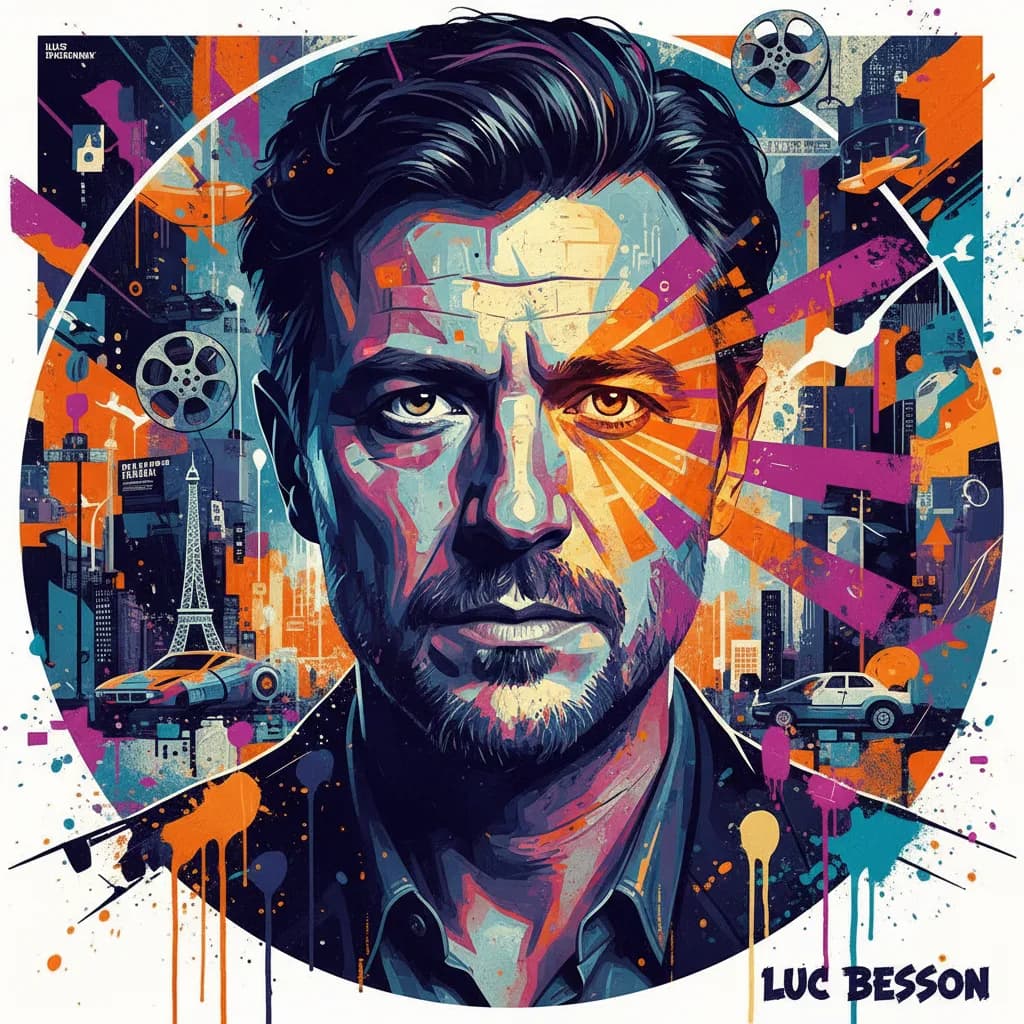
Luc Besson
Every film, ranked

Chris Columbus
Every film, ranked

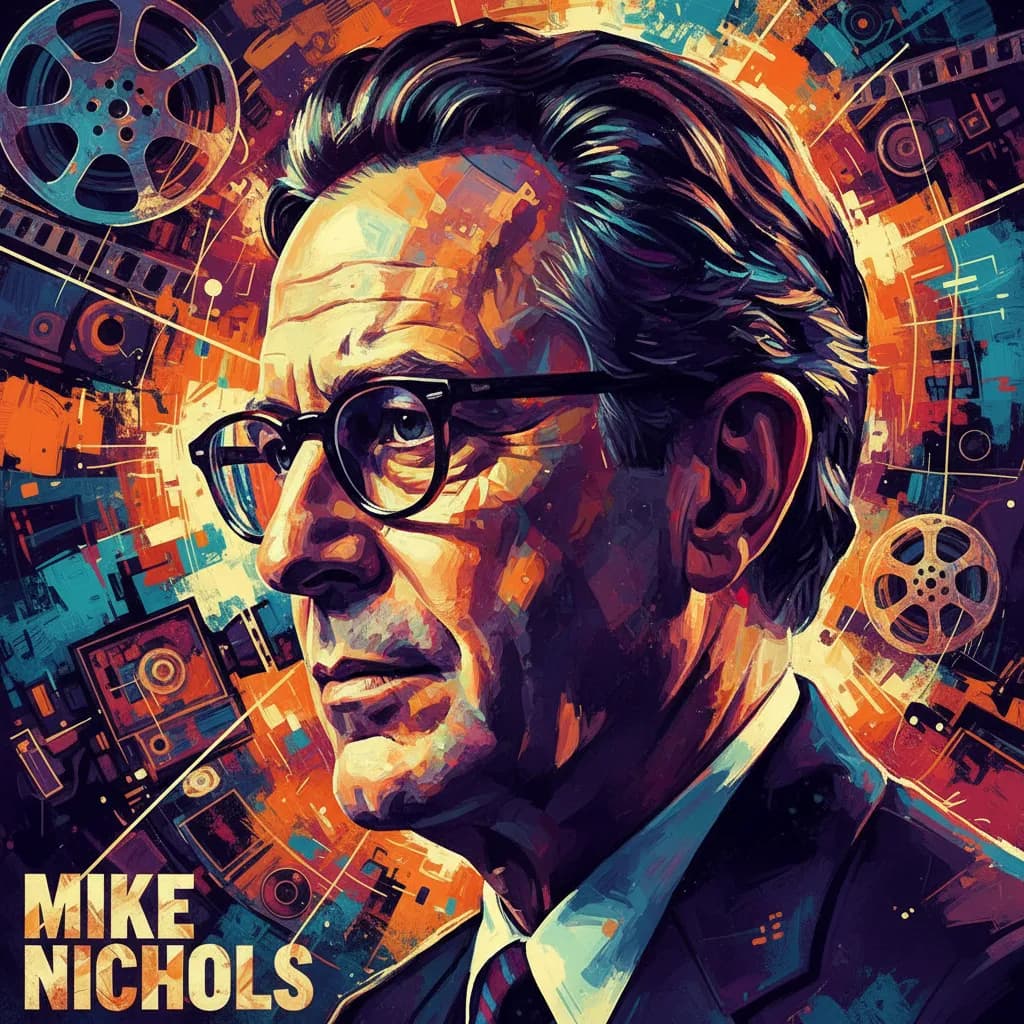
Mike Nichols
Every film, ranked

Howard Hawks
Every film, ranked

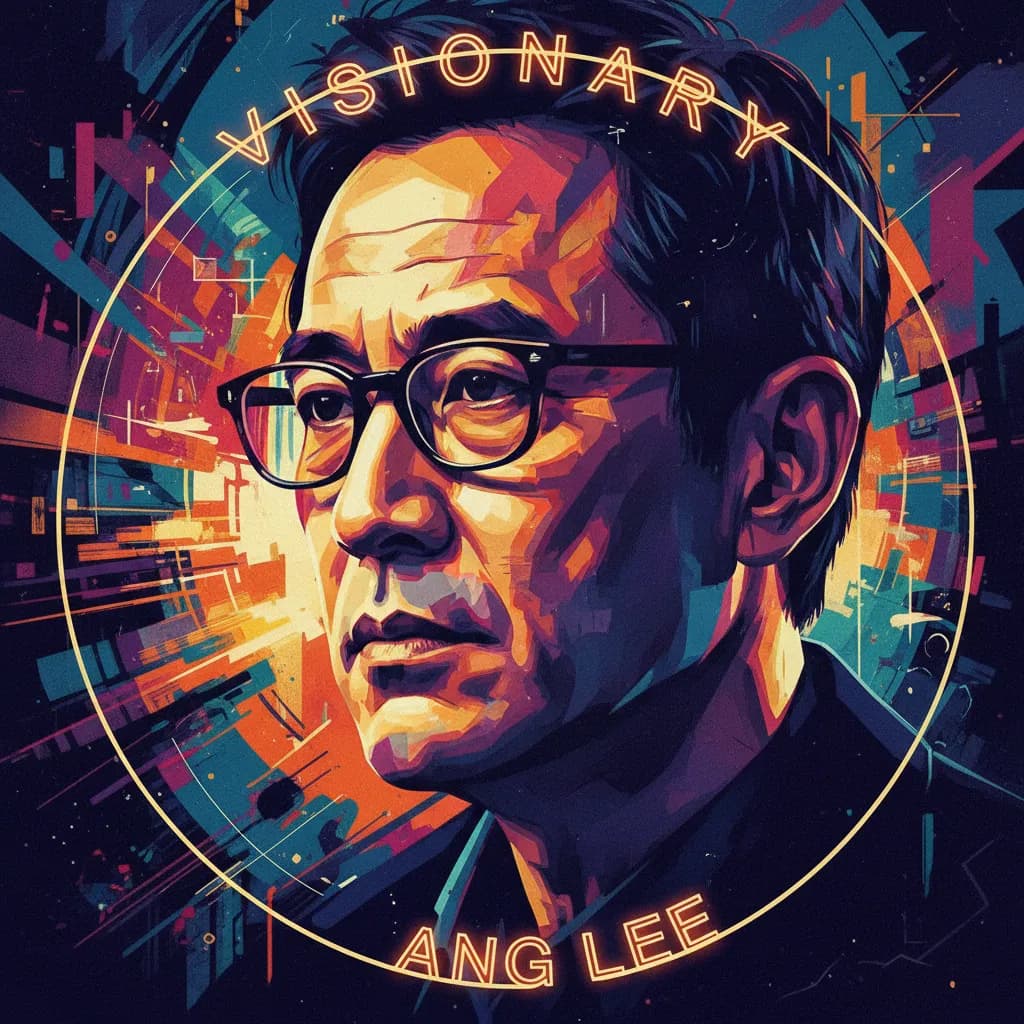
Ang Lee
Every film, ranked

Walter Hill
Every film, ranked

Gus Van Sant
Every film, ranked

William Wyler
Every film, ranked

Renny Harlin
Every film, ranked

Sidney Lumet
Every film, ranked

Tony Scott
Every film, ranked