Discover the visionary filmmakers behind cinema's greatest works.
Explore our selection of acclaimed directors and their remarkable films.
Showing 1969-1980 out of 4148

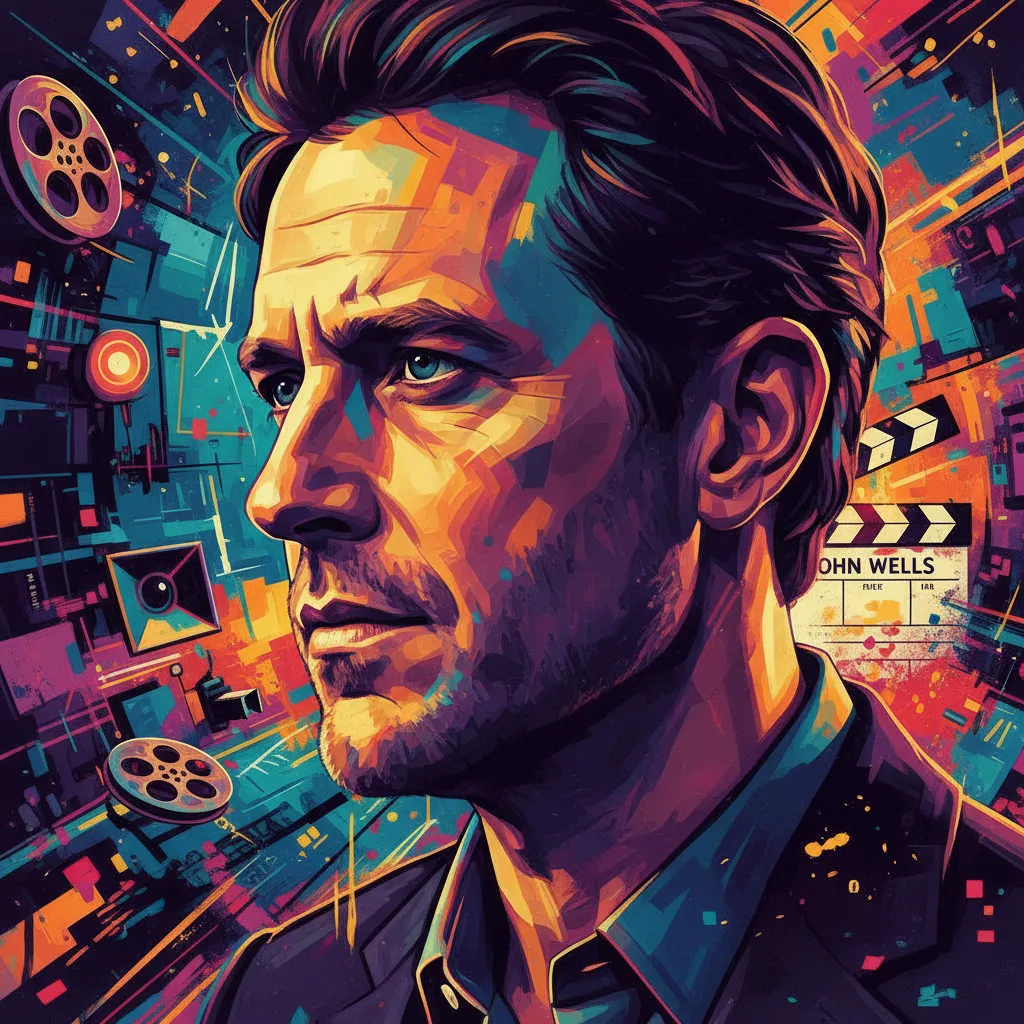
John Wells is a versatile and accomplished film director known for his ability to seamlessly blend comedy and drama in his work. With a career spanning over several decades, Wells has made a significant impact on the film industry through his distinct directorial style and thought-provoking storytelling. His notable films include "Burnt" (2015), "August: Osage County" (2013), and "The Company Men" (2010), all of which showcase his talent for capturing the complexities of human relationships and the struggles of the working class. Wells' directorial style is characterized by its emotional depth and authenticity, as he delves into the intricacies of interpersonal dynamics and societal issues. His films often feature an ensemble cast, allowing him to explore multiple perspectives and create rich, multidimensional characters. Wells has a keen eye for capturing the raw and unfiltered moments of human experience, infusing his films with a sense of realism that resonates with audiences. Throughout his career, Wells has tackled themes such as ambition, family dynamics, and the impact of economic hardship on individuals and communities. His films provide a poignant commentary on the human condition, delving into the complexities of love, loss, and the pursuit of happiness. Wells' storytelling is both compelling and thought-provoking, inviting viewers to reflect on their own lives and the world around them. Wells' contributions to cinema extend beyond his directorial work, as he has also been involved in producing and writing for both film and television. His multifaceted approach to storytelling has earned him critical acclaim and a dedicated fan base. As a director, Wells continues to push boundaries and challenge conventions, cementing his reputation as a visionary filmmaker with a profound understanding of the human experience. In conclusion, John Wells is a director who has left an indelible mark on the film industry through his compelling storytelling and insightful exploration of human emotions and societal issues. His ability to seamlessly blend comedy and drama, coupled with his talent for creating authentic and relatable characters, sets him apart as a director with a unique and impactful vision. With a career marked by notable films that resonate with audiences on a profound level, Wells' influence on cinema is undeniable, and his work continues to inspire and captivate viewers worldwide.

John Whitesell is a highly accomplished film director known for his versatile approach to filmmaking, with a focus on comedy and family-oriented genres. With a career spanning several decades, Whitesell has made a significant impact on the entertainment industry with his unique directorial style and ability to connect with audiences. His filmography includes a wide range of successful movies, such as "Malibu's Most Wanted" (2003), "Deck the Halls" (2006), "Like Father, Like Son" (2011), "Holidate" (2020), and "Big Momma's House 2" (2006). Whitesell's directorial style is characterized by his knack for blending humor, heart, and relatable storytelling. He has a keen understanding of comedic timing and an innate ability to bring out authentic performances from his cast. His films often feature dynamic visual storytelling, vibrant cinematography, and a strong emphasis on character development. Whitesell's directorial prowess shines through in his ability to infuse his projects with a sense of warmth and sincerity, making them resonate with audiences of all ages. Notable for his work in comedy and family-oriented films, Whitesell has established a reputation for delivering entertaining, feel-good movies that appeal to a wide audience. His films often explore themes of family, friendship, and self-discovery, offering audiences a blend of laughter, heartwarming moments, and relatable characters. Whitesell's ability to capture the complexities of human relationships and the humor found in everyday situations has contributed to the enduring popularity of his films. Throughout his career, Whitesell has made a significant impact on cinema by consistently delivering crowd-pleasing movies that have entertained and uplifted audiences worldwide. His adeptness at bringing lighthearted and endearing stories to the screen has solidified his status as a director with a distinct and resonant voice in the industry. With his unwavering commitment to storytelling and his ability to elicit genuine emotions from his audience, Whitesell continues to be a driving force in the world of entertainment, leaving an indelible mark on the film landscape. In summary, John Whitesell's career as a film director is marked by his adeptness at crafting entertaining and heartfelt movies that resonate with audiences across generations. His unique directorial style, emphasis on comedy and family themes, and ability to create relatable and memorable cinematic experiences have firmly established him as a respected and influential figure in the entertainment industry. With a diverse body

John Woo is a prolific and influential director known for his distinctive style and groundbreaking contributions to the action genre. With a career spanning decades, Woo has left an indelible mark on cinema through his innovative approach to storytelling and visually stunning action sequences. His filmography includes a diverse array of titles, showcasing his versatility and creativity in genres ranging from action and crime to drama and sci-fi. Woo's directorial style is characterized by his signature blend of kinetic action, stylized violence, and complex character dynamics. He is renowned for his use of slow-motion shots, dual-wielding gunplay, and intense, emotionally charged confrontations that have become hallmarks of his films. Notable works like "A Better Tomorrow," "Hard Boiled," and "Face/Off" have solidified Woo's reputation as a master of adrenaline-fueled, high-octane storytelling, earning him a dedicated global fanbase. Throughout his career, Woo has explored recurring themes such as honor, loyalty, redemption, and the duality of human nature. His films often delve into the complexities of morality and the consequences of violence, offering nuanced portrayals of conflicted protagonists navigating morally ambiguous worlds. This thematic depth, combined with his unparalleled action choreography, has set Woo apart as a visionary director whose impact extends far beyond the confines of the action genre. Woo's influence on cinema cannot be overstated, as his innovative techniques and storytelling prowess have inspired countless filmmakers and reshaped the action film landscape. His collaborations with iconic actors like Chow Yun-fat and his groundbreaking work in Hollywood with films like "Mission: Impossible II" and "Face/Off" have cemented his status as a trailblazer in the industry. With his unparalleled vision and commitment to pushing the boundaries of visual storytelling, John Woo continues to be a revered figure in the world of filmmaking, leaving an enduring legacy that transcends generations.

Joko Anwar is a prolific Indonesian director known for his unique vision and diverse storytelling capabilities. With a career spanning over two decades, Anwar has established himself as a leading figure in the Southeast Asian film industry. His directorial style is characterized by a deft blend of drama, horror, and mystery, often incorporating elements of folklore and the supernatural to create compelling narratives that resonate with audiences around the world. One of Anwar's most notable films is "Satan's Slaves" (2017), a haunting and atmospheric horror masterpiece that garnered widespread critical acclaim. The film, which is a reimagining of the 1980 Indonesian horror classic, showcases Anwar's adeptness at crafting tension-filled scenes and eliciting genuine scares from his audience. With "Satan's Slaves," Anwar solidified his reputation as a maestro of the horror genre, demonstrating his ability to seamlessly intertwine familial drama with supernatural terror. Throughout his career, Anwar has explored recurring themes such as the complexities of human relationships, the interplay between the seen and unseen worlds, and the rich tapestry of Indonesian folklore. His films often delve into the darker aspects of human nature while also celebrating the resilience of the human spirit in the face of adversity. Anwar's ability to seamlessly weave these themes into his storytelling has earned him a dedicated following and widespread acclaim from critics and audiences alike. Anwar's impact on cinema extends beyond his directorial prowess, as he has also been an influential voice in championing the growth of the Indonesian film industry on the global stage. His work has played a pivotal role in showcasing the rich cultural heritage of Indonesia while also pushing the boundaries of genre filmmaking. With each new project, Anwar continues to captivate audiences with his distinct directorial voice and remains a leading figure in the world of international cinema. In conclusion, Joko Anwar's career is a testament to his unwavering commitment to storytelling and his ability to push the boundaries of genre filmmaking. With a diverse filmography that spans horror, drama, and mystery, Anwar has solidified his status as one of the most influential directors in the Southeast Asian film industry. His unique vision, recurring themes, and impact on global cinema make him a director to watch, and his work will undoubtedly continue to leave an indelible mark on the world of filmmaking for years to come.

Jonah Hill made his directorial debut with the critically acclaimed coming-of-age film "Mid90s" in 2018. Prior to stepping behind the camera, Hill had established himself as a versatile and talented actor known for his roles in films such as "Superbad," "The Wolf of Wall Street," and "Moneyball." However, his transition to directing showcased a new facet of his artistic prowess. "Mid90s" stands as a testament to Hill's directorial style, which is characterized by a raw and unflinching portrayal of youth culture. The film, set in Los Angeles during the 1990s, captures the challenges and triumphs of adolescence with a poignant and authentic approach. Hill's ability to depict the complexities of teenage experiences, including friendship, rebellion, and self-discovery, resonated with audiences and critics alike. Hill's directorial debut also demonstrated his keen eye for detail and his adeptness at crafting compelling narratives. Through "Mid90s," he showcased a penchant for evocative storytelling and an ability to elicit genuine, powerful performances from his actors. The film's success solidified Hill's position as a multifaceted talent within the industry, and it positioned him as a director to watch in the years to come. In terms of recurring themes, Hill's work often delves into the human condition, exploring the intricacies of relationships, personal growth, and societal dynamics. His directorial vision reflects a deep understanding of the human experience, allowing audiences to connect with the characters and themes on a profound level. Hill's impact on cinema lies in his ability to infuse his projects with authenticity and emotional resonance, elevating the storytelling and leaving a lasting impression on viewers. Overall, Jonah Hill's directorial debut with "Mid90s" marked the emergence of a filmmaker with a distinct voice and a commitment to capturing the essence of the human experience. As he continues to explore new directorial ventures, audiences can anticipate thought-provoking and emotionally rich narratives that showcase Hill's unique perspective and storytelling prowess.

Jonah Markowitz is an American director known for his impactful contributions to LGBTQ cinema. His most notable work, "Shelter" (2007), is a powerful drama that seamlessly blends romance and sport elements. Markowitz's directorial style is characterized by his ability to authentically portray the complexities of human relationships and emotions. His keen eye for detail and nuanced storytelling sets him apart in the industry. In "Shelter," Markowitz skillfully explores the themes of love, self-discovery, and societal expectations. The film follows the story of Zach, a talented artist who finds himself torn between his responsibilities to his family and his burgeoning romance with his best friend's older brother, Shaun. Markowitz's sensitive handling of the characters' emotional journeys and the tender portrayal of their blossoming love earned "Shelter" critical acclaim and a devoted fanbase. Markowitz's impact on cinema extends beyond his directorial debut. He has made significant strides in bringing LGBTQ narratives to the forefront of mainstream cinema, shedding light on the often overlooked experiences of the community. His work serves as a testament to the power of storytelling in fostering empathy and understanding. Markowitz's commitment to authenticity and inclusivity has resonated with audiences and critics alike, solidifying his place as a visionary director. Overall, Jonah Markowitz's directorial career is defined by his dedication to crafting compelling narratives that leave a lasting impression. His ability to infuse his films with depth, emotion, and authenticity has cemented his status as a director to watch. As he continues to make his mark on the industry, Markowitz's unique vision and unwavering commitment to storytelling are sure to inspire and resonate with audiences for years to come.

Jon Amiel is a versatile British film director known for his ability to seamlessly navigate across diverse genres, showcasing his prowess in crafting compelling narratives and visually stunning films. With a career spanning over three decades, Amiel has left an indelible mark on the industry, delivering a wide array of memorable works that have captivated audiences worldwide. One of Amiel's most notable works is "Creation" (2009), a poignant biographical drama that delves into the life of Charles Darwin as he wrestles with his groundbreaking theory of evolution and the personal struggles it entails. This film exemplifies Amiel's adeptness at portraying complex characters and emotionally charged storylines with depth and nuance. "Sommersby" (1993), a gripping drama and romance, further demonstrates his skill in exploring intricate human relationships and moral dilemmas within a period setting. Amiel's directorial style is characterized by his ability to infuse multiple genres with gripping storytelling and strong visual aesthetics. In "Entrapment" (1999), he masterfully combines action, crime, and romance, showcasing his capacity to create thrilling and immersive cinematic experiences. Similarly, "The Core" (2003) exemplifies his adeptness at helming high-octane, sci-fi adventure films, demonstrating his versatility in tackling ambitious and visually striking projects. Throughout his filmography, Amiel often explores themes of identity, morality, and the human condition, infusing his works with thought-provoking narratives and compelling character arcs. "Copycat" (1995) stands as a testament to his expertise in crafting intense psychological thrillers, delving into the minds of both the hunter and the hunted with gripping tension and suspense. In "The Man Who Knew Too Little" (1997), Amiel showcases his flair for blending comedy with crime and drama, displaying a keen understanding of tone and pacing. Jon Amiel's impact on cinema lies in his seamless fusion of captivating storytelling, visually arresting cinematography, and compelling performances, establishing him as a director with a distinct and diverse cinematic vision. His ability to traverse across genres while maintaining a consistent standard of excellence has solidified his status as a revered filmmaker in the industry, leaving an enduring legacy through his compelling and thought-provoking body of work.

Jonas Åkerlund is a Swedish director known for his visually striking and edgy films that often push the boundaries of traditional storytelling. With a career spanning over three decades, Åkerlund has made a significant impact on the world of cinema with his unique directorial style and bold storytelling. His filmography includes a diverse range of genres, from the dark comedy "Spun" (2002) to the action-packed "Polar" (2019) and the chilling thriller "Horsemen" (2009), as well as the harrowing biographical drama "Lords of Chaos" (2018). Åkerlund's directorial style is characterized by his use of frenetic editing, bold visual imagery, and a willingness to explore the darker aspects of human nature. His films often feature unconventional narrative structures and a raw, gritty aesthetic that sets them apart from more mainstream fare. Notable for his ability to capture the visceral essence of his subjects, Åkerlund's films are known for their intense and immersive quality, drawing audiences into the often chaotic worlds he creates on screen. Throughout his career, Åkerlund has explored recurring themes of violence, obsession, and the human psyche, delving deep into the complexities of his characters and the worlds they inhabit. His willingness to tackle controversial subject matter and his unflinching approach to storytelling have established him as a director unafraid to challenge societal norms and provoke thought. Notably, Åkerlund's impact on cinema extends beyond his filmography, as he has also directed numerous music videos for iconic artists such as Madonna, Lady Gaga, and Beyoncé, earning him a reputation as a visionary in both the music and film industries. His ability to seamlessly blend music and visual storytelling has further solidified his status as a multifaceted creative force. In conclusion, Jonas Åkerlund's directorial career has been defined by his uncompromising vision, innovative storytelling techniques, and willingness to push the boundaries of conventional filmmaking. His diverse body of work has left an indelible mark on the world of cinema, establishing him as a director with a unique voice and an enduring influence on the art of visual storytelling.

Jonás Cuarón is a Mexican director, screenwriter, and producer known for his unique vision and impactful contributions to the world of cinema. Cuarón made his directorial debut with the gripping action-adventure drama "Desierto" in 2015, showcasing his distinct directorial style and storytelling prowess. The film follows a group of migrants who are hunted by a deranged vigilante along the US-Mexico border, delivering a heart-pounding and thought-provoking cinematic experience. Cuarón's directorial style is characterized by his ability to seamlessly blend intense action sequences with poignant human drama, creating a powerful and immersive narrative that resonates with audiences. "Desierto" stands as a testament to Cuarón's skill in crafting breathtaking visuals and evocative storytelling, firmly establishing him as a director to watch in the industry. Notable for his exploration of timely and socially relevant themes, Cuarón's work often delves into the complexities of immigration, human resilience, and the harsh realities of the borderland. His ability to infuse his films with gripping tension while addressing pressing societal issues has earned him acclaim and recognition within the film community. Cuarón's impact on cinema lies in his unwavering commitment to telling compelling stories that challenge and provoke audiences, while also shedding light on important social and political issues. As a director, he continues to push the boundaries of conventional filmmaking, utilizing his unique perspective to create impactful and unforgettable cinematic experiences. With his impressive debut and his promising talent, Jonás Cuarón is poised to make a lasting mark on the film industry for years to come.

Jonas Elmer is a Danish film director known for his unique blend of comedy and romance in his works. Elmer's directorial style is characterized by his ability to infuse heartwarming and relatable storytelling with a touch of humor, creating endearing and entertaining cinematic experiences. His notable film "New in Town" (2009) exemplifies his talent for crafting lighthearted yet poignant narratives that resonate with audiences. "New in Town" stars Renée Zellweger and Harry Connick Jr. and follows the story of a high-powered Miami executive who finds herself in a small Minnesota town, where she navigates the challenges of adapting to a drastically different lifestyle. Elmer's direction in the film showcases his adeptness at capturing the fish-out-of-water theme with warmth and humor, ultimately delivering a charming and uplifting romantic comedy. One of Elmer's recurring themes is the exploration of human connections and the universal experience of finding oneself in unfamiliar circumstances. His films often delve into the complexities of relationships and personal growth, presenting them in a light-hearted and accessible manner that resonates with audiences across cultures. Elmer's impact on cinema lies in his ability to create films that offer a delightful escape while also delivering meaningful messages about resilience, adaptation, and the transformative power of human connections. His work demonstrates a commitment to storytelling that celebrates the human experience, making him a director with a distinct voice in the realm of romantic comedies. With "New in Town," Jonas Elmer solidified his reputation as a director capable of infusing romantic comedies with genuine warmth and humor, earning him a place among the notable voices in the genre. His ability to craft endearing narratives that appeal to a wide audience has cemented his status as a director with a unique vision and a lasting impact on the film industry.

Jonas Pate is a prominent figure in the world of film direction, renowned for his keen storytelling skills and ability to capture the human experience in its most raw and authentic form. Pate's directorial style is characterized by a deft blend of comedy and drama, often delving into the complexities of the human psyche with a sharp wit and emotional depth. His filmography boasts a diverse array of projects, but it is his directorial debut, "Shrink" (2009), that truly solidified his reputation as a director to watch. "Shrink" is a compelling exploration of the human condition, following the journey of a troubled Hollywood psychiatrist played by Kevin Spacey as he grapples with the personal and professional challenges that come with his profession. Pate's adept direction brings to life the multifaceted characters and intricate plot, infusing the film with a poignant blend of humor and pathos. The film's success cemented Pate's status as a director capable of crafting deeply affecting narratives that resonate with audiences on a profound level. Pate's work is marked by a recurring theme of delving into the complexities of the human mind and the intricacies of interpersonal relationships. His films often shine a spotlight on the vulnerabilities and struggles that define the human experience, offering a nuanced portrayal of characters navigating the trials and tribulations of life. Pate's unique directorial vision has left an indelible mark on cinema, inspiring audiences and fellow filmmakers alike with his ability to craft compelling narratives that resonate on a deeply emotional level. Pate's impact on cinema extends beyond his individual films, as his directorial prowess has set a new standard for storytelling in the industry. His ability to seamlessly intertwine comedy and drama, while delving into the intricacies of the human experience, has paved the way for a new generation of directors to explore the depths of human emotion with unflinching honesty. With a career marked by insightful storytelling and a keen understanding of the human condition, Jonas Pate continues to leave an indelible mark on cinema, solidifying his legacy as a director of unparalleled vision and artistry.

Jonathan Baker is a director known for infusing his films with a blend of drama, thriller, and science fiction elements, creating a distinct signature style that resonates with audiences. His notable works include "Inconceivable" (2017) and "Kin" (2018), both of which showcase his ability to craft compelling narratives within the realms of drama, action, and sci-fi. Baker's directorial style is characterized by an emphasis on intense storytelling, gripping visuals, and thought-provoking themes, making his films an engaging and immersive experience for viewers. "Inconceivable" (2017) is a gripping drama-thriller that delves into the complexities of relationships, trust, and deception. Baker's deft direction brings out the emotional depth of the characters, creating a palpable sense of tension and suspense throughout the film. With "Kin" (2018), Baker ventures into the realm of action and sci-fi, showcasing his versatility as a director. The film weaves a captivating narrative that combines thrilling action sequences with thought-provoking exploration of familial bonds and the impact of extraordinary circumstances on ordinary lives. Baker's films often explore recurring themes such as the intricacies of human relationships, the resilience of the human spirit, and the consequences of life-altering choices. His ability to seamlessly blend different genres while maintaining a strong focus on character development sets him apart as a director with a unique vision and storytelling prowess. Jonathan Baker's impact on cinema lies in his ability to create films that resonate with audiences on an emotional and intellectual level. His distinctive directorial style, coupled with his skillful storytelling, has established him as a director to watch in the industry. With a keen eye for visual storytelling and a knack for crafting compelling narratives, Baker continues to leave an indelible mark on the world of cinema, and his future projects are eagerly anticipated by audiences and critics alike.
Every film by the greats, ranked by our TML Score.

Christopher Nolan
Every film, ranked

Quentin Tarantino
Every film, ranked

Stanley Kubrick
Every film, ranked

Martin Scorsese
Every film, ranked

Steven Spielberg
Every film, ranked

Alfred Hitchcock
Every film, ranked

David Fincher
Every film, ranked

Denis Villeneuve
Every film, ranked

Wes Anderson
Every film, ranked

Paul Thomas Anderson
Every film, ranked

Ridley Scott
Every film, ranked

Tim Burton
Every film, ranked

Guillermo del Toro
Every film, ranked

Hayao Miyazaki
Every film, ranked

Akira Kurosawa
Every film, ranked

Francis Ford Coppola
Every film, ranked

Clint Eastwood
Every film, ranked

Bong Joon Ho
Every film, ranked

Woody Allen
Every film, ranked

Steven Soderbergh
Every film, ranked

Ron Howard
Every film, ranked

Pedro Almodóvar
Every film, ranked

Richard Linklater
Every film, ranked

Roman Polanski
Every film, ranked

Brian De Palma
Every film, ranked

Ingmar Bergman
Every film, ranked

Oliver Stone
Every film, ranked

David Cronenberg
Every film, ranked

Robert Zemeckis
Every film, ranked

Barry Levinson
Every film, ranked

John Carpenter
Every film, ranked

Joel Schumacher
Every film, ranked

Billy Wilder
Every film, ranked

Rob Reiner
Every film, ranked

Neil Jordan
Every film, ranked

Spike Lee
Every film, ranked

Ivan Reitman
Every film, ranked

John Woo
Every film, ranked

Lasse Hallström
Every film, ranked

Stephen Frears
Every film, ranked

Luc Besson
Every film, ranked

Chris Columbus
Every film, ranked

Mike Nichols
Every film, ranked

Howard Hawks
Every film, ranked

Ang Lee
Every film, ranked

Walter Hill
Every film, ranked

Gus Van Sant
Every film, ranked

William Wyler
Every film, ranked

Renny Harlin
Every film, ranked

Sidney Lumet
Every film, ranked

Tony Scott
Every film, ranked