Discover the visionary filmmakers behind cinema's greatest works.
Explore our selection of acclaimed directors and their remarkable films.
Showing 1993-2004 out of 4148

Jonathan Levine is a versatile and talented film director whose work spans across various genres, from comedy and romance to horror and mystery. Known for his distinct directorial style, Levine has a knack for blending different tones and genres, creating films that are both entertaining and thought-provoking. His filmography includes standout titles such as "Warm Bodies" (2013), "The Wackness" (2008), "All the Boys Love Mandy Lane" (2006), "Snatched" (2017), "Long Shot" (2019), "The Night Before" (2015), and "50/50" (2011). Levine's directorial style is characterized by his ability to infuse humor and heart into diverse storylines, making his films relatable and engaging for audiences. He has a keen eye for balancing genre elements, seamlessly incorporating horror, romance, comedy, and drama into his narratives. His films often explore themes of love, friendship, and the human experience, resonating with viewers on an emotional level. Notable for his innovative approach to storytelling, Levine has made a significant impact on cinema by challenging traditional genre boundaries and offering fresh perspectives on familiar themes. His ability to capture the complexities of human relationships and emotions sets his work apart, earning him a dedicated following among fans and critics alike. Levine's contributions to film extend beyond his directorial prowess, as he has also demonstrated a keen understanding of character development and narrative structure. His films feature memorable, multi-dimensional characters and compelling story arcs, showcasing his commitment to creating rich and immersive cinematic experiences. Overall, Jonathan Levine's filmography reflects a director with a distinct vision and a penchant for pushing creative boundaries. With his ability to seamlessly blend genres and craft compelling narratives, Levine continues to make a lasting impression on the film industry, cementing his status as a director to watch in the years to come.

Jonathan Liebesman is a South African-born film director known for his impactful work in the action, adventure, and horror genres. Liebesman made his directorial debut with the horror film "Darkness Falls" in 2003, which showcased his ability to create tension and suspense within the supernatural horror genre. His expertise in crafting gripping narratives and effectively building suspense became evident in subsequent projects, such as "The Texas Chainsaw Massacre: The Beginning" (2006), where he delved into the horror and thriller genres with a distinct visual style and a knack for creating a foreboding atmosphere. Liebesman's directorial skills expanded into the realm of action and adventure with "Battle Los Angeles" (2011) and "Wrath of the Titans" (2012). In these films, he demonstrated his proficiency in orchestrating large-scale action sequences while infusing them with a sense of urgency and spectacle. His ability to blend intense action with character-driven storytelling solidified his reputation as a versatile director capable of tackling diverse genres. One of Liebesman's most notable projects is "Teenage Mutant Ninja Turtles" (2014), where he brought his unique vision to the beloved franchise, infusing the film with exhilarating action, humor, and a vibrant visual style. His adeptness at balancing the lighthearted and the action-packed elements of the film contributed to its commercial success and solidified his status as a director capable of revitalizing classic properties for modern audiences. Throughout his career, Liebesman has showcased a penchant for exploring themes of survival, heroism, and the supernatural, infusing his films with an immersive and visually arresting quality. His directorial style is characterized by an emphasis on kinetic action, meticulous attention to visual detail, and a talent for creating immersive worlds that captivate audiences. Jonathan Liebesman's impact on cinema lies in his ability to harness the power of storytelling and visual spectacle to create films that resonate with audiences across genres. His unique vision and directorial prowess have left an indelible mark on the film industry, solidifying his position as a director to watch for compelling narratives and thrilling cinematic experiences.

Jonathan Lynn is a prolific English director known for his impressive body of work in the comedy and crime genres. Lynn's directorial style is marked by sharp wit, clever storytelling, and expertly crafted comedic timing. Throughout his career, he has demonstrated a keen ability to blend humor with elements of suspense and intrigue, creating a distinct and memorable cinematic experience. Lynn's notable films include "The Whole Nine Yards" (2000), a crime-comedy featuring an ensemble cast led by Bruce Willis and Matthew Perry. The film showcases Lynn's knack for balancing dark humor with criminal capers, earning praise for its energetic pacing and clever dialogue. "My Cousin Vinny" (1992) further solidified Lynn's reputation as a master of comedy, blending courtroom drama with uproarious moments, and earning an Academy Award for Best Supporting Actress for Marisa Tomei. One of Lynn's most iconic works is "Clue" (1985), an adaptation of the popular board game that has since achieved cult status. The film's intricate plot, colorful characters, and comedic flair demonstrate Lynn's ability to infuse a classic whodunit with humor and intrigue. Additionally, "Sgt. Bilko" (1996) and "The Distinguished Gentleman" (1992) showcase Lynn's talent for crafting entertaining political comedies, often laced with sharp satire and farcical elements. Lynn's recurring themes often revolve around clever wordplay, mistaken identities, and outlandish schemes, all delivered with a dose of lighthearted charm. His impact on cinema lies in his ability to entertain and captivate audiences while elevating comedic storytelling to new heights. Lynn's unique vision and contributions have left an indelible mark on the comedy and crime genres, making him a revered figure in the world of film direction.

Jonathan Milott is an American film director known for his distinct blend of action, comedy, and horror in his works. With a career spanning over a decade, Milott has made a significant impact on cinema with his unique directorial style and storytelling prowess. One of his notable films, "Cooties" (2014), garnered attention for its innovative take on the zombie genre, infusing dark humor and intense action sequences. The film showcased Milott's ability to deftly combine different genres, creating a compelling and entertaining viewing experience for audiences. In 2017, Milott co-directed "Bushwick," a gripping action thriller that captivated audiences with its intense and immersive storytelling. The film's innovative use of long takes and tracking shots showcased Milott's technical proficiency as a director, elevating the film's impact and intensity. "Becky" (2020), another standout film in Milott's repertoire, further solidified his reputation as a versatile director. The action-packed crime drama delves into themes of survival and vengeance, highlighting Milott's ability to craft compelling narratives with a visceral edge. Milott's directorial style is characterized by his penchant for high-octane action, dark humor, and immersive storytelling techniques. His films often explore themes of survival, resilience, and the complexities of human nature, resonating with audiences on a visceral level. Milott's contributions to cinema have expanded the boundaries of genre filmmaking, infusing his works with a distinct artistic vision that sets him apart in the industry. As a director, Jonathan Milott continues to push the envelope, captivating audiences with his innovative approach to storytelling and his ability to seamlessly blend different genres. His films have left an indelible mark on the industry, showcasing his talent for crafting gripping narratives and immersive cinematic experiences. With a track record of delivering compelling and impactful films, Milott remains a visionary director whose work continues to resonate with audiences worldwide.


Jonathan Mostow is a celebrated film director known for his compelling work in the action and thriller genres. Mostow kickstarted his career with the 1997 film "Breakdown," a gripping crime drama that showcased his knack for creating tension and suspense on screen. This early success set the stage for Mostow's subsequent forays into action and thriller filmmaking, where he honed his signature style characterized by heart-pounding sequences and intricate storytelling. One of Mostow's most notable directorial achievements came in 2000 with "U-571," a World War II action film that garnered critical acclaim and solidified his status as a master of high-octane, adrenaline-fueled cinema. The film's intense portrayal of naval warfare and gripping narrative propelled Mostow into the spotlight, earning him widespread recognition for his directorial prowess. Mostow further cemented his reputation with 2003's "Terminator 3: Rise of the Machines," the third installment in the iconic Terminator franchise. His adept handling of the franchise's beloved characters and intricate sci-fi elements showcased his ability to seamlessly blend action with thought-provoking storytelling. Mostow's directorial vision breathed new life into the beloved series, leaving an indelible mark on the action genre. In 2009, Mostow ventured into the realm of science fiction with "Surrogates," a visually stunning thriller that delved into the implications of technology on humanity. The film's thought-provoking exploration of identity and reality underscored Mostow's versatility as a director, solidifying his reputation as a visionary storyteller unafraid to tackle complex themes. Mostow's directorial career has been defined by his ability to craft captivating narratives that seamlessly intertwine action, suspense, and thought-provoking concepts. With each film, he has consistently demonstrated his keen eye for immersive storytelling, leaving an indelible impact on the cinematic landscape. Jonathan Mostow's unique vision and unparalleled contributions to the action and thriller genres have solidified his place as a revered director in the annals of filmmaking.

Jonathan Prince is a versatile film director known for his work in the adventure, comedy, and family genres. His notable filmography includes the 1994 hit "Camp Nowhere," which showcased his ability to blend humor, heart, and adventure into a captivating cinematic experience. Prince's directorial style is characterized by his knack for creating relatable and endearing characters, crafting engaging narratives, and infusing his films with a sense of infectious fun. "Camp Nowhere" stands as a testament to Prince's talent for creating family-friendly entertainment that resonates with audiences of all ages. The film's enduring popularity and enduring appeal are a testament to Prince's skill in delivering a timeless and universally beloved cinematic experience. Through his work, Prince has left an indelible mark on the industry, demonstrating a keen understanding of what it takes to create enduring and impactful films that stand the test of time. Prince's directorial style often revolves around themes of friendship, adventure, and the triumph of the human spirit. His films are known for their ability to transport audiences to imaginative worlds while delivering heartfelt messages that resonate on a profound level. Whether it's through his character development, storytelling prowess, or visual flair, Prince's work consistently showcases his dedication to crafting memorable and meaningful cinematic experiences. Jonathan Prince's impact on cinema extends beyond his directorial achievements, as he has contributed to the rich tapestry of family-friendly films that continue to captivate audiences worldwide. His unique vision and ability to create immersive and entertaining films have solidified his status as a respected and influential director in the industry. With a career marked by creativity, innovation, and a genuine love for storytelling, Jonathan Prince's legacy as a director is one that continues to inspire and delight audiences.

Jonathan Sobol is a Canadian filmmaker known for his unique blend of comedy and crime genres, delivering captivating and entertaining stories with a distinct directorial style. With a relatively brief but impactful career, Sobol has made a significant mark in the film industry, particularly through his notable film "The Art of the Steal" (2013). Sobol's directorial style is characterized by his ability to infuse wit, intelligence, and humor into the crime genre, creating films that resonate with audiences on both an emotional and intellectual level. "The Art of the Steal" exemplifies this, as Sobol skillfully weaves a gripping narrative of heists and deception with comedic elements, resulting in a film that is both thrilling and entertaining. In his relatively short career, Sobol has demonstrated a knack for exploring recurring themes such as the complexities of human nature, the allure of forbidden pursuits, and the blurred lines between morality and criminality. His films often delve into the psychology of characters involved in illicit activities, offering a nuanced portrayal of their motivations and conflicts. Sobol's impact on cinema lies in his ability to reinvigorate the crime genre with a fresh perspective, offering audiences a departure from conventional tropes and formulas. His directorial prowess has garnered acclaim from both critics and viewers, cementing his reputation as a filmmaker with a distinct vision and a penchant for crafting compelling narratives. Overall, Jonathan Sobol has carved a niche for himself in the film industry by combining elements of humor and suspense to deliver engaging and thought-provoking stories. His contribution to cinema is evident in his ability to breathe new life into the crime genre, leaving an indelible mark on audiences and fellow filmmakers alike. As his career continues to evolve, audiences can eagerly anticipate more captivating and innovative works from this visionary director.

Jonathan Teplitzky is an Australian film director known for his compelling work in the biographical, drama, and historical genres. With a career spanning over two decades, Teplitzky has established himself as a versatile director with a keen eye for bringing true stories to life on the silver screen. His notable films include "The Railway Man" (2013) and "Churchill" (2017), both of which showcase his ability to portray complex characters and historical events with depth and sensitivity. Teplitzky's directorial style is characterized by his meticulous attention to detail, nuanced storytelling, and the ability to elicit powerful performances from his cast. In "The Railway Man," he masterfully weaves together the past and present, delving into the harrowing experiences of a World War II prisoner of war and the enduring impact of trauma. "Churchill" further demonstrates Teplitzky's skill in capturing the human side of historical figures, offering a poignant portrayal of the iconic British Prime Minister during the tumultuous lead-up to the D-Day landings. Throughout his career, Teplitzky has explored themes of resilience, redemption, and the complexities of the human experience. His films delve into the psychological and emotional depths of their characters, shedding light on the personal struggles and triumphs that shape their lives. By infusing historical narratives with a profound sense of humanity, Teplitzky's work resonates with audiences on a deeply emotional level. Jonathan Teplitzky's impact on cinema lies in his ability to breathe new life into real-life stories, presenting them with authenticity and emotional resonance. His unique vision and dedication to storytelling have solidified his status as a director who fearlessly tackles challenging subject matter while honoring the individuals at the heart of his narratives. As he continues to carve his path in the film industry, audiences eagerly anticipate the next chapter in Teplitzky's directorial journey, eager to experience the profound stories he brings to the screen.

Jon Avnet is a renowned film director known for his compelling storytelling and poignant character-driven narratives. With a career spanning several decades, Avnet has left an indelible mark on the film industry with his diverse filmography and distinct directorial style. His ability to delve deep into the human experience and explore complex emotions has cemented his reputation as a masterful storyteller. One of Avnet's most iconic works is "Fried Green Tomatoes" (1991), a beloved drama that beautifully intertwines themes of friendship, empowerment, and nostalgia. The film's emotional depth and rich character development showcase Avnet's talent for evoking genuine, heartfelt performances from his actors. His directorial approach breathes life into the narrative, making it a timeless classic that continues to resonate with audiences. In "Red Corner" (1997), Avnet masterfully navigates the realms of crime, drama, and thriller, delivering a gripping and thought-provoking cinematic experience. The film's exploration of justice, cultural differences, and the human spirit reflects Avnet's penchant for tackling weighty themes with nuance and sensitivity. His adept direction brings a palpable intensity to the story, leaving a lasting impact on viewers. Avnet's directorial prowess is further exemplified in "Up Close & Personal" (1996), a captivating drama that seamlessly blends romance and ambition. Through his skillful direction, Avnet infuses the film with emotional depth, capturing the complexities of human relationships and the pursuit of success. His ability to craft compelling narratives with a strong focus on character dynamics elevates the film, making it a compelling and resonant exploration of love and ambition. "Righteous Kill" (2008) showcases Avnet's versatility as a director, as he skillfully navigates the realms of crime, mystery, and thriller. The film's gripping storyline and taut direction underscore Avnet's ability to engage audiences with riveting, suspenseful narratives. His adept handling of the film's thematic elements and intricate plot points solidifies his reputation as a director capable of delivering compelling and multifaceted storytelling. Jon Avnet's impact on cinema is undeniable, as his directorial contributions have enriched the medium with powerful storytelling, nuanced character portrayals, and thought-provoking themes. His ability to evoke genuine emotions and craft immersive narratives has firmly established him as a visionary director whose work continues to captivate and resonate with audiences worldwide. With a legacy defined by an unwavering commitment to storytelling

Jon Cassar is a prolific film and television director known for his exceptional storytelling and strong visual style. With a career spanning several decades, Cassar has made a significant impact on the entertainment industry. He is best known for his directorial work on the action-packed Western drama "Forsaken" (2015), which showcases his ability to craft compelling narratives within the backdrop of the American frontier. Cassar's directorial style is marked by a keen eye for detail, skillful character development, and a talent for creating intense, emotionally charged scenes. His films often feature breathtaking cinematography that captures the essence of the Wild West, while his storytelling prowess immerses audiences in the characters' struggles and triumphs. "Forsaken" exemplifies Cassar's ability to blend action and drama seamlessly, delivering a riveting cinematic experience that resonates with viewers. Throughout his career, Cassar has demonstrated a penchant for exploring themes of redemption, justice, and the complexities of human relationships. His films often delve into the moral dilemmas faced by compelling characters, adding depth and emotional resonance to his storytelling. Cassar's contributions to the Western genre have reinvigorated the classic themes of honor and sacrifice, earning him a place among the most influential directors in contemporary cinema. As a director, Jon Cassar has left an indelible mark on the film industry, showcasing a unique vision and a commitment to delivering powerful narratives that captivate audiences. His work on "Forsaken" stands as a testament to his ability to breathe new life into the Western genre, cementing his status as a director with a distinctive artistic voice. With his dedication to storytelling and his impressive body of work, Cassar continues to be a driving force in shaping the landscape of modern cinema. In conclusion, Jon Cassar's directorial career has been defined by his exceptional talent for crafting compelling narratives and his ability to infuse his films with emotional depth and visual allure. His work on "Forsaken" highlights his mastery of the Western genre and showcases his enduring impact on contemporary cinema. As a visionary director, Cassar's contributions continue to resonate with audiences, solidifying his legacy as a creative force in the film industry.

As a filmmaker, Jon Erwin has made a significant mark in the industry, known for his poignant storytelling and ability to bring uplifting narratives to life on the big screen. With notable films like "Moms' Night Out" (2014), "I Can Only Imagine" (2018), "I Still Believe" (2020), and "American Underdog" (2021), Erwin has established himself as a versatile director with a keen eye for crafting compelling stories across various genres. Erwin's directorial style is characterized by his focus on heartfelt storytelling, often delving into biographical and inspirational themes. Through his work, he has demonstrated a profound understanding of human emotions and the resilience of the human spirit. His films often resonate with audiences on a deeply personal level, offering messages of hope, perseverance, and the power of faith. Notably, "I Can Only Imagine" garnered widespread acclaim for its emotional impact and powerful storytelling, solidifying Erwin's reputation as a director capable of delivering compelling biographical narratives. The film's success at the box office further cemented Erwin's position as a filmmaker who can effectively connect with audiences through authentic and uplifting storytelling. Erwin's contributions to cinema extend beyond his individual projects, as he has played a significant role in shaping the landscape of faith-based and inspirational films. Through his dedication to bringing stories of faith, love, and triumph to the forefront, Erwin has helped pave the way for a new wave of meaningful and impactful cinema. In conclusion, Jon Erwin's directorial career is defined by his ability to infuse his films with sincerity, empathy, and a genuine understanding of the human experience. His commitment to telling meaningful stories has left an indelible mark on cinema, inspiring audiences and fellow filmmakers alike. With a track record of successful and emotionally resonant films, Jon Erwin continues to be a driving force in the world of uplifting storytelling on the silver screen.

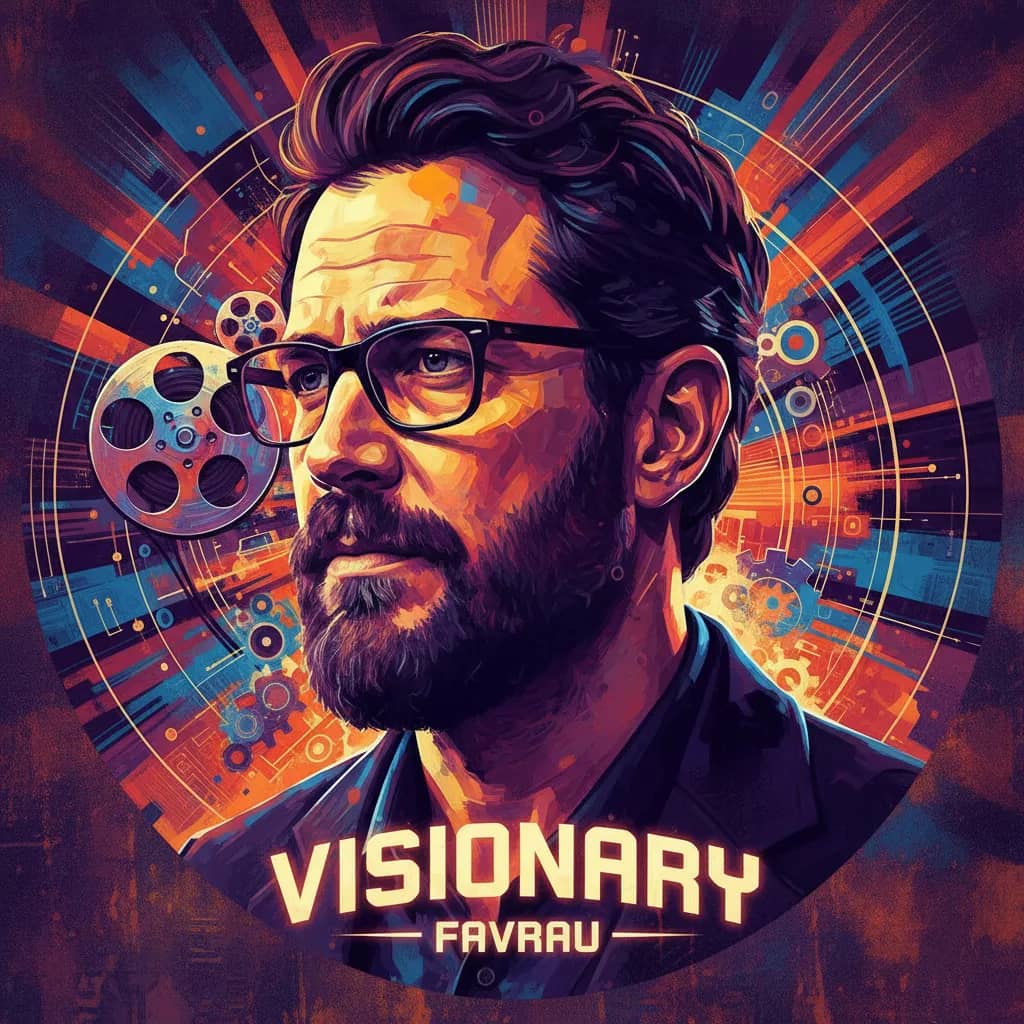
Jon Favreau is a versatile and influential director who has made a significant impact on the entertainment industry. Known for his ability to seamlessly blend action, adventure, and comedy, Favreau has left an indelible mark on cinema with his distinct directorial style. Starting his career as an actor, he transitioned to directing with his breakout film "Made" in 2001. This marked the beginning of a prolific directorial journey that has seen him helm a diverse range of projects, including "Iron Man," "Elf," "Cowboys & Aliens," "Chef," and "Zathura: A Space Adventure." Favreau's directorial style is characterized by a keen sense of humor, dynamic action sequences, and compelling storytelling. His ability to infuse heart and humor into action-packed narratives sets him apart as a director with a unique vision. Notably, "Iron Man" solidified Favreau's reputation as a director capable of delivering blockbuster hits while also incorporating depth and character development into the superhero genre. Throughout his career, Favreau has displayed a penchant for exploring themes of adventure, family dynamics, and the juxtaposition of the ordinary and extraordinary. His filmography showcases a diverse range of genres, from sci-fi and action to comedy and drama, demonstrating his versatility and ability to captivate audiences across different cinematic landscapes. Favreau's impact on cinema extends beyond his directorial accomplishments, as he has played a pivotal role in shaping the modern blockbuster landscape. His work on the Marvel Cinematic Universe, particularly with "Iron Man," contributed to the franchise's unprecedented success and redefined the superhero genre. Additionally, his ability to craft heartfelt and entertaining films has earned him a devoted fan base and critical acclaim. In conclusion, Jon Favreau's directorial career is defined by his ability to infuse his projects with humor, heart, and captivating storytelling. His diverse filmography, which includes iconic films such as "Iron Man" and "Elf," showcases his range as a director and his impact on popular culture. With a unique directorial vision and a knack for delivering crowd-pleasing entertainment, Favreau continues to be a prominent figure in the film industry, leaving an enduring legacy through his contributions to cinema.
Every film by the greats, ranked by our TML Score.

Christopher Nolan
Every film, ranked

Quentin Tarantino
Every film, ranked

Stanley Kubrick
Every film, ranked

Martin Scorsese
Every film, ranked

Steven Spielberg
Every film, ranked

Alfred Hitchcock
Every film, ranked

David Fincher
Every film, ranked

Denis Villeneuve
Every film, ranked

Wes Anderson
Every film, ranked

Paul Thomas Anderson
Every film, ranked

Ridley Scott
Every film, ranked

Tim Burton
Every film, ranked

Guillermo del Toro
Every film, ranked

Hayao Miyazaki
Every film, ranked

Akira Kurosawa
Every film, ranked

Francis Ford Coppola
Every film, ranked

Clint Eastwood
Every film, ranked

Bong Joon Ho
Every film, ranked

Woody Allen
Every film, ranked

Steven Soderbergh
Every film, ranked

Ron Howard
Every film, ranked

Pedro Almodóvar
Every film, ranked

Richard Linklater
Every film, ranked

Roman Polanski
Every film, ranked

Brian De Palma
Every film, ranked

Ingmar Bergman
Every film, ranked

Oliver Stone
Every film, ranked

David Cronenberg
Every film, ranked

Robert Zemeckis
Every film, ranked

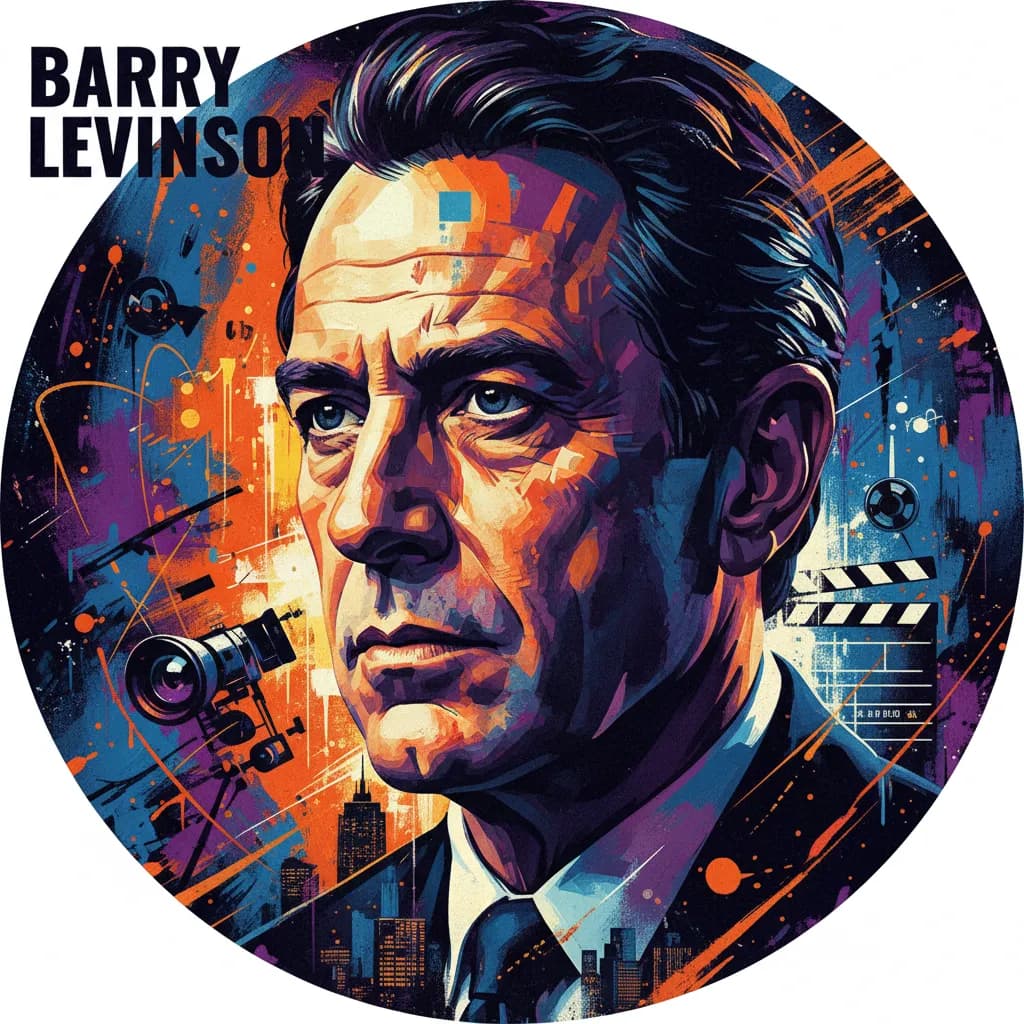
Barry Levinson
Every film, ranked

John Carpenter
Every film, ranked

Joel Schumacher
Every film, ranked

Billy Wilder
Every film, ranked

Rob Reiner
Every film, ranked

Neil Jordan
Every film, ranked

Spike Lee
Every film, ranked

Ivan Reitman
Every film, ranked

John Woo
Every film, ranked

Lasse Hallström
Every film, ranked

Stephen Frears
Every film, ranked

Luc Besson
Every film, ranked

Chris Columbus
Every film, ranked

Mike Nichols
Every film, ranked

Howard Hawks
Every film, ranked

Ang Lee
Every film, ranked

Walter Hill
Every film, ranked

Gus Van Sant
Every film, ranked

William Wyler
Every film, ranked

Renny Harlin
Every film, ranked

Sidney Lumet
Every film, ranked

Tony Scott
Every film, ranked