Discover the visionary filmmakers behind cinema's greatest works.
Explore our selection of acclaimed directors and their remarkable films.
Showing 1957-1968 out of 4148

John Schlesinger was a pioneering British film director known for his diverse and impactful contributions to cinema. He made a significant mark on the industry with his versatile directorial style, seamlessly transitioning between genres and capturing the essence of each narrative with remarkable depth. Throughout his career, Schlesinger demonstrated a keen ability to craft compelling stories across various genres, leaving an indelible mark on the film landscape. One of Schlesinger's most notable works is "Midnight Cowboy" (1969), a groundbreaking film that earned him an Academy Award for Best Director. The movie's gritty portrayal of urban life and the complex relationship between its characters showcased Schlesinger's unmatched talent for delving into the human psyche. Additionally, "Marathon Man" (1976) and "The Falcon and the Snowman" (1985) exemplify his adeptness at directing gripping crime dramas, highlighting his ability to create tension and captivate audiences with intricate storytelling. Schlesinger's directorial style often delved into the exploration of human behavior and relationships, portraying characters in a raw and authentic manner. His films often grappled with complex themes such as morality, identity, and the human experience, resonating with audiences on a profound level. This unique approach allowed him to carve out a distinct niche in the industry, earning him a reputation as a director unafraid to tackle challenging and thought-provoking subject matter. In "Eye for an Eye" (1996) and "Pacific Heights" (1990), Schlesinger adeptly navigated the realms of crime thrillers, showcasing his ability to create intense and suspenseful narratives. Furthermore, "The Next Best Thing" (2000) demonstrated his versatility in seamlessly transitioning into the realm of comedy, drama, and romance, underscoring his adaptability as a director. Schlesinger's impact on cinema is undeniable, as his films continue to inspire and influence contemporary filmmakers, leaving behind a legacy of groundbreaking storytelling and unparalleled artistry.

John Schultz is an American film director known for his versatile storytelling and ability to seamlessly navigate different genres. With a career spanning over two decades, Schultz has left an indelible mark on cinema with his distinctive directorial style and unique vision. He has helmed a diverse range of films, including "Aliens in the Attic" (2009), "Like Mike" (2002), "A Christmas Prince: The Royal Wedding" (2018), and "Drive Me Crazy" (1999). His filmography showcases a penchant for adventure, comedy, family-centric narratives, romance, and fantasy, reflecting his ability to connect with audiences across various demographics. Schultz's directorial style is characterized by his adeptness at infusing humor, heart, and relatable characters into his storytelling. His films often blend fantastical elements with grounded, human experiences, creating an engaging and entertaining cinematic universe. Schultz has a keen eye for capturing the emotional nuances of his characters, infusing his narratives with warmth, wit, and charm. His ability to navigate between different genres demonstrates his versatility as a director, catering to a wide spectrum of audience preferences. Notable films in Schultz's repertoire include "Like Mike," a heartwarming comedy that combines the allure of sports with a touch of magic, and "A Christmas Prince: The Royal Wedding," a beloved holiday romance that resonated with audiences globally. These films showcase Schultz's ability to craft compelling narratives that transcend cultural boundaries and resonate with viewers on a universal level. His recurring themes often revolve around the themes of friendship, family, and the transformative power of love, resonating with audiences of all ages. Schultz's impact on cinema lies in his ability to create immersive worlds that captivate audiences while delivering poignant messages and heartwarming experiences. His films have garnered a dedicated following and have contributed to the collective tapestry of cinematic storytelling. Schultz's unique vision and directorial prowess have cemented his status as a respected filmmaker, and his contributions to the industry continue to inspire and entertain audiences worldwide. In summary, John Schultz's career as a film director reflects his remarkable ability to craft engaging narratives that seamlessly blend humor, heart, and universal themes. His diverse filmography showcases his versatility and his knack for connecting with audiences across different genres. Schultz's impact on cinema is underscored by his ability to create enduring stories that resonate with viewers, making him a revered and influential figure in the world of filmmaking.

John Simpson is a talented film director known for his work in the crime, horror, and mystery genres. His notable filmography includes the 2008 thriller "Amusement," which showcased his ability to create tension and suspense through captivating storytelling and visually striking cinematography. Simpson's directorial style is characterized by his skillful manipulation of atmosphere and his keen eye for crafting intense and immersive experiences for audiences. In "Amusement," Simpson demonstrated his mastery of building suspense and delivering spine-chilling moments, establishing himself as a director with a knack for unnerving storytelling. His ability to delve into the darker aspects of human nature and explore the psychology of fear has earned him a reputation as a director with a unique vision and a penchant for creating thought-provoking narratives within the horror and mystery genres. Simpson's films often explore themes of fear, trauma, and the complexities of the human psyche, captivating audiences with their psychological depth and emotional resonance. His directorial contributions have left a lasting impact on cinema, influencing the way audiences engage with and experience horror and mystery films. By infusing his work with a distinct sense of unease and tension, Simpson has carved out a niche for himself as a director who pushes the boundaries of traditional genre conventions, offering audiences a fresh and exhilarating perspective on storytelling. With his keen understanding of cinematic storytelling and his ability to elicit visceral reactions from audiences, John Simpson has cemented his status as a director to watch in the realm of crime, horror, and mystery films. His unique directorial style, coupled with his ability to craft compelling narratives that resonate with viewers, has solidified his place as a visionary filmmaker with a lasting impact on the world of cinema. As he continues to push creative boundaries and captivate audiences with his distinctive approach to storytelling, Simpson's legacy as a director is sure to endure for years to come.

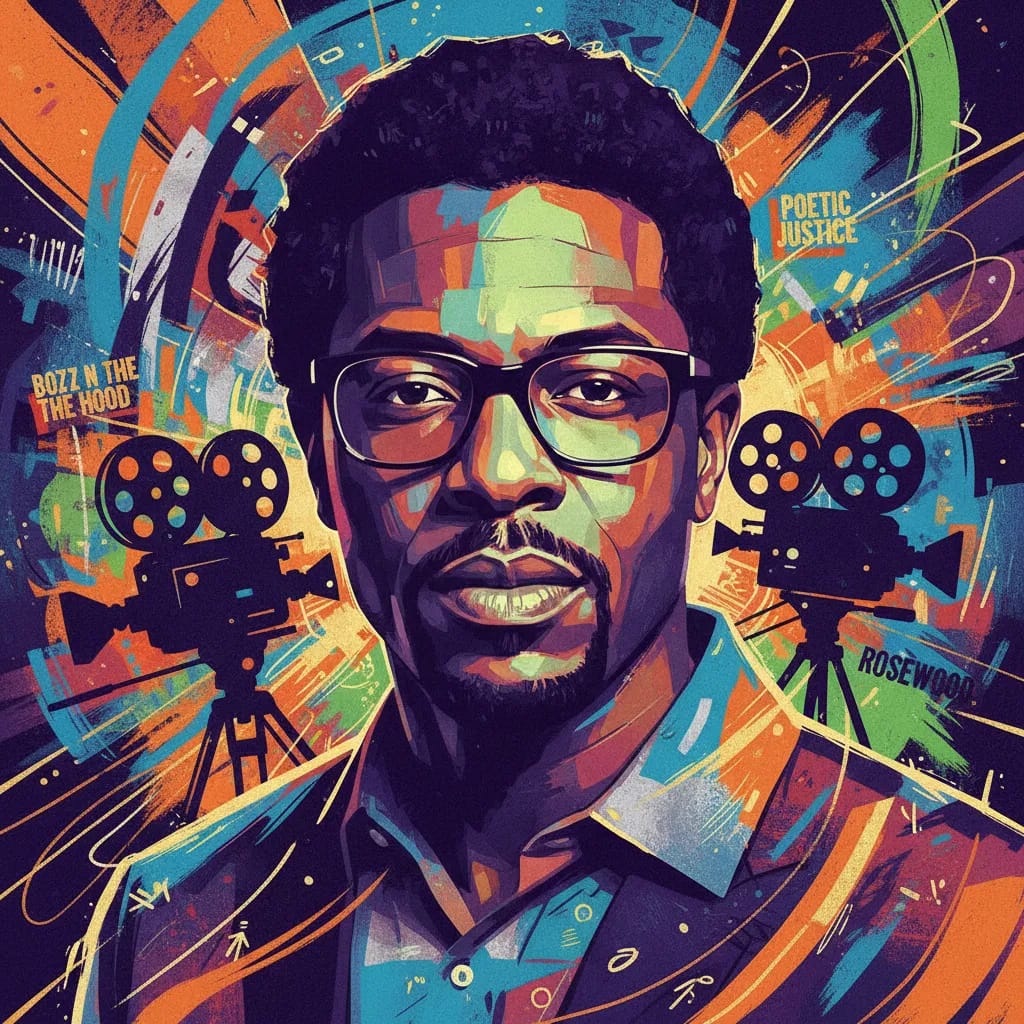
John Singleton was a groundbreaking director known for his powerful storytelling and unflinching portrayals of urban life. His directorial debut, "Boyz n the Hood" (1991), instantly established him as a major talent in the industry. The film, which delved into the challenges faced by young men growing up in South Central Los Angeles, garnered critical acclaim and earned Singleton an Academy Award nomination for Best Director, making him the first African American and the youngest person ever to be nominated in that category. Singleton's directorial style was characterized by raw authenticity and a keen insight into the complexities of society. His films often tackled themes of race, family dynamics, and the struggles of marginalized communities. "Higher Learning" (1995) and "Baby Boy" (2001) further showcased his ability to confront social issues with unapologetic honesty, solidifying his reputation as a director unafraid to challenge societal norms. In "Poetic Justice" (1993), Singleton exhibited his versatility by crafting a poignant romantic drama that resonated with audiences. The film, starring Janet Jackson and Tupac Shakur, demonstrated his ability to infuse gripping narratives with emotional depth and relatable characters. Singleton's adeptness at seamlessly weaving together intimate human stories within larger societal contexts became a hallmark of his directorial approach. "Four Brothers" (2005) and "Shaft" (2000) displayed Singleton's versatility as a director, showcasing his ability to skillfully helm action-packed thrillers while still incorporating his trademark social commentary. His impact on cinema extended beyond his directorial work, as he was also a prominent advocate for diversity and inclusion in the film industry, using his platform to amplify underrepresented voices. John Singleton's untimely passing in 2019 left a void in the film world, but his legacy as a trailblazing director continues to inspire a new generation of filmmakers. His uncompromising vision and commitment to authentic storytelling have left an indelible mark on cinema, solidifying his status as a visionary director whose influence will be felt for years to come. Keywords: John Singleton, film director, Boyz n the Hood, Higher Learning, Baby Boy, Poetic Justice, Four Brothers, Shaft, urban life, social commentary, diversity in film, African American directors

John Slattery is a multi-talented actor and director known for his work on both the big and small screens. While he is best recognized for his acting roles in popular TV series like Mad Men and films like Spotlight, Slattery has also made a name for himself as a director with his feature film debut, God's Pocket, released in 2014. In God's Pocket, Slattery exhibits a directorial style that is gritty, raw, and unapologetically authentic. The film delves into the underbelly of a working-class neighborhood, exploring themes of crime, family dynamics, and the struggle for survival. Slattery's keen eye for detail and nuanced storytelling are evident throughout the film, as he captures the complexities of human relationships and the harsh realities of life in a downtrodden community. While God's Pocket is Slattery's sole directorial credit to date, it is a notable addition to his repertoire. The film showcases his ability to craft compelling narratives and elicit powerful performances from his cast. Slattery's directorial debut demonstrates a willingness to tackle challenging subject matter and an adeptness at bringing a distinct vision to the screen. In the realm of cinema, John Slattery's impact as a director may be relatively nascent, but his foray into filmmaking has already left a mark. With his debut film, he has proven himself as a director unafraid to explore the darker aspects of human existence and to confront the complexities of the human condition. Moving forward, audiences can anticipate further evocative and thought-provoking work from Slattery, as he continues to carve out his place in the world of filmmaking. As a versatile talent with a wealth of experience in the industry, Slattery's directorial endeavors are sure to be met with anticipation and curiosity.

John Stevenson is a highly acclaimed director known for his exceptional work in the animation genre. With a diverse filmography, Stevenson has made a significant impact on the industry with his unique directorial style and storytelling prowess. He made his directorial debut with the highly successful and critically acclaimed "Kung Fu Panda" in 2008. The film's seamless blend of action, adventure, and comedy, coupled with striking animation, showcased Stevenson's ability to create visually stunning and emotionally resonant stories. Stevenson's directorial style is characterized by his keen eye for detail, impeccable storytelling, and his ability to infuse humor and heart into his films. His work often features themes of self-discovery, friendship, and perseverance, resonating with audiences of all ages. "Kung Fu Panda" in particular, not only became a commercial success but also garnered widespread acclaim for its compelling characters and beautifully choreographed action sequences. In 2018, Stevenson continued to captivate audiences with "Sherlock Gnomes," an animated adventure that showcased his versatility as a director. The film seamlessly blended elements of mystery, comedy, and adventure, further solidifying Stevenson's reputation as a director capable of delivering engaging and entertaining narratives. Stevenson's impact on cinema is undeniable, as his films have left a lasting impression on audiences worldwide. His ability to create compelling characters, coupled with visually stunning animation, has set a high standard for animated filmmaking. Stevenson's unique vision and contributions to the world of animation have earned him a well-deserved place among the most influential directors in the industry. In summary, John Stevenson's directorial career is defined by his exceptional storytelling, visually striking animation, and ability to create films that resonate with audiences on a profound level. His contributions to the animation genre have undoubtedly left an indelible mark on cinema, and his work continues to inspire and entertain audiences across the globe.

John Stockwell is an American film director known for his diverse range of work spanning across various genres. With a prolific career, Stockwell has made a name for himself with films that showcase his dynamic directorial style and ability to immerse audiences in gripping narratives. Some of his notable works include "Kickboxer: Vengeance" (2016), "Turistas" (2006), "Crazy/Beautiful" (2001), "In the Blood" (2014), "Kid Cannabis" (2014), "Blue Crush" (2002), and "Into the Blue" (2005). Stockwell's directorial style is characterized by his adeptness at capturing intense action sequences and evoking raw emotions from his characters. His films often delve into the human psyche, exploring themes of adventure, romance, crime, and the complexities of human relationships. Known for his visually stunning cinematography, Stockwell has a penchant for bringing exotic locales to life on screen, immersing audiences in vibrant and captivating settings. One of Stockwell's most impactful contributions to cinema is his ability to infuse his films with a sense of realism and authenticity, allowing viewers to connect with the characters on a profound level. His keen eye for detail and ability to create immersive worlds has garnered him a dedicated fan base and critical acclaim. Stockwell's work often challenges traditional storytelling conventions, pushing the boundaries of genre filmmaking and paving the way for a new wave of cinematic experiences. With a career spanning multiple decades, Stockwell has solidified himself as a versatile and influential director in the industry. His ability to seamlessly transition between genres while maintaining a distinct directorial voice sets him apart as a visionary filmmaker. As he continues to captivate audiences with his compelling storytelling and visually stunning creations, John Stockwell remains a driving force in shaping the landscape of contemporary cinema.

John Sturges was an American film director known for his impactful contributions to the action, adventure, and western genres. With a career spanning over three decades, Sturges left an indelible mark on the world of cinema with his unique directorial style and compelling storytelling. He was particularly renowned for his ability to create intense and gripping narratives, often centered around themes of heroism, camaraderie, and the triumph of the human spirit. Sturges' films were characterized by their dynamic pacing, breathtaking action sequences, and memorable characters, all of which contributed to his enduring legacy as a master filmmaker. One of Sturges' most iconic works is "The Magnificent Seven" (1960), a landmark film in the western genre that garnered widespread acclaim for its ensemble cast, gripping gunfights, and exploration of themes such as honor and sacrifice. The film's enduring popularity solidified Sturges' reputation as a visionary director with an unparalleled ability to bring larger-than-life stories to the silver screen. Another notable entry in Sturges' filmography is "The Great Escape" (1963), a riveting adventure drama that showcased his talent for crafting compelling narratives set against the backdrop of historical events. The film's portrayal of courage and resilience in the face of adversity further underscored Sturges' penchant for exploring themes of bravery and determination. Sturges' directorial style was characterized by his meticulous attention to detail, innovative use of camera techniques, and a keen understanding of pacing and tension. His films often featured stunning cinematography and immersive storytelling, captivating audiences and leaving a lasting impact on the cinematic landscape. Sturges' influence on the action and adventure genres continues to be felt in contemporary filmmaking, with his works serving as a source of inspiration for generations of directors and storytellers. His legacy as a visionary filmmaker lives on through his timeless contributions to cinema, solidifying his status as a true pioneer in the art of storytelling through film. In conclusion, John Sturges' illustrious career as a film director is defined by his unparalleled ability to craft compelling narratives that resonate with audiences on a profound level. His impactful body of work, encompassing genres ranging from westerns to historical dramas, reflects his visionary approach to storytelling and his enduring influence on the art of filmmaking. Sturges' films continue to captivate and inspire audiences, cementing his legacy as a master director whose contributions to cinema remain timeless and unparalleled.

John Swanbeck is a director known for his unique and thought-provoking approach to storytelling, often blending drama and comedy to create compelling narratives. His notable directorial work includes "The Big Kahuna" (1999), a film that delves into the complexities of human relationships against the backdrop of a high-stakes business deal. Swanbeck's directorial style is characterized by his ability to navigate the nuances of human interaction, infusing his films with authentic emotion and sharp wit. "The Big Kahuna" stands as a testament to Swanbeck's ability to seamlessly navigate between drama and comedy, creating a multi-dimensional experience for audiences. His keen understanding of interpersonal dynamics and the human condition is evident in his directorial choices, as he skillfully captures the complexities of human relationships with honesty and depth. Swanbeck's work often revolves around the exploration of moral dilemmas, the pursuit of success, and the intricacies of human behavior, offering audiences a profound and introspective cinematic experience. Swanbeck's impact on cinema lies in his ability to craft films that resonate with audiences on a deeply emotional level while maintaining an undercurrent of humor and wit. His directorial contributions have added a distinct voice to the film industry, offering a fresh perspective on the complexities of human nature. Through his films, Swanbeck has demonstrated a commitment to pushing the boundaries of storytelling, consistently delivering narratives that challenge and inspire audiences. In conclusion, John Swanbeck's directorial career has been marked by his ability to create films that seamlessly blend drama and comedy, offering audiences a compelling exploration of human relationships and moral dilemmas. His unique vision and directorial style have left an indelible mark on cinema, demonstrating a deep understanding of the human experience. As a director, Swanbeck continues to captivate audiences with his thought-provoking narratives and insightful exploration of the human condition.

John Turturro is a versatile and talented filmmaker who has made a significant impact on the world of cinema through his directorial work. Primarily known as a distinguished actor, Turturro has also demonstrated his skill behind the camera with a unique directorial style that blends comedy, romance, and musical elements. His directorial debut, "Romance & Cigarettes" (2005), showcased his ability to infuse musical numbers with a comedic and romantic narrative, setting the tone for his future directorial endeavors. In 2013, Turturro further solidified his directorial prowess with "Fading Gigolo," a charming comedy that delves into the world of gigolos and the unexpected relationships that arise. His ability to craft endearing and relatable characters within unconventional and often taboo subjects is a testament to his directorial vision and storytelling capabilities. Turturro's films often explore the complexities of human relationships, love, and intimacy, presenting them in a lighthearted yet profound manner. His directorial style is characterized by a keen understanding of human emotions, which he skillfully weaves into his narrative, creating films that resonate with audiences on a deeply emotional level. As a director, Turturro has made significant contributions to cinema by pushing boundaries and challenging conventional storytelling norms. His unique vision and ability to infuse humor and music into his films have garnered him a dedicated following and critical acclaim. Turturro's directorial work stands out for its ability to tackle unconventional themes with sincerity and humor, making him a distinctive voice in the world of filmmaking. Overall, John Turturro's directorial career is marked by a distinct blend of comedy, romance, and music, as well as a deep exploration of human emotions and relationships. His ability to infuse his films with warmth, humor, and sincerity has solidified his status as a respected director with a unique perspective, and his contributions to cinema continue to inspire and captivate audiences worldwide.

John Waters is a legendary film director known for his boundary-pushing and subversive cinematic style. Born in Baltimore, Maryland in 1946, Waters began his career with a series of low-budget, independent films that defied traditional filmmaking conventions. His distinctive directorial style often blurs the lines between comedy, crime, and the bizarre, earning him a cult following and a reputation as the "Pope of Trash." Waters' filmography boasts a string of iconic titles, including "Pink Flamingos" (1972), a controversial and outrageous comedy crime film that became a cult classic for its shocking and audacious content. "Cecil B. Demented" (2000) and "A Dirty Shame" (2004) further showcased Waters' unique blend of comedy and crime, with the latter delving into the world of sexual fetishes and societal taboos. Additionally, "Cry-Baby" (1990) and "Serial Mom" (1994) demonstrated Waters' versatility by combining comedy with elements of musical and thriller genres. Waters' directorial style is characterized by his fearless exploration of unconventional and taboo subjects, often challenging societal norms and expectations. His films often feature eccentric characters, outlandish plotlines, and a celebration of the underbelly of society. Waters has been praised for his unapologetic approach to filmmaking, fearlessly pushing the boundaries of taste and decency while maintaining a sharp wit and satirical edge. Throughout his career, Waters has consistently defied mainstream conventions, paving the way for a new wave of independent filmmakers. His impact on cinema is evident in the cult status of his films and his influence on contemporary filmmakers who continue to embrace his spirit of rebellion and nonconformity. John Waters' distinctive vision and unapologetic approach to filmmaking have left an indelible mark on the industry, solidifying his status as a maverick director and a true original in the world of cinema.

John Wayne, a legendary actor and iconic figure in Hollywood, also made a mark as a director. While he is best known for his iconic roles in Westerns and war films, Wayne also stepped behind the camera to direct two notable films, "The Green Berets" (1968) and "Big Jake" (1971). As a director, Wayne's style reflected his penchant for heroic storytelling and his deep-rooted fascination with American history and patriotism. "The Green Berets" (1968) stands as Wayne's directorial debut and is a testament to his unwavering support for the United States military during the Vietnam War. The film, a blend of drama and war genres, echoes Wayne's pro-military sentiments and showcases his directorial approach characterized by patriotic fervor and a focus on heroism in the face of adversity. This film, although controversial for its political stance, remains a significant part of Wayne's directorial legacy. In "Big Jake" (1971), Wayne's directorial style shines through once again in this gritty Western drama. The film exemplifies his affinity for the Western genre and his ability to create compelling narratives set against the backdrop of the American frontier. Wayne's directorial prowess is evident in his adept handling of action sequences and his ability to capture the rugged beauty of the Western landscape, solidifying his status as a director with a keen eye for visual storytelling. Wayne's directorial contributions, while limited in number, reflect his enduring impact on cinema as an influential figure in the realm of American storytelling. His films, characterized by themes of heroism, patriotism, and the American spirit, continue to resonate with audiences and serve as a testament to his unique vision as both an actor and director. Wayne's directorial legacy lies in his ability to translate his larger-than-life persona and unwavering beliefs into cinematic narratives that have left an indelible mark on the history of filmmaking.
Every film by the greats, ranked by our TML Score.

Christopher Nolan
Every film, ranked

Quentin Tarantino
Every film, ranked

Stanley Kubrick
Every film, ranked

Martin Scorsese
Every film, ranked

Steven Spielberg
Every film, ranked

Alfred Hitchcock
Every film, ranked

David Fincher
Every film, ranked

Denis Villeneuve
Every film, ranked

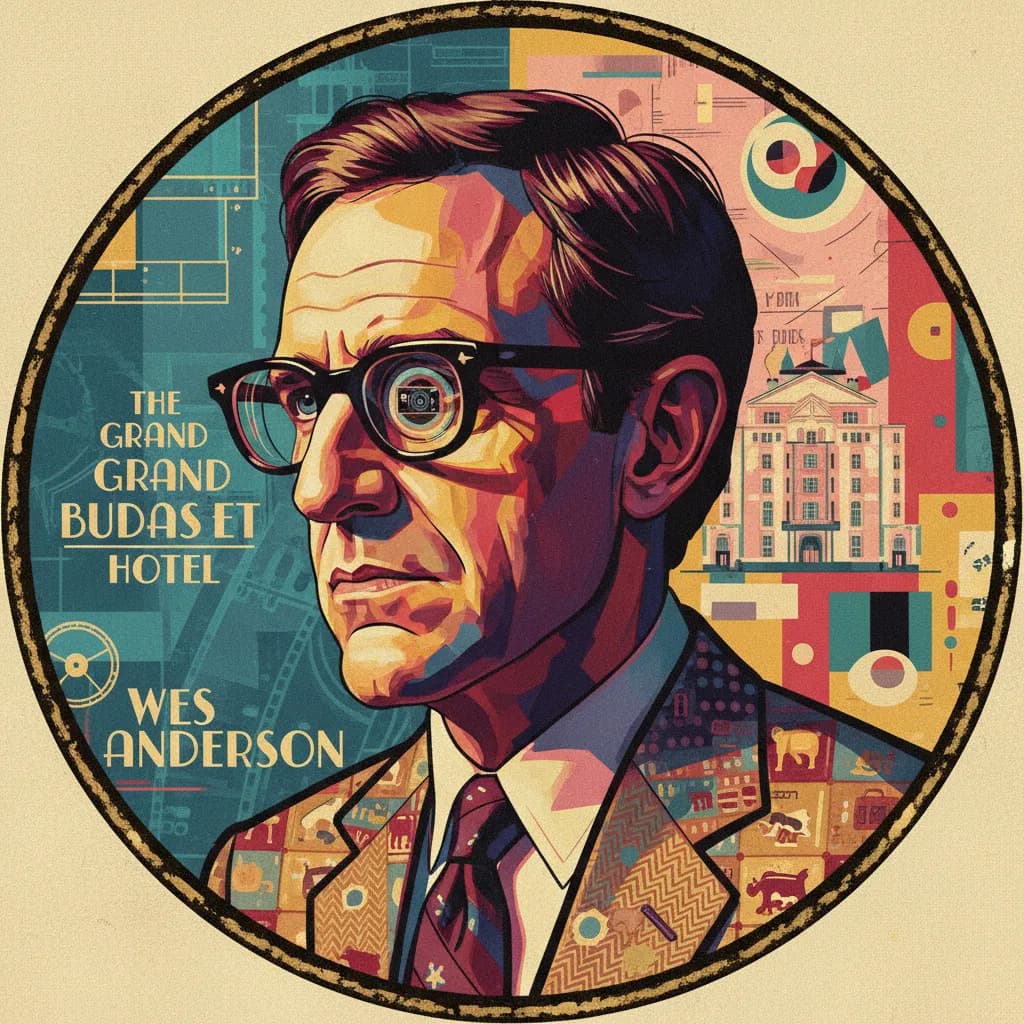
Wes Anderson
Every film, ranked

Paul Thomas Anderson
Every film, ranked

Ridley Scott
Every film, ranked

Tim Burton
Every film, ranked

Guillermo del Toro
Every film, ranked

Hayao Miyazaki
Every film, ranked

Akira Kurosawa
Every film, ranked

Francis Ford Coppola
Every film, ranked

Clint Eastwood
Every film, ranked

Bong Joon Ho
Every film, ranked

Woody Allen
Every film, ranked

Steven Soderbergh
Every film, ranked

Ron Howard
Every film, ranked

Pedro Almodóvar
Every film, ranked

Richard Linklater
Every film, ranked

Roman Polanski
Every film, ranked

Brian De Palma
Every film, ranked

Ingmar Bergman
Every film, ranked

Oliver Stone
Every film, ranked

David Cronenberg
Every film, ranked

Robert Zemeckis
Every film, ranked

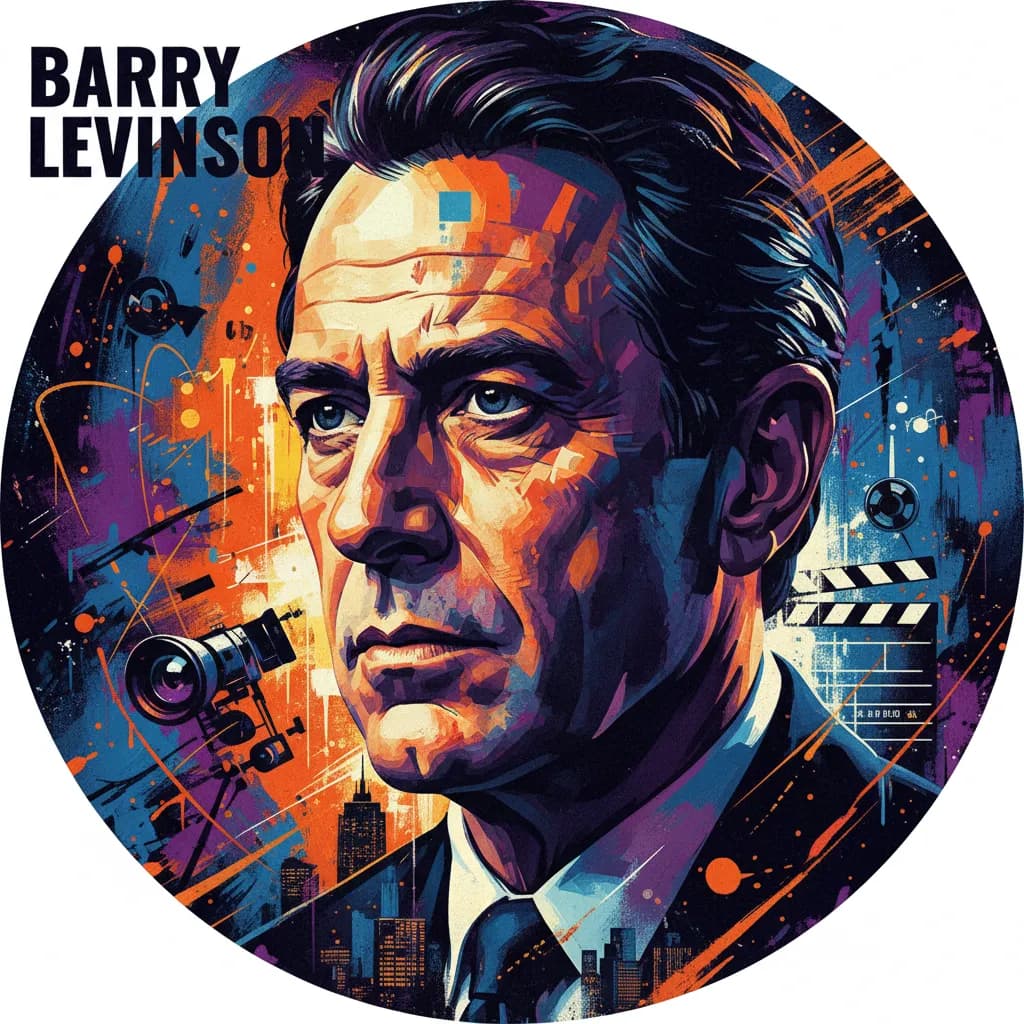
Barry Levinson
Every film, ranked

John Carpenter
Every film, ranked

Joel Schumacher
Every film, ranked

Billy Wilder
Every film, ranked

Rob Reiner
Every film, ranked

Neil Jordan
Every film, ranked

Spike Lee
Every film, ranked

Ivan Reitman
Every film, ranked

John Woo
Every film, ranked

Lasse Hallström
Every film, ranked

Stephen Frears
Every film, ranked

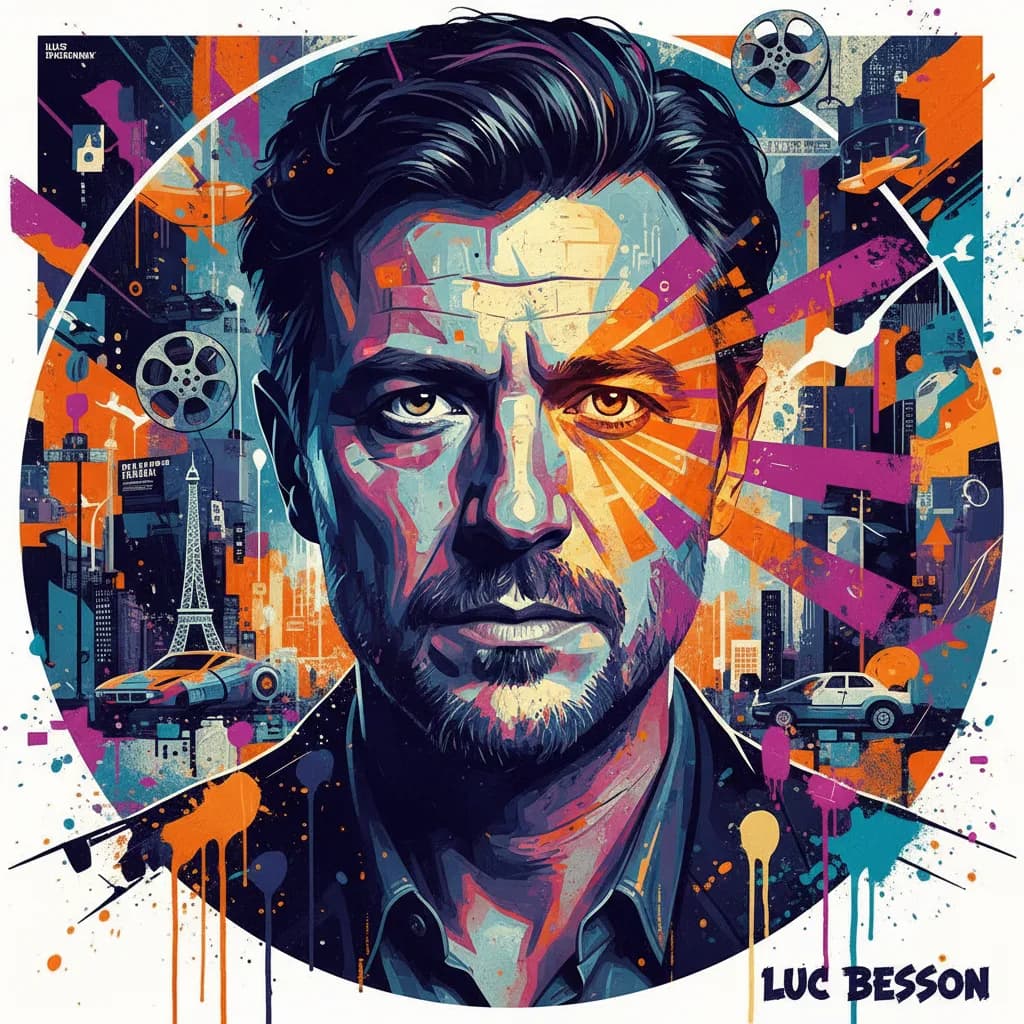
Luc Besson
Every film, ranked

Chris Columbus
Every film, ranked

Mike Nichols
Every film, ranked

Howard Hawks
Every film, ranked

Ang Lee
Every film, ranked

Walter Hill
Every film, ranked

Gus Van Sant
Every film, ranked

William Wyler
Every film, ranked

Renny Harlin
Every film, ranked

Sidney Lumet
Every film, ranked

Tony Scott
Every film, ranked