Discover the visionary filmmakers behind cinema's greatest works.
Explore our selection of acclaimed directors and their remarkable films.
Showing 1861-1872 out of 4148

Joe Russo, along with his brother Anthony, forms the dynamic Russo Brothers duo renowned for their impactful contributions to the world of cinema. While the brothers have worked collaboratively on various projects, Joe Russo has made significant directorial strides in his own right. With a directorial style characterized by a seamless blend of humor, drama, and action, Russo has made a name for himself in the industry. His keen ability to infuse unique storytelling with compelling visuals has garnered praise from critics and audiences alike. Russo's directorial debut came with "Welcome to Collinwood" (2002), a comedic crime film that showcased his adeptness at navigating complex narratives while maintaining a lighthearted tone. The success of this project paved the way for further directorial opportunities, including "You, Me and Dupree" (2006), a romantic comedy that demonstrated Russo's versatility in capturing the intricacies of human relationships. His most recent directorial venture, "Cherry" (2021), delves into the gritty world of crime and addiction, showcasing Russo's ability to tackle weighty subject matter with nuance and depth. One of Russo's most anticipated upcoming projects is "The Gray Man" (2022), an action-packed thriller that is poised to captivate audiences with its adrenaline-pumping sequences and gripping narrative. Russo's penchant for infusing his films with a sense of urgency and suspense is expected to shine through in this highly anticipated release. Throughout his career, Russo has exhibited a recurring theme of exploring the complexities of human nature and the consequences of individual choices. His films often delve into the human psyche, presenting characters grappling with moral dilemmas and inner conflicts. This thematic depth, coupled with Russo's knack for crafting visually stunning scenes, has solidified his status as a visionary director with a distinct storytelling approach. Joe Russo's impact on cinema is undeniable, as he continues to push the boundaries of storytelling and visual innovation. His unique vision and directorial prowess have left an indelible mark on the film industry, and audiences eagerly anticipate each new project as a testament to his enduring influence. With a diverse filmography that spans genres and themes, Joe Russo remains a director to watch, poised to leave an indelible legacy in the world of filmmaking.

Joe Swanberg is a prominent figure in the American independent film scene, known for his intimate and naturalistic directorial style. With a career spanning over two decades, Swanberg has solidified his reputation as a prolific filmmaker, credited with pioneering the mumblecore genre. His 2013 film "Drinking Buddies" encapsulates his signature style, blending elements of comedy, drama, and romance while portraying authentic human relationships. Swanberg's directorial approach is characterized by improvisation, low-budget production, and a focus on character-driven narratives. He often collaborates closely with his actors, allowing them the freedom to improvise dialogue and shape the direction of the story. This organic process results in films that feel raw and unfiltered, offering a genuine portrayal of human experiences and emotions. "Drinking Buddies" stands as one of Swanberg's notable works, featuring a stellar ensemble cast including Olivia Wilde, Jake Johnson, Anna Kendrick, and Ron Livingston. The film explores the complexities of modern relationships, delving into the blurred lines between friendship and romance. Swanberg's keen observational skills and ability to capture authentic moments on screen elevate the film, making it a standout in his filmography. Throughout his career, Swanberg has consistently explored themes of love, friendship, and the intricacies of human connections. His films often eschew traditional plot structures in favor of organic, unscripted interactions, providing audiences with a refreshing and unfiltered perspective on interpersonal dynamics. Joe Swanberg's impact on cinema is undeniable, as he has played a pivotal role in shaping the independent film landscape. His dedication to authentic storytelling and his willingness to push the boundaries of traditional filmmaking have garnered him a dedicated following and influenced a new generation of filmmakers. Swanberg's commitment to capturing the raw essence of human relationships continues to resonate with audiences, cementing his status as a visionary director in the world of independent cinema.

Joe Talbot is a rising star in the world of filmmaking, known for his unique directorial style and insightful storytelling. His breakout film, "The Last Black Man in San Francisco" (2019), garnered widespread critical acclaim and established Talbot as a director to watch. The film, a poignant drama exploring themes of identity, gentrification, and friendship, showcases Talbot's ability to craft visually stunning scenes while delving into complex emotional landscapes. Talbot's directorial style is characterized by a keen attention to detail and a masterful use of cinematography to evoke a strong sense of place and atmosphere. His films often feature rich, layered storytelling that delves into the human experience with nuance and sensitivity. "The Last Black Man in San Francisco" is a testament to Talbot's ability to capture the essence of a city and its inhabitants, infusing the film with a palpable sense of longing and nostalgia. In addition to his directorial prowess, Talbot's impact on cinema lies in his commitment to telling stories that are often overlooked or marginalized. Through his work, he amplifies the voices of underrepresented communities and sheds light on the social and cultural issues that shape their lives. His ability to address complex themes with authenticity and empathy sets him apart as a director who is unafraid to tackle challenging subject matter with thoughtfulness and grace. As Talbot continues to make his mark on the film industry, his unique vision and dedication to storytelling have solidified his status as a director poised to shape the future of cinema. With "The Last Black Man in San Francisco," he has firmly established himself as a filmmaker with a distinctive voice and a deep understanding of the human experience. Audiences can look forward to more thought-provoking and visually stunning work from this talented director in the years to come.

Joe Wright is a British director known for his visually stunning and emotionally resonant films that span a wide range of genres. With a career spanning over two decades, Wright has made a significant impact on cinema with his unique directorial style and storytelling prowess. His notable films include "Pride & Prejudice" (2005), "Atonement" (2007), "Hanna" (2011), "Anna Karenina" (2012), "Pan" (2015), "Darkest Hour" (2017), "The Woman in the Window" (2021), and "Cyrano" (2021). Wright's directorial style is marked by his meticulous attention to detail, innovative use of camera techniques, and the ability to elicit powerful performances from his actors. His films often feature visually striking cinematography and intricate set designs, creating immersive and atmospheric worlds for his characters to inhabit. Wright's ability to seamlessly blend genres, from period dramas to action-packed adventures, showcases his versatility as a director. Recurring themes in Wright's work include complex interpersonal relationships, societal norms and constraints, and the human capacity for resilience and redemption. His films often explore the intricacies of love, loss, and the consequences of individual choices, offering audiences a deep and thought-provoking cinematic experience. Wright's impact on cinema is undeniable, as he has consistently delivered critically acclaimed and commercially successful films. His contributions to the adaptation of literary classics, such as "Pride & Prejudice" and "Anna Karenina," have been particularly noteworthy, as he brings a fresh and modern perspective to timeless stories. Additionally, his ability to breathe new life into historical events, as seen in "Darkest Hour," demonstrates his skill in crafting compelling narratives that resonate with audiences across the globe. In summary, Joe Wright's directorial vision and storytelling prowess have solidified his place as a prominent figure in the film industry. With a diverse filmography and a penchant for crafting visually stunning and emotionally captivating narratives, Wright continues to leave an indelible mark on cinema, captivating audiences with his unique cinematic vision.

Joey Soloway is a visionary film director and screenwriter known for their unique blend of comedy and drama that delves into complex human emotions and relationships. Soloway's directorial style is characterized by their ability to infuse humor and wit into thought-provoking narratives, creating a compelling and relatable cinematic experience for audiences. Afternoon Delight (2013) stands as a testament to Soloway's talent, as they effortlessly navigate the delicate balance between humor and poignant storytelling in this acclaimed comedy-drama. Afternoon Delight (2013) serves as a shining example of Soloway's ability to explore the intricacies of human connection and the complexities of modern-day relationships. The film showcases Soloway's penchant for delving into taboo subjects with sensitivity and authenticity, making it a standout in their filmography. Soloway's work often revolves around themes of self-discovery, gender identity, and the fluidity of human sexuality, challenging societal norms through their bold and unapologetic storytelling. Soloway's impact on cinema is undeniable, as they have carved a niche for themselves as a trailblazing director unafraid to tackle unconventional narratives and break down barriers. Their commitment to representing diverse and authentic perspectives has not only resonated with audiences but has also paved the way for a new wave of inclusive storytelling in the film industry. Soloway's fearless approach to storytelling has left an indelible mark on cinema, inspiring a generation of filmmakers to embrace vulnerability and push the boundaries of traditional storytelling. In conclusion, Joey Soloway's directorial career is a testament to their unwavering dedication to crafting thought-provoking narratives that challenge the status quo and celebrate the complexities of the human experience. With Afternoon Delight (2013) and their body of work, Soloway has cemented their status as a visionary director whose impact on cinema continues to reverberate, inspiring audiences and fellow filmmakers alike.

Joey Stewart is a talented film director known for his work in the drama, horror, and thriller genres. His most notable film, "The Final" (2010), showcases his distinct directorial style and has solidified his reputation as a visionary filmmaker in the industry. Stewart's directorial approach often delves into dark and suspenseful themes, incorporating elements of psychological turmoil and human nature. His ability to craft compelling narratives while creating an atmosphere of fear and tension sets him apart as a director with a unique vision. "The Final" stands as a testament to Stewart's knack for creating gripping and intense cinematic experiences. The film's exploration of the darker aspects of human behavior and the consequences of bullying demonstrates Stewart's commitment to thought-provoking storytelling. His directorial style is characterized by its ability to evoke genuine fear and discomfort, leading audiences on a chilling journey that lingers long after the credits roll. Stewart's impact on cinema lies in his ability to push boundaries and challenge conventional storytelling, offering audiences a fresh perspective on the horror and thriller genres. His films often delve into the complexities of human relationships and the psychological toll of fear, making them both unsettling and emotionally resonant. Stewart's dedication to crafting narratives that leave a lasting impression has earned him a dedicated following among fans of the horror and thriller genres. With "The Final," Joey Stewart has proven himself to be a director with a distinct creative voice and a penchant for delivering gripping and thought-provoking cinematic experiences. His contributions to the film industry have solidified his status as a director to watch, with his unique vision continuing to captivate audiences and inspire fellow filmmakers. As he continues to make his mark in the realm of horror and thriller cinema, Joey Stewart's work promises to leave an indelible impact on the genre.

Johannes Roberts is a British film director known for his work in the horror and thriller genres. With a career spanning several notable films, Roberts has made a significant impact on the world of cinema with his distinct directorial style and storytelling prowess. His notable filmography includes "The Strangers: Prey at Night" (2018), "The Other Side of the Door" (2016), and "Resident Evil: Welcome to Raccoon City" (2021), showcasing his versatility in helming horror, thriller, and action-packed narratives. Roberts has garnered attention for his ability to create tension and suspense, often infusing his films with a visceral and immersive quality that captivates audiences. His directorial style is characterized by a keen understanding of pacing, atmospheric cinematography, and a penchant for delivering intense, heart-pounding sequences that leave a lasting impact on viewers. With a focus on character-driven narratives and evocative visuals, Roberts' films have consistently resonated with horror enthusiasts and general moviegoers alike. Throughout his career, Roberts has demonstrated a penchant for exploring themes of fear, survival, and the unknown, often delving into the depths of human psyche and the primal instincts that drive individuals in the face of adversity. His films are marked by their ability to tap into universal fears while presenting them in a fresh and innovative manner, solidifying his status as a director with a unique vision and an unwavering commitment to pushing the boundaries of the genre. With "The Strangers: Prey at Night," "The Other Side of the Door," and "Resident Evil: Welcome to Raccoon City," Roberts has solidified his position as a prominent figure in the realm of horror and thriller cinema. His contributions to the genre have not only garnered critical acclaim but have also left an indelible mark on audiences, further cementing his legacy as a director whose work continues to shape the landscape of contemporary filmmaking. As he continues to push the boundaries of storytelling and visual storytelling, Johannes Roberts remains a director to watch, with his future projects eagerly anticipated by fans and industry insiders alike.

John A. Davis is a visionary filmmaker whose innovative work in animation has left an indelible mark on the film industry. Davis's career sprang to prominence with the creation and direction of "Jimmy Neutron: Boy Genius," a film that not only became a cornerstone for Nickelodeon Movies but also earned an Academy Award nomination for Best Animated Feature in 2001. This early success set the stage for a career characterized by creative storytelling and technological innovation. Davis's directorial style seamlessly blends humor with heart, crafting narratives that resonate with both children and adults alike. His films often explore themes of bravery, curiosity, and the importance of family and friendship, all while breaking new ground in animation technology. "The Ant Bully," another notable film in Davis's oeuvre, further exemplifies his skill in marrying advanced CGI animation with engaging, character-driven stories. Perhaps most indicative of Davis's impact on cinema is his pioneering work in the animation domain. "Jimmy Neutron: Boy Genius" not only showcased cutting-edge animation techniques of its time but also led to the creation of a highly successful TV series, cementing Davis's reputation as a filmmaker who can harness technological advancements to tell compelling stories. This film, along with "The Ant Bully," underscores Davis's ability to push the boundaries of the animated genre, both in terms of aesthetics and narrative depth. Throughout his career, Davis has received widespread acclaim for his contributions to animation and children's cinema. While his film "Jimmy Neutron: Boy Genius" garnered the most recognition, including that cherished Academy Award nomination, each of his projects reflects a commitment to excellence and innovation that has vastly influenced the way animated stories are told. Through his visionary directorial approach, John A. Davis has not only entertained millions worldwide but also paved the way for future generations of filmmakers in the animated genre.

John Andreas Andersen is a Norwegian film director known for his remarkable work in the action, drama, and thriller genres. His most notable film, "The Quake," released in 2018, showcases his directorial prowess in creating tension-filled, immersive experiences for audiences. Andersen's directorial style is characterized by his ability to seamlessly blend heart-pounding action sequences with deep emotional drama, resulting in compelling and gripping storytelling. "The Quake" stands as a testament to Andersen's ability to create visually stunning and intense cinematic experiences. His keen attention to detail and mastery of visual storytelling allow him to transport audiences into the heart of the action, making his films an exhilarating ride from start to finish. Andersen's directorial style often incorporates breathtaking cinematography and expertly crafted special effects, elevating the impact of his films and leaving a lasting impression on viewers. Throughout his career, Andersen has demonstrated a penchant for exploring themes of resilience, survival, and the human condition in the face of adversity. His films often delve into the psychological and emotional struggles of his characters, adding layers of depth and complexity to the storytelling. Andersen's ability to infuse his films with thought-provoking themes while delivering pulse-pounding action sets him apart as a director with a distinct and powerful cinematic voice. As a filmmaker, Andersen has made a significant impact on the global cinema landscape, garnering critical acclaim and captivating audiences with his unique vision. His contributions to the action, drama, and thriller genres have solidified his position as a director to watch, and his work continues to inspire and resonate with viewers worldwide. With a keen eye for storytelling and a talent for creating immersive cinematic experiences, John Andreas Andersen remains a force to be reckoned with in the world of film directing.

John August is a multifaceted filmmaker with a diverse career in the entertainment industry. While he is best known for his screenwriting prowess, August ventured into directing with the thought-provoking film "The Nines" in 2007. This drama, fantasy, and mystery hybrid showcases August's ability to craft intricate narratives that challenge the audience's perception of reality. As a director, August demonstrates a penchant for blending genres, playing with non-linear storytelling, and delving into the human psyche. "The Nines" served as a platform for August to showcase his directorial style, characterized by a meticulous attention to detail and a knack for creating enigmatic, thought-provoking atmospheres. The film's non-conventional narrative structure and surreal elements exemplify August's willingness to push boundaries and experiment with storytelling techniques. His directorial debut solidified his reputation as a filmmaker unafraid to tackle complex, existential themes through a distinct visual and narrative lens. August's directorial approach often explores recurring themes such as identity, existentialism, and the blurred lines between reality and fiction. His films offer audiences a cerebral experience, inviting them to ponder the intricacies of human existence and the nature of perception. Through "The Nines" and his subsequent projects, August has left an indelible mark on cinema by challenging traditional storytelling norms and inviting audiences to engage with narratives on a deeper, more introspective level. In the realm of cinema, John August's directorial contributions are distinguished by their thought-provoking narratives, genre-bending storytelling, and a penchant for exploring the human condition. His foray into directing with "The Nines" marked a significant milestone in his career, showcasing his ability to captivate audiences with intellectually stimulating and visually captivating storytelling. With a unique directorial style that defies categorization, August continues to influence the cinematic landscape, inspiring both filmmakers and audiences to embrace narratives that challenge perceptions and provoke contemplation.

John Badham is a renowned film director known for his diverse range of films spanning various genres, including action, crime, comedy, and drama. With a career that has spanned several decades, Badham has left an indelible mark on the film industry with his distinctive directorial style and unique vision. One of his most iconic and influential works is "Saturday Night Fever" (1977), which not only showcased his ability to capture the essence of the disco era but also cemented his reputation as a director with a keen eye for storytelling and character development within a vibrant, urban setting. Badham's directorial approach is characterized by his ability to infuse high-octane action sequences with compelling narratives and memorable characters. His filmography includes action-packed hits such as "WarGames" (1983), "Blue Thunder" (1983), and "Drop Zone" (1994), which exemplify his knack for crafting adrenaline-fueled thrills while delving into themes of technology, surveillance, and the human psyche. Moreover, his foray into the realm of comedy with films like "The Hard Way" (1991) and "Short Circuit" (1986) showcases his versatility as a director capable of seamlessly transitioning between different genres while maintaining his signature directorial flair. Notably, Badham's films often explore themes of crime, redemption, and the complexities of human relationships, offering audiences a thought-provoking and emotionally resonant cinematic experience. His works frequently revolve around characters who find themselves embroiled in high-stakes situations, navigating moral dilemmas and personal growth amidst the backdrop of gripping, fast-paced narratives. Through his adept direction, Badham has made a lasting impact on cinema, inspiring subsequent generations of filmmakers and captivating audiences with his compelling storytelling and dynamic visual style. In summary, John Badham's directorial career is characterized by a remarkable ability to transcend genre boundaries, delivering a diverse array of films that have left an indelible mark on the cinematic landscape. His unique vision and directorial prowess have solidified his status as a trailblazing filmmaker, with each of his works standing as a testament to his enduring influence on the art of storytelling through film. Whether through heart-pounding action sequences or poignant character-driven narratives, Badham's contributions to cinema continue to resonate with audiences and fellow filmmakers alike, securing his legacy as a visionary director with an unparalleled impact on the medium.

John Barry was a visionary director who made a significant impact on the world of cinema through his unique directorial style and creative vision. His notable film "Saturn 3" (1980) showcased his talent for blending adventure, horror, and sci-fi elements into a compelling and visually stunning narrative. Barry's directorial approach was characterized by his ability to create immersive and atmospheric worlds that captivated audiences and pushed the boundaries of storytelling within the genre. Throughout his career, Barry displayed a penchant for exploring themes of technological advancement, human nature, and the complexities of the human psyche. His films often delved into the moral and ethical implications of scientific progress, while also incorporating elements of suspense and psychological tension. "Saturn 3" exemplified Barry's ability to craft a gripping and thought-provoking narrative that resonated with audiences and critics alike. Barry's impact on cinema extended beyond his directorial prowess, as he played a crucial role in shaping the visual language of sci-fi and horror films during the 1980s. His meticulous attention to detail and innovative use of special effects set a new standard for the genre, inspiring future filmmakers and leaving an indelible mark on the industry. In conclusion, John Barry's directorial career was marked by his ability to push the boundaries of storytelling, create immersive and visually stunning worlds, and explore profound themes that resonated with audiences. His legacy as a pioneering director continues to influence and inspire filmmakers, cementing his status as a visionary force in the world of cinema.
Every film by the greats, ranked by our TML Score.

Christopher Nolan
Every film, ranked

Quentin Tarantino
Every film, ranked

Stanley Kubrick
Every film, ranked

Martin Scorsese
Every film, ranked

Steven Spielberg
Every film, ranked

Alfred Hitchcock
Every film, ranked

David Fincher
Every film, ranked

Denis Villeneuve
Every film, ranked

Wes Anderson
Every film, ranked

Paul Thomas Anderson
Every film, ranked

Ridley Scott
Every film, ranked

Tim Burton
Every film, ranked

Guillermo del Toro
Every film, ranked

Hayao Miyazaki
Every film, ranked

Akira Kurosawa
Every film, ranked

Francis Ford Coppola
Every film, ranked

Clint Eastwood
Every film, ranked

Bong Joon Ho
Every film, ranked

Woody Allen
Every film, ranked

Steven Soderbergh
Every film, ranked

Ron Howard
Every film, ranked

Pedro Almodóvar
Every film, ranked

Richard Linklater
Every film, ranked

Roman Polanski
Every film, ranked

Brian De Palma
Every film, ranked

Ingmar Bergman
Every film, ranked

Oliver Stone
Every film, ranked

David Cronenberg
Every film, ranked

Robert Zemeckis
Every film, ranked

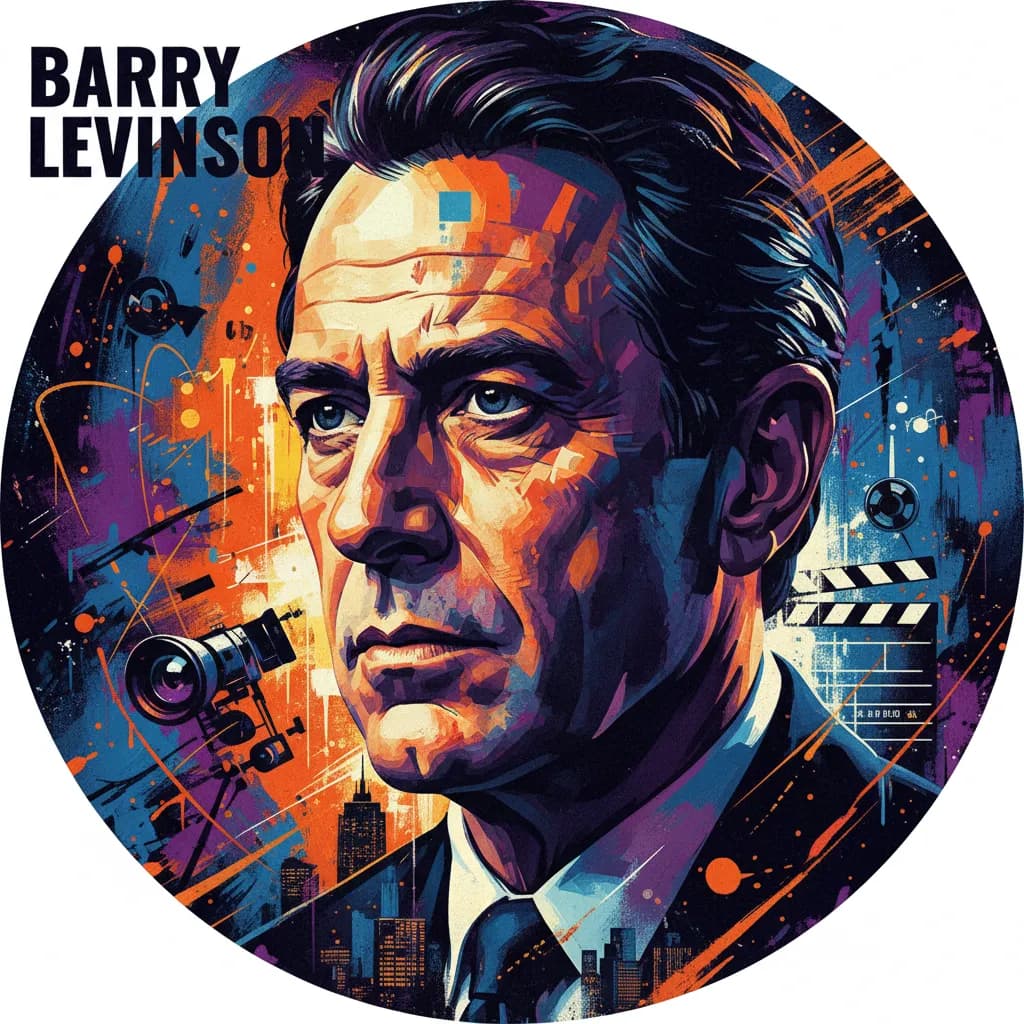
Barry Levinson
Every film, ranked

John Carpenter
Every film, ranked

Joel Schumacher
Every film, ranked

Billy Wilder
Every film, ranked

Rob Reiner
Every film, ranked

Neil Jordan
Every film, ranked

Spike Lee
Every film, ranked

Ivan Reitman
Every film, ranked

John Woo
Every film, ranked

Lasse Hallström
Every film, ranked

Stephen Frears
Every film, ranked

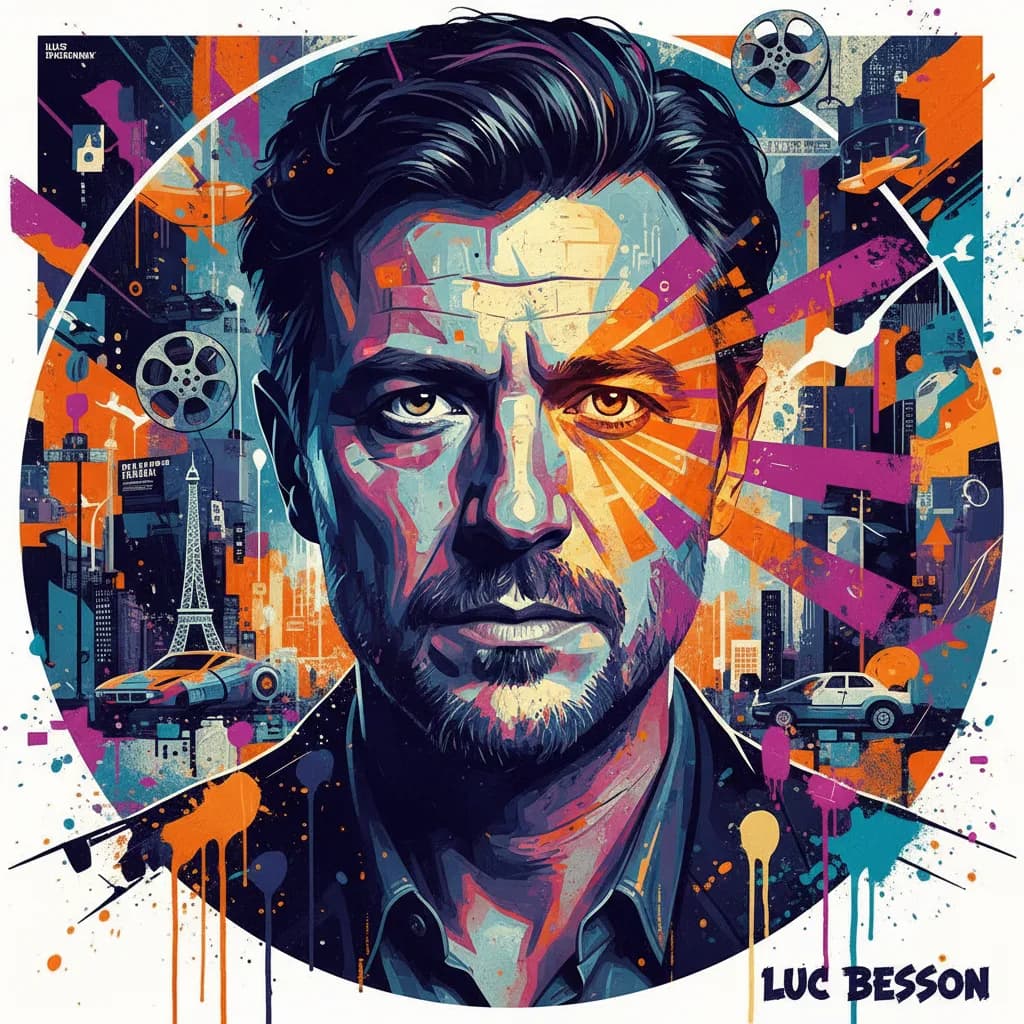
Luc Besson
Every film, ranked

Chris Columbus
Every film, ranked

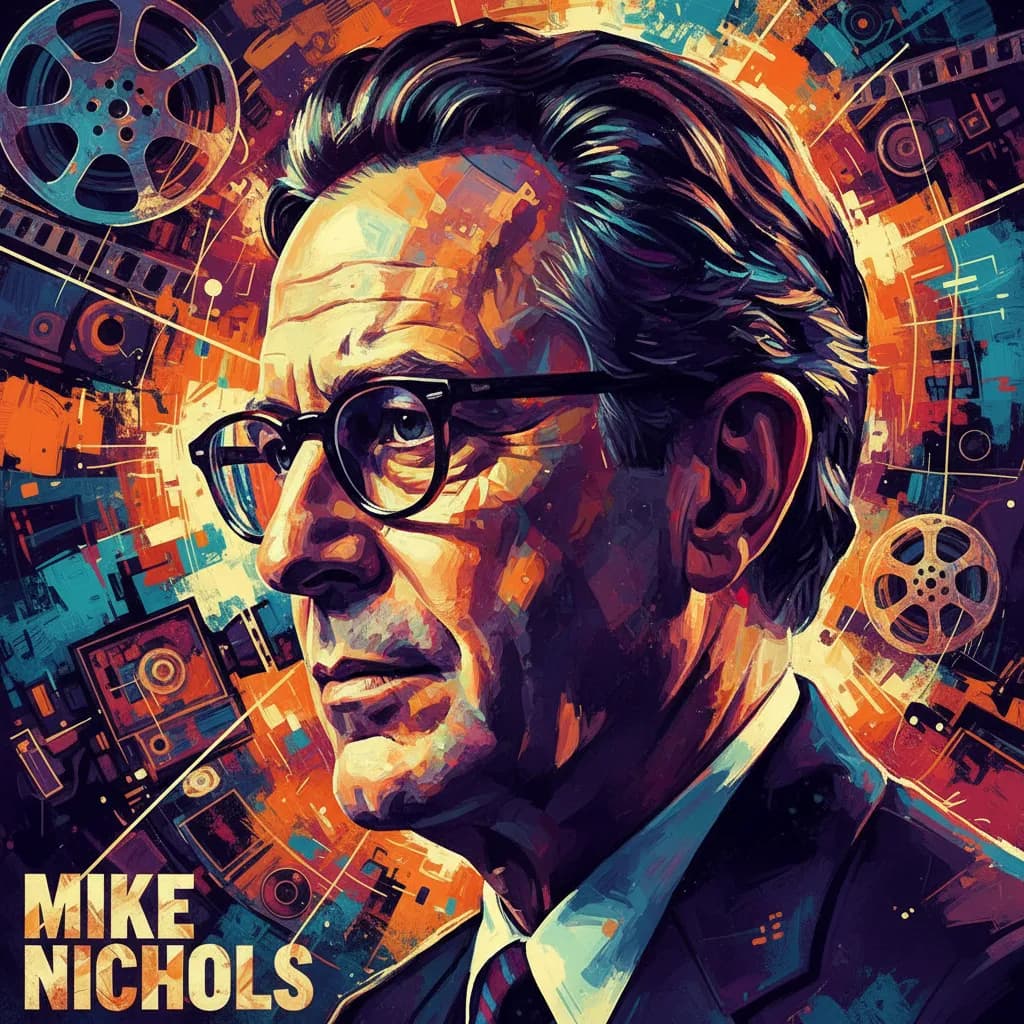
Mike Nichols
Every film, ranked

Howard Hawks
Every film, ranked

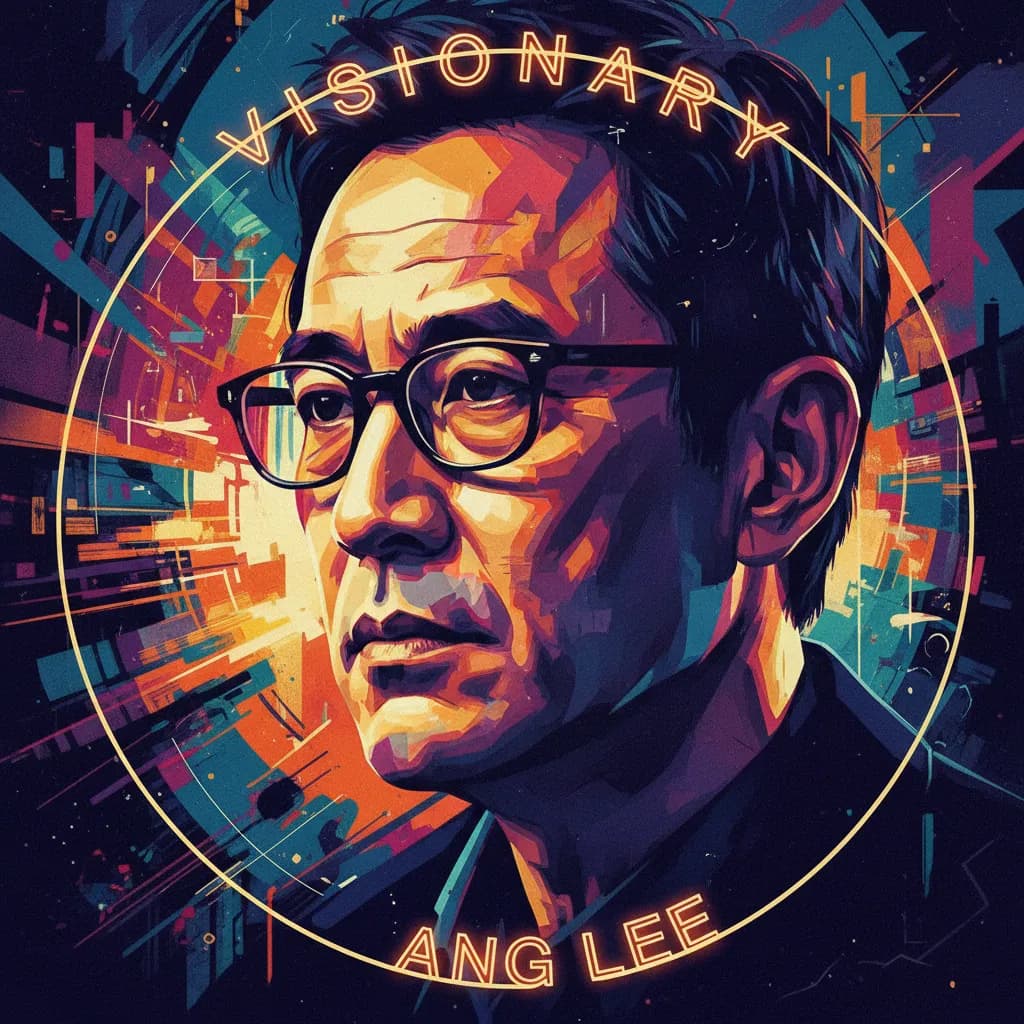
Ang Lee
Every film, ranked

Walter Hill
Every film, ranked

Gus Van Sant
Every film, ranked

William Wyler
Every film, ranked

Renny Harlin
Every film, ranked

Sidney Lumet
Every film, ranked

Tony Scott
Every film, ranked