Discover the visionary filmmakers behind cinema's greatest works.
Explore our selection of acclaimed directors and their remarkable films.
Showing 1885-1896 out of 4148

John Curran is an accomplished film director known for his distinctive storytelling style and ability to bring compelling narratives to the screen. With a diverse filmography that spans various genres, Curran has made a significant impact on the world of cinema. His notable works include "Stone" (2010), a gripping drama and thriller starring Robert De Niro and Edward Norton, "Tracks" (2013), an adventure and biography film that follows a woman's solo trek across the Australian desert, "Chappaquiddick" (2017), a riveting historical drama depicting the infamous incident involving Ted Kennedy, and "The Painted Veil" (2006), a poignant drama and romance set in 1920s China. Curran's directorial style is characterized by his ability to delve deep into the emotional and psychological layers of his characters, while also capturing the breathtaking beauty of the landscapes in which his stories unfold. His films often explore themes of human resilience, moral dilemmas, and the complexities of interpersonal relationships, offering audiences a thought-provoking and immersive cinematic experience. Throughout his career, Curran has demonstrated a keen eye for detail and a nuanced approach to storytelling, earning him a reputation as a director with a unique vision. His ability to bring real-life events to the screen with authenticity and sensitivity has not only resonated with audiences but has also solidified his status as a filmmaker with a profound understanding of human nature. Curran's contributions to film have left an indelible mark on the industry, showcasing his versatility and skill in bringing compelling narratives to life. His ability to seamlessly navigate between different genres while maintaining the integrity of his storytelling has established him as a director to watch. With a keen focus on character-driven narratives and evocative visuals, John Curran continues to captivate audiences and cement his legacy as a masterful storyteller in the world of cinema.

John Dahl is a highly acclaimed film director known for his captivating storytelling and compelling characters. With a diverse filmography spanning various genres, Dahl has made a significant impact on cinema, showcasing his exceptional talent for crafting intense and gripping narratives. His directorial style is characterized by a keen eye for detail, a focus on character-driven plots, and a mastery of tension-building techniques, all of which contribute to the distinctiveness of his work. One of Dahl's most notable films is "The Last Seduction" (1994), a gripping crime drama that received widespread critical acclaim for its taut storytelling and standout performances. The film exemplifies Dahl's ability to create complex, morally ambiguous characters and maintain a palpable sense of intrigue throughout. Another standout in Dahl's filmography is "Joy Ride" (2001), a thrilling action mystery that showcases his skill in building suspense and delivering heart-pounding sequences. Dahl's recurring themes often revolve around morally ambiguous characters, high-stakes situations, and the exploration of human nature under pressure. His films are characterized by their intense, edge-of-your-seat storytelling and the nuanced portrayal of complex protagonists. Throughout his career, Dahl has left an indelible mark on cinema, earning a reputation as a director with a unique vision and a penchant for crafting engaging, thought-provoking narratives. His ability to infuse tension and intrigue into a wide range of genres, from crime and drama to romance and comedy, has solidified his status as a versatile and influential filmmaker. In summary, John Dahl's directorial career is defined by his exceptional storytelling prowess, distinctive directorial style, and the lasting impact of his films on the cinematic landscape. With a filmography that boasts a diverse array of genres and compelling narratives, Dahl continues to be celebrated for his unique contributions to the art of filmmaking.

John Duigan is an Australian film director known for his exceptional storytelling and distinctive directorial style. With a career spanning several decades, Duigan has left an indelible mark on the film industry with his thought-provoking and visually captivating works. His notable films include "Head in the Clouds" (2004), a compelling drama set against the backdrop of World War II, and "Sirens" (1994), a comedic drama exploring art, sensuality, and societal norms. Duigan's directorial style is characterized by his ability to seamlessly blend compelling narratives with visually stunning cinematography. His films often feature complex characters grappling with profound emotional and societal issues, and he has a keen eye for capturing the intricacies of human relationships. Duigan's adeptness at portraying multifaceted characters and their inner conflicts sets him apart as a director with a profound understanding of human nature and its complexities. Throughout his career, Duigan has explored recurring themes such as love, passion, and the human experience, often in the context of historical or cultural settings. His films delve into the complexities of love and war, while also delving into the tension between societal expectations and individual freedom. Duigan's nuanced approach to storytelling has garnered him critical acclaim and a dedicated following of cinephiles who appreciate his unique perspective on universal themes. John Duigan's impact on cinema extends beyond his individual works, as he has contributed to the enrichment of film culture through his thought-provoking narratives and visually arresting storytelling. His ability to create immersive cinematic experiences that resonate with audiences on a profound level has solidified his reputation as a visionary director. Duigan's body of work continues to inspire and captivate audiences, cementing his legacy as a director whose contributions to film are both enduring and influential. In conclusion, John Duigan's directorial career is defined by his ability to craft compelling narratives that resonate with audiences on an emotional and intellectual level. With a keen focus on the complexities of human relationships and the human experience, Duigan has established himself as a director with a unique vision and a profound impact on the world of cinema. His films continue to stand the test of time, captivating audiences with their timeless themes and visually striking storytelling.

John Erick Dowdle is an American director known for his contributions to the horror, thriller, and action genres. His directorial style is marked by a penchant for creating intense, suspenseful atmospheres that captivate audiences. Dowdle's films often explore the darker aspects of human nature, delving into themes of fear, survival, and the supernatural. One of Dowdle's notable works is "Devil" (2010), a horror-mystery-thriller that takes place almost entirely in a confined space—the setting of an elevator. This film showcases Dowdle's ability to build tension and suspense within a limited setting, demonstrating his skill in creating an atmosphere of claustrophobia and paranoia. "Quarantine" (2008), a horror-sci-fi-thriller, further exemplifies Dowdle's talent for crafting high-stakes, pulse-pounding narratives within the horror genre. In "As Above, So Below" (2014), Dowdle ventured into the found-footage subgenre, blending horror, mystery, and thriller elements with the historical backdrop of the catacombs beneath Paris. This film demonstrates his ability to incorporate real-world locations and history into his storytelling, adding depth and authenticity to the narrative. Dowdle's "No Escape" (2015) showcases his versatility as a director, as he transitions into the action-thriller genre. The film follows an American family caught in the midst of a political uprising in a foreign country, highlighting Dowdle's ability to create high-stakes, adrenaline-fueled scenarios while maintaining a focus on character development and emotional resonance. With a filmography that spans horror, thriller, and action, John Erick Dowdle has made a significant impact on cinema by consistently delivering films that push the boundaries of genre conventions. His unique vision and ability to evoke visceral reactions from audiences have solidified his status as a director to watch in the realm of suspenseful, immersive storytelling. Dowdle's films continue to resonate with viewers, cementing his place as a filmmaker who fearlessly explores the depths of human experience through the lens of thrilling, gripping narratives.

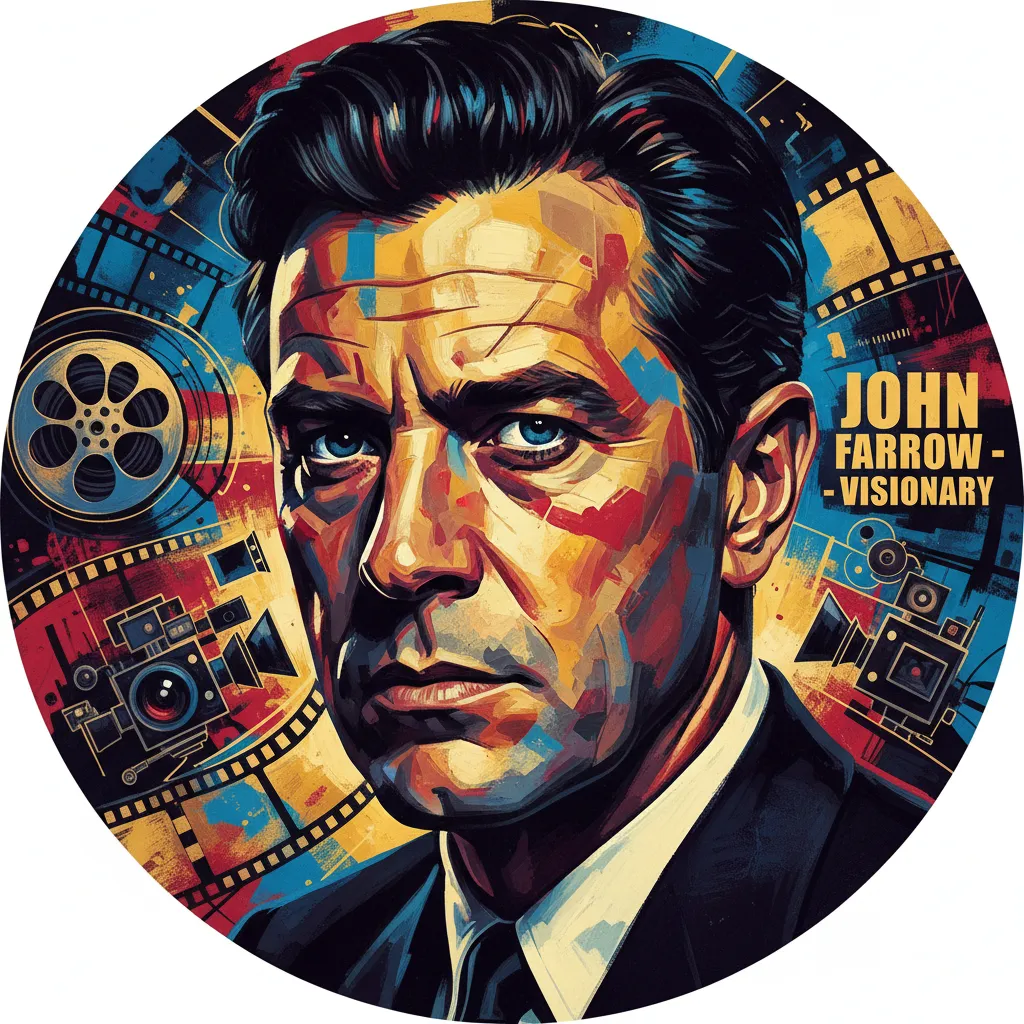
John Farrow was a prolific and versatile film director known for his contributions to various genres, including drama, romance, and war films. His directorial style was marked by a keen attention to character development, immersive storytelling, and a knack for capturing intense action sequences. Farrow's ability to seamlessly blend different genres and elicit powerful performances from his actors set him apart as a visionary director of his time. One of Farrow's most notable films is "Hondo" (1953), a gripping drama set against the backdrop of the American Civil War. The film masterfully weaves together themes of love, honor, and duty, showcasing Farrow's skill in crafting compelling narratives that resonate with audiences. "Hondo" also exemplifies Farrow's adeptness at depicting the complexities of human relationships within the tumultuous context of war, a recurring theme in his work. Farrow's impact on cinema extends beyond his individual films, as he left an indelible mark on the industry through his innovative storytelling techniques and ability to push the boundaries of traditional filmmaking. His willingness to explore diverse themes and genres contributed to the richness and diversity of cinematic storytelling, inspiring future generations of filmmakers. Farrow's legacy as a director continues to influence contemporary filmmakers, as his body of work serves as a testament to the enduring power of storytelling and the art of visual narrative. His ability to craft emotionally resonant films that transcend genre boundaries solidifies his reputation as a director whose impact on cinema remains timeless. John Farrow's contributions have left an indelible mark on the world of filmmaking, making him a revered figure in the pantheon of visionary directors.

John Fawcett is a Canadian film director known for his distinct vision and contribution to the horror and fantasy genres. His breakout film, "Ginger Snaps" (2000), garnered critical acclaim and established him as a compelling voice in genre filmmaking. Fawcett's directorial style often incorporates elements of drama, fantasy, and horror, creating a unique blend that captivates audiences with its evocative storytelling and visual aesthetic. In "Ginger Snaps," Fawcett explores the themes of female adolescence and lycanthropy, offering a fresh and thought-provoking take on the werewolf mythos. The film's success solidified Fawcett's reputation as a director unafraid to delve into the macabre while infusing his narratives with emotional depth and social commentary. "The Dark" (2005) further showcased Fawcett's ability to craft atmospheric and haunting tales, cementing his position as a master of tension and suspense. Fawcett's films often delve into the psychological and emotional complexities of his characters, presenting them with depth and nuance. His work has had a significant impact on the horror genre, influencing subsequent filmmakers and contributing to the evolution of storytelling within the realm of fantastical and supernatural narratives. With a keen eye for visual storytelling and a knack for eliciting powerful performances from his actors, Fawcett continues to leave an indelible mark on cinema. His ability to blend horror, fantasy, and drama in a seamless and compelling manner has made him a celebrated director in the genre, and his contributions to the cinematic landscape are both enduring and influential. Fawcett's films stand as testaments to his unique vision and storytelling prowess, solidifying his status as a director whose work will continue to resonate with audiences for years to come.

John Flynn was an American film director known for his gritty and intense storytelling style, often delving into the darker aspects of human nature. With a career spanning from the 1970s to the 1990s, Flynn left a lasting impact on the crime, drama, and action genres. His filmography includes notable works such as "Rolling Thunder" (1977), "Lock Up" (1989), "Out for Justice" (1991), and "Brainscan" (1994). Flynn's directorial style was characterized by its raw and unflinching portrayal of violence and its consequences. He had a talent for capturing the tension and emotional depth of his characters, drawing audiences into the harrowing worlds he created. Flynn's films often explored themes of justice, revenge, and the complexities of the human psyche, leaving a lasting impression on viewers long after the credits rolled. "Rolling Thunder" stands as one of Flynn's most influential works, depicting the psychological and emotional toll of war on returning soldiers. The film's unapologetic approach to violence and its exploration of the human condition cemented Flynn's reputation as a director unafraid to tackle challenging subject matter. "Lock Up" and "Out for Justice" further showcased Flynn's ability to craft compelling and action-packed narratives, earning him a dedicated following among fans of the genre. While Flynn's contributions to cinema may not have garnered widespread critical acclaim during his lifetime, his impact on the crime, drama, and action genres cannot be overstated. His unique vision and uncompromising approach to storytelling set him apart as a director who fearlessly delved into the depths of the human experience, leaving behind a legacy that continues to resonate with audiences today.

John Ford is a legendary film director whose career spanned over five decades, leaving an indelible mark on the world of cinema. Known for his mastery of various genres, Ford's filmography includes timeless classics such as "The Quiet Man," "How the West Was Won," "The Searchers," "My Darling Clementine," "The Grapes of Wrath," "Mister Roberts," "Rio Grande," "Fort Apache," "The Man Who Shot Liberty Valance," "How Green Was My Valley," "Stagecoach," and "She Wore a Yellow Ribbon." Ford's directorial style was characterized by his ability to capture the essence of the American spirit, often portraying themes of honor, sacrifice, and the human condition. His films often delved into the complexities of interpersonal relationships while also exploring the vast landscapes of the American West. Ford's trademark use of breathtaking cinematography and emotionally resonant storytelling cemented his status as a true auteur. Notable for his collaborations with actor John Wayne, Ford's films often featured strong, morally complex characters navigating the challenges of their time. His work displayed a keen understanding of the human experience, often examining the conflict between individual desires and societal expectations. Ford's impact on cinema is immeasurable, as he set the standard for visual storytelling and emotional depth in film. His influence can be seen in the works of contemporary directors and his films continue to be revered by audiences and critics alike. John Ford's legacy as a pioneer of American cinema is firmly etched in the annals of film history, and his contributions continue to inspire and resonate with audiences to this day.

John Fortenberry is an American film director known for his work in the comedy genre. His notable film, "A Night at the Roxbury" (1998), showcases his comedic flair and directorial prowess. Fortenberry's directorial style often blends humor with music and romance, creating an engaging and entertaining cinematic experience. Throughout his career, Fortenberry has demonstrated a keen eye for capturing comedic performances and infusing his films with a lively and dynamic energy. "A Night at the Roxbury" exemplifies his ability to bring out the comedic timing of his actors and create memorable, light-hearted moments on screen. His directorial approach often emphasizes visual humor and physical comedy, contributing to the overall charm of his films. In "A Night at the Roxbury," Fortenberry explores themes of friendship, self-discovery, and the pursuit of love, all set against the backdrop of the vibrant music and nightlife scene. His ability to intertwine these themes with humor and wit showcases his versatility as a director, as he seamlessly navigates between comedic moments and heartfelt storytelling. Fortenberry's impact on cinema lies in his ability to bring laughter and joy to audiences through his unique comedic vision. His contributions to the comedy genre have left an indelible mark, and his work continues to be celebrated for its ability to uplift and entertain viewers. With "A Night at the Roxbury," Fortenberry solidified his reputation as a director with a talent for creating memorable and enjoyable cinematic experiences. In summary, John Fortenberry's directorial career has been defined by his comedic sensibilities, ability to blend humor with music and romance, and his knack for capturing the essence of lighthearted storytelling. His work, particularly "A Night at the Roxbury," stands as a testament to his impact on the comedy genre and his enduring contributions to the world of cinema.

John Francis Daley is a multifaceted talent in the entertainment industry, making a name for himself as a director, screenwriter, and actor. Born in Wheeling, Illinois, Daley rose to prominence through his work in various film and television projects. As a director, Daley is celebrated for his distinctive approach to storytelling and his ability to seamlessly blend action, adventure, and comedy genres. His directorial debut came with the 2015 film "Vacation," a contemporary continuation of the classic "National Lampoon's Vacation" series. This comedy-adventure showcased Daley's knack for infusing humor with relatable family dynamics, setting the stage for his future directorial endeavors. In 2018, Daley co-directed the critically acclaimed "Game Night," a wildly entertaining action-comedy that earned widespread acclaim for its sharp wit and inventive storytelling. The film's success solidified Daley's reputation as a director capable of delivering high-octane entertainment with a comedic edge. His distinctive directorial style often incorporates fast-paced action sequences, clever dialogue, and a keen understanding of comedic timing, making his films a treat for audiences seeking an adrenaline-pumping yet hilarious cinematic experience. Daley's upcoming project, "Dungeons & Dragons: Honor Among Thieves," is highly anticipated by fans of the popular role-playing game. Set for release in 2023, this action-adventure-comedy promises to showcase Daley's adeptness at bringing fantastical worlds to life while injecting them with his signature brand of humor. With this film, Daley is poised to further solidify his status as a director with a penchant for creating immersive, laughter-inducing experiences on the big screen. Throughout his career, Daley has demonstrated a knack for infusing his projects with a sense of adventure, camaraderie, and laugh-out-loud moments. His films often explore the dynamics of friendship and family while navigating exhilarating escapades, appealing to a wide audience. John Francis Daley's contributions to cinema have left an indelible mark, showcasing his ability to craft compelling narratives that resonate with viewers and leave them eagerly anticipating his next directorial venture.

John Frankenheimer was a pioneering American film director known for his distinctive visual style and innovative storytelling. His illustrious career spanned several decades and left an indelible mark on the world of cinema. Frankenheimer's directorial style often featured dynamic action sequences, intense character-driven narratives, and psychological depth, making him a trailblazer in the realm of thriller, action, and drama genres. One of Frankenheimer's most iconic films, "The Manchurian Candidate" (1962), is a prime example of his directorial prowess. This political thriller not only captivated audiences with its gripping storyline and stellar performances but also showcased Frankenheimer's ability to create a palpable atmosphere of suspense and paranoia. Another standout in his filmography, "The Train" (1964), showcased Frankenheimer's adeptness at crafting high-octane action sequences within the backdrop of World War II, solidifying his reputation as a master of tension and excitement on screen. Throughout his career, Frankenheimer frequently delved into themes of power struggles, moral ambiguity, and the complexities of the human psyche, elevating his films beyond mere entertainment to thought-provoking explorations of the human condition. His penchant for exploring these themes is evident in "Seven Days in May" (1964), a tense political drama that delves into the potential consequences of military insurrection, and "Seconds" (1966), a haunting sci-fi thriller that grapples with the existential dread of identity and purpose. John Frankenheimer's impact on cinema is immeasurable, as his innovative approach to storytelling and visual storytelling techniques continue to influence filmmakers to this day. His ability to seamlessly blend compelling storytelling with riveting visuals solidified his status as a visionary director, leaving an enduring legacy that continues to inspire and captivate audiences worldwide. With a filmography that includes acclaimed works such as "Birdman of Alcatraz" (1962), "Ronin" (1998), and "French Connection II" (1975), Frankenheimer's contributions to the art of filmmaking are nothing short of monumental, cementing his status as a true luminary in the world of cinema. In conclusion, John Frankenheimer's directorial career stands as a testament to his unparalleled artistry and innovation in the realm of filmmaking. His ability to seamlessly blend gripping narratives with striking visuals and his exploration of profound themes have left an indelible mark on cinema, solidifying his place as a visionary director whose influence continues

John Gatins is a multi-talented filmmaker known for his work as a director, screenwriter, and actor. With a career spanning over two decades, Gatins has made significant contributions to the world of cinema. His directorial debut came with the 2005 film "Dreamer," a heartwarming drama that follows the story of a father and daughter who rehabilitate an injured racehorse. Gatins' directorial style is characterized by his ability to capture the emotional depth of his characters while infusing his films with a sense of hope and perseverance. "Dreamer" stands out as a testament to Gatins' directorial prowess, as he skillfully navigates the complexities of family dynamics and the pursuit of dreams. The film's themes of resilience and the unbreakable bond between humans and animals are recurring motifs in Gatins' work, showcasing his penchant for storytelling that resonates with audiences on a profound level. Through his direction, Gatins brings a sense of authenticity and sincerity to his films, allowing viewers to connect with the characters and their journeys on a deeply personal level. Gatins' impact on cinema extends beyond his directorial endeavors, as he has also made significant contributions as a screenwriter. His ability to craft compelling narratives and compelling characters has earned him acclaim in the industry. Gatins' work reflects a commitment to storytelling that transcends the screen, leaving a lasting impression on audiences long after the credits roll. With an innate understanding of human emotion and a keen eye for detail, Gatins continues to leave an indelible mark on the world of film, solidifying his status as a director with a unique vision and a profound impact on cinema. In conclusion, John Gatins has established himself as a multifaceted talent in the film industry, with "Dreamer" serving as a testament to his directorial skill and storytelling prowess. His ability to capture the essence of human emotion and resilience has cemented his status as a director with a unique vision and a profound impact on cinema. As Gatins continues to evolve as a filmmaker, audiences can anticipate more poignant and emotionally resonant stories that showcase his unparalleled ability to bring depth and authenticity to the silver screen.
Every film by the greats, ranked by our TML Score.

Christopher Nolan
Every film, ranked

Quentin Tarantino
Every film, ranked

Stanley Kubrick
Every film, ranked

Martin Scorsese
Every film, ranked

Steven Spielberg
Every film, ranked

Alfred Hitchcock
Every film, ranked

David Fincher
Every film, ranked

Denis Villeneuve
Every film, ranked

Wes Anderson
Every film, ranked

Paul Thomas Anderson
Every film, ranked

Ridley Scott
Every film, ranked

Tim Burton
Every film, ranked

Guillermo del Toro
Every film, ranked

Hayao Miyazaki
Every film, ranked

Akira Kurosawa
Every film, ranked

Francis Ford Coppola
Every film, ranked

Clint Eastwood
Every film, ranked

Bong Joon Ho
Every film, ranked

Woody Allen
Every film, ranked

Steven Soderbergh
Every film, ranked

Ron Howard
Every film, ranked

Pedro Almodóvar
Every film, ranked

Richard Linklater
Every film, ranked

Roman Polanski
Every film, ranked

Brian De Palma
Every film, ranked

Ingmar Bergman
Every film, ranked

Oliver Stone
Every film, ranked

David Cronenberg
Every film, ranked

Robert Zemeckis
Every film, ranked

Barry Levinson
Every film, ranked

John Carpenter
Every film, ranked

Joel Schumacher
Every film, ranked

Billy Wilder
Every film, ranked

Rob Reiner
Every film, ranked

Neil Jordan
Every film, ranked

Spike Lee
Every film, ranked

Ivan Reitman
Every film, ranked

John Woo
Every film, ranked

Lasse Hallström
Every film, ranked

Stephen Frears
Every film, ranked

Luc Besson
Every film, ranked

Chris Columbus
Every film, ranked

Mike Nichols
Every film, ranked

Howard Hawks
Every film, ranked

Ang Lee
Every film, ranked

Walter Hill
Every film, ranked

Gus Van Sant
Every film, ranked

William Wyler
Every film, ranked

Renny Harlin
Every film, ranked

Sidney Lumet
Every film, ranked

Tony Scott
Every film, ranked