Discover the visionary filmmakers behind cinema's greatest works.
Explore our selection of acclaimed directors and their remarkable films.
Showing 1849-1860 out of 4148

Joel Edgerton is an Australian director known for his compelling storytelling and keen eye for human emotion. With a diverse range of projects under his belt, Edgerton has made a significant impact on the film industry, particularly in the realm of thought-provoking dramas and thrillers. His directorial style is characterized by a meticulous attention to detail and an ability to create deeply emotional connections with his audience. One of Edgerton's most notable directorial works is "Boy Erased" (2018), a poignant biographical drama that delves into the controversial practice of conversion therapy. The film garnered critical acclaim for its sensitive portrayal of the protagonist's journey towards self-acceptance and the exploration of complex family dynamics. Edgerton's ability to navigate delicate subject matter with empathy and authenticity shines through in this thought-provoking and impactful film. In "The Gift" (2015), Edgerton showcased his directorial prowess in the realm of psychological thrillers. The film masterfully weaves together elements of mystery and suspense, keeping audiences on the edge of their seats while delving into the darker aspects of human nature. Edgerton's skillful direction and ability to build tension throughout the narrative solidified his reputation as a director with a keen understanding of the intricacies of the human psyche. Throughout his career, Edgerton has demonstrated a penchant for exploring themes of identity, acceptance, and the complexities of interpersonal relationships. His films often provide a platform for introspection and empathy, inviting audiences to confront challenging societal issues and engage with the human experience on a profound level. With a commitment to authenticity and a distinct directorial voice, Joel Edgerton continues to leave an indelible mark on cinema, positioning himself as a visionary director with a unique ability to provoke meaningful conversations through his art.

Joel Gallen is a celebrated film director known for his exceptional talent in the comedy genre. With a career spanning several decades, Gallen has left an indelible mark on the film industry, showcasing his unique directorial style and knack for creating memorable cinematic experiences. One of his most notable directorial endeavors is the 2001 hit comedy "Not Another Teen Movie," which catapulted him into the limelight and solidified his reputation as a master of comedic storytelling. Gallen's directorial style is characterized by his clever use of satire and parody, often infusing his films with sharp wit and irreverent humor. His keen eye for comedic timing and ability to deconstruct and lampoon established film tropes have made him a standout director in the comedy genre. "Not Another Teen Movie" exemplifies Gallen's penchant for subverting conventions, as he expertly parodies the clichés and stereotypes prevalent in teen comedies, delivering a hilarious and refreshing take on the genre. Throughout his career, Gallen has displayed a remarkable ability to connect with audiences through his lighthearted and relatable storytelling. His films often explore themes of adolescence, identity, and the absurdities of popular culture, resonating with viewers on a universal level. Gallen's impact on cinema extends beyond his individual films, as he has contributed to shaping the landscape of modern comedy and inspiring a new generation of filmmakers to push boundaries and challenge traditional storytelling norms. Joel Gallen's legacy as a director is defined by his unwavering commitment to delivering laughter and entertainment to audiences worldwide. His influential contributions to the comedy genre have earned him a revered status among filmmakers and fans alike, cementing his place as a visionary director with an unparalleled ability to elicit laughter and joy through his work. As the film industry continues to evolve, Gallen's directorial prowess and comedic sensibilities remain an enduring source of inspiration for aspiring filmmakers and a source of delight for audiences seeking a good laugh.

Joel Hopkins is a British film director known for his work in romantic comedies and dramas. With a career spanning over two decades, Hopkins has made significant contributions to the film industry with his unique directorial style and ability to capture the complexities of human relationships on screen. His notable films include "The Love Punch" (2013) and "Last Chance Harvey" (2008), which have solidified his reputation as a master storyteller in the realms of comedy and romance. Hopkins' directorial style is characterized by its heartfelt and authentic portrayal of human emotions. His films often explore the intricacies of love, relationships, and the human experience, resonating with audiences on a deep emotional level. With a keen eye for capturing intimate moments and genuine interactions, Hopkins infuses his work with warmth and sincerity, creating compelling narratives that leave a lasting impression. In "The Love Punch," Hopkins demonstrates his comedic prowess while also delving into themes of love, loss, and redemption. The film's lighthearted yet poignant approach to storytelling showcases Hopkins' ability to balance humor with emotional depth, making it a standout in the romantic comedy genre. Similarly, "Last Chance Harvey" is a testament to Hopkins' talent for crafting tender and affecting narratives, drawing the audience into the lives of the characters and their personal journeys. Throughout his career, Hopkins has consistently delivered films that resonate with viewers, earning him a dedicated following and critical acclaim. His ability to infuse his work with relatable characters, genuine emotions, and universal themes has solidified his status as a director with a distinct and impactful cinematic vision. With a keen understanding of human nature and a gift for storytelling, Joel Hopkins continues to make his mark on the film industry, leaving an indelible legacy through his compelling body of work.

Joel Schumacher was an influential and versatile film director known for his eclectic body of work that spanned multiple genres. With a career that began in the 1970s, Schumacher made a name for himself in the 1980s with his coming-of-age drama "St. Elmo's Fire" (1985), which showcased his ability to capture the essence of youthful angst and friendship dynamics. Known for his visually striking and stylish approach, Schumacher delved into the horror genre with "The Lost Boys" (1987), a cult classic blending comedy and horror while demonstrating his flair for creating atmospheric and visually captivating worlds. In the 1990s, Schumacher made a significant mark on the superhero genre with "Batman Forever" (1995), bringing a bold and colorful vision to the iconic character and redefining the franchise. His directorial style often incorporated vibrant aesthetics and larger-than-life storytelling, evident in films such as "A Time to Kill" (1996), a gripping courtroom drama that showcased his ability to tackle weighty social issues with sensitivity and depth. Schumacher's filmography also includes psychological thrillers like "Phone Booth" (2002) and "The Number 23" (2007), where he displayed his adeptness at creating tension and suspense. His exploration of human psychology and moral dilemmas was evident in films like "Falling Down" (1993), a thought-provoking social commentary on the pressures of modern life. With a penchant for pushing boundaries and challenging conventions, Schumacher tackled diverse subjects, from war and crime to romance and biography. His films often delved into themes of identity, morality, and the human condition, leaving a lasting impact on audiences and influencing subsequent filmmakers. Joel Schumacher's directorial legacy is defined by his ability to infuse his projects with visual flair, emotional depth, and thought-provoking narratives. His diverse filmography and willingness to explore various genres solidified his status as a visionary director whose impact on cinema continues to resonate.

Joe Lynch is a talented and versatile director known for his unique blend of action, comedy, and horror. With a career spanning several notable films, Lynch has carved a niche for himself in the entertainment industry. His directorial style is characterized by high-octane action sequences, dark humor, and a penchant for exploring the human psyche in extreme circumstances. Lynch's breakout film, "Knights of Badassdom" (2013), showcased his ability to seamlessly merge action, adventure, and comedy while delving into the world of LARPing (live-action role-playing). The film was praised for its witty dialogue, imaginative storytelling, and dynamic visual style, firmly establishing Lynch as a director to watch. Following the success of "Knights of Badassdom," Lynch continued to make waves in the industry with "Everly" (2014), a gripping action thriller that featured a strong female lead and intense, adrenaline-fueled set pieces. In 2017, Lynch further solidified his reputation with "Mayhem," a genre-bending film that expertly combined elements of action, comedy, and horror. The movie's visceral and unapologetic approach to violence, coupled with dark humor and social commentary, resonated with audiences and critics alike. Lynch's ability to infuse his films with a distinct visual flair and an unorthodox storytelling approach has set him apart as a director with a keen eye for blending genres and pushing creative boundaries. Throughout his career, Lynch has consistently explored themes of survival, resilience, and the human capacity for chaos and mayhem. His films often feature characters pushed to their limits in extreme situations, navigating through a thrilling and often darkly comedic landscape. With a growing body of work that defies traditional genre constraints, Lynch continues to leave an indelible mark on cinema, captivating audiences with his bold and uncompromising vision. In conclusion, Joe Lynch's impact on cinema is undeniable, as he continues to challenge conventions and captivate audiences with his distinct directorial style. With a penchant for blending genres and pushing creative boundaries, Lynch has established himself as a formidable force in the industry. As he continues to evolve as a director, audiences can eagerly anticipate the next exhilarating and thought-provoking cinematic experience from this visionary filmmaker.

Joel Zwick is a prolific filmmaker known for his remarkable contributions to the comedy, drama, and romance genres. His most notable work, "My Big Fat Greek Wedding" (2002), remains a beloved classic, showcasing his exceptional directorial style and storytelling prowess. Zwick's keen eye for capturing heartwarming moments, coupled with his ability to infuse humor into everyday situations, has solidified his reputation as a masterful director with a unique vision. Zwick's directorial style is characterized by his adeptness at capturing the complexities of human relationships with warmth and authenticity. His films often explore themes of love, family dynamics, and cultural identity, resonating with audiences on a deeply emotional level. "My Big Fat Greek Wedding" exemplifies Zwick's talent for crafting endearing narratives that blend humor and heartfelt moments, ultimately leaving a lasting impact on viewers. Throughout his career, Joel Zwick has left an indelible mark on cinema, with his films becoming synonymous with genuine, heartfelt storytelling. His ability to seamlessly blend comedy and drama has set him apart as a director capable of evoking a wide range of emotions from his audience. Zwick's work has influenced a generation of filmmakers and continues to inspire aspiring directors to explore the nuances of human connection and emotion through their craft. Joel Zwick's cinematic legacy extends beyond his directorial achievements, as he has significantly contributed to the cultural landscape of cinema. His films have resonated with diverse audiences, transcending boundaries and fostering a deeper understanding of the human experience. Zwick's impact on the industry is undeniable, and his body of work stands as a testament to his enduring influence on the art of storytelling through film. In conclusion, Joel Zwick's career as a director is defined by his ability to capture the essence of human relationships with sincerity and humor. His work has left an indelible mark on the film industry, earning him a well-deserved reputation as a visionary director. With a filmography highlighted by the timeless classic "My Big Fat Greek Wedding," Zwick's contributions to cinema continue to inspire and resonate with audiences worldwide.

Joe Mantello is a highly acclaimed director who has made a significant impact on both stage and screen. While he is best known for his work in theater, his foray into film directing has been equally impressive. In 2020, Mantello directed the film adaptation of "The Boys in the Band," a powerful drama that explores the complexities of relationships and identity within the LGBTQ+ community. This film marked a significant milestone in Mantello's career, showcasing his ability to bring compelling stories to life on the silver screen. Mantello's directorial style is characterized by his keen attention to detail and his ability to elicit raw, authentic performances from his actors. His background in theater has informed his approach to filmmaking, allowing him to create intimate and emotionally charged narratives. "The Boys in the Band" is a prime example of Mantello's ability to capture the nuances of human relationships with sensitivity and depth, earning him widespread praise from critics and audiences alike. Throughout his career, Mantello has demonstrated a commitment to telling stories that center on marginalized voices, particularly within the LGBTQ+ community. His work often delves into themes of love, identity, and the human experience, resonating with audiences on a profound level. "The Boys in the Band" is a testament to Mantello's dedication to bringing these important stories to the forefront and shedding light on the diverse experiences within the queer community. Mantello's impact on cinema extends beyond his individual projects, as he has contributed to the broader conversation surrounding LGBTQ+ representation in film. His directorial work has paved the way for more inclusive storytelling and has helped challenge stereotypes and stigma associated with queer narratives. As a result, Mantello has solidified his status as a visionary director whose contributions have left an indelible mark on the film industry. In conclusion, Joe Mantello's directorial career has been defined by his ability to infuse his projects with authenticity, empathy, and a deep understanding of human emotion. His work on "The Boys in the Band" stands as a testament to his talent as a storyteller and his dedication to amplifying the voices of the LGBTQ+ community. Mantello's impact on cinema is undeniable, and his legacy as a director continues to inspire and resonate with audiences worldwide.

Joe Nussbaum is a talented film director known for his work in the comedy, family, and romance genres. With a career spanning several impactful films, Nussbaum has established himself as a director with a unique vision and a knack for creating entertaining and heartwarming stories. His notable filmography includes "Sleepover" (2004), "Sydney White" (2007), and "Prom" (2011), all of which showcase his ability to capture the essence of adolescence, friendship, and coming-of-age experiences. Nussbaum's directorial style is characterized by his ability to infuse humor and heart into his films, creating a delightful blend of laughter and genuine emotion. His keen understanding of the human experience allows him to craft relatable characters and engaging narratives that resonate with audiences of all ages. With a focus on the complexities of young adult life, Nussbaum's films often explore themes of self-discovery, friendship, and the universal quest for acceptance. "Sleepover" marked Nussbaum's directorial debut and quickly established him as a promising talent in the industry. The film, a lighthearted comedy about a group of teenage girls on a wild scavenger hunt, showcased Nussbaum's ability to capture the spirit of youth and the enduring bonds of friendship. "Sydney White" further solidified Nussbaum's reputation as a director with a knack for blending humor and heart, as he reimagined the classic tale of Snow White within the college setting, exploring themes of individuality and inclusion. In "Prom," Nussbaum once again delved into the world of high school, delivering a heartwarming and relatable story that celebrated the ups and downs of teenage life, love, and the memorable milestone of prom night. Nussbaum's films have left a lasting impact on cinema by offering audiences an authentic and entertaining portrayal of the universal experiences of adolescence while highlighting the importance of friendship, self-acceptance, and the pursuit of dreams. Nussbaum's directorial contributions have resonated with audiences, and his ability to capture the essence of youth and the transformative power of friendship has solidified his place as a director with a unique and valuable perspective. His films continue to entertain and inspire, making him a noteworthy figure in the realm of coming-of-age storytelling and feel-good cinema.

Joe Penna, a Brazilian filmmaker, gained recognition for his unique directorial approach and storytelling prowess, particularly in the genre of survival and adventure. Penna's directorial debut, "Arctic" (2018), marked his entry into the world of feature films. The movie received critical acclaim for its gripping narrative and visually stunning depiction of survival in the harsh Arctic wilderness. Penna's skillful direction and ability to capture the emotional and physical struggles of the protagonist in a minimalist yet powerful manner showcased his distinct directorial style. In 2021, Penna further solidified his reputation with "Stowaway," a gripping sci-fi thriller that delves into the moral complexities of survival in outer space. The film, which stars Anna Kendrick and Toni Collette, received praise for its thought-provoking storyline and Penna's adept direction, which skillfully navigated the tension and claustrophobia inherent in the setting. Penna's directorial style is characterized by a focus on human resilience in extreme environments, often exploring the psychological and emotional challenges faced by individuals thrust into life-threatening situations. His films tend to eschew excessive dialogue in favor of immersive visual storytelling, allowing the audience to experience the characters' struggles on a visceral level. Penna's impact on cinema lies in his ability to infuse the survival genre with a distinct sense of authenticity and emotional depth. His films resonate with audiences for their gripping narratives and compelling characters, showcasing his talent for crafting intense and immersive cinematic experiences. As he continues to explore the themes of survival and human endurance, Joe Penna's directorial career is poised to make a lasting impression on the world of filmmaking.


Joe Pytka is an American film director and commercial filmmaker known for his work in animation, adventure, and comedy genres. His most notable film, "Space Jam" (1996), is a beloved classic that seamlessly blends live-action and animation, featuring the iconic basketball player Michael Jordan alongside the Looney Tunes characters. Pytka's directorial style is characterized by his ability to combine cutting-edge visual effects with compelling storytelling, creating immersive and entertaining cinematic experiences. Pytka's impact on cinema is evident in his ability to bring animated characters to life in a live-action setting, setting a precedent for future filmmakers to explore the possibilities of blending different visual mediums. "Space Jam" remains a cultural touchstone, captivating audiences with its innovative approach to storytelling and its seamless integration of live-action and animation. Pytka's directorial prowess is also evident in his keen understanding of comedic timing and his ability to bring out the best performances from both human and animated actors, creating a film that continues to resonate with audiences of all ages. Throughout his career, Pytka has showcased a recurring theme of collaboration, bringing together diverse talents from the worlds of sports, entertainment, and animation to create cinematic experiences that transcend traditional boundaries. His unique vision and ability to seamlessly blend live-action and animation have solidified his status as a pioneering director in the industry. Pytka's contributions to film continue to inspire future generations of filmmakers to push the boundaries of storytelling and visual effects, leaving an indelible mark on the art of filmmaking. In conclusion, Joe Pytka's directorial career has left an indelible mark on the film industry, with "Space Jam" standing as a testament to his innovative vision and creative prowess. His ability to seamlessly blend live-action and animation, coupled with his knack for comedic storytelling, has cemented his legacy as a director who pushed the boundaries of cinematic possibilities. Pytka's impact on cinema continues to resonate, and his work serves as an enduring source of inspiration for aspiring filmmakers and audiences alike.

Joe Ranft was a visionary filmmaker known for his exceptional contributions to animation and storytelling. As a director, he made a significant impact on cinema through his unique directorial style and exceptional storytelling abilities. Ranft's notable directorial work includes the animated film "Cars" (2006), which showcased his talent for creating heartwarming and visually stunning stories. Ranft's directorial style was characterized by his ability to infuse humor, heart, and adventure into his films, captivating audiences of all ages. His films often featured vibrant and lovable characters, coupled with compelling narratives that resonated with viewers on a deep emotional level. This directorial approach allowed Ranft to create timeless classics that continue to be adored by audiences worldwide. Throughout his career, Ranft's films often explored themes of friendship, self-discovery, and the power of perseverance, themes that continue to resonate with audiences across generations. His ability to blend these universal themes with visually striking animation solidified his status as a director with a profound impact on the industry. Ranft's directorial contributions continue to influence and inspire filmmakers and animators alike, leaving an indelible mark on the world of animation and storytelling. His dedication to crafting unforgettable cinematic experiences and his unparalleled storytelling abilities ensure that his legacy as a director will endure for years to come. Joe Ranft's directorial career serves as a testament to his unparalleled vision and his invaluable contributions to the world of film and animation.

Joe Roth is a renowned film director known for his impressive contributions to the world of cinema. With a diverse filmography spanning across various genres, Roth has left an indelible mark on the industry. His directorial style is characterized by a keen ability to blend genres, creating compelling narratives that resonate with audiences. His notable films include "Freedomland" (2006), a gripping crime drama that delves into the complexities of race and community, "America's Sweethearts" (2001), a delightful romantic comedy that offers a satirical take on the entertainment industry, "Revenge of the Nerds II: Nerds in Paradise" (1987), a cult classic comedy, and "Christmas with the Kranks" (2004), a heartwarming family comedy that captures the spirit of the holiday season. Roth's films often explore themes of identity, relationships, and societal dynamics, showcasing his ability to infuse depth and nuance into his storytelling. His unique vision and penchant for crafting multi-dimensional characters have cemented his status as a director with a distinct artistic voice. His impact on cinema is evident in the way he effortlessly navigates between genres, effectively engaging audiences across various demographics. Roth's versatility as a director has allowed him to leave a lasting impression on the film landscape, with his works resonating with viewers of all ages and backgrounds. With a career marked by a diverse range of projects, Roth has proven himself to be a director capable of delivering compelling narratives that transcend genre boundaries. His ability to capture the essence of human experiences and emotions has solidified his position as a filmmaker with a profound understanding of the human condition. Roth's contributions to film continue to inspire and entertain audiences, making him a director whose legacy will endure for years to come. Whether it's through thought-provoking dramas or lighthearted comedies, Roth's body of work reflects his unwavering dedication to storytelling and his enduring impact on the cinematic landscape.
Every film by the greats, ranked by our TML Score.

Christopher Nolan
Every film, ranked

Quentin Tarantino
Every film, ranked

Stanley Kubrick
Every film, ranked

Martin Scorsese
Every film, ranked

Steven Spielberg
Every film, ranked

Alfred Hitchcock
Every film, ranked

David Fincher
Every film, ranked

Denis Villeneuve
Every film, ranked

Wes Anderson
Every film, ranked

Paul Thomas Anderson
Every film, ranked

Ridley Scott
Every film, ranked

Tim Burton
Every film, ranked

Guillermo del Toro
Every film, ranked

Hayao Miyazaki
Every film, ranked

Akira Kurosawa
Every film, ranked

Francis Ford Coppola
Every film, ranked

Clint Eastwood
Every film, ranked

Bong Joon Ho
Every film, ranked

Woody Allen
Every film, ranked

Steven Soderbergh
Every film, ranked

Ron Howard
Every film, ranked

Pedro Almodóvar
Every film, ranked

Richard Linklater
Every film, ranked

Roman Polanski
Every film, ranked

Brian De Palma
Every film, ranked

Ingmar Bergman
Every film, ranked

Oliver Stone
Every film, ranked

David Cronenberg
Every film, ranked

Robert Zemeckis
Every film, ranked

Barry Levinson
Every film, ranked

John Carpenter
Every film, ranked

Joel Schumacher
Every film, ranked

Billy Wilder
Every film, ranked

Rob Reiner
Every film, ranked

Neil Jordan
Every film, ranked

Spike Lee
Every film, ranked

Ivan Reitman
Every film, ranked

John Woo
Every film, ranked

Lasse Hallström
Every film, ranked

Stephen Frears
Every film, ranked

Luc Besson
Every film, ranked

Chris Columbus
Every film, ranked

Mike Nichols
Every film, ranked

Howard Hawks
Every film, ranked

Ang Lee
Every film, ranked

Walter Hill
Every film, ranked

Gus Van Sant
Every film, ranked

William Wyler
Every film, ranked

Renny Harlin
Every film, ranked

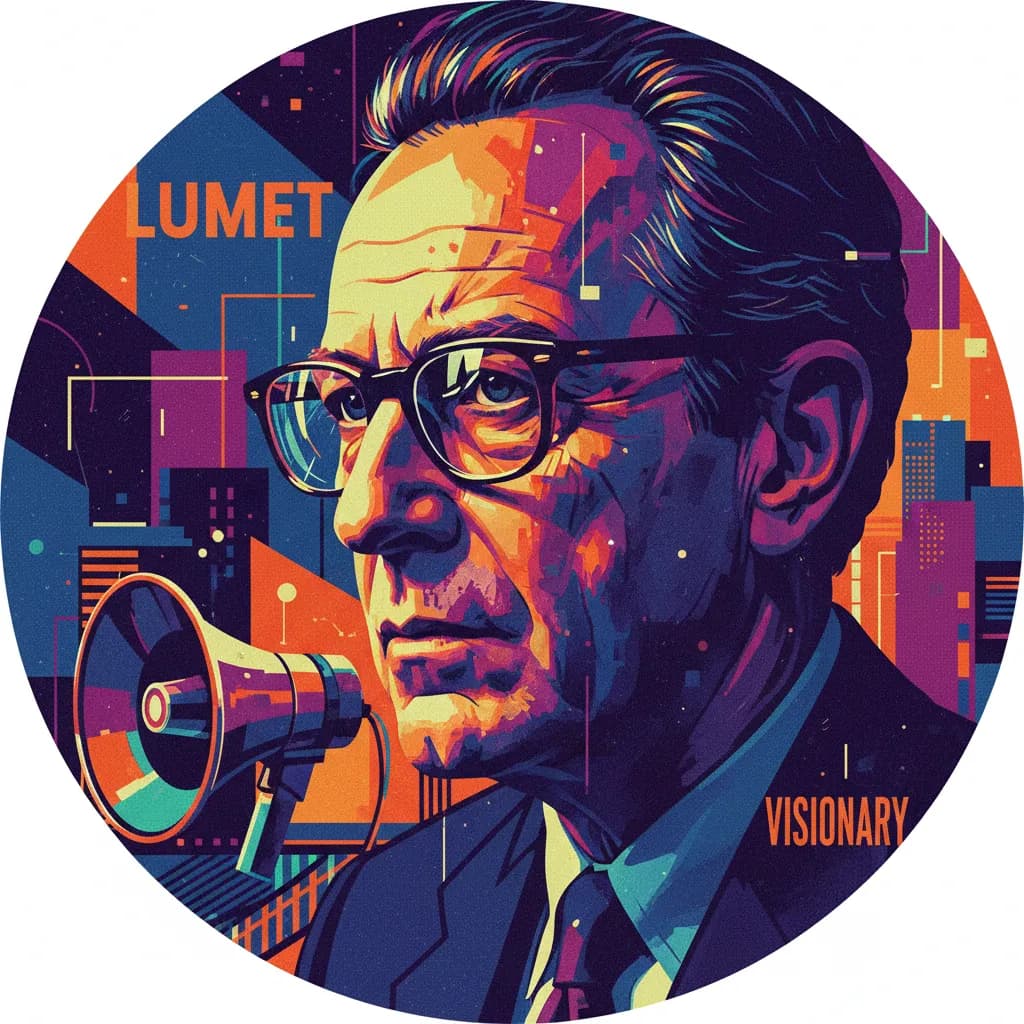
Sidney Lumet
Every film, ranked

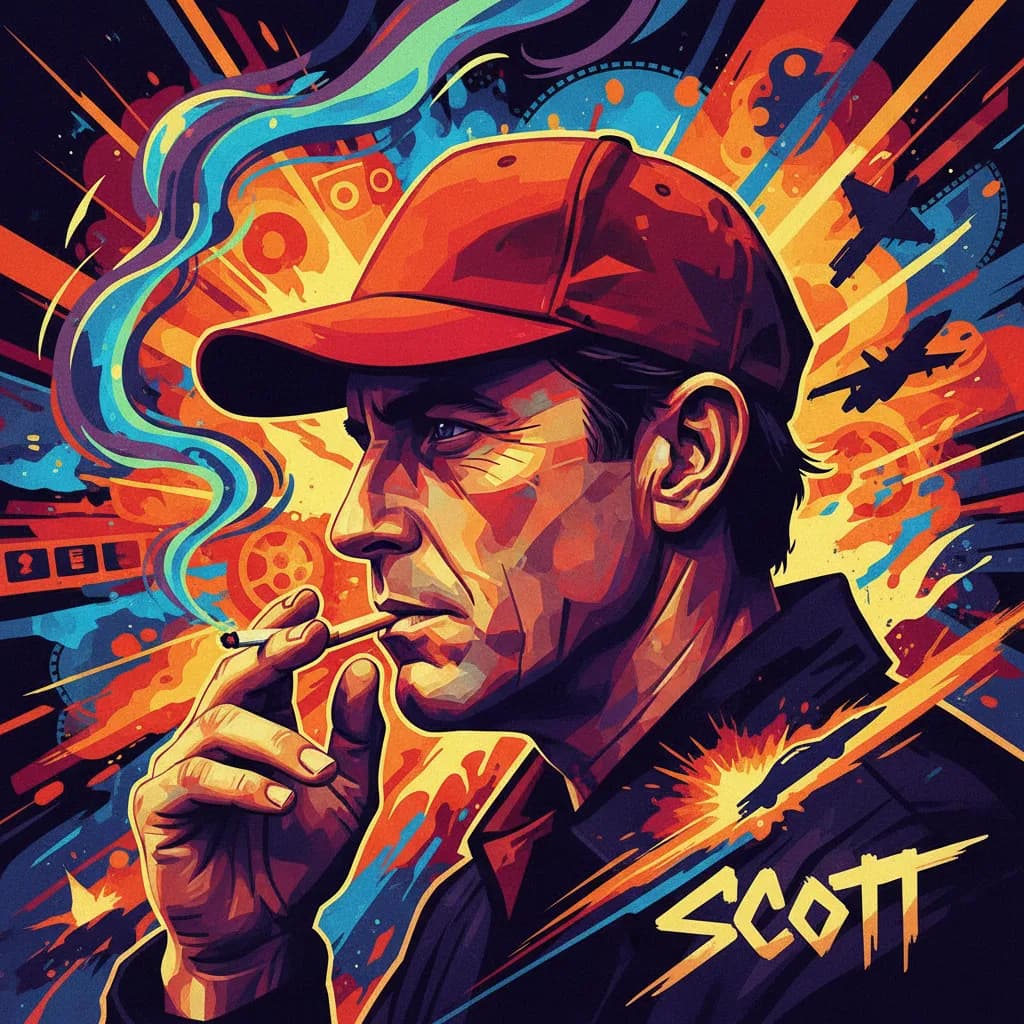
Tony Scott
Every film, ranked