Discover the visionary filmmakers behind cinema's greatest works.
Explore our selection of acclaimed directors and their remarkable films.
Showing 1501-1512 out of 4148

Henry Joost is a visionary director known for his unique blend of action, adventure, and mystery in the realm of cinema. His directorial style is characterized by a deft ability to infuse tension, excitement, and visually stunning storytelling into his films. With a career that has spanned various genres, Joost has made a lasting impact on audiences and the industry alike. One of Joost's notable films is "Nerve" (2016), an action-packed adventure that delves into the world of online gaming and dares to explore the darker side of social media. The film's thrilling narrative and dynamic visuals showcase Joost's adeptness at creating immersive and captivating storytelling experiences. Furthermore, his directorial prowess was further showcased in "Project Power" (2020), a compelling action-crime sci-fi film that seamlessly blends adrenaline-pumping sequences with thought-provoking themes. In "Paranormal Activity 3" (2011), Joost demonstrated his mastery of horror and mystery, as he skillfully crafted an atmosphere of fear and suspense, leaving a lasting impression on the genre. His ability to evoke genuine terror and unease through his direction solidified his status as a versatile and impactful director. Throughout his career, Joost has explored recurring themes of technology, human behavior, and the intricacies of modern society, all while pushing the boundaries of visual storytelling. His unique vision and ability to captivate audiences have cemented his place as a director to watch in the ever-evolving landscape of cinema. Henry Joost's contributions to film have been nothing short of influential, as he continues to push creative boundaries and captivate audiences with his distinct directorial style. With an impressive filmography that spans genres and captivates audiences, Joost's impact on the cinematic landscape is indisputable, making him a director worth watching for years to come.

Henry King was a prolific and versatile film director known for his ability to seamlessly transition across genres, from dramas to Westerns, leaving an indelible mark on cinema during the Golden Age of Hollywood. With a career spanning over five decades, King's directorial style was characterized by his meticulous attention to detail, emotive storytelling, and visually striking compositions. His films often delved into the complexities of human emotions, offering nuanced character studies against the backdrop of diverse settings and historical periods. One of King's most celebrated works, "Twelve O'Clock High" (1949), exemplified his directorial prowess, capturing the harrowing realities of war with unflinching authenticity. The film earned widespread acclaim for its compelling narrative, intense performances, and innovative use of aerial cinematography, cementing King's reputation as a master of wartime dramas. In "The Gunfighter" (1950), King shifted gears to the Western genre, delivering a taut and introspective exploration of a notorious gunslinger's struggle with his violent past. His adeptness at crafting multi-layered characters and evocative storytelling set a new standard for the Western genre, influencing future filmmakers and solidifying his legacy in cinematic history. Throughout his career, King's films often grappled with themes of heroism, sacrifice, and the human condition, resonating with audiences on a profound level. His ability to infuse his narratives with emotional depth and moral complexity distinguished him as a visionary storyteller with an enduring impact on the evolution of cinema. King's meticulous attention to historical accuracy and his commitment to authenticity in depicting diverse settings further elevated his status as a director with an unwavering dedication to his craft. Henry King's contributions to film continue to inspire contemporary filmmakers, with his legacy enduring through the timeless resonance of his cinematic oeuvre. As a director who fearlessly traversed various genres, his body of work stands as a testament to his creative ingenuity, artistic integrity, and lasting influence on the art of storytelling on the silver screen. Whether navigating the complexities of war or unraveling the human psyche in the Wild West, King's directorial vision remains an integral part of the cinematic tapestry, enriching the medium with his indelible mark.

Henry Koster, born Herman Kosterlitz, was a German-born American film director known for his versatile directorial style and his ability to seamlessly navigate between genres. Koster's career spanned over four decades, during which he directed a wide range of films, including comedies, dramas, and historical epics. His notable works include "Harvey" (1950), a heartwarming comedy-fantasy starring James Stewart, "The Bishop's Wife" (1947), a charming comedy-drama-fantasy featuring Cary Grant and Loretta Young, and "The Robe" (1953), a sweeping historical drama with elements of romance. Koster's directorial style was characterized by his adeptness at capturing the human experience with warmth, humor, and a touch of fantasy. His films often delved into themes of faith, redemption, and the power of love, showcasing his ability to infuse profound messages within entertaining narratives. Koster's attention to detail and his skillful handling of actors allowed him to create emotionally resonant stories that continue to captivate audiences to this day. Notably, "Harvey" remains one of Koster's most enduring works, praised for its whimsical storytelling and poignant exploration of friendship and acceptance. The film's enduring appeal and timeless themes have solidified its status as a classic in cinema history. Similarly, "The Bishop's Wife" and "The Robe" showcased Koster's ability to helm both intimate character-driven narratives and grand historical spectacles, demonstrating his versatility as a director. Koster's impact on cinema lies in his ability to craft films that transcend time and genre, leaving a lasting impression on audiences. His unique vision and storytelling prowess contributed to the richness and diversity of the cinematic landscape. Koster's legacy as a director continues to inspire contemporary filmmakers, and his films remain essential viewing for those seeking to explore the intersection of fantasy, humanity, and timeless storytelling in cinema.

Henry Selick is an influential and innovative film director known for his exceptional work in the realm of stop-motion animation. With a career spanning several decades, Selick has left an indelible mark on the film industry, consistently pushing the boundaries of storytelling and visual artistry. His directorial style is characterized by a meticulous attention to detail, a penchant for darkly whimsical narratives, and a mastery of the stop-motion technique. Selick's films often explore themes of imagination, identity, and the intersection of the real and the fantastical, captivating audiences of all ages. One of Selick's most iconic and enduring works is "The Nightmare Before Christmas" (1993), a darkly enchanting stop-motion musical that has become a beloved classic. The film's striking visuals and hauntingly beautiful storytelling have solidified its status as a cult favorite, earning Selick widespread acclaim and leaving an indelible impact on popular culture. Selick's directorial prowess was further showcased in "Coraline" (2009), a visually stunning adaptation of Neil Gaiman's novel, which expertly weaves together elements of horror, fantasy, and coming-of-age themes, appealing to both children and adults. In addition to his feature films, Selick has also ventured into the realm of television and streaming, demonstrating his versatility and adaptability as a director. His upcoming project "Wendell & Wild" (2022), a stop-motion animated film, holds promise as another captivating addition to his illustrious body of work. Selick's unique vision and steadfast commitment to craftsmanship have undeniably left an indelible mark on the world of animation and filmmaking, inspiring aspiring directors and captivating audiences with his unparalleled storytelling. Henry Selick's impact on cinema extends beyond his individual films, as he has played a pivotal role in elevating the art of stop-motion animation to new heights. His dedication to the craft and his ability to infuse his projects with a sense of wonder and imagination have positioned him as a trailblazer in the industry. As a director, Selick has consistently demonstrated an unwavering commitment to pushing boundaries, challenging conventions, and crafting immersive cinematic experiences that continue to resonate with audiences worldwide. His legacy as a visionary director and master storyteller is firmly cemented in the annals of film history, and his contributions to the medium will continue to inspire and captivate generations to come.

Herbert Ross was a prolific and versatile film director known for his ability to seamlessly tackle a wide range of genres, including comedy, drama, and romance. With an illustrious career that spanned several decades, Ross made a significant impact on the world of cinema through his unique directorial style and memorable films. He had a keen eye for storytelling and a knack for capturing authentic human emotions on screen, which resonated with audiences worldwide. One of Ross's most notable films, "Steel Magnolias" (1989), exemplifies his adeptness at blending heartwarming drama with comedic elements. The film, which boasts an ensemble cast of talented actresses, is a poignant exploration of female friendship and resilience, showcasing Ross's ability to bring out the best in his actors while delving into complex emotional narratives. Similarly, "The Goodbye Girl" (1977) and "My Blue Heaven" (1990) also highlight Ross's skill in crafting endearing romantic comedies that have stood the test of time. Ross's directorial prowess was not limited to lighthearted fare, as evidenced by his work on "Footloose" (1984), a beloved musical drama that has left an indelible mark on popular culture. The film's energetic dance sequences and poignant coming-of-age themes cemented Ross's reputation as a director capable of infusing vitality and depth into his storytelling. Additionally, "Boys on the Side" (1995) showcased his ability to navigate sensitive subjects with empathy and nuance, tackling issues of friendship, love, and adversity with a deft touch. Throughout his career, Ross demonstrated a penchant for exploring the intricacies of human relationships and the resilience of the human spirit, themes that are recurrent in many of his films. His impact on cinema is undeniable, as he left behind a legacy of captivating storytelling and memorable characters that continue to resonate with audiences. Herbert Ross's directorial vision and his ability to bring out the best in his actors have firmly secured his place as a revered figure in the history of filmmaking. (Search Engine Optimization: Herbert Ross, film director, Steel Magnolias, Footloose, directorial style, notable films, recurring themes, impact on cinema)

Herk Harvey was an American film director best known for his cult classic horror film, "Carnival of Souls" (1962). With a career that spanned over four decades, Harvey's impact on the horror genre and independent filmmaking is undeniable. His directorial style is characterized by an atmospheric and surreal approach, often blending elements of horror, mystery, and psychological thriller to create a sense of unease and dread. "Carnival of Souls" remains Harvey's most enduring legacy, hailed for its haunting and dreamlike visuals, as well as its pioneering use of location shooting in Lawrence, Kansas. The film's narrative, which follows a young woman who becomes increasingly haunted by supernatural occurrences after a traumatic car accident, showcases Harvey's penchant for psychological horror and existential dread. The film's eerie atmosphere and minimalist approach to storytelling have influenced countless filmmakers and solidified Harvey's reputation as a master of atmospheric horror. Throughout his career, Harvey demonstrated a knack for exploring themes of isolation, mortality, and the supernatural, often through the lens of ordinary individuals thrust into nightmarish scenarios. His ability to evoke a sense of existential unease and tap into primal fears set him apart as a visionary director in the realm of independent horror cinema. While "Carnival of Souls" remains Herk Harvey's most celebrated work, his contributions to the horror genre continue to resonate with audiences and filmmakers alike. His unique vision and uncompromising approach to storytelling have left an indelible mark on cinema, inspiring a new generation of filmmakers to push the boundaries of psychological horror and atmospheric storytelling. In conclusion, Herk Harvey's directorial career was defined by his ability to craft immersive and unsettling cinematic experiences that continue to captivate and terrify audiences to this day. His legacy as a visionary director in the realm of independent horror cinema is assured, and his influence on the genre is destined to endure for generations to come.


Herman Yau is a prolific and versatile Hong Kong film director known for his dynamic and diverse body of work. With a career spanning over three decades, Yau has made a significant mark on the industry with his unique directorial style and ability to seamlessly navigate various genres. He is particularly renowned for his action-packed biographical dramas, which have garnered widespread acclaim from audiences and critics alike. Yau's directorial prowess was evident in his 2010 film "The Legend Is Born: Ip Man," a gripping and visually stunning portrayal of the legendary martial artist Ip Man. The film expertly captures the essence of the martial arts genre, showcasing Yau's adeptness in handling intense fight sequences and conveying the emotional depth of his characters. Yau further solidified his reputation as a master of biographical dramas with "Ip Man: The Final Fight" (2013), a compelling exploration of the later years of Ip Man's life. Through his meticulous attention to detail and poignant storytelling, Yau brought the iconic figure to life on the silver screen, leaving a lasting impact on audiences worldwide. One of Yau's defining directorial traits is his ability to infuse his films with profound themes and social commentary. His work often delves into the complexities of human nature, resilience, and the pursuit of justice, resonating with audiences on a deeper level. Yau's films are characterized by their compelling narratives, breathtaking cinematography, and meticulous attention to historical accuracy, cementing his status as a visionary director with a keen eye for storytelling. Herman Yau's contributions to cinema extend beyond his directorial achievements, as he has played a pivotal role in shaping the landscape of Hong Kong cinema. His ability to seamlessly navigate between genres and infuse his films with authenticity and emotional depth has established him as a trailblazer in the industry. Yau's enduring impact on the world of filmmaking serves as a testament to his unparalleled talent and unwavering commitment to his craft. In summary, Herman Yau's illustrious career as a film director is a testament to his unparalleled talent and visionary approach to storytelling. Through his captivating biographical dramas and versatile directorial style, Yau has left an indelible mark on cinema, solidifying his status as a revered director with a profound impact on audiences and the industry as a whole.

Hernán Jiménez is a Costa Rican director known for his unique blend of comedy and romance in the film industry. His most notable work includes "Love Hard" (2021), a romantic comedy that showcases his directorial prowess and storytelling abilities. Jiménez's directorial style is characterized by his ability to infuse humor and heartwarming moments, creating a captivating and entertaining cinematic experience for audiences. "Love Hard" (2021) stands out as a testament to Jiménez's skill in capturing the complexities of modern romance, while also incorporating comedic elements that resonate with viewers. His ability to balance humor with heartfelt storytelling has solidified his reputation as a director with a keen understanding of human emotions and relationships. Throughout his career, Jiménez has demonstrated a penchant for exploring themes of love, connection, and the intricacies of human relationships. His films often feature relatable characters navigating the ups and downs of romance, offering a refreshing take on the genre. Jiménez's storytelling is marked by its authenticity and sincerity, drawing audiences into the emotional journeys of his characters. Jiménez's impact on cinema lies in his ability to breathe new life into the romantic comedy genre, infusing it with genuine emotion and relatable experiences. His unique vision and directorial approach have garnered praise from audiences and critics alike, establishing him as a director to watch in the realm of comedy and romance. In conclusion, Hernán Jiménez has carved a niche for himself in the film industry with his distinctive directorial style and ability to craft compelling narratives. With "Love Hard" (2021) as a standout example of his work, Jiménez continues to leave an indelible mark on cinema, captivating audiences with his heartfelt storytelling and comedic flair. His contributions to the romantic comedy genre have solidified his status as a director with a distinct voice and a promising future in the world of filmmaking.

Hettie Macdonald is a British director known for her unique and insightful storytelling in the world of cinema. With a career spanning several decades, Macdonald has left an indelible mark on the film industry through her distinctive directorial style and compelling narratives. Her notable film "Beautiful Thing" (1996) is a testament to her prowess in capturing the complexities of human relationships with authenticity and sensitivity. This comedy-drama-romance film resonated with audiences worldwide and solidified Macdonald's reputation as a director with a keen understanding of the human experience. Macdonald's directorial style is characterized by a deft ability to infuse her films with emotional depth and empathy. She has a talent for delving into the intricacies of human emotions, bringing out authentic performances from her actors, and crafting visually captivating scenes that linger in the minds of viewers long after the credits roll. "Beautiful Thing" exemplifies her directorial finesse, as she skillfully navigates the themes of love, identity, and acceptance with a delicate touch, creating a film that remains a beloved classic. Throughout her career, Macdonald has demonstrated a penchant for exploring themes of love, self-discovery, and the human experience, often through the lens of LGBTQ+ characters. Her work has contributed to the representation of diverse voices in cinema, paving the way for more inclusive storytelling. With "Beautiful Thing," Macdonald not only delivered a heartwarming coming-of-age story but also made a significant impact on LGBTQ+ representation in film, earning accolades for her authentic portrayal of queer characters and their journeys. Hettie Macdonald's legacy as a director is marked by her ability to craft compelling narratives that resonate on a deeply human level. Her films have left an enduring impression on audiences and have contributed to the cultural conversation surrounding love, identity, and acceptance. As a director, she continues to inspire with her unique vision and unwavering commitment to telling stories that celebrate the richness and diversity of the human experience. Hettie Macdonald's contributions to cinema have cemented her status as a visionary director whose work will continue to captivate and resonate with audiences for years to come.

Hideaki Anno is a renowned Japanese film director, screenwriter, and animator celebrated for his unique vision and distinctive contributions to cinema. Anno's directorial style is characterized by his ability to seamlessly blend elements of action, drama, and horror, often accompanied by thought-provoking narratives that delve into the human psyche. His films often explore existential themes and the complexities of human emotions, resonating with audiences on a profound level. Anno's most notable works include "Shin Godzilla" (2016), a gripping reimagining of the iconic monster franchise that garnered widespread acclaim for its captivating storytelling and masterful direction. Additionally, his involvement in the groundbreaking "Neon Genesis Evangelion" series, particularly "The End of Evangelion" (1997) and "Death & Rebirth" (1997), solidified his status as a visionary director in the realm of animation. These films are lauded for their innovative storytelling, compelling character development, and striking visual aesthetics. Throughout his career, Anno has consistently explored recurring themes such as the existential crisis, the impact of trauma, and the complexities of human relationships. His ability to intertwine these themes with mesmerizing visuals and compelling narratives has left an indelible mark on the cinematic landscape. Anno's influence extends beyond his native Japan, with his works inspiring and influencing filmmakers and animators worldwide. In conclusion, Hideaki Anno's directorial prowess and unparalleled ability to craft thought-provoking narratives have firmly established him as a trailblazer in the world of cinema. His visionary approach to storytelling, coupled with his profound exploration of human emotions, has earned him a well-deserved reputation as a masterful director. Anno's impact on cinema is undeniable, and his legacy continues to inspire a new generation of filmmakers, solidifying his status as a true visionary in the world of film.

Hideo Nakata is a revered Japanese film director known for his influential contributions to the horror genre. Born on July 19, 1961, in Okayama, Japan, Nakata's directorial career began to soar in the late 1990s, particularly with his seminal work on "Ringu" (1998). This film, a haunting and atmospheric horror-mystery, solidified Nakata as a master of creating palpable tension and spine-chilling terror. His adeptness at crafting an eerie, foreboding atmosphere and utilizing subtle, psychological horror elements quickly garnered international acclaim and solidified his status as a pioneering force in Asian horror cinema. Nakata's directorial style is characterized by his ability to delve into the depths of human fear, often through the exploration of supernatural and paranormal themes. His films are marked by a meticulous attention to detail, evocative visuals, and a knack for building suspense through carefully constructed narratives. Notably, Nakata's films often feature a focus on traditional Japanese folklore and the intersection of modernity with ancient, otherworldly forces. In addition to "Ringu," Nakata's directorial portfolio includes "Ring 2" (1999) and "The Ring Two" (2005), both of which further exemplify his proficiency in creating chilling, atmospheric horror experiences. Through these films, Nakata has left an indelible mark on the horror genre, inspiring a wave of international remakes and influencing a generation of filmmakers. Nakata's impact on cinema extends beyond his directorial prowess, as he has played a pivotal role in popularizing J-horror and introducing global audiences to the distinct, chilling allure of Japanese horror storytelling. His work has not only garnered critical acclaim but has also influenced a new wave of horror filmmakers both in Japan and abroad, solidifying his legacy as a visionary director who has reshaped the landscape of horror cinema. In conclusion, Hideo Nakata's directorial career is defined by his unparalleled ability to evoke primal fear and unease, his distinct directorial style, and his enduring impact on the horror genre. His filmography stands as a testament to his mastery of crafting atmospheric, bone-chilling experiences, making him a revered figure in the realm of horror cinema. Nakata's unique vision and significant contributions have left an indelible mark on the world of film, ensuring his place as a luminary in the realm of horror and genre filmmaking.

Hiroaki Andô is a renowned Japanese animation director celebrated for his distinctive visual style and unparalleled storytelling prowess. With a career spanning several decades, Andô has left an indelible mark on the world of cinema, particularly in the realm of anime. His most notable work includes the critically acclaimed film "Tekkonkinkreet" (2006), a visually stunning and emotionally resonant animation that showcases Andô's directorial prowess. Andô's directorial style is characterized by its meticulous attention to detail, evocative imagery, and a seamless blend of action and adventure. His films often feature complex characters navigating compelling narrative arcs within richly realized worlds. "Tekkonkinkreet" exemplifies his ability to infuse depth and emotion into his storytelling while delivering breathtaking action sequences and awe-inspiring visuals. Notably, Andô's works frequently explore themes of resilience, friendship, and the human spirit amidst adversity. His films delve into the complexities of human emotions and relationships, offering audiences an immersive and thought-provoking experience. Through his masterful storytelling and visionary approach to animation, Andô has solidified his status as a director capable of crafting visually arresting and emotionally impactful narratives. Andô's influence on cinema extends beyond his individual projects, as his work has contributed to the global recognition and appreciation of Japanese animation. His unique vision and directorial acumen have helped elevate the medium, inspiring a new generation of filmmakers and captivating audiences worldwide. With a legacy defined by innovation and artistry, Hiroaki Andô continues to be a trailblazing force in the world of animation, leaving an enduring impact on the cinematic landscape.
Every film by the greats, ranked by our TML Score.

Christopher Nolan
Every film, ranked

Quentin Tarantino
Every film, ranked

Stanley Kubrick
Every film, ranked

Martin Scorsese
Every film, ranked

Steven Spielberg
Every film, ranked

Alfred Hitchcock
Every film, ranked

David Fincher
Every film, ranked

Denis Villeneuve
Every film, ranked

Wes Anderson
Every film, ranked

Paul Thomas Anderson
Every film, ranked

Ridley Scott
Every film, ranked

Tim Burton
Every film, ranked

Guillermo del Toro
Every film, ranked

Hayao Miyazaki
Every film, ranked

Akira Kurosawa
Every film, ranked

Francis Ford Coppola
Every film, ranked

Clint Eastwood
Every film, ranked

Bong Joon Ho
Every film, ranked

Woody Allen
Every film, ranked

Steven Soderbergh
Every film, ranked

Ron Howard
Every film, ranked

Pedro Almodóvar
Every film, ranked

Richard Linklater
Every film, ranked

Roman Polanski
Every film, ranked

Brian De Palma
Every film, ranked

Ingmar Bergman
Every film, ranked

Oliver Stone
Every film, ranked

David Cronenberg
Every film, ranked

Robert Zemeckis
Every film, ranked

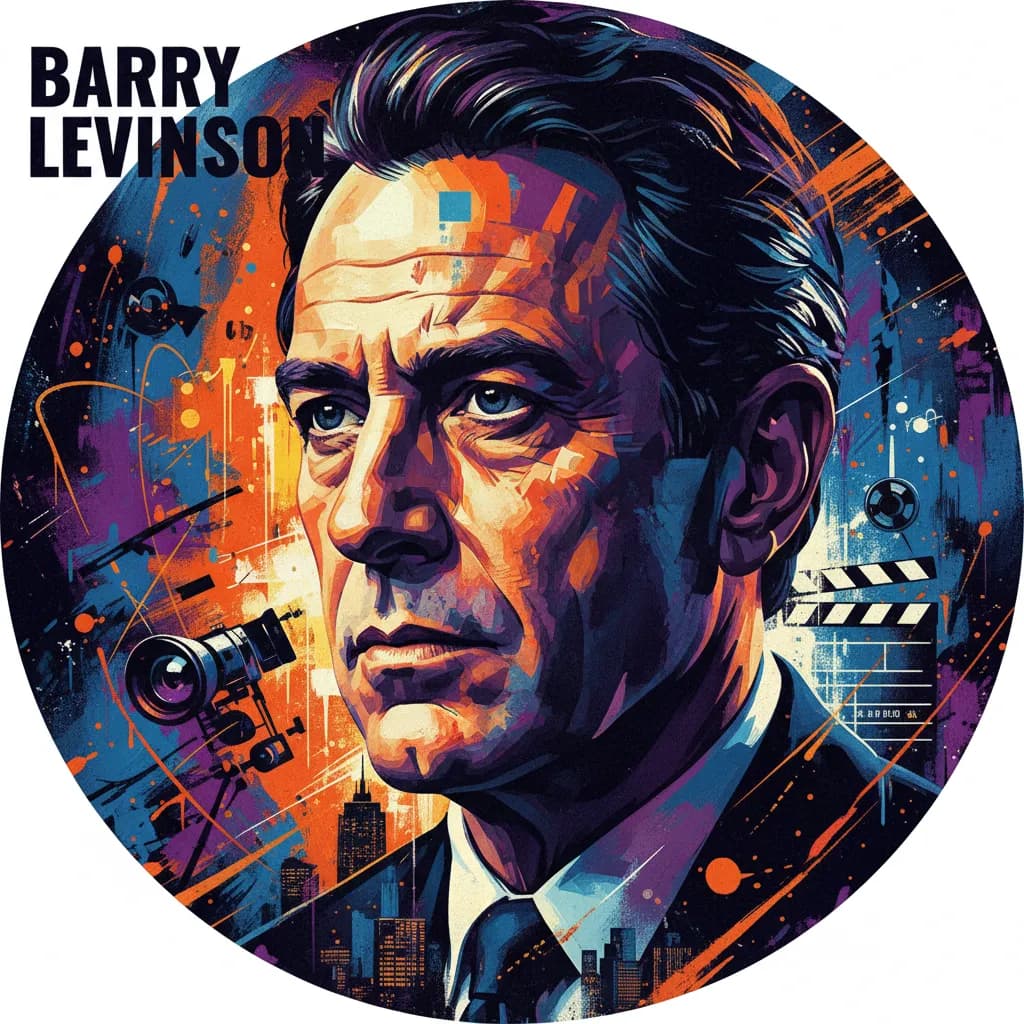
Barry Levinson
Every film, ranked

John Carpenter
Every film, ranked

Joel Schumacher
Every film, ranked

Billy Wilder
Every film, ranked

Rob Reiner
Every film, ranked

Neil Jordan
Every film, ranked

Spike Lee
Every film, ranked

Ivan Reitman
Every film, ranked

John Woo
Every film, ranked

Lasse Hallström
Every film, ranked

Stephen Frears
Every film, ranked

Luc Besson
Every film, ranked

Chris Columbus
Every film, ranked

Mike Nichols
Every film, ranked

Howard Hawks
Every film, ranked

Ang Lee
Every film, ranked

Walter Hill
Every film, ranked

Gus Van Sant
Every film, ranked

William Wyler
Every film, ranked

Renny Harlin
Every film, ranked

Sidney Lumet
Every film, ranked

Tony Scott
Every film, ranked