Discover the visionary filmmakers behind cinema's greatest works.
Explore our selection of acclaimed directors and their remarkable films.
Showing 1513-1524 out of 4148

Hirokazu Koreeda is a highly acclaimed Japanese film director known for his poignant and emotionally resonant storytelling. With a career spanning over two decades, Koreeda has made a significant impact on world cinema with his thought-provoking and intimate portrayals of family dynamics and human relationships. His directorial style is characterized by a keen attention to detail, empathetic exploration of characters, and a deep understanding of the complexities of human emotions. One of Koreeda's most notable films is "Shoplifters" (2018), which won the Palme d'Or at the Cannes Film Festival. The film delves into the lives of a makeshift family living on the margins of society, touching on themes of poverty, morality, and the meaning of family. Koreeda's ability to evoke empathy for his characters and his skillful portrayal of human vulnerability has earned him widespread acclaim. Another significant work in Koreeda's filmography is "Nobody Knows" (2004), based on a true story of four children abandoned by their mother. The film skillfully captures the resilience and strength of the children as they navigate the challenges of survival and emotional abandonment. Koreeda's compassionate approach to storytelling and his ability to draw out authentic performances from his cast have solidified his reputation as a master storyteller. Koreeda's recurring themes of family, memory, and the human experience have resonated with audiences and critics alike, earning him a dedicated international following. His films often confront societal issues and moral dilemmas, inviting viewers to reflect on the complexities of human nature and the bonds that connect us. With a diverse filmography that includes dramas, comedies, and crime thrillers, Koreeda continues to push the boundaries of cinematic storytelling while staying true to his unique vision. In an industry often dominated by spectacle and high-stakes narratives, Koreeda's films stand out for their quiet yet profound impact, offering audiences a glimpse into the intricacies of the human condition. His contributions to cinema have not only earned him numerous awards and accolades but have also influenced a new generation of filmmakers, cementing his legacy as a visionary director with an enduring impact on the art of storytelling through film. SEO Keywords: Hirokazu Koreeda, film director, Shoplifters, Nobody Knows, family dynamics, human relationships, Japanese cinema, Palme d'Or, Cannes Film Festival, storytelling, empathy, human vulnerability, international film, cinematic storytelling

Hiromasa Yonebayashi is a Japanese film director renowned for his exceptional work in animation. Yonebayashi began his career at Studio Ghibli, where he honed his craft under the mentorship of the legendary Hayao Miyazaki. His directorial debut came with "Kari-gurashi no Arietti" (The Secret World of Arrietty) in 2010, a visually stunning and emotionally resonant film that showcased his unique storytelling abilities. The movie received critical acclaim for its breathtaking animation, compelling characters, and enchanting narrative, firmly establishing Yonebayashi as a promising director in the animation genre. Yonebayashi's directorial style is characterized by meticulous attention to detail, richly developed characters, and a profound exploration of human emotions. His films often feature young protagonists navigating extraordinary worlds, grappling with complex themes such as friendship, identity, and the wonders of the natural world. "Mary and the Witch's Flower" (2017) marked Yonebayashi's first project with Studio Ponoc, where he continued to captivate audiences with his immersive storytelling and visually captivating animation. This film further solidified his reputation as a masterful director capable of delivering enchanting and thought-provoking cinematic experiences. One of Yonebayashi's most notable works is "When Marnie Was There" (2014), a poignant and introspective film that delves into themes of loneliness, self-discovery, and the transcendent power of human connection. The movie received widespread acclaim for its evocative storytelling and profound emotional depth, further establishing Yonebayashi as a director capable of crafting deeply affecting narratives that resonate with audiences of all ages. Yonebayashi's impact on cinema is profound, as he has contributed to the enduring legacy of Japanese animation and solidified his status as a visionary director. His films continue to inspire and captivate audiences worldwide, earning him a dedicated following of admirers who appreciate his unparalleled ability to infuse animation with profound emotional resonance. As Yonebayashi continues to evolve as a director, his contributions to the world of cinema are sure to leave an indelible mark on the medium, further cementing his status as a pioneering force in the realm of animated storytelling.


Hiro Murai is a visionary director known for his distinct style and innovative approach to storytelling. His directorial debut came with the highly acclaimed film "Guava Island" in 2019, a captivating blend of comedy, drama, and music. Murai's work is characterized by his ability to seamlessly merge various genres while infusing them with thought-provoking narratives and visually striking aesthetics. Murai's directorial style is marked by a meticulous attention to detail and a keen eye for capturing the human experience. He has a remarkable ability to evoke emotions through his storytelling, often delving into complex themes such as love, identity, and societal issues. His films are a testament to his versatility as a director, effortlessly navigating between lighthearted moments and profound introspection. One of Murai's notable contributions to cinema is his role in shaping the visual landscape of contemporary music videos. He has directed music videos for renowned artists such as Childish Gambino, Kendrick Lamar, and The Shins, garnering widespread acclaim for his visually stunning and conceptually rich work. Murai's influence extends beyond the realm of traditional filmmaking, as he continues to push the boundaries of visual storytelling through his music video direction. In addition to his remarkable directorial work, Murai's impact on cinema lies in his ability to challenge conventions and redefine storytelling norms. His films often feature unconventional narratives and non-linear storytelling, inviting audiences to engage with the medium in new and exciting ways. Murai's willingness to experiment with form and structure has solidified his status as a trailblazer in the film industry, inspiring a new generation of filmmakers to push the boundaries of creative expression. Overall, Hiro Murai's directorial career is a testament to his unparalleled vision and unwavering commitment to pushing the boundaries of storytelling. His ability to seamlessly blend genres, evoke profound emotions, and redefine visual storytelling has cemented his status as a pioneering force in contemporary cinema. As he continues to captivate audiences with his thought-provoking narratives and visually arresting work, Murai's impact on the film industry is sure to endure for years to come.

Hironobu Sakaguchi is a renowned Japanese director and game designer, best known for his groundbreaking work in the realm of animation and adventure. With a career spanning several decades, Sakaguchi has left an indelible mark on the entertainment industry, particularly through his directorial debut in the groundbreaking film "Final Fantasy: The Spirits Within" (2001). As the creative force behind this animated masterpiece, Sakaguchi showcased his unique directorial style, blending captivating storytelling with cutting-edge animation and immersive action sequences. "Final Fantasy: The Spirits Within" stands as a testament to Sakaguchi's visionary approach to filmmaking, as he seamlessly integrated stunning visuals with a compelling narrative, setting a new standard for animated movies. The film's seamless fusion of technology and storytelling underscored Sakaguchi's commitment to pushing boundaries and redefining the cinematic experience. This achievement not only solidified his status as a directorial trailblazer but also cemented his impact on the animation and adventure genres. Sakaguchi's directorial style is characterized by a meticulous attention to detail, immersive world-building, and a penchant for infusing his films with emotional depth and philosophical themes. His directorial approach often revolves around exploring the human condition, the nature of existence, and the interplay between technology and humanity. These recurring themes have resonated with audiences worldwide, earning him a dedicated fan base and critical acclaim. In addition to "Final Fantasy: The Spirits Within," Sakaguchi's contributions to cinema extend beyond his directorial achievements. His influence as a game designer, particularly in the iconic "Final Fantasy" video game series, has had a profound impact on the convergence of gaming and storytelling, further solidifying his legacy as a visionary in the entertainment industry. As a pioneer in animation and adventure filmmaking, Hironobu Sakaguchi's enduring legacy continues to inspire a new generation of filmmakers and storytellers, cementing his status as a true master of his craft.

Hiroshi Haraguchi is a Japanese film director renowned for his groundbreaking work in animation, action, and drama. His most notable film, "Evangelion: 1.0 You Are (Not) Alone," released in 2007, stands as a testament to his directorial prowess and innovative storytelling. Haraguchi's directorial style is characterized by his meticulous attention to detail, visually stunning animation, and an ability to evoke deep emotional resonance from his audience. With "Evangelion: 1.0 You Are (Not) Alone," Haraguchi introduced a new dimension to the world of animation and action films. The movie's seamless blend of captivating visuals and compelling storytelling captivated audiences worldwide, solidifying Haraguchi's status as a visionary director. His ability to infuse depth and complexity into his characters and narratives sets him apart as a director with a unique and impactful vision. Throughout his career, Haraguchi has explored recurring themes such as existentialism, human emotions, and the complexities of interpersonal relationships. His films often delve into the psychological and emotional aspects of the human experience, challenging audiences to reflect on deeper philosophical questions. Haraguchi's thought-provoking storytelling and visually striking imagery have left an indelible mark on the world of cinema, inspiring a new generation of filmmakers and animators. Haraguchi's impact on cinema extends beyond his individual films, as his innovative techniques and storytelling have influenced and shaped the animation and action genres. His visionary approach to directing has set a new standard for animated films, pushing the boundaries of what is possible within the medium. As a director, Haraguchi continues to inspire and awe audiences with his unparalleled creativity and commitment to pushing the artistic envelope. In conclusion, Hiroshi Haraguchi is a groundbreaking film director whose visionary storytelling and innovative approach to animation have left an indelible mark on the world of cinema. With "Evangelion: 1.0 You Are (Not) Alone" as his crowning achievement, Haraguchi has solidified his legacy as a director with a unique and impactful vision. His ability to seamlessly blend captivating visuals with emotionally resonant storytelling sets him apart as a true master of his craft, and his influence on the animation and action genres will continue to be felt for years to come.

Hiroshi Teshigahara was a Japanese film director known for his unique and influential contributions to cinema. Born in 1927, Teshigahara's directorial career was marked by his distinct visual style and thought-provoking storytelling. He is best remembered for his iconic film "Woman in the Dunes" (1964), a mesmerizing blend of drama and thriller that garnered widespread acclaim and solidified his reputation as a visionary director. Teshigahara's directorial style was characterized by his keen eye for striking imagery and his ability to create tension and atmosphere through meticulous framing and cinematography. His films often delved into existential and philosophical themes, captivating audiences with their introspective narratives and thought-provoking symbolism. "Woman in the Dunes" exemplifies Teshigahara's ability to craft immersive and psychologically intense experiences, earning him international recognition and accolades. Throughout his career, Teshigahara explored recurring themes such as the human condition, isolation, and the complexities of interpersonal relationships. His films were renowned for their ability to provoke contemplation and evoke emotional resonance, leaving a lasting impact on viewers long after the credits rolled. Teshigahara's directorial prowess extended beyond traditional storytelling, as he skillfully utilized visual and sensory elements to engage audiences on a profound level. Hiroshi Teshigahara's influence on cinema is undeniable, as his visionary approach to filmmaking continues to inspire directors and cinephiles alike. His legacy is defined by a commitment to pushing artistic boundaries and challenging conventional norms, cementing his status as a pioneering figure in the world of cinema. Teshigahara's body of work stands as a testament to his unparalleled creativity and his enduring impact on the art of storytelling through the lens of a camera.

Hirotoshi Rissen is a visionary director known for his groundbreaking work in the field of animation and music-themed films. His most notable work includes the visually stunning and musically captivating "Interstella 5555: The 5tory of the 5ecret 5tar 5ystem" (2003). Rissen's directorial style is characterized by his seamless integration of music and storytelling, creating a truly immersive and mesmerizing cinematic experience for audiences. "Interstella 5555" stands as a testament to Rissen's ability to blend animation, adventure, and music into a cohesive and emotionally resonant narrative. The film, which serves as an extended music video for Daft Punk's album "Discovery," showcases Rissen's talent for translating musical themes into captivating visual storytelling. His use of vibrant animation and imaginative world-building has left a lasting impact on the animation genre and has garnered a dedicated following among fans of both music and film. Rissen's work often explores themes of identity, creativity, and the transformative power of music, offering audiences a thought-provoking and emotionally rich viewing experience. His ability to convey complex narratives through the marriage of music and animation has solidified his reputation as a director with a unique and innovative vision. Rissen's contribution to cinema extends beyond his directorial work, as he has demonstrated a commitment to pushing the boundaries of traditional storytelling and visual aesthetics. His films have served as a source of inspiration for aspiring filmmakers and have contributed to the evolution of the animation genre as a whole. In summary, Hirotoshi Rissen's directorial career has been defined by his ability to merge music and animation into compelling and visually stunning narratives. His impact on cinema is undeniable, and his work continues to influence and inspire both filmmakers and audiences alike. With a distinct directorial style and a dedication to pushing creative boundaries, Rissen remains a revered figure in the world of animation and music-driven filmmaking.

Hiroyuki Morita is a renowned Japanese film director recognized for his exceptional contributions to the world of animation. Morita's directorial style is characterized by his ability to infuse whimsy, charm, and a touch of magic into his storytelling, captivating audiences of all ages. His notable film, "The Cat Returns" (2002), exemplifies his mastery in crafting enchanting narratives with endearing characters and captivating visuals. "The Cat Returns" showcases Morita's distinct directorial approach, blending elements of animation, adventure, and comedy to create a delightful cinematic experience. His adeptness in bringing to life richly imaginative worlds and endearing characters is a hallmark of his directorial prowess. Morita's films often resonate with audiences for their heartwarming themes, lighthearted humor, and profound storytelling, making them beloved classics in the realm of animated cinema. Throughout his career, Morita has demonstrated a penchant for exploring themes of self-discovery, friendship, and the power of imagination, which are recurrent motifs in his directorial repertoire. His ability to infuse profound messages into visually stunning and emotionally resonant narratives has cemented his reputation as a visionary director with a unique storytelling sensibility. Morita's impact on cinema extends beyond his individual works, as he has contributed to the rich tapestry of animated storytelling, inspiring and influencing generations of filmmakers and audiences alike. His dedication to pushing the boundaries of animated filmmaking and his ability to evoke a sense of wonder through his storytelling have solidified his status as a luminary in the world of animation. In summary, Hiroyuki Morita's directorial career is defined by his remarkable ability to transport audiences into enchanting worlds, where imagination knows no bounds. His indelible mark on animated cinema is evident in the enduring appeal of his films and the profound impact of his storytelling, cementing his legacy as a visionary director revered for his exceptional contributions to the art of filmmaking.

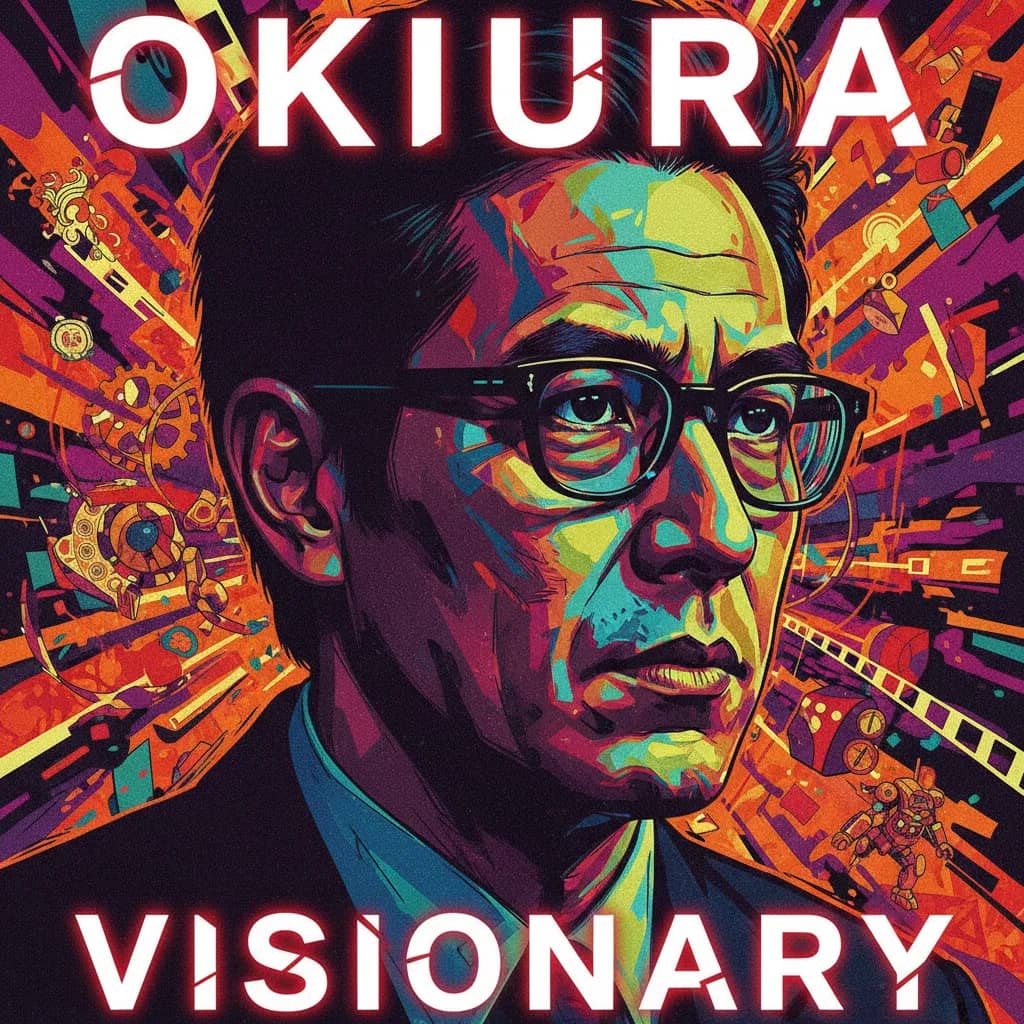
Hiroyuki Okiura is a renowned Japanese animator and director, recognized for his distinct directorial style and visually stunning works. He made his directorial debut with the critically acclaimed "Jin-Roh: The Wolf Brigade" in 1999, a captivating blend of animation, action, and drama. The film garnered international acclaim for its meticulous attention to detail, immersive storytelling, and emotionally resonant characters. Okiura's meticulous approach to animation and storytelling set a new standard in the industry, earning him a reputation as a visionary director. In 2001, Okiura further solidified his reputation with "Cowboy Bebop: The Movie," a thrilling animated feature that seamlessly combined action and crime elements. The film showcased Okiura's ability to craft compelling narratives within the animated medium, captivating audiences with its dynamic visuals and gripping storytelling. Okiura's directorial prowess was evident in his ability to infuse depth and complexity into his characters, elevating the animated genre to new heights. Okiura's directorial style is characterized by his meticulous attention to detail, nuanced storytelling, and visually stunning animation. His films often explore complex themes and emotions, delving into the human experience with depth and sensitivity. Okiura's works are known for their immersive storytelling, captivating audiences with their striking imagery and thought-provoking narratives. Throughout his career, Okiura has made a significant impact on the world of animation and cinema, inspiring a new generation of filmmakers and animators. His unique vision and directorial approach have left an indelible mark on the industry, earning him a place among the most influential directors in the world of animation. Okiura's ability to blur the lines between animation and live-action storytelling has redefined the possibilities of the medium, cementing his status as a trailblazer in the world of animation and filmmaking.

Hiroyuki Yamashita is a highly acclaimed Japanese animation director known for his work on the critically acclaimed "Boruto: Naruto The Movie" (2015). With a keen eye for detail and a passion for storytelling, Yamashita has made significant contributions to the world of anime with his exceptional directorial style and visionary approach to filmmaking. Yamashita's directorial style is characterized by his ability to seamlessly blend intense action sequences with emotionally resonant storytelling. His meticulous attention to visual detail and dynamic camera work has made him a standout talent in the animation industry. "Boruto: Naruto The Movie" stands as a testament to his directorial prowess, as he expertly brought to life the beloved characters of the Naruto franchise while injecting the film with his own unique creative flair. Notable for his ability to infuse his films with a sense of adventure and excitement, Yamashita has a knack for capturing the essence of the source material while adding his own imaginative touches. His work often explores themes of growth, friendship, and the triumph of the human spirit, resonating with audiences of all ages. Yamashita's impact on cinema extends beyond his individual films, as he has influenced a new generation of animators and directors with his innovative approach to storytelling and animation. With "Boruto: Naruto The Movie," Hiroyuki Yamashita has solidified his reputation as a visionary director in the world of anime. His ability to create visually stunning, emotionally compelling narratives has left an indelible mark on the industry, and his contributions continue to inspire and captivate audiences worldwide. As a master storyteller and visionary director, Yamashita's work embodies the true essence of cinematic artistry, making him a revered figure in the realm of animation.

Hitesh Bhatia is an accomplished Indian film director known for his distinct storytelling style and ability to seamlessly blend humor with heartfelt emotions. His most notable work includes the highly anticipated film "Sharmaji Namkeen," which is set to release in 2022. Bhatia's directorial approach often revolves around exploring the intricacies of family dynamics and human relationships, all while infusing his narratives with a generous dose of humor and warmth. "Sharmaji Namkeen" is a testament to Bhatia's directorial prowess, as it promises to deliver a compelling mix of comedy, drama, and family-centric themes. The film is poised to showcase Bhatia's ability to craft relatable and endearing characters while navigating the complexities of everyday life with levity and sincerity. With this latest project, Bhatia continues to solidify his reputation as a director who can adeptly capture the essence of human experiences with authenticity and charm. Throughout his career, Bhatia has demonstrated a keen understanding of the human condition, often delving into themes such as love, loss, and the pursuit of happiness. His directorial style is characterized by a seamless fusion of lighthearted humor and poignant storytelling, creating a cinematic experience that resonates deeply with audiences. Bhatia's work reflects a commitment to crafting narratives that celebrate the nuances of life, all while inviting viewers to laugh, cry, and reflect on the universal truths that bind us together. Bhatia's impact on Indian cinema is undeniable, as he continues to carve a niche for himself as a director with a penchant for crafting compelling, family-oriented narratives. His ability to infuse his films with genuine emotion and relatable experiences has garnered him a dedicated fan base and critical acclaim. As "Sharmaji Namkeen" prepares to make its mark on the cinematic landscape, Bhatia's influence as a director remains poised to endure, leaving an indelible impression on the fabric of Indian cinema for years to come.

Hitesh Kewalya is an Indian film director known for his work in the Bollywood industry. His notable directorial venture, "Shubh Mangal Zyada Saavdhan" (2020), stands as a testament to his unique storytelling prowess. Kewalya's directorial style is characterized by his ability to blend comedy, romance, and social commentary seamlessly, creating films that are both entertaining and thought-provoking. "Shubh Mangal Zyada Saavdhan" is a groundbreaking film that explores the taboo subject of same-sex relationships in a conservative Indian society. Kewalya's approach to this sensitive topic is marked by a perfect balance of humor and emotional depth, making the film not only a box office success but also a significant contribution to the representation of LGBTQ+ narratives in Indian cinema. Throughout his career, Kewalya has demonstrated a penchant for tackling societal issues with a lighthearted yet impactful narrative. His films often delve into themes of love, acceptance, and breaking societal norms, resonating with audiences on a profound level. His ability to infuse social messages within entertaining storylines has set him apart as a director with a unique vision and a commitment to using cinema as a medium for social change. Kewalya's impact on Indian cinema is evident in his ability to push boundaries and address important social issues through his work. With "Shubh Mangal Zyada Saavdhan," he has not only entertained audiences but also contributed to the normalization and acceptance of LGBTQ+ relationships in mainstream Bollywood. As Kewalya continues to make his mark in the industry, it is clear that his distinct directorial style and dedication to meaningful storytelling will continue to shape the landscape of Indian cinema for years to come.
Every film by the greats, ranked by our TML Score.

Christopher Nolan
Every film, ranked

Quentin Tarantino
Every film, ranked

Stanley Kubrick
Every film, ranked

Martin Scorsese
Every film, ranked

Steven Spielberg
Every film, ranked

Alfred Hitchcock
Every film, ranked

David Fincher
Every film, ranked

Denis Villeneuve
Every film, ranked

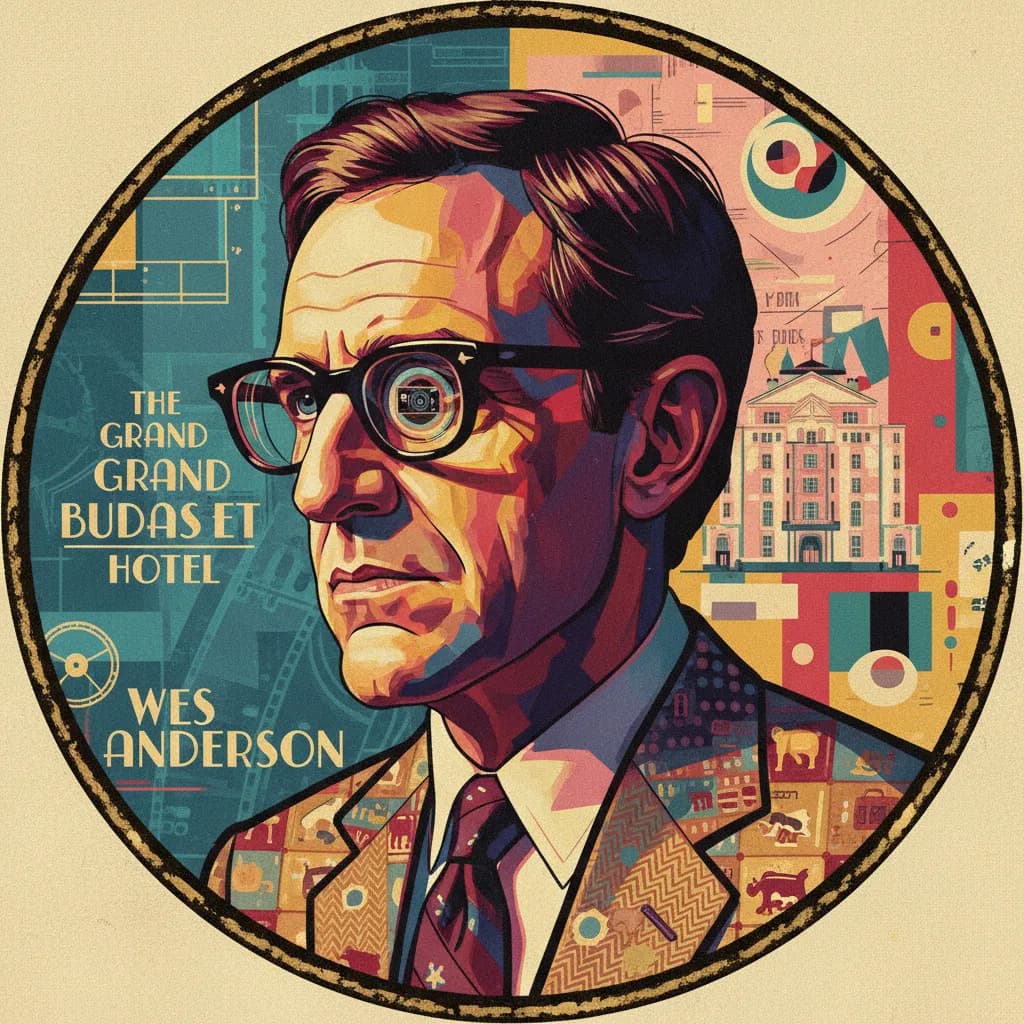
Wes Anderson
Every film, ranked

Paul Thomas Anderson
Every film, ranked

Ridley Scott
Every film, ranked

Tim Burton
Every film, ranked

Guillermo del Toro
Every film, ranked

Hayao Miyazaki
Every film, ranked

Akira Kurosawa
Every film, ranked

Francis Ford Coppola
Every film, ranked

Clint Eastwood
Every film, ranked

Bong Joon Ho
Every film, ranked

Woody Allen
Every film, ranked

Steven Soderbergh
Every film, ranked

Ron Howard
Every film, ranked

Pedro Almodóvar
Every film, ranked

Richard Linklater
Every film, ranked

Roman Polanski
Every film, ranked

Brian De Palma
Every film, ranked

Ingmar Bergman
Every film, ranked

Oliver Stone
Every film, ranked

David Cronenberg
Every film, ranked

Robert Zemeckis
Every film, ranked

Barry Levinson
Every film, ranked

John Carpenter
Every film, ranked

Joel Schumacher
Every film, ranked

Billy Wilder
Every film, ranked

Rob Reiner
Every film, ranked

Neil Jordan
Every film, ranked

Spike Lee
Every film, ranked

Ivan Reitman
Every film, ranked

John Woo
Every film, ranked

Lasse Hallström
Every film, ranked

Stephen Frears
Every film, ranked

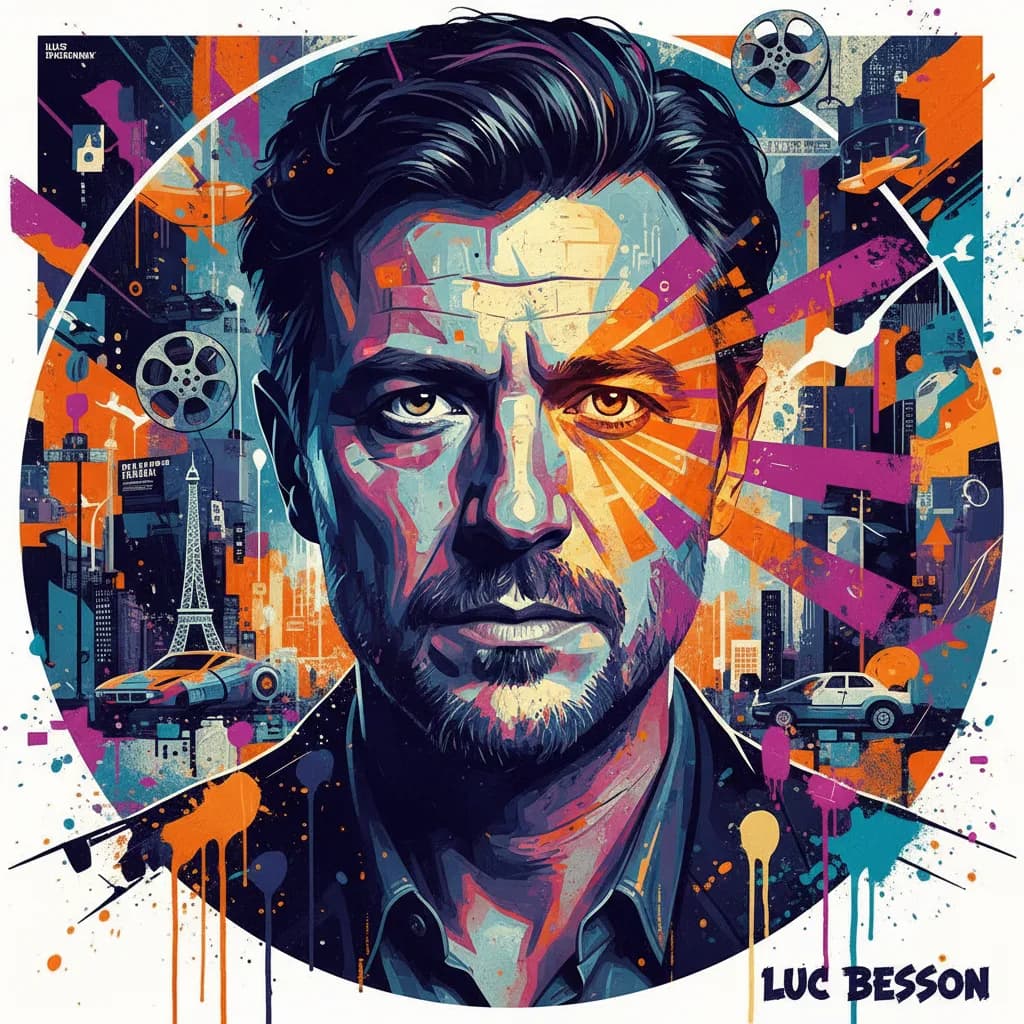
Luc Besson
Every film, ranked

Chris Columbus
Every film, ranked

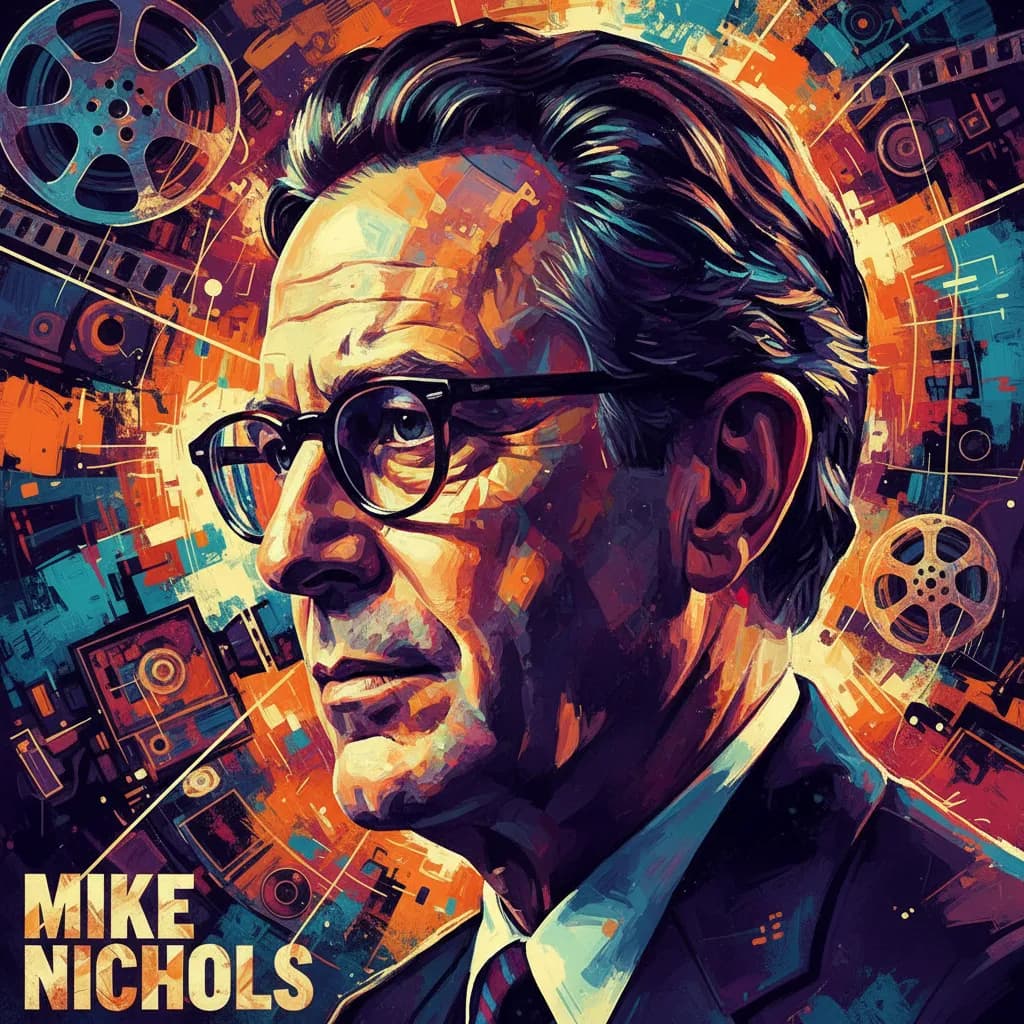
Mike Nichols
Every film, ranked

Howard Hawks
Every film, ranked

Ang Lee
Every film, ranked

Walter Hill
Every film, ranked

Gus Van Sant
Every film, ranked

William Wyler
Every film, ranked

Renny Harlin
Every film, ranked

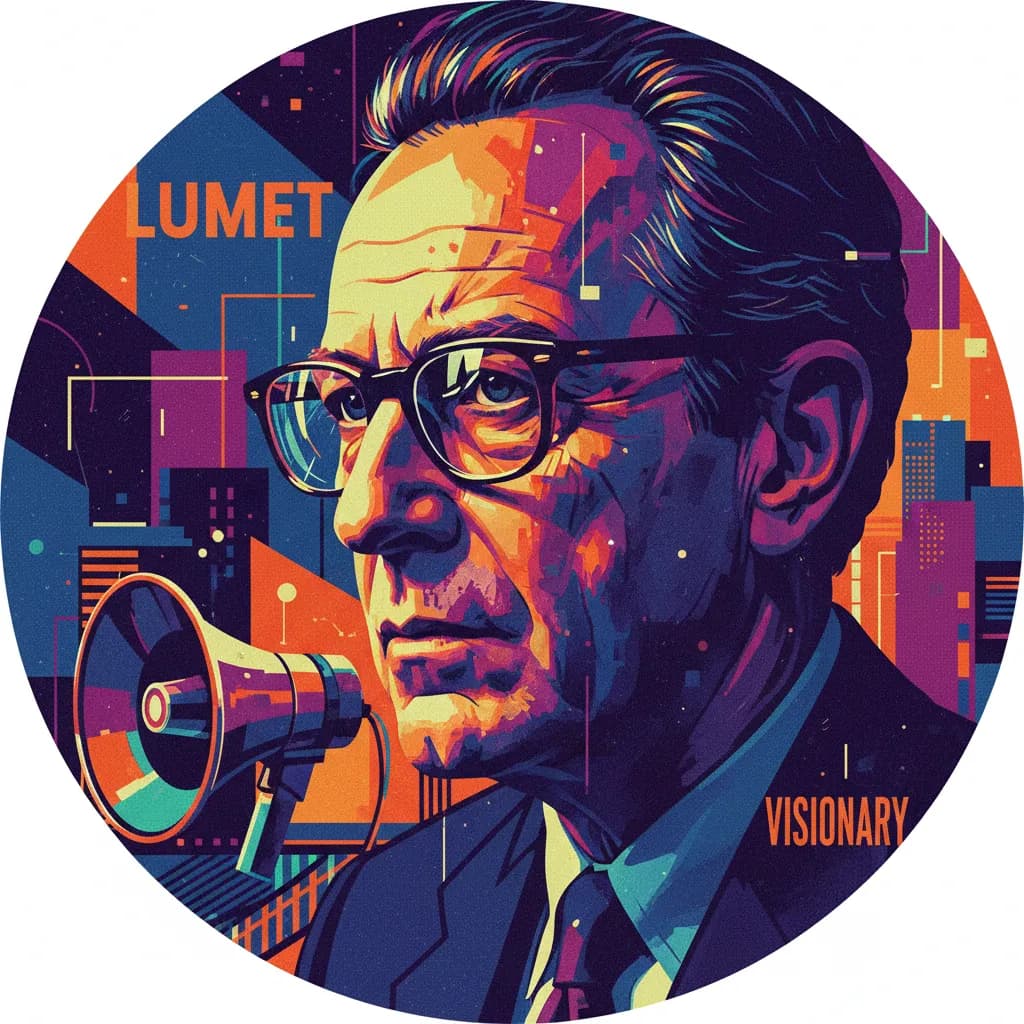
Sidney Lumet
Every film, ranked

Tony Scott
Every film, ranked