Discover the visionary filmmakers behind cinema's greatest works.
Explore our selection of acclaimed directors and their remarkable films.
Showing 1489-1500 out of 4148

Heavenveer Singh Hayer is a rising talent in the Indian film industry, known for his gripping directorial style and compelling storytelling. His directorial debut came in 2021 with the film "Dhamaka," a crime drama thriller that captivated audiences and critics alike. Hayer's unique vision and directorial prowess have quickly garnered attention, establishing him as a promising director to watch. "Dhamaka" showcased Hayer's ability to masterfully blend elements of crime, drama, and thriller genres, demonstrating his versatility as a filmmaker. His directorial style is characterized by bold storytelling, intense character development, and a keen eye for capturing the human experience within the context of high-stakes narratives. Hayer's impact on cinema lies in his ability to tackle complex and thought-provoking themes, often delving into the darker aspects of human nature while maintaining a sense of emotional depth and authenticity. His directorial work reflects a commitment to pushing boundaries and challenging conventions, earning him a reputation for creating films that leave a lasting impression on audiences. With "Dhamaka," Hayer has solidified his position as a director with a distinct voice and a penchant for crafting gripping narratives that resonate with viewers. His contributions to Indian cinema have not only garnered critical acclaim but have also sparked conversations about the future of storytelling in the industry. As he continues to evolve as a filmmaker, Heavenveer Singh Hayer is poised to make a significant impact on the global film landscape, cementing his status as a visionary director with the potential to shape the future of cinema.

Hector Babenco was a visionary Brazilian film director known for his impactful storytelling and visually stunning cinematic style. His impressive career spanned several decades and left an indelible mark on the world of cinema. Babenco was renowned for his ability to craft emotionally resonant narratives that delved deep into the human experience, often exploring themes of societal injustice, human resilience, and the complexities of human relationships. One of Babenco's most celebrated works is "Kiss of the Spider Woman" (1985), a powerful drama that earned him widespread acclaim and international recognition. The film, adapted from the novel by Manuel Puig, tells the story of two prisoners in a Latin American jail, exploring themes of identity, love, and the power of storytelling. Babenco's masterful direction and sensitive portrayal of the characters earned him an Academy Award nomination for Best Director and solidified his reputation as a filmmaker with a keen understanding of human emotion and societal dynamics. Another notable film in Babenco's repertoire is "Carandiru" (2003), a compelling drama that sheds light on the harsh realities of life in a Brazilian prison. Drawing from real-life experiences, the film offers a raw and unflinching portrayal of the inmates' struggles, capturing the complexities of human behavior within the confines of the prison walls. Babenco's adept direction and ability to elicit authentic performances from his cast further solidified his status as a director with a profound ability to bring poignant and thought-provoking stories to the screen. Throughout his career, Babenco's directorial style was characterized by a striking visual aesthetic and an unwavering commitment to portraying the human condition with honesty and empathy. His films often grappled with the struggles of marginalized individuals, shedding light on the injustices they faced while also celebrating their resilience and humanity. Babenco's unique vision and dedication to storytelling cemented his legacy as a director whose work continues to inspire and provoke contemplation. Hector Babenco's contributions to cinema have left an enduring impact, influencing filmmakers and audiences alike with his poignant exploration of the human experience. His ability to craft emotionally charged narratives and capture the essence of his characters' struggles has solidified his place as a revered director in the history of cinema. Babenco's legacy lives on through his timeless films, which continue to resonate with audiences and serve as a testament to the power of storytelling in illuminating the complexities of the human spirit.

Heitor Dhalia is a Brazilian director known for his distinctive visual style and unique storytelling approach. With a passion for creating thought-provoking narratives that challenge traditional genre boundaries, Dhalia has made a significant impact on the contemporary film landscape. His 2012 film "Gone" exemplifies his directorial prowess, blending elements of action, adventure, and mystery to deliver a compelling cinematic experience. Throughout his career, Dhalia has demonstrated a penchant for exploring the complexities of human nature, often delving into the psychological intricacies of his characters. This thematic focus is evident in "Gone," where he skillfully weaves together a gripping narrative that keeps audiences on the edge of their seats. Dhalia's directorial style is characterized by meticulous attention to detail, striking visual compositions, and a masterful command of suspense, all of which contribute to the immersive quality of his films. Notable for his ability to infuse genre conventions with a fresh perspective, Dhalia has carved out a niche for himself in the film industry. His films often feature multifaceted protagonists grappling with internal conflicts and external challenges, creating a rich tapestry of human experiences that resonates with audiences on a profound level. Dhalia's work exemplifies his commitment to pushing the boundaries of storytelling, offering audiences narratives that are as intellectually stimulating as they are visually captivating. Dhalia's impact on cinema extends beyond his individual projects, as he continues to inspire a new generation of filmmakers with his innovative approach to storytelling. His contributions to the art of filmmaking have solidified his position as a visionary director with an enduring influence on the cinematic landscape. As Dhalia's career continues to evolve, audiences can eagerly anticipate further groundbreaking works that showcase his unparalleled talent and unwavering commitment to pushing the boundaries of storytelling in film.

Hélène Cattet is a visionary Belgian film director known for her unique and distinctive style that has made a significant impact on the world of cinema. Together with her partner and co-director Bruno Forzani, Cattet has become renowned for her visually striking, genre-bending films that push the boundaries of traditional storytelling. Their work often defies easy categorization, blending elements of horror, thriller, and arthouse cinema to create a truly unique cinematic experience. Cattet and Forzani burst onto the international film scene with their directorial debut, "Amer" (2009), a mesmerizing and hypnotic exploration of female sexuality and coming-of-age themes. The film announced the arrival of a bold new filmmaking talent and garnered critical acclaim for its distinct visual style and meticulous attention to detail. This success was followed by their segment "O is for Orgasm" in the anthology film "The ABCs of Death" (2012), where they showcased their knack for blending horror and dark comedy in a visually stunning and provocative manner. Cattet's directorial style is characterized by her meticulous attention to visual detail, innovative use of sound design, and a penchant for exploring the darker aspects of human nature. Her films often feature a strong emphasis on sensory experiences, with a focus on creating an immersive and visceral viewing experience for the audience. Cattet's work is also distinguished by her bold and uncompromising approach to storytelling, often employing non-linear narratives and fragmented storytelling techniques to create an atmosphere of unease and disorientation. Throughout her career, Cattet has consistently explored themes of desire, obsession, and the uncanny, drawing inspiration from a wide range of cinematic influences, including Italian giallo films and the works of auteurs such as Dario Argento and David Lynch. Her ability to infuse her films with a sense of mystery and psychological depth has earned her a dedicated following among cinephiles and genre enthusiasts alike. Hélène Cattet's impact on cinema extends beyond her individual films, as she has emerged as a trailblazing figure in the realm of contemporary genre filmmaking. Her uncompromising vision and fearless approach to storytelling have helped redefine the possibilities of genre cinema, inspiring a new generation of filmmakers to push the boundaries of visual storytelling. As she continues to carve out her own distinct niche in the world of cinema, Cattet's work stands as a testament to the enduring power of cinematic artistry and the bound

Helen Hunt, a multifaceted talent known for her acting prowess, made a mark in the film industry with her directorial debut, "Then She Found Me" (2007). The film, a delightful blend of comedy, drama, and romance, showcased Hunt's ability to craft emotionally resonant stories with a light-hearted touch. As a director, she exhibited a keen eye for human emotions and relationships, creating a narrative that deeply connected with audiences. In "Then She Found Me," Hunt's directorial style shone through with its intimate portrayal of complex characters and their interpersonal dynamics. Her meticulous attention to detail and nuanced storytelling approach added depth to the film, making it a standout addition to her directorial repertoire. Hunt's ability to infuse warmth and authenticity into her work resonated with viewers, solidifying her position as a director to watch. Throughout her career as a director, Hunt has explored themes of self-discovery, resilience, and the intricacies of human connections. Her directorial efforts have consistently reflected her commitment to portraying authentic and relatable characters, inviting audiences to empathize with their journeys. Hunt's directorial impact on cinema lies in her ability to infuse her projects with a sense of emotional honesty, making her films a compelling exploration of the human experience. Hunt's foray into directing has not only showcased her versatility as a filmmaker but has also left an indelible mark on the industry. Her unique vision and dedication to storytelling have set her apart as a director with a penchant for capturing the complexities of human relationships on screen. With "Then She Found Me," Hunt revealed her directorial prowess and set the stage for what promises to be an exciting chapter in her directorial career. As she continues to evolve as a filmmaker, audiences can anticipate more captivating narratives that reflect her distinctive directorial style and unwavering commitment to authentic storytelling.

Hendel Butoy is a renowned film director with a career spanning several decades, best known for his exceptional work in animation. Butoy's most prominent contribution to cinema came in 1990 with the release of "The Rescuers Down Under," an animated adventure comedy that showcased his remarkable directorial skills. This film not only solidified Butoy's reputation as a visionary director but also left an indelible mark on the animation genre. Butoy's directorial style is characterized by his ability to infuse depth and emotion into animated storytelling, captivating audiences of all ages. His meticulous attention to detail and emphasis on character development have set his work apart in the animation industry. "The Rescuers Down Under" stands as a testament to Butoy's talent for creating immersive and visually stunning cinematic experiences. Throughout his career, Butoy has consistently explored themes of bravery, friendship, and the triumph of the human spirit, resonating with audiences worldwide. His films often feature endearing characters and breathtaking landscapes, reflecting his unique artistic vision and storytelling prowess. Butoy's impact on cinema extends beyond the screen, as he has inspired countless aspiring animators and directors with his innovative approach to filmmaking. Butoy's legacy as a director is defined by his ability to transport viewers into enchanting worlds while delivering profound and timeless messages. His dedication to pushing the boundaries of animation and crafting compelling narratives has earned him a revered status in the film industry. As a director, Butoy continues to influence the landscape of cinema, leaving an indelible imprint on the art of storytelling through animation.

Henri-Georges Clouzot, a visionary French filmmaker, is renowned for his masterful storytelling and uncompromising directorial style. With a career spanning several decades, Clouzot's impact on cinema is unmistakable, as he left an indelible mark on the film industry with his gripping narratives and innovative techniques. One of his most iconic works is "Les diaboliques" (1955), a chilling crime drama that continues to captivate audiences with its suspenseful storytelling and psychological depth. The film is a testament to Clouzot's ability to create an atmosphere of unease and tension, showcasing his mastery of the thriller genre. Clouzot's directorial prowess is also evident in "The Wages of Fear" (1953), a gripping adventure drama that has solidified its place in cinematic history. Known for its intense and heart-pounding narrative, the film showcases Clouzot's ability to immerse audiences in visceral and high-stakes storytelling. His adeptness at building suspense and crafting complex characters has made "The Wages of Fear" a timeless classic that continues to inspire filmmakers to this day. Throughout his career, Clouzot gravitated towards exploring themes of crime, mystery, and human psychology, often delving into the depths of the human psyche and moral ambiguity. His ability to create morally complex characters and craft intricate narratives has solidified his reputation as a master storyteller. Clouzot's films often confront the darker aspects of human nature, offering audiences a thought-provoking and immersive experience. Clouzot's impact on cinema extends beyond his directorial achievements, as his influence can be seen in the works of contemporary filmmakers who have drawn inspiration from his innovative storytelling techniques and thematic explorations. His legacy continues to resonate with audiences and filmmakers alike, cementing his status as a trailblazer in the world of cinema. Henri-Georges Clouzot's unparalleled vision and contributions to film have left an enduring imprint on the art of storytelling, ensuring that his work will continue to be celebrated for generations to come.

Henrik Ruben Genz is a Danish director known for his unique approach to storytelling and his ability to craft thrilling and captivating narratives. With a career spanning several decades, Genz has made his mark in the film industry through his distinct directorial style and his keen ability to create compelling and thought-provoking cinema. His notable film, "Good People" (2014), is a testament to his skill in the action, crime, and thriller genres. Genz's directorial style is characterized by his masterful use of tension and suspense, as well as his ability to delve into the complexities of human nature. His films often explore the darker aspects of society, diving deep into the moral dilemmas faced by his characters. "Good People" exemplifies Genz's talent for creating a palpable sense of danger and intrigue, drawing audiences into a world filled with gripping action and unexpected twists. Throughout his career, Genz has continuously demonstrated a knack for weaving together intricate and multi-layered narratives, creating an immersive experience for viewers. His films often delve into themes of morality, greed, and the consequences of one's actions, offering audiences a thought-provoking exploration of the human psyche. "Good People" showcases Genz's ability to craft a compelling and adrenaline-pumping storyline, leaving a lasting impact on audiences and cementing his reputation as a director with a unique vision. Genz's contributions to cinema have not gone unnoticed, as he continues to be celebrated for his ability to push the boundaries of storytelling and deliver captivating narratives that resonate with audiences worldwide. As a director, he has left an indelible mark on the action, crime, and thriller genres, garnering acclaim for his ability to create intense and gripping cinematic experiences. With his distinct directorial style and his penchant for crafting compelling narratives, Henrik Ruben Genz remains a visionary force in the world of filmmaking.

Henry Alex Rubin is a distinguished film director known for his compelling storytelling and keen observation of human behavior. His notable filmography includes the thought-provoking drama-thriller "Disconnect" (2012), which garnered critical acclaim and showcased his ability to navigate complex narratives with emotional depth and authenticity. Rubin's directorial style is characterized by a deft balance of intense drama and raw vulnerability, drawing audiences into the lives of his characters with a profound sense of empathy and understanding. "Disconnect" stands as a testament to Rubin's ability to explore the interconnectedness of modern society and the impact of technology on human relationships. The film delves into themes of isolation, longing for connection, and the consequences of online interactions, reflecting Rubin's propensity for delving into the complexities of contemporary existence. His directorial approach is marked by an unflinching examination of human frailties and the resilience that emerges in the face of adversity, making his work emotionally resonant and thought-provoking. Henry Alex Rubin's impact on cinema lies in his ability to capture the essence of human experiences with authenticity and insight, elevating his films beyond mere entertainment to powerful reflections of the human condition. His dedication to crafting narratives that resonate on a profound emotional level has solidified his standing as a director with a unique vision and a deep understanding of the human psyche. Rubin's contributions to film extend beyond mere storytelling; they serve as a mirror to contemporary society, prompting audiences to confront their own relationships and interactions in the digital age. In summary, Henry Alex Rubin's directorial career is defined by his ability to craft compelling narratives that delve into the complexities of human connection, technology, and the modern experience. His directorial style, characterized by emotional depth and authenticity, has left an indelible mark on cinema, establishing him as a filmmaker with a distinctive voice and a profound understanding of the human condition. As audiences continue to seek out films that resonate on a deeply personal level, Rubin's work remains essential viewing for those who appreciate thought-provoking storytelling and nuanced character exploration.

Henry Bean is an American film director known for his thought-provoking and socially conscious works. His most notable film, "The Believer" (2001), garnered critical acclaim and earned him the Grand Jury Prize at the Sundance Film Festival. Bean's directorial style is characterized by its intense, raw, and unflinching portrayal of complex moral and ethical dilemmas, often delving into controversial subject matter with unapologetic honesty. "The Believer" stands as a testament to Bean's unwavering commitment to exploring the human condition through the lens of religious extremism and identity. The film follows the story of a Jewish neo-Nazi, played by Ryan Gosling, and delves into themes of faith, self-hatred, and the search for identity in a world of conflicting beliefs. Bean's ability to tackle such challenging subject matter with nuance and sensitivity has solidified his reputation as a director unafraid to confront taboo topics head-on. Throughout his career, Bean's films have consistently delved into themes of religion, morality, and the complexities of human nature. His unique directorial vision has left an indelible mark on cinema, challenging audiences to confront uncomfortable truths and grapple with the intricacies of the human psyche. With "The Believer," Bean cemented his status as a director unafraid to push the boundaries of conventional storytelling and unflinchingly examine the darker aspects of the human experience. Henry Bean's impact on cinema lies in his fearless exploration of contentious issues, his unyielding commitment to presenting multifaceted characters, and his unwavering dedication to challenging audiences' preconceptions. His directorial style, marked by its uncompromising honesty and unapologetic approach to difficult subject matter, has positioned him as a trailblazer in the realm of socially conscious filmmaking. As a director, Bean continues to inspire and provoke audiences, leaving an indelible imprint on the cinematic landscape.

Henry Hathaway was an iconic film director known for his diverse range of work, with a career spanning over five decades. Hathaway's directorial style was characterized by his ability to seamlessly transition between various genres, including Western, film-noir, action, and drama. His keen eye for visual storytelling and ability to elicit powerful performances from his actors set him apart as a master filmmaker. One of Hathaway's most notable films is "How the West Was Won" (1962), a sprawling epic Western that showcased his prowess in capturing the grandeur of the American frontier. The film's sweeping landscapes and dynamic action sequences solidified Hathaway's reputation as a director capable of delivering visually stunning and emotionally resonant storytelling. Additionally, "The Sons of Katie Elder" (1965) further demonstrated his adeptness in the Western genre, with its compelling exploration of family dynamics amidst the backdrop of the untamed West. In "Niagara" (1953), Hathaway delved into the realm of film-noir and thriller, showcasing his versatility as a director. The film's atmospheric tension and gripping narrative underscored Hathaway's ability to craft suspenseful and immersive cinematic experiences. Furthermore, "Airport" (1970) further showcased Hathaway's directorial dexterity, blending action, drama, and thriller elements to create a captivating and pulse-pounding film that resonated with audiences. Throughout his career, Hathaway explored recurring themes of heroism, resilience, and the human spirit, infusing his films with a sense of adventure and emotional depth. His impact on cinema is undeniable, as he left an indelible mark on each genre he tackled, influencing subsequent generations of filmmakers. Hathaway's unique vision and dedication to storytelling continue to inspire filmmakers and audiences alike, cementing his legacy as a pioneering director whose work transcends time. In summary, Henry Hathaway's career exemplifies a remarkable journey marked by artistic innovation and a commitment to pushing the boundaries of cinematic storytelling. His ability to traverse diverse genres with finesse and deliver compelling narratives underscores his enduring influence on the film industry. Hathaway's films stand as enduring testaments to his directorial prowess, ensuring his legacy as a visionary filmmaker will continue to captivate audiences for generations to come.
Henry Hobson is a visionary film director known for his distinctive approach to storytelling and his ability to seamlessly blend genres. His notable filmography includes the 2015 drama, horror, and sci-fi hybrid, "Maggie," a standout in his career. Hobson's directorial style is marked by a keen eye for visual storytelling and an unparalleled ability to evoke raw, authentic emotions from his audience. In "Maggie," Hobson masterfully intertwines the horror and sci-fi genres with a poignant and emotional narrative, showcasing his versatility and innovation as a director. The film's haunting atmosphere and thought-provoking themes of family, love, and sacrifice have solidified Hobson's reputation as a director with a unique and resonant voice in the industry. Throughout his career, Hobson has demonstrated a penchant for delving into complex and humanistic themes, often exploring the intricacies of the human condition and the dynamics of interpersonal relationships. His films are characterized by their immersive storytelling and ability to captivate audiences with their emotional depth and thought-provoking narratives. Hobson's impact on cinema lies in his ability to push the boundaries of traditional genre conventions and deliver films that are both visually stunning and emotionally impactful. His directorial prowess has garnered acclaim from audiences and critics alike, establishing him as a director to watch in the ever-evolving landscape of filmmaking. In conclusion, Henry Hobson's directorial career is defined by his innovative storytelling, genre-bending approach, and ability to evoke powerful and authentic emotions through his films. With "Maggie" as a standout example of his directorial prowess, Hobson continues to leave an indelible mark on cinema, solidifying his status as a visionary director with a unique and compelling vision.
Every film by the greats, ranked by our TML Score.

Christopher Nolan
Every film, ranked

Quentin Tarantino
Every film, ranked

Stanley Kubrick
Every film, ranked

Martin Scorsese
Every film, ranked

Steven Spielberg
Every film, ranked

Alfred Hitchcock
Every film, ranked

David Fincher
Every film, ranked

Denis Villeneuve
Every film, ranked

Wes Anderson
Every film, ranked

Paul Thomas Anderson
Every film, ranked

Ridley Scott
Every film, ranked

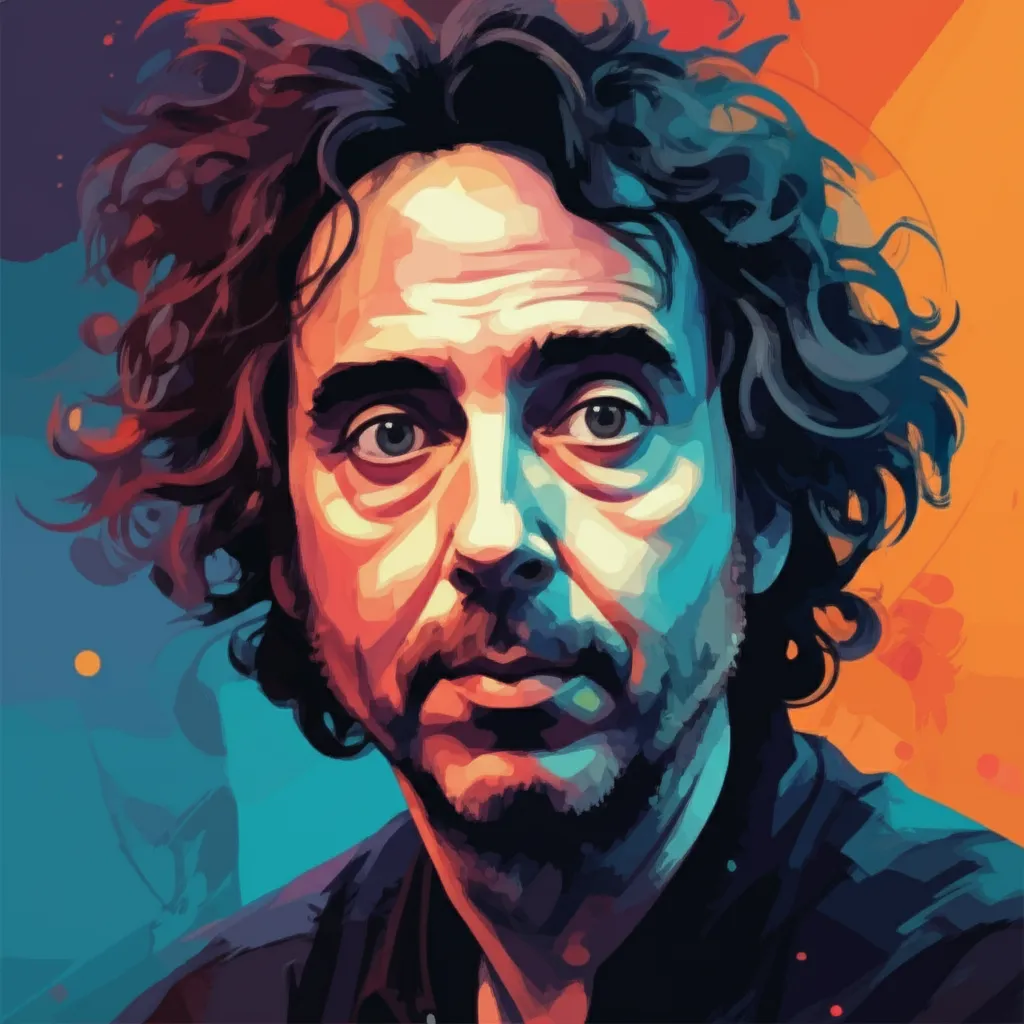
Tim Burton
Every film, ranked

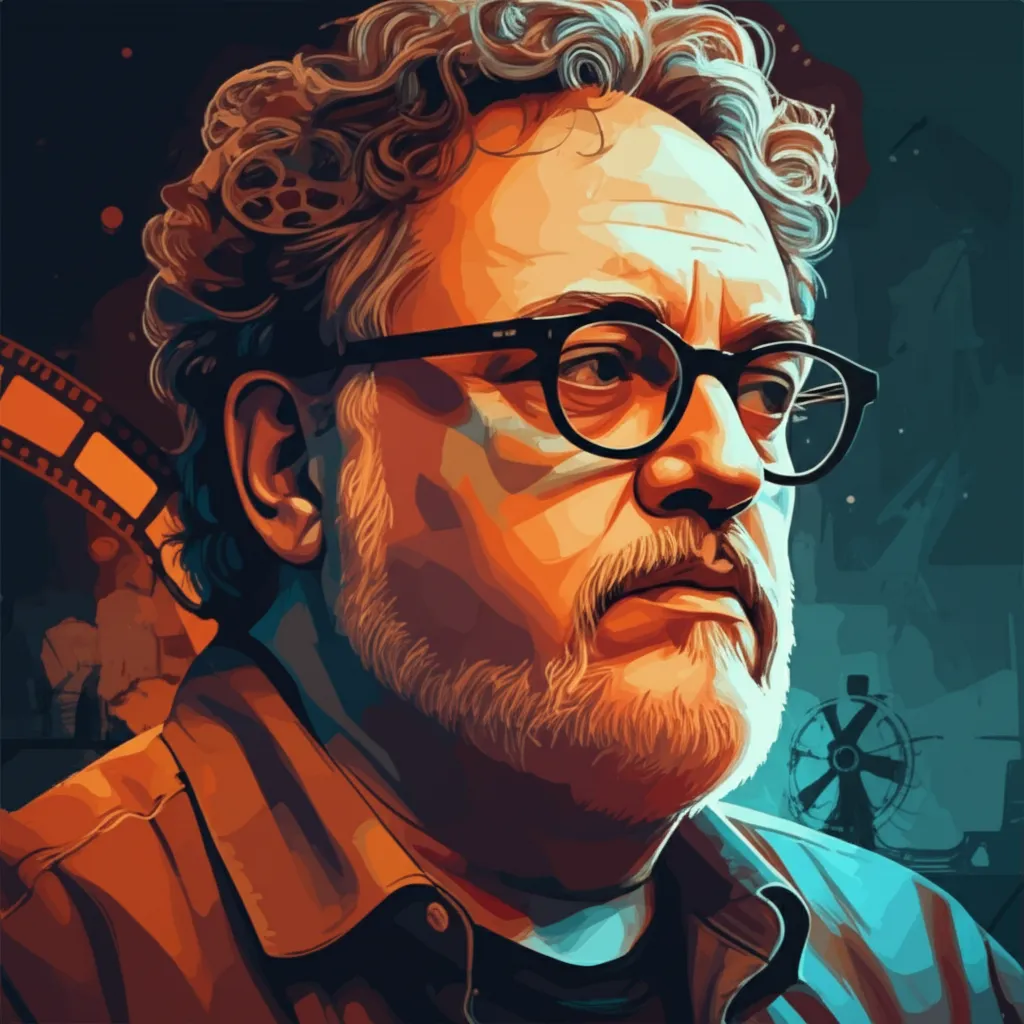
Guillermo del Toro
Every film, ranked

Hayao Miyazaki
Every film, ranked

Akira Kurosawa
Every film, ranked

Francis Ford Coppola
Every film, ranked

Clint Eastwood
Every film, ranked

Bong Joon Ho
Every film, ranked

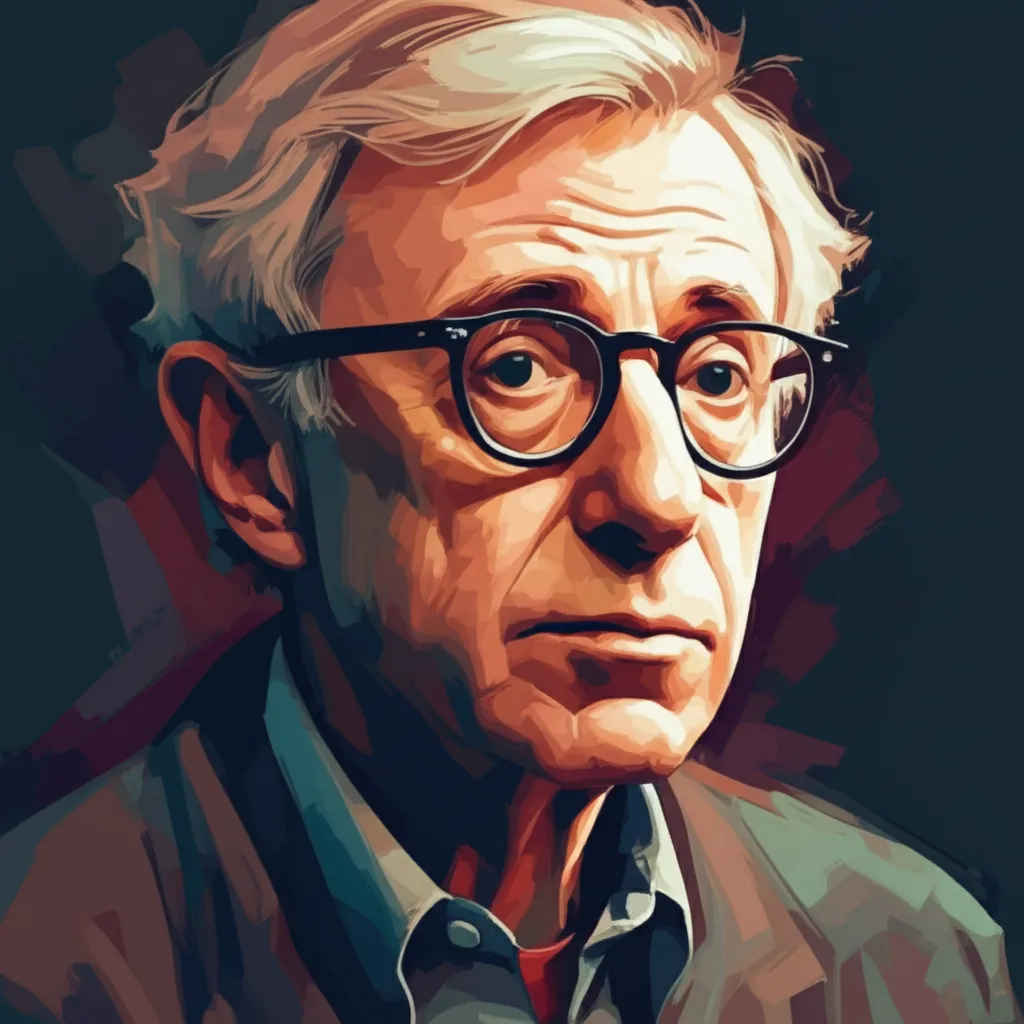
Woody Allen
Every film, ranked

Steven Soderbergh
Every film, ranked

Ron Howard
Every film, ranked

Pedro Almodóvar
Every film, ranked

Richard Linklater
Every film, ranked

Roman Polanski
Every film, ranked

Brian De Palma
Every film, ranked

Ingmar Bergman
Every film, ranked

Oliver Stone
Every film, ranked

David Cronenberg
Every film, ranked

Robert Zemeckis
Every film, ranked

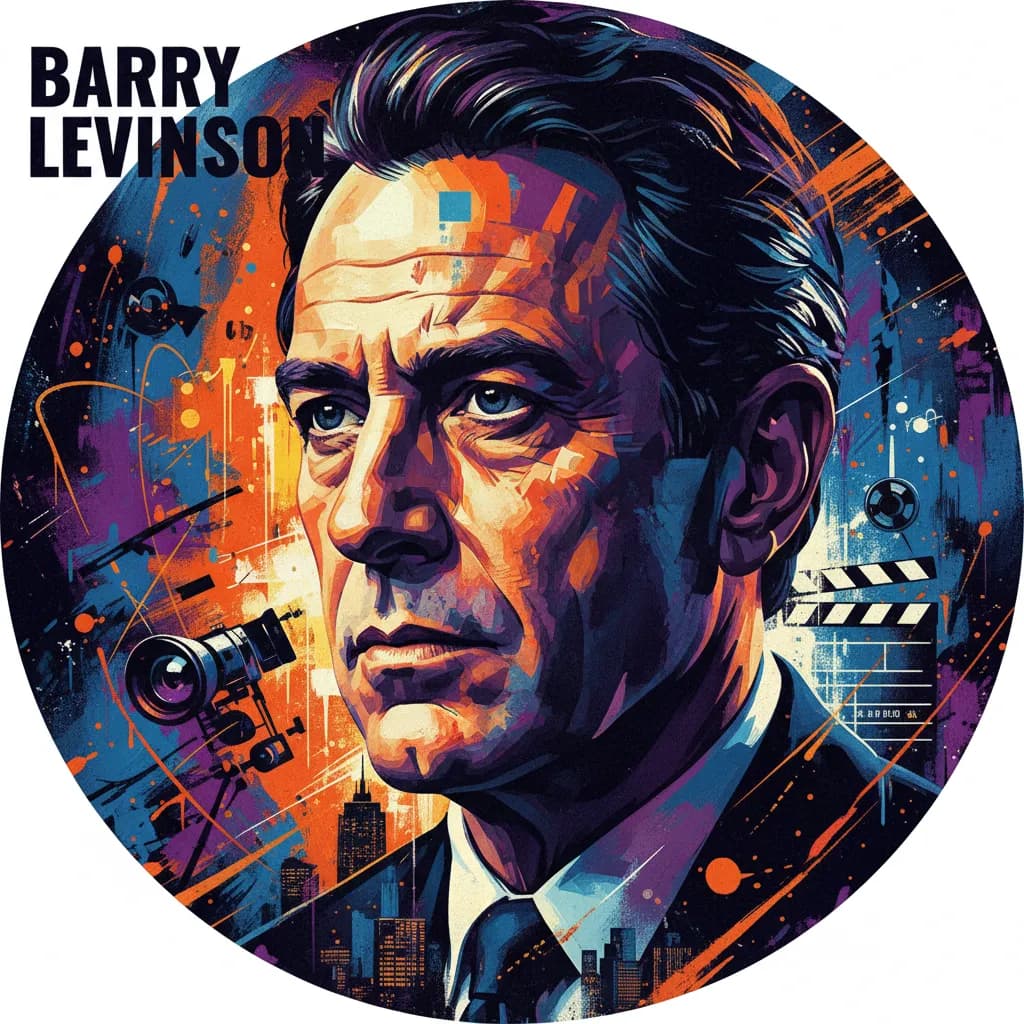
Barry Levinson
Every film, ranked

John Carpenter
Every film, ranked

Joel Schumacher
Every film, ranked

Billy Wilder
Every film, ranked

Rob Reiner
Every film, ranked

Neil Jordan
Every film, ranked

Spike Lee
Every film, ranked

Ivan Reitman
Every film, ranked

John Woo
Every film, ranked

Lasse Hallström
Every film, ranked

Stephen Frears
Every film, ranked

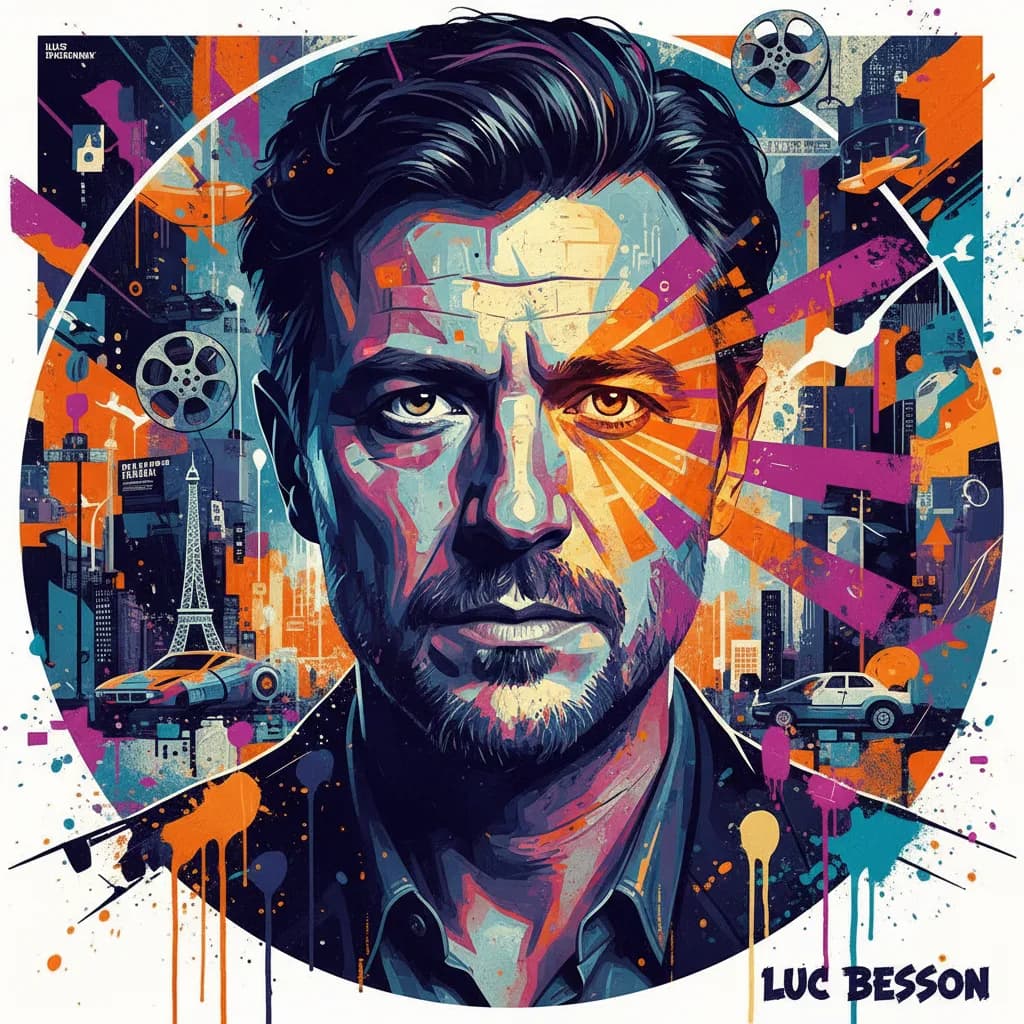
Luc Besson
Every film, ranked

Chris Columbus
Every film, ranked

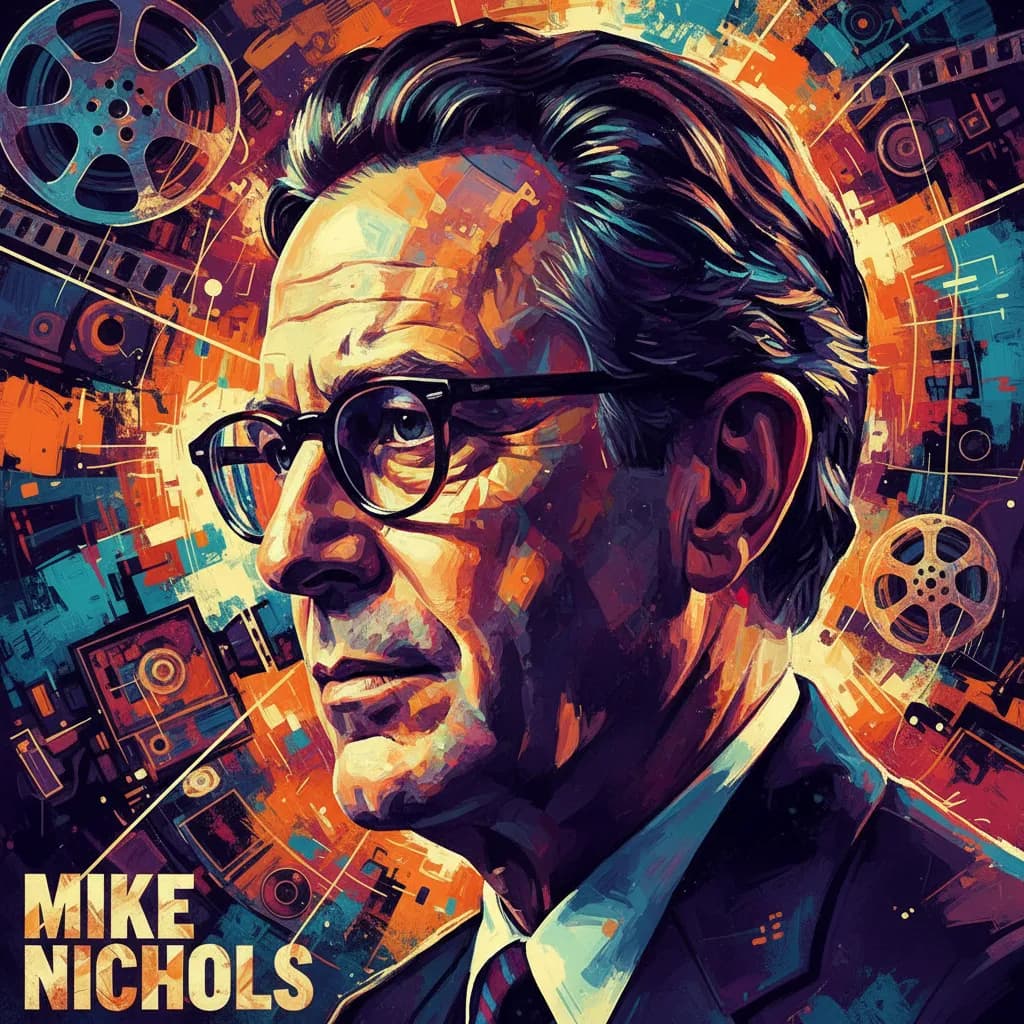
Mike Nichols
Every film, ranked

Howard Hawks
Every film, ranked

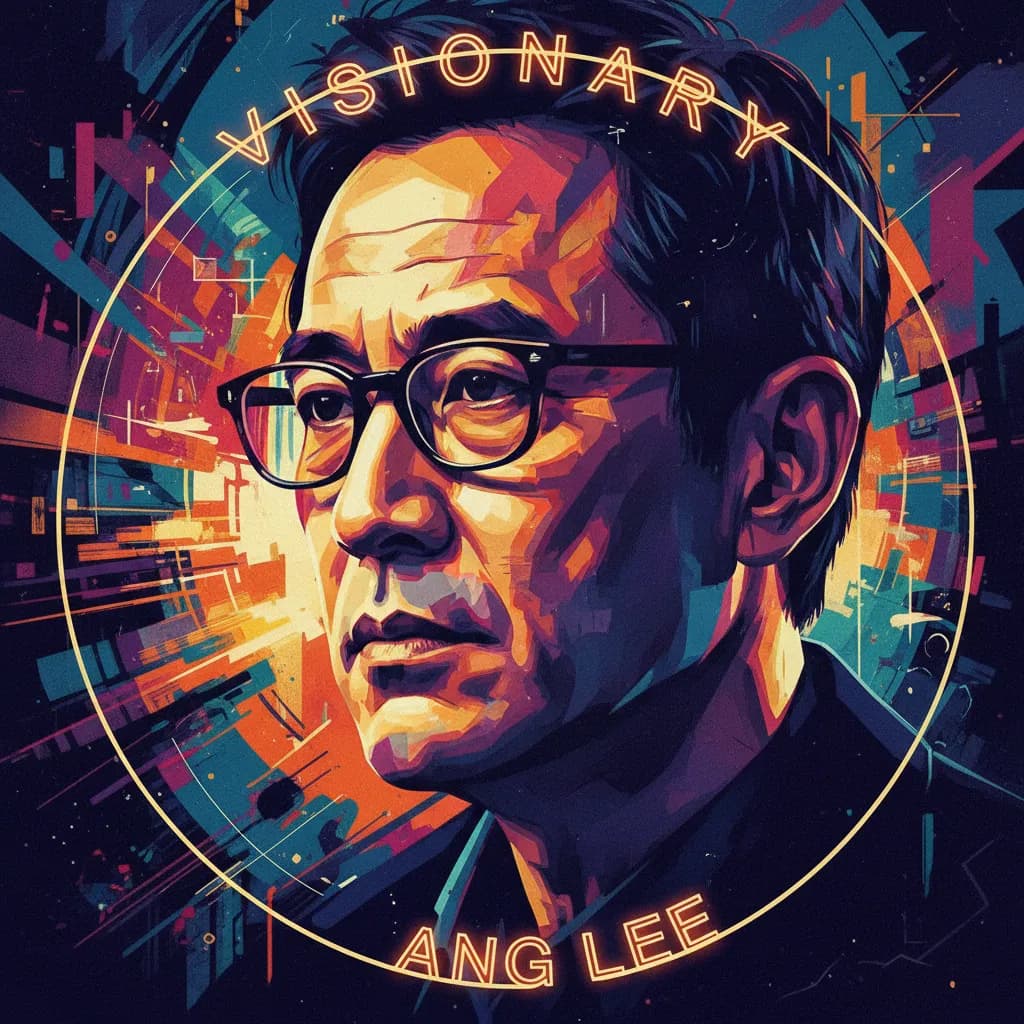
Ang Lee
Every film, ranked

Walter Hill
Every film, ranked

Gus Van Sant
Every film, ranked

William Wyler
Every film, ranked

Renny Harlin
Every film, ranked

Sidney Lumet
Every film, ranked

Tony Scott
Every film, ranked