Discover the visionary filmmakers behind cinema's greatest works.
Explore our selection of acclaimed directors and their remarkable films.
Showing 1081-1092 out of 4148

Eli King is a visionary director known for his thought-provoking storytelling and visually stunning cinematic style. With a career spanning several decades, King has made a significant impact on the film industry, earning acclaim for his profound narratives and meticulous attention to detail. His notable directorial work includes the 2021 release "The Lady of Heaven," a gripping action-drama that delves into historical events with a compelling narrative. King's directorial style is characterized by his ability to seamlessly blend action-packed sequences with emotionally resonant storytelling. His keen eye for historical accuracy and penchant for immersive world-building are evident in "The Lady of Heaven," which transports audiences to ancient times while delivering a powerful and relevant message. King's films often feature strong, multifaceted characters and explore themes of resilience, faith, and the human spirit, resonating with audiences on a profound level. Throughout his career, King has demonstrated a commitment to crafting films that challenge conventional storytelling norms and provoke introspection. His unique vision and dedication to authenticity have earned him a dedicated following and critical acclaim. "The Lady of Heaven" serves as a testament to King's ability to infuse historical narratives with contemporary relevance, making a lasting impact on viewers while showcasing his directorial prowess. Eli King's contributions to cinema extend beyond his directorial achievements, as he continues to inspire aspiring filmmakers and audiences alike with his evocative storytelling and cinematic finesse. As a director, King has cemented his legacy as a masterful storyteller and a visionary filmmaker, leaving an indelible mark on the film industry. With a career defined by artistic integrity and a commitment to storytelling excellence, Eli King remains a formidable force in the world of cinema, captivating audiences with each new directorial endeavor.

Elio Petri was an influential Italian film director known for his thought-provoking and politically charged works. Born in 1929 in Rome, Petri's career in cinema began in the late 1950s, and he quickly gained recognition for his distinctive directorial style and incisive storytelling. His filmography boasts a number of notable works, with "Investigation of a Citizen Above Suspicion" (1970) standing out as a seminal piece in his body of work. This crime drama, set against the backdrop of political corruption, earned Petri international acclaim, including the Academy Award for Best Foreign Language Film. Throughout his career, Petri demonstrated a penchant for crafting films that delved into the complexities of power dynamics, social injustice, and human psychology. His directorial style was characterized by a keen attention to detail, sharp social commentary, and a masterful command of visual storytelling. Petri's films often featured morally ambiguous protagonists and explored the inner workings of oppressive systems, offering compelling insights into the human condition and societal structures. One of the recurring themes in Petri's work was the examination of authority and its impact on individual autonomy. His films frequently tackled themes of surveillance, manipulation, and the abuse of power, reflecting his deep-seated concerns about the erosion of personal freedoms and the ethical dilemmas inherent in hierarchical societies. His ability to blend gripping narratives with incisive political commentary set him apart as a director with a distinct and uncompromising vision. Elio Petri's contributions to cinema left an indelible mark on the industry, inspiring a generation of filmmakers and earning him a place among the most influential directors of his time. His legacy continues to resonate in the world of cinema, with his body of work serving as a testament to the power of film as a medium for social critique and introspection. Petri's fearless exploration of societal power structures and the human psyche cemented his status as a visionary director whose films remain relevant and impactful to this day.

Eli Roth is a highly influential and controversial filmmaker known for his distinct directorial style that often includes a blend of horror, suspense, and dark humor. Roth's career took off with his breakout hit "Cabin Fever" in 2002, a horror film that showcased his knack for creating tension and gore. This success led to his most infamous film, "Hostel," in 2005, which solidified his reputation as a master of the horror genre. Known for pushing boundaries and shocking audiences, Roth's films often explore the depths of human depravity and the visceral nature of fear, making him a polarizing figure in the world of cinema. Roth's filmography is peppered with notable contributions to the horror genre, including "Hostel: Part II" (2007), "The Green Inferno" (2013), and "Knock Knock" (2015). His penchant for pushing the boundaries of horror and exploring the darker aspects of humanity has garnered both praise and criticism. However, Roth has also demonstrated versatility with projects like "Death Wish" (2018), an action crime thriller, and "The House with a Clock in Its Walls" (2018), a family-friendly fantasy film. This diversity showcases his ability to work across various genres while maintaining his signature style. Throughout his career, Roth has become synonymous with themes of violence, gore, and psychological terror, often challenging audiences to confront their deepest fears. His impact on cinema is undeniable, as he has redefined the horror genre and influenced a new generation of filmmakers with his unapologetic and visceral storytelling. Despite the controversies surrounding his work, Roth's dedication to pushing the boundaries of horror has left an indelible mark on the film industry, solidifying his status as a visionary director. In conclusion, Eli Roth's directorial career is characterized by his relentless pursuit of pushing the boundaries of horror and his uncompromising vision. His films have left an indelible mark on the industry, redefining the horror genre and inspiring a new wave of filmmakers. Whether it's his ability to shock, provoke, or entertain, Roth's impact on cinema is undeniable, and his unique voice continues to resonate with audiences worldwide.

Elisabeth Röhm is an accomplished actress known for her roles in hit TV shows and films, but she's also made significant strides as a director. In 2021, Röhm made her directorial debut with "Girl in the Basement," a gripping crime thriller that showcases her talent behind the camera. Her directorial style is marked by a keen eye for storytelling, a deep understanding of character dynamics, and a knack for building tension that keeps audiences on the edge of their seats. "Girl in the Basement" is a testament to Röhm's directorial prowess, as she deftly navigates the harrowing story of a young woman held captive by her own father. Through her direction, Röhm delves into the psychological and emotional depths of her characters, creating a palpable sense of unease and suspense throughout the film. Her ability to capture the raw emotions and complex relationships within the story demonstrates her commitment to authenticity and human connection on screen. Röhm's directorial debut is just the beginning of what promises to be a captivating career behind the camera. With "Girl in the Basement," she has proven her ability to tackle challenging and thought-provoking subject matter while delivering a compelling and impactful cinematic experience. Her foray into directing marks an exciting new chapter in her already illustrious career, and audiences can look forward to more thought-provoking and visually stunning films from this talented filmmaker in the years to come. As Röhm continues to explore the art of storytelling through her directorial work, her impact on cinema is sure to be felt for years to come. Her commitment to pushing boundaries, delving into the complexities of human nature, and shining a light on important social issues sets her apart as a visionary director with a unique and powerful voice. With "Girl in the Basement" as her inaugural directorial offering, Röhm has established herself as a force to be reckoned with in the world of filmmaking, and her future projects are eagerly anticipated by audiences and critics alike.

Elise Durán is a talented film director known for her work in the romantic comedy genre. Her notable film, "Can You Keep a Secret?" (2019), showcases her directorial style, which often combines humor, romance, and relatable characters. Durán's creative approach to storytelling has resonated with audiences, making her a noteworthy presence in the film industry. With "Can You Keep a Secret?", Durán demonstrates her ability to blend lighthearted humor with heartfelt romance, creating an engaging and entertaining cinematic experience. Her directorial style often emphasizes character development and authentic relationships, allowing viewers to connect with the protagonists on a personal level. This approach has become a hallmark of Durán's work, setting her apart as a director with a keen understanding of human emotions and experiences. Throughout her career, Durán has explored themes of honesty, vulnerability, and the complexities of modern relationships, offering audiences a fresh perspective on the romantic comedy genre. Her films often feature strong female leads and dynamic, multi-dimensional characters, challenging traditional stereotypes and tropes within the genre. Durán's impact on cinema is evident through her ability to infuse her films with warmth, humor, and genuine emotion, creating an immersive experience for viewers. Her unique vision and contributions to the romantic comedy genre have solidified her reputation as a director with a distinct voice, and her work continues to resonate with audiences worldwide. In conclusion, Elise Durán's directorial career is characterized by her ability to craft heartfelt and entertaining romantic comedies that resonate with audiences on a personal level. Her distinct directorial style, focus on character development, and exploration of modern relationships have made her a notable presence in the film industry. With a keen understanding of human emotions and experiences, Durán continues to leave a lasting impact on cinema, and her future projects are highly anticipated by fans and critics alike.

Elissa Down is an Australian director known for her unique blend of heartwarming storytelling and visually captivating filmmaking. Her most notable work includes the 2020 film "Feel the Beat," which encompasses elements of comedy, drama, and family dynamics. Down's directorial style is characterized by her ability to infuse emotionally resonant narratives with a sense of authenticity, while also showcasing her keen eye for cinematic composition and visual storytelling. In "Feel the Beat," Down brings her signature style to the forefront, weaving a compelling narrative that explores the complexities of family relationships and the pursuit of one's dreams. The film's emphasis on the power of resilience and the importance of human connection reflects Down's recurring themes of perseverance and personal growth. Down's impact on cinema is evident through her ability to craft compelling stories that resonate with audiences on a deeply emotional level. Her directorial work has garnered acclaim for its ability to capture the nuances of human experience while also delivering visually stunning and thought-provoking cinematic experiences. With "Feel the Beat," Down continues to solidify her reputation as a director with a distinct voice and a talent for creating films that leave a lasting impression on viewers. Overall, Elissa Down's career showcases her commitment to telling stories that are both emotionally compelling and visually captivating. Her directorial style, characterized by its authenticity and emotional resonance, has left an indelible mark on the film industry, making her a director to watch for those who appreciate thought-provoking storytelling and visually stunning cinema.

Elizabeth Allen Rosenbaum is a talented film director known for her work in a variety of genres, including comedy, family, fantasy, drama, and romance. She made her directorial debut with the charming and whimsical "Aquamarine" in 2006, a heartwarming comedy that captured the imaginations of audiences with its tale of friendship and magic. Rosenbaum's ability to infuse her films with humor, heart, and a touch of enchantment has become a hallmark of her directorial style. One of Rosenbaum's most notable directorial achievements is "Ramona and Beezus" (2010), an adaptation of Beverly Cleary's beloved children's book series. This delightful comedy-drama showcased Rosenbaum's knack for capturing the innocence and wonder of childhood while exploring the trials and triumphs of sisterhood. Her skillful direction brought the beloved characters to life on the big screen, earning praise for its warmth and authenticity. In 2022, Rosenbaum returned to the director's chair with "Purple Hearts," a poignant drama infused with music and romance. This film further demonstrates her versatility as a director, adeptly navigating the emotional complexities of love and loss while incorporating a musical element to elevate the storytelling. With each project, Rosenbaum continues to showcase her ability to connect with audiences on a deeply emotional level while maintaining a sense of lightheartedness and optimism. Throughout her career, Rosenbaum has exhibited a keen eye for capturing the human experience, often exploring themes of friendship, family dynamics, and the resilience of the human spirit. Her films resonate with audiences of all ages, offering heartfelt narratives and relatable characters that leave a lasting impression. Rosenbaum's unique vision and directorial prowess have made a significant impact on cinema, earning her a reputation as a versatile and talented filmmaker with a gift for crafting compelling stories that resonate with audiences worldwide.

Elizabeth Banks is a versatile and talented filmmaker known for her work in both acting and directing. With a keen eye for comedy and a knack for storytelling, Banks has made a significant impact on the film industry. Her directorial debut came in 2015 with "Pitch Perfect 2," a wildly successful comedy and musical that showcased her ability to bring humor and heart to the big screen. The film was praised for its energetic direction, catchy musical numbers, and strong ensemble cast, solidifying Banks as a director to watch. Banks' directorial style is characterized by her ability to infuse humor with genuine emotion, creating films that resonate with audiences on a personal level. Her keen understanding of comedic timing and her ability to elicit authentic performances from actors have made her a sought-after director in the industry. "Pitch Perfect 2" exemplifies her directorial approach, as she seamlessly balanced the film's comedic elements with themes of friendship, empowerment, and self-discovery. In 2023, Banks is set to release "Cocaine Bear," a comedy-thriller that further demonstrates her versatility as a director. The film's intriguing blend of genres and its offbeat premise showcase Banks' willingness to take creative risks and push the boundaries of storytelling. With "Cocaine Bear," audiences can expect to see Banks' signature wit and sharp directorial instincts at play once again. Banks' impact on cinema extends beyond her individual films. As a female director in a male-dominated industry, she has been a trailblazer for women in film, inspiring a new generation of filmmakers to pursue their creative ambitions. Through her work, she has brought fresh perspectives to the screen and has contributed to a more diverse and inclusive cinematic landscape. Elizabeth Banks' career as a director is defined by her ability to entertain, provoke thought, and challenge conventions, making her a directorial force to be reckoned with in the world of film.

Elizabeth Wood is an American filmmaker known for her raw and unflinching approach to storytelling. With a background in theater and a keen eye for social commentary, Wood made her directorial debut with the critically acclaimed film "White Girl" in 2016. The crime drama, inspired by her own experiences, follows a young college student navigating love, drugs, and privilege in New York City. Wood's directorial style is characterized by its unapologetic authenticity, visceral storytelling, and unfiltered portrayal of contemporary youth culture. "White Girl" garnered attention for its fearless exploration of controversial themes and its unvarnished depiction of the protagonist's moral and ethical dilemmas. Wood fearlessly delves into the darker aspects of human nature, offering a thought-provoking commentary on societal issues such as race, class, and the pursuit of hedonistic pleasures. Her film captivates audiences with its unflinching portrayal of the complexities and contradictions of modern life, leaving a lasting impact on viewers through its unapologetic honesty. Wood's work exemplifies her commitment to presenting stories that challenge societal norms and provoke introspection. Her directorial prowess lies in her ability to authentically capture the raw emotions and complexities of her characters, creating a sense of immediacy and intimacy that resonates with audiences. Through her storytelling, Wood confronts uncomfortable truths and exposes the underbelly of contemporary society, earning her a reputation as a bold and uncompromising filmmaker. As a director, Elizabeth Wood has made a significant impact on cinema by fearlessly pushing boundaries and challenging conventional storytelling norms. Her unapologetic and provocative approach has cemented her status as a visionary filmmaker unafraid to tackle controversial subject matter. With "White Girl," Wood has established herself as a director to watch, and her uncompromising vision promises to continue making waves in the film industry.

Eliza Hittman is a critically acclaimed film director known for her poignant and intimate storytelling, often focusing on the lives of marginalized youth. Hittman's directorial style is characterized by its raw authenticity and unflinching portrayal of human vulnerability. Her films delve into the inner worlds of her characters with a keen eye for emotional nuance and social realism. In 2017, Hittman garnered widespread recognition for her sophomore feature, "Beach Rats," a coming-of-age drama that explores the complexities of masculinity and sexuality in the context of a working-class Brooklyn neighborhood. The film received accolades for its evocative visual style and Hittman's ability to capture the emotional turmoil of her protagonist with unyielding honesty. Hittman's most recent film, "Never Rarely Sometimes Always" (2020), further solidified her status as a directorial force to be reckoned with. The film follows the harrowing journey of a teenage girl seeking an abortion, offering a searing commentary on reproductive rights and the challenges faced by young women in America. Hittman's sensitive approach to the subject matter, coupled with her deft direction of the performances, earned her widespread acclaim and numerous accolades. Throughout her career, Hittman has consistently explored themes of identity, sexuality, and the struggle for autonomy, drawing from her own experiences and extensive research to infuse her narratives with an unvarnished realism. Her films have left an indelible mark on contemporary cinema, challenging audiences to confront uncomfortable truths while empathizing with the often overlooked individuals at the heart of her stories. Eliza Hittman's directorial vision has not only garnered critical acclaim but has also contributed to a broader cultural conversation, shedding light on the experiences of marginalized communities and amplifying the voices of those often silenced in mainstream media. With an unyielding commitment to authenticity and a profound understanding of human emotion, Hittman continues to pave the way for a new generation of filmmakers, solidifying her place as a trailblazer in the world of independent cinema.

E.L. Katz is a talented director known for his unique vision and impactful contributions to the world of cinema. With an impressive body of work that includes the acclaimed film "Cheap Thrills" (2013), Katz has made a name for himself in the industry with his distinct directorial style and compelling storytelling. "Cheap Thrills" stands as a testament to Katz's directorial prowess, blending elements of comedy, crime, and drama to deliver a thought-provoking and intense cinematic experience. The film follows the story of two friends who are pushed to their moral and physical limits as they engage in a series of increasingly dangerous and depraved dares for money. Katz's keen eye for detail and ability to create tension and suspense make "Cheap Thrills" a standout piece in his filmography. Throughout his career, Katz has demonstrated a penchant for exploring complex human emotions and the darker aspects of human nature. His films often delve into themes of desperation, morality, and the lengths to which people will go when faced with extreme circumstances. This exploration of the human psyche has resonated with audiences and critics alike, solidifying Katz's reputation as a director with a unique and compelling storytelling style. Katz's impact on cinema extends beyond his individual films, as his work has influenced a new generation of filmmakers and contributed to the evolution of the crime and thriller genres. His ability to craft immersive and gripping narratives has set a high standard for storytelling in film, inspiring others to push the boundaries of traditional storytelling and embrace the complexities of the human experience. In conclusion, E.L. Katz's directorial career is defined by his distinct vision, compelling storytelling, and ability to capture the raw and unfiltered aspects of human nature. With "Cheap Thrills" as a standout example of his talent, Katz continues to make an indelible mark on the world of cinema, leaving audiences eagerly anticipating his next directorial endeavor.

Ella Lemhagen is a Swedish director known for her unique blend of comedy, drama, and romance in her films. With a career spanning over two decades, Lemhagen has made a significant impact on Swedish cinema with her thought-provoking storytelling and keen directorial vision. Her notable film, "Patrik, Age 1.5" (2008), garnered international acclaim for its poignant exploration of parenthood, adoption, and societal norms, showcasing Lemhagen's ability to address complex themes with a touch of humor and sincerity. Lemhagen's directorial style is characterized by a delicate balance between heartwarming narratives and astute social commentary. Her films often delve into the intricacies of human relationships, portraying authentic emotions and conflicts with sensitivity and depth. Through her distinct storytelling approach, Lemhagen has carved a niche for herself in the realm of Scandinavian cinema, earning recognition for her astute observations of contemporary society and human behavior. "Patrik, Age 1.5" stands as a testament to Lemhagen's directorial prowess, as the film skillfully intertwines comedic elements with profound emotional resonance. Delving into the complexities of parenthood and the struggles of unconventional families, the movie showcases Lemhagen's ability to tackle societal taboos with grace and compassion. Her astute direction and nuanced character development have solidified her reputation as a director capable of eliciting genuine empathy from audiences. Lemhagen's recurring themes often revolve around the intricacies of family dynamics, the quest for acceptance, and the resilience of the human spirit. Her films offer a refreshing blend of lighthearted moments and profound reflections, inviting viewers to contemplate the universal experiences that bind us all. Through her cinematic endeavors, Lemhagen has demonstrated a commitment to shedding light on societal issues while infusing her narratives with warmth and authenticity. Ella Lemhagen's contributions to cinema extend beyond her directorial achievements, as she continues to inspire aspiring filmmakers with her poignant storytelling and astute observations of the human condition. With a keen eye for emotional authenticity and a penchant for weaving compelling narratives, Lemhagen remains a prominent figure in the world of Scandinavian cinema, leaving an indelible mark on the industry with her insightful directorial endeavors.


Every film by the greats, ranked by our TML Score.

Christopher Nolan
Every film, ranked

Quentin Tarantino
Every film, ranked

Stanley Kubrick
Every film, ranked

Martin Scorsese
Every film, ranked

Steven Spielberg
Every film, ranked

Alfred Hitchcock
Every film, ranked

David Fincher
Every film, ranked

Denis Villeneuve
Every film, ranked

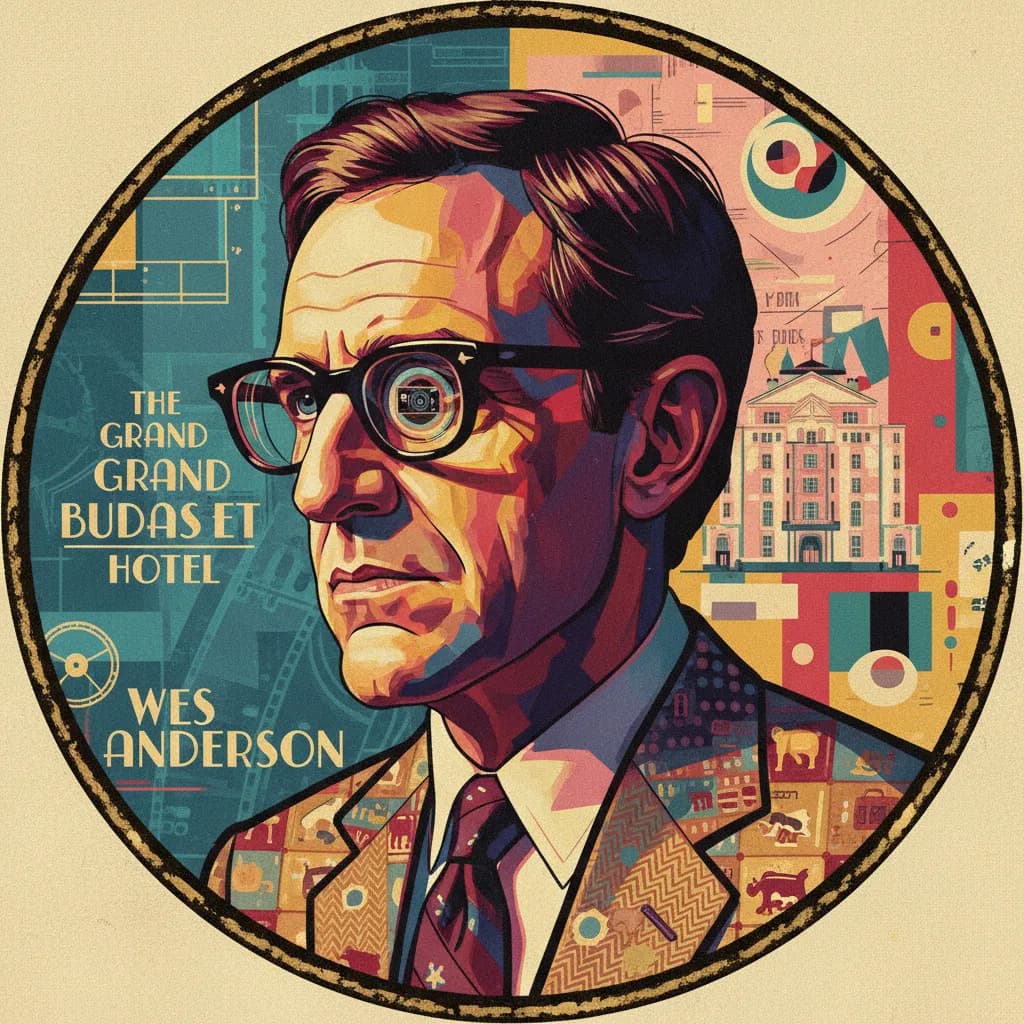
Wes Anderson
Every film, ranked

Paul Thomas Anderson
Every film, ranked

Ridley Scott
Every film, ranked

Tim Burton
Every film, ranked

Guillermo del Toro
Every film, ranked

Hayao Miyazaki
Every film, ranked

Akira Kurosawa
Every film, ranked

Francis Ford Coppola
Every film, ranked

Clint Eastwood
Every film, ranked

Bong Joon Ho
Every film, ranked

Woody Allen
Every film, ranked

Steven Soderbergh
Every film, ranked

Ron Howard
Every film, ranked

Pedro Almodóvar
Every film, ranked

Richard Linklater
Every film, ranked

Roman Polanski
Every film, ranked

Brian De Palma
Every film, ranked

Ingmar Bergman
Every film, ranked

Oliver Stone
Every film, ranked

David Cronenberg
Every film, ranked

Robert Zemeckis
Every film, ranked

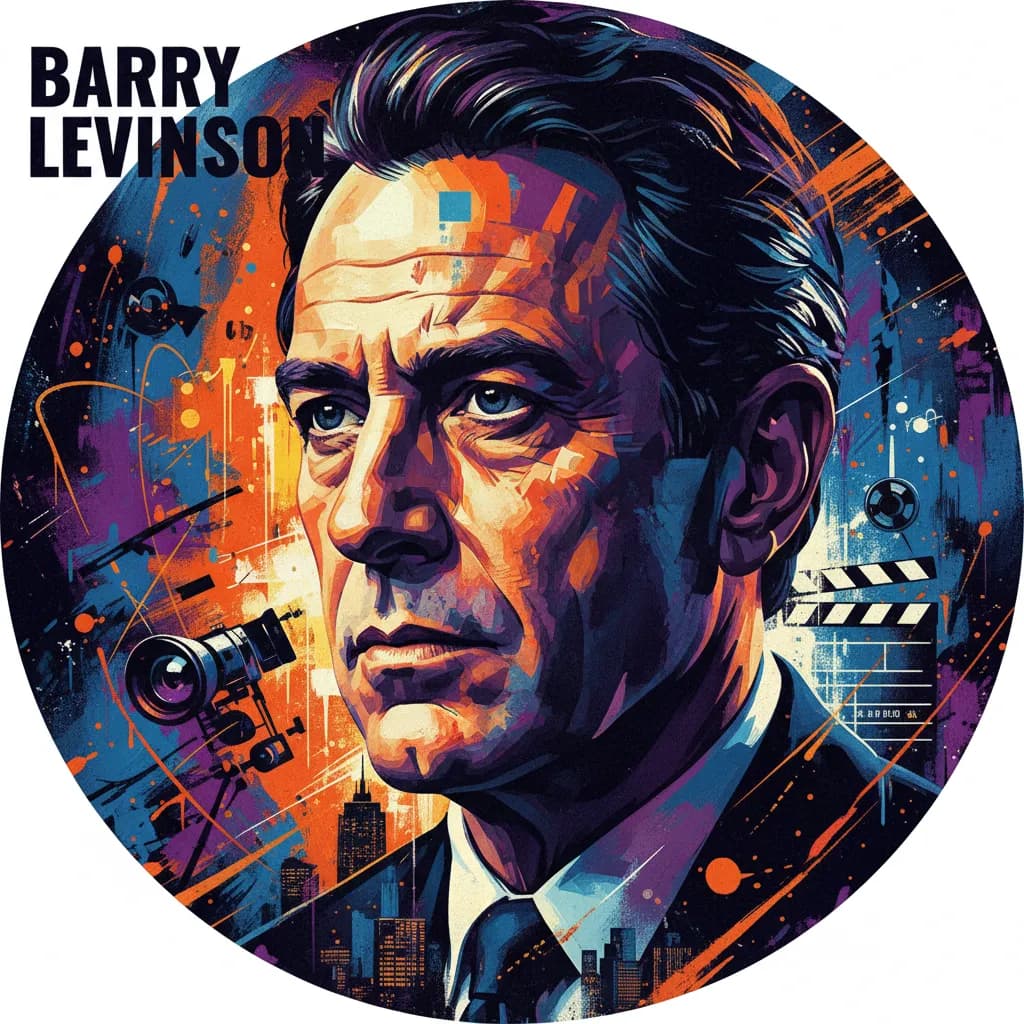
Barry Levinson
Every film, ranked

John Carpenter
Every film, ranked

Joel Schumacher
Every film, ranked

Billy Wilder
Every film, ranked

Rob Reiner
Every film, ranked

Neil Jordan
Every film, ranked

Spike Lee
Every film, ranked

Ivan Reitman
Every film, ranked

John Woo
Every film, ranked

Lasse Hallström
Every film, ranked

Stephen Frears
Every film, ranked

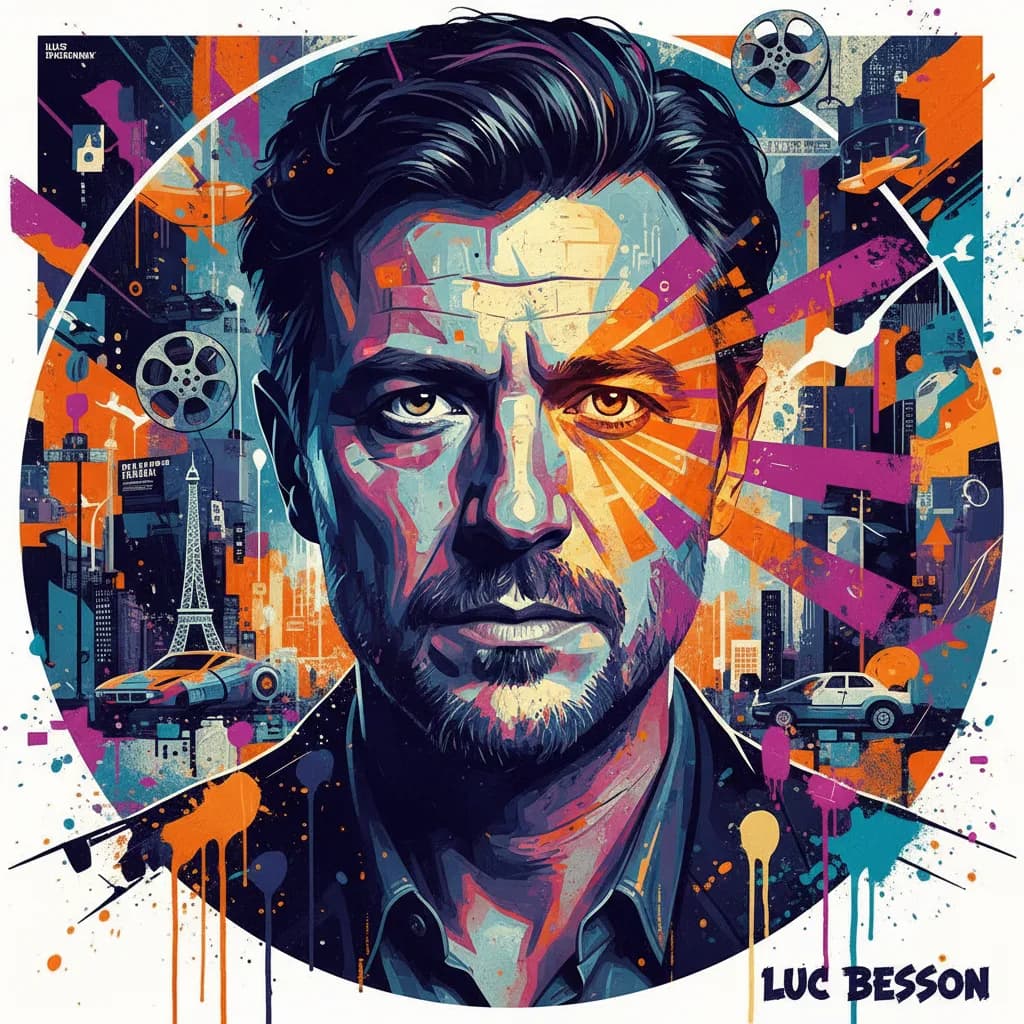
Luc Besson
Every film, ranked

Chris Columbus
Every film, ranked

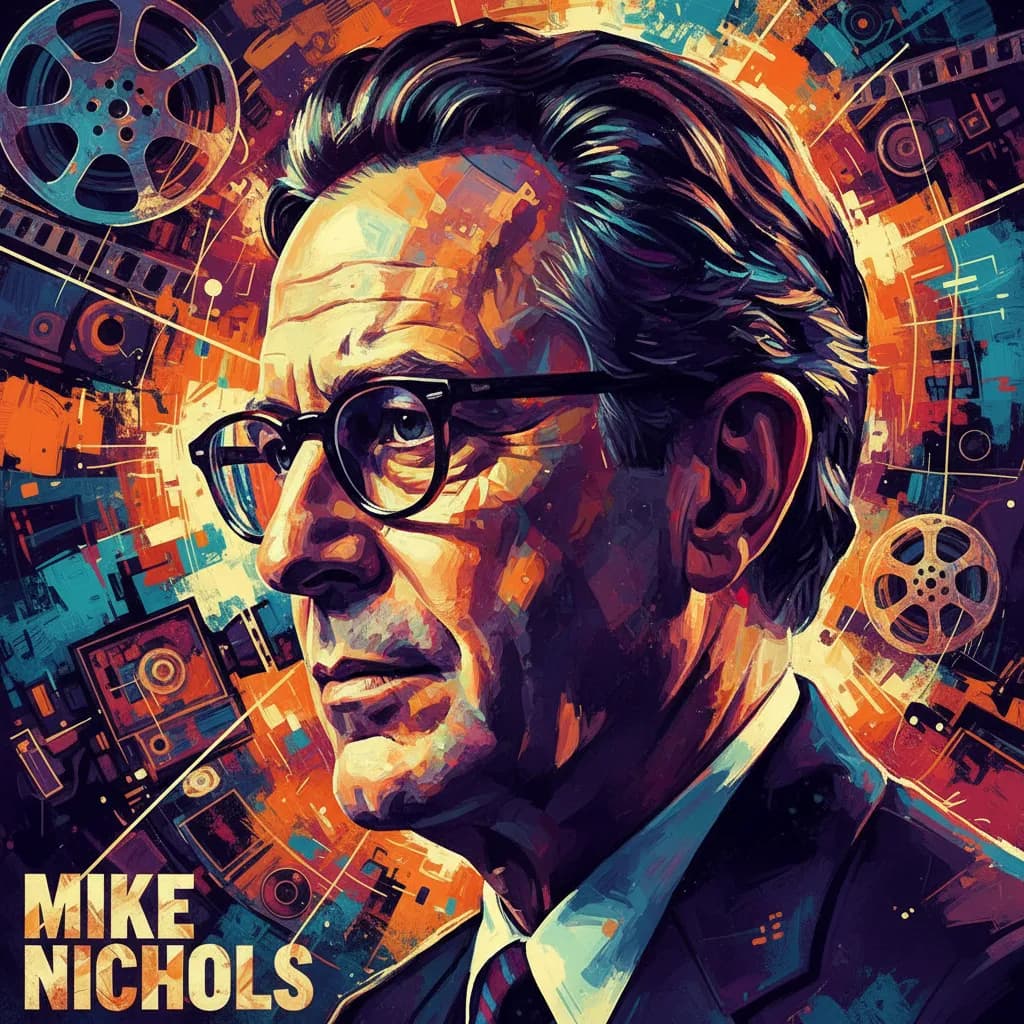
Mike Nichols
Every film, ranked

Howard Hawks
Every film, ranked

Ang Lee
Every film, ranked

Walter Hill
Every film, ranked

Gus Van Sant
Every film, ranked

William Wyler
Every film, ranked

Renny Harlin
Every film, ranked

Sidney Lumet
Every film, ranked

Tony Scott
Every film, ranked