Discover the visionary filmmakers behind cinema's greatest works.
Explore our selection of acclaimed directors and their remarkable films.
Showing 1069-1080 out of 4148

Edward Norton is a multi-talented figure in the film industry, known for his impressive career as an actor, producer, and director. In 2019, Norton made his directorial debut with "Motherless Brooklyn," a crime drama mystery film that showcased his prowess behind the camera. His directorial style is characterized by meticulous attention to detail, immersive storytelling, and a deep understanding of character dynamics. Norton's ability to seamlessly blend genres is evident in his directorial work, as seen in "Motherless Brooklyn," which deftly combines elements of crime, drama, and mystery to deliver a compelling narrative. Before stepping into the director's chair, Norton's contributions to cinema as an actor were already widely celebrated. His extensive experience in front of the camera has undoubtedly influenced his directorial approach, allowing him to bring a unique perspective to his filmmaking. Norton's directorial debut garnered attention for its visually striking cinematography, evocative period setting, and compelling performances, indicating his potential to make a lasting impact on the film industry as a director. In addition to "Motherless Brooklyn," Edward Norton's directorial portfolio includes "Keeping the Faith" (2000), a romantic comedy-drama that further demonstrates his versatility as a director. Through his directorial endeavors, Norton has displayed a penchant for storytelling that delves into complex human emotions, interpersonal relationships, and societal dynamics. His ability to infuse depth and nuance into his films has resonated with audiences and critics alike, solidifying his status as a director to watch in the industry. Norton's directorial career is marked by a commitment to creating thought-provoking, visually arresting films that push the boundaries of storytelling. His foray into directing has undoubtedly added a new dimension to his already illustrious career, cementing his reputation as a multifaceted talent capable of leaving a lasting imprint on cinema. As he continues to explore the art of filmmaking, audiences can eagerly anticipate Norton's future directorial endeavors and the unique perspectives he will undoubtedly bring to the screen.

Edward Sedgwick was an American film director who made a significant impact on the silent film era and the early days of sound cinema. With a career spanning over three decades, Sedgwick honed his directorial style, known for blending physical comedy, drama, and family-friendly themes. His most notable film, "The Cameraman" (1928), stands as a testament to his ability to capture the human experience with humor and heart. Sedgwick's directorial style often incorporated slapstick comedy and clever visual gags, earning him a reputation as a master of physical comedy. His films, such as "The Cameraman," showcased his knack for portraying endearing characters in hilarious yet touching situations. Sedgwick's attention to detail and ability to elicit genuine performances from his actors added depth to his films, making them resonate with audiences of all ages. Notably, Sedgwick's work often featured themes of perseverance, love, and the pursuit of dreams, endearing him to moviegoers worldwide. His films offered a window into the human experience, brimming with relatable characters and timeless narratives. "The Cameraman" exemplifies Sedgwick's ability to capture the essence of human emotions through cinematic storytelling, solidifying his reputation as a director with a keen understanding of the human condition. Edward Sedgwick's impact on cinema extends beyond his directorial prowess. His collaborations with iconic actors and comedians, such as Buster Keaton, further cemented his legacy in the annals of film history. Sedgwick's ability to seamlessly blend comedy, drama, and family-friendly entertainment contributed to the evolution of cinematic storytelling, inspiring future generations of filmmakers. In conclusion, Edward Sedgwick's directorial career embodies a rich legacy of timeless films that continue to enchant audiences. His unique vision, characterized by a blend of physical comedy, heartwarming narratives, and memorable characters, has left an indelible mark on the world of cinema. As a pioneer of silent and early sound films, Sedgwick's contributions endure as a testament to the enduring power of storytelling through film.

Edward Yang was a Taiwanese film director known for his profound and introspective storytelling, meticulous attention to detail, and keen observation of human relationships. His directorial style is characterized by long takes, naturalistic dialogue, and a deep exploration of the complexities of everyday life. Yang's films often revolve around the intricate dynamics of Taiwanese society, offering a nuanced portrayal of the human experience. One of Yang's most acclaimed works is "Yi Yi: A One and a Two...," a poignant drama that captures the intricacies of family life. The film garnered widespread critical acclaim and won the Best Director award at the Cannes Film Festival, solidifying Yang's reputation as a master storyteller. Another standout in Yang's filmography is "A Brighter Summer Day," a sprawling epic that delves into the lives of disaffected youth in 1960s Taiwan. This crime drama romance is celebrated for its immersive storytelling and rich character development. Yang's films often explore themes of identity, alienation, and the passage of time, offering a deeply resonant reflection on the human condition. His keen insight into the complexities of interpersonal relationships and the impact of societal changes on individuals has left an indelible mark on world cinema. Yang's meticulous approach to storytelling and his ability to capture the subtleties of human emotions have had a profound influence on filmmakers around the globe. Edward Yang's legacy continues to inspire a new generation of filmmakers, and his body of work remains a testament to the power of cinema as a medium for introspection and empathy. His unique vision and unwavering commitment to authentic storytelling have cemented his status as a visionary director whose impact on the world of cinema endures. Yang's films serve as timeless works of art that invite audiences to contemplate the complexities of the human experience, making him an enduring figure in the pantheon of great directors.

Edward Zwick is an accomplished film director renowned for his ability to bring powerful stories to life on the big screen. With a career spanning over three decades, Zwick has firmly established himself as a director with a keen eye for compelling narratives and thought-provoking themes. His filmography boasts a diverse range of genres, including action, drama, biography, and romance, showcasing his versatility and storytelling prowess. One of Zwick's most notable works is "Glory" (1989), a gripping historical drama that chronicles the story of the first all-black volunteer company in the Union Army during the American Civil War. The film received widespread critical acclaim and earned Zwick widespread recognition for his ability to delve into complex historical narratives with sensitivity and depth. Zwick's directorial style often incorporates a meticulous attention to detail, immersive storytelling, and a focus on the human experience within larger historical contexts. Zwick's filmography also includes "The Last Samurai" (2003), a visually stunning epic that explores the clash of cultures and the concept of honor, "Blood Diamond" (2006), a riveting adventure drama set against the backdrop of the African diamond trade, and "Defiance" (2008), a powerful historical drama based on the true story of the Bielski partisans during World War II. These films exemplify Zwick's ability to tackle weighty subject matter while maintaining a strong focus on character development and emotional resonance. Throughout his career, Zwick has demonstrated a consistent commitment to exploring themes of courage, sacrifice, and the human spirit in the face of adversity. His films often highlight the resilience of the human soul and the capacity for individuals to rise above challenging circumstances. Zwick's impact on cinema lies in his ability to infuse his works with a deep sense of humanity and moral complexity, offering audiences thought-provoking narratives that resonate long after the credits roll. Edward Zwick's directorial contributions have left an indelible mark on the film industry, earning him accolades and admiration from both critics and audiences alike. His ability to craft compelling stories across a wide spectrum of genres has solidified his status as a visionary director with a distinctive storytelling voice, making him a revered figure in contemporary cinema. Whether exploring historical events or delving into the complexities of human relationships, Zwick's films continue to captivate and inspire, cementing his legacy as a masterful storyteller with a profound impact on the art of filmmaking.

Edwin S. Porter was a pioneering American film director whose groundbreaking work in the early 20th century played a crucial role in shaping the language of cinema. Porter's most iconic film, "The Great Train Robbery" (1903), not only established him as a leading figure in the nascent film industry but also revolutionized the way stories were told on screen. This landmark silent film, a gripping blend of adventure, crime, and drama, is celebrated for its innovative use of editing, camera movement, and storytelling techniques. Porter's directorial style was characterized by his inventive approach to narrative and visual storytelling. He was a trailblazer in utilizing editing as a means to propel the narrative forward, employing techniques such as cross-cutting and parallel action to create tension and build suspense. His work laid the foundation for the development of cinematic grammar and the evolution of film as a powerful storytelling medium. "The Great Train Robbery" is a testament to Porter's visionary filmmaking, featuring dynamic action sequences and a compelling storyline that captivated audiences of its time. The film's enduring impact on cinema cannot be overstated, as it set a new standard for narrative filmmaking and influenced generations of filmmakers to come. Porter's innovative use of special effects and his ability to craft compelling, immersive narratives cemented his legacy as a true pioneer of American cinema. Throughout his career, Porter's films often explored themes of crime, adventure, and human drama, reflecting the societal concerns and cultural preoccupations of his era. His contributions to the art of filmmaking continue to be celebrated for their lasting influence on the medium, inspiring future generations of directors to push the boundaries of storytelling and visual expression. Edwin S. Porter's legacy as a visionary director and a driving force in the evolution of cinema remains indelible, solidifying his status as a true pioneer of the art form.

E. Elias Merhige is a visionary director known for his unique and often haunting cinematic style. His career has been marked by a commitment to pushing boundaries and exploring the darker aspects of human existence. Merhige's filmography includes several notable works that have left a lasting impact on the world of cinema. One of his most acclaimed films is "Shadow of the Vampire" (2000), a mesmerizing blend of drama and horror that delves into the making of the classic silent film "Nosferatu." The movie garnered widespread critical acclaim and earned two Academy Award nominations, showcasing Merhige's ability to craft immersive and thought-provoking narratives. This film also highlighted his skill in creating atmospheres that are both visually captivating and psychologically unsettling. Another significant entry in Merhige's filmography is "Suspect Zero" (2004), a crime thriller that delves into the disturbing world of serial killers. The film's dark and brooding atmosphere, coupled with its exploration of psychological terror, is emblematic of Merhige's directorial style. His ability to delve into the darkest recesses of the human psyche sets him apart as a filmmaker unafraid to tackle taboo subjects. Merhige's directorial debut, "Begotten" (1989), stands as a testament to his daring and unconventional approach to filmmaking. This avant-garde horror film, steeped in surreal and nightmarish imagery, showcases his penchant for pushing the boundaries of traditional storytelling. "Begotten" remains a cult classic, revered for its uncompromising vision and willingness to challenge audience expectations. Merhige's films often explore themes of horror, the supernatural, and the macabre, demonstrating his fascination with the darker aspects of human existence. His work has had a profound influence on the horror genre, inspiring a new generation of filmmakers to explore the depths of human fear and the unknown. E. Elias Merhige's unique vision and uncompromising dedication to his craft have solidified his status as a director whose impact on cinema continues to resonate.

Egor Abramenko is a rising talent in the world of film direction, best known for his directorial debut with the 2020 science fiction horror film "Sputnik." This Russian filmmaker has already made a significant impact on the industry with his unique approach to storytelling and visual style. Abramenko's directorial style is characterized by his ability to seamlessly blend genres, infusing elements of drama, horror, and mystery into his narratives. His keen eye for detail and mastery of building tension make his work a captivating experience for audiences. "Sputnik," Abramenko's debut feature, immediately garnered attention for its gripping storyline and stunning visuals. Set in the Soviet era, the film follows the story of a psychologist and a cosmonaut who return to Earth with a mysterious entity after a space mission. Abramenko's adept direction and skillful pacing create an atmosphere of dread and suspense, captivating audiences from start to finish. The film's success solidified Abramenko's reputation as a director to watch, and it showcased his ability to deliver a fresh perspective within the horror and science fiction genres. One of Abramenko's recurring themes is the exploration of the unknown and the complexities of human nature when faced with extraordinary circumstances. His films often delve into the psychological and emotional aspects of his characters, adding depth and complexity to their experiences. Abramenko's ability to blend thought-provoking themes with visually striking storytelling sets him apart as a director with a distinct vision and a commitment to pushing the boundaries of cinematic storytelling. Egor Abramenko's impact on cinema is undeniable, as he continues to carve out a niche for himself in the international film landscape. With "Sputnik," he has proven himself as a director capable of delivering thought-provoking narratives with a strong visual aesthetic. As he continues to evolve and expand his body of work, Abramenko is poised to make even greater waves in the industry, leaving an indelible mark on the world of cinema with his innovative storytelling and visionary direction.

Elem Klimov was a visionary Soviet film director whose career was marked by a relentless pursuit of truth and a commitment to unflinchingly depicting the human condition. Born in 1933, Klimov's impact on cinema is largely attributed to his two most renowned films, "Idi i smotri" (1985) and "Come and See" (1985). These masterpieces, which fall under the genres of drama, thriller, and war, established Klimov as a director with an uncompromising approach to storytelling. Klimov's directorial style is characterized by its hauntingly immersive and visceral quality. He had a remarkable ability to capture the raw emotions of his characters and convey the harrowing realities of war and human suffering. "Come and See," in particular, is hailed as one of the most powerful anti-war films ever made, depicting the horrors of Nazi-occupied Belarus during World War II. Klimov's use of striking visuals, evocative sound design, and intense storytelling techniques has left an indelible mark on the cinematic landscape. Throughout his career, Klimov's films often explored themes of innocence lost, the brutality of war, and the resilience of the human spirit in the face of overwhelming adversity. His work delved deep into the psychological and emotional toll of conflict, offering a stark and unvarnished portrayal of the human experience. Klimov's uncompromising commitment to truth and authenticity in his storytelling set him apart as a director of immense integrity and artistic courage. Elem Klimov's impact on cinema is immeasurable, with his films continuing to resonate with audiences and influence filmmakers to this day. His uncompromising vision and dedication to portraying the unvarnished truth of human suffering have solidified his legacy as a director whose work transcends time and cultural boundaries. Klimov's contributions to the art of filmmaking have left an enduring mark on the industry, cementing his status as a true auteur and a master of his craft.

Eléonore Pourriat is a French film director whose work has garnered acclaim for its thought-provoking narratives and bold exploration of gender dynamics. Her notable film, "I Am Not an Easy Man" (2018), exemplifies her directorial style, which deftly blends comedy, fantasy, and romance to deliver a compelling commentary on societal norms and gender roles. Pourriat's directorial approach is characterized by a keen insight into the complexities of human relationships and a knack for infusing her narratives with sharp wit and humor. "I Am Not an Easy Man" stands as a testament to her ability to dissect prevalent gender stereotypes and flip them on their head, offering audiences a fresh and illuminating perspective on the dynamics between men and women. Recurring themes in Pourriat's work include the exploration of power dynamics, societal expectations, and the impact of gender on individual experiences. Through her films, she challenges traditional notions of masculinity and femininity, inviting viewers to question preconceived ideas and reflect on the ways in which societal constructs shape our interactions and perceptions. Eléonore Pourriat's impact on cinema lies in her fearless approach to storytelling and her commitment to amplifying underrepresented voices. By fearlessly tackling themes related to gender and societal norms, she has carved a niche for herself as a director unafraid to confront uncomfortable truths and provoke meaningful dialogue. In conclusion, Eléonore Pourriat's directorial career is marked by a dedication to crafting narratives that challenge the status quo and prompt audiences to reevaluate their perspectives on gender and identity. With "I Am Not an Easy Man," she has solidified her reputation as a director with a distinct vision and a commitment to using her craft to incite meaningful conversations about the human experience.

Elia Kazan is a revered film director who left an indelible mark on cinema with his powerful storytelling and innovative directorial style. Kazan's career spanned over five decades and produced a remarkable body of work that challenged societal norms and delved into the complexities of human emotion. His films often explored themes of identity, class struggle, and the human condition, earning him critical acclaim and numerous accolades. One of Kazan's most notable films is "A Streetcar Named Desire" (1951), which showcased his ability to bring intense emotional drama to the screen. With its raw, unflinching portrayal of desire, madness, and social mores, the film solidified Kazan's reputation as a master of character-driven storytelling. "On the Waterfront" (1954) further demonstrated his directorial prowess, combining gripping crime elements with searing social commentary. The film's iconic "I coulda been a contender" scene remains etched in cinematic history. Kazan's directorial style was marked by his astute understanding of human psychology and his knack for drawing out powerful performances from his actors. His collaboration with method actors like Marlon Brando and James Dean resulted in performances that resonated deeply with audiences and critics alike. Kazan's films often featured a gritty realism that set them apart, and his ability to capture the essence of his characters' inner turmoil was unparalleled. In addition to his directorial achievements, Kazan's impact on cinema extended beyond his films. His unapologetic approach to storytelling and his willingness to tackle controversial subjects paved the way for a new era of filmmaking. Kazan's legacy continues to inspire directors and cinephiles, cementing his status as a visionary whose influence reverberates throughout the history of cinema.

Eli Craig is a prominent figure in the world of comedy-horror filmmaking, known for his unique blend of humor and horror elements. His directorial style is characterized by a keen sense of wit and an ability to subvert genre conventions, resulting in delightfully original and entertaining films. With a career spanning over a decade, Craig has made a significant impact on cinema, particularly within the comedy and horror genres. One of Craig's most notable works is "Tucker and Dale vs Evil" (2010), a cult classic that showcases his knack for blending comedic elements with horror tropes. The film follows the misadventures of two well-meaning hillbillies who are mistaken for serial killers by a group of vacationing college students. Through clever writing and inventive direction, Craig turns the slasher genre on its head, creating a laugh-out-loud, yet genuinely suspenseful experience for audiences. In 2017, Craig further solidified his reputation with "Little Evil," a comedy-fantasy-horror film that once again demonstrated his ability to infuse horror themes with comedic sensibilities. The film follows a stepfather who becomes increasingly convinced that his young stepson is the Antichrist. With a blend of satire, heart, and horror, Craig delivers a film that is both hilarious and thought-provoking, showcasing his versatility as a director. Throughout his career, Craig has exhibited a penchant for exploring themes of miscommunication, misunderstanding, and the absurdity of human behavior. His films often feature endearing underdog characters who find themselves in outlandish and perilous situations, providing ample opportunities for humor and social commentary. With a distinct directorial voice and a talent for balancing humor and horror, Eli Craig continues to make a lasting impression on audiences and the film industry. In conclusion, Eli Craig has carved out a niche for himself in the realm of comedy-horror filmmaking, earning a dedicated following and critical acclaim for his inventive approach to storytelling. His films exemplify a unique blend of laughter and terror, demonstrating his ability to entertain and provoke thought simultaneously. With a strong body of work and a distinct directorial style, Eli Craig stands as a visionary filmmaker whose contributions to cinema have left an indelible mark on the genre.

Elijah Bynum burst onto the filmmaking scene with his directorial debut, "Hot Summer Nights" in 2017. This coming-of-age crime drama and romance film, set in the 1980s, showcases Bynum's skill in crafting visually stunning and emotionally resonant narratives. His directorial style is marked by a keen eye for detail, evocative storytelling, and an ability to capture the essence of a specific time and place. Bynum's work often delves into the complexities of human relationships, youth culture, and the struggle for identity, drawing in audiences with its raw authenticity and compelling characters. "Hot Summer Nights" not only marked Bynum's entry into the world of feature filmmaking but also established him as a director to watch. The film's rich cinematography, immersive atmosphere, and nuanced portrayal of young love and crime garnered critical acclaim, solidifying Bynum as a filmmaker with a distinct voice. Bynum's ability to infuse his work with a sense of nostalgia while maintaining a contemporary edge has resonated with audiences, earning him a dedicated following and paving the way for his future projects. Bynum's directorial approach often revolves around exploring the universal themes of love, loss, and self-discovery within the framework of compelling narratives and vivid visuals. His work reflects a deep understanding of human emotions and the human experience, capturing the essence of his characters' journeys with sensitivity and depth. Bynum's impact on cinema lies in his ability to transport audiences to specific moments in time, while still crafting stories that resonate on a universal level. His commitment to authenticity and emotional truth sets him apart as a director whose work leaves a lasting impression. As Bynum continues to carve out his place in the film industry, his unique vision and storytelling prowess are sure to make a lasting impact on cinema. With "Hot Summer Nights" as a testament to his talent, audiences eagerly anticipate his future projects, eager to experience the captivating narratives and evocative visuals that have become synonymous with Bynum's directorial style.
Every film by the greats, ranked by our TML Score.

Christopher Nolan
Every film, ranked

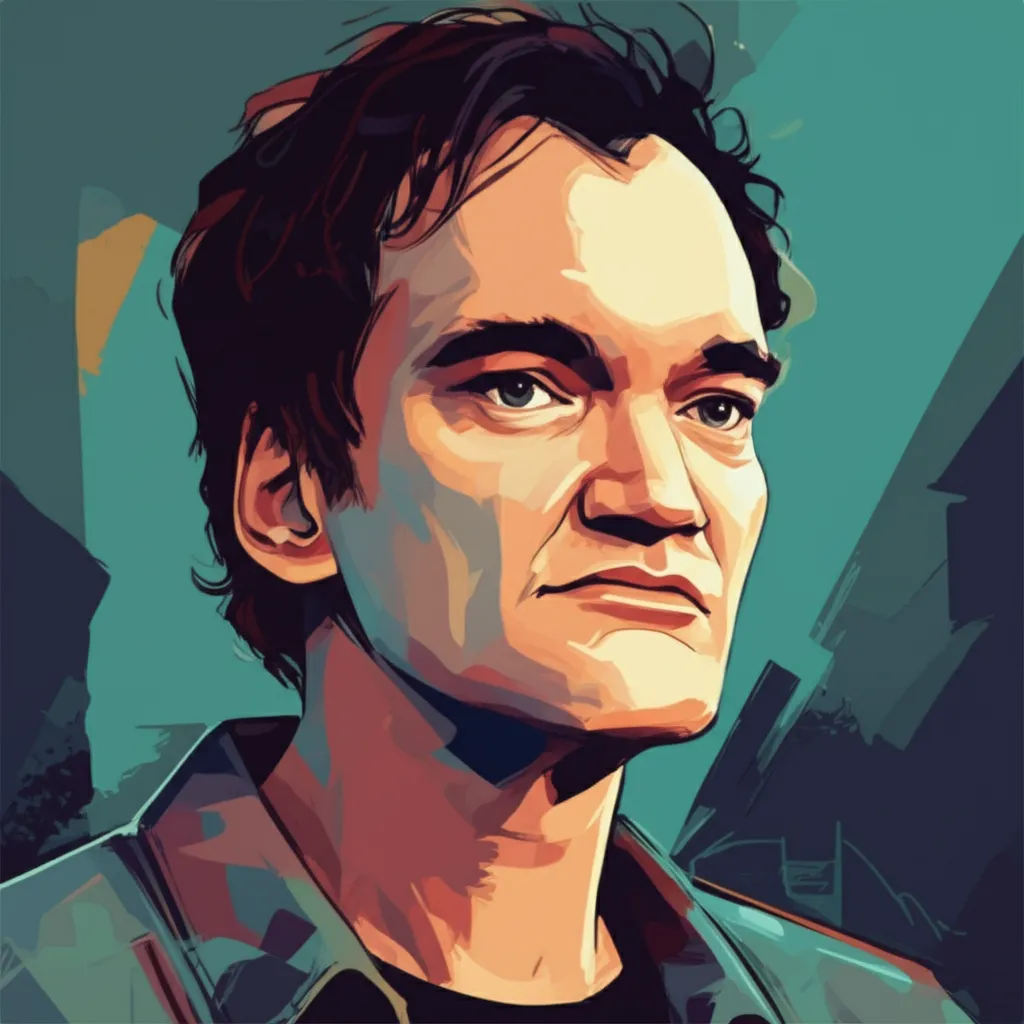
Quentin Tarantino
Every film, ranked

Stanley Kubrick
Every film, ranked

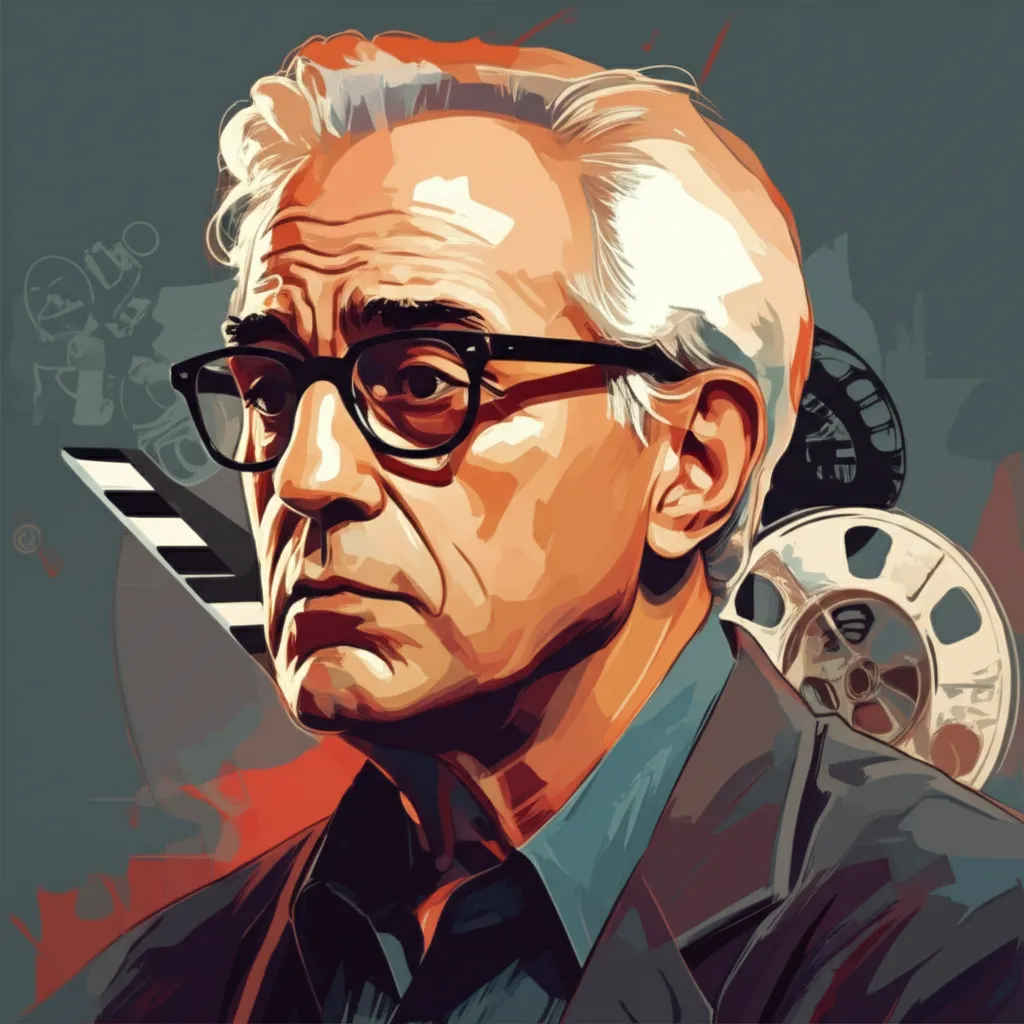
Martin Scorsese
Every film, ranked

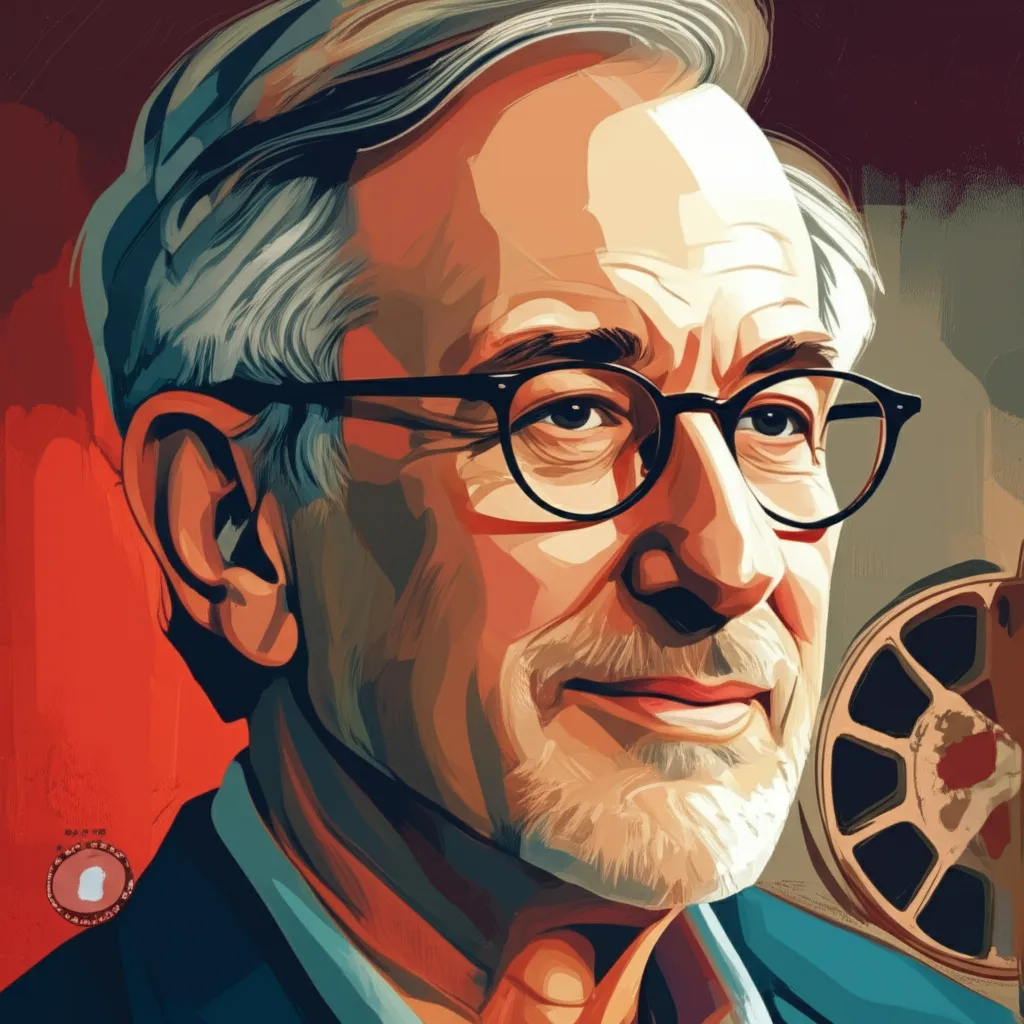
Steven Spielberg
Every film, ranked

Alfred Hitchcock
Every film, ranked

David Fincher
Every film, ranked

Denis Villeneuve
Every film, ranked

Wes Anderson
Every film, ranked

Paul Thomas Anderson
Every film, ranked

Ridley Scott
Every film, ranked

Tim Burton
Every film, ranked

Guillermo del Toro
Every film, ranked

Hayao Miyazaki
Every film, ranked

Akira Kurosawa
Every film, ranked

Francis Ford Coppola
Every film, ranked

Clint Eastwood
Every film, ranked

Bong Joon Ho
Every film, ranked

Woody Allen
Every film, ranked

Steven Soderbergh
Every film, ranked

Ron Howard
Every film, ranked

Pedro Almodóvar
Every film, ranked

Richard Linklater
Every film, ranked

Roman Polanski
Every film, ranked

Brian De Palma
Every film, ranked

Ingmar Bergman
Every film, ranked

Oliver Stone
Every film, ranked

David Cronenberg
Every film, ranked

Robert Zemeckis
Every film, ranked

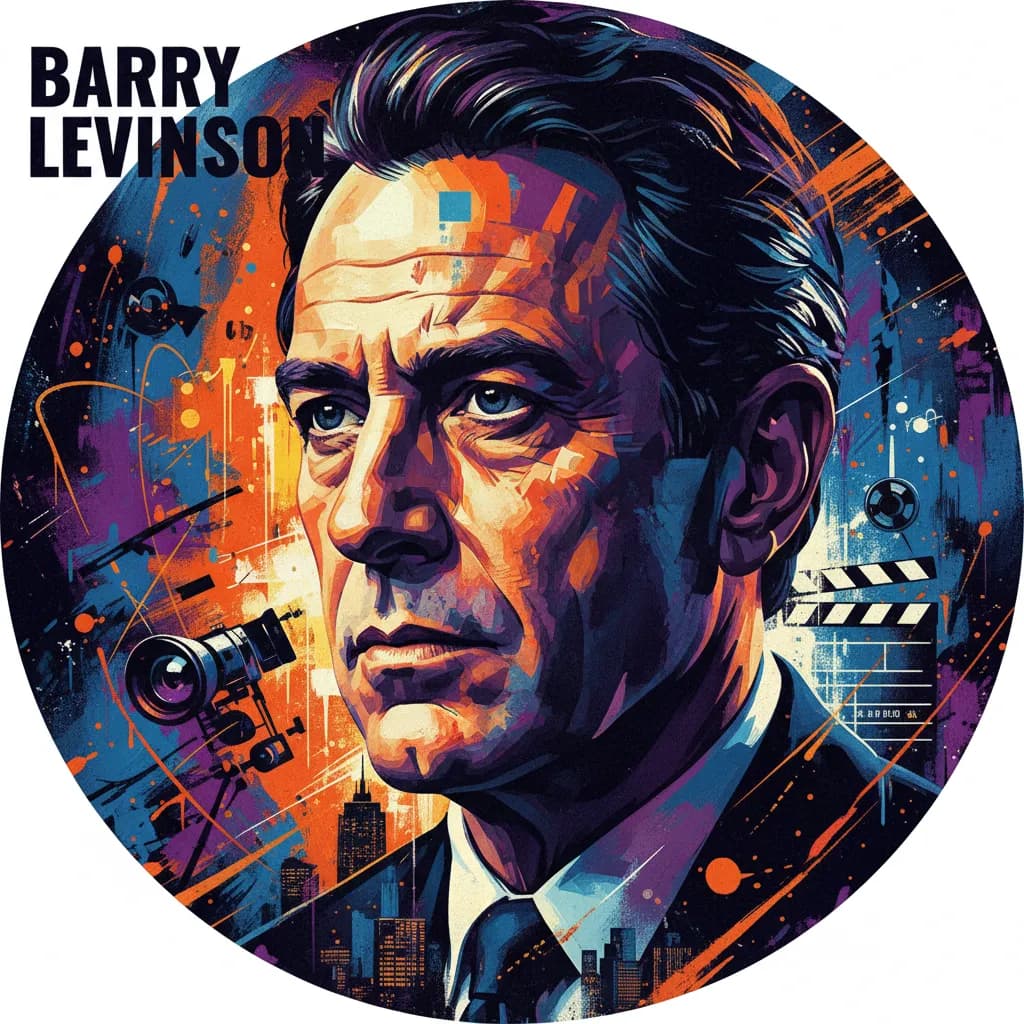
Barry Levinson
Every film, ranked

John Carpenter
Every film, ranked

Joel Schumacher
Every film, ranked

Billy Wilder
Every film, ranked

Rob Reiner
Every film, ranked

Neil Jordan
Every film, ranked

Spike Lee
Every film, ranked

Ivan Reitman
Every film, ranked

John Woo
Every film, ranked

Lasse Hallström
Every film, ranked

Stephen Frears
Every film, ranked

Luc Besson
Every film, ranked

Chris Columbus
Every film, ranked

Mike Nichols
Every film, ranked

Howard Hawks
Every film, ranked

Ang Lee
Every film, ranked

Walter Hill
Every film, ranked

Gus Van Sant
Every film, ranked

William Wyler
Every film, ranked

Renny Harlin
Every film, ranked

Sidney Lumet
Every film, ranked

Tony Scott
Every film, ranked