Discover the visionary filmmakers behind cinema's greatest works.
Explore our selection of acclaimed directors and their remarkable films.
Showing 1045-1056 out of 4148

Dustin Hoffman is not only a celebrated actor but also an accomplished director who made his directorial debut with the heartwarming and musically infused comedy-drama "Quartet" in 2012. Hoffman's directorial style is characterized by his ability to capture the nuances of human relationships and emotions, often delving into the complexities of interpersonal dynamics. This is evident in "Quartet," a film that follows the lives of retired opera singers residing in a home for retired musicians. Hoffman's keen understanding of character dynamics and his ability to draw out authentic and poignant performances from his actors are trademarks of his directorial approach. "Quartet" stands as a testament to Hoffman's directorial prowess, showcasing his adeptness at navigating the intricacies of both comedy and drama while seamlessly integrating music as a central theme. The film's lighthearted humor is juxtaposed with moments of profound emotional depth, reflecting Hoffman's ability to craft a narrative that resonates with audiences on multiple levels. The film's exploration of aging, love, and the enduring passion for music underscores Hoffman's penchant for delving into universal themes that resonate with a wide audience. Hoffman's impact on cinema as a director lies in his ability to infuse his films with a sense of humanity and warmth, creating narratives that are both relatable and emotionally impactful. His directorial debut with "Quartet" solidified his position as a filmmaker capable of crafting stories that are rich in depth and authenticity. While Hoffman's directorial career may be relatively nascent, his contributions to the cinematic landscape are marked by a keen insight into the human experience and a commitment to storytelling that is both compelling and resonant. In conclusion, Dustin Hoffman's directorial debut with "Quartet" firmly established him as a filmmaker with a unique vision and a deft touch for capturing the complexities of human relationships on screen. His ability to seamlessly blend comedy, drama, and music while exploring universal themes has positioned him as a director to watch in the industry. As he continues to shape his directorial career, audiences can anticipate more thought-provoking and emotionally resonant storytelling from this multifaceted talent.

Duwayne Dunham is a versatile and accomplished film director known for his work in family-friendly entertainment. His directorial career took off with the heartwarming adventure film "Homeward Bound: The Incredible Journey" in 1993. The film resonated with audiences of all ages and showcased Dunham's ability to infuse warmth, humor, and emotion into his storytelling. This success was followed by "Little Giants" in 1994, a delightful sports comedy that further solidified Dunham's reputation as a director adept at capturing the essence of childhood and family dynamics on screen. Dunham's directorial style is characterized by his ability to blend lighthearted humor with poignant moments, creating films that appeal to both children and adults. His keen understanding of human emotions and relationships is evident in his work, as he effortlessly weaves themes of friendship, courage, and perseverance into his narratives. With an emphasis on wholesome storytelling and relatable characters, Dunham's films have left a lasting impact on the genre of family-oriented cinema. Notable for his collaborations with animals on screen, Dunham has a knack for capturing the endearing and often humorous interactions between humans and their furry counterparts. His films often feature heartwarming animal performances that tug at the heartstrings of viewers, adding an extra layer of charm to his storytelling. Additionally, Dunham's knack for infusing sports elements into his films, as seen in "Little Giants," demonstrates his ability to diversify his directorial portfolio while maintaining his signature touch of warmth and humor. Dunham's contributions to cinema have enriched the landscape of family entertainment, offering audiences timeless tales that celebrate the bonds of friendship, the triumph of the underdog, and the enduring spirit of adventure. His ability to craft compelling narratives that resonate across generations has solidified his status as a director with a unique vision for heartwarming, feel-good cinema. As audiences continue to seek out films that uplift and inspire, Duwayne Dunham's directorial legacy remains an integral part of the cinematic tapestry, leaving an indelible mark on the world of family-oriented storytelling.

D.W. Griffith is a pivotal figure in the history of cinema, known for revolutionizing filmmaking techniques and pioneering storytelling methods that continue to influence directors today. With a career spanning the silent film era, Griffith's directorial style was characterized by his innovative use of close-ups, cross-cutting, and epic scale storytelling. His groundbreaking work laid the foundation for modern film grammar and narrative structure. Griffith's most infamous film, "The Birth of a Nation" (1915), is a controversial yet significant milestone in cinematic history. The epic drama, set against the backdrop of the American Civil War and Reconstruction era, introduced techniques such as parallel editing and dynamic camera movement, raising the bar for the art of storytelling on screen. Despite its problematic racial portrayal, the film's technical achievements cannot be overlooked, cementing Griffith's status as a visionary director. In "Intolerance" (1916), Griffith showcased his prowess for weaving multiple narratives across different time periods, exploring the universal theme of intolerance throughout history. This ambitious project solidified his reputation as a master storyteller capable of tackling complex, socially relevant themes. Furthermore, "Broken Blossoms" (1919) exemplified Griffith's ability to elicit deep emotional resonance through intimate and tender storytelling, showcasing his versatility as a director. Griffith's impact on cinema cannot be overstated. His directorial innovations, including the use of close-ups to convey emotion and suspense, and the utilization of cinematic space to create immersive worlds, continue to shape the language of film. His exploration of themes such as love, intolerance, and societal upheaval resonates across generations, with contemporary filmmakers drawing inspiration from his work. D.W. Griffith's contributions to film have left an indelible mark on the medium, solidifying his legacy as a true pioneer of cinematic storytelling.

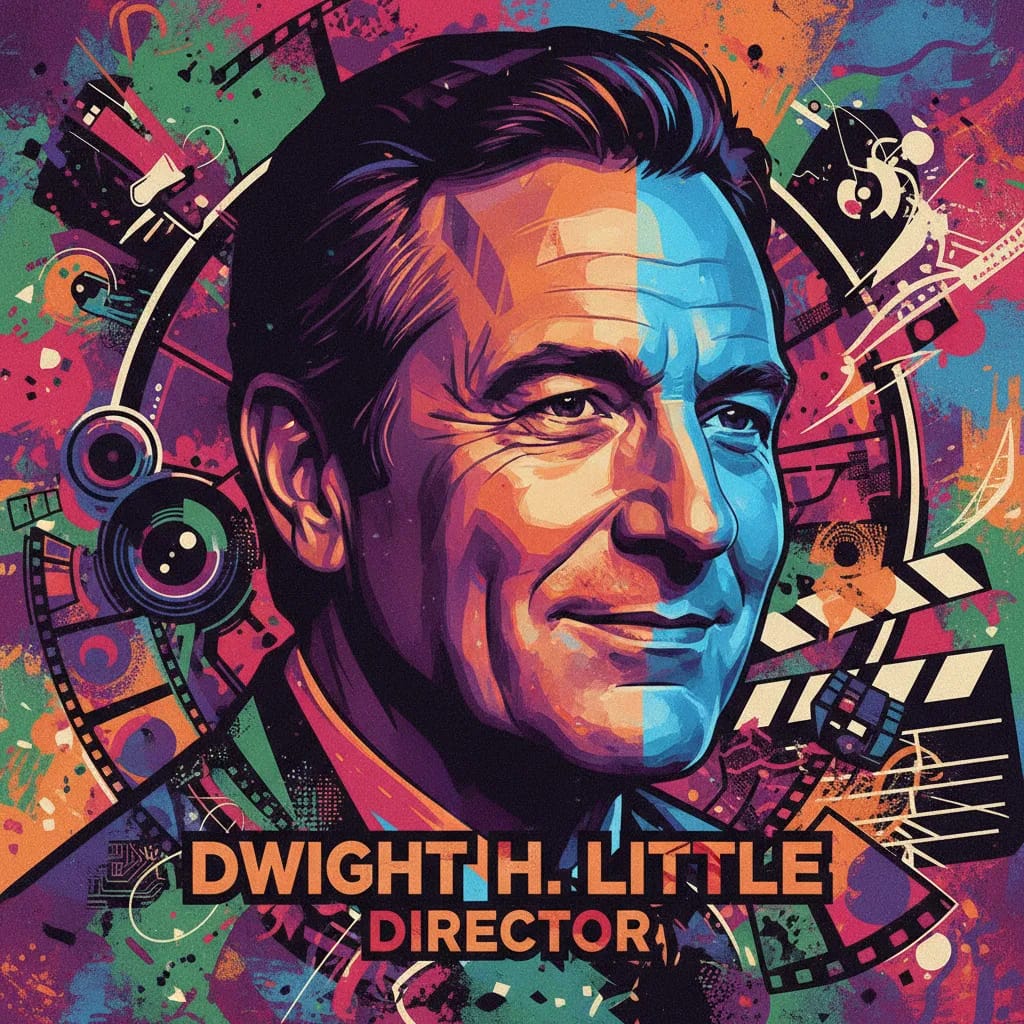
Dwight H. Little is a prolific film director known for his diverse range of work across multiple genres. With a career spanning several decades, Little has made a significant impact on the world of cinema through his distinct directorial style and his ability to infuse each project with his unique vision. One of Little's most notable films is "Halloween 4: The Return of Michael Myers" (1988), a horror thriller that revitalized the iconic franchise. Little's adept handling of suspense and tension in this film showcased his skill in the horror genre, setting the stage for his future successes in the realm of action, crime, and drama. His ability to create a foreboding atmosphere and elicit genuine scares has cemented his reputation as a formidable force in the horror genre. In "Marked for Death" (1990), Little delved into the action and crime genres, demonstrating his versatility as a director. The film's intense and gritty storytelling, coupled with adrenaline-pumping action sequences, underscored Little's proficiency in capturing the raw energy and emotion of these genres. Little's keen eye for dynamic visuals and his knack for choreographing thrilling set pieces have made him a sought-after director in the action and crime film spheres. Furthermore, Little's foray into the adventure and horror genres with "Anacondas: The Hunt for the Blood Orchid" (2004) and "Free Willy 2: The Adventure Home" (1995) showcased his ability to evoke wonder and excitement while maintaining a firm grip on suspense and thrills. His skillful direction in these films contributed to their commercial success and solidified his standing as a director capable of delivering captivating and entertaining experiences across various genres. Throughout his career, Little has exhibited a penchant for storytelling that resonates with audiences while pushing the boundaries of genre conventions. His films are characterized by their gripping narratives, compelling characters, and expertly crafted cinematic moments. With a diverse body of work that continues to captivate audiences, Dwight H. Little remains a director whose impact on cinema is both enduring and multifaceted.

Dylan Brown is a visionary director known for his extraordinary talent in bringing animated worlds to life with heart, humor, and imagination. His notable work includes the animated film "Wonder Park" (2019), a delightful adventure that captured the hearts of audiences with its vibrant visuals and endearing storytelling. Brown's directorial style is characterized by his ability to infuse his films with a sense of wonder and enchantment, creating immersive experiences that appeal to audiences of all ages. With "Wonder Park," Brown demonstrated his expertise in crafting visually stunning landscapes and endearing characters, showcasing his ability to weave together compelling narratives with a touch of whimsy. His unique directorial vision shines through in the film's seamless blend of animation and storytelling, creating a world that feels both magical and relatable. Brown's dedication to creating films that resonate with audiences on an emotional level has cemented his reputation as a director with a keen understanding of the power of storytelling. Throughout his career, Brown has consistently explored themes of imagination, creativity, and the power of belief, infusing his films with a sense of optimism and joy. His ability to create immersive and emotionally resonant worlds has had a significant impact on the animation genre, inspiring audiences and fellow filmmakers alike. Brown's contributions to cinema extend beyond his directorial work, as he continues to push the boundaries of animation and storytelling, leaving an indelible mark on the industry. In "Wonder Park" and beyond, Dylan Brown's directorial prowess has solidified his status as a trailblazing filmmaker with a remarkable ability to transport audiences to enchanting worlds filled with laughter, adventure, and heartwarming moments. With a keen eye for detail and a passion for storytelling, Brown's impact on cinema is undeniable, and his future projects are eagerly anticipated by audiences and industry insiders alike.

Dylan Kidd is a talented American film director known for his unique blend of comedy and drama, as well as his insightful exploration of complex human relationships. His directorial debut came with the critically acclaimed film "Roger Dodger" in 2002, a witty and thought-provoking comedy-drama that garnered widespread praise for its sharp dialogue and compelling character dynamics. The film showcased Kidd's distinctive directorial style, which often combines humor with introspective storytelling, and established him as a promising new voice in independent cinema. "Roger Dodger" earned Kidd the Independent Spirit Award for Best First Feature, as well as the Best First Screenplay award at the Venice Film Festival, solidifying his reputation as an emerging talent to watch. The film's success also demonstrated Kidd's ability to delve into the complexities of modern masculinity and interpersonal dynamics with depth and nuance, setting the stage for his subsequent work. In 2016, Kidd returned to the director's chair with "Get a Job," a comedy that provided a fresh take on the challenges of entering the workforce in the contemporary world. With this film, Kidd showcased his versatility by infusing lighthearted humor with astute observations about the struggles and aspirations of young adults navigating the professional landscape. While "Get a Job" received a more mixed reception compared to his debut, it further exemplified Kidd's ability to capture the intricacies of human experience with authenticity and wit. Kidd's filmography may be modest in size, but his impact on cinema lies in his ability to craft compelling narratives that resonate with audiences on a profound level. His films often center on themes of self-discovery, interpersonal dynamics, and the quest for authenticity in a complex world, reflecting his keen insight into the human condition. As a director, Kidd has consistently demonstrated a penchant for blending humor with emotional depth, creating works that entertain, provoke thought, and leave a lasting impression. In conclusion, Dylan Kidd's directorial career is characterized by an unwavering commitment to storytelling that challenges conventions and offers a fresh perspective on the human experience. With a discerning eye for the complexities of human relationships and a knack for infusing humor into thought-provoking narratives, Kidd has carved out a niche for himself in the world of independent cinema. As he continues to evolve as a filmmaker, audiences can anticipate further captivating and resonant works that bear the distinct stamp of his visionary approach to storytelling.

E.B. Hughes has carved a distinctive niche for himself in the realm of independent filmmaking, striking a unique balance between gritty realism and evocative storytelling. Embarking on his directorial journey in the early 2000s, Hughes has consistently pushed the boundaries of narrative cinema, establishing himself as a visionary director with a keen eye for the complexities of the human condition. His career arc is marked by a fearless exploration of dark, often uncomfortable themes, which has garnered him significant acclaim within the indie film circuit. Hughes's directorial style is characterized by its raw, unfiltered approach to storytelling. He possesses a unique ability to weave intricate human dramas against the backdrop of compelling visuals, crafting films that are as visually stunning as they are emotionally resonant. His works frequently explore themes of isolation, redemption, and the darker sides of human nature, inviting audiences into a world that is both deeply personal and universally relatable. Among his most notable works, films such as "Turnabout" stand out for their critical acclaim and their ability to captivate audiences with powerful performances and a gripping narrative. These films reflect Hughes's artistic vision, showcasing his talent for drawing profound performances from his actors while maintaining a tight narrative framework. Hughes's influence on cinema extends beyond his thematic concerns and stylistic choices. As a prominent figure in the independent film sector, he has played a pivotal role in showcasing the potential for indie films to tell compelling, complex stories outside the mainstream Hollywood narrative. His work has inspired a new generation of filmmakers to pursue their creative visions with integrity and authenticity. Although E.B. Hughes may not boast mainstream recognition or a trove of major awards, his contribution to the indie film genre is undeniable. His commitment to exploring the human psyche, combined with his distinct cinematic style, has left an indelible mark on the landscape of independent cinema, making him a revered figure among film aficionados and a beacon of artistic excellence in filmmaking.


Ed Bye is a versatile and accomplished British director known for his work in comedy and music genres. With a career spanning over three decades, Bye has made significant contributions to the entertainment industry. He is widely recognized for his directorial role in the cult classic "Kevin & Perry Go Large" (2000), a comedy film that resonated with audiences for its humor, music, and youthful energy. Bye's directorial style is characterized by his ability to capture the essence of comedic moments with precision and wit. His keen eye for visual storytelling and knack for eliciting genuine performances from actors have set his work apart. "Kevin & Perry Go Large" stands as a testament to Bye's skill in blending the comedic elements with the vibrant energy of the music scene, creating a memorable and entertaining film that continues to captivate audiences. In addition to "Kevin & Perry Go Large," Bye has also left his mark on the small screen, directing numerous beloved television shows, including "Red Dwarf," "The Vicar of Dibley," and "Bottom." His work in television further showcases his versatility and ability to bring out the best in comedic performances. Throughout his career, Bye has demonstrated a penchant for exploring the comedic intricacies of human relationships and the follies of everyday life. His films often delve into themes of friendship, coming of age, and the pursuit of dreams, resonating with audiences on a personal level. Bye's impact on cinema lies in his ability to infuse his projects with authenticity and relatability, creating an enduring connection with viewers. In conclusion, Ed Bye's career as a director has been defined by his ability to craft entertaining and memorable stories that resonate with audiences. His unique vision and directorial prowess have left an indelible mark on the comedy and music genres, making him a revered figure in the entertainment industry. With a body of work that continues to stand the test of time, Bye's contributions to film and television have solidified his legacy as a director with a distinctive and enduring impact.

Ed Decter is an American film director known for his work in the comedy genre, with his most notable film being "The New Guy" (2002). Decter's directorial style is characterized by his ability to infuse humor and relatable characters into his storytelling, capturing the essence of teenage angst and the quest for identity in a lighthearted and entertaining manner. His films often explore the themes of self-discovery, acceptance, and the transformative power of embracing one's individuality. "The New Guy" is a coming-of-age comedy that follows the story of a high school misfit who reinvents himself at a new school to escape his former social stigma. The film showcases Decter's knack for blending humor with heartfelt moments, as well as his ability to create endearing, quirky characters that resonate with audiences. Decter's directorial approach in "The New Guy" reflects his commitment to crafting stories that resonate with young audiences while delivering a positive and empowering message. Throughout his career, Ed Decter has made a significant impact on the comedy genre, particularly in the realm of teen comedies. His films have contributed to the cultural zeitgeist of the early 2000s, offering audiences a refreshing take on the adolescent experience with humor and heart. Decter's ability to capture the complexities of adolescence and the universal themes of self-acceptance and personal growth has solidified his reputation as a director who understands the pulse of his target demographic. In conclusion, Ed Decter's directorial career is defined by his ability to create resonant and entertaining comedies that speak to the universal experiences of youth. With "The New Guy" as a standout example of his work, Decter has left an indelible mark on the comedy genre, showcasing his talent for infusing humor with relatable narratives and memorable characters. His films continue to be celebrated for their ability to entertain, inspire, and uplift audiences, cementing his legacy as a director with a unique vision and a lasting impact on cinema.

Eddie Mensore is a prolific film director known for his intense and gripping storytelling. His notable film "Mine 9" (2019) is a powerful drama-thriller that showcases Mensore's ability to create tension and emotional depth on screen. Set in a coal mine, the film delves into the lives of miners facing life-threatening situations, highlighting Mensore's knack for portraying human resilience and the harsh realities of working-class individuals. Mensore's directorial style is characterized by his meticulous attention to detail and his ability to create a palpable sense of urgency. He excels at building suspense and drawing audiences into the emotional turmoil of his characters. "Mine 9" is a testament to Mensore's talent for crafting raw and visceral narratives that resonate deeply with viewers. In his work, Mensore often explores themes of survival, camaraderie, and the human spirit in the face of adversity. His films illuminate the courage and tenacity of ordinary people in extraordinary circumstances, offering a poignant and thought-provoking perspective on the human experience. Mensore's impact on cinema lies in his ability to bring authentic and compelling stories to the screen. His commitment to portraying the struggles and triumphs of working-class individuals sets him apart as a director with a distinct and resonant voice. With "Mine 9," Mensore has solidified his reputation as a director who fearlessly confronts challenging subject matter with empathy and insight, leaving a lasting impression on audiences and the film industry as a whole.

Eddie Murphy is renowned as a versatile entertainer, known for his exceptional comedic timing and charismatic performances on-screen. In 1989, he made his directorial debut with the film "Harlem Nights," a comedy-drama set in the 1930s that showcased Murphy's talents not only as an actor but also as a director. The film boasted an ensemble cast including Richard Pryor and Redd Foxx, and its blend of humor, crime, and drama was a testament to Murphy's directorial vision. Murphy's directorial style in "Harlem Nights" displayed a keen eye for capturing the essence of the era, with meticulous attention to detail in the production design and costumes. His ability to balance the comedic elements with the film's underlying drama highlighted his proficiency as a director. The film also allowed Murphy to explore his creative range beyond acting, showcasing his capability to helm a project from behind the camera. "Harlem Nights" remains a significant entry in Murphy's filmography, reflecting his penchant for storytelling that combines humor with a deep understanding of human emotions. The film's portrayal of the vibrant yet dangerous world of 1930s Harlem, coupled with its memorable characters and sharp dialogue, exemplified Murphy's directorial prowess. Through this film, Murphy demonstrated his ability to seamlessly transition from in front of the camera to behind it, leaving an indelible mark on cinema. Murphy's impact on cinema as a director is notable for his contributions to the representation of African American stories and characters on screen. "Harlem Nights" provided a platform for showcasing the rich cultural tapestry of the Harlem Renaissance, while also intertwining themes of loyalty, ambition, and the pursuit of dreams. His directorial debut served as a testament to his multifaceted talent and laid the groundwork for future endeavors in filmmaking. In conclusion, Eddie Murphy's directorial debut with "Harlem Nights" solidified his status as a multifaceted creative force in the film industry. His unique vision as a director, coupled with his ability to seamlessly blend comedy and drama, has left an indelible mark on cinema. Murphy's foray into directing underscored his commitment to storytelling and his impact on shaping narratives that resonate with audiences.

Edgard Navarro is a highly acclaimed Brazilian film director, known for his distinct and innovative approach to storytelling. With a career spanning over several decades, Navarro has left an indelible mark on the world of cinema. His filmography includes the 2005 comedy-drama "I Remember," which serves as a testament to his unique directorial style and storytelling prowess. Navarro's directorial style is characterized by its unflinching exploration of the human condition, often delving into the complexities of human relationships and the intricacies of everyday life. His films are known for their raw and unapologetic portrayal of emotions, providing audiences with a deeply immersive and thought-provoking cinematic experience. "I Remember" stands as a testament to Navarro's ability to seamlessly blend elements of comedy and drama, creating a narrative that is both poignant and lighthearted. The film showcases his adeptness at capturing the nuances of human emotions and the intricacies of interpersonal dynamics, cementing his reputation as a masterful storyteller. Throughout his career, Navarro has consistently explored themes of memory, nostalgia, and the passage of time, offering audiences a glimpse into the human psyche and the enduring impact of past experiences. His films often serve as a reflection of society, shedding light on the universal struggles and triumphs that define the human experience. Navarro's impact on cinema is undeniable, as he continues to push the boundaries of storytelling and challenge conventional cinematic norms. His unique vision and unwavering commitment to authentic storytelling have solidified his status as a trailblazing director, inspiring a new generation of filmmakers to fearlessly explore the depths of human emotion through the art of cinema. In conclusion, Edgard Navarro's illustrious career as a film director has been defined by his unparalleled ability to craft narratives that resonate deeply with audiences. His contributions to cinema have not only enriched the artistic landscape but have also left an indelible mark on the world of storytelling. As a visionary director, Navarro's legacy continues to inspire and captivate, ensuring that his impact on cinema will be felt for generations to come.
Every film by the greats, ranked by our TML Score.

Christopher Nolan
Every film, ranked

Quentin Tarantino
Every film, ranked

Stanley Kubrick
Every film, ranked

Martin Scorsese
Every film, ranked

Steven Spielberg
Every film, ranked

Alfred Hitchcock
Every film, ranked

David Fincher
Every film, ranked

Denis Villeneuve
Every film, ranked

Wes Anderson
Every film, ranked

Paul Thomas Anderson
Every film, ranked

Ridley Scott
Every film, ranked

Tim Burton
Every film, ranked

Guillermo del Toro
Every film, ranked

Hayao Miyazaki
Every film, ranked

Akira Kurosawa
Every film, ranked

Francis Ford Coppola
Every film, ranked

Clint Eastwood
Every film, ranked

Bong Joon Ho
Every film, ranked

Woody Allen
Every film, ranked

Steven Soderbergh
Every film, ranked

Ron Howard
Every film, ranked

Pedro Almodóvar
Every film, ranked

Richard Linklater
Every film, ranked

Roman Polanski
Every film, ranked

Brian De Palma
Every film, ranked

Ingmar Bergman
Every film, ranked

Oliver Stone
Every film, ranked

David Cronenberg
Every film, ranked

Robert Zemeckis
Every film, ranked

Barry Levinson
Every film, ranked

John Carpenter
Every film, ranked

Joel Schumacher
Every film, ranked

Billy Wilder
Every film, ranked

Rob Reiner
Every film, ranked

Neil Jordan
Every film, ranked

Spike Lee
Every film, ranked

Ivan Reitman
Every film, ranked

John Woo
Every film, ranked

Lasse Hallström
Every film, ranked

Stephen Frears
Every film, ranked

Luc Besson
Every film, ranked

Chris Columbus
Every film, ranked

Mike Nichols
Every film, ranked

Howard Hawks
Every film, ranked

Ang Lee
Every film, ranked

Walter Hill
Every film, ranked

Gus Van Sant
Every film, ranked

William Wyler
Every film, ranked

Renny Harlin
Every film, ranked

Sidney Lumet
Every film, ranked

Tony Scott
Every film, ranked