Discover the visionary filmmakers behind cinema's greatest works.
Explore our selection of acclaimed directors and their remarkable films.
Showing 661-672 out of 4148

Christian Carion is a French director known for his emotionally charged and historically inspired films. His directorial style is characterized by a keen attention to detail, evocative storytelling, and a deep exploration of human emotions. Carion's most notable film to date is "Joyeux Noël" (2005), a powerful drama set during World War I that depicts the famous Christmas truce of 1914. This film not only showcased Carion's ability to bring historical events to life on the screen but also highlighted his talent for weaving together multiple narratives and creating poignant, thought-provoking cinema. In "Joyeux Noël," Carion delves into themes of humanity, compassion, and the futility of war, establishing himself as a director with a profound understanding of complex human experiences. His ability to blend historical accuracy with deeply moving storytelling has solidified his reputation as a director capable of delivering impactful and resonant narratives. Carion's recent film "My Son" (2021) further demonstrates his versatility as a director, as he delves into the crime, drama, and mystery genres. This film showcases his ability to captivate audiences with compelling characters and intricate plots while maintaining a strong emotional core. With "My Son," Carion continues to prove his ability to navigate diverse storytelling landscapes while staying true to his thematic explorations of human nature and societal dynamics. Christian Carion's impact on cinema lies in his dedication to crafting films that not only entertain but also provoke deep reflection and emotional resonance. His unique vision and ability to bring historical events to life on the screen have cemented his status as a director with a distinct voice and a commitment to storytelling that transcends boundaries. As he continues to explore new genres and narratives, Christian Carion remains a director to watch, consistently pushing the boundaries of cinema and leaving a lasting impression on audiences worldwide.
Christian Ditter is a German film director known for his work in the romantic comedy genre. With a keen eye for capturing the complexities of human relationships, Ditter crafts heartwarming and relatable stories that resonate with audiences worldwide. His directorial style is characterized by a delicate balance of humor and poignancy, creating films that are not only entertaining but also emotionally resonant. One of Ditter's notable works is "Love, Rosie" (2014), a charming romantic comedy that follows the lifelong friendship and love story between two best friends, played by Lily Collins and Sam Claflin. The film showcases Ditter's ability to infuse lighthearted moments with genuine emotional depth, making it a beloved addition to the romantic comedy genre. In 2016, Ditter directed "How to Be Single," a comedy-drama that explores the complexities of modern dating and relationships. Starring Dakota Johnson and Rebel Wilson, the film delves into themes of self-discovery, friendship, and the pursuit of happiness. Ditter's adept storytelling and skillful direction shine through in this ensemble piece, as he captures the intricacies of love and independence in a refreshingly authentic manner. Throughout his career, Ditter has demonstrated a knack for portraying the intricacies of human connection, often exploring themes of friendship, love, and self-discovery. His films resonate with audiences for their relatable characters and heartfelt narratives, showcasing his ability to capture the essence of human emotions on screen. Christian Ditter's impact on cinema lies in his ability to breathe new life into the romantic comedy genre, infusing it with authenticity and depth. His unique vision and storytelling prowess have cemented his status as a director capable of delivering heartfelt and entertaining films that leave a lasting impression on audiences. As Ditter continues to craft engaging stories that tug at the heartstrings, his contribution to the world of cinema remains both significant and enduring.

Christian Duguay is a Canadian film director known for his work in action, adventure, and science fiction genres. With a career spanning over three decades, Duguay has made a mark in the industry with his distinct directorial style and compelling storytelling. One of his notable films is "The Art of War" (2000), a gripping action thriller starring Wesley Snipes. Duguay's adept handling of high-octane action sequences and intricate plotlines in the film showcased his ability to create tension and excitement on screen. In addition to "The Art of War," Duguay gained recognition for his work on "Screamers" (1995), a science fiction horror film set in a dystopian future. The movie's chilling atmosphere and thought-provoking themes of technology and humanity demonstrated Duguay's skill in blending genres to deliver a compelling cinematic experience. Throughout his career, Duguay has exhibited a penchant for exploring the intersection of technology, society, and human nature, often infusing his films with thought-provoking concepts and visually stunning imagery. Duguay's directorial style is characterized by his ability to seamlessly blend action, suspense, and philosophical undertones, captivating audiences with his immersive storytelling. His films often delve into the complexities of human behavior and the moral implications of technological advancements, reflecting a deep understanding of the human psyche and societal dynamics. Duguay's impact on cinema lies in his ability to infuse genre films with substance, elevating them beyond mere entertainment to provoke introspection and critical thinking. As a director, Christian Duguay has left an indelible mark on the film industry through his dynamic storytelling and visionary approach to filmmaking. His ability to craft compelling narratives within the framework of action, adventure, and science fiction genres has solidified his position as a director with a unique vision and a lasting influence on the cinematic landscape. With a diverse filmography that showcases his versatility and creativity, Duguay continues to captivate audiences with his thought-provoking narratives and visually striking compositions.

Christian Duurvoort is a Dutch film director known for his distinct visual style and thought-provoking storytelling. With a keen eye for detail and a penchant for exploring the darker sides of human nature, Duurvoort has made a name for himself in the world of cinema. His notable film "Trash" (2014) stands as a testament to his directorial prowess, seamlessly blending elements of adventure, crime, and drama to create a riveting cinematic experience. Duurvoort's directorial style is characterized by its raw and gritty realism, capturing the complexities of human emotions and relationships in a visceral manner. He is unafraid to delve into challenging subject matters, infusing his films with a sense of urgency and authenticity that resonates with audiences. "Trash" exemplifies his ability to craft multi-layered narratives that grip viewers from start to finish, showcasing his adeptness at weaving together intricate storylines while maintaining a palpable sense of tension. Throughout his career, Duurvoort has displayed a penchant for exploring themes of morality, survival, and the human condition. His films often delve into the depths of human psyche, offering a candid examination of societal issues and the ethical dilemmas faced by his characters. This thematic depth, coupled with his compelling visual storytelling, has cemented Duurvoort as a director with a distinct voice and a penchant for pushing the boundaries of traditional cinematic storytelling. In the realm of contemporary cinema, Christian Duurvoort's contributions stand as a testament to the power of a director who fearlessly embraces the complexities of the human experience. His films serve as a mirror to society, challenging viewers to confront uncomfortable truths while offering a captivating and immersive viewing experience. With "Trash" and his body of work, Duurvoort has left an indelible mark on cinema, earning recognition for his ability to craft compelling narratives that resonate on both an emotional and intellectual level. As a director unafraid to tackle challenging subject matters with unflinching honesty, Duurvoort continues to shape the landscape of modern filmmaking with his unique vision and unwavering commitment to storytelling.

Christian E. Christiansen is a Danish film director known for his work in the drama, horror, and thriller genres. His most notable film to date is "The Roommate" (2011), a psychological thriller that garnered attention for its intense and suspenseful storytelling. Christiansen's directorial style is characterized by his ability to create tension and immerse audiences in a gripping narrative, often exploring the darker aspects of human psychology. In "The Roommate," Christiansen showcased his knack for building a foreboding atmosphere and keeping viewers on the edge of their seats. His keen understanding of pacing and visual storytelling allowed him to deliver a film that left a lasting impression on the audience. Christiansen's directorial approach often delves into the complexities of interpersonal relationships and the psychological motivations behind characters' actions, adding depth and intrigue to his films. Throughout his career, Christiansen has demonstrated a penchant for delving into the psychological depths of his characters, often blurring the lines between reality and illusion. His films frequently explore themes of obsession, identity, and the human psyche, captivating audiences with their psychological complexity. Christiansen's unique vision and ability to craft compelling narratives have made him a noteworthy figure in the realm of psychological thrillers, leaving a lasting impact on the genre. With "The Roommate," Christiansen solidified his status as a director capable of delivering gripping and thought-provoking films that resonate with audiences. His contributions to cinema have not only enriched the psychological thriller genre but have also showcased his talent for creating immersive and haunting cinematic experiences. Christiansen's directorial career continues to intrigue and captivate audiences, solidifying his reputation as a director with a distinct and compelling vision.

Christian Gudegast is a highly versatile director whose impactful work in the film industry has made him a force to be reckoned with. With his impressive directorial debut in the action-packed crime drama "Den of Thieves" (2018), Gudegast firmly established himself as a director with a keen eye for intense and gripping storytelling. His directorial style is characterized by a seamless blend of high-stakes action, complex characters, and a gritty, realistic portrayal of the criminal underworld. "Den of Thieves" stands as a testament to Gudegast's ability to create tension-filled narratives that keep audiences on the edge of their seats. The film, which stars Gerard Butler and 50 Cent, delves into the lives of an elite unit of the Los Angeles County Sheriff's Department and a notorious gang of bank robbers, leading to a thrilling game of cat and mouse. Gudegast's meticulous attention to detail and masterful execution of action sequences set him apart as a director who knows how to deliver heart-pounding entertainment while also delving deep into the complexities of human nature. One of Gudegast's recurring themes is the exploration of morality and the blurred lines between law enforcement and criminality. His films often delve into the psychological and emotional motivations of his characters, creating a multi-dimensional portrayal of both heroes and antiheroes. His impact on cinema is undeniable, as he continues to push the boundaries of the action-crime genre, infusing it with a raw and authentic sensibility that resonates with audiences. Christian Gudegast's unique vision and bold storytelling have solidified his position as a director to watch in the industry. His commitment to crafting compelling narratives and his ability to extract riveting performances from his cast members set him apart as a true auteur. As he continues to make his mark on the cinematic landscape, audiences can eagerly anticipate more thrilling and thought-provoking work from this visionary filmmaker.

Christian Molina is a Spanish filmmaker known for his bold and provocative storytelling in the realm of drama and romance. With a career spanning over a decade, Molina has made a significant impact on cinema through his distinct directorial style and thought-provoking narratives. His notable film "Diary of a Nymphomaniac" (2008) garnered attention for its unapologetic exploration of female sexuality and desire, establishing Molina as a director unafraid to delve into taboo subjects with sensitivity and honesty. Molina's directorial style is characterized by an unflinching exploration of human emotions and desires, often delving into the complexities of relationships and personal identity. His films are known for their intimate and raw portrayal of characters, drawing audiences into the emotional landscapes of his protagonists. Molina's keen eye for detail and his ability to capture the nuances of human interactions have earned him a reputation as a director who fearlessly pushes boundaries while maintaining a deep empathy for his characters. "Diary of a Nymphomaniac" stands as a testament to Molina's ability to tackle controversial themes with grace and authenticity. The film's exploration of female sexuality and the societal stigmas surrounding it sparked conversations and challenged traditional narratives, cementing Molina's place as a director unafraid to confront societal taboos through the lens of compelling storytelling. Molina's work has contributed to the broadening of perspectives within the film industry, opening doors for more inclusive and diverse narratives to take center stage. In a cinematic landscape often dominated by formulaic storytelling, Molina's commitment to authenticity and emotional depth sets him apart as a director with a unique vision. His exploration of human intimacy and the complexities of desire has left an indelible mark on cinema, inspiring audiences and fellow filmmakers alike. As Christian Molina continues to carve his path in the world of cinema, his dedication to crafting evocative narratives promises to shape the future of storytelling on screen.

Christian Nyby was an American film director best known for his work in the science fiction and horror genres. His most notable film is "The Thing from Another World" (1951), a classic horror and sci-fi film that has stood the test of time. Nyby's directorial style is marked by his ability to create intense atmospheres and build suspense, keeping audiences on the edge of their seats throughout his films. He was known for his precise and efficient approach to filmmaking, often focusing on the technical aspects of his craft to deliver gripping and visually stunning narratives. "The Thing from Another World" remains a landmark film in the horror and sci-fi genres, showcasing Nyby's adeptness at creating tension and fear through atmospheric storytelling and skillful direction. The film's impact on cinema cannot be overstated, as it set a new standard for the genre and inspired countless future filmmakers. Nyby's ability to blend horror and science fiction elements while maintaining a sense of realism and urgency has solidified his place in cinematic history. Throughout his career, Nyby often explored themes of fear, the unknown, and the human condition, delving into the depths of human psyche and the complexities of the universe. His films often featured strong, dynamic characters facing unimaginable challenges, adding depth and emotional resonance to his narratives. Nyby's contributions to the horror and sci-fi genres have left an indelible mark on cinema, influencing generations of filmmakers and leaving a lasting legacy that continues to inspire and captivate audiences to this day. In conclusion, Christian Nyby's directorial career is a testament to his unparalleled vision and impact on the film industry. His ability to craft compelling and immersive narratives, coupled with his mastery of suspense and atmosphere, has established him as a pioneer in the horror and sci-fi genres. His legacy lives on through his timeless films, which continue to resonate with audiences and filmmakers alike, cementing his status as a true visionary in the world of cinema.

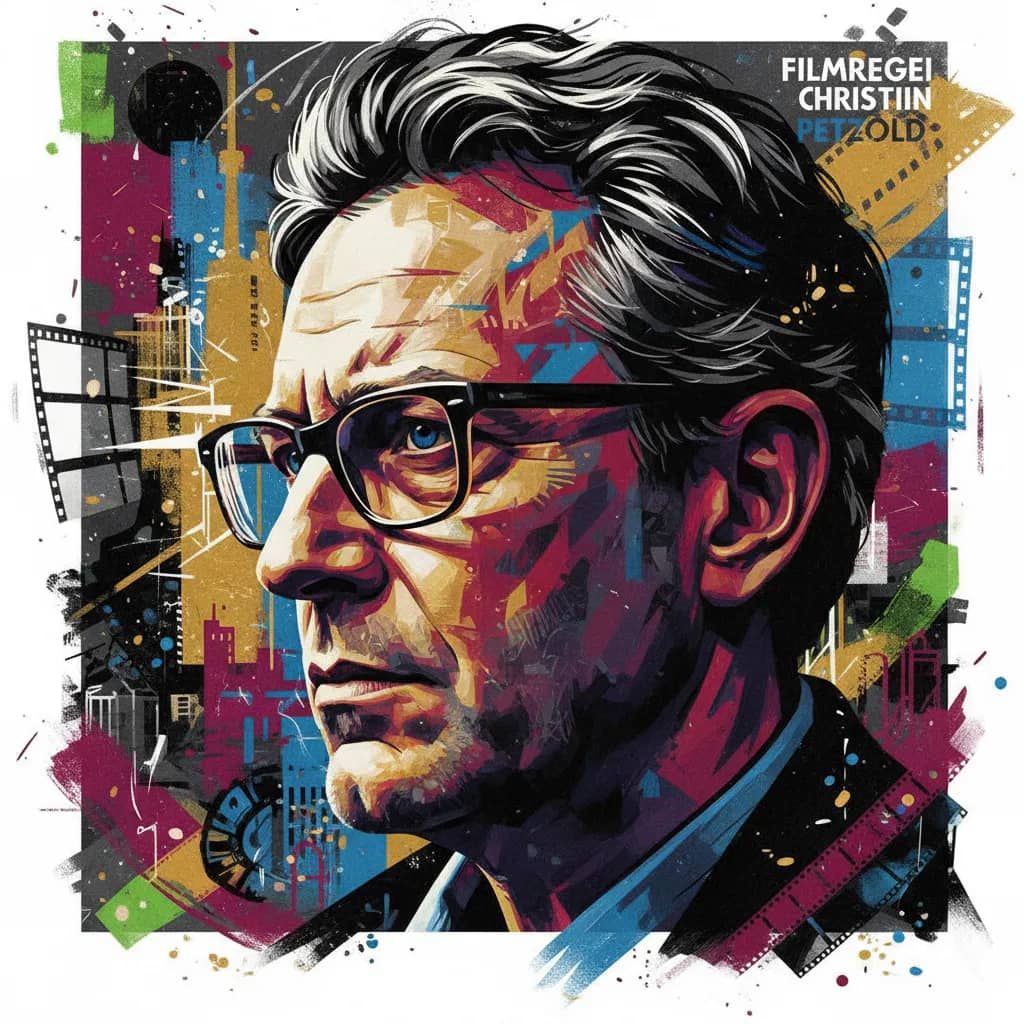
Christian Petzold is a German film director known for his thought-provoking and emotionally resonant works that often explore themes of identity, trauma, and the human condition. With a career spanning decades, Petzold has become a prominent figure in contemporary European cinema, creating a distinctive body of work characterized by his unique directorial style and storytelling prowess. One of Petzold's most acclaimed films is "Phoenix" (2014), a gripping drama set in post-World War II Germany that follows a disfigured concentration camp survivor who undergoes facial reconstruction surgery and returns to Berlin to find her husband. The film's haunting exploration of personal and collective memory, as well as its powerful performances and evocative cinematography, cemented Petzold's reputation as a masterful storyteller with a keen eye for historical and psychological depth. Another notable work in Petzold's filmography is "Barbara" (2012), a taut drama set in 1980s East Germany that centers on a female doctor's attempts to escape to the West. The film showcases Petzold's ability to infuse his narratives with political and social commentary while maintaining a focus on human relationships and moral dilemmas. In "Transit" (2018), Petzold delves into the realm of speculative fiction, adapting Anna Seghers' novel to create a haunting, timely exploration of displacement and existential uncertainty. The film's seamless blend of historical and contemporary themes, coupled with Petzold's trademark visual elegance and narrative precision, further solidified his standing as a visionary director unafraid to challenge genre conventions. Petzold's directorial style is characterized by his meticulous attention to detail, nuanced characterizations, and a penchant for crafting atmospheric, emotionally resonant narratives. His films often feature morally complex protagonists navigating turbulent historical or social landscapes, grappling with questions of identity, memory, and personal agency. Through his body of work, Christian Petzold has made a significant impact on contemporary cinema, earning accolades from critics and audiences alike for his compelling storytelling and thematic depth. His unique vision and unwavering commitment to exploring the complexities of the human experience have firmly established him as a leading voice in European filmmaking, and his contributions continue to inspire and captivate cinephiles around the world.

Christian Rivers is a New Zealand-born director renowned for his visionary approach to filmmaking. He initially made a name for himself as a visual effects artist and storyboard illustrator, working alongside acclaimed director Peter Jackson on The Lord of the Rings and The Hobbit trilogies. Rivers' directorial debut came with the 2018 action-adventure fantasy film Mortal Engines, which showcased his distinctive directorial style and earned him widespread recognition in the industry. In Mortal Engines, Rivers demonstrated his proficiency in crafting visually stunning and immersive cinematic experiences. His directorial style is characterized by a seamless blend of intricate world-building, high-octane action sequences, and compelling storytelling. The film's post-apocalyptic setting and visually striking steampunk aesthetic exemplify Rivers' penchant for creating rich, fantastical universes that captivate audiences. Rivers' directorial debut with Mortal Engines marked a significant milestone in his career, solidifying his position as a director with a distinct creative vision. The film's ambitious scope and visually arresting sequences underscore Rivers' commitment to pushing the boundaries of cinematic storytelling. His ability to seamlessly integrate cutting-edge visual effects with compelling narratives has set him apart as a director with a keen eye for spectacle and innovation. Throughout his career, Rivers has consistently demonstrated a proclivity for exploring themes of resilience, heroism, and the resilience of the human spirit in the face of adversity. His directorial approach often delves into the complexities of human nature and the enduring quest for hope in the midst of turmoil. With Mortal Engines, Rivers showcased his ability to infuse larger-than-life narratives with emotional depth and thematic resonance, cementing his status as a director capable of delivering thought-provoking and visually stunning cinematic experiences. Christian Rivers' directorial debut with Mortal Engines heralded the arrival of a filmmaker with a distinctive voice and an unwavering commitment to pushing the boundaries of storytelling. His visionary approach to world-building, coupled with his adeptness at crafting exhilarating action sequences, has positioned him as a director to watch in the realm of fantasy and adventure cinema. As he continues to chart new territories in filmmaking, Rivers' impact on the industry is poised to endure, leaving an indelible mark on the cinematic landscape for years to come.

Christian Schwochow is a German film director known for his thought-provoking and visually stunning works that delve into the complexities of human nature and societal dynamics. His latest directorial venture, "Munich: The Edge of War" (2021), exemplifies his knack for bringing historical narratives to life with a contemporary sensibility. Schwochow's directorial style is characterized by meticulous attention to detail, striking cinematography, and a keen understanding of character psychology. In "Munich: The Edge of War," Schwochow masterfully captures the tension and political intrigue leading up to World War II, showcasing his ability to blend historical accuracy with compelling storytelling. The film serves as a testament to his commitment to exploring pivotal moments in history through a cinematic lens, resonating with audiences on both an emotional and intellectual level. Schwochow's filmography boasts a diverse range of genres, including biography, drama, and history, showcasing his versatility as a director. His body of work often delves into themes of power dynamics, personal identity, and the impact of historical events on individual lives. Notable films such as "November Child" (2008) and "West" (2013) have garnered critical acclaim for their evocative storytelling and nuanced character development, cementing Schwochow's reputation as a director with a keen eye for human emotion and societal commentary. Throughout his career, Schwochow has made significant contributions to the world of cinema, earning accolades for his ability to infuse historical narratives with contemporary relevance. His distinct directorial vision and commitment to storytelling have left an indelible mark on the film industry, inspiring audiences and fellow filmmakers alike. As Christian Schwochow continues to push boundaries and challenge conventions in his work, his impact on cinema remains a testament to the enduring power of storytelling through the lens of a visionary director.

Christian Volckman is a French director known for his groundbreaking work in the realm of animation, particularly in the film "Renaissance" (2006). Volckman's directorial style is characterized by his innovative use of motion capture technology to create a visually stunning and immersive experience for audiences. His meticulous attention to detail and commitment to pushing the boundaries of animation has established him as a visionary in the industry. "Renaissance" marked Volckman's directorial debut and made a significant impact on the world of animation and sci-fi cinema. The film's striking black-and-white visuals, coupled with a gripping narrative set in a futuristic Paris, showcased Volckman's ability to seamlessly blend action and science fiction elements with a noir aesthetic. The result was a visually arresting and intellectually stimulating film that captivated audiences and critics alike. One of Volckman's recurring themes is the exploration of the human condition within futuristic and dystopian settings. His films often delve into the complexities of human emotion and morality against the backdrop of advanced technology and societal upheaval. This thematic depth, coupled with his innovative approach to animation, has solidified Volckman's reputation as a director with a unique and thought-provoking vision. Volckman's impact on cinema extends beyond his directorial achievements. His pioneering use of motion capture technology in "Renaissance" paved the way for a new wave of animated filmmaking, inspiring filmmakers to explore the possibilities of this technique in creating visually stunning and immersive worlds. As a result, Volckman's contributions have left an indelible mark on the animation genre and continue to influence the next generation of filmmakers. In conclusion, Christian Volckman's career is defined by his unwavering commitment to pushing the boundaries of animation and storytelling. His directorial style, characterized by visually striking imagery and thought-provoking narratives, has cemented his status as a visionary in the industry. With "Renaissance" as a testament to his talent and innovation, Volckman's impact on cinema is undeniable, and his contributions continue to shape the landscape of animated filmmaking.
Every film by the greats, ranked by our TML Score.

Christopher Nolan
Every film, ranked

Quentin Tarantino
Every film, ranked

Stanley Kubrick
Every film, ranked

Martin Scorsese
Every film, ranked

Steven Spielberg
Every film, ranked

Alfred Hitchcock
Every film, ranked

David Fincher
Every film, ranked

Denis Villeneuve
Every film, ranked

Wes Anderson
Every film, ranked

Paul Thomas Anderson
Every film, ranked

Ridley Scott
Every film, ranked

Tim Burton
Every film, ranked

Guillermo del Toro
Every film, ranked

Hayao Miyazaki
Every film, ranked

Akira Kurosawa
Every film, ranked

Francis Ford Coppola
Every film, ranked

Clint Eastwood
Every film, ranked

Bong Joon Ho
Every film, ranked

Woody Allen
Every film, ranked

Steven Soderbergh
Every film, ranked

Ron Howard
Every film, ranked

Pedro Almodóvar
Every film, ranked

Richard Linklater
Every film, ranked

Roman Polanski
Every film, ranked

Brian De Palma
Every film, ranked

Ingmar Bergman
Every film, ranked

Oliver Stone
Every film, ranked

David Cronenberg
Every film, ranked

Robert Zemeckis
Every film, ranked

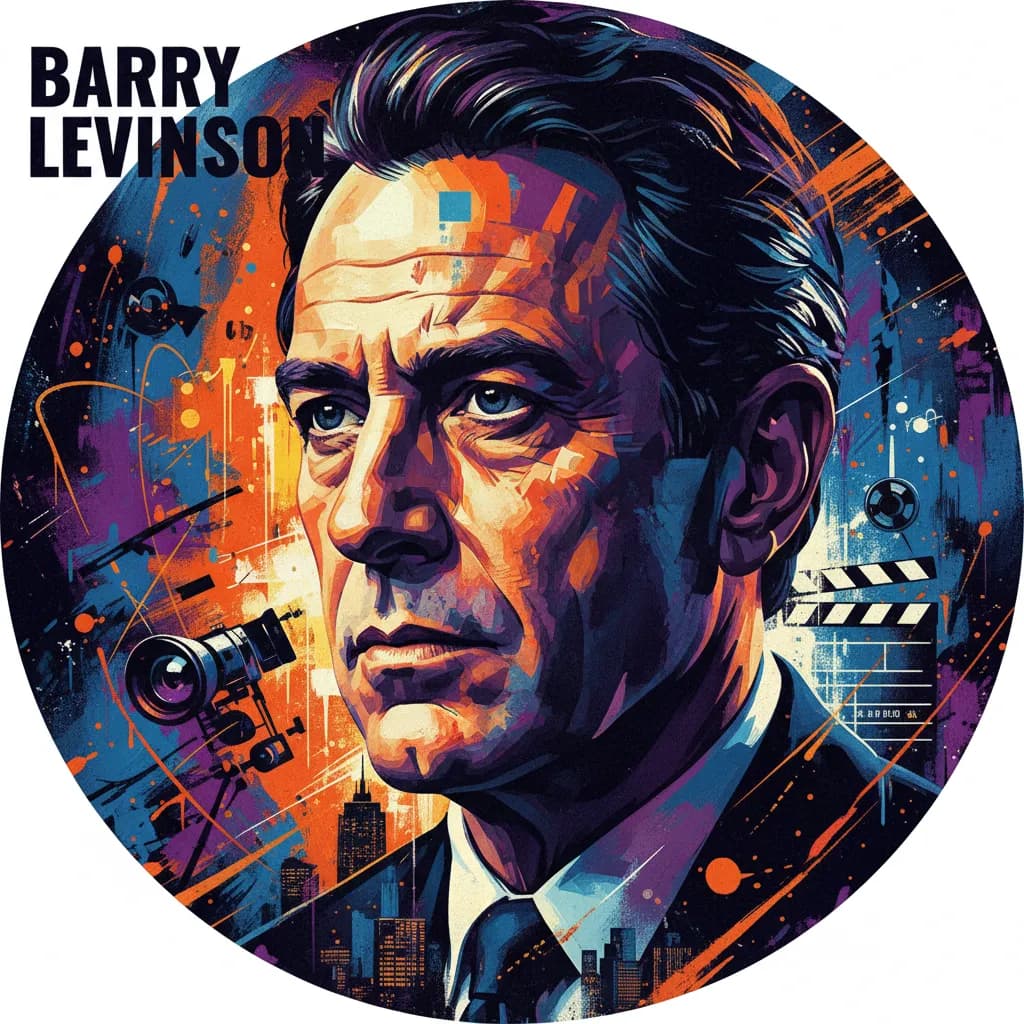
Barry Levinson
Every film, ranked

John Carpenter
Every film, ranked

Joel Schumacher
Every film, ranked

Billy Wilder
Every film, ranked

Rob Reiner
Every film, ranked

Neil Jordan
Every film, ranked

Spike Lee
Every film, ranked

Ivan Reitman
Every film, ranked

John Woo
Every film, ranked

Lasse Hallström
Every film, ranked

Stephen Frears
Every film, ranked

Luc Besson
Every film, ranked

Chris Columbus
Every film, ranked

Mike Nichols
Every film, ranked

Howard Hawks
Every film, ranked

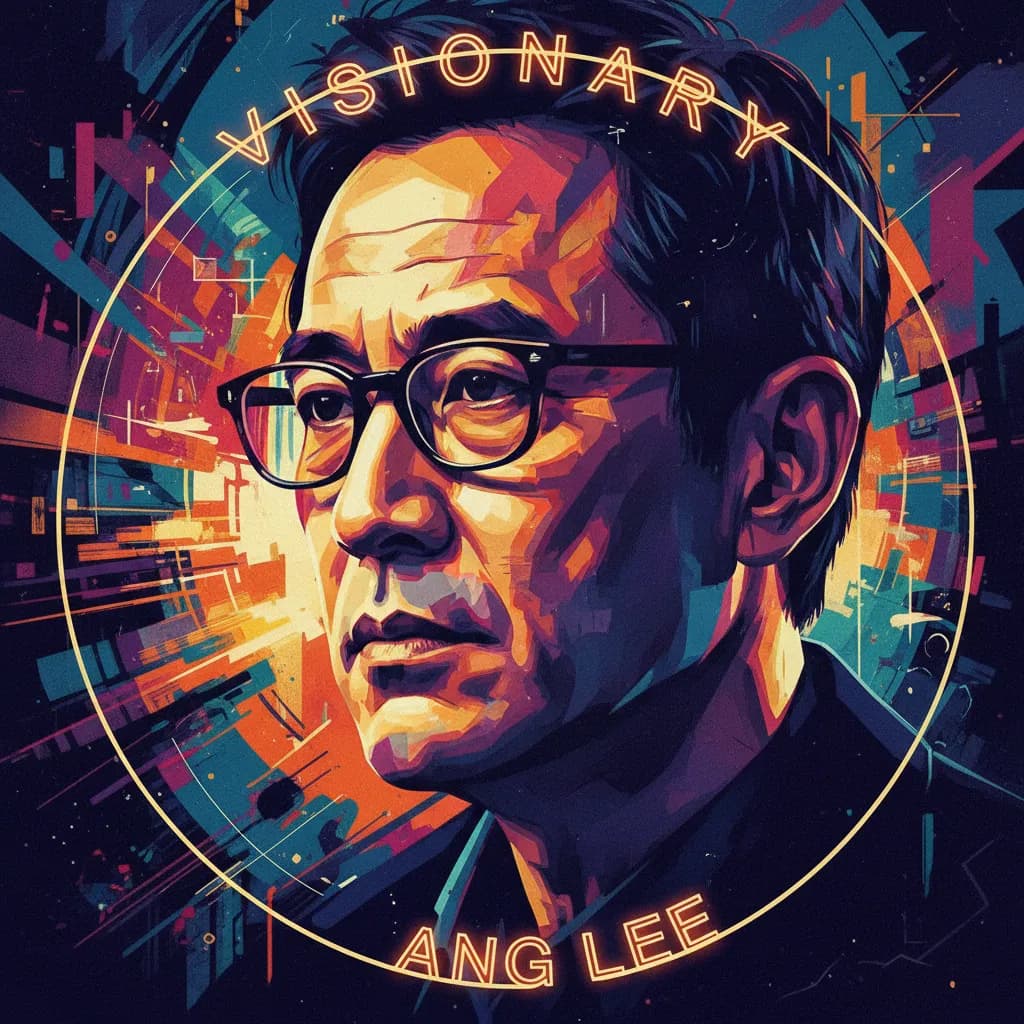
Ang Lee
Every film, ranked

Walter Hill
Every film, ranked

Gus Van Sant
Every film, ranked

William Wyler
Every film, ranked

Renny Harlin
Every film, ranked

Sidney Lumet
Every film, ranked

Tony Scott
Every film, ranked