Discover the visionary filmmakers behind cinema's greatest works.
Explore our selection of acclaimed directors and their remarkable films.
Showing 685-696 out of 4148

Christopher MacBride is a talented film director known for his distinct directorial style and unique vision in the horror and thriller genres. His most notable work to date is the 2012 film "The Conspiracy," which garnered critical acclaim and solidified his reputation as a promising director in the industry. MacBride's directorial approach is characterized by a keen focus on building suspense and tension, as well as crafting thought-provoking narratives that delve into the darker aspects of human nature. "The Conspiracy" stands as a testament to MacBride's ability to create a gripping and immersive cinematic experience. The film's seamless blend of found footage and traditional storytelling techniques showcases the director's innovative and boundary-pushing approach to filmmaking. Through his meticulous attention to detail and masterful use of visual storytelling, MacBride masterfully weaves a narrative that keeps audiences on the edge of their seats while exploring themes of paranoia, conspiracy theories, and the blurred lines between reality and fiction. MacBride's directorial style often delves into psychological horror and suspense, tapping into the fears and anxieties that resonate with audiences on a deeply visceral level. His films are known for their atmospheric tension, intricate storytelling, and compelling character dynamics. With "The Conspiracy," MacBride cemented his status as a director with a penchant for crafting intelligent and thought-provoking horror narratives that transcend genre conventions. Christopher MacBride's impact on cinema lies in his ability to push the boundaries of storytelling within the horror and thriller genres. Through his unique vision and directorial prowess, he has carved a niche for himself as a filmmaker unafraid to challenge traditional storytelling norms and provoke audiences with thought-provoking narratives. As he continues to evolve as a director, MacBride's contributions to the film industry are sure to leave a lasting impression on both fans of horror cinema and the wider cinematic landscape.

Christopher McQuarrie is a renowned American film director, producer, and screenwriter celebrated for his impactful contributions to the action and thriller genres. With a career spanning over two decades, McQuarrie has left an indelible mark on cinema with his distinctive directorial style and gripping storytelling. Known for his collaboration with Tom Cruise, McQuarrie's films often feature intense action sequences, intricate plot twists, and compelling character dynamics, captivating audiences worldwide. McQuarrie's directorial debut came with the critically acclaimed film "The Way of the Gun" (2000), showcasing his penchant for crafting gripping narratives within the crime and action genres. However, it was his collaboration with Tom Cruise on "Jack Reacher" (2012) that solidified his reputation as a master of the genre. The film's success led to McQuarrie's involvement in the highly successful "Mission: Impossible" franchise, where he directed "Mission: Impossible - Rogue Nation" (2015) and "Mission: Impossible - Fallout" (2018). These films exemplify McQuarrie's ability to helm high-octane action sequences while infusing them with depth and intrigue. McQuarrie's directorial style is characterized by a meticulous attention to detail, immersive storytelling, and a flair for crafting heart-stopping suspense. His films often explore themes of betrayal, redemption, and moral ambiguity, delving into the complexities of human nature amidst adrenaline-pumping action. With a keen eye for visual storytelling and a talent for orchestrating breathtaking set pieces, McQuarrie has redefined the action genre, setting a new standard for exhilarating and intelligent filmmaking. The impact of Christopher McQuarrie's work on cinema is undeniable, as he continues to push the boundaries of storytelling and technical prowess in the action and thriller genres. His collaborations with industry heavyweights and his ability to deliver box office successes while maintaining critical acclaim have solidified his status as a visionary director. McQuarrie's unique vision and dedication to his craft have cemented his legacy as a trailblazer in the world of action cinema, leaving audiences eagerly anticipating his next directorial endeavor.


Christopher Miller is a visionary director known for his innovative approach to animated filmmaking. With a career spanning over a decade, Miller has made a significant impact on the cinema landscape with his distinctive directorial style and ability to blend humor, heart, and cutting-edge animation techniques. His notable films include "The Lego Movie" (2014) and "Cloudy with a Chance of Meatballs" (2009), both of which showcase his talent for creating visually stunning, emotionally resonant stories that appeal to audiences of all ages. Miller's directorial style is characterized by his use of bold, vibrant visuals, dynamic storytelling, and a keen understanding of comedic timing. He has a knack for infusing his films with a mix of wit and warmth, making them not only entertaining but also thought-provoking. His films often explore themes of creativity, identity, and the power of imagination, resonating with viewers on a profound level. "The Lego Movie" catapulted Miller to international acclaim and solidified his status as a groundbreaking director in the animated film genre. The movie was a critical and commercial success, praised for its inventive animation, clever humor, and poignant message about the importance of individuality and self-expression. Similarly, "Cloudy with a Chance of Meatballs" showcased Miller's ability to bring beloved literary works to life on the big screen, garnering attention for its imaginative storytelling and delightful humor. Miller's impact on cinema extends beyond his individual films, as he has contributed to reshaping the perception of animated movies, elevating them to a level of artistic and emotional sophistication that rivals live-action filmmaking. His ability to seamlessly blend cutting-edge animation technology with compelling narratives has revolutionized the animated film industry, inspiring a new generation of filmmakers to push the boundaries of what is possible in the medium. In conclusion, Christopher Miller's career as a director has been defined by his unparalleled creativity, visionary storytelling, and unwavering commitment to pushing the boundaries of animated filmmaking. His films continue to captivate audiences worldwide, and his influence on the industry is undeniable. As he continues to evolve as a director, audiences can anticipate even more groundbreaking and emotionally resonant work from this cinematic trailblazer.

Christopher Monger is a British film director celebrated for his unique blend of comedy, drama, and romance. His most notable work, "The Englishman Who Went Up a Hill But Came Down a Mountain" (1995), showcases his talent for infusing heartwarming narratives with humor and emotional depth. Monger's directorial style is characterized by his ability to craft endearing and relatable characters while exploring the intricacies of human relationships. His films often resonate with audiences on a profound emotional level, making him a beloved figure in the film industry. "The Englishman Who Went Up a Hill But Came Down a Mountain" stands as a testament to Monger's storytelling prowess, as he masterfully weaves together elements of comedy and drama within a charming romantic backdrop. The film's success solidified Monger's reputation as a director capable of delivering captivating narratives that transcend genre boundaries. His ability to elicit laughter, tears, and introspection from his audiences has established him as a versatile and influential filmmaker. Monger's recurring themes often revolve around the human experience, exploring themes of love, perseverance, and the inherent complexities of interpersonal relationships. His films are known for their poignant portrayal of human emotions and the universal struggles that connect us all. Monger's impact on cinema lies in his adeptness at creating compelling, character-driven stories that resonate with a wide range of viewers, earning him a dedicated following and critical acclaim. In conclusion, Christopher Monger's directorial career is defined by his ability to craft emotionally resonant narratives that blend humor, drama, and romance with unparalleled skill. With "The Englishman Who Went Up a Hill But Came Down a Mountain," he established himself as a director with a keen understanding of the human condition, leaving an indelible mark on the film industry. As a storyteller, Monger continues to captivate audiences with his unique vision and unwavering commitment to portraying the complexities of human relationships on the silver screen.

Christopher Morahan was a prolific British film and television director known for his keen eye for capturing the humor and absurdity of everyday life. With a career spanning over several decades, Morahan's directorial style was characterized by his ability to infuse wit and charm into his work, making him a beloved figure in the industry. His notable film, "Clockwise" (1986), starring the iconic John Cleese, showcased Morahan's talent for blending comedy with a touch of farce, earning him acclaim from audiences and critics alike. Throughout his career, Morahan demonstrated a knack for crafting narratives that explored the comedic potential in the midst of chaos and misadventure. His directorial approach often centered around ordinary individuals finding themselves in extraordinary circumstances, resulting in uproarious and relatable storytelling. "Clockwise" exemplifies Morahan's adeptness at capturing the comedic essence of human fallibility and the pursuit of perfection, a recurring theme in his work. Morahan's impact on cinema is evident in the enduring popularity of "Clockwise," which continues to be celebrated for its timeless humor and memorable performances. His ability to elicit genuine laughter while addressing the foibles of human nature solidified his reputation as a director with an exceptional understanding of comedic timing and storytelling. Morahan's contributions to the genre have left a lasting impression on the landscape of British comedy filmmaking, influencing subsequent generations of directors and cementing his legacy as a master of comedic storytelling. In conclusion, Christopher Morahan's directorial legacy is defined by his ability to capture the idiosyncrasies of human behavior through the lens of humor, leaving an indelible mark on the world of comedy filmmaking. His distinct vision and storytelling prowess continue to inspire audiences and filmmakers, ensuring his place in the pantheon of influential directors. With a filmography that includes "Clockwise," Morahan's impact on cinema endures as a testament to his unparalleled talent and enduring contributions to the art of comedic filmmaking.

Christopher Morris is a British film director known for his distinctive approach to comedy and social commentary. He made his mark on the film industry with his feature film debut "Four Lions" in 2010, a dark comedy that follows a group of inept British jihadists. The film received critical acclaim for its bold and controversial subject matter, showcasing Morris's fearless and unapologetic directorial style. Morris's directorial style is characterized by his fearless exploration of taboo subjects and uncomfortable truths, often infused with sharp satire and biting humor. His work reflects a keen understanding of the complexities of human behavior, often delving into the dark and absurd aspects of society with a satirical lens. "Four Lions" exemplifies his ability to tackle sensitive topics with wit and insight, positioning him as a boundary-pushing filmmaker unafraid to challenge societal norms and expectations. In "Four Lions," Morris explores themes of extremism, identity, and the absurdity of modern terrorism, offering a thought-provoking and darkly comedic take on a controversial subject. The film's impact on cinema lies in its ability to provoke introspection and spark conversations about pressing social and political issues, all while delivering sharp and irreverent humor. With "Four Lions," Morris established himself as a director unafraid to push the boundaries of conventional comedy and tackle weighty themes with nuance and intelligence. Christopher Morris's contribution to cinema extends beyond his directorial work, as he has demonstrated a unique ability to challenge and provoke audiences while delivering thought-provoking narratives. His films stand as a testament to his uncompromising vision and willingness to confront uncomfortable truths, solidifying his status as a director with a distinct and unapologetic voice in the world of comedy and social commentary.

Christopher Nolan is a visionary director known for his distinct directorial style and thought-provoking storytelling. With a diverse filmography that encompasses a wide range of genres, Nolan has left an indelible mark on cinema. His notable films include "Memento" (2000), "The Dark Knight" (2008), "Inception" (2010), and "Dunkirk" (2017), each showcasing his penchant for intricate narratives, visually stunning sequences, and complex characters. Nolan's directorial style is characterized by non-linear storytelling, immersive visuals, and a penchant for exploring the depths of the human psyche. He often delves into themes of time, memory, and identity, captivating audiences with his intellectually stimulating narratives. His skillful use of practical effects and innovative cinematography has set a new standard for cinematic storytelling, earning him a reputation as a master of the craft. Notably, Nolan's impact on cinema extends beyond his individual films, as he has redefined the possibilities of blockbuster filmmaking. With his critically acclaimed "Dark Knight" trilogy, Nolan elevated the superhero genre to new heights, infusing it with a darker, more sophisticated tone and garnering widespread acclaim from both critics and audiences. His ability to blend spectacle with substance has influenced a new generation of filmmakers, inspiring them to push the boundaries of storytelling and visual storytelling. In conclusion, Christopher Nolan's directorial prowess has solidified his status as a trailblazer in the world of cinema. His ability to craft compelling narratives, coupled with his innovative visual style, has left an indelible mark on the film industry. As audiences eagerly anticipate his next project, it is clear that Nolan's visionary approach to filmmaking will continue to shape the landscape of contemporary cinema for years to come.

Christopher Renz is a talented filmmaker known for his thought-provoking and visually stunning work in the horror and mystery genres. Renz burst onto the scene with his directorial debut, "Antebellum" in 2020. The film, which he co-directed with his brother Gerard, captivated audiences with its gripping narrative and powerful social commentary. Renz's directorial style is characterized by his ability to create a sense of unease and tension, while seamlessly weaving in thought-provoking themes into his storytelling. "Antebellum" is a prime example of Renz's ability to tackle complex subject matter with a deft touch. The film delves into issues of race, identity, and resilience, all set against a backdrop of horror and mystery. Renz's keen eye for detail and his skillful direction elevated the film to critical acclaim, establishing him as a filmmaker to watch in the industry. Renz's work often explores themes of societal injustice, historical trauma, and the human experience, all while pushing the boundaries of traditional genre filmmaking. His ability to infuse depth and nuance into his storytelling sets him apart as a director who is unafraid to tackle difficult subject matter and provoke meaningful conversations through his art. Renz's impact on cinema is undeniable, as he continues to push the boundaries of genre filmmaking and pave the way for underrepresented voices in the industry. His unique vision and commitment to storytelling have cemented him as a director to watch, with audiences eagerly anticipating his future projects. With "Antebellum," Renz has solidified his status as a filmmaker who fearlessly confronts societal issues and delivers compelling, visually striking cinema that leaves a lasting impression.

Christopher Smith is a British film director known for his unique blend of genres and captivating storytelling. His directorial style is characterized by a keen sense of atmosphere, compelling narratives, and a penchant for combining different genres to create truly original cinematic experiences. Smith's notable films include "Triangle" (2009) and "Black Death" (2010), both of which showcase his ability to seamlessly merge elements of fantasy, mystery, sci-fi, action, drama, and history into immersive and thought-provoking narratives. "Triangle" is a mind-bending thriller that follows a group of friends who become trapped in a time loop aboard a mysterious ocean liner. Smith masterfully weaves together elements of psychological horror, mystery, and sci-fi, creating a gripping and surreal experience that challenges conventional storytelling. "Black Death" delves into the historical period of the bubonic plague, infusing it with intense action and gripping drama as a group of medieval mercenaries encounter a village seemingly untouched by the deadly disease. Throughout his career, Smith has demonstrated a penchant for exploring complex themes such as human nature, morality, and the supernatural, often through the lens of unexpected genre mashups. His ability to infuse historical settings with modern sensibilities and to subvert genre expectations has set him apart as a director with a distinct and innovative vision. Christopher Smith's impact on cinema lies in his ability to defy genre boundaries and deliver fresh, boundary-pushing narratives that resonate with audiences. His skillful direction and storytelling have garnered critical acclaim and attracted a dedicated following. As a director, Smith continues to push the envelope, challenging audiences to explore the unexpected and embrace the unconventional in storytelling. In conclusion, Christopher Smith's directorial career is defined by his ability to craft mesmerizing and genre-defying films that leave a lasting impression. His unique vision and storytelling prowess have solidified his status as a director to watch, and his contributions to cinema continue to inspire and captivate audiences worldwide.

Christopher Spencer is a British director known for his exceptional storytelling and visually stunning filmmaking. With a penchant for creating compelling narratives that resonate with audiences, Spencer has made a significant impact on the film industry. His most notable work includes the 2014 film "Son of God," a powerful portrayal of the life of Jesus Christ. This biographical drama, deeply rooted in history, showcases Spencer's ability to bring timeless stories to life on the silver screen. Spencer's directorial style is characterized by meticulous attention to detail and a keen eye for capturing the essence of his subjects. His films often feature sweeping cinematography, evocative imagery, and a strong emphasis on character development. Through his work, Spencer has demonstrated a gift for bringing historical and biographical narratives to the forefront, immersing audiences in rich and captivating storytelling. In "Son of God," Spencer masterfully brings to life the story of Jesus Christ, delving into the historical and cultural context of the time while also exploring the emotional and spiritual journey of the central figure. The film's profound impact lies in its ability to connect with viewers on a deeply personal level, transcending the boundaries of time and culture. Spencer's contribution to cinema extends beyond his directorial prowess; he has made a lasting impression through his commitment to portraying historically significant narratives with authenticity and reverence. His work has not only entertained audiences but also sparked meaningful conversations and reflections on the human experience. Overall, Christopher Spencer's directorial career is defined by a dedication to bringing compelling stories to the screen with integrity and artistry. His ability to breathe life into historical and biographical subjects has solidified his place as a visionary filmmaker, leaving an indelible mark on the world of cinema. With a track record of creating impactful and memorable films, Spencer continues to inspire and captivate audiences with his unique vision and storytelling prowess.

Chris Walas is a renowned film director known for his work in the horror, drama, and sci-fi genres. Walas made his directorial debut with the 1989 film "The Fly II," which solidified his position as a visionary filmmaker with a distinct directorial style. His directorial approach is characterized by a keen focus on practical effects and the ability to evoke visceral emotions from his audiences. Walas's directorial style often incorporates elements of body horror and psychological depth, creating an immersive and unforgettable cinematic experience. "The Fly II" stands as a testament to Walas's prowess as a director, as he skillfully combines elements of drama, horror, and sci-fi to deliver a thought-provoking narrative that resonates with audiences. The film showcases his ability to delve into the human psyche and explore the consequences of scientific experimentation, all while maintaining a sense of tension and suspense throughout. Walas's filmography may be limited, but his impact on cinema cannot be understated. His work has left an indelible mark on the horror and sci-fi genres, inspiring future filmmakers and captivating audiences with his unique vision. His use of practical effects and dedication to storytelling has set him apart as a director who prioritizes substance and artistry in his work. Overall, Chris Walas's directorial career is a testament to his ability to push the boundaries of traditional filmmaking, leaving a lasting impression on the industry and cementing his status as a visionary director with a knack for crafting unforgettable cinematic experiences. His contributions to the horror, drama, and sci-fi genres have solidified his legacy as a director who fearlessly explores the depths of human emotion and the complexities of the human condition through his work.

Chris Wedge is a celebrated director known for his exceptional work in the world of animation. Born in Binghamton, New York, Wedge has left an indelible mark on the film industry with his distinctive directorial style and ability to craft visually stunning and emotionally resonant stories. He began his career as a director with the critically acclaimed "Ice Age" in 2002, a film that not only showcased his talent for creating endearing characters but also set the stage for his future success in the animation genre. One of Wedge's most notable works is "Robots" (2005), a film that seamlessly blends animation, adventure, and comedy while exploring themes of individuality and self-discovery. The movie is a testament to Wedge's ability to infuse his projects with heartwarming storytelling and captivating visuals, cementing his reputation as a master storyteller in the animation realm. "Epic" (2013) further solidified Wedge's status as a visionary director, as he skillfully brought to life a fantastical world filled with mesmerizing creatures and awe-inspiring landscapes. In 2016, Wedge ventured into live-action filmmaking with "Monster Trucks," showcasing his versatility as a director. The film, which combines action, adventure, and comedy, allowed Wedge to explore a different aspect of his directorial prowess while still delivering an entertaining and visually striking experience for audiences. Throughout his career, Wedge has consistently demonstrated a keen eye for detail, a gift for creating captivating worlds, and an innate ability to connect with audiences of all ages. Wedge's impact on cinema extends beyond his individual films, as he has played a pivotal role in pushing the boundaries of animation and bringing innovative storytelling techniques to the forefront. His commitment to creating immersive and emotionally rich narratives has left an indelible mark on the animation genre, inspiring future generations of filmmakers to explore the boundless possibilities of storytelling through animation. With a career defined by creativity, imagination, and a profound understanding of the craft, Chris Wedge continues to be a driving force in the world of film, shaping the future of animation with his unparalleled vision and directorial expertise.
Every film by the greats, ranked by our TML Score.

Christopher Nolan
Every film, ranked

Quentin Tarantino
Every film, ranked

Stanley Kubrick
Every film, ranked

Martin Scorsese
Every film, ranked

Steven Spielberg
Every film, ranked

Alfred Hitchcock
Every film, ranked

David Fincher
Every film, ranked

Denis Villeneuve
Every film, ranked

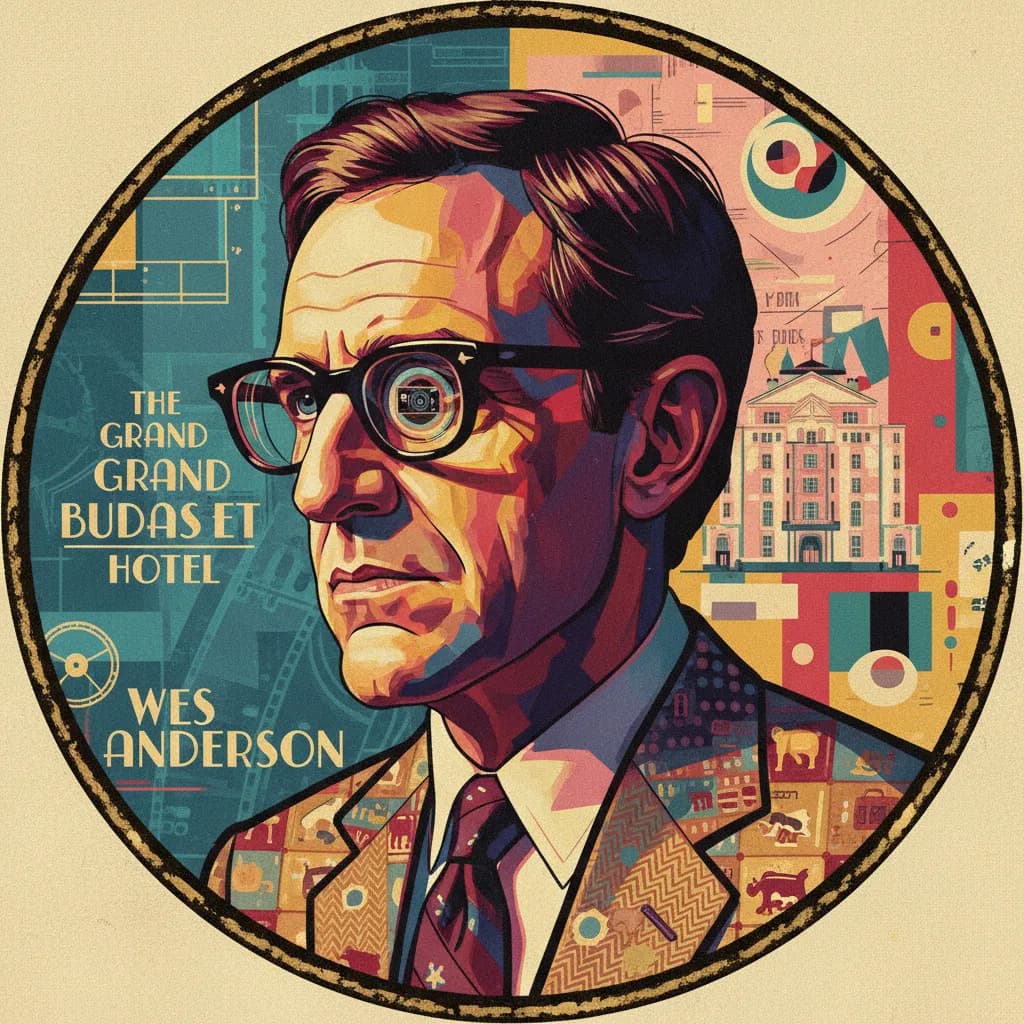
Wes Anderson
Every film, ranked

Paul Thomas Anderson
Every film, ranked

Ridley Scott
Every film, ranked

Tim Burton
Every film, ranked

Guillermo del Toro
Every film, ranked

Hayao Miyazaki
Every film, ranked

Akira Kurosawa
Every film, ranked

Francis Ford Coppola
Every film, ranked

Clint Eastwood
Every film, ranked

Bong Joon Ho
Every film, ranked

Woody Allen
Every film, ranked

Steven Soderbergh
Every film, ranked

Ron Howard
Every film, ranked

Pedro Almodóvar
Every film, ranked

Richard Linklater
Every film, ranked

Roman Polanski
Every film, ranked

Brian De Palma
Every film, ranked

Ingmar Bergman
Every film, ranked

Oliver Stone
Every film, ranked

David Cronenberg
Every film, ranked

Robert Zemeckis
Every film, ranked

Barry Levinson
Every film, ranked

John Carpenter
Every film, ranked

Joel Schumacher
Every film, ranked

Billy Wilder
Every film, ranked

Rob Reiner
Every film, ranked

Neil Jordan
Every film, ranked

Spike Lee
Every film, ranked

Ivan Reitman
Every film, ranked

John Woo
Every film, ranked

Lasse Hallström
Every film, ranked

Stephen Frears
Every film, ranked

Luc Besson
Every film, ranked

Chris Columbus
Every film, ranked

Mike Nichols
Every film, ranked

Howard Hawks
Every film, ranked

Ang Lee
Every film, ranked

Walter Hill
Every film, ranked

Gus Van Sant
Every film, ranked

William Wyler
Every film, ranked

Renny Harlin
Every film, ranked

Sidney Lumet
Every film, ranked

Tony Scott
Every film, ranked