Discover the visionary filmmakers behind cinema's greatest works.
Explore our selection of acclaimed directors and their remarkable films.
Showing 565-576 out of 4148

Carlos López Estrada is a rising talent in the world of filmmaking, known for his distinct directorial style and innovative storytelling. With only a handful of feature films under his belt, López Estrada has already made a significant impact on cinema with his unique vision and thought-provoking narratives. His diverse filmography includes the animated action-adventure "Raya and the Last Dragon" (2021) and the critically acclaimed "Blindspotting" (2018), a powerful blend of comedy, crime, and drama. López Estrada's directorial style is characterized by his adeptness at seamlessly blending different genres and infusing his storytelling with raw, emotional depth. His attention to detail and ability to create visually stunning and emotionally resonant scenes have garnered him acclaim from both audiences and critics alike. In "Raya and the Last Dragon," López Estrada's mastery of animation and action shines through, as he brings to life a vibrant and immersive world while delivering a compelling narrative. One of the recurring themes in López Estrada's work is his exploration of identity, social issues, and the human experience. "Blindspotting" is a prime example of his ability to tackle complex themes with nuance and sensitivity, as the film delves into topics of race, gentrification, and friendship. López Estrada's films often serve as poignant reflections of contemporary society, inviting audiences to confront uncomfortable truths and engage in meaningful conversations. As a director, López Estrada has made an indelible mark on cinema by pushing boundaries and challenging traditional storytelling conventions. His ability to captivate audiences with visually stunning imagery and emotionally charged narratives has solidified his status as a director to watch. With each new project, López Estrada continues to showcase his versatility and artistic prowess, cementing his reputation as a visionary filmmaker with a bright future in the industry. Whether in live-action or animation, López Estrada's work is a testament to his unwavering commitment to storytelling and his dedication to creating impactful, thought-provoking cinema.

Carlos Saldanha is a Brazilian film director known for his work in animated films. His career took off with his involvement in the Ice Age franchise, where he served as a director and co-director for several installments. Saldanha's directorial style is characterized by his ability to infuse humor, adventure, and heartwarming storytelling into his animated films, captivating audiences of all ages. Saldanha's notable films include "Ice Age," "Rio," and "Ferdinand," all of which showcase his talent for creating vibrant, visually stunning worlds and endearing characters. His films often explore themes of friendship, resilience, and self-discovery, resonating with audiences on a universal level. Saldanha's keen sense of pacing and comedic timing brings a dynamic energy to his films, making them enjoyable and engaging for viewers. Throughout his career, Saldanha has made a significant impact on the animation genre, contributing to the success of several beloved franchises. His ability to blend humor with heartfelt storytelling has established him as a prominent figure in the world of animated filmmaking. Saldanha's work has not only entertained audiences but has also set a high standard for visual storytelling and character development in animated cinema. With a string of successful films under his belt, Saldanha has solidified his place as a visionary director in the animation industry. His unique vision and dedication to creating immersive, emotionally resonant stories have left an indelible mark on cinema, inspiring future generations of filmmakers to push the boundaries of animated storytelling. Carlos Saldanha's contributions to the world of animation continue to be celebrated, and his influence on the genre is sure to endure for years to come. Keywords: Carlos Saldanha, film director, animated films, Ice Age, Rio, Ferdinand, directorial style, animated storytelling, animation genre, visual storytelling, character development.

Carlos Saura is a renowned Spanish film director whose career spans several decades and has left an indelible mark on world cinema. He is best known for his distinctive directorial style, characterized by his innovative use of music, dance, and visual storytelling. Saura's films often explore complex emotional and psychological themes, delving into the depths of human experience with unflinching honesty and depth. One of Saura's most notable works is "Cría Cuervos" (1976), a poignant drama that delves into the inner world of a young girl dealing with the loss of her parents. The film showcases Saura's masterful ability to blend realism with surrealism, creating a haunting and evocative portrayal of grief and resilience. Saura's directorial prowess is evident in his seamless fusion of narrative and visual elements, drawing viewers into the emotional core of the story. Throughout his career, Saura has explored recurring themes such as memory, identity, and the intersection of personal and political history. His films often serve as powerful reflections on the socio-political landscape of Spain, offering nuanced insights into the complexities of the human condition. The director's innovative approach to storytelling has earned him international acclaim and cemented his status as a visionary auteur. Saura's impact on cinema extends beyond his directorial achievements, as he has inspired countless filmmakers with his bold and uncompromising vision. His influence can be seen in the works of contemporary directors who continue to push the boundaries of storytelling and visual expression. Saura's legacy as a trailblazing filmmaker continues to resonate with audiences and aspiring artists, making him a true luminary in the world of cinema.

Carl Reiner was a prolific and versatile American filmmaker, celebrated for his exceptional contributions to the world of comedy. Born in the Bronx in 1922, Reiner began his career as a writer and performer on Sid Caesar's "Your Show of Shows," where he honed his comedic skills and developed a deep understanding of comedic timing and storytelling. Transitioning to directing, Reiner made a significant impact with his directorial debut, "Enter Laughing" (1967), a charming coming-of-age comedy that showcased his knack for blending humor with heartfelt storytelling. Reiner's directorial style was characterized by his ability to elicit genuine, heartfelt performances from his actors while infusing his films with sharp wit and comedic flair. His films often featured a blend of physical comedy, witty dialogue, and endearing characters, making them both entertaining and emotionally resonant. Reiner's filmography includes an array of beloved comedies, including "The Jerk" (1979), starring Steve Martin in a breakout role, and "Dead Men Don't Wear Plaid" (1982), a clever and inventive homage to film noir that seamlessly integrated classic film clips with a new narrative. Throughout his career, Reiner's films often explored themes of love, identity, and the human experience, all while maintaining a lighthearted and humorous tone. He had a gift for crafting stories that were universally relatable, and his ability to infuse warmth and humanity into his comedies set him apart as a director with a distinct and endearing vision. Reiner's impact on cinema is evident in the enduring popularity of his films, which continue to entertain and resonate with audiences decades after their initial release. In addition to his directorial work, Reiner's influence extended to the realm of television, where he created and produced the iconic "The Dick Van Dyke Show," further solidifying his status as a comedic master. His legacy as a director, writer, and performer continues to inspire generations of filmmakers and entertainers, cementing his place as a beloved and influential figure in the world of comedy and entertainment. Carl Reiner's remarkable career serves as a testament to the enduring power of laughter and the ability of comedy to touch the hearts of audiences worldwide.

Carl Schultz is an Australian film and television director known for his versatile and impactful work across various genres. With a career spanning several decades, Schultz has made a significant mark on the international film industry. One of his notable works includes "The Seventh Sign" (1988), a gripping drama, fantasy, and horror film that showcases his ability to create intense and thought-provoking narratives. Schultz's directorial style is characterized by his skillful storytelling and his adeptness at eliciting powerful performances from his actors. His ability to seamlessly blend different genres is evident in "The Seventh Sign," where he skillfully weaves together supernatural elements with human drama, creating a captivating and suspenseful experience for audiences. "The Seventh Sign" stands as a testament to Schultz's talent for infusing his films with deep, thought-provoking themes. The movie explores the concept of biblical prophecies and the impending apocalypse, delving into questions of faith, morality, and the human condition. Schultz's deft handling of these weighty themes demonstrates his commitment to creating films that resonate on both an emotional and intellectual level. Throughout his career, Schultz has proven his versatility as a director, tackling a wide range of subjects and genres with equal mastery. His impact on cinema extends beyond his individual films, as he has contributed to the enrichment of Australian and international cinema through his unique vision and storytelling prowess. In conclusion, Carl Schultz's directorial career is marked by a commitment to storytelling that is both compelling and thematically rich. His ability to navigate diverse genres and craft narratives that resonate with audiences has solidified his standing as a director of immense talent and influence. "The Seventh Sign" serves as a prime example of Schultz's ability to create engrossing and thought-provoking cinema, leaving an indelible mark on the film industry.


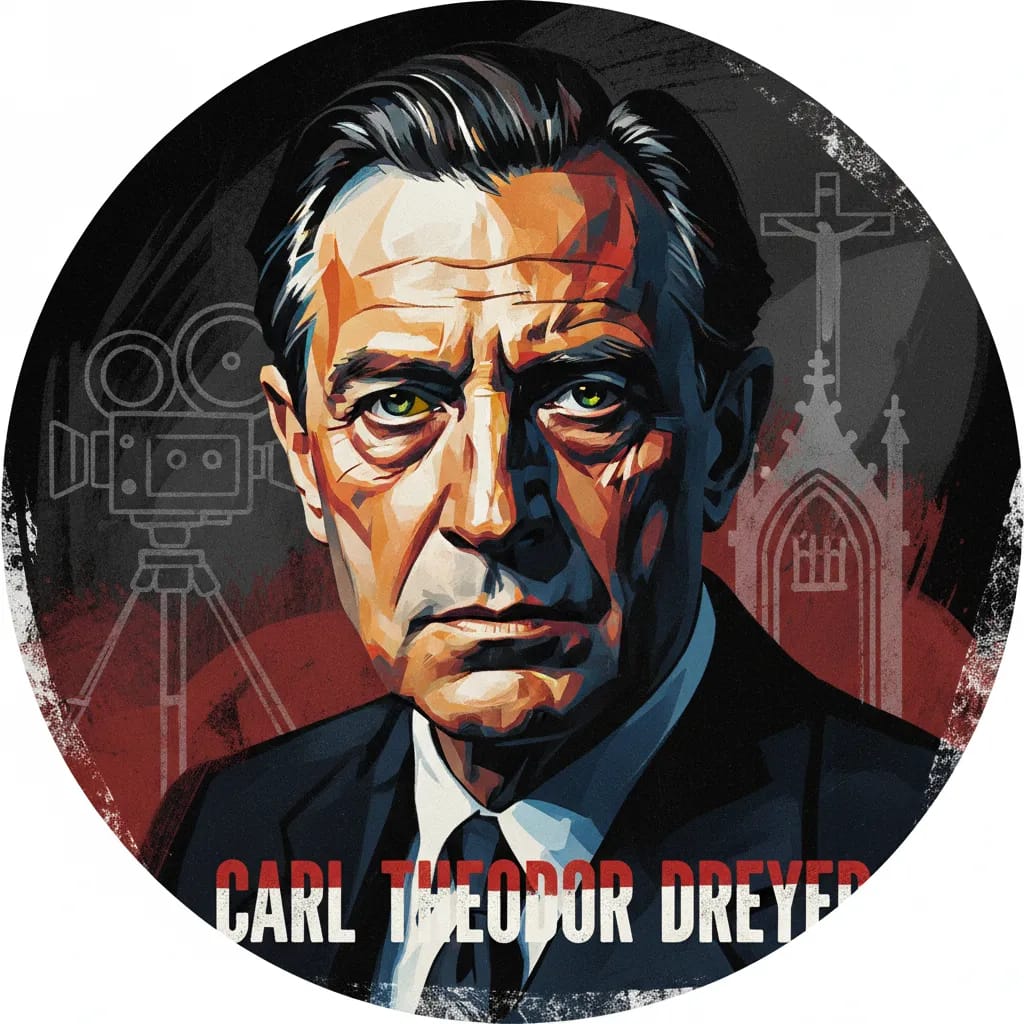
Carl Theodor Dreyer was a Danish film director whose artistic vision and innovative storytelling techniques left an indelible mark on the history of cinema. Born in 1889, Dreyer's career spanned several decades and included a diverse array of films that explored themes of faith, morality, and human suffering. His directorial style was characterized by meticulous attention to detail, emotionally charged performances, and a penchant for creating hauntingly atmospheric worlds on screen. Dreyer's films often delved into the depths of human emotion, offering audiences a thought-provoking and deeply immersive cinematic experience. One of Dreyer's most iconic works is "The Passion of Joan of Arc" (1928), a groundbreaking silent film that remains a masterpiece of early cinema. Renowned for its stark, emotionally raw portrayal of the trial and execution of Joan of Arc, the film is revered for its innovative use of close-ups and intense, expressionistic performances. Dreyer's ability to convey profound emotional depth through visual storytelling solidified his reputation as a visionary director. In "Vampyr" (1932), Dreyer ventured into the realm of horror and fantasy, crafting a chilling and surreal exploration of the supernatural. The film's dreamlike imagery and eerie atmosphere set it apart as a unique and influential contribution to the horror genre. "Day of Wrath" (1943) and "Ordet" (1955) further showcased Dreyer's adeptness at delving into themes of religious fervor, existential anguish, and the complexities of human relationships, solidifying his reputation as a master of psychological drama. Dreyer's impact on cinema is immeasurable, as his innovative techniques and profound storytelling continue to inspire filmmakers and captivate audiences to this day. His visionary approach to filmmaking, coupled with his unflinching exploration of the human condition, cement his legacy as one of the most influential directors in the history of cinema. Carl Theodor Dreyer's films remain timeless classics that continue to resonate with viewers, ensuring his enduring influence on the art of filmmaking.

Carl Tibbetts is a talented British film director known for his work in the drama, horror, and thriller genres. His notable filmography includes the 2011 film "Retreat," a gripping and intense survival thriller that showcases his directorial prowess. Tibbetts' directorial style is characterized by his ability to create tension and evoke strong emotional responses from his audience, utilizing atmospheric cinematography and immersive storytelling techniques to draw viewers into his world. "Retreat" stands as a testament to Tibbetts' ability to craft a compelling and suspenseful narrative, as well as his skill in building palpable tension throughout the film. The movie's success lies in Tibbetts' adept handling of psychological drama within the confines of a remote island setting, showcasing his ability to create a claustrophobic and intense atmosphere that keeps audiences on the edge of their seats. Tibbetts' directorial style often delves into the darker aspects of human nature, exploring themes of fear, survival, and the complexities of interpersonal relationships under extreme circumstances. His work is marked by a keen understanding of the human psyche, as well as a talent for building suspense and delivering powerful, thought-provoking storytelling. Through "Retreat," Carl Tibbetts has made a significant impact on the thriller genre, demonstrating his ability to create gripping narratives that resonate with audiences. His unique vision and directorial contributions have solidified his status as a filmmaker to watch, and his work continues to inspire and captivate audiences with its immersive storytelling and compelling characters. As a director, Tibbetts has proven himself to be a master of tension and suspense, leaving a lasting impression on the world of cinema with his exceptional storytelling abilities.

Caroline Labrèche is a talented Canadian director known for her distinctive vision and ability to captivate audiences through her work in the horror, mystery, and drama genres. Her notable film, "Radius" (2017), showcases her directorial prowess and marks her as a rising star in the industry. Labrèche's style is characterized by her skillful blend of suspense, gripping storytelling, and thought-provoking themes, which sets her apart as a director with a unique and compelling perspective. In "Radius," Labrèche demonstrates her ability to create an atmosphere of tension and intrigue, keeping audiences on the edge of their seats with a gripping narrative and masterful pacing. Her directorial approach is marked by a keen attention to detail and a talent for crafting memorable, emotionally resonant characters. Labrèche's work often delves into the depths of human psychology, exploring the complexities of fear, identity, and the unknown, which adds a layer of depth and complexity to her films. Labrèche's impact on cinema lies in her ability to push the boundaries of genre conventions, infusing her work with a fresh perspective and a willingness to explore unconventional storytelling techniques. Her films often challenge audiences to confront their deepest fears and grapple with the mysteries of the human experience. Labrèche's distinct directorial voice has garnered critical acclaim and has positioned her as an exciting director to watch in the world of genre filmmaking. As Labrèche continues to carve out her place in the film industry, her unique vision and storytelling prowess are sure to leave an indelible mark on cinema. With a keen eye for crafting compelling narratives and a commitment to pushing artistic boundaries, Labrèche's future works are highly anticipated, promising to captivate and inspire audiences around the world. Her contributions to the world of cinema ensure that she will remain a director to watch for years to come.

Caroline Link is a German film director renowned for her poignant storytelling and masterful portrayal of human emotions. She gained international acclaim with her 2001 film "Nowhere in Africa," which won the Academy Award for Best Foreign Language Film. Link's directorial style is characterized by her ability to intricately weave historical and biographical narratives, capturing the complexities of human relationships against the backdrop of significant historical events. "Nowhere in Africa" stands as a testament to Link's directorial prowess, as she skillfully brings to life the autobiographical novel by Stefanie Zweig, depicting a Jewish family's escape from Nazi Germany to Kenya. Link's attention to detail and her ability to evoke a strong sense of time and place through her visuals and storytelling have solidified her reputation as a director with a keen eye for historical accuracy and emotional depth. Throughout her career, Link has tackled themes of identity, displacement, and resilience, often drawing from real-life stories to create compelling and immersive cinematic experiences. Her films resonate with audiences by portraying authentic and relatable characters facing extraordinary circumstances, while also delving into universal themes of love, loss, and the human spirit. Caroline Link's impact on cinema extends beyond her accolades and critical acclaim; she has contributed to the enrichment of the cinematic landscape by consistently delivering thought-provoking narratives that resonate with diverse audiences. Her ability to infuse her films with a palpable sense of humanity and empathy sets her apart as a director whose work transcends cultural and geographical boundaries, leaving a lasting impression on the global film industry. With an impressive body of work and a distinctive directorial voice, Caroline Link continues to be a trailblazer in the world of cinema, captivating audiences with her compelling storytelling and unwavering commitment to authenticity.

Caroline Thompson is a renowned film director known for her exceptional storytelling abilities and unique directorial style. With a career spanning several decades, Thompson has left an indelible mark on the film industry with her distinct vision and remarkable contributions to cinema. She is celebrated for her ability to bring classic literary works to life on the silver screen, capturing the hearts of audiences worldwide. Thompson's directorial debut came with the 1994 film "Black Beauty," a poignant adaptation of Anna Sewell's beloved novel. The film, which falls under the adventure, drama, and family genres, showcased Thompson's exquisite storytelling and directorial prowess. Through her direction, Thompson masterfully conveyed the emotional depth and timeless beauty of the original literary work, solidifying her reputation as a director with a keen understanding of the human experience. Notable for her recurring themes of empathy, resilience, and the enduring bond between humans and animals, Thompson's films resonate with audiences on a profound level. Her directorial style is characterized by a delicate balance of heartwarming storytelling and visually captivating cinematography, creating immersive cinematic experiences that leave a lasting impact. Thompson's influence on cinema extends beyond her directorial work, as she has also made significant contributions as a screenwriter, with credits on iconic films such as "Edward Scissorhands" and "The Nightmare Before Christmas." Her ability to infuse her screenplays with enchanting narratives and rich character dynamics has cemented her status as a multifaceted creative force in the industry. In conclusion, Caroline Thompson's directorial career is a testament to her extraordinary talent and unwavering commitment to bringing timeless stories to the big screen. Her ability to breathe life into cherished literary works and her unique directorial style have left an indelible mark on cinema, earning her a place among the most revered directors in the industry. With each project, Thompson continues to captivate audiences with her captivating storytelling, ensuring her enduring legacy in the world of film.

Carol Reed, a pivotal figure in the history of British cinema, carved an indelible mark on the industry with a directorial career that spanned several decades, from the 1930s to the late 1960s. His work, characterized by its narrative depth, atmospheric visuals, and innovative use of music and sound, showcased Reed's exceptional ability to meld entertainment with profound psychological and moral explorations. Reed’s films frequently delved into themes of identity, loyalty, and betrayal, set against richly drawn backdrops ranging from the war-torn streets of Vienna to the dimly lit alleyways of Belfast. Among Reed's most celebrated films, "The Third Man" (1949), "Odd Man Out" (1947), and "Oliver!" (1968) stand as milestones, not only in his career but also in the annals of cinema. "The Third Man," often hailed as a masterpiece of film noir, is particularly noted for its iconic zither score, atmospheric cinematography, and a haunting portrayal of post-war Vienna. "Odd Man Out," a gripping drama, reflects Reed's skill in elevating crime narratives beyond their genre confines, while "Oliver!", a vibrant adaptation of Charles Dickens' classic, won him the Academy Award for Best Director, underscoring his versatility and command over both drama and musical forms. Reed's directorial style, with its emphasis on shadow and light, intricate camera movements, and the seamless integration of setting as a character, has had a lasting influence on the techniques and storytelling approaches of filmmakers globally. Through his elevation of film noir and pioneering contributions to British cinema, Reed played a crucial role in broadening the narrative and aesthetic horizons of filmmaking. Awarded the Knighthood in 1953 for his contributions to the arts, Carol Reed's legacy is that of a visionary director whose films continue to resonate with audiences and inspire filmmakers. His work remains a testament to the power of cinema to explore the depths of the human condition.

Carrie Cracknell is a visionary film and theater director renowned for her exceptional ability to bring classic stories to life with a contemporary and emotionally resonant approach. While she has made her mark primarily in the theater world, Cracknell's foray into film with "Persuasion" (2022) has solidified her as a directorial force to be reckoned with. Her directorial style is characterized by a keen understanding of human emotions, a sharp eye for detail, and a commitment to storytelling that is both visually stunning and deeply moving. In "Persuasion" (2022), Cracknell artfully weaves together the themes of love, loss, and societal expectations, staying true to the spirit of Jane Austen's classic novel while infusing it with a modern sensibility. Her ability to capture the nuances of human relationships and the complexities of the human experience is evident in her meticulous attention to character development and the emotional depth she brings to each scene. Cracknell's impact on cinema is marked by her unique ability to breathe new life into timeless stories, making them relevant and compelling for contemporary audiences. Her work transcends the boundaries of time and space, resonating with viewers across generations and cultures. Her meticulous approach to storytelling and her unerring eye for capturing the human experience have cemented her as a directorial powerhouse, with "Persuasion" serving as a testament to her exceptional talent. As Cracknell continues to make her mark in the film industry, her directorial style, characterized by its emotional depth, visual elegance, and contemporary relevance, is sure to leave an indelible mark on cinema. With her impressive debut in film directing with "Persuasion" (2022), Cracknell has proven herself as a director capable of bringing classic tales to new heights, and her future contributions to the world of cinema are highly anticipated.
Every film by the greats, ranked by our TML Score.

Christopher Nolan
Every film, ranked

Quentin Tarantino
Every film, ranked

Stanley Kubrick
Every film, ranked

Martin Scorsese
Every film, ranked

Steven Spielberg
Every film, ranked

Alfred Hitchcock
Every film, ranked

David Fincher
Every film, ranked

Denis Villeneuve
Every film, ranked

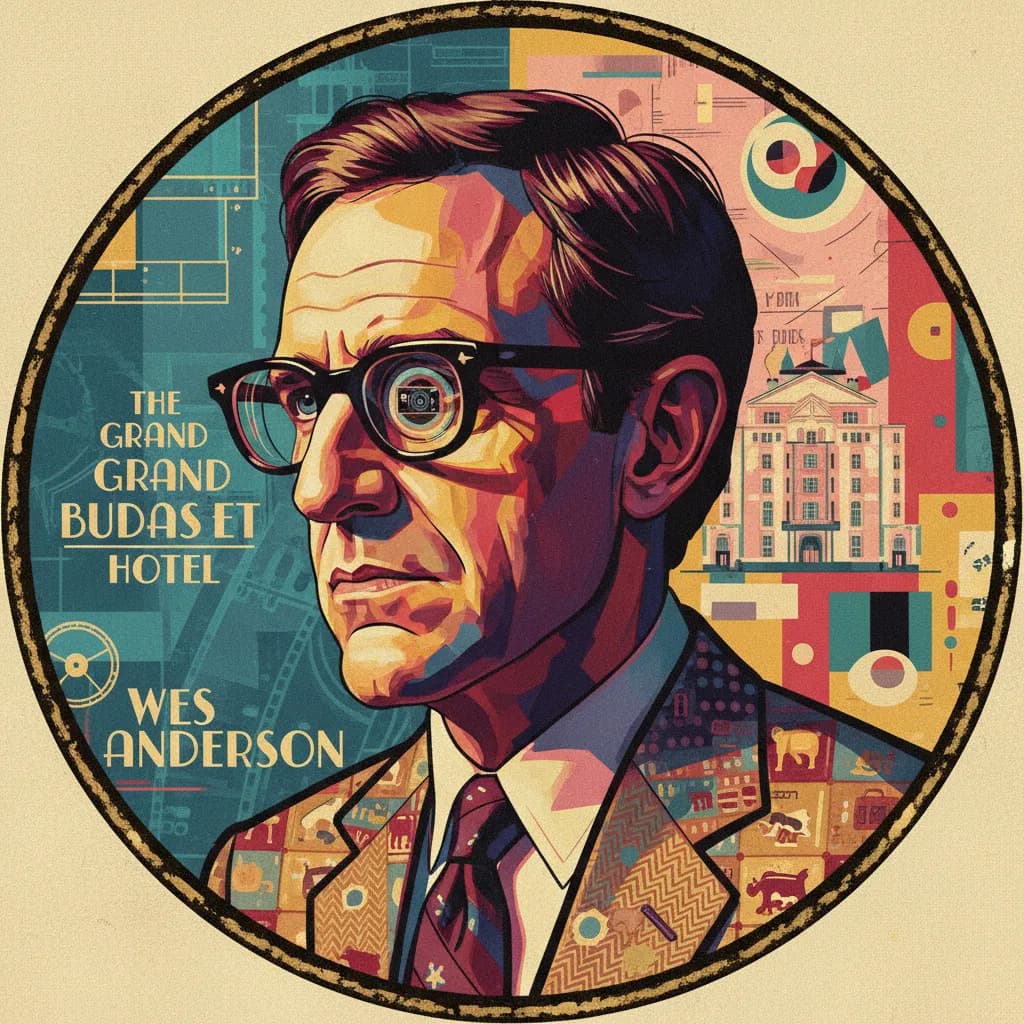
Wes Anderson
Every film, ranked

Paul Thomas Anderson
Every film, ranked

Ridley Scott
Every film, ranked

Tim Burton
Every film, ranked

Guillermo del Toro
Every film, ranked

Hayao Miyazaki
Every film, ranked

Akira Kurosawa
Every film, ranked

Francis Ford Coppola
Every film, ranked

Clint Eastwood
Every film, ranked

Bong Joon Ho
Every film, ranked

Woody Allen
Every film, ranked

Steven Soderbergh
Every film, ranked

Ron Howard
Every film, ranked

Pedro Almodóvar
Every film, ranked

Richard Linklater
Every film, ranked

Roman Polanski
Every film, ranked

Brian De Palma
Every film, ranked

Ingmar Bergman
Every film, ranked

Oliver Stone
Every film, ranked

David Cronenberg
Every film, ranked

Robert Zemeckis
Every film, ranked

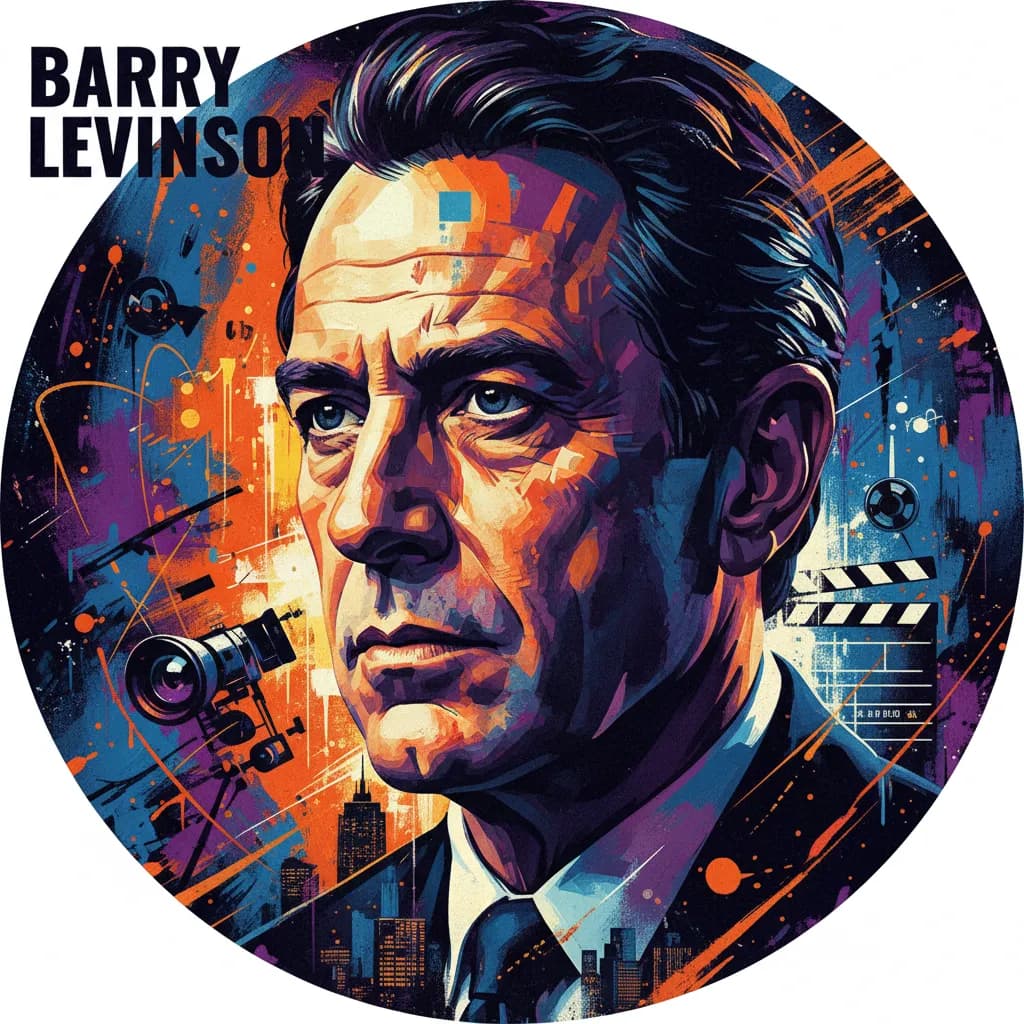
Barry Levinson
Every film, ranked

John Carpenter
Every film, ranked

Joel Schumacher
Every film, ranked

Billy Wilder
Every film, ranked

Rob Reiner
Every film, ranked

Neil Jordan
Every film, ranked

Spike Lee
Every film, ranked

Ivan Reitman
Every film, ranked

John Woo
Every film, ranked

Lasse Hallström
Every film, ranked

Stephen Frears
Every film, ranked

Luc Besson
Every film, ranked

Chris Columbus
Every film, ranked

Mike Nichols
Every film, ranked

Howard Hawks
Every film, ranked

Ang Lee
Every film, ranked

Walter Hill
Every film, ranked

Gus Van Sant
Every film, ranked

William Wyler
Every film, ranked

Renny Harlin
Every film, ranked

Sidney Lumet
Every film, ranked

Tony Scott
Every film, ranked