Discover the visionary filmmakers behind cinema's greatest works.
Explore our selection of acclaimed directors and their remarkable films.
Showing 553-564 out of 4148

Camille Delamarre is a French film director known for his work in the action and thriller genres. With a keen eye for dynamic visuals and pulse-pounding storytelling, Delamarre has made a name for himself as a director with a flair for high-octane, adrenaline-fueled cinema. He began his career as an editor, working on notable films such as "Taken 2" and "Colombiana," honing his skills in the art of pacing, tension-building, and visual storytelling. Delamarre made his directorial debut with the 2014 action thriller "Brick Mansions," starring the late Paul Walker. The film showcased Delamarre's penchant for kinetic action sequences and sleek, stylish visuals, establishing him as a director to watch in the genre. His next major project was "The Transporter Refueled" in 2015, a reboot of the popular "Transporter" series. Delamarre brought his signature flair for high-energy action to the film, delivering exhilarating set pieces and a modern spin on the beloved franchise. One of Delamarre's notable directorial hallmarks is his ability to infuse his films with a sense of urgency and adrenaline, keeping audiences on the edge of their seats from start to finish. His films often feature fast-paced editing, innovative camera work, and intense, heart-pounding action sequences. Delamarre's visual style and knack for creating tension have cemented his status as a director who knows how to deliver exhilarating cinematic experiences. Delamarre's impact on cinema lies in his ability to push the boundaries of traditional action filmmaking, infusing the genre with his unique visual sensibilities and a modern approach to storytelling. His films have resonated with audiences who appreciate heart-stopping action and sleek, stylish filmmaking. As he continues to expand his directorial repertoire, Delamarre remains a filmmaker whose work promises to leave a lasting impression on the action and thriller genres.

Campbell Scott, a versatile and accomplished actor, ventured into directing with his feature film debut, Big Night (1996). Co-directed with Stanley Tucci, this critically acclaimed drama and romance project showcased Scott's keen eye for human emotions and interpersonal relationships, setting the stage for a promising directorial career. Scott's directorial style is marked by its authenticity, emotional depth, and attention to detail. In Big Night, he skillfully captured the essence of Italian culture and the complexities of family dynamics, creating a visually stunning and emotionally resonant narrative. His ability to infuse realism into his storytelling, coupled with strong character development, has been a hallmark of his directorial work. While Big Night remains one of his most notable directorial achievements, Scott's foray into directing has been relatively selective. However, his impact on cinema is undeniable, as he has consistently delivered films that offer profound insights into the human experience. His work often explores themes of identity, connection, and the pursuit of personal fulfillment, resonating with audiences on a profound level. With a discerning approach to storytelling and a commitment to showcasing the complexities of human relationships, Campbell Scott has carved a niche for himself in the world of cinema. His directorial contributions have added a layer of emotional depth to the films he helms, leaving a lasting impression on viewers and critics alike. As he continues to explore the art of filmmaking, audiences can anticipate more thought-provoking and emotionally rich narratives from this accomplished director.

Can Evrenol is a Turkish director known for his unique vision and distinct style in the realm of horror and fantasy cinema. His breakout film, "Baskin" (2015), catapulted him to international recognition and solidified his reputation as a director with a penchant for visceral storytelling and striking visuals. "Baskin" is a deeply atmospheric and surreal horror film that delves into the nightmarish journey of a group of police officers who stumble upon a hellish realm while responding to a distress call. Evrenol's directorial approach in "Baskin" is characterized by its unapologetic embrace of the macabre, as he skillfully combines elements of crime, drama, and fantasy to create a truly haunting and immersive experience for audiences. Evrenol's directorial style is marked by his ability to seamlessly blend elements of horror and fantasy, crafting narratives that are both chilling and thought-provoking. His films often explore themes of existential dread, the supernatural, and the human psyche, delving into the darkest recesses of the human experience. With "Baskin," Evrenol demonstrated his mastery in creating an unsettling and nightmarish ambiance, utilizing striking visuals and evocative imagery to immerse viewers in a world that blurs the lines between reality and nightmare. As a filmmaker, Can Evrenol has made a significant impact on the horror genre, garnering a dedicated following of fans who appreciate his distinct directorial voice and his ability to push the boundaries of traditional storytelling. His work has been lauded for its originality and fearlessness in tackling themes that are often considered taboo, cementing his status as a director unafraid to venture into the darkest corners of the human experience. In the realm of horror and fantasy cinema, Can Evrenol continues to be a director to watch, with audiences eagerly anticipating his future projects. His contribution to the genre has left an indelible mark, and his ability to create immersive and unsettling cinematic experiences ensures that his work will continue to captivate audiences for years to come. Evrenol's unique vision and unwavering commitment to pushing the boundaries of storytelling make him a director whose impact on cinema will be felt for generations.

Can Ulkay is a prominent Turkish film director known for his masterful storytelling and powerful visual style. With a diverse filmography that includes critically acclaimed works such as "Ayla: The Daughter of War" (2017), "Muslum" (2018), and "Paper Lives" (2021), Ulkay has made a significant impact on the world of cinema, particularly in the realms of biography, drama, and history. Ulkay's directorial style is characterized by a meticulous attention to detail, immersive storytelling, and a profound understanding of human emotions. His films often delve into poignant historical events and compelling personal narratives, capturing the audience's hearts and minds with their authenticity and depth. Through his unique vision, Ulkay has become known for his ability to bring to life the untold stories of extraordinary individuals, infusing his films with a sense of empathy and reverence for his subjects. Notable for his ability to seamlessly blend elements of biography, drama, and history, Ulkay has carved a niche for himself in the film industry. His works often explore themes of resilience, sacrifice, and the human spirit, resonating with audiences on a universal level. Ulkay's films are a testament to his dedication to portraying the human experience with honesty and respect, earning him widespread acclaim and recognition both domestically and internationally. Ulkay's impact on cinema extends beyond his compelling narratives and visual artistry. Through his storytelling, he has brought attention to important historical events and figures, shedding light on their significance and impact on society. His films have sparked meaningful conversations and offered a platform for underrepresented stories to be heard, solidifying his status as a visionary director with a lasting influence on the film landscape. In conclusion, Can Ulkay's directorial career is marked by a commitment to authenticity, emotional resonance, and a deep understanding of the human condition. His films stand as testaments to the power of storytelling and the enduring impact of history on contemporary society. With an impressive body of work and an unwavering dedication to his craft, Ulkay continues to be a driving force in the world of cinema, captivating audiences with his compelling narratives and leaving an indelible mark on the art of filmmaking.

Caradog W. James is a visionary director known for his distinct blend of drama, fantasy, and horror elements in his films. With a keen eye for striking visuals and a penchant for thought-provoking storytelling, James has made a notable impact on the world of cinema through his directorial works. His notable films include "Don't Knock Twice" (2016), a chilling tale that seamlessly weaves together elements of drama, fantasy, and horror, and "The Machine" (2013), a gripping exploration of action, drama, and sci-fi. James' directorial style is characterized by his ability to create immersive, atmospheric worlds that draw audiences into the heart of his narratives. With a focus on evocative storytelling and compelling character development, James has established himself as a director who fearlessly delves into the darker realms of human experiences. His films often explore themes of fear, the supernatural, and the complexities of the human psyche, offering audiences a thought-provoking and emotionally resonant viewing experience. In "Don't Knock Twice," James skillfully crafts a haunting and atmospheric tale that explores the terrifying consequences of a mother's desperate attempt to save her estranged daughter from a malevolent urban legend. The film showcases James' ability to balance the supernatural with human emotion, creating a captivating blend of drama and horror. Similarly, "The Machine" demonstrates James' proficiency in navigating the realms of science fiction and human drama, as he tells the compelling story of a scientist's creation of a sentient robot and the moral implications of artificial intelligence. Caradog W. James has made a lasting impression on cinema through his unique vision and unwavering commitment to storytelling. His ability to seamlessly blend genres and explore the depths of human emotion has solidified his status as a director to watch. With a penchant for crafting visually stunning narratives that resonate with audiences on a profound level, James continues to leave an indelible mark on the world of cinema, captivating viewers with his thought-provoking and emotionally charged films.

Carles Torras is a renowned Spanish film director known for his gripping storytelling and visually arresting style. With a career spanning over two decades, Torras has left an indelible mark on the world of cinema. His most notable film, "The Paramedic" (2020), is a testament to his directorial prowess and has garnered widespread acclaim for its seamless blend of adventure, crime, and drama. Torras' directorial style is characterized by its raw intensity and unflinching portrayal of human emotions. He has a knack for delving deep into the psyche of his characters, crafting narratives that are as thought-provoking as they are visually captivating. "The Paramedic" exemplifies his ability to weave a compelling story while keeping audiences on the edge of their seats. Torras' keen eye for detail and his skillful direction of actors make his films a powerful cinematic experience. Throughout his career, Torras has explored recurring themes such as the complexities of human nature, moral ambiguity, and the consequences of one's actions. His films often confront the darker aspects of society, offering a stark and unapologetic look at human behavior. Torras' fearless approach to storytelling has earned him a reputation as a director unafraid to tackle challenging subject matter, making him a trailblazer in the world of contemporary cinema. "The Paramedic" stands as a testament to Torras' impact on the film industry, showcasing his ability to create a gripping narrative that resonates with audiences on a profound level. His unique vision and unwavering commitment to his craft have solidified his status as a director to watch. Carles Torras continues to push boundaries and redefine cinematic storytelling, cementing his legacy as a visionary filmmaker with a lasting influence on the art of cinema.

Carles Torrens is a Spanish film director known for his distinctive style and innovative approach to the horror and thriller genres. His career took off with the release of "Apartment 143" in 2011, a found footage horror film that showcased Torrens' ability to create tension and terror through a minimalist and atmospheric filmmaking approach. The film received critical acclaim for its fresh take on the genre, solidifying Torrens as a promising new voice in horror cinema. In 2016, Torrens further solidified his reputation with the release of "Pet," a psychological thriller that delves into the dark and twisted depths of human nature. With this film, Torrens demonstrated his adeptness at crafting suspenseful narratives and exploring the complexities of human psychology. "Pet" garnered attention for its gripping storytelling and strong performances, establishing Torrens as a director with a keen understanding of the psychological thriller genre. Throughout his career, Carles Torrens has exhibited a penchant for infusing his films with thought-provoking themes and unsettling atmospheres. His directorial style often revolves around creating a sense of unease and building tension through meticulous pacing and evocative visuals. Torrens' films are characterized by their ability to elicit visceral reactions from audiences, showcasing his skill in crafting immersive and emotionally impactful cinematic experiences. Torrens' impact on cinema lies in his ability to push the boundaries of traditional genre filmmaking, offering audiences a fresh perspective on horror and thriller narratives. His commitment to storytelling and his willingness to explore the darker aspects of human nature have earned him a dedicated following among fans of the genre. As Torrens continues to evolve as a filmmaker, his contributions to the horror and thriller genres are sure to leave a lasting impression on the cinematic landscape. In conclusion, Carles Torrens has established himself as a director with a distinct vision and a talent for crafting compelling and chilling narratives. With his unique directorial style and thought-provoking storytelling, Torrens has made a significant impact on the horror and thriller genres, cementing his status as a filmmaker to watch in the industry.

Carl Franklin is an American film director known for his compelling work in crime, drama, and mystery genres. With a career spanning several decades, Franklin has left an indelible mark on cinema with his distinct directorial style and thought-provoking storytelling. His notable films include "Devil in a Blue Dress" (1995), "Out of Time" (2003), "High Crimes" (2002), "One True Thing" (1998), and "One False Move" (1991). Franklin's directorial style is characterized by a keen focus on character-driven narratives and atmospheric storytelling. He has a penchant for delving into the complexities of human nature, often exploring moral dilemmas and the darker aspects of society. His films are known for their intense and gripping storytelling, often showcasing the inherent tension within the human psyche. Franklin's adeptness at building suspense and creating a palpable sense of atmosphere has garnered him widespread acclaim in the industry. One of Franklin's most notable films, "Devil in a Blue Dress," stands as a testament to his directorial prowess. The film, set in 1940s Los Angeles, expertly captures the essence of the noir genre while delving into themes of corruption, racial tensions, and moral ambiguity. "One False Move," another standout in Franklin's filmography, masterfully weaves together elements of crime, drama, and thriller, delivering a taut and emotionally resonant narrative that has solidified its status as a cult classic. Throughout his career, Franklin has consistently tackled themes of morality, identity, and the human condition, offering audiences thought-provoking and introspective cinema. His ability to craft multi-layered narratives and evoke powerful performances from his actors has cemented his reputation as a director with a unique vision and a profound impact on the cinematic landscape. In conclusion, Carl Franklin's directorial career has been defined by his unwavering commitment to storytelling that challenges and captivates audiences. With a distinctive directorial style and a penchant for exploring the complexities of the human experience, Franklin has left an indelible mark on cinema, solidifying his status as a visionary filmmaker whose work continues to resonate with audiences worldwide.

Carl Gottlieb is a multifaceted director and screenwriter known for his contributions to the comedy and sci-fi genres. With a career spanning several decades, Gottlieb has left an indelible mark on the film industry with his unique directorial style and distinct storytelling abilities. His notable directorial works include "Mickey Blue Eyes" (1999) and "Amazon Women on the Moon" (1987), which showcase his versatility in blending humor with various genres such as crime, romance, and science fiction. Gottlieb's directorial style is characterized by his keen sense of comedic timing and his ability to infuse humor into diverse narrative settings. His films often feature witty dialogue, clever visual gags, and a lighthearted approach to storytelling, making them accessible and enjoyable to a wide audience. With a knack for crafting entertaining and engaging narratives, Gottlieb has established himself as a director with a unique comedic sensibility, setting him apart in the industry. Notably, "Mickey Blue Eyes" and "Amazon Women on the Moon" exemplify Gottlieb's adeptness at blending humor with distinct genres. In "Mickey Blue Eyes," he skillfully interweaves elements of comedy, crime, and romance, creating a captivating and entertaining film that resonates with audiences. Similarly, "Amazon Women on the Moon" showcases Gottlieb's imaginative approach to storytelling, as he navigates the realm of science fiction with a comedic lens, delivering a memorable and offbeat cinematic experience. Throughout his career, Gottlieb has explored recurring themes of absurdity, satire, and the surreal, infusing his films with a distinct brand of humor and wit. His impact on cinema lies in his ability to push the boundaries of traditional genre conventions and deliver refreshing and innovative storytelling that captivates and entertains audiences. With his directorial prowess and creative vision, Gottlieb has contributed to the evolution of comedy and sci-fi in cinema, leaving a lasting legacy as a filmmaker with a penchant for crafting imaginative and humorous narratives. In summary, Carl Gottlieb's directorial career is defined by his exceptional ability to blend comedy with diverse genres, creating films that are both entertaining and thought-provoking. With a unique directorial style and a penchant for storytelling that defies conventions, Gottlieb has solidified his place in the film industry as a visionary director with a distinctive comedic voice. His legacy continues to inspire and entertain audiences, cementing

Carlo Ledesma is a visionary Australian film director known for his groundbreaking work in the horror genre. Ledesma made a significant impact on cinema with his gripping and innovative approach to storytelling. His most notable film, "The Tunnel" (2011), a horror-mystery-thriller, solidified his reputation as a director with a unique vision and a talent for creating atmospheric and suspenseful cinema. Ledesma's directorial style is characterized by his ability to immerse audiences in a world of tension and fear, utilizing innovative techniques to elicit genuine emotional responses. "The Tunnel" exemplifies Ledesma's skill in building suspense and creating an unsettling atmosphere, showcasing his mastery of the horror genre. His meticulous attention to detail and ability to craft compelling narratives have earned him a dedicated following among horror enthusiasts and critics alike. One of the recurring themes in Ledesma's work is the exploration of the unknown and the primal fears that lie beneath the surface of everyday life. He adeptly delves into the darkness of the human psyche, using his films to challenge audiences and provoke thought. Ledesma's ability to tap into universal fears and anxieties has cemented his status as a director capable of pushing boundaries and delivering thought-provoking cinema. Carlo Ledesma's impact on cinema extends beyond the horror genre, as he continues to inspire a new generation of filmmakers with his innovative storytelling and bold vision. His work serves as a testament to the power of independent filmmaking and the ability to captivate audiences with compelling narratives and evocative visuals. As a director, Ledesma has left an indelible mark on the film industry and continues to be celebrated for his contributions to the art of storytelling through the medium of cinema.


Carlo Mirabella-Davis is a talented filmmaker known for his thought-provoking and visually stunning works. His most notable film, "Swallow," released in 2019, has garnered critical acclaim for its powerful storytelling and exceptional direction. With a keen eye for detail and a distinctive directorial style, Mirabella-Davis has carved a niche for himself in the industry. "Swallow" is a gripping drama-thriller that showcases Mirabella-Davis's ability to delve into the complexities of human psychology and societal expectations. The film explores themes of control, autonomy, and the struggle for self-identity, all of which are recurrent in Mirabella-Davis's work. His directorial style is characterized by meticulous framing, evocative imagery, and an immersive approach that draws audiences into the emotional core of the narrative. Mirabella-Davis's impact on cinema is evident in his ability to create thought-provoking, socially relevant films that resonate with audiences on a profound level. His unique vision and storytelling prowess have positioned him as a director to watch in the industry, with "Swallow" serving as a testament to his cinematic prowess. As a filmmaker, he has demonstrated a commitment to pushing boundaries and challenging conventional storytelling, earning him a reputation as a director with a distinctive voice. With "Swallow," Carlo Mirabella-Davis has solidified his status as a director capable of crafting compelling narratives that captivate and provoke introspection. His contribution to cinema extends beyond mere entertainment, as he consistently tackles complex themes with nuance and sensitivity. As Mirabella-Davis continues to evolve as a filmmaker, audiences can anticipate more groundbreaking works that push the boundaries of storytelling and leave a lasting impact on the cinematic landscape.

Carlos Carrera is a renowned Mexican film director known for his compelling storytelling and visually stunning cinematography. His most notable work includes the critically acclaimed film "The Crime of Padre Amaro" (2002), a powerful drama that delves into the complexities of love, faith, and morality. Carrera's directorial style is characterized by his ability to skillfully intertwine social commentary with captivating narratives, creating thought-provoking and emotionally resonant films. "The Crime of Padre Amaro" garnered international recognition and earned Carrera a nomination for the Academy Award for Best Foreign Language Film. The movie's success solidified Carrera's reputation as a visionary director with a keen understanding of human nature and societal issues. His ability to depict the intricacies of human relationships and ethical dilemmas has made him a prominent figure in the world of cinema. Throughout his career, Carrera has explored recurring themes such as the clash between tradition and modernity, the complexities of morality, and the impact of institutional corruption on individuals. His films often provide poignant commentary on the cultural and political landscapes of Mexico, shedding light on the challenges faced by its people while maintaining a universal appeal that resonates with audiences worldwide. Carrera's impact on cinema extends beyond the borders of Mexico, influencing filmmakers and audiences alike with his distinct directorial voice. His ability to infuse his films with emotional depth and social relevance has cemented his status as a director whose work transcends geographical and cultural boundaries. With a keen eye for storytelling and a commitment to addressing pressing societal issues, Carlos Carrera continues to be a driving force in the world of filmmaking, leaving an indelible mark on the industry. In conclusion, Carlos Carrera's directorial career is characterized by a masterful ability to blend compelling storytelling with insightful social commentary. His impact on cinema is evident through the universal acclaim and recognition garnered by his films, which have resonated with audiences on a global scale. Carrera's unique vision and dedication to exploring the complexities of the human experience have solidified his status as a pioneering director with a lasting influence on the world of film.
Every film by the greats, ranked by our TML Score.

Christopher Nolan
Every film, ranked

Quentin Tarantino
Every film, ranked

Stanley Kubrick
Every film, ranked

Martin Scorsese
Every film, ranked

Steven Spielberg
Every film, ranked

Alfred Hitchcock
Every film, ranked

David Fincher
Every film, ranked

Denis Villeneuve
Every film, ranked

Wes Anderson
Every film, ranked

Paul Thomas Anderson
Every film, ranked

Ridley Scott
Every film, ranked

Tim Burton
Every film, ranked

Guillermo del Toro
Every film, ranked

Hayao Miyazaki
Every film, ranked

Akira Kurosawa
Every film, ranked

Francis Ford Coppola
Every film, ranked

Clint Eastwood
Every film, ranked

Bong Joon Ho
Every film, ranked

Woody Allen
Every film, ranked

Steven Soderbergh
Every film, ranked

Ron Howard
Every film, ranked

Pedro Almodóvar
Every film, ranked

Richard Linklater
Every film, ranked

Roman Polanski
Every film, ranked

Brian De Palma
Every film, ranked

Ingmar Bergman
Every film, ranked

Oliver Stone
Every film, ranked

David Cronenberg
Every film, ranked

Robert Zemeckis
Every film, ranked

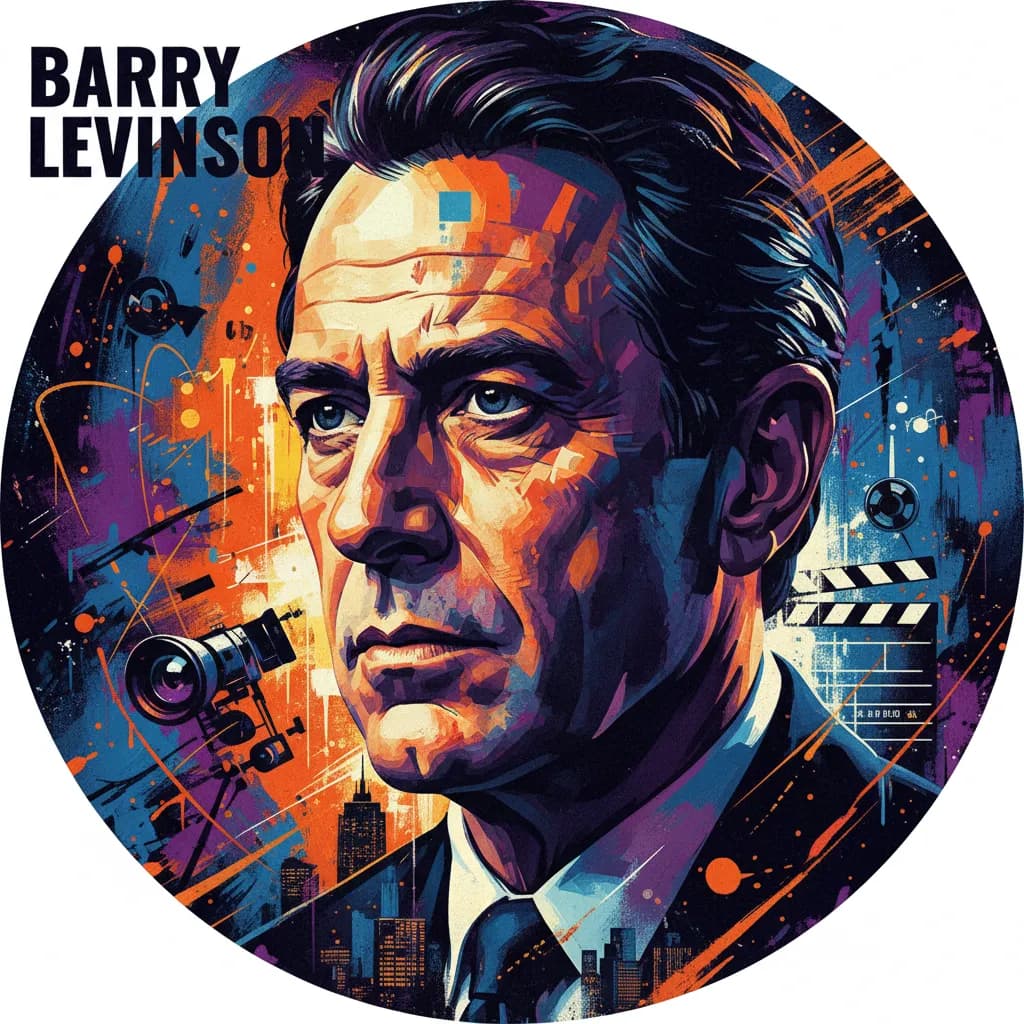
Barry Levinson
Every film, ranked

John Carpenter
Every film, ranked

Joel Schumacher
Every film, ranked

Billy Wilder
Every film, ranked

Rob Reiner
Every film, ranked

Neil Jordan
Every film, ranked

Spike Lee
Every film, ranked

Ivan Reitman
Every film, ranked

John Woo
Every film, ranked

Lasse Hallström
Every film, ranked

Stephen Frears
Every film, ranked

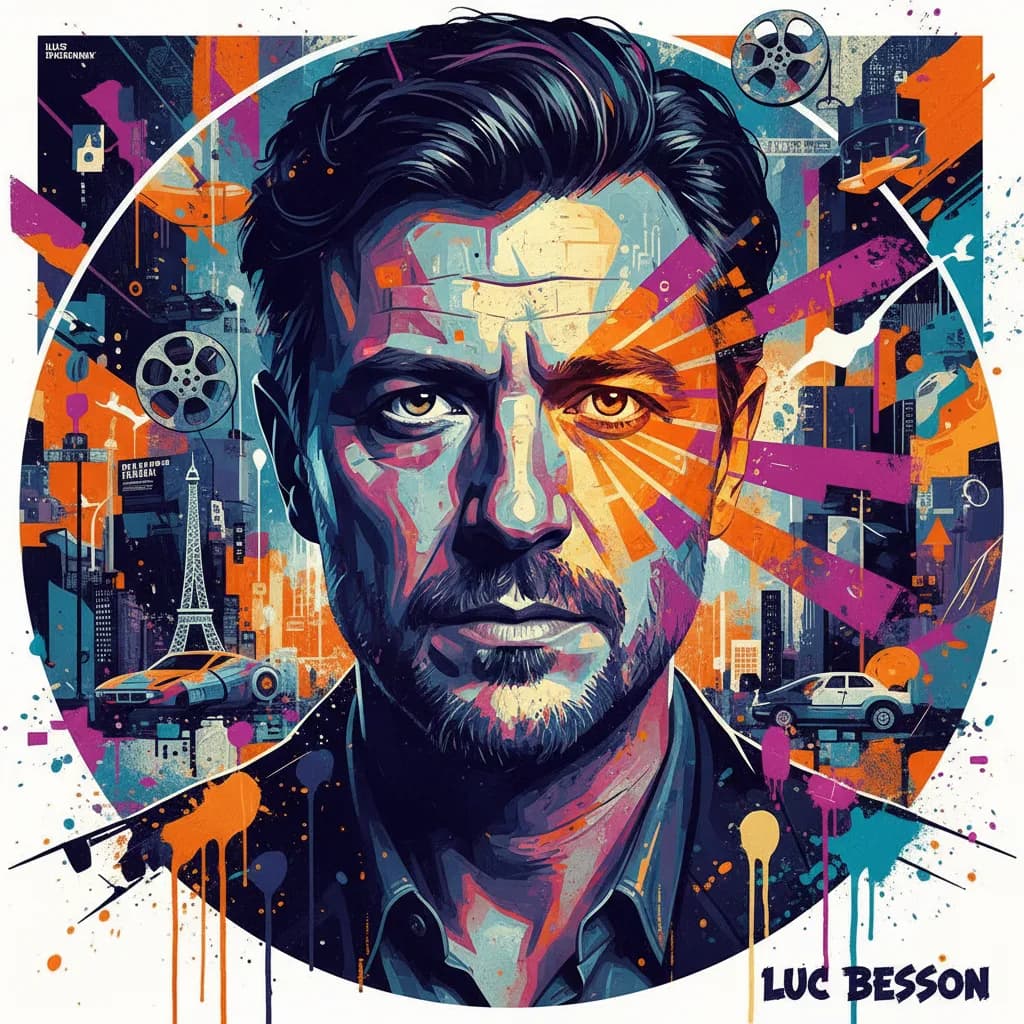
Luc Besson
Every film, ranked

Chris Columbus
Every film, ranked

Mike Nichols
Every film, ranked

Howard Hawks
Every film, ranked

Ang Lee
Every film, ranked

Walter Hill
Every film, ranked

Gus Van Sant
Every film, ranked

William Wyler
Every film, ranked

Renny Harlin
Every film, ranked

Sidney Lumet
Every film, ranked

Tony Scott
Every film, ranked