Discover the visionary filmmakers behind cinema's greatest works.
Explore our selection of acclaimed directors and their remarkable films.
Showing 4033-4044 out of 4148

Walt Dohrn is a highly acclaimed American film director, best known for his work in the animation genre. He made his directorial debut with the immensely popular "Trolls" in 2016. The film, a delightful blend of animation, adventure, and comedy, showcased Dohrn's exceptional talent for creating visually stunning and emotionally resonant cinematic experiences. The success of "Trolls" catapulted Dohrn into the limelight and established him as a visionary director with a distinct storytelling style. In 2020, Dohrn once again captivated audiences with "Trolls World Tour," a sequel to the original film. The movie, also characterized by its captivating animation, adventurous narrative, and comedic elements, further solidified Dohrn's reputation as a director capable of delivering compelling and entertaining content. His directorial style, marked by a seamless fusion of vibrant visuals, engaging storytelling, and well-crafted humor, has set him apart as a master of the animation genre. Dohrn's films often explore themes of self-discovery, friendship, and the power of music, resonating with audiences of all ages. His ability to infuse his work with universal themes while maintaining a whimsical and enchanting quality has earned him widespread acclaim and a dedicated fan base. Dohrn's impact on cinema extends beyond his directorial prowess; his work has redefined the boundaries of animated storytelling, inspiring a new generation of filmmakers and setting a high bar for creativity and innovation in the industry. As a director, Dohrn has demonstrated a remarkable ability to create immersive and visually stunning worlds, showcasing his commitment to pushing the boundaries of animation and storytelling. His films have not only entertained audiences but also left a lasting impression, earning him a well-deserved place among the most influential directors in the animation genre. With a unique vision and a gift for crafting enchanting narratives, Walt Dohrn continues to leave an indelible mark on the world of cinema, solidifying his status as a director to watch in the years to come.

Walter Hill is a highly influential and acclaimed filmmaker known for his distinct directorial style and impactful contributions to the action, crime, and drama genres. With a career spanning several decades, Hill has helmed a diverse array of films that have left an indelible mark on cinema. His filmography boasts an impressive array of titles, including "Streets of Fire" (1984), "The Warriors" (1979), "The Driver" (1978), "Hard Times" (1975), and "Southern Comfort" (1981), among others. Hill's directorial approach is characterized by his penchant for gritty, hard-hitting storytelling, dynamic action sequences, and compelling character-driven narratives. He has demonstrated a keen ability to bring intense and visceral energy to the screen, often exploring themes of honor, betrayal, and redemption within the framework of the crime and action genres. His films are celebrated for their raw authenticity and unflinching portrayal of the human experience, captivating audiences with their immersive storytelling and evocative visuals. Notable for his collaborations with iconic actors and his skillful direction of ensemble casts, Hill has left an enduring legacy in the realm of action cinema. His work has had a profound impact on the genre, inspiring subsequent filmmakers and leaving an indelible imprint on popular culture. Hill's films continue to resonate with audiences, serving as timeless exemplars of his unique vision and directorial prowess. With a filmography that encompasses a wide spectrum of genres and themes, Walter Hill has firmly established himself as a visionary filmmaker whose influence extends far beyond the confines of conventional storytelling. His enduring legacy as a director is a testament to his unparalleled talent and his enduring impact on the landscape of cinema. In summary, Walter Hill's career as a director is defined by his distinctive style, impactful storytelling, and enduring influence on the action and crime genres. Through his dynamic and immersive approach to filmmaking, Hill has crafted a rich and diverse body of work that continues to captivate and inspire audiences. His films stand as a testament to his unparalleled creative vision and his enduring legacy as a trailblazing director in the realm of action cinema.

Walter Lang was an influential American film director whose career spanned over four decades, leaving an indelible mark on the Golden Age of Hollywood. With a diverse filmography that ranged from musicals to dramas, Lang's directorial style was marked by his keen eye for visual storytelling and his ability to bring out compelling performances from his actors. He had a remarkable talent for infusing his films with elegance and charm, creating timeless classics that continue to resonate with audiences today. One of Lang's most iconic films is "The King and I" (1956), a lavish and sweeping musical adaptation of the Rodgers and Hammerstein Broadway production. The film, set in Siam (now Thailand), beautifully showcases Lang's directorial prowess, with stunning cinematography and elaborate musical sequences. His ability to balance the grandeur of the production with the intimate emotional arcs of the characters made "The King and I" a beloved cinematic masterpiece that earned critical acclaim and multiple Academy Award nominations, including a Best Director nod for Lang. Throughout his career, Lang demonstrated a versatility that allowed him to excel in various genres, from musicals like "State Fair" (1945) to dramas like "Desk Set" (1957). His films often explored themes of cultural clashes, human relationships, and the pursuit of dreams, reflecting his profound understanding of the human experience. Lang's impact on cinema extends beyond his individual films, as he played a significant role in shaping the visual and narrative language of Hollywood during its heyday. Lang's legacy as a director lies in his ability to transport audiences into captivating worlds, where music, romance, and drama intersect to create unforgettable cinematic experiences. His films continue to inspire and entertain, showcasing his enduring influence on the art of storytelling through the lens of a visionary director. Walter Lang's contributions to film history are a testament to his artistry and his lasting impact on the evolution of American cinema. In conclusion, Walter Lang's directorial career is defined by his ability to craft visually stunning and emotionally resonant films that have stood the test of time. His legacy as a versatile filmmaker and storyteller is evident in his diverse filmography, which continues to captivate audiences and inspire future generations of filmmakers. Through his distinctive vision and cinematic prowess, Lang has left an indelible mark on the world of cinema, solidifying his status as a true Hollywood legend.

Walter Lantz, the celebrated American film director and animator, left an indelible mark on the world of entertainment with his iconic contributions to the animation industry. Renowned for his innovative vision and creative prowess, Lantz's directorial style was characterized by his ability to infuse humor, charm, and timeless appeal into his works. Lantz's illustrious career witnessed him leaving an indelible mark on cinema, particularly in the realm of animation and family-friendly entertainment. One of Lantz's most notable directorial achievements was his work on "Abbott and Costello Meet Frankenstein" (1948). This comedic masterpiece seamlessly blended elements of humor, family-friendly entertainment, and fantasy, showcasing Lantz's adeptness at creating films that resonated with audiences of all ages. The film's enduring popularity and critical acclaim solidified Lantz's status as a visionary director capable of crafting timeless and universally beloved works. Throughout his career, Lantz demonstrated a penchant for infusing his films with recurring themes of camaraderie, adventure, and the triumph of the human spirit. His directorial repertoire featured a diverse array of animated and live-action films, each bearing his distinct stamp of creativity and imagination. Lantz's impact on cinema extended far beyond his directorial prowess, as he played a pivotal role in shaping the landscape of animation and family-oriented entertainment. Lantz's unique vision and unparalleled contributions to film continue to inspire and captivate audiences to this day, solidifying his legacy as a trailblazing director and animator. His ability to seamlessly blend humor, fantasy, and family-friendly themes cemented his status as a luminary in the world of entertainment. Walter Lantz's directorial career stands as a testament to his enduring influence on cinema, and his timeless works continue to enchant and delight audiences around the globe.

Walter Murch is a celebrated film director, renowned for his unique vision and groundbreaking contributions to cinema. His directorial style is characterized by a seamless blend of adventure, fantasy, and family themes, as evidenced in his notable film "Return to Oz" (1985). Murch's directorial debut with "Return to Oz" showcased his exceptional ability to bring fantastical worlds to life on the big screen, captivating audiences with his imaginative storytelling and visually stunning cinematography. Murch's career has been defined by his meticulous attention to detail and innovative approach to filmmaking, earning him a reputation as a visionary director. His work often explores recurring themes of resilience, the power of imagination, and the triumph of the human spirit, resonating with audiences of all ages. "Return to Oz" stands as a testament to Murch's ability to create immersive cinematic experiences that transport viewers to enchanted realms while delivering powerful messages that endure. Murch's impact on cinema extends beyond his directorial endeavors, as he has also made significant contributions as a film editor and sound designer. His pioneering work in sound editing earned him multiple Academy Awards, further solidifying his status as a trailblazer in the industry. Murch's holistic approach to filmmaking, encompassing directing, editing, and sound design, has set a new standard for storytelling and technical innovation in the realm of fantasy and adventure films. In conclusion, Walter Murch's directorial career has left an indelible mark on cinema, inspiring future generations of filmmakers with his imaginative storytelling and technical prowess. His ability to seamlessly intertwine fantasy and adventure with poignant themes has cemented his legacy as a visionary director. Murch's contributions to the art of filmmaking, both as a director and a technical innovator, continue to shape the landscape of cinema, ensuring that his influence will be felt for years to come.

Walter Salles is a highly acclaimed Brazilian film director known for his poignant storytelling and visually stunning films. With a career spanning over three decades, Salles has become a prominent figure in world cinema, particularly celebrated for his exploration of human emotions and societal issues. His directorial style is characterized by a keen eye for detail, immersive storytelling, and a deep understanding of his characters' inner struggles. One of Salles' most renowned works is "Central Station" (1998), which garnered widespread critical acclaim and earned him a nomination for the Academy Award for Best Foreign Language Film. The movie beautifully captures the journey of a young boy and a jaded, disillusioned woman as they embark on a life-changing adventure. This film showcases Salles' ability to infuse raw emotions and authentic human connections into his narratives. Salles further solidified his reputation with "The Motorcycle Diaries" (2004), a biographical drama that follows the transformative journey of young Ernesto Guevara across South America. This film not only propelled Salles into the international spotlight but also underscored his adeptness at portraying profound personal growth and socio-political landscapes. In "On the Road" (2012), Salles ventured into the adaptation of Jack Kerouac's iconic novel, infusing the narrative with a sense of wanderlust, rebellion, and exploration. His ability to capture the essence of the Beat Generation while delving into the complexities of human relationships and personal freedom solidified his status as a director with a profound understanding of the human condition. Salles' films often explore themes of self-discovery, societal disparities, and the human quest for purpose and meaning. His unique vision and impactful storytelling have left an indelible mark on cinema, inspiring audiences and fellow filmmakers alike. Walter Salles continues to be a trailblazer in the world of filmmaking, leaving an enduring legacy through his evocative and thought-provoking works.


Wanuri Kahiu is an acclaimed Kenyan film director known for her unique and vibrant storytelling style that captures the essence of African culture while addressing universal themes. Her notable directorial work includes the 2022 film "Look Both Ways," a compelling blend of comedy, drama, and romance that showcases Kahiu's ability to infuse her narratives with heart and authenticity. Kahiu's directorial style is characterized by her vivid visual aesthetic and her ability to tackle complex emotions with a light touch. She has a talent for crafting stories that resonate with audiences on a deeply emotional level while incorporating elements of humor and romance. "Look Both Ways" exemplifies Kahiu's skill in weaving together diverse genres to create a rich and engaging cinematic experience. Throughout her career, Kahiu has explored a wide range of themes in her films, including identity, love, and the human experience. Her work often celebrates the beauty of African culture while addressing universal themes that transcend geographical boundaries. As a director, Kahiu has made a significant impact on cinema by amplifying diverse voices and narratives from the African continent, contributing to a more inclusive and representative landscape in the global film industry. Wanuri Kahiu's visionary approach to storytelling and her commitment to showcasing the richness of African culture have solidified her as a trailblazing director with a distinct and influential voice in the world of cinema. Her directorial work continues to inspire and resonate with audiences worldwide, making her a pivotal figure in the ongoing evolution of international filmmaking. In conclusion, Wanuri Kahiu's directorial career is distinguished by her ability to craft compelling narratives that blend humor, drama, and romance while authentically portraying the African experience. Her impact on cinema extends beyond her storytelling prowess, as she has played a crucial role in amplifying diverse voices and narratives from the African continent, contributing to a more inclusive and representative global film industry. With her visionary approach and commitment to storytelling, Kahiu continues to make a significant impact on the world of cinema, solidifying her status as a pioneering director with a lasting influence on the industry.

Ward Kimball was a pioneering figure in the world of animation, known for his exceptional directorial contributions to the industry. Kimball's directorial style was characterized by a whimsical and imaginative approach, often incorporating innovative animation techniques and a playful sense of humor. His work consistently showcased a penchant for pushing the boundaries of traditional animation, leading to the creation of visually stunning and captivating films. One of Kimball's most notable directorial credits includes the beloved Disney film "Bedknobs and Broomsticks" (1971). As the director of animation for the film, Kimball played a pivotal role in bringing the enchanting story to life through his innovative storytelling and creative vision. His ability to infuse the film with a sense of wonder and magic left a lasting impact on audiences and solidified his reputation as a visionary director within the animation genre. Throughout his career, Kimball's work often featured recurring themes of adventure, whimsy, and fantastical storytelling. His unique ability to transport viewers to imaginative worlds through his directorial prowess set him apart as a trailblazer in the animation industry. Kimball's influence on cinema extends beyond his individual directorial projects, as his innovative techniques and creative vision have continued to shape the landscape of animation and inspire future generations of filmmakers. Ward Kimball's directorial legacy has left an indelible mark on the world of animation, earning him a place among the most influential and visionary directors in the industry. His innovative approach to storytelling, coupled with his ability to push the boundaries of traditional animation, has cemented his status as a revered figure in cinema. Kimball's enduring impact on the medium serves as a testament to his unparalleled talent and unwavering dedication to bringing imaginative stories to life on the silver screen.

Warren Beatty is a prolific filmmaker known for his versatile career as a director, actor, producer, and screenwriter. His directorial style is marked by a keen attention to detail, compelling storytelling, and an ability to infuse his films with a rich blend of genres, from historical epics to quirky comedies. Beatty's career in film direction spans several decades, during which he has left an indelible mark on the industry. One of Beatty's most celebrated directorial achievements is "Reds" (1981), a sweeping epic that delves into the life of American journalist and socialist activist John Reed. This biographical drama showcases Beatty's ability to capture the complexity of historical events while also delving into the personal lives of his characters. The film earned Beatty critical acclaim and numerous accolades, including Academy Awards for Best Director and Best Picture. In "Dick Tracy" (1990), Beatty demonstrated his prowess in blending action, comedy, and crime genres to create a visually striking and entertaining film. His dedication to bringing the iconic comic strip character to life on the big screen resulted in a vibrant and stylized cinematic experience that showcased his directorial flair. Beatty's directorial repertoire also includes "Heaven Can Wait" (1978), a charming comedy with elements of fantasy and romance, and "Bulworth" (1998), a politically charged satire that showcased his ability to tackle societal issues with wit and insight. In "Rules Don't Apply" (2016), Beatty portrayed the eccentric and reclusive billionaire Howard Hughes while also directing and producing the film, showcasing his multifaceted talents. Throughout his career, Beatty has explored themes of love, power, politics, and the human experience, all while leaving an indelible impact on cinema. His ability to seamlessly navigate between genres and his dedication to crafting compelling narratives have solidified his status as a visionary filmmaker. Warren Beatty's contributions to film continue to inspire and influence filmmakers and audiences alike, making him an enduring figure in the cinematic landscape.

Warren Coleman is a talented Australian director best known for his work on the animated film "Happy Feet" (2006). With a background in animation, adventure, and comedy, Coleman's directorial style is characterized by his ability to blend heartwarming storytelling with visually stunning animation. His passion for creating immersive, family-friendly films has earned him a reputation as a director with a keen eye for detail and a knack for delivering powerful, emotional narratives. "Happy Feet" stands as a testament to Coleman's directorial prowess, as the film received critical acclaim and went on to win the Academy Award for Best Animated Feature. The movie's success not only solidified Coleman's status as a visionary director but also showcased his ability to craft engaging stories that resonate with audiences of all ages. With a focus on environmental conservation and the power of self-expression, "Happy Feet" reflects Coleman's penchant for weaving important themes into his work, making it both entertaining and thought-provoking. Coleman's impact on cinema can be seen through his dedication to pushing the boundaries of animated storytelling. His commitment to creating visually stunning and emotionally resonant films has set a high standard for the animation genre. By infusing his work with a mix of humor, heart, and social commentary, Coleman has carved out a niche for himself in the industry, inspiring a new generation of filmmakers to follow in his footsteps. His contributions to the world of animation have left an indelible mark, making him a director worth celebrating and studying for years to come. In conclusion, Warren Coleman's directorial career is defined by his ability to create captivating animated films that leave a lasting impression on audiences. Through his work on "Happy Feet," Coleman has proven himself to be a director with a unique vision, a commitment to storytelling, and a dedication to pushing the boundaries of animated cinema. With his ability to blend entertainment with important messages, Coleman has solidified his place as a director whose impact on the industry will be felt for years to come.

Wash Westmoreland is a talented director known for his unique vision and compelling storytelling. With a career spanning over two decades, Westmoreland has made a significant impact on cinema with his thought-provoking films. His directorial style is characterized by a keen attention to detail, nuanced character development, and a deep exploration of complex human emotions. One of Westmoreland's notable films is "Still Alice" (2014), a poignant drama that delves into the devastating effects of early-onset Alzheimer's disease on a renowned linguistics professor. The film garnered critical acclaim and earned numerous accolades, including an Academy Award for Best Actress for Julianne Moore's powerful portrayal of the protagonist. Westmoreland's sensitive and empathetic approach to storytelling shines through in "Still Alice," as he skillfully navigates the emotional landscape of the characters. In "Colette" (2018), Westmoreland takes on the biographical drama genre, bringing to life the fascinating story of the French novelist Sidonie-Gabrielle Colette. The film explores themes of gender identity, artistic expression, and societal constraints, showcasing Westmoreland's ability to tackle complex and relevant subject matter with finesse. "Colette" received praise for its captivating narrative and strong performances, further solidifying Westmoreland's reputation as a director with a keen eye for compelling storytelling. Westmoreland's most recent film, "Earthquake Bird" (2019), exemplifies his versatility as a director, as he ventures into the crime, drama, and mystery genres. Set in 1980s Tokyo, the film weaves a gripping tale of love, jealousy, and psychological intrigue, demonstrating Westmoreland's ability to captivate audiences with his engaging and atmospheric storytelling. Through his diverse filmography, Westmoreland has showcased his versatility and storytelling prowess, cementing his status as a director to watch in the industry. Overall, Wash Westmoreland's directorial career is defined by his unwavering commitment to bringing compelling narratives to the screen and his ability to elicit powerful performances from his actors. His films consistently tackle thought-provoking themes and showcase a deep understanding of the human experience, leaving a lasting impression on audiences. As he continues to push creative boundaries and craft impactful stories, Westmoreland's contributions to cinema are sure to endure for years to come. Keywords: Wash Westmoreland, director, filmography, Still Alice, Colette, Earthquake Bird, directorial

Wayne Blair is a talented Australian director known for his exceptional work in the film industry. His directorial debut came in 2012 with the critically acclaimed film "The Sapphires," a heartwarming and soulful story that seamlessly blends biography, comedy, and drama. The film, based on a true story, follows a group of four talented Indigenous Australian women who form a music group and entertain American troops during the Vietnam War. "The Sapphires" received widespread praise for its engaging storytelling, vibrant musical performances, and poignant exploration of themes such as identity, culture, and the power of music. Blair's directorial style is characterized by his ability to infuse his films with a strong sense of authenticity and emotional depth. His keen eye for capturing the nuances of human relationships and experiences has resonated with audiences and critics alike. In "The Sapphires," Blair masterfully balances the film's comedic elements with its heartfelt dramatic moments, creating a compelling narrative that celebrates the resilience and talent of its characters. His skillful direction brings out powerful performances from the cast, adding layers of depth to the storytelling. One of Blair's notable contributions to cinema is his commitment to representing diverse voices and stories on screen. Through "The Sapphires," he brought to light an inspiring and often overlooked chapter of Australian history, shining a spotlight on the experiences of Indigenous women in the music industry. His dedication to telling stories that celebrate cultural diversity and resilience has made a significant impact on the film landscape, opening doors for underrepresented narratives to be shared with global audiences. Blair's work often explores themes of empowerment, resilience, and the transformative power of music, resonating with audiences on a universal level. His directorial vision has left an indelible mark on the industry, earning him recognition as a filmmaker with a distinctive voice and a commitment to storytelling that inspires, entertains, and enlightens. As Wayne Blair continues to make his mark in the world of cinema, audiences eagerly anticipate his future projects, knowing that each film will bring a captivating and meaningful story to the screen.
Every film by the greats, ranked by our TML Score.

Christopher Nolan
Every film, ranked

Quentin Tarantino
Every film, ranked

Stanley Kubrick
Every film, ranked

Martin Scorsese
Every film, ranked

Steven Spielberg
Every film, ranked

Alfred Hitchcock
Every film, ranked

David Fincher
Every film, ranked

Denis Villeneuve
Every film, ranked

Wes Anderson
Every film, ranked

Paul Thomas Anderson
Every film, ranked

Ridley Scott
Every film, ranked

Tim Burton
Every film, ranked

Guillermo del Toro
Every film, ranked

Hayao Miyazaki
Every film, ranked

Akira Kurosawa
Every film, ranked

Francis Ford Coppola
Every film, ranked

Clint Eastwood
Every film, ranked

Bong Joon Ho
Every film, ranked

Woody Allen
Every film, ranked

Steven Soderbergh
Every film, ranked

Ron Howard
Every film, ranked

Pedro Almodóvar
Every film, ranked

Richard Linklater
Every film, ranked

Roman Polanski
Every film, ranked

Brian De Palma
Every film, ranked

Ingmar Bergman
Every film, ranked

Oliver Stone
Every film, ranked

David Cronenberg
Every film, ranked

Robert Zemeckis
Every film, ranked

Barry Levinson
Every film, ranked

John Carpenter
Every film, ranked

Joel Schumacher
Every film, ranked

Billy Wilder
Every film, ranked

Rob Reiner
Every film, ranked

Neil Jordan
Every film, ranked

Spike Lee
Every film, ranked

Ivan Reitman
Every film, ranked

John Woo
Every film, ranked

Lasse Hallström
Every film, ranked

Stephen Frears
Every film, ranked

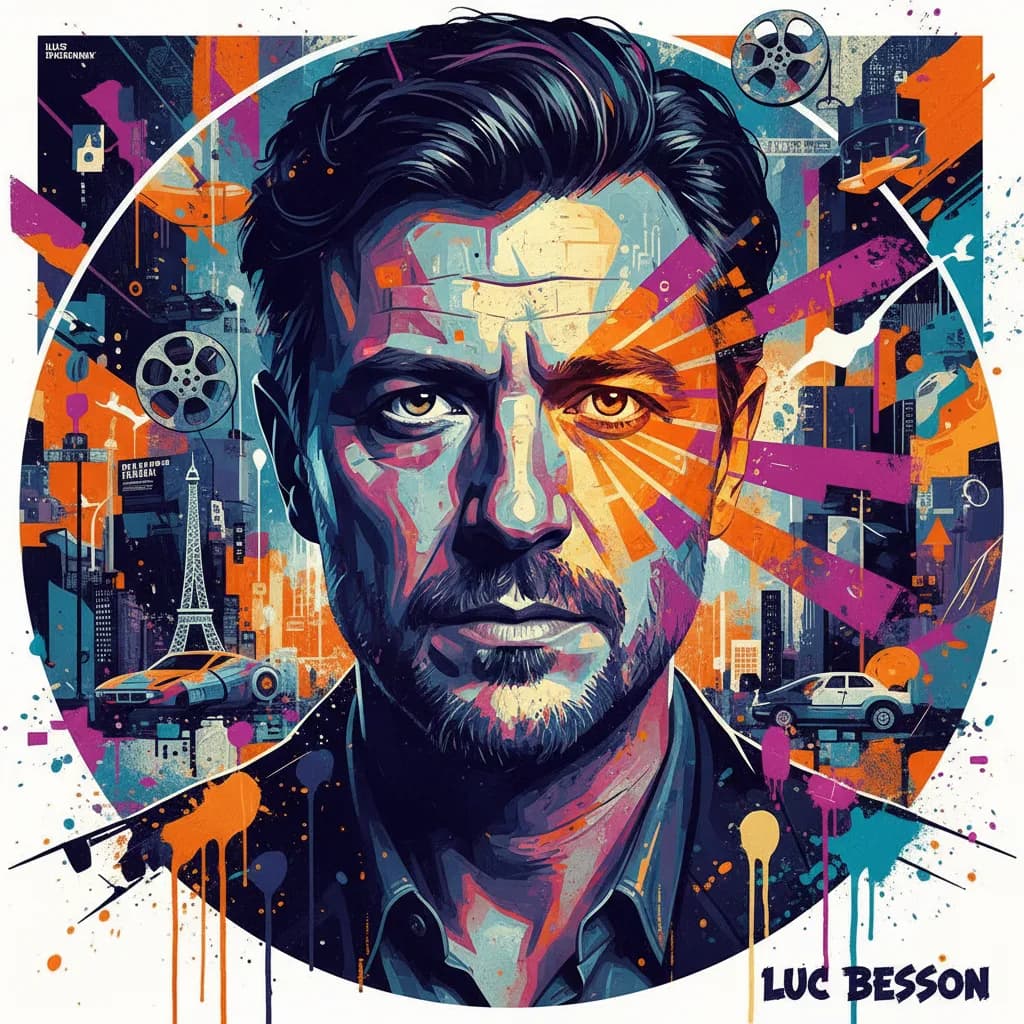
Luc Besson
Every film, ranked

Chris Columbus
Every film, ranked

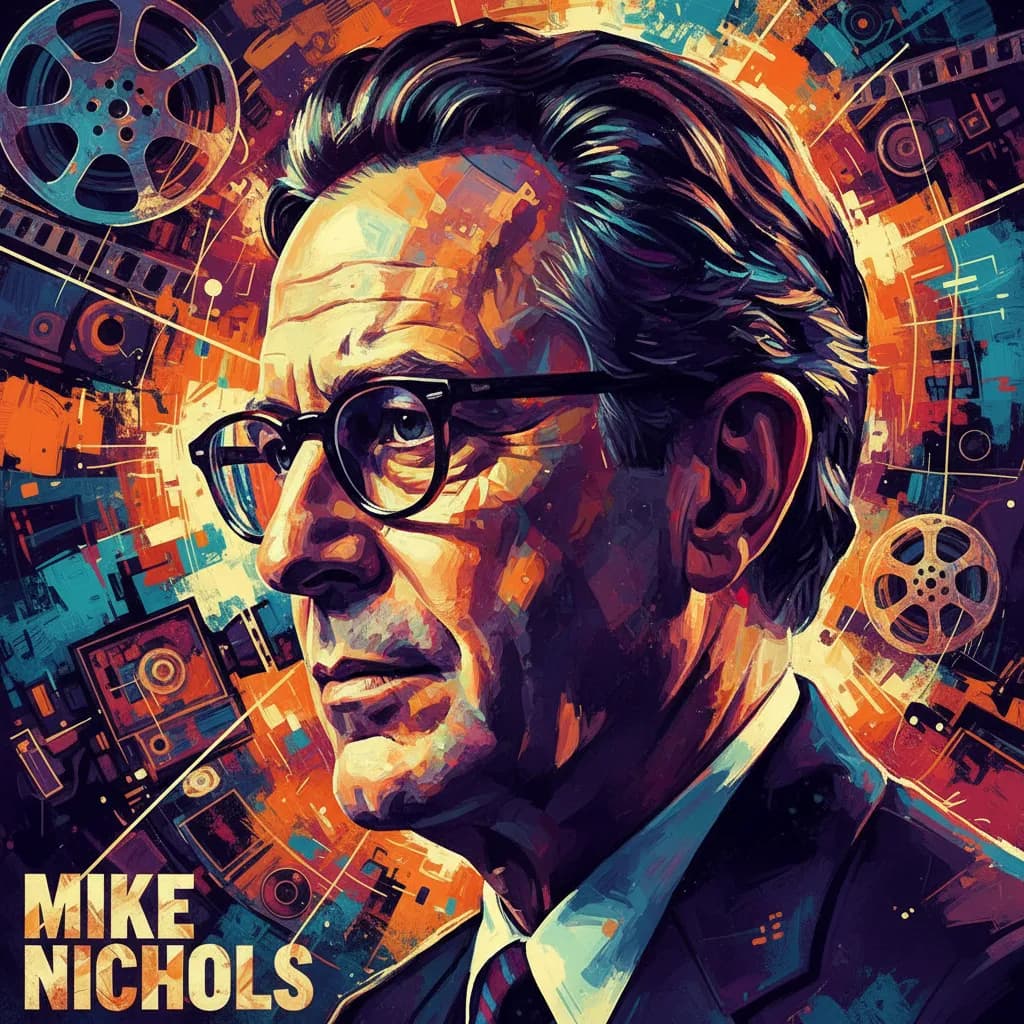
Mike Nichols
Every film, ranked

Howard Hawks
Every film, ranked

Ang Lee
Every film, ranked

Walter Hill
Every film, ranked

Gus Van Sant
Every film, ranked

William Wyler
Every film, ranked

Renny Harlin
Every film, ranked

Sidney Lumet
Every film, ranked

Tony Scott
Every film, ranked