Discover the visionary filmmakers behind cinema's greatest works.
Explore our selection of acclaimed directors and their remarkable films.
Showing 4057-4068 out of 4148

Willard Carroll is a versatile and visionary film director known for his ability to blend comedy, drama, and romance in a seamless and captivating manner. His notable work includes the 1998 film "Playing by Heart," which showcases his directorial prowess and storytelling finesse. Carroll's directorial style is characterized by his adeptness at interweaving complex narratives and compelling characters, creating emotionally resonant and thought-provoking cinematic experiences. "Playing by Heart" exemplifies Carroll's directorial acumen, featuring an ensemble cast and intertwining storylines that delve into the intricacies of love, relationships, and human connection. His ability to navigate between different genres while maintaining a cohesive and engaging narrative is a testament to his directorial skill. Carroll's films often explore the multifaceted nature of human relationships, portraying the depth of emotions and the complexities of interpersonal dynamics with authenticity and insight. Carroll's impact on cinema lies in his ability to infuse his films with heartfelt storytelling, genuine emotions, and relatable characters. His work resonates with audiences by capturing the essence of human experiences and relationships, transcending the boundaries of genre and leaving a lasting impression. With a keen eye for detail and a deep understanding of human nature, Carroll has carved a niche for himself as a director who brings depth and sincerity to his storytelling. In the realm of romantic dramas, Carroll's contributions have left an indelible mark, garnering acclaim for his ability to evoke genuine emotions and create compelling narratives that resonate with audiences. His directorial vision continues to inspire and influence filmmakers, setting a standard for authentic storytelling and nuanced character portrayals. With a career marked by insightful storytelling and impactful filmmaking, Willard Carroll stands as a director whose work continues to captivate and leave a lasting impression on the cinematic landscape.

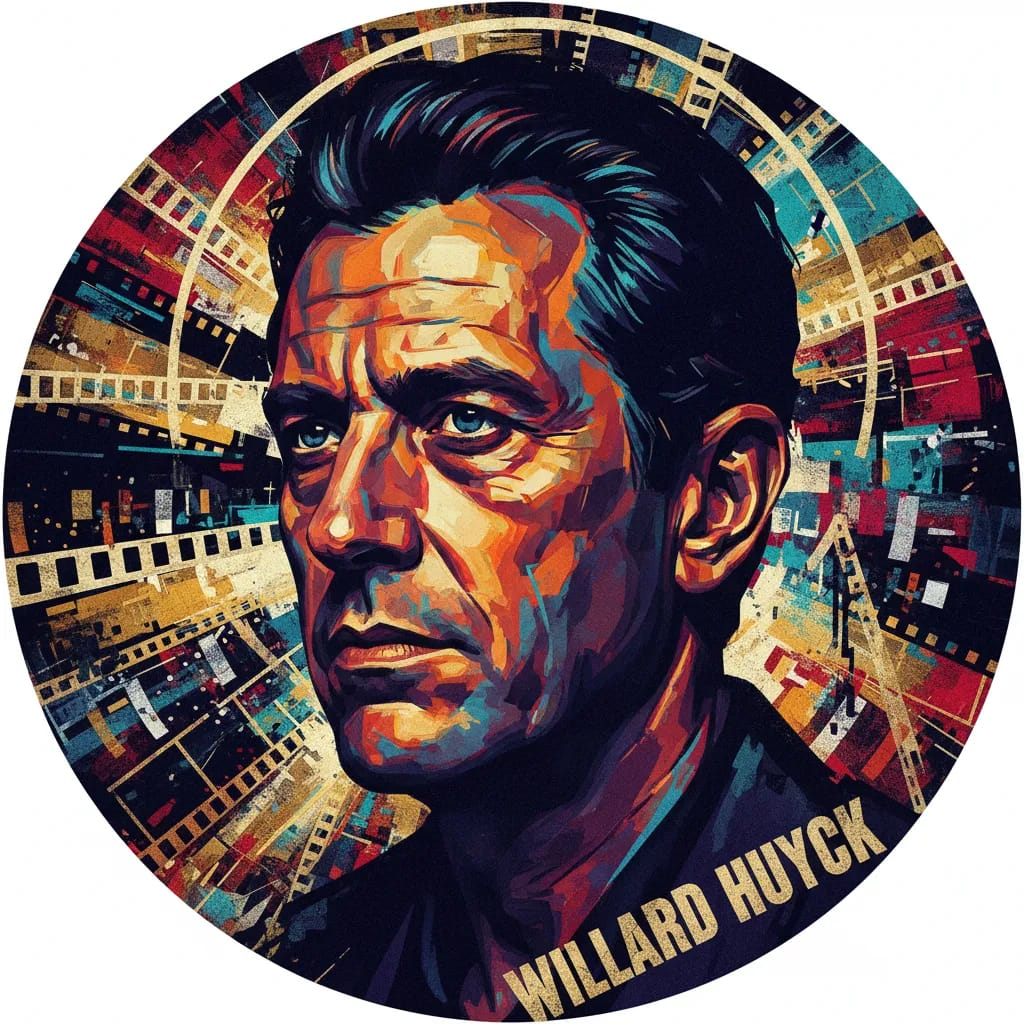
Willard Huyck is an American film director known for his distinctive approach to storytelling and his contributions to the world of cinema. Huyck made a significant impact on the industry with his diverse filmography, showcasing his versatility and unique directorial style. His most notable work includes the cult classic "Howard the Duck" (1986), a science fiction action-adventure comedy that has become a beloved cult favorite. Huyck's directorial style is characterized by his ability to blend genres, creating films that are both entertaining and thought-provoking. He is known for his keen sense of visual storytelling, as well as his skillful handling of humor and action. "Howard the Duck" exemplifies Huyck's ability to infuse fantastical elements with humor and adventure, creating a film that continues to resonate with audiences decades after its release. Throughout his career, Huyck has explored diverse themes in his films, often delving into the realms of science fiction, comedy, and adventure. His ability to seamlessly blend these genres has set him apart as a visionary director with a unique perspective. Huyck's work has left a lasting impact on the film industry, inspiring other filmmakers and captivating audiences with his imaginative storytelling. "Howard the Duck" remains a standout film in Huyck's filmography and has solidified his reputation as a director with a penchant for crafting memorable and unconventional narratives. Huyck's ability to push boundaries and defy traditional genre conventions has made him a trailblazer in the world of cinema. His influence continues to be felt in the industry, and his work serves as a testament to the power of creativity and originality in filmmaking. Willard Huyck's legacy as a director is defined by his ability to transport audiences to imaginative worlds while delivering compelling and entertaining stories.

Will Becher is a talented film director best known for his work in the animated film industry. He made his directorial debut with the highly acclaimed "A Shaun the Sheep Movie: Farmageddon" in 2019. This delightful animation, a sequel to "A Shaun the Sheep Movie," seamlessly blends comedy and adventure, capturing the hearts of audiences of all ages. Becher's directorial style is characterized by his ability to infuse warmth, humor, and creativity into his storytelling, making him a standout figure in the world of animation. One of Becher's notable strengths lies in his keen attention to detail, evident in the intricate and expressive animation featured in "A Shaun the Sheep Movie: Farmageddon." His ability to bring characters to life through subtle movements and nuanced expressions adds depth and charm to his films. Becher's directorial vision shines through in his meticulous approach to storytelling, ensuring that each frame is filled with visual splendor and narrative richness. Throughout his career, Becher has demonstrated a knack for creating endearing and relatable characters, as well as crafting imaginative and immersive worlds. He has contributed significantly to the animation genre, showcasing a distinctive blend of wit, heart, and visual appeal in his work. Becher's impact on cinema is evident in his ability to captivate audiences with his storytelling prowess and his dedication to pushing the boundaries of what animated films can achieve. In "A Shaun the Sheep Movie: Farmageddon," Becher explores themes of friendship, adventure, and the power of resilience, resonating with audiences on a profound level. His commitment to crafting narratives that resonate with universal emotions and experiences has solidified his status as a director capable of creating enduring and beloved films. As Becher continues to make his mark in the world of animation, audiences can look forward to more enchanting and heartwarming stories brought to life by his exceptional directorial talent.

Will Canon is an American film director known for his work in the horror, mystery, and thriller genres. His notable filmography includes the 2015 supernatural horror film "Demonic." Canon's directorial style often incorporates elements of suspense, psychological tension, and supernatural intrigue, making him a distinctive voice in the realm of genre filmmaking. "Demonic" marked a significant milestone in Canon's career, showcasing his ability to craft a gripping and atmospheric narrative within the horror genre. The film demonstrates his penchant for building tension through expertly crafted visuals and sound design, creating an immersive and chilling experience for audiences. Canon's directorial approach in "Demonic" reflects his skill in blending traditional horror tropes with innovative storytelling techniques, resulting in a film that resonates with fans of the genre. Throughout his career, Canon has exhibited a recurring interest in exploring the complexities of human psychology and the unknown. His films often delve into themes of fear, paranoia, and the supernatural, inviting audiences to confront their deepest anxieties through the lens of compelling storytelling. This thematic underpinning has contributed to Canon's reputation as a director who infuses his work with thought-provoking narratives that linger in the minds of viewers long after the credits roll. Canon's impact on cinema lies in his ability to infuse the horror, mystery, and thriller genres with fresh perspectives and innovative storytelling techniques. His unique vision and directorial prowess have left an indelible mark on the film industry, earning him a dedicated following among genre enthusiasts. As Canon continues to shape his directorial legacy, audiences can anticipate further captivating and evocative cinematic offerings that push the boundaries of traditional genre conventions. With a keen eye for atmospheric storytelling and a penchant for tapping into primal fears, Will Canon stands as a formidable presence in the world of genre filmmaking, poised to leave an enduring imprint on the cinematic landscape.

Will Finn is a highly respected director known for his work in the animation genre. With a career that spans over several decades, he has left an indelible mark on the film industry. Finn's most notable directorial work includes his contribution to the animated feature "Home on the Range" (2004), a film that seamlessly weaves together elements of animation, adventure, and comedy to create a memorable and entertaining cinematic experience. Finn's directorial style is characterized by his ability to infuse heartwarming storytelling with a distinct sense of humor, making his films universally appealing to audiences of all ages. His keen understanding of character development and narrative structure allows him to create compelling and relatable stories that resonate with viewers on a deep emotional level. One of Finn's recurring themes in his directorial work is the exploration of friendship, resilience, and the triumph of the underdog. His films often celebrate the power of teamwork and the importance of staying true to oneself, delivering uplifting messages that inspire and uplift audiences. Finn's impact on cinema is undeniable, as he has contributed to the enduring legacy of animated films. His dedication to pushing the boundaries of storytelling within the animation genre has cemented his status as a visionary director. Finn's ability to craft visually stunning and emotionally resonant films has set a high standard for future generations of filmmakers to aspire to. In conclusion, Will Finn's directorial career is a testament to his unparalleled talent and dedication to the art of storytelling through animation. His unique vision and contributions have not only made a lasting impact on the world of cinema but have also brought joy and inspiration to countless audiences around the globe.

Will Gluck is an accomplished film director known for his distinctive blend of humor, heart, and visual flair. With a diverse filmography spanning various genres, Gluck has made an indelible mark on the industry with his unique directorial style. His notable films include "Peter Rabbit" (2018), "Easy A" (2010), "Fired Up!" (2009), and "Friends with Benefits" (2011), all of which showcase his ability to seamlessly merge comedy, drama, and romance to create engaging and entertaining cinematic experiences. Gluck's directorial approach is characterized by his keen sense of comedic timing and his ability to infuse his films with relatable, authentic characters. His films often feature witty dialogue, dynamic visual storytelling, and a lighthearted yet thought-provoking exploration of human relationships. Gluck has a knack for bringing out the best in his cast, eliciting natural and endearing performances that resonate with audiences. One of Gluck's most significant contributions to cinema is his adeptness at crafting films that appeal to a wide audience demographic. His works seamlessly blend humor and heart, making them accessible and enjoyable for viewers of all ages. Additionally, Gluck's films often explore themes of friendship, love, and self-discovery, offering viewers a poignant and relatable reflection of the human experience. With the success of "Peter Rabbit" and its sequel "Peter Rabbit 2: The Runaway," Gluck has solidified his reputation as a director capable of creating visually stunning and emotionally resonant family-friendly films. His impact on cinema is evident in his ability to create works that not only entertain but also leave a lasting impression on audiences, solidifying his status as a director with a distinct and influential voice in the industry. Will Gluck's unique vision and storytelling prowess continue to captivate audiences and cement his legacy as a versatile and talented filmmaker.

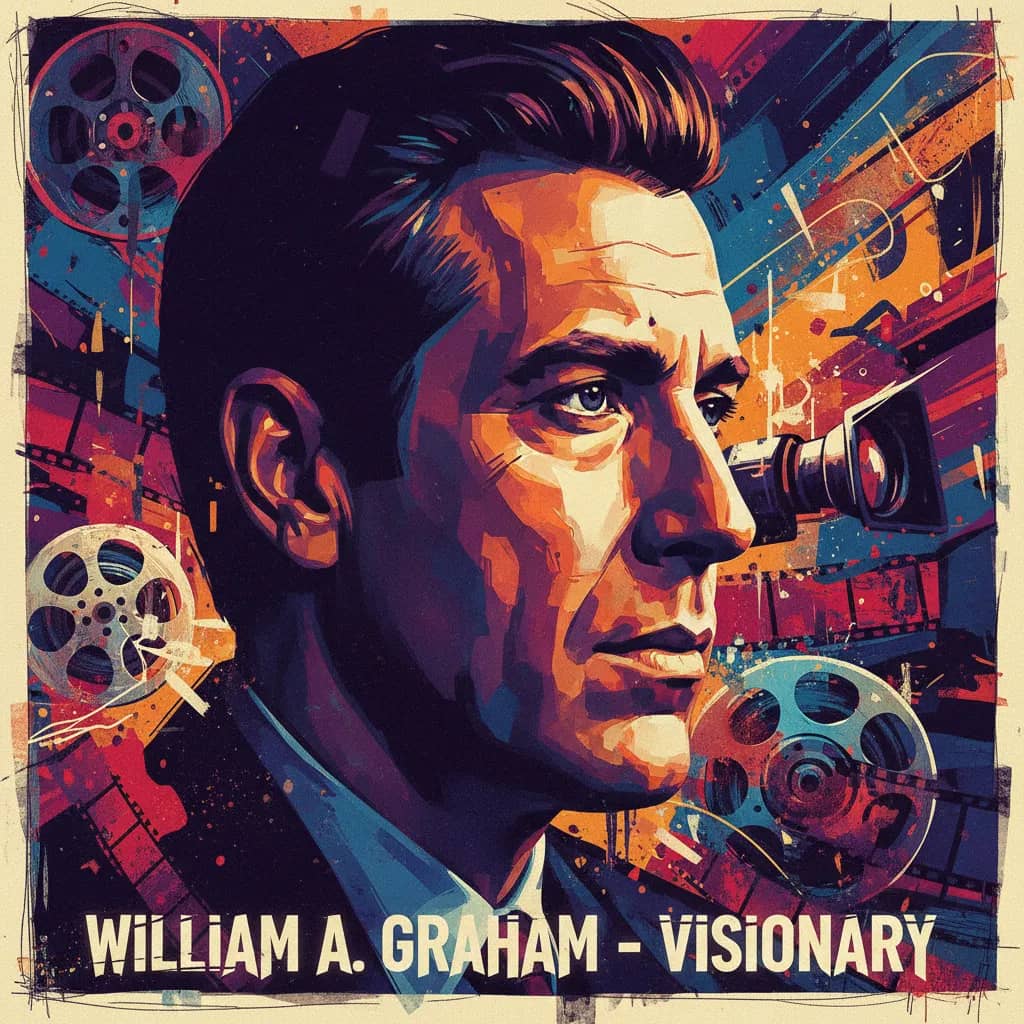
William A. Graham was a prolific film and television director best known for his diverse range of projects spanning multiple genres. Graham's career took off in the 1960s, and he quickly established himself as a versatile director, showcasing his ability to seamlessly transition between television and film. His directorial style was characterized by a keen attention to detail, strong storytelling, and an ability to evoke powerful emotions from his audiences. One of Graham's most notable films is "Return to the Blue Lagoon" (1991), an adventure, drama, and romance film that garnered attention for its breathtaking visuals and captivating storytelling. The film was a sequel to the 1980 classic "The Blue Lagoon," and Graham's direction breathed new life into the beloved story, delivering a visually stunning and emotionally resonant cinematic experience. Throughout his career, Graham displayed a knack for capturing the human experience and delving into complex emotional landscapes, often exploring themes of love, survival, and the resilience of the human spirit. His films often featured strong character-driven narratives, and he had a talent for creating compelling and relatable protagonists. Graham's impact on cinema extends beyond his individual projects, as he contributed to shaping the visual language of film and influencing the next generation of filmmakers. His dedication to storytelling and his ability to bring out the best in his actors and crew set a standard for excellence in the industry. In conclusion, William A. Graham's impressive career as a director left an indelible mark on the world of film and television. His ability to seamlessly navigate various genres and deliver compelling narratives speaks to his versatility and talent as a director. His films continue to resonate with audiences, and his legacy lives on as an influential figure in the world of cinema.

William A. Wellman was an American film director known for his versatile and impactful contributions to cinema. With a career spanning over three decades, Wellman's directorial style was characterized by a dynamic and innovative approach to storytelling, often blending elements of drama, romance, and action. His films were marked by a raw and authentic quality, capturing the essence of the human experience with a keen eye for detail and emotion. One of Wellman's most notable films is "Wings" (1927), which won the first Academy Award for Best Picture. This epic war drama showcased his ability to seamlessly intertwine thrilling aerial sequences with poignant romance, establishing him as a master of visual storytelling. Wellman's directorial prowess was further exemplified in "The Ox-Bow Incident" (1943), a powerful Western drama that delved into themes of justice, morality, and the human condition. The film's stark portrayal of mob mentality and the consequences of vigilante justice solidified Wellman's reputation as a director unafraid to tackle complex and thought-provoking subject matter. In "The Public Enemy" (1931), Wellman ventured into the crime drama genre, delivering a hard-hitting and unflinching portrayal of the Prohibition era. The film's gritty realism and unapologetic depiction of violence showcased Wellman's ability to confront societal issues head-on, leaving an indelible mark on the crime genre in cinema. Throughout his career, Wellman demonstrated a consistent ability to infuse his films with a sense of urgency and authenticity, capturing the essence of human emotion and societal dynamics. Wellman's impact on cinema extends beyond his individual films, as his directorial vision paved the way for future generations of filmmakers. His willingness to push boundaries and explore the depths of human experience set a standard for storytelling that continues to resonate in contemporary cinema. Wellman's legacy as a pioneering director endures through his timeless films, each a testament to his ability to provoke thought, evoke emotion, and captivate audiences with his unique cinematic voice.

William Bindley is an accomplished film director known for his work in the comedy and romance genres. With a career that spans several decades, Bindley has made a distinct mark on cinema with his unique directorial style and compelling storytelling. His notable film, "The Last Summer" (2019), showcases his ability to blend heartfelt romance with witty humor, capturing the essence of young love and the challenges of transitioning into adulthood. Throughout his career, Bindley has demonstrated a knack for creating authentic and relatable characters, often exploring the complexities of human relationships and the universal themes of love, loss, and self-discovery. His films are characterized by their engaging storytelling, nuanced character development, and vibrant cinematography, which have resonated with audiences worldwide. "The Last Summer" stands as a testament to Bindley's ability to capture the essence of youth and the complexities of modern relationships, resonating with audiences of all ages. His directorial vision breathes life into the coming-of-age genre, offering a fresh perspective on love and self-discovery that has garnered critical acclaim and captured the hearts of viewers. Bindley's impact on cinema extends beyond his individual films, as he has contributed to the evolution of the romantic comedy genre, infusing it with depth, authenticity, and a contemporary sensibility. His work has inspired a new generation of filmmakers and has left an indelible mark on the industry. In conclusion, William Bindley's directorial career is a testament to his ability to craft compelling narratives that resonate with audiences. With his keen insight into the human experience and his distinctive directorial style, Bindley continues to shape the landscape of cinema, leaving an enduring legacy in the realm of romantic comedies and coming-of-age films.

William Brent Bell is an American film director known for his work in the horror and thriller genres. With a career spanning several notable films, Bell has established himself as a director with a distinct vision and a penchant for crafting suspenseful and chilling narratives. Bell's directorial debut came with the 2006 release of "Stay Alive," a fantasy horror film that showcased his ability to create an atmosphere of dread and tension. This was followed by "The Boy" in 2016, a psychological horror film that further solidified Bell's reputation as a master of suspense. The film's success led to a sequel, "Brahms: The Boy II," in 2020, demonstrating Bell's ability to create a compelling franchise within the horror genre. One of Bell's recurring themes is the exploration of psychological terror, often delving into the complexities of the human mind and the blurred lines between reality and perception. His films are characterized by their moody atmospheres, intricately woven plots, and unexpected twists that keep audiences on the edge of their seats. Bell's meticulous attention to detail and his ability to build suspense through visual storytelling have made him a standout figure in the horror genre. In 2022, Bell is set to release "Orphan: First Kill," a crime drama horror film that is expected to further showcase his directorial prowess. With each new project, Bell continues to push the boundaries of the horror genre, leaving an indelible mark on cinema with his unique vision and storytelling abilities. Overall, William Brent Bell's contributions to the film industry have left a lasting impact on the horror genre, and his directorial style continues to captivate audiences with its immersive and spine-tingling storytelling. As he continues to evolve as a director, audiences can anticipate being further enthralled by his distinctive approach to crafting cinematic experiences that linger long after the credits roll.

William Cottrell was an American film director best known for his work on the iconic animated film "Snow White and the Seven Dwarfs" (1937). Cottrell's career in film began as an animator, and he later transitioned into directing, leaving an indelible mark on the animation genre. His directorial style was characterized by a keen attention to detail, a deep understanding of storytelling, and a commitment to creating visually stunning and emotionally resonant narratives. "Snow White and the Seven Dwarfs" not only marked Cottrell's directorial debut but also made cinematic history as the first full-length cel-animated feature in motion picture history. The film's enduring legacy and cultural impact solidify Cottrell's status as a pioneering force in the animation industry. His visionary approach to storytelling and animation laid the groundwork for future animated classics, influencing generations of filmmakers and shaping the trajectory of animated cinema. Cottrell's directorial contributions to "Snow White and the Seven Dwarfs" showcased his ability to imbue animated characters with depth, emotion, and humanity, setting a new standard for character development in animation. His masterful direction brought to life the enchanting world of Snow White and her companions, captivating audiences with its timeless charm and enduring appeal. Cottrell's emphasis on storytelling and visual artistry elevated the medium of animation, paving the way for the genre to be recognized as a legitimate and influential form of cinematic expression. Throughout his career, Cottrell demonstrated a recurring theme of resilience and the triumph of the human spirit, evident in the enduring appeal of "Snow White and the Seven Dwarfs." His directorial legacy continues to inspire filmmakers and animation enthusiasts, cementing his status as a trailblazer in the realm of animated cinema. William Cottrell's visionary contributions to the art of animation have left an indelible imprint on the cinematic landscape, solidifying his place as a luminary in film history.

William Dear is an accomplished film director known for his work in family-friendly comedies and fantasies. With a career spanning several decades, Dear has left an indelible mark on the world of cinema with his unique directorial style and storytelling prowess. His notable films include "Angels in the Outfield" (1994) and "Harry and the Hendersons" (1987), both of which showcase his ability to blend humor, heartwarming narratives, and fantastical elements into captivating cinematic experiences. Dear's directorial approach is characterized by his keen understanding of family dynamics and his ability to infuse his films with a sense of wonder and imagination. His movies often explore themes of belonging, acceptance, and the power of belief, resonating with audiences of all ages. Dear's films are celebrated for their ability to transport viewers into enchanting worlds while delivering touching, relatable stories that leave a lasting impression. "Angels in the Outfield" stands as one of Dear's most beloved works, enchanting audiences with its heartwarming tale of a young baseball fan who receives divine intervention to help his favorite team. The film's blend of humor, fantasy, and emotional depth exemplifies Dear's directorial prowess and his ability to create enduring cinematic experiences that resonate with viewers across generations. "Harry and the Hendersons" further solidifies Dear's reputation as a master of family-friendly fare, offering a delightful and endearing portrayal of a suburban family's encounter with a lovable Sasquatch. The film's success further cemented Dear's status as a director capable of crafting engaging, imaginative stories that captivate audiences worldwide. William Dear's impact on cinema is marked by his dedication to creating uplifting, entertaining films that speak to the timeless themes of love, friendship, and the power of belief. His ability to infuse his movies with warmth, humor, and a touch of magic has endeared him to audiences and solidified his place as a celebrated director in the realm of family-oriented entertainment. Dear's directorial legacy continues to inspire and delight, leaving an indelible mark on the world of cinema.
Every film by the greats, ranked by our TML Score.

Christopher Nolan
Every film, ranked

Quentin Tarantino
Every film, ranked

Stanley Kubrick
Every film, ranked

Martin Scorsese
Every film, ranked

Steven Spielberg
Every film, ranked

Alfred Hitchcock
Every film, ranked

David Fincher
Every film, ranked

Denis Villeneuve
Every film, ranked

Wes Anderson
Every film, ranked

Paul Thomas Anderson
Every film, ranked

Ridley Scott
Every film, ranked

Tim Burton
Every film, ranked

Guillermo del Toro
Every film, ranked

Hayao Miyazaki
Every film, ranked

Akira Kurosawa
Every film, ranked

Francis Ford Coppola
Every film, ranked

Clint Eastwood
Every film, ranked

Bong Joon Ho
Every film, ranked

Woody Allen
Every film, ranked

Steven Soderbergh
Every film, ranked

Ron Howard
Every film, ranked

Pedro Almodóvar
Every film, ranked

Richard Linklater
Every film, ranked

Roman Polanski
Every film, ranked

Brian De Palma
Every film, ranked

Ingmar Bergman
Every film, ranked

Oliver Stone
Every film, ranked

David Cronenberg
Every film, ranked

Robert Zemeckis
Every film, ranked

Barry Levinson
Every film, ranked

John Carpenter
Every film, ranked

Joel Schumacher
Every film, ranked

Billy Wilder
Every film, ranked

Rob Reiner
Every film, ranked

Neil Jordan
Every film, ranked

Spike Lee
Every film, ranked

Ivan Reitman
Every film, ranked

John Woo
Every film, ranked

Lasse Hallström
Every film, ranked

Stephen Frears
Every film, ranked

Luc Besson
Every film, ranked

Chris Columbus
Every film, ranked

Mike Nichols
Every film, ranked

Howard Hawks
Every film, ranked

Ang Lee
Every film, ranked

Walter Hill
Every film, ranked

Gus Van Sant
Every film, ranked

William Wyler
Every film, ranked

Renny Harlin
Every film, ranked

Sidney Lumet
Every film, ranked

Tony Scott
Every film, ranked