Discover the visionary filmmakers behind cinema's greatest works.
Explore our selection of acclaimed directors and their remarkable films.
Showing 3937-3948 out of 4148

Torsten Künstler is a German film director known for his unique blend of comedy and heartfelt storytelling. His notable film "Kokowääh," released in 2011, showcased his directorial style, which often combines humor with genuine emotional depth. Künstler has made a significant impact on German cinema, drawing audiences in with his ability to create relatable characters and engaging narratives. In "Kokowääh," Künstler demonstrated his directorial prowess by crafting a comedic yet poignant tale of a man who discovers he has a daughter and must navigate the complexities of fatherhood. The film's success solidified Künstler's reputation as a director who can seamlessly fuse humor with touching, human stories. His ability to balance lighthearted moments with deep emotional resonance has set him apart in the film industry. Künstler's directorial style often incorporates themes of family, self-discovery, and the ups and downs of relationships. His films are known for their authentic portrayal of human experiences, resonating with audiences on a personal level. Künstler's work has had a lasting impact on cinema, as he continues to push the boundaries of storytelling and create memorable characters that audiences connect with. With "Kokowääh," Künstler cemented his status as a director capable of delivering entertaining and emotionally rich films. His ability to infuse humor with genuine human experiences has made him a beloved figure in the German film industry. Künstler's unique vision and contributions to cinema have left an indelible mark, and audiences eagerly anticipate his future projects, eager to experience his signature blend of comedy and heartfelt storytelling.

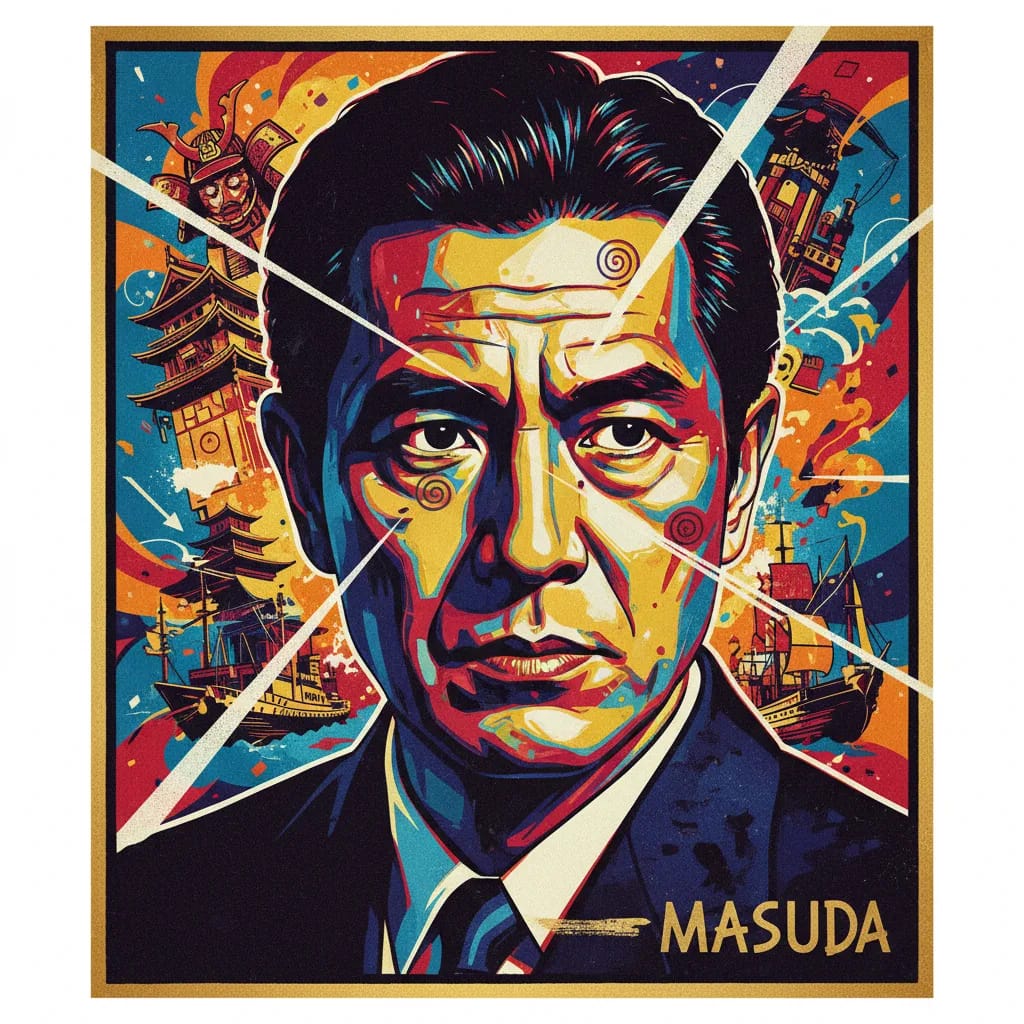
Toshio Masuda was a prominent Japanese film director known for his contributions to action, drama, and historical genres. His most renowned work, "Tora! Tora! Tora!" (1970), cemented his reputation as a director with a keen eye for meticulous historical reenactments and compelling storytelling. Masuda's directorial style was characterized by his ability to seamlessly blend intense action sequences with deeply emotional and humanistic narratives, creating a gripping cinematic experience for audiences. "Tora! Tora! Tora!" stands as a testament to Masuda's mastery in capturing the complexities of historical events, as the film meticulously depicts the events leading up to the attack on Pearl Harbor from both the American and Japanese perspectives. His dedication to historical accuracy and attention to detail in recreating pivotal moments in history contributed to the film's critical acclaim and enduring legacy. Throughout his career, Masuda displayed a talent for infusing his films with recurring themes of honor, sacrifice, and the human cost of war. His portrayal of characters grappling with moral dilemmas and the impact of conflict on individuals resonated deeply with audiences, establishing him as a director capable of evoking profound emotional responses through his work. Masuda's impact on cinema extends beyond his directorial achievements, as he played a significant role in shaping the historical and action genres. His meticulous approach to storytelling and his ability to humanize historical events set a standard for future filmmakers tackling similar subject matter. Masuda's legacy as a director continues to influence and inspire filmmakers, cementing his status as a visionary in the world of cinema. In conclusion, Toshio Masuda's directorial career is marked by his exceptional ability to bring historical events to life on the silver screen, infusing them with emotional depth and authenticity. His dedication to historical accuracy, compelling storytelling, and exploration of profound human themes solidifies his place as a master filmmaker whose impact on cinema endures to this day.

Toshiya Fujita, a visionary Japanese director, made a significant impact on the world of cinema with his unique directorial style and compelling storytelling. Fujita is best known for his seminal work "Lady Snowblood" (1973), a groundbreaking film that combined elements of action, crime, and drama to create a visually stunning and emotionally gripping masterpiece. His directorial approach was marked by a keen eye for detail, innovative camera work, and a deep understanding of character dynamics, which set him apart as a true auteur. Fujita's directorial style was characterized by his ability to seamlessly blend elements of Japanese tradition with modern storytelling techniques. His films often featured strong, complex female protagonists who defied societal norms and challenged traditional gender roles, a recurring theme that resonated with audiences and critics alike. Fujita's meticulous attention to visual composition and his use of striking imagery have left an indelible mark on the world of cinema, influencing countless filmmakers and shaping the evolution of the action and crime genres. "Lady Snowblood" stands as a testament to Fujita's directorial prowess, showcasing his ability to craft a compelling narrative filled with intense action sequences, poignant drama, and thought-provoking themes. The film's impact on cinema cannot be overstated, as it continues to be celebrated for its innovative storytelling and influential visual style. Fujita's legacy as a director is further cemented by the enduring popularity of "Lady Snowblood," which has inspired numerous adaptations and continues to captivate audiences around the world. In conclusion, Toshiya Fujita's directorial career is a testament to his unparalleled vision and creative genius. His ability to weave together captivating stories, compelling characters, and breathtaking visuals has solidified his status as a true master of his craft. Fujita's influence on the world of cinema is undeniable, and his legacy continues to inspire filmmakers and audiences alike, ensuring that his contributions to the art of filmmaking will be celebrated for generations to come.

Toshiyuki Kubooka is a highly acclaimed Japanese film director known for his exceptional work in the animation, action, and adventure genres. His most notable directorial contributions come from the "Berserk: The Golden Age Arc" trilogy, consisting of "The Egg of the King" (2012), "The Battle for Doldrey" (2012), and "The Advent" (2013). Kubooka's directorial style is marked by his ability to infuse intense action sequences with deep emotional resonance, creating a captivating cinematic experience for audiences. Kubooka's "Berserk: The Golden Age Arc" trilogy has solidified his position as a visionary director in the animation realm. His meticulous attention to detail and masterful storytelling have garnered widespread acclaim from both critics and viewers. The trilogy, based on the popular manga series by Kentaro Miura, showcases Kubooka's ability to bring rich and complex characters to life through stunning animation and powerful narratives. One of Kubooka's recurring themes is the exploration of the human psyche amidst epic battles and personal struggles, adding layers of depth and complexity to his storytelling. His films often delve into the darker aspects of human nature, presenting a thought-provoking commentary on the human condition. Kubooka's unique vision and directorial prowess have left an indelible mark on the world of animation and have contributed to the evolution of the medium. Kubooka's impact on cinema extends beyond his directorial achievements, as he has inspired a new generation of filmmakers and animation enthusiasts. His ability to seamlessly blend heart-pounding action with profound storytelling has set a new standard for animated films, influencing the industry as a whole. Toshiyuki Kubooka's dedication to pushing artistic boundaries and delivering compelling narratives has cemented his legacy as a pioneering director in the world of animation and adventure cinema.

Toshiyuki Tsuru is a highly acclaimed Japanese film director and animator known for his exceptional work in the animation, action, and adventure genres. Tsuru's most notable work includes his directorial role in the animated feature film "Boruto: Naruto The Movie" (2015). This film is a part of the immensely popular Naruto franchise and has received widespread acclaim for its stunning animation, compelling action sequences, and captivating adventure elements. Tsuru's directorial style is characterized by his meticulous attention to detail, dynamic storytelling, and seamless integration of action and adventure into his narratives. His ability to bring to life the beloved characters of the Naruto universe while introducing fresh and exhilarating elements has solidified his reputation as a visionary director in the animation genre. In "Boruto: Naruto The Movie," Tsuru showcases his talent for creating visually stunning and emotionally resonant animated sequences, captivating audiences with his dynamic and immersive storytelling. His directorial prowess is evident in the film's seamless blend of heart-pounding action, poignant character development, and breathtaking adventure, making it a standout addition to the Naruto franchise. Tsuru's impact on cinema is reflected in his ability to transport audiences to fantastical worlds while delivering compelling narratives that resonate across generations. His work has not only contributed to the success of the Naruto franchise but has also left an indelible mark on the animation, action, and adventure genres. Tsuru's dedication to his craft and his unique vision have established him as a director whose influence extends far beyond the screen, inspiring a new generation of filmmakers and captivating audiences worldwide.

Toyoo Ashida is a renowned Japanese animation director known for his influential work in the anime industry. With a career spanning several decades, Ashida has left a significant impact on cinema through his distinctive directorial style and groundbreaking contributions to the world of animation. Throughout his career, Ashida has consistently showcased a remarkable ability to bring fantastical and otherworldly stories to life through his unique vision and innovative approach to storytelling. One of Ashida's most notable works is the iconic 1985 film "Vampire Hunter D." This animated feature, which falls into the genres of action and fantasy, quickly became a cult classic and solidified Ashida's reputation as a visionary director within the animation landscape. The film's dark and atmospheric visuals, coupled with its compelling narrative, underscore Ashida's penchant for creating immersive and captivating cinematic experiences. Ashida's directorial style is characterized by a seamless blend of intricate animation, dynamic action sequences, and a penchant for exploring complex and esoteric themes. His films often feature enigmatic and brooding protagonists set against richly detailed and immersive worlds, showcasing his ability to craft visually stunning and thought-provoking narratives. Ashida's work has had a lasting influence on the anime genre, inspiring subsequent generations of filmmakers and animators to push the boundaries of visual storytelling. Throughout his career, Ashida has demonstrated a consistent exploration of themes such as the supernatural, existentialism, and the human condition, often imbuing his films with a sense of philosophical depth and emotional resonance. His unique ability to infuse his work with a profound sense of atmosphere and mood has earned him a dedicated following of fans and admirers, cementing his legacy as a pioneering force in the world of animation. In conclusion, Toyoo Ashida's directorial career is a testament to his enduring impact on cinema, particularly within the realm of animation. His visionary approach to storytelling, coupled with his ability to create immersive and visually stunning worlds, has solidified his status as a revered figure in the anime industry. With a body of work that continues to captivate audiences and inspire filmmakers, Ashida's contributions to film remain an integral part of the cinematic landscape.

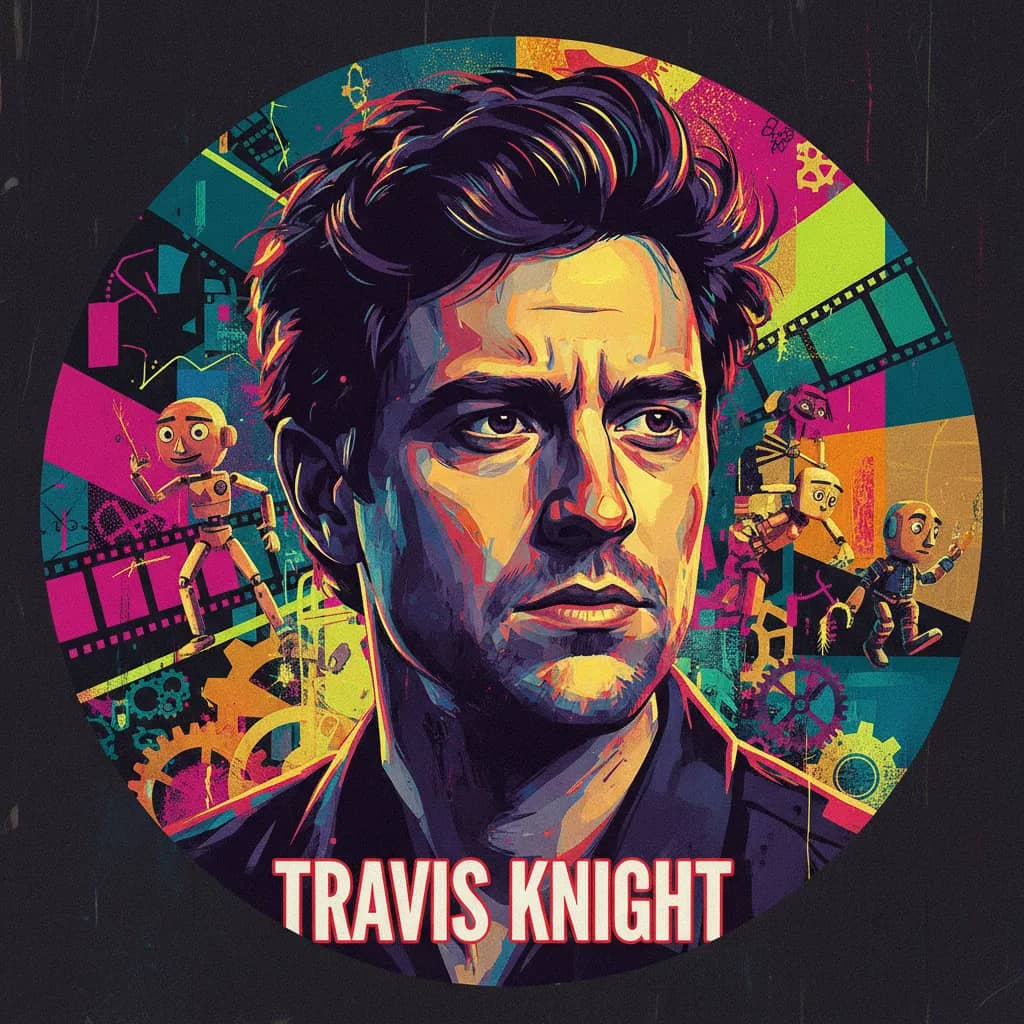
Travis Knight is a visionary director known for his groundbreaking work in animation and action films. His directorial debut came with the critically acclaimed "Kubo and the Two Strings" (2016), a stop-motion animated masterpiece that captured audiences with its stunning visuals and heartfelt storytelling. Knight's meticulous attention to detail and innovative approach to animation garnered widespread praise and earned him a nomination for the Academy Award for Best Animated Feature. In 2018, Knight made his transition to live-action filmmaking with "Bumblebee," a highly anticipated installment in the "Transformers" franchise. With this film, Knight demonstrated his prowess in directing action and adventure, delivering a fresh and exhilarating take on the beloved robots-in-disguise saga. His ability to infuse depth and emotion into the narrative while maintaining thrilling action sequences showcased his versatility as a director. Knight's directorial style is characterized by a commitment to pushing the boundaries of visual storytelling, whether through the intricate artistry of stop-motion animation or the adrenaline-pumping spectacle of live-action blockbusters. His films often explore themes of heroism, inner strength, and the power of imagination, resonating with audiences of all ages. Moreover, Knight's dedication to crafting compelling characters and immersive worlds has left an indelible mark on the cinematic landscape. As an accomplished director, Knight has redefined the possibilities of animation and action cinema, earning a reputation for his innovative vision and storytelling prowess. His ability to seamlessly blend cutting-edge technology with timeless storytelling has cemented his status as a trailblazer in the industry. With a penchant for crafting visually stunning and emotionally resonant films, Travis Knight continues to captivate audiences and inspire fellow filmmakers, solidifying his legacy as a visionary director shaping the future of cinema.

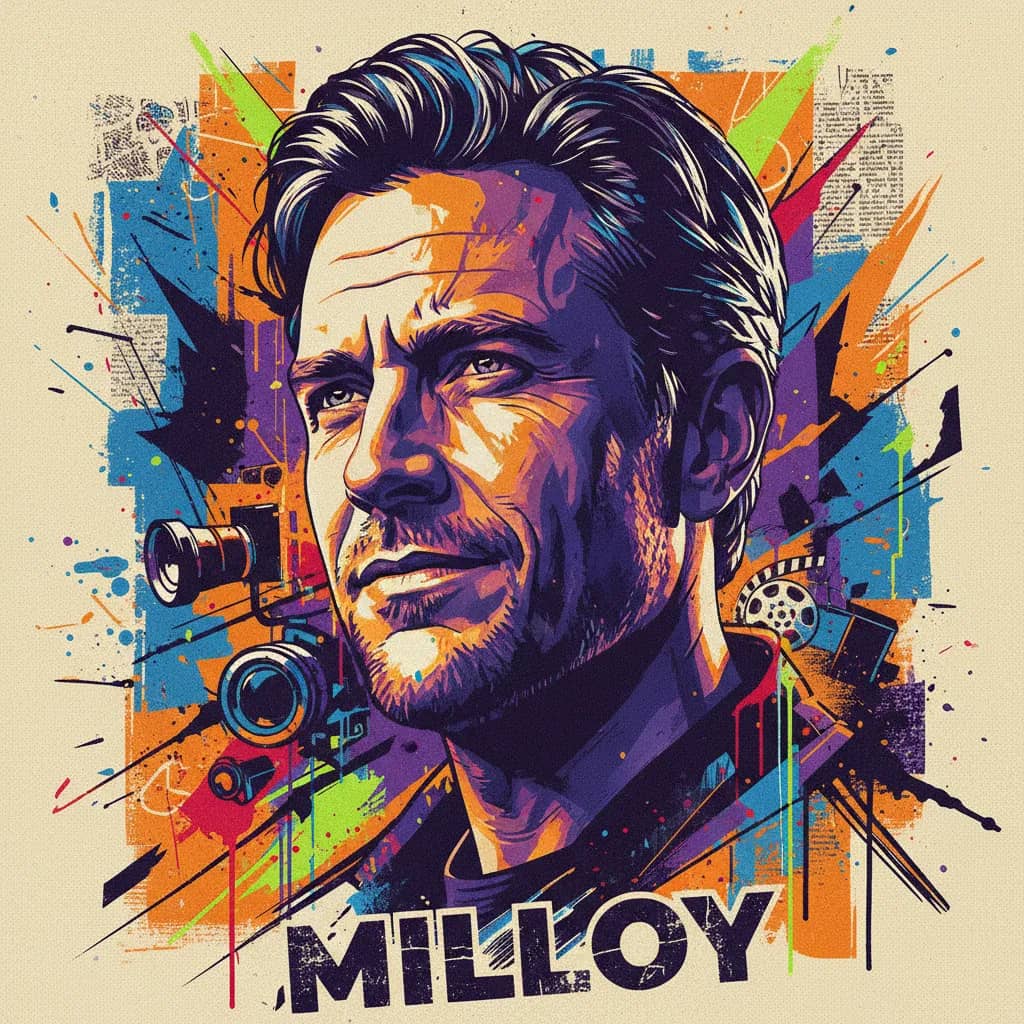
Travis Milloy is an American filmmaker known for his work in the science fiction and thriller genres. His most notable film to date is "Infinity Chamber" (2016), a thought-provoking sci-fi thriller that showcases his distinct directorial style and storytelling prowess. Milloy's approach to filmmaking is characterized by his ability to create immersive and intellectually stimulating narratives that captivate audiences and leave a lasting impression. "Infinity Chamber" exemplifies Milloy's penchant for crafting intricate, mind-bending narratives that challenge conventional storytelling norms. The film follows a man trapped in a futuristic prison controlled by an artificial intelligence system, blending elements of suspense, psychological drama, and speculative fiction. Milloy's directorial style is marked by his meticulous attention to detail, innovative visual storytelling, and a knack for building tension and suspense through compelling character dynamics. Throughout his career, Milloy has demonstrated a consistent commitment to exploring existential themes, human resilience, and the impact of technology on society. His films often delve into the complexities of the human experience, inviting audiences to contemplate the intersection of humanity and technology. This thematic through-line underscores Milloy's unique perspective and his ability to infuse his work with thought-provoking philosophical undertones. Milloy's impact on cinema lies in his ability to push the boundaries of genre filmmaking, delivering thought-provoking narratives that resonate with audiences on a deeper level. His distinctive directorial voice and innovative storytelling have positioned him as a rising talent in the science fiction and thriller genres, garnering attention for his ability to craft compelling narratives that transcend traditional genre conventions. As he continues to expand his body of work, Travis Milloy is poised to make a lasting impression on the cinematic landscape, solidifying his status as a visionary director with a unique creative vision.

Travis Stevens is a visionary film director known for his distinct style and unique contributions to the horror genre. With a career spanning several years, his impact on cinema is undeniable, and his directorial prowess continues to captivate audiences worldwide. Stevens made his feature directorial debut with the critically acclaimed film "Girl on the Third Floor" in 2019, a gripping blend of drama, horror, and mystery that showcases his ability to craft atmospheric and chilling storytelling. Stevens' directorial style is characterized by a keen understanding of the psychological aspects of horror, effectively building tension and suspense throughout his films. His meticulous attention to detail and penchant for crafting multidimensional characters have cemented his reputation as a director who pushes the boundaries of the horror genre. "Girl on the Third Floor" exemplifies his ability to subvert genre expectations while delivering a truly immersive and haunting experience for audiences. Notable for his exploration of human nature and the complexities of morality, Stevens' films often delve into the darker aspects of the human psyche, creating thought-provoking narratives that resonate with viewers long after the credits roll. His commitment to storytelling that challenges and unsettles audiences has solidified his status as a director with a distinctive and influential voice in the realm of horror cinema. Stevens' impact on cinema extends beyond his directorial work, as he has also contributed to the industry as a producer and writer, further solidifying his position as a multifaceted talent with a deep understanding of the filmmaking process. As he continues to push boundaries and redefine the horror genre, Travis Stevens remains a director to watch, with his unique vision and unwavering commitment to storytelling ensuring that his future projects will continue to leave a lasting impression on audiences and the film industry as a whole.

Trevor Moore was an American film director, known for his unique blend of comedy and romance in his work. His most notable film, "Miss March," released in 2009, showcased his directorial style and thematic approach. Moore's directorial style often incorporated elements of irreverent humor and unconventional storytelling, setting him apart in the world of comedy filmmaking. "Miss March" is a prime example of Moore's signature directorial style, featuring offbeat humor and unexpected plot twists. The film's comedic elements are underscored by Moore's ability to infuse the narrative with a sense of genuine emotion and romance, creating a multidimensional experience for audiences. His ability to balance humor with heartfelt storytelling is a testament to his directorial talent and vision. Throughout his career, Moore's films often revolved around themes of self-discovery, friendship, and the complexities of human relationships. His unique perspective and penchant for blending comedy with genuine emotional depth have left an indelible mark on the comedy-romance genre. Moore's impact on cinema can be seen in his ability to push the boundaries of traditional comedy, infusing his films with a sense of authenticity and relatability. In the world of comedy filmmaking, Trevor Moore's contributions have been significant, as he brought a fresh and unconventional approach to the genre. His ability to navigate the complexities of human emotions while delivering gut-busting laughs has solidified his reputation as a director with a distinct and influential vision. Moore's legacy continues to inspire a new generation of filmmakers to push creative boundaries and explore the comedic potential of genuine, heartfelt storytelling.

Trevor Nunn is a highly esteemed British director known for his diverse contributions to film, theatre, and television. With a career spanning over five decades, Nunn has made a significant impact on the entertainment industry. While he is most recognized for his prolific work in theatre, Nunn's foray into film direction with "Red Joan" (2018) showcased his adeptness in bringing compelling narratives to the big screen. Nunn's directorial style is marked by its attention to detail and emotional depth, often delving into the complexities of human relationships and historical events. His film "Red Joan" exemplifies this with its captivating portrayal of the true story of Joan Stanley, a British woman who was exposed as the KGB's longest-serving British spy. Nunn's ability to infuse historical dramas with a sense of intimacy and personal turmoil sets his work apart, captivating audiences with nuanced storytelling and powerful performances. Throughout his career, Nunn has displayed a knack for seamlessly transitioning between mediums, demonstrating his versatility and creative agility. His notable success in theatre, where he has directed acclaimed productions of Shakespearean plays and musicals, has undoubtedly influenced his directorial approach in film. Nunn's ability to extract profound performances from his actors and his keen eye for visual storytelling have consistently elevated his work and left an indelible mark on audiences. Nunn's impact on cinema lies in his ability to breathe life into stories that resonate deeply with audiences, showcasing his dedication to thought-provoking narratives that transcend time and place. His directorial contributions have enriched the cinematic landscape, proving his ability to navigate diverse genres and subject matter with finesse. With a legacy that encompasses a wide array of creative endeavors, Trevor Nunn continues to be a revered figure in the world of entertainment, leaving an enduring imprint on both stage and screen.

Trey Edward Shults is a visionary filmmaker known for his distinct directorial style and emotionally resonant storytelling. With a relatively small yet impactful filmography, Shults has made a significant mark on the industry with his thought-provoking and visually stunning works. His notable films include "It Comes at Night" (2017), a gripping drama-horror hybrid, and "Waves" (2019), a poignant exploration of family dynamics and personal resilience set against the backdrop of high school wrestling. Shults' directorial style is characterized by his meticulous attention to detail, immersive cinematography, and his ability to evoke raw, authentic performances from his actors. His films often delve into complex human emotions, delving into themes of grief, trauma, and familial relationships with unflinching honesty. Shults has a keen eye for capturing the intricacies of human behavior and the ways in which individuals navigate adversity, resulting in deeply affecting narratives that resonate with audiences on a profound level. One of the hallmarks of Shults' work is his ability to seamlessly blend genres, infusing his stories with elements of drama, horror, and romance to create multi-layered and emotionally charged narratives. His films are known for their atmospheric tension, immersive sound design, and evocative visual imagery, all of which contribute to the unique cinematic experience he offers to viewers. In a relatively short span of time, Trey Edward Shults has established himself as a director with a distinct and compelling voice in the industry. His ability to craft deeply human stories and create immersive cinematic experiences has garnered him acclaim from critics and audiences alike. As he continues to push boundaries and explore new narrative territories, Shults is poised to make an enduring impact on the world of cinema, solidifying his status as a director to watch in the years to come.
Every film by the greats, ranked by our TML Score.

Christopher Nolan
Every film, ranked

Quentin Tarantino
Every film, ranked

Stanley Kubrick
Every film, ranked

Martin Scorsese
Every film, ranked

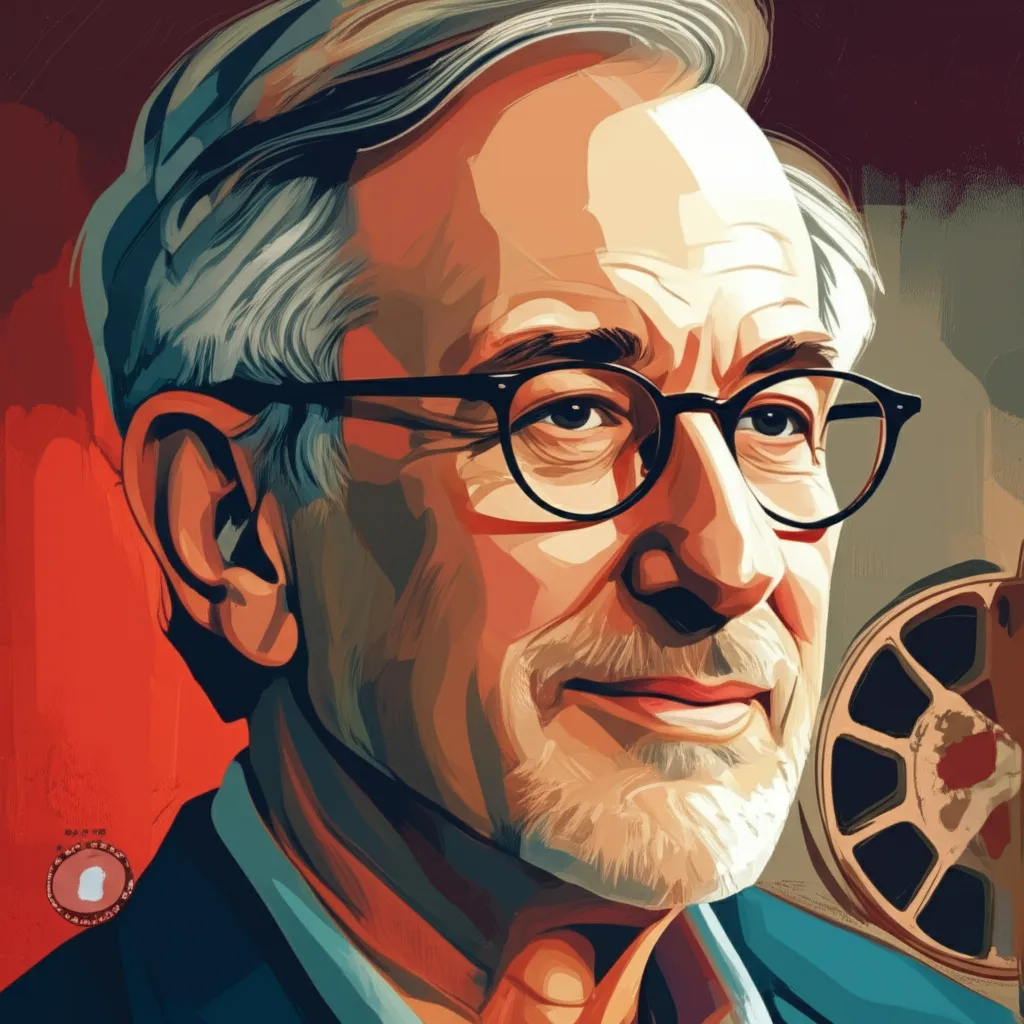
Steven Spielberg
Every film, ranked

Alfred Hitchcock
Every film, ranked

David Fincher
Every film, ranked

Denis Villeneuve
Every film, ranked

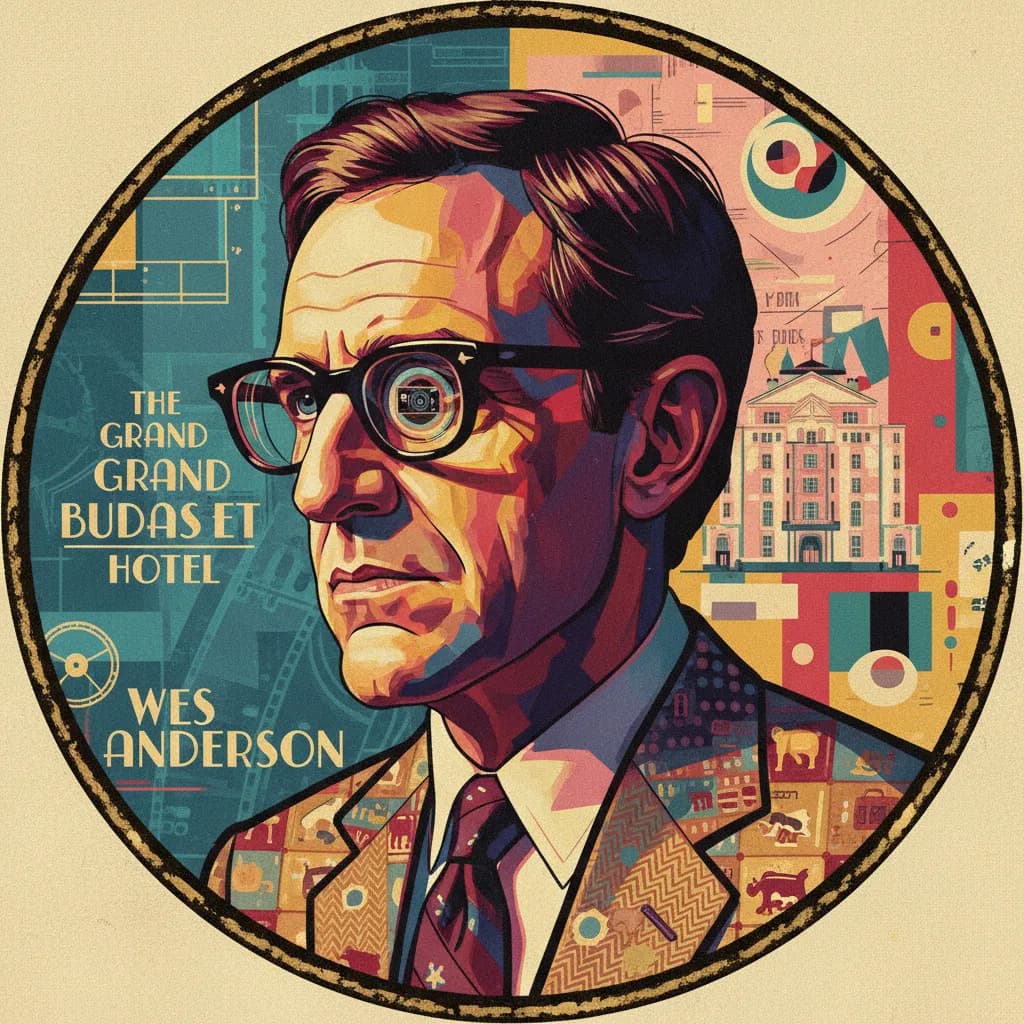
Wes Anderson
Every film, ranked

Paul Thomas Anderson
Every film, ranked

Ridley Scott
Every film, ranked

Tim Burton
Every film, ranked

Guillermo del Toro
Every film, ranked

Hayao Miyazaki
Every film, ranked

Akira Kurosawa
Every film, ranked

Francis Ford Coppola
Every film, ranked

Clint Eastwood
Every film, ranked

Bong Joon Ho
Every film, ranked

Woody Allen
Every film, ranked

Steven Soderbergh
Every film, ranked

Ron Howard
Every film, ranked

Pedro Almodóvar
Every film, ranked

Richard Linklater
Every film, ranked

Roman Polanski
Every film, ranked

Brian De Palma
Every film, ranked

Ingmar Bergman
Every film, ranked

Oliver Stone
Every film, ranked

David Cronenberg
Every film, ranked

Robert Zemeckis
Every film, ranked

Barry Levinson
Every film, ranked

John Carpenter
Every film, ranked

Joel Schumacher
Every film, ranked

Billy Wilder
Every film, ranked

Rob Reiner
Every film, ranked

Neil Jordan
Every film, ranked

Spike Lee
Every film, ranked

Ivan Reitman
Every film, ranked

John Woo
Every film, ranked

Lasse Hallström
Every film, ranked

Stephen Frears
Every film, ranked

Luc Besson
Every film, ranked

Chris Columbus
Every film, ranked

Mike Nichols
Every film, ranked

Howard Hawks
Every film, ranked

Ang Lee
Every film, ranked

Walter Hill
Every film, ranked

Gus Van Sant
Every film, ranked

William Wyler
Every film, ranked

Renny Harlin
Every film, ranked

Sidney Lumet
Every film, ranked

Tony Scott
Every film, ranked