Discover the visionary filmmakers behind cinema's greatest works.
Explore our selection of acclaimed directors and their remarkable films.
Showing 3961-3972 out of 4148

Tyler Nilson is a visionary director known for his heartwarming and uplifting films that seamlessly blend adventure, comedy, and drama. While Nilson's filmography is relatively compact, his impact on cinema has been profound. His most notable work, "The Peanut Butter Falcon" (2019), has garnered widespread critical acclaim and has solidified Nilson's reputation as a director with a unique and compelling vision. "The Peanut Butter Falcon" is a testament to Nilson's directorial style, characterized by its profound emotional depth, captivating storytelling, and authentic portrayal of human relationships. The film follows the journey of a young man with Down syndrome who escapes from a nursing home to pursue his dream of becoming a professional wrestler, and it showcases Nilson's ability to infuse a sense of adventure and humor into a deeply moving narrative. Nilson's films often explore themes of friendship, resilience, and the triumph of the human spirit, resonating with audiences on a profound level. His directorial approach emphasizes authenticity and sincerity, allowing viewers to connect with the characters and their journeys on a deeply personal level. In the world of cinema, Nilson's contributions are notable for their ability to transcend traditional genre boundaries and offer a fresh perspective on storytelling. His dedication to crafting films that are both entertaining and thought-provoking has earned him a dedicated following and has cemented his status as a director to watch in the industry. Overall, Tyler Nilson's directorial career is a testament to his ability to create films that resonate with audiences on a profound emotional level. His unique vision and dedication to storytelling have left an indelible mark on cinema, and his work continues to inspire and captivate audiences around the world.

Tyler Perry is a prolific and influential filmmaker known for his unique blend of comedy, drama, and romance, often infused with profound social commentary. His directorial style is characterized by a combination of humor and poignant storytelling that resonates with audiences on a deep emotional level. Perry's films often explore themes of love, relationships, and the complexities of human behavior, while also addressing important societal issues such as domestic abuse, infidelity, and personal redemption. Notable films in Perry's directorial repertoire include "Why Did I Get Married?" (2007) and its sequel "Why Did I Get Married Too?" (2010), which delve into the intricacies of marriage and friendship with both humor and heart-wrenching drama. Additionally, "Madea's Family Reunion" (2006) showcases Perry's talent for crafting compelling narratives that center on family dynamics and the resilience of the human spirit. His directorial work also includes the thought-provoking thriller "A Fall from Grace" (2020) and the empowering "I Can Do Bad All by Myself" (2009), which demonstrate Perry's versatility in tackling a range of genres with depth and authenticity. Perry's impact on cinema extends beyond his directorial achievements, as he has become a trailblazer in championing diversity and representation in the film industry. Through his iconic character Madea, portrayed by Perry himself, he has created a beloved and empowering figure that challenges stereotypes and celebrates the strength and resilience of African American women. Perry's unwavering commitment to telling stories that resonate with diverse audiences has solidified his status as a groundbreaking director and a driving force for inclusivity in filmmaking. In conclusion, Tyler Perry's directorial career is defined by his ability to craft compelling narratives that blend humor, drama, and social commentary with a distinct artistic vision. His films not only entertain but also provoke thought and inspire meaningful conversations about the human experience. Perry's dedication to authentic storytelling and his impact on promoting diversity and representation have left an indelible mark on the world of cinema, making him a true visionary in the industry.

Tyler Shields is a renowned photographer, film director, and writer known for his distinct visual style and provocative storytelling. Making his directorial debut with the 2015 horror thriller "Final Girl," Shields brought his background in photography into the world of cinema, creating a visually striking and intense film experience. The movie garnered attention for its unique blend of stylized visuals, gripping suspense, and strong performances, establishing Shields as a director with a bold and distinctive vision. In "Final Girl," Shields demonstrated his penchant for crafting visually stunning and atmospheric scenes, utilizing lighting, composition, and color to create a heightened sense of tension and unease. His directorial style, influenced by his background in photography, is characterized by a meticulous attention to detail and a willingness to push boundaries, resulting in a visually arresting and emotionally impactful cinematic experience. One of Shields' recurring themes is the exploration of power dynamics and the complexities of human nature, often delving into the darker aspects of the human psyche. His work frequently features strong and complex female characters, challenging traditional gender roles and expectations. This thematic exploration, coupled with his visually striking approach, sets Shields apart as a director with a keen eye for storytelling and a commitment to pushing artistic boundaries. Shields' impact on cinema lies in his ability to infuse his films with a sense of raw emotion and visual intensity, creating a distinctive and memorable viewing experience. His unique vision and willingness to explore challenging and thought-provoking subject matter have cemented his status as a director to watch, with "Final Girl" serving as a powerful introduction to his directorial prowess. As he continues to expand his body of work, Tyler Shields' influence on the film industry is sure to grow, leaving an indelible mark on the world of cinema.

Tyler Spindel is a talented film director known for his work in the comedy genre, delivering entertaining and lighthearted films that resonate with audiences. His notable films include "Father of the Year" (2018) and "The Wrong Missy" (2020), both of which showcase his knack for blending humor with heartfelt moments. Spindel's directorial style is characterized by sharp comedic timing, relatable characters, and a keen understanding of human relationships, making his films a delightful escape for audiences. In "Father of the Year," Spindel demonstrates his ability to create a comedic narrative that revolves around the challenges of fatherhood and the complexities of family dynamics. The film strikes a balance between laugh-out-loud moments and touching insights, showcasing Spindel's talent in capturing the nuances of human emotions. Similarly, "The Wrong Missy" highlights Spindel's expertise in blending comedy and romance, offering a refreshing take on the genre with its quirky characters and hilarious scenarios. Throughout his career, Spindel has showcased a recurring theme of exploring the intricacies of human connections and the humor that arises from everyday situations. His films often feature endearing protagonists navigating through relatable challenges, making them universally appealing to audiences. Spindel's impact on cinema lies in his ability to infuse laughter and heart into his storytelling, providing audiences with an enjoyable cinematic experience that resonates long after the credits roll. As a director, Spindel's unique vision and commitment to crafting memorable comedic narratives have solidified his place in the industry. With each project, he continues to leave a lasting impression, drawing in audiences with his infectious humor and genuine storytelling. Whether it's through his witty dialogue or compelling character development, Spindel's contributions to film have cemented his position as a director with a keen understanding of what it takes to create captivating and entertaining cinema. In conclusion, Tyler Spindel's career as a film director has been marked by his ability to deliver comedic gems that leave a lasting impact on audiences. Through his unique directorial style, notable films, and recurring themes, Spindel has established himself as a visionary in the comedy genre, bringing laughter and heart to the big screen. As he continues to showcase his talents, audiences can eagerly anticipate more delightful and memorable films from this accomplished director.

Ty Shelton is a talented film director known for his captivating work in the action-thriller genre. His notable filmography includes the 2022 release "First Kill," which has garnered widespread acclaim for its intense storytelling and high-octane action sequences. Shelton's directorial style is marked by his ability to create tension-filled narratives and deliver adrenaline-pumping moments that keep audiences on the edge of their seats. In "First Kill," Shelton demonstrates his knack for crafting gripping, fast-paced storytelling with a keen eye for detail. His ability to build suspense and deliver compelling character dynamics has solidified his reputation as a director who excels in the action-thriller genre. With this film, Shelton has showcased his mastery in creating a seamless blend of heart-pounding action and compelling storytelling. Throughout his career, Shelton has explored recurring themes of moral ambiguity, redemption, and the complexities of human nature. His films often delve into the psychological depths of characters, presenting audiences with thought-provoking narratives that resonate long after the credits roll. Shelton's unique vision and directorial prowess have made a lasting impact on cinema, earning him a dedicated following of fans and solidifying his status as a rising star in the world of action filmmaking. As a director, Ty Shelton continues to push the boundaries of the action-thriller genre, delivering films that captivate audiences and leave a lasting impression. His commitment to crafting compelling narratives and his ability to bring out powerful performances from his cast have cemented his status as a director to watch in the industry. With "First Kill" and his future projects, Shelton is poised to make a significant mark on the world of cinema, further establishing himself as a visionary director with a distinct and impactful storytelling style.

Ulf Malmros is a Swedish film director known for his distinctive blend of comedy, crime, and mystery genres. His breakthrough film "Slim Susie" (2003) garnered international acclaim and set the stage for his career as a director with a unique vision. Malmros' directorial style is characterized by a keen eye for storytelling, often infusing his narratives with dark humor, compelling character dynamics, and unexpected plot twists. His films are celebrated for their ability to seamlessly blend genres, creating a captivating and immersive viewing experience. "Slim Susie" remains one of Malmros' most notable works, showcasing his adeptness at crafting intricate narratives within the framework of a comedic crime mystery. The film's success solidified Malmros as a dynamic director capable of delivering thought-provoking storytelling with a distinct sense of wit and charm. Throughout his career, Malmros has demonstrated a recurring theme of exploring the complexities of human relationships, often delving into the darker aspects of human nature while maintaining a lighthearted and entertaining tone. Malmros' impact on cinema lies in his ability to push the boundaries of genre conventions and deliver films that resonate with audiences on a deeper level. His unique approach to storytelling has positioned him as a visionary director with an unparalleled ability to captivate viewers while offering thought-provoking narratives. As a director, Malmros has carved out a niche for himself in the film industry, consistently delivering works that challenge and entertain audiences in equal measure. His influence extends beyond his native Sweden, as his films have garnered international recognition, solidifying his status as a director with a global appeal. Ulf Malmros' career is a testament to his unwavering commitment to storytelling and his ability to transcend genre limitations. His films continue to leave a lasting impression on audiences, captivating them with their intricate narratives, compelling characters, and seamless blend of comedy, crime, and mystery. As a director, Malmros has established himself as a trailblazer in the world of cinema, leaving an indelible mark with his unique vision and contributions to the art of storytelling on the silver screen.

Uli Edel is a German film director known for his diverse range of work across multiple genres. With a career spanning several decades, Edel has left an indelible mark on the film industry with his distinctive directorial style and thought-provoking storytelling. His notable films include "The Baader Meinhof Complex" (2008), "Pay the Ghost" (2015), "The Little Vampire" (2000), and "Christiane F." (1981), each showcasing his versatility and ability to tackle a wide array of subjects. One of Edel's most acclaimed works is "The Baader Meinhof Complex," a gripping biographical film that delves into the rise and fall of the notorious Red Army Faction in 1970s Germany. The film's intense action sequences and unflinching portrayal of radicalism highlight Edel's skill in crafting compelling narratives within the realm of real-life events. In "Pay the Ghost," Edel demonstrates his adeptness in the horror and mystery genres, employing atmospheric visuals and tension-building techniques to create a chilling and immersive experience for audiences. Throughout his career, Edel has shown a penchant for exploring complex human emotions and societal issues, often delving into themes of rebellion, identity, and the human condition. His films are characterized by their raw and unapologetic portrayal of characters, drawing audiences into the depths of their experiences. Edel's directorial style is marked by a keen attention to detail, evocative visuals, and a nuanced approach to storytelling, making each of his works a compelling and thought-provoking cinematic journey. Uli Edel's impact on cinema is undeniable, as he continues to push boundaries and challenge conventions with his bold and innovative approach to filmmaking. His ability to seamlessly navigate across genres while maintaining a distinct directorial voice sets him apart as a visionary in the industry. With a legacy of captivating and influential films, Edel has solidified his place as a director whose work resonates with audiences worldwide and leaves a lasting impression on the cinematic landscape.

Ulu Grosbard was a highly acclaimed film director known for his distinctive directorial style, which often focused on intimate character-driven dramas. Throughout his career, Grosbard brought a sense of emotional depth and authenticity to his films, showcasing a keen understanding of human relationships and the complexities of the human experience. His work often delved into themes of love, loss, and the intricacies of interpersonal connections, leaving a lasting impact on the world of cinema. One of Grosbard's most notable films is "The Deep End of the Ocean" (1999), a poignant drama that explores the devastating effects of a child's disappearance on a family. The film's raw emotion and powerful performances resonated with audiences, solidifying Grosbard's reputation as a director with a keen eye for capturing the nuances of human emotion. Additionally, "Falling in Love" (1984), starring Meryl Streep and Robert De Niro, showcased Grosbard's ability to navigate the complexities of romance and the intricacies of human connection, further establishing his prowess as a director adept at exploring the depths of human relationships. Grosbard's directorial approach was characterized by his ability to elicit authentic and compelling performances from his actors, creating a sense of intimacy and realism in his films. His keen attention to character development and emotional storytelling set him apart as a director with a profound understanding of the human condition. Grosbard's impact on cinema lies in his ability to craft deeply affecting narratives that resonate with audiences on a profound level, cementing his legacy as a masterful storyteller with an unparalleled ability to capture the essence of human experience on screen. In summary, Ulu Grosbard's directorial career is defined by a remarkable ability to craft emotionally resonant and thought-provoking films that delve into the intricacies of human relationships. His unique vision and directorial style have left an indelible mark on cinema, earning him a place among the most influential directors in the industry. Grosbard's films continue to stand as powerful testaments to the human experience, solidifying his legacy as a director whose work transcends time and leaves a lasting impact on audiences worldwide.

Umberto Lenzi, an Italian film director, left an indelible mark on the world of cinema with his diverse and prolific career. Known for his versatility and ability to navigate various genres, Lenzi made a significant impact on the film industry, particularly in the realms of horror and adventure. His 1981 film "Cannibal Ferox" stands as a testament to his bold and unapologetic approach to storytelling. Lenzi's directorial style is characterized by a visceral and unflinching portrayal of violence and human nature. His films often delve into the darker aspects of humanity, exploring themes of survival, brutality, and the primal instincts that lurk within us. "Cannibal Ferox" exemplifies his penchant for pushing boundaries and confronting audiences with uncomfortable truths, as it delves into the harrowing world of cannibalism and the savage nature of human beings. One of Lenzi's notable achievements is his contribution to the Italian cannibal film subgenre, where he showcased a raw and unfiltered depiction of brutality and savagery. His films often feature lush and exotic locales, further immersing viewers in the untamed and unforgiving environments that serve as the backdrop for his stories. With "Cannibal Ferox," Lenzi solidified his status as a provocateur and a master of shocking and visceral filmmaking. Lenzi's impact on cinema extends beyond his exploration of primal instincts and savagery. He has proven himself to be a versatile director, seamlessly transitioning between different genres, including crime thrillers, action films, and giallo. His ability to adapt to various storytelling styles and themes underscores his prowess as a director who defies categorization and constantly pushes the boundaries of cinematic expression. In summary, Umberto Lenzi's career is defined by his unyielding commitment to exploring the darkest recesses of human nature and delivering films that leave a lasting impression on audiences. His legacy as a director is marked by his fearlessness in tackling taboo subjects and his dedication to creating immersive and unforgettable cinematic experiences. With "Cannibal Ferox" and his extensive body of work, Lenzi has secured his place as a visionary director who fearlessly challenges conventions and leaves an indelible mark on the world of cinema.

Umesh Shukla is an Indian film director known for his unique blend of comedy, drama, and fantasy in his films. He made his directorial debut with the critically acclaimed and commercially successful film "OMG: Oh My God!" in 2012. The film, which starred Akshay Kumar and Paresh Rawal, delved into the theme of religious superstitions and blind faith in a thought-provoking yet humorous manner. Shukla's directorial style is characterized by his ability to infuse social commentary with entertaining storytelling, making his films both impactful and enjoyable for audiences. "OMG: Oh My God!" garnered widespread praise for its bold and refreshing take on religious themes and its thought-provoking narrative. Shukla's directorial vision and ability to tackle sensitive subjects with a touch of humor set him apart in the Indian film industry. The film's success solidified Shukla's position as a director with a unique perspective and a knack for addressing societal issues through the medium of cinema. Shukla's impact on cinema lies in his ability to create films that not only entertain but also spark important conversations. His directorial approach often involves blending humor with deeper themes, creating a memorable and impactful viewing experience for audiences. Through his films, Shukla has consistently showcased his talent for storytelling and his commitment to addressing relevant social issues. Umesh Shukla's filmography may be limited, but his directorial contributions have left a lasting impression on Indian cinema. His ability to tackle serious subjects with a comedic touch has earned him a dedicated following and critical acclaim. As he continues to explore new themes and narratives, Shukla's directorial style is expected to further impact and influence the landscape of Indian cinema, solidifying his position as a director with a unique and thought-provoking vision.

Uwe Boll is a German director known for his distinctive approach to filmmaking and his unapologetic storytelling style. Throughout his career, Boll has become notorious for his bold and unrelenting portrayal of violence and societal issues. With a focus on action, crime, and thriller genres, Boll's films are often characterized by their intense and gritty atmosphere, as well as their unflinching exploration of controversial subject matter. One of Boll's most notable works is "Assault on Wall Street" (2013), a gripping action-packed thriller that delves into the aftermath of the 2008 financial crisis. Through this film, Boll showcases his talent for capturing the raw emotions of his characters while shedding light on the harsh realities faced by those affected by economic turmoil. "Assault on Wall Street" exemplifies Boll's knack for weaving together high-octane action with thought-provoking social commentary, making it a standout addition to his filmography. In his films, Boll often tackles themes of justice, vengeance, and the human condition, presenting audiences with complex, morally ambiguous characters navigating through harrowing circumstances. His directorial style, characterized by intense pacing and unrelenting tension, has solidified his reputation as a filmmaker unafraid to push boundaries and challenge conventional storytelling norms. Boll's impact on cinema can be seen in his unyielding commitment to bringing controversial and hard-hitting narratives to the forefront. Despite polarizing critical reception, Boll's films have garnered a dedicated fan base and sparked important conversations about the role of cinema in addressing societal issues. His fearlessness in tackling difficult subject matter and his ability to infuse his work with visceral intensity have cemented his status as a director who fearlessly pushes the envelope. In conclusion, Uwe Boll's directorial career is a testament to his unwavering dedication to creating uncompromising and thought-provoking cinema. His films stand as a testament to his unique vision and willingness to confront difficult topics head-on, leaving a lasting impression on audiences and the film industry at large.

Václav Vorlíček was a visionary Czech film director known for his captivating storytelling, imaginative visuals, and a unique blend of fantasy and reality in his work. Throughout his illustrious career, Vorlíček left an indelible mark on the world of cinema, particularly with his iconic film, "Three Wishes for Cinderella" (1973). This timeless classic, which seamlessly combines drama, fantasy, and family themes, remains a beloved staple in the genre, enchanting audiences with its whimsical charm and enduring appeal. Vorlíček's directorial style is characterized by his ability to transport viewers into enchanting worlds where magic and everyday life intertwine. His films often feature strong, independent female protagonists who navigate fantastical realms while grappling with universal human experiences. Through his masterful storytelling and striking visual aesthetics, Vorlíček has earned a reputation for crafting captivating narratives that resonate with audiences of all ages. "Three Wishes for Cinderella" stands as a testament to Vorlíček's unparalleled creativity and storytelling prowess. The film's enduring popularity and influence on subsequent generations of filmmakers speak to Vorlíček's lasting impact on the cinematic landscape. His ability to infuse timeless fairy tales with modern sensibilities and universal themes has solidified his status as a pioneering director with a profound understanding of the human experience. Vorlíček's oeuvre is a testament to his innovative approach to filmmaking and his commitment to pushing the boundaries of storytelling. His ability to seamlessly blend fantasy and reality has left an indelible mark on the world of cinema, inspiring countless filmmakers to explore the limitless possibilities of the human imagination. Václav Vorlíček's legacy as a visionary director continues to resonate with audiences worldwide, cementing his status as a true master of his craft and a trailblazer in the realm of fantasy cinema.
Every film by the greats, ranked by our TML Score.

Christopher Nolan
Every film, ranked

Quentin Tarantino
Every film, ranked

Stanley Kubrick
Every film, ranked

Martin Scorsese
Every film, ranked

Steven Spielberg
Every film, ranked

Alfred Hitchcock
Every film, ranked

David Fincher
Every film, ranked

Denis Villeneuve
Every film, ranked

Wes Anderson
Every film, ranked

Paul Thomas Anderson
Every film, ranked

Ridley Scott
Every film, ranked

Tim Burton
Every film, ranked

Guillermo del Toro
Every film, ranked

Hayao Miyazaki
Every film, ranked

Akira Kurosawa
Every film, ranked

Francis Ford Coppola
Every film, ranked

Clint Eastwood
Every film, ranked

Bong Joon Ho
Every film, ranked

Woody Allen
Every film, ranked

Steven Soderbergh
Every film, ranked

Ron Howard
Every film, ranked

Pedro Almodóvar
Every film, ranked

Richard Linklater
Every film, ranked

Roman Polanski
Every film, ranked

Brian De Palma
Every film, ranked

Ingmar Bergman
Every film, ranked

Oliver Stone
Every film, ranked

David Cronenberg
Every film, ranked

Robert Zemeckis
Every film, ranked

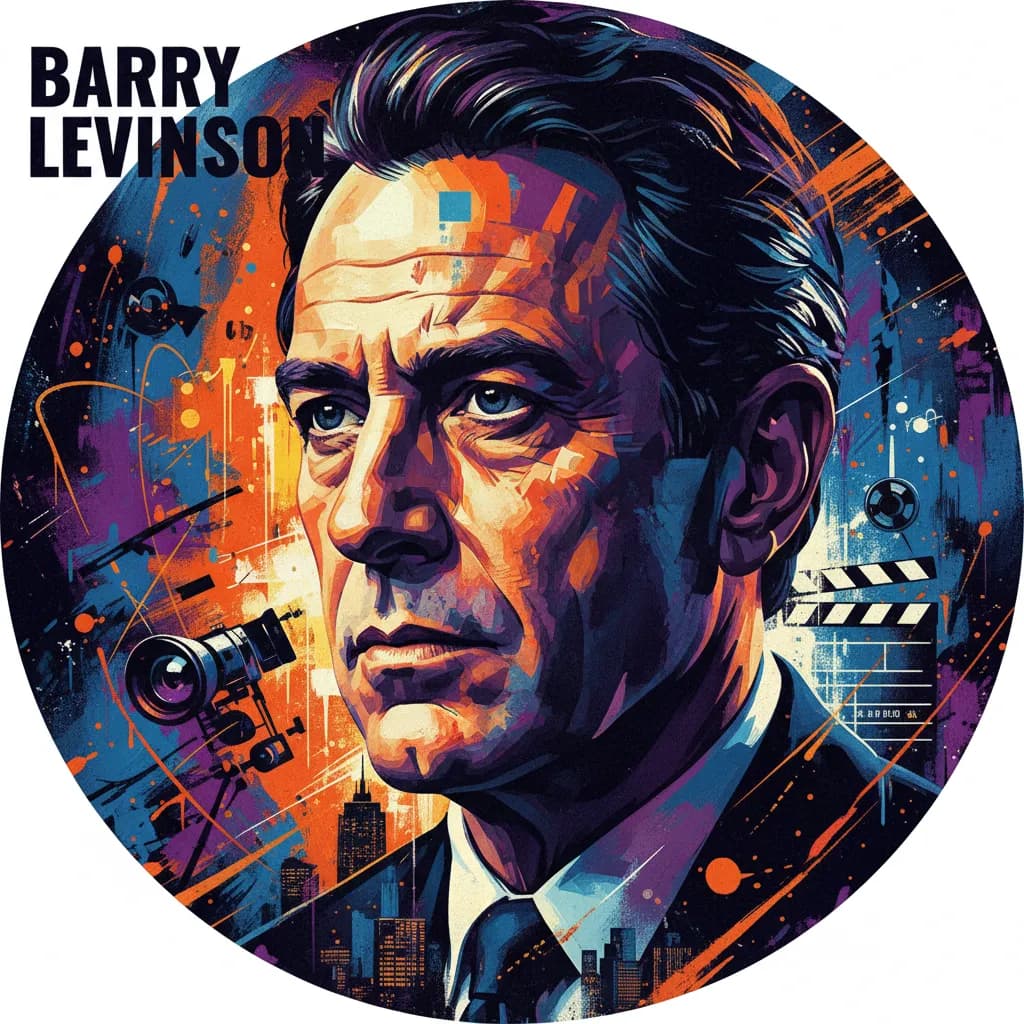
Barry Levinson
Every film, ranked

John Carpenter
Every film, ranked

Joel Schumacher
Every film, ranked

Billy Wilder
Every film, ranked

Rob Reiner
Every film, ranked

Neil Jordan
Every film, ranked

Spike Lee
Every film, ranked

Ivan Reitman
Every film, ranked

John Woo
Every film, ranked

Lasse Hallström
Every film, ranked

Stephen Frears
Every film, ranked

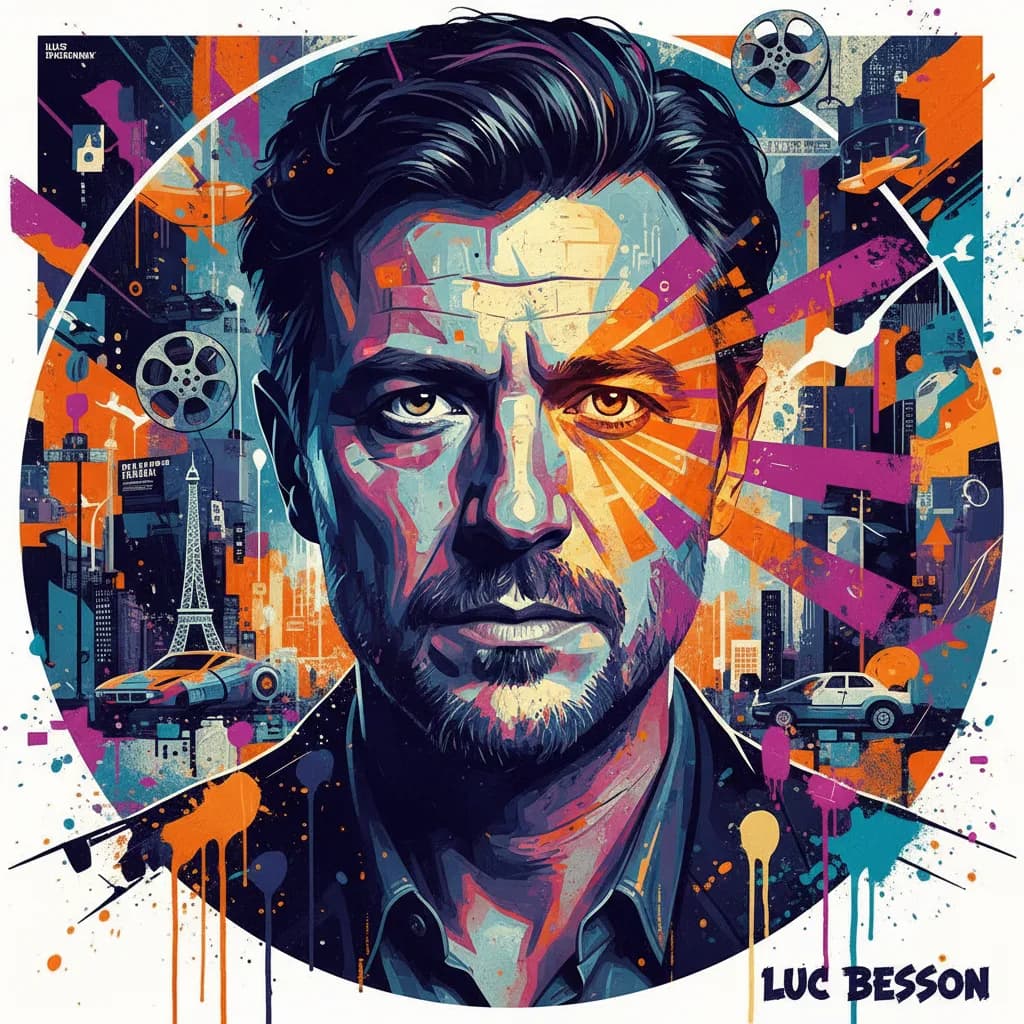
Luc Besson
Every film, ranked

Chris Columbus
Every film, ranked

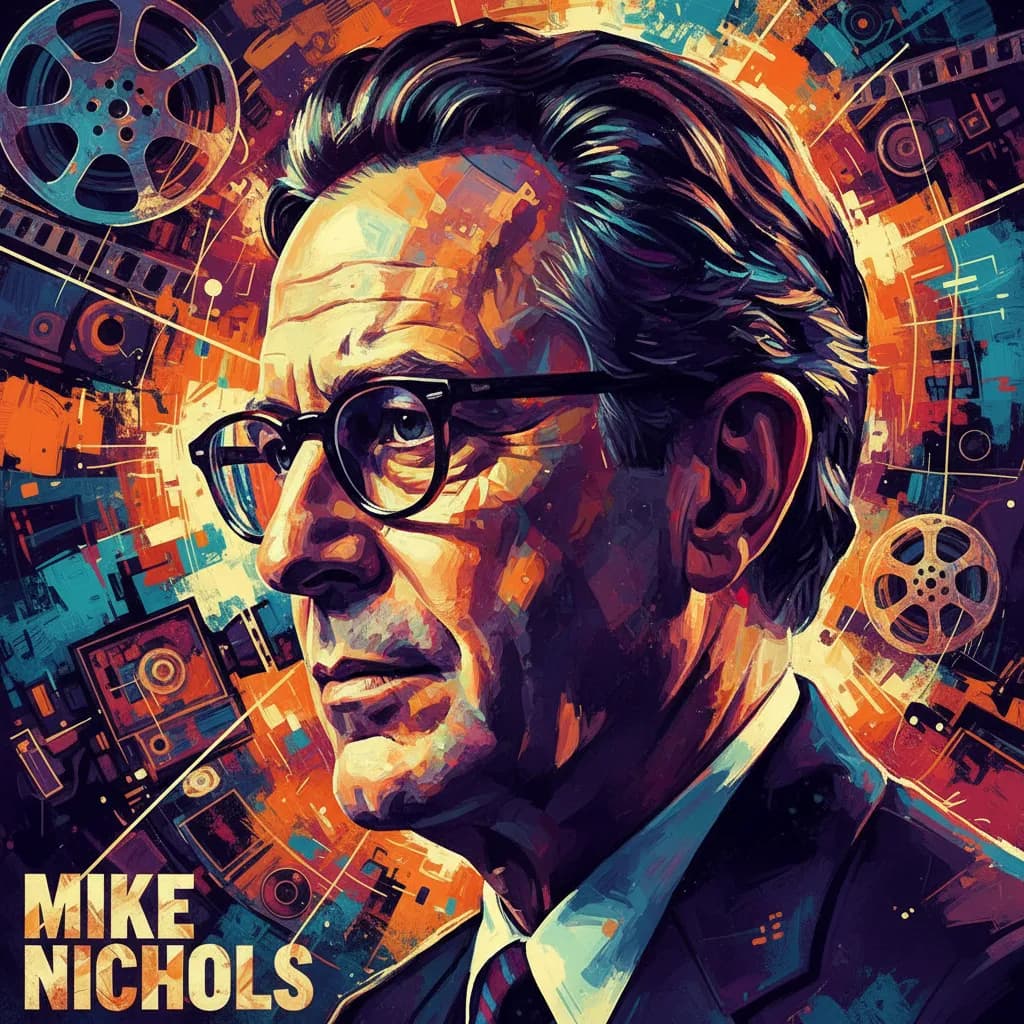
Mike Nichols
Every film, ranked

Howard Hawks
Every film, ranked

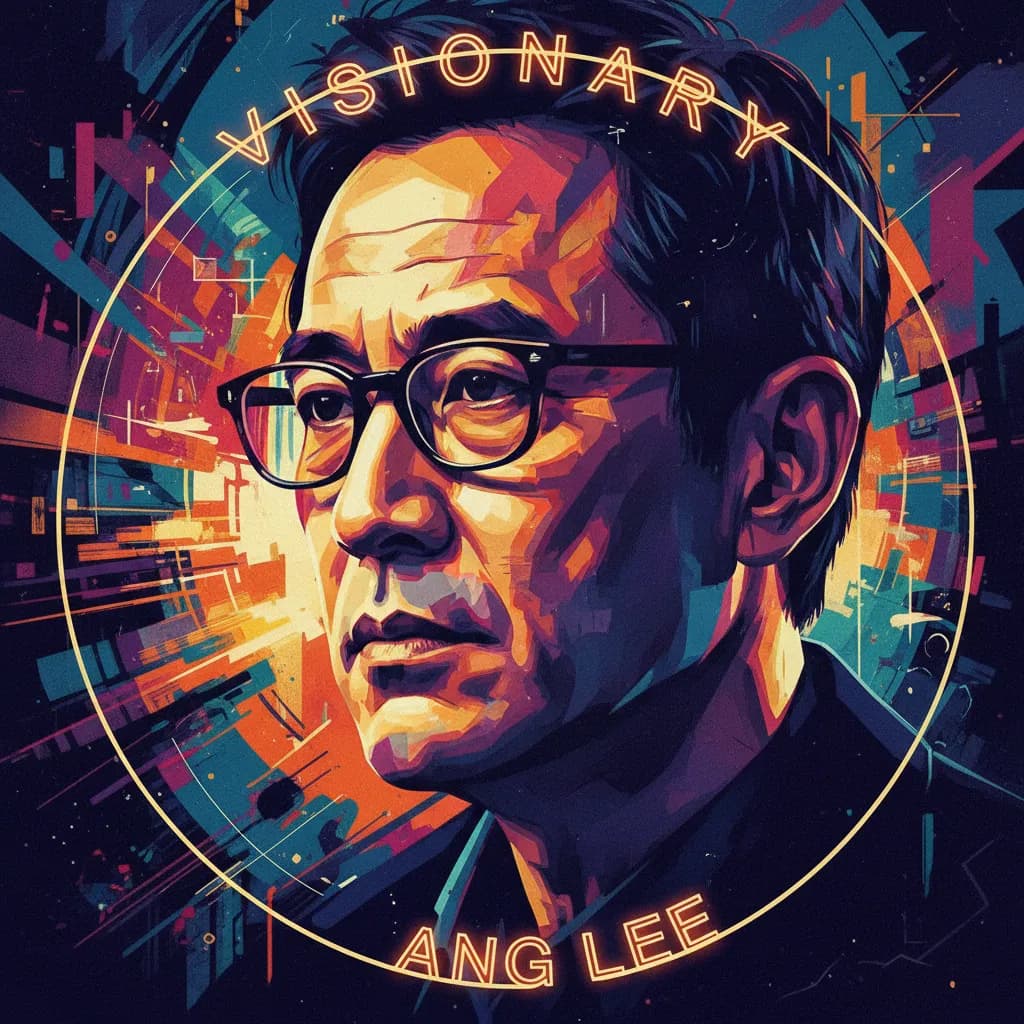
Ang Lee
Every film, ranked

Walter Hill
Every film, ranked

Gus Van Sant
Every film, ranked

William Wyler
Every film, ranked

Renny Harlin
Every film, ranked

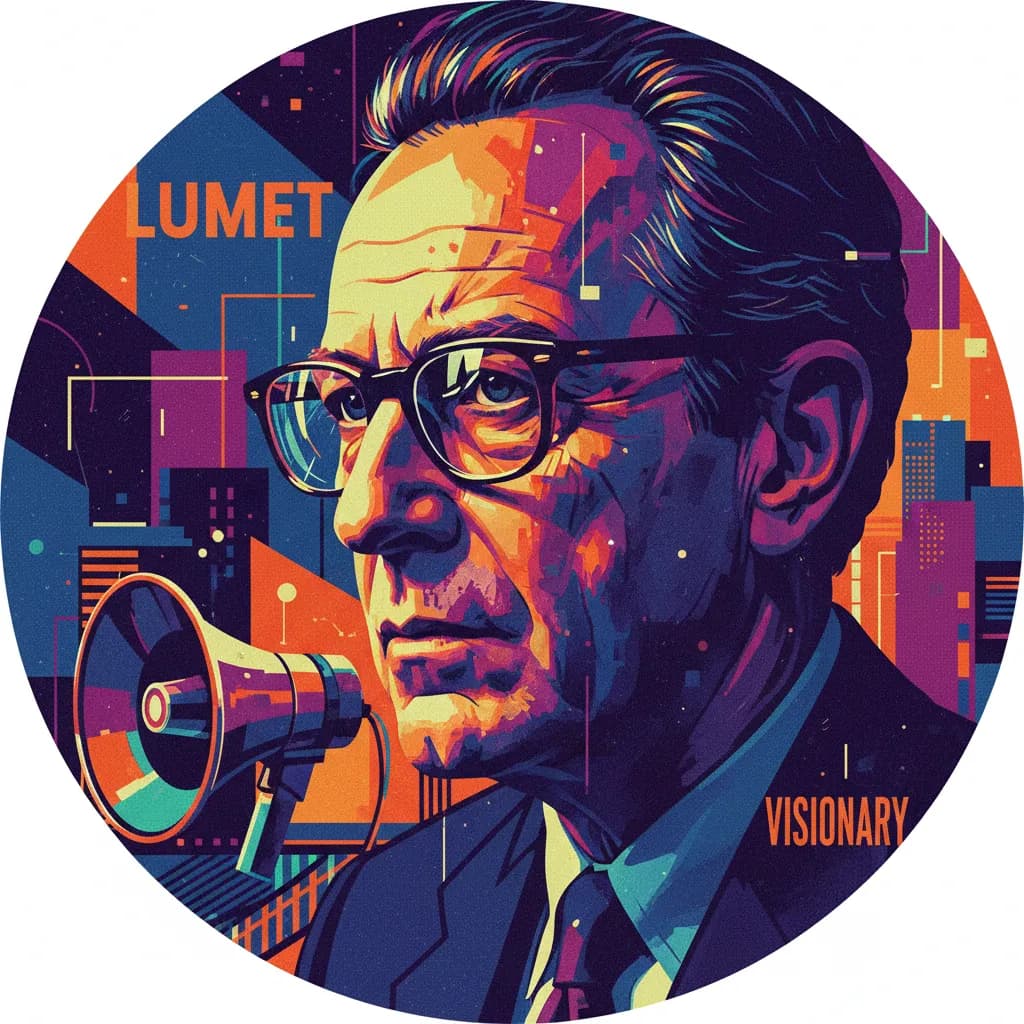
Sidney Lumet
Every film, ranked

Tony Scott
Every film, ranked