Discover the visionary filmmakers behind cinema's greatest works.
Explore our selection of acclaimed directors and their remarkable films.
Showing 3601-3612 out of 4148

Sidney Franklin was a visionary film director whose impact on the cinematic world cannot be overstated. Born in 1893, he began his career during the silent film era, eventually transitioning to sound films and leaving an indelible mark on the industry. Known for his meticulous attention to detail and ability to capture the human experience with grace and depth, Franklin's directorial style was marked by emotional resonance and a keen understanding of storytelling. One of Franklin's most notable films is the timeless classic "Goodbye, Mr. Chips" (1939). This drama and romance film, based on the novel by James Hilton, perfectly encapsulates Franklin's directorial prowess. The film, which follows the life of a beloved schoolteacher, showcases his ability to elicit powerful performances from his actors and create a deeply moving narrative that resonates with audiences across generations. Throughout his career, Franklin's films often explored themes of love, loss, and the human condition. His keen eye for capturing raw emotion on screen and his ability to delve into the complexities of relationships made him a master of his craft. His work continues to inspire and influence filmmakers to this day, cementing his legacy as a true pioneer of the art form. Sidney Franklin's impact on cinema cannot be overstated. His ability to infuse his films with depth, emotion, and timeless storytelling has left an indelible mark on the industry. With a filmography that spans the silent era to the golden age of Hollywood, Franklin's contributions to film continue to be celebrated and revered, making him a true luminary in the world of cinema.

Sidney J. Furie is a prolific Canadian film director known for his versatile career encompassing various genres and styles. With a filmography that spans over six decades, Furie has left an indelible mark on the world of cinema. His directorial style is characterized by a keen eye for detail, compelling storytelling, and a knack for eliciting powerful performances from his actors. Furie's breakout film, "The Ipcress File" (1965), firmly established his reputation as a director capable of delivering gripping dramas with a touch of thrilling suspense. The film, a Cold War espionage thriller, showcased Furie's ability to create tension and intrigue on screen, earning him critical acclaim and setting the stage for his subsequent success. In the action genre, Furie made his mark with "Iron Eagle" (1986), a high-octane film that captivated audiences with its adrenaline-pumping aerial combat sequences and pulse-pounding thrills. The film demonstrated Furie's skill in crafting intense action sequences while infusing the narrative with emotional depth and character development. Furie's foray into horror came with "The Entity" (1982), a chilling and psychologically intense film that delved into themes of supernatural terror and the fragility of the human psyche. The film showcased Furie's ability to create an atmosphere of dread and suspense, leaving a lasting impression on audiences and critics alike. In "Ladybugs" (1992), a heartwarming comedy centered around the world of youth soccer, Furie displayed his versatility by seamlessly transitioning into the realm of family-friendly entertainment. The film's endearing humor and positive messaging further underscored Furie's ability to connect with audiences across diverse genres. Sidney J. Furie's impact on cinema is defined by his willingness to push boundaries and explore a wide range of storytelling styles. His ability to seamlessly navigate between drama, action, horror, and comedy has solidified his status as a versatile director with a distinct creative vision. Furie's films continue to resonate with audiences, cementing his legacy as a director who has made a lasting impression on the world of filmmaking.


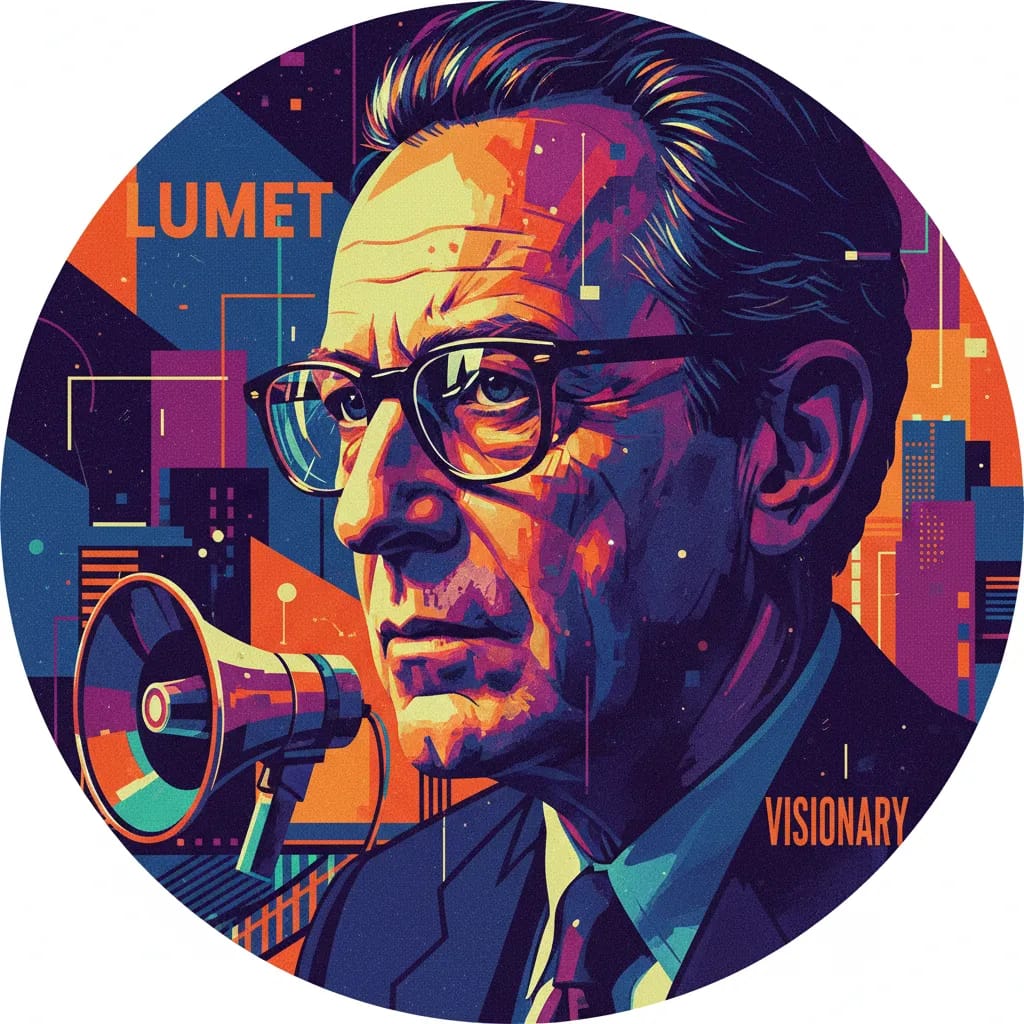
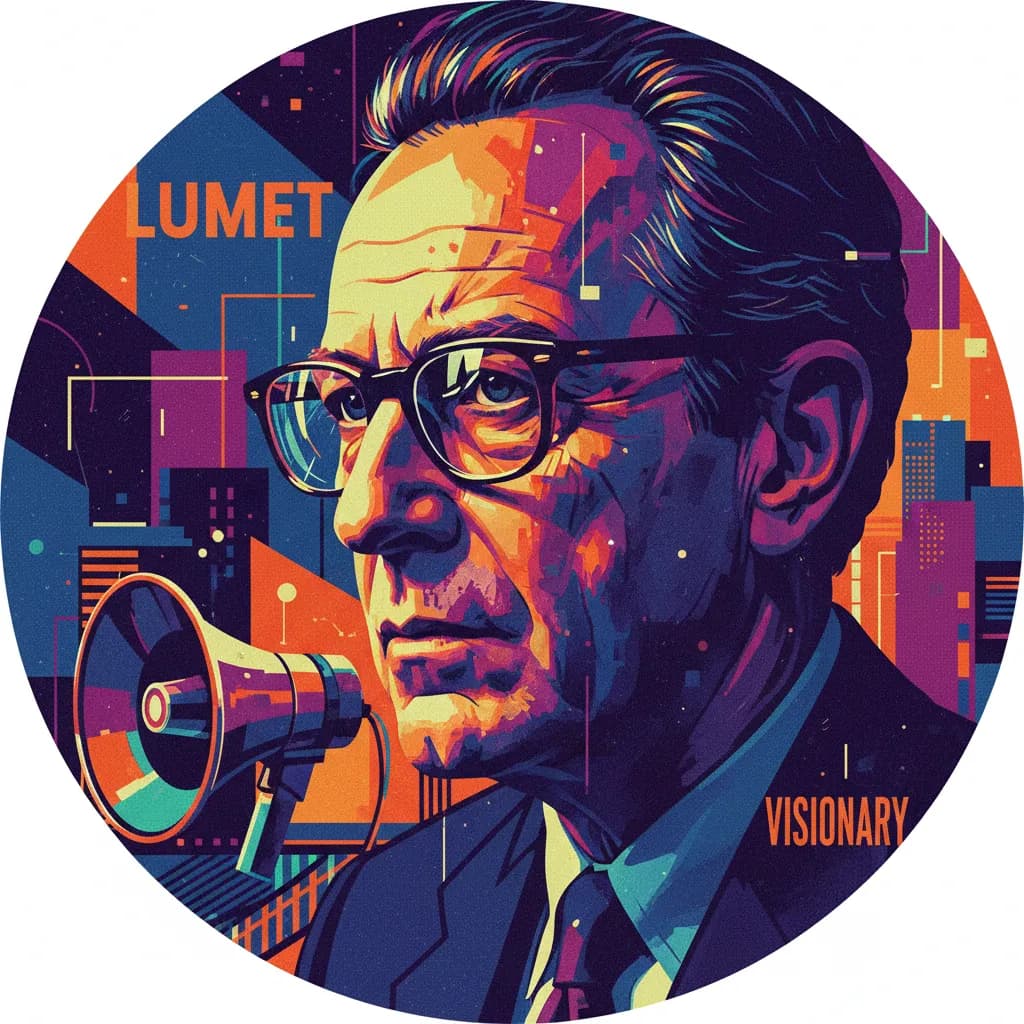
Sidney Lumet was a legendary director known for his gritty, realistic portrayal of human drama and social issues. Over his prolific career, Lumet helmed a diverse range of films, including the groundbreaking courtroom drama "12 Angry Men" (1957), the gripping crime saga "Serpico" (1973), and the intense hostage situation in "Dog Day Afternoon" (1975). His directorial style was marked by a raw, documentary-like approach, often utilizing long takes and intense close-ups to capture the emotional intensity of his characters. Lumet's films often explored themes of justice, morality, and human resilience, delving into the complexities of the human condition. His keen eye for social commentary and unflinching portrayal of societal issues earned him critical acclaim and left an indelible impact on cinema. Notably, his film "Network" (1976) remains a scathing critique of the media and corporate influence, with its prophetic depiction of the blurred lines between news and entertainment. In addition to his socially conscious dramas, Lumet also ventured into other genres, such as the musical fantasy "The Wiz" (1978) and the taut thriller "Before the Devil Knows You're Dead" (2007). His ability to navigate diverse genres while maintaining his distinct directorial voice testified to his versatility and storytelling prowess. Lumet's influence on subsequent generations of filmmakers is immeasurable, as his work continues to inspire and resonate with audiences today. With a career spanning over five decades, Sidney Lumet's impact on cinema is profound, and his body of work stands as a testament to his unwavering commitment to authentic storytelling and thought-provoking narratives. His legacy as a trailblazing director continues to shape the landscape of filmmaking, solidifying him as a true visionary in the art of cinema. Keywords: Sidney Lumet, director, films, 12 Angry Men, Serpico, Dog Day Afternoon, Network, directorial style, social commentary, impact on cinema

Sidney Poitier is renowned for his groundbreaking work as an actor, but his impact on cinema extends to his directorial ventures as well. Poitier made his directorial debut with the 1972 film "Buck and the Preacher," a Western that blended action, drama, and social commentary. This marked the beginning of a directorial career that would see Poitier making a significant impact on the film industry. Poitier's directorial style often focused on stories that tackled important social issues and explored the complexities of human relationships. His films often delved into themes of racial inequality, prejudice, and the universal human experience. One of his most notable directorial works is "Stir Crazy" (1980), a comedy-crime film that starred Gene Wilder and Richard Pryor. The film was a commercial success and showcased Poitier's ability to balance humor with social commentary, a trademark of his directorial approach. Throughout his directorial career, Poitier's films resonated with audiences and critics alike, earning him a reputation as a filmmaker with a keen eye for storytelling and a commitment to addressing important societal issues. His unique vision as a director allowed him to create films that entertained, enlightened, and challenged audiences, leaving a lasting impact on the cinematic landscape. Poitier's directorial contributions have significantly influenced the film industry, paving the way for more diverse and socially conscious storytelling. His work behind the camera demonstrated a commitment to using the medium of film as a means to provoke thought and inspire change. Sidney Poitier's legacy as a director continues to inspire filmmakers and audiences, cementing his status as a trailblazer in cinema. In summary, Sidney Poitier's directorial career showcased his ability to craft compelling narratives that addressed important social issues while entertaining audiences. His unique directorial style and commitment to storytelling have left an indelible mark on the film industry, solidifying his legacy as a pioneering filmmaker whose impact continues to be felt today.

Simon Aboud is a British director known for his unique blend of comedy, drama, and romance in his films. His notable work includes "This Beautiful Fantastic" (2016), a charming and whimsical tale that showcases his distinct directorial style. Aboud's films often feature endearing characters and visually stunning settings, with a focus on human connections and personal growth. In "This Beautiful Fantastic," Aboud exhibits his ability to craft visually captivating scenes while delving into the complexities of human relationships. The film's enchanting storytelling and heartfelt performances reflect Aboud's skill in creating emotionally resonant narratives. His directorial style is marked by a delicate balance of lighthearted humor and profound emotional depth, making his films accessible to a wide audience. Aboud's recurring themes often revolve around the transformative power of love, friendship, and self-discovery. His characters navigate personal challenges and find solace in unexpected connections, offering audiences a sense of hope and inspiration. Through his storytelling, Aboud has made a notable impact on the romantic comedy genre, infusing it with sincerity and emotional authenticity. As a director, Aboud has contributed to cinema by offering a fresh take on familiar genres, infusing them with his distinct artistic vision. His ability to capture the beauty of human emotions and the intricacies of interpersonal dynamics sets him apart as a filmmaker with a keen understanding of the human experience. With his unique perspective and storytelling prowess, Simon Aboud continues to leave a lasting impression on the world of cinema. In summary, Simon Aboud's directorial career is characterized by his ability to blend comedy, drama, and romance into visually stunning and emotionally resonant films. His impact on cinema is evident through his unique storytelling approach, recurring themes of love and personal growth, and his ability to create heartfelt narratives that resonate with audiences. With his distinct directorial style and meaningful contributions to film, Aboud's work continues to captivate and inspire audiences worldwide.

Simon Barrett is a talented filmmaker known for his work in the horror genre, with a particular emphasis on found footage and anthology storytelling. His directorial debut came with the segment "The Box" in the 2013 horror anthology "V/H/S/2," where he showcased his knack for creating tension and suspense through innovative storytelling techniques. This success led to his involvement in the highly anticipated "V/H/S/94," released in 2021, where he continued to push the boundaries of horror, mystery, and thriller genres. Barrett's directorial style is characterized by a keen sense of visual storytelling and a deep understanding of the horror genre. His films often feature a blend of supernatural elements, visceral scares, and thought-provoking narratives that resonate with audiences. With a focus on creating immersive and unsettling experiences, Barrett's work has left a lasting impact on the horror film landscape. Notable for his ability to blend horror with other genres, Barrett's films often explore themes of fear, paranoia, and the unknown. His work reflects a commitment to pushing the boundaries of traditional horror storytelling, embracing new approaches to frighten and captivate audiences. Simon Barrett has made significant contributions to the horror genre, solidifying his reputation as a visionary director with a distinct and innovative approach to filmmaking. His dedication to crafting compelling narratives and creating spine-chilling experiences has earned him a dedicated following among horror enthusiasts and critics alike. As the horror genre continues to evolve, Barrett's influence remains palpable, and audiences eagerly anticipate his future contributions to cinema.

Simon Curtis is a British film director known for his remarkable work in the biographical, drama, and historical genres. His directorial debut came with "My Week with Marilyn" in 2011, a biographical drama that garnered critical acclaim and showcased Curtis' ability to bring real-life stories to the big screen with sensitivity and authenticity. This film marked the beginning of a career that would establish Curtis as a master storyteller, particularly adept at portraying the complexities of human emotions and relationships. Curtis further solidified his reputation with "Woman in Gold" (2015), a historical drama that delves into the true story of Maria Altmann's legal battle to reclaim artwork stolen by the Nazis. The film's success demonstrated Curtis' skill in capturing the historical significance of events while infusing them with profound emotional depth. His ability to intertwine personal narratives within the larger context of history became a defining feature of his directorial style. In "Goodbye Christopher Robin" (2017), Curtis explored the poignant backstory behind beloved children's author A.A. Milne and the creation of Winnie the Pooh. This biographical drama exemplifies his penchant for delving into the lives of iconic figures and shedding light on the personal struggles and inspirations that shaped their work. Curtis' sensitive and nuanced approach to storytelling allows viewers to connect with the human experiences behind the public personas, making his films both compelling and deeply moving. Curtis' latest directorial endeavor, "Downton Abbey: A New Era" (2022), continues his exploration of human relationships and societal changes within a historical context. His work on the acclaimed television series "Downton Abbey" and its subsequent film adaptations has further solidified his position as a director with a keen eye for capturing the intricacies of class, love, and tradition. With each film, Curtis continues to leave an indelible mark on the cinematic landscape, offering audiences thought-provoking narratives that resonate on both personal and historical levels. In conclusion, Simon Curtis has made a significant impact on cinema through his poignant exploration of real-life stories, historical events, and the human experience. His directorial style, characterized by its sensitivity and attention to detail, has garnered widespread acclaim and cemented his status as a masterful filmmaker. As he continues to bring captivating narratives to the screen, Curtis remains a director whose work is both artistically compelling and emotionally resonant, leaving an enduring legacy in the world of cinema.

Simon Fellows is a British film director known for his work in the action, crime, and drama genres. His most notable film, "Until Death" (2007), showcases his directorial style that seamlessly blends intense action sequences with compelling storytelling. Fellows has a keen eye for creating high-stakes, adrenaline-pumping scenes, while also delving into the emotional and psychological depths of his characters. Throughout his career, Fellows has demonstrated a talent for crafting visually dynamic and emotionally resonant films that leave a lasting impact on audiences. His directorial style often incorporates gritty realism and raw emotion, immersing viewers in the compelling narratives he brings to life on the screen. "Until Death" stands as a testament to Fellows' ability to helm high-octane action while infusing depth and complexity into his characters and their arcs. Fellows' filmography may be relatively compact, but his impact on the action and crime genres is undeniable. With "Until Death," he solidified his reputation as a director capable of delivering gripping and intense storytelling, earning a dedicated following among fans of the genre. His work reflects a recurring theme of resilience and redemption, as characters grapple with personal struggles in the face of intense adversity. In the realm of action and crime cinema, Fellows has carved out a distinct niche, earning recognition for his ability to infuse his films with a potent mix of action, drama, and character-driven storytelling. His dedication to pushing the boundaries of the genre and exploring the human experience through his characters sets him apart as a director with a unique and compelling vision. Simon Fellows' impact on cinema is evident in his ability to create immersive, pulse-pounding experiences while delving into the complex emotional landscapes of his characters. As he continues to contribute to the world of action and crime cinema, audiences can anticipate more thought-provoking, action-packed films that showcase his distinctive directorial style and storytelling prowess.

Simon Hunter is a British film director known for his work in the action, adventure, and mystery genres. His most notable film to date is "Mutant Chronicles" (2008), a visually stunning and ambitious science fiction epic set in a dystopian future. Hunter's directorial style is characterized by a keen eye for striking visuals, intense action sequences, and a penchant for exploring complex and thought-provoking themes. "Mutant Chronicles" stands as a testament to Hunter's ability to create immersive cinematic experiences, blending elements of science fiction, horror, and adventure to deliver a truly unique and visually arresting film. His directorial vision is evident in the film's elaborate world-building, innovative special effects, and dynamic storytelling, which have garnered a cult following among fans of the genre. Throughout his career, Hunter has demonstrated a penchant for tackling ambitious and imaginative projects that push the boundaries of traditional storytelling. His films often explore themes of survival, human resilience, and the interplay between technology and the human condition. Hunter's ability to seamlessly weave these themes into his narratives has earned him a reputation as a director with a distinct and compelling creative voice. Hunter's impact on cinema lies in his ability to transport audiences to immersive and otherworldly settings, creating cinematic experiences that linger in the imagination long after the credits roll. With "Mutant Chronicles," he solidified his status as a visionary director unafraid to take risks and venture into uncharted storytelling territory. In conclusion, Simon Hunter's directorial career is characterized by a commitment to pushing the boundaries of visual storytelling and exploring the depths of the human experience through the lens of genre cinema. His unique vision and dedication to crafting compelling narratives have left an indelible mark on the world of film, cementing his status as a director to watch in the ever-evolving landscape of cinema. Keywords: Simon Hunter, director, Mutant Chronicles, action, adventure, mystery, visionary, cinema, directorial style, science fiction, immersive, storytelling

Simon J. Smith is a highly acclaimed director known for his work in the animation genre. With a career spanning over two decades, Smith has left an indelible mark on the industry with his unique directorial style and innovative storytelling. His notable films include "Penguins of Madagascar" (2014) and "Bee Movie" (2007), both of which have garnered widespread acclaim for their engaging narratives and stunning animation. Smith's directorial style is characterized by an adept blend of humor, action, and adventure, making his films appeal to audiences of all ages. His keen eye for visual storytelling and his ability to infuse his projects with heart and wit have solidified his reputation as a director with a distinct creative vision. Through his work, Smith has consistently showcased his talent for creating immersive and captivating cinematic experiences. Notable themes that frequently surface in Smith's films include camaraderie, friendship, and the power of teamwork. His characters often navigate through adventurous and humorous situations, while ultimately imparting valuable life lessons. This thematic depth adds a layer of relatability to his films, resonating with audiences on a profound level. Smith's impact on cinema extends beyond his individual films, as he has contributed to the evolution of animation as a storytelling medium. His commitment to pushing the boundaries of animation and his dedication to crafting compelling narratives have helped elevate the status of animated films in the industry. Smith's work has not only entertained audiences but has also inspired a new generation of filmmakers to explore the limitless potential of animation. In conclusion, Simon J. Smith's directorial career is characterized by a consistent commitment to storytelling excellence and a dedication to pushing the boundaries of animation. With a diverse filmography that showcases his versatility as a director, Smith has established himself as a visionary storyteller whose impact on cinema continues to be felt. As he continues to pursue new creative endeavors, audiences can eagerly anticipate the next chapter in the illustrious career of this talented director.

Simon Kaijser is a Swedish film director known for his compelling storytelling and unique directorial style. His notable film, "Spinning Man" (2018), is a thought-provoking drama, mystery, and thriller that showcases his ability to create tension and intrigue on screen. Kaijser's directorial approach is marked by his keen understanding of human psychology and the complexities of moral ambiguity, which he skillfully weaves into his narratives. "Spinning Man" stands as a testament to Kaijser's ability to delve into the human psyche, as the film explores the themes of truth, perception, and the consequences of one's actions. His directorial style is characterized by meticulous attention to detail, evocative visuals, and an adept handling of suspense, resulting in a film that keeps audiences on the edge of their seats. Kaijser's knack for building suspense and crafting intricate, multilayered characters has earned him recognition as a director with a distinct and compelling vision. Kaijser's impact on cinema lies in his ability to create films that resonate with audiences on a profound level. His work reflects a deep understanding of human nature and the moral dilemmas that individuals face, making his films not only engaging but also thought-provoking. With "Spinning Man," Kaijser has proven himself as a director capable of delivering gripping, emotionally resonant stories that leave a lasting impression on viewers. In conclusion, Simon Kaijser's directorial career is marked by a commitment to storytelling that delves into the complexities of the human experience. His film "Spinning Man" serves as a prime example of his ability to captivate audiences with compelling narratives, nuanced characters, and expertly crafted suspense. Kaijser's impact on cinema is evident in his ability to create films that challenge and engage viewers, solidifying his status as a director with a unique and impactful vision.

Simon Kinberg is a prolific and versatile filmmaker known for his work in the action, adventure, and sci-fi genres. He made his directorial debut with "X-Men: Dark Phoenix" in 2019, a highly-anticipated installment in the X-Men franchise. Kinberg's adept handling of complex characters and visually stunning action sequences showcased his directorial prowess, earning him recognition as a visionary in the superhero film realm. His keen understanding of the genre and ability to infuse emotional depth into larger-than-life narratives have solidified his status as a sought-after director. In 2022, Kinberg further cemented his reputation with the release of "The 355," a high-octane action thriller featuring a star-studded ensemble cast. Through his directorial lens, Kinberg brought a fresh and dynamic perspective to the espionage genre, delivering pulse-pounding action sequences and nuanced character dynamics. His ability to seamlessly blend adrenaline-pumping thrills with compelling storytelling demonstrates his skill in crafting captivating cinematic experiences. Kinberg's directorial style is characterized by his meticulous attention to detail, innovative visual storytelling, and a commitment to creating immersive worlds that resonate with audiences. His films often explore themes of identity, resilience, and the human experience, delving into the complexities of power, morality, and the consequences of one's choices. Kinberg's directorial vision has left an indelible mark on cinema, influencing the evolution of the superhero and action genres while pushing the boundaries of storytelling and spectacle on the big screen. With a career marked by blockbuster successes and a dedication to pushing creative boundaries, Simon Kinberg continues to be a driving force in the film industry. His unique perspective and ability to seamlessly blend captivating storytelling with exhilarating action have solidified his status as a visionary director. As he continues to embark on new cinematic endeavors, Kinberg's contributions to film are sure to leave a lasting impact on audiences and the industry at large.
Every film by the greats, ranked by our TML Score.

Christopher Nolan
Every film, ranked

Quentin Tarantino
Every film, ranked

Stanley Kubrick
Every film, ranked

Martin Scorsese
Every film, ranked

Steven Spielberg
Every film, ranked

Alfred Hitchcock
Every film, ranked

David Fincher
Every film, ranked

Denis Villeneuve
Every film, ranked

Wes Anderson
Every film, ranked

Paul Thomas Anderson
Every film, ranked

Ridley Scott
Every film, ranked

Tim Burton
Every film, ranked

Guillermo del Toro
Every film, ranked

Hayao Miyazaki
Every film, ranked

Akira Kurosawa
Every film, ranked

Francis Ford Coppola
Every film, ranked

Clint Eastwood
Every film, ranked

Bong Joon Ho
Every film, ranked

Woody Allen
Every film, ranked

Steven Soderbergh
Every film, ranked

Ron Howard
Every film, ranked

Pedro Almodóvar
Every film, ranked

Richard Linklater
Every film, ranked

Roman Polanski
Every film, ranked

Brian De Palma
Every film, ranked

Ingmar Bergman
Every film, ranked

Oliver Stone
Every film, ranked

David Cronenberg
Every film, ranked

Robert Zemeckis
Every film, ranked

Barry Levinson
Every film, ranked

John Carpenter
Every film, ranked

Joel Schumacher
Every film, ranked

Billy Wilder
Every film, ranked

Rob Reiner
Every film, ranked

Neil Jordan
Every film, ranked

Spike Lee
Every film, ranked

Ivan Reitman
Every film, ranked

John Woo
Every film, ranked

Lasse Hallström
Every film, ranked

Stephen Frears
Every film, ranked

Luc Besson
Every film, ranked

Chris Columbus
Every film, ranked

Mike Nichols
Every film, ranked

Howard Hawks
Every film, ranked

Ang Lee
Every film, ranked

Walter Hill
Every film, ranked

Gus Van Sant
Every film, ranked

William Wyler
Every film, ranked

Renny Harlin
Every film, ranked

Sidney Lumet
Every film, ranked

Tony Scott
Every film, ranked