Discover the visionary filmmakers behind cinema's greatest works.
Explore our selection of acclaimed directors and their remarkable films.
Showing 3433-3444 out of 4148

Ryûhei Kitamura is a Japanese film director known for his dynamic and visually striking work in the action, horror, and thriller genres. With a distinct directorial style that blends kinetic action sequences with atmospheric storytelling, Kitamura has made a significant impact on cinema with his unique vision and innovative approach to filmmaking. One of Kitamura's early standout films, "Versus" (2000), exemplifies his signature style with its blend of adrenaline-fueled action, supernatural elements, and striking visuals. The film gained a cult following for its inventive approach to the action genre and established Kitamura as a director to watch. His ability to infuse the narrative with intense, stylized action sequences has become a hallmark of his work, captivating audiences and critics alike. In "Azumi" (2003), Kitamura demonstrated his versatility as a director, showcasing his ability to helm epic historical action dramas with a keen eye for detail and a flair for capturing riveting combat sequences. The film's success solidified Kitamura's reputation as a visionary director capable of delivering gripping storytelling alongside breathtaking action set pieces. Kitamura's foray into the horror genre with "The Midnight Meat Train" (2008) further showcased his directorial prowess, as he skillfully crafted a chilling and suspenseful atmosphere while delivering visceral and shocking moments that left a lasting impression on audiences. The film's impact on the horror genre highlighted Kitamura's ability to create tension and terror through his unique visual language and storytelling techniques. With "No One Lives" (2012), Kitamura continued to push boundaries in the horror-thriller genre, delivering a relentless and visceral experience that further solidified his reputation as a director unafraid to explore dark and daring themes. His ability to elicit visceral reactions from audiences while maintaining a distinct directorial style has cemented his status as a filmmaker who continues to influence and inspire others in the industry. Ryûhei Kitamura's career is defined by his fearless approach to storytelling, his innovative visual style, and his ability to captivate audiences across various genres. His impact on cinema is undeniable, as he continues to push the boundaries of genre filmmaking and inspire a new generation of filmmakers with his visionary approach to storytelling and directing.

Ryûsuke Hamaguchi is a highly acclaimed Japanese film director known for his emotionally resonant storytelling and keen insight into human relationships. With a passion for character-driven narratives and a distinctive directorial style, Hamaguchi has made a significant impact on international cinema. His most notable film to date, "Drive My Car" (2021), has garnered widespread critical acclaim and solidified his reputation as a visionary director. Hamaguchi's directorial style is characterized by his meticulous attention to detail and deeply immersive storytelling. He has a unique ability to capture the complexities of human emotions and interpersonal dynamics, often exploring themes of love, loss, and personal transformation. His films are known for their slow-burning, introspective nature, allowing audiences to connect with the characters on a profound level. "Drive My Car" stands as a testament to Hamaguchi's directorial prowess, blending poignant drama with masterful storytelling. The film delves into the intricacies of grief and healing, as its protagonist navigates through the emotional aftermath of a personal tragedy. Hamaguchi's nuanced approach to character development and his skillful use of symbolism create a deeply affecting cinematic experience that lingers long after the credits roll. Throughout his career, Hamaguchi has consistently delivered thought-provoking and emotionally charged films that have resonated with audiences and critics alike. His unique vision and ability to capture the complexities of the human experience have cemented his status as a director to watch in the global film landscape. As he continues to push the boundaries of storytelling and cinematic artistry, Ryûsuke Hamaguchi's impact on cinema is sure to endure, inspiring future generations of filmmakers and captivating audiences with his profound narratives.

RZA, also known as Robert Fitzgerald Diggs, is a multifaceted artist renowned for his contributions to the music and film industries. Best known as the leader of the iconic hip-hop group Wu-Tang Clan, RZA has also made a significant impact as a film director. His directorial debut came with the action-packed martial arts film "The Man with the Iron Fists" in 2012, where he seamlessly blended his passion for martial arts and music to create a visually stunning and adrenaline-fueled cinematic experience. RZA's directorial style is a reflection of his innovative and boundary-pushing approach to storytelling. His films are characterized by a dynamic fusion of action, music, and vivid imagery, creating a distinct visual and auditory aesthetic that sets his work apart. "The Man with the Iron Fists" exemplifies RZA's directorial prowess, as he skillfully weaves together intricate fight sequences with a compelling narrative, all accompanied by a powerful, immersive soundtrack that underscores the film's intensity. Notable for his ability to infuse his films with elements of martial arts, fantasy, and hip-hop culture, RZA's work often explores themes of honor, loyalty, and the pursuit of power. His films resonate with audiences for their unapologetic embrace of the unconventional, as RZA fearlessly incorporates his unique perspective and artistic sensibilities into each project. RZA's impact on cinema extends beyond his directorial accomplishments, as he has consistently challenged traditional storytelling conventions and pushed the boundaries of genre filmmaking. His dedication to amplifying underrepresented voices and narratives has made him a trailblazer in the industry, inspiring future generations of filmmakers to fearlessly pursue their creative visions. In conclusion, RZA's directorial career has left an indelible mark on the film industry, showcasing his unparalleled ability to seamlessly blend music, martial arts, and storytelling into visually captivating and thematically rich cinematic experiences. With an unwavering commitment to originality and innovation, RZA continues to shape the landscape of contemporary cinema, solidifying his status as a visionary director with an enduring legacy.

Sabbir Khan is a prominent name in the Indian film industry, known for his distinct directorial style and knack for crafting engaging narratives. His directorial debut came in 2014 with the action-packed romantic thriller "Heropanti." The film not only marked the launch of actors Tiger Shroff and Kriti Sanon but also showcased Khan's ability to blend high-octane action sequences with heartfelt romance, setting the stage for his future endeavors. Khan's directorial approach is characterized by his adeptness at seamlessly integrating action and romance, creating a dynamic viewing experience for audiences. His films often feature adrenaline-pumping action set pieces juxtaposed with tender romantic moments, capturing the essence of entertainment and storytelling. "Heropanti" exemplifies Khan's directorial flair, as he skillfully intertwines thrilling action sequences with a captivating love story, captivating audiences with his unique vision. The success of "Heropanti" solidified Khan's position in the industry and set the stage for his future directorial ventures. His works have consistently showcased his ability to infuse energy and passion into his storytelling, earning him a dedicated fan base. With an eye for creating visually stunning sequences and a penchant for depicting compelling relationships on screen, Khan's films resonate with audiences on a profound level, establishing him as a director with a distinct cinematic voice. Khan's impact on Indian cinema is undeniable, as he continues to leave an indelible mark with his innovative storytelling and directorial prowess. His commitment to pushing creative boundaries and delivering immersive cinematic experiences has cemented his status as a visionary filmmaker. As he continues to evolve and shape the landscape of Indian cinema, audiences eagerly anticipate the next chapter in Sabbir Khan's directorial journey, eager to witness the magic he brings to the silver screen.

Sacha Gervasi is a British director, screenwriter, and producer known for his distinctive approach to storytelling and his ability to bring real-life events to the big screen. Gervasi made his directorial debut with the critically acclaimed "Anvil! The Story of Anvil" in 2008, a documentary that showcased his talent for capturing the raw emotion and humanity of his subjects. However, it was his 2012 film "Hitchcock" that solidified his reputation as a director with a keen eye for biographical dramas. "Hitchcock" delves into the life of the legendary filmmaker Alfred Hitchcock during the making of his iconic thriller "Psycho." Gervasi's directorial style shines through in his ability to blend elements of biography, drama, and romance, creating a rich and immersive narrative that captures the essence of Hitchcock's creative genius and personal struggles. Gervasi's attention to detail and his commitment to authenticity are evident throughout the film, as he meticulously recreates the atmosphere of 1960s Hollywood and delves into the complexities of Hitchcock's relationships. Gervasi's notable filmography and his dedication to bringing compelling true stories to the screen have established him as a director with a unique vision and a penchant for exploring the human experience. His ability to infuse his films with emotional depth and resonate with audiences has made him a noteworthy figure in the world of biographical cinema. Gervasi's recurring themes often revolve around the complexities of human relationships, the pursuit of artistic excellence, and the impact of fame and success on individuals. In an industry saturated with fictional narratives, Gervasi's commitment to bringing real-life stories to the forefront has had a lasting impact on cinema. His ability to breathe life into historical figures and events through his directorial prowess has solidified his status as a filmmaker with a distinct voice and a penchant for capturing the essence of the human spirit. Sacha Gervasi's contributions to the world of biographical dramas have left an indelible mark on cinema, and his future projects are eagerly anticipated by audiences and critics alike.

Saeed Roustayi is a prominent Iranian film director known for his compelling storytelling and thought-provoking narratives. With a career marked by a distinct directorial style, Roustayi has made a significant impact on the world of cinema. His notable works include "Law of Tehran" (2019) and "Life and a Day" (2016), both of which have garnered critical acclaim for their gripping portrayal of human experiences and societal issues. Roustayi's directorial approach often delves into the complexities of human relationships, moral dilemmas, and the socio-political landscape of Iran. In "Law of Tehran" (2019), Roustayi skillfully weaves a gripping tale of crime and justice, offering a raw and unflinching portrayal of the challenges faced by individuals navigating the legal system in Tehran. The film's intense action sequences and compelling character dynamics showcase Roustayi's ability to capture the intricacies of human behavior within high-stakes scenarios. Similarly, "Life and a Day" (2016) presents a poignant exploration of familial bonds and personal struggles, emphasizing Roustayi's adeptness at creating emotionally resonant narratives that resonate with audiences on a profound level. Roustayi's directorial style is characterized by its nuanced approach to storytelling, often intertwining personal narratives with broader societal themes. His films are known for their evocative cinematography, authentic performances, and a keen understanding of human psychology. Through his work, Roustayi has emerged as a visionary director who fearlessly confronts the complexities of the human experience, shedding light on the universal truths that transcend cultural boundaries. As a director, Roustayi has made significant contributions to Iranian cinema, earning accolades for his ability to confront challenging subject matter with sensitivity and depth. His films have garnered international recognition, further solidifying his status as a director with a distinctive voice and a profound understanding of the medium. Roustayi's impact on cinema extends beyond his storytelling prowess, as he continues to inspire audiences and aspiring filmmakers alike with his compelling body of work and unwavering dedication to bringing impactful stories to the screen.

Sagar Ballary is an Indian film director known for his exceptional work in the comedy-drama genre. His most notable work to date is the critically acclaimed film "Bheja Fry" (2007), which marked his directorial debut and garnered widespread praise for its refreshing and quirky storytelling. With a keen eye for human emotions and interpersonal dynamics, Ballary's directorial style often revolves around creating relatable characters and situational humor that resonate with audiences on a deep and personal level. In "Bheja Fry," Ballary showcased his ability to blend humor with poignant storytelling, creating a film that not only entertained but also struck an emotional chord with viewers. His approach to directing involves a delicate balance of wit, warmth, and astute observation of human behavior, which has set him apart as a director with a distinct voice in the Indian film industry. Ballary's directorial style is characterized by his ability to infuse humor into everyday situations, often delving into the idiosyncrasies of human nature and the complexities of relationships. He has a knack for capturing the nuances of human interactions, and his films often feature endearing characters navigating through comical yet thought-provoking scenarios. The impact of Sagar Ballary's work on Indian cinema is evident in the way he has carved a niche for himself within the comedy-drama genre. Through his storytelling prowess and unique directorial vision, Ballary has contributed to the evolution of Indian cinema by bringing a fresh perspective to the portrayal of human relationships and emotions on screen. His ability to blend humor with emotional depth has resonated with audiences, making him a director to watch in the realm of comedy-drama filmmaking. In conclusion, Sagar Ballary's directorial career has been defined by his ability to infuse humor with emotional resonance, creating films that not only entertain but also offer keen insights into the human experience. With "Bheja Fry" as a testament to his directorial prowess, Ballary has established himself as a filmmaker with a distinctive voice, and his contributions to Indian cinema continue to be celebrated by audiences and critics alike.

Sailesh Kolanu is an emerging Indian film director who made a striking debut with his 2020 film "Hit: The First Case." Known for his gripping storytelling and precise direction, Kolanu has quickly made a name for himself in the industry. "Hit" is a riveting action-packed crime drama that showcases Kolanu's directorial prowess and his ability to keep audiences on the edge of their seats. Kolanu's directorial style is marked by a meticulous attention to detail, creating an immersive experience for viewers. His ability to build tension and suspense throughout the narrative is a testament to his skill as a director. "Hit" stands out as a testament to Kolanu's ability to craft a compelling and intense storyline, setting him apart as a promising director in the Indian film industry. Notable for his capability to blend action, crime, and drama seamlessly, Kolanu's directorial debut has garnered critical acclaim and solidified his position as a director to watch. Kolanu's film exhibits a strong command of pacing, visual storytelling, and character development, establishing him as a filmmaker with a unique vision and a promising future in Indian cinema. Kolanu's debut film "Hit: The First Case" sets the stage for what promises to be an exciting career in filmmaking. His ability to engage audiences with his gripping storytelling and immersive direction has already left a lasting impact on the industry. As Kolanu continues to hone his craft and deliver compelling narratives, his contributions to Indian cinema are sure to be significant, making him a director to keep a close eye on in the coming years. In summary, Sailesh Kolanu's directorial debut with "Hit: The First Case" has firmly established him as a director with a unique vision and a knack for crafting intense and compelling narratives. With his adept handling of action, crime, and drama, Kolanu has made a significant impact on Indian cinema and is poised to become a prominent figure in the industry. As he continues to evolve as a filmmaker, audiences can eagerly anticipate the next chapter of his directorial journey.

Sajid Khan is a prominent Indian film director known for his entertaining and larger-than-life cinematic style. His directorial career took off with the release of "Heyy Babyy" in 2007, a comedy-drama that showcased his knack for crafting humorous and engaging narratives. Khan's ability to blend comedy with emotional depth quickly established him as a director to watch in the Indian film industry. This success was further solidified with his directorial venture "Housefull" in 2010, a film that seamlessly combined comedy, drama, and romance, and went on to become a box office hit. One of Sajid Khan's notable directorial works is "Housefull 2" (2012), a film that demonstrated his adeptness at helming action-packed comedies with a touch of drama. Khan's directorial style is characterized by his ability to infuse his films with high-energy sequences, witty dialogues, and vibrant visuals, making his movies a delightful treat for audiences. His unique approach to storytelling and his ability to create a perfect blend of humor and drama have garnered widespread acclaim and a dedicated fan base. Khan's films often revolve around themes of family dynamics, relationships, and the comedic chaos that ensues in everyday life, offering audiences an escape into a world of laughter and entertainment. His impact on Indian cinema is evident through his ability to consistently deliver commercially successful films that resonate with a wide audience, making him a sought-after director in the industry. Sajid Khan's directorial career has left an indelible mark on Indian cinema, with his distinct vision and storytelling prowess setting him apart as a director with a unique flair for creating entertaining and memorable films. His ability to craft engaging narratives and his contribution to the comedy genre have solidified his status as a directorial force to be reckoned with in the world of cinema.

Sajid Nadiadwala is a prominent Indian film director known for his exceptional work in the action, comedy, and crime genres. With a career spanning several decades, Nadiadwala has made a significant impact on the Indian film industry with his unique directorial style. His notable film "Kick" (2014) stands as a testament to his prowess in delivering high-octane entertainment to audiences worldwide. Nadiadwala's directorial style is characterized by his ability to seamlessly blend action, comedy, and crime elements to create engaging and thrilling cinematic experiences. His films are known for their slick and stylish visuals, adrenaline-pumping action sequences, and cleverly woven comedic moments. Nadiadwala's storytelling prowess shines through in his ability to keep audiences on the edge of their seats while also delivering moments of lighthearted humor. "Kick" (2014) stands out as one of Nadiadwala's most celebrated works, showcasing his directorial finesse and keen understanding of the action genre. The film, starring Salman Khan, received widespread acclaim for its gripping narrative, dynamic action sequences, and memorable performances. Nadiadwala's keen eye for detail and his ability to craft compelling characters have solidified his reputation as a director with a distinct cinematic vision. Nadiadwala's recurring themes often revolve around the complexities of human nature, the allure of adventure, and the thrill of the chase. His films often delve into the psyche of characters grappling with moral dilemmas, while also delivering high-energy entertainment that resonates with audiences of all ages. Nadiadwala's impact on Indian cinema is undeniable, as he continues to push the boundaries of storytelling and entertainment, cementing his status as a visionary director. In conclusion, Sajid Nadiadwala's directorial career is a testament to his ability to captivate audiences with his unique blend of action, comedy, and crime elements. His notable film "Kick" (2014) stands as a testament to his directorial prowess, showcasing his keen storytelling abilities and cinematic vision. Nadiadwala's impact on Indian cinema is profound, as he continues to leave an indelible mark with his captivating and thrilling cinematic offerings.

Saket Chaudhary is a celebrated Indian filmmaker known for his unique ability to blend comedy with social commentary. His most notable work, "Hindi Medium" (2017), garnered critical acclaim and commercial success, cementing Chaudhary's reputation as a director with a keen eye for human emotion and societal issues. His directorial style is marked by a deft balance of humor and poignancy, often delving into the complexities of human relationships and the impact of societal norms. Chaudhary's "Hindi Medium" is a testament to his directorial prowess, seamlessly weaving a heartwarming narrative with astute observations on the Indian education system and class divide. The film not only resonated with audiences but also sparked important conversations about the pursuit of quality education and the disparities that exist within the system. Chaudhary's ability to infuse such weighty themes with humor and relatable characters showcases his skill in crafting compelling narratives that provoke thought and empathy. Throughout his career, Chaudhary has demonstrated a penchant for exploring the intricacies of middle-class life in India, often using humor as a lens to examine societal norms and aspirations. His films are characterized by their nuanced portrayal of human emotions, navigating the complexities of identity, ambition, and relationships with a refreshing authenticity. Whether through comedy or drama, Chaudhary's work reflects a deep understanding of human nature and the societal dynamics that shape individuals' lives. Chaudhary's impact on Indian cinema is evident in his ability to create films that entertain while also shedding light on pertinent social issues. With "Hindi Medium," he not only delivered a compelling story but also initiated a larger dialogue around the inequalities in the education system. As a director, Chaudhary continues to push boundaries and challenge conventions, offering audiences thought-provoking narratives that resonate on a profound level. His directorial vision remains a vital force in shaping the landscape of Indian cinema, inspiring audiences and fellow filmmakers alike.

Salim Akil is a highly acclaimed film director known for his unique vision and impactful storytelling. With a career spanning over two decades, Akil has masterfully crafted a diverse range of films that have left a lasting impression on audiences worldwide. His directorial style is characterized by a keen focus on authentic human experiences, compelling narratives, and emotional depth. One of Akil's most notable works is "Jumping the Broom" (2011), a heartwarming comedy-drama that garnered widespread praise for its captivating storytelling and strong ensemble cast. The film explores themes of love, family dynamics, and cultural traditions with a deft touch, showcasing Akil's ability to infuse depth and warmth into his storytelling. Throughout his career, Akil has consistently brought a fresh perspective to cinema, often delving into themes of love, identity, and personal growth. His films resonate with audiences by offering a poignant reflection of the human experience, while also celebrating diversity and inclusivity. Akil's impact on cinema is undeniable, as he continues to push boundaries and challenge conventions through his directorial prowess. His ability to capture raw emotions and create authentic, relatable characters has solidified his position as a visionary director in the industry. Overall, Salim Akil's directorial career is a testament to his unwavering commitment to storytelling that transcends boundaries and resonates with audiences on a profound level. His contributions to film have left an indelible mark, and his unique vision continues to inspire and captivate audiences around the world.
Every film by the greats, ranked by our TML Score.

Christopher Nolan
Every film, ranked

Quentin Tarantino
Every film, ranked

Stanley Kubrick
Every film, ranked

Martin Scorsese
Every film, ranked

Steven Spielberg
Every film, ranked

Alfred Hitchcock
Every film, ranked

David Fincher
Every film, ranked

Denis Villeneuve
Every film, ranked

Wes Anderson
Every film, ranked

Paul Thomas Anderson
Every film, ranked

Ridley Scott
Every film, ranked

Tim Burton
Every film, ranked

Guillermo del Toro
Every film, ranked

Hayao Miyazaki
Every film, ranked

Akira Kurosawa
Every film, ranked

Francis Ford Coppola
Every film, ranked

Clint Eastwood
Every film, ranked

Bong Joon Ho
Every film, ranked

Woody Allen
Every film, ranked

Steven Soderbergh
Every film, ranked

Ron Howard
Every film, ranked

Pedro Almodóvar
Every film, ranked

Richard Linklater
Every film, ranked

Roman Polanski
Every film, ranked

Brian De Palma
Every film, ranked

Ingmar Bergman
Every film, ranked

Oliver Stone
Every film, ranked

David Cronenberg
Every film, ranked

Robert Zemeckis
Every film, ranked

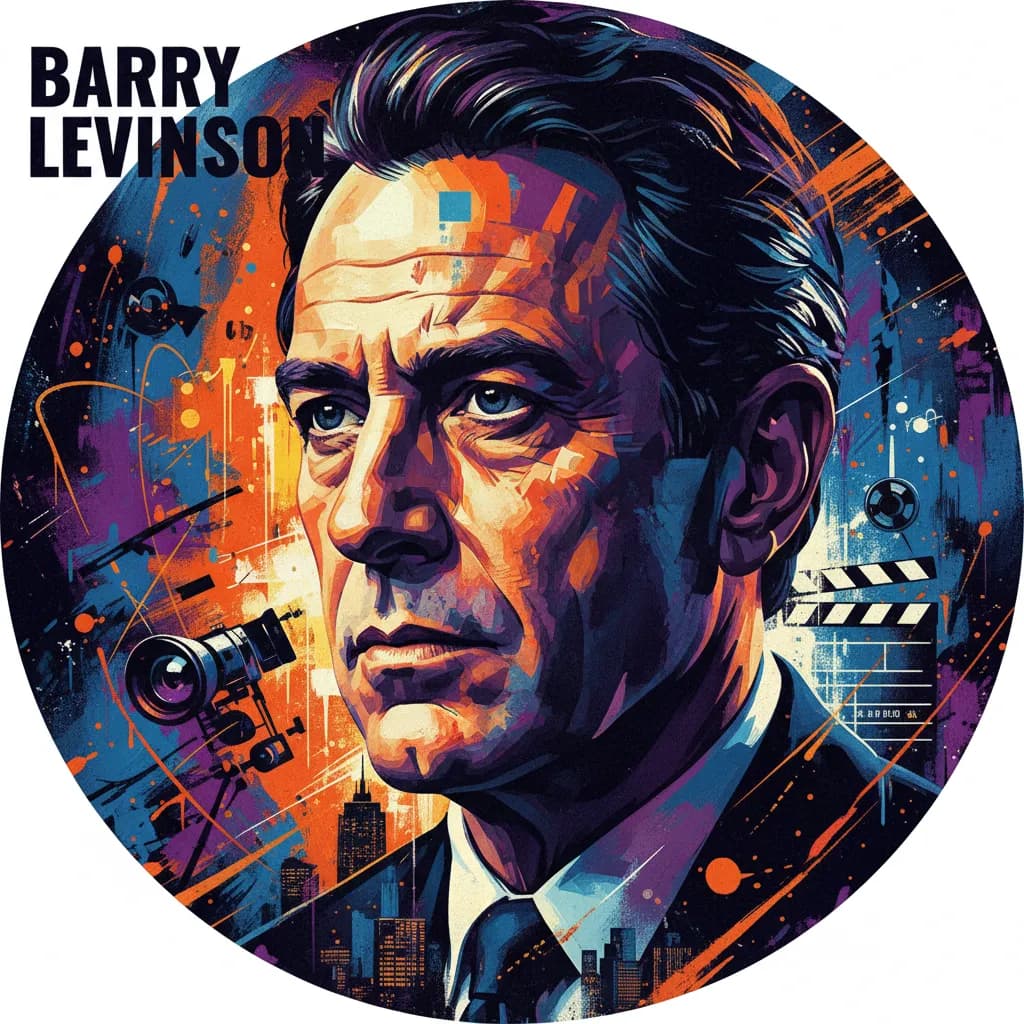
Barry Levinson
Every film, ranked

John Carpenter
Every film, ranked

Joel Schumacher
Every film, ranked

Billy Wilder
Every film, ranked

Rob Reiner
Every film, ranked

Neil Jordan
Every film, ranked

Spike Lee
Every film, ranked

Ivan Reitman
Every film, ranked

John Woo
Every film, ranked

Lasse Hallström
Every film, ranked

Stephen Frears
Every film, ranked

Luc Besson
Every film, ranked

Chris Columbus
Every film, ranked

Mike Nichols
Every film, ranked

Howard Hawks
Every film, ranked

Ang Lee
Every film, ranked

Walter Hill
Every film, ranked

Gus Van Sant
Every film, ranked

William Wyler
Every film, ranked

Renny Harlin
Every film, ranked

Sidney Lumet
Every film, ranked

Tony Scott
Every film, ranked