Discover the visionary filmmakers behind cinema's greatest works.
Explore our selection of acclaimed directors and their remarkable films.
Showing 3457-3468 out of 4148

Sammo Kam-Bo Hung is a renowned Hong Kong film director, actor, and martial artist, whose career has spanned over five decades. Known for his innovative approach to action cinema, Hung has left an indelible mark on the film industry. His directorial style is characterized by a seamless blend of action, comedy, and heart-pounding adventure, captivating audiences worldwide. With a prolific filmography, Hung has directed several iconic films that have solidified his status as a trailblazer in the action genre. One of Hung's most notable directorial achievements is "Wheels on Meals" (1984), a high-octane action-comedy that showcases his mastery in choreographing intricate fight sequences and infusing them with humor and charisma. The film's success further solidified Hung's reputation as a visionary director who could seamlessly blend genres to create captivating cinematic experiences. In "Project A" (1983), Hung exhibited his talent for crafting exhilarating action set pieces, punctuated by his distinctive comedic flair, cementing his status as a pioneer in the action-comedy genre. Throughout his career, Hung has consistently explored themes of camaraderie, honor, and resilience, infusing his films with a sense of heart and humanity amidst the adrenaline-pumping action. His directorial prowess has had a profound impact on the evolution of action cinema, inspiring countless filmmakers and leaving an enduring legacy in the industry. Hung's unique vision and innovative storytelling have contributed to the global popularity of Hong Kong action cinema, earning him a dedicated fan base and critical acclaim. In "Mr. Nice Guy" (1997), Hung continued to showcase his directorial finesse, delivering a high-energy blend of action and comedy that captivated audiences and further solidified his reputation as a maestro of the genre. His ability to infuse his films with heart, humor, and adrenaline has set him apart as a visionary director whose influence continues to resonate in contemporary action cinema. With an unparalleled knack for crafting exhilarating spectacles and endearing characters, Sammo Kam-Bo Hung remains a luminary in the world of action filmmaking, leaving an indelible impact on cinema that will endure for generations to come. In conclusion, Sammo Kam-Bo Hung's directorial career is a testament to his unparalleled creativity, innovation, and influence in action cinema. His ability to seamlessly blend action, comedy, and heart has solidified his status as a pioneer in the genre, inspiring a new generation of

Sam Peckinpah was a maverick filmmaker known for his uncompromising and visceral approach to storytelling, earning him the moniker "Bloody Sam." With a career spanning from the early 1960s to the late 1970s, Peckinpah left an indelible mark on the Western genre and the broader landscape of cinema. He was a master of depicting the moral ambiguity and the brutal realities of human nature, often through the lens of violence and its consequences. Peckinpah's filmography includes several iconic and influential works, such as "The Wild Bunch" (1969), which revolutionized the portrayal of on-screen violence with its groundbreaking slow-motion action sequences. This film, along with "Pat Garrett & Billy the Kid" (1973) and "Ride the High Country" (1962), showcased his ability to deconstruct the mythology of the American West while delving into themes of loyalty, betrayal, and the passage of time. His directorial style was characterized by innovative editing techniques, including quick cuts and montage sequences, as well as a penchant for using overlapping dialogue to create a sense of realism. Peckinpah was unafraid to confront controversial and provocative subject matter, as evidenced by the controversy surrounding "Straw Dogs" (1971), which explored themes of violence and masculinity in a thought-provoking and confronting manner. Peckinpah's impact on cinema extends beyond his individual films, as he influenced a generation of filmmakers with his bold and unapologetic storytelling. His emphasis on flawed, morally ambiguous characters and his exploration of the human condition set a new standard for the portrayal of complex narratives on the big screen. Despite facing criticism and censorship during his career, Peckinpah's uncompromising vision ultimately solidified his status as an auteur whose work continues to resonate with audiences and filmmakers alike. In summary, Sam Peckinpah's legacy as a director is defined by his ability to push the boundaries of cinematic storytelling, challenging audiences to confront uncomfortable truths while embracing the complexities of human nature. His impact on the Western genre and his contributions to the art of filmmaking have cemented his reputation as a visionary director whose work remains as relevant and compelling today as it was during his prolific career.

Sam Pillsbury is a versatile film director known for his work in the adventure, drama, and family genres. With a career spanning several decades, Pillsbury has made significant contributions to cinema through his distinct directorial style and storytelling prowess. One of his notable directorial works is "Free Willy 3: The Rescue" (1997), a heartwarming and emotionally resonant film that captivated audiences with its themes of friendship, courage, and the bond between humans and animals. Pillsbury's directorial style is characterized by his ability to infuse his films with genuine emotion, compelling narratives, and captivating visuals. He has a keen eye for capturing the human experience and often explores themes of resilience, compassion, and the interconnectedness of all living beings. His commitment to authenticity and storytelling craftsmanship has cemented his reputation as a director who can elicit powerful performances from his cast while creating immersive cinematic experiences for audiences. "Free Willy 3: The Rescue" stands as a testament to Pillsbury's ability to bring heartfelt stories to life on the silver screen. The film resonated with viewers of all ages, showcasing Pillsbury's talent for crafting narratives that appeal to diverse audiences. Through this film and others, Pillsbury has left an indelible mark on family cinema, demonstrating a commitment to uplifting and inspiring storytelling that endures beyond the passage of time. Pillsbury's impact on cinema extends beyond his individual films, as his body of work has contributed to the evolution of the adventure, drama, and family genres. His dedication to storytelling and his ability to connect with audiences on an emotional level have solidified his status as a director with a lasting influence on the film industry. As audiences continue to seek out films that touch their hearts and provoke thought, Pillsbury's contributions to the medium will undoubtedly remain an integral part of cinematic storytelling. In conclusion, Sam Pillsbury's directorial career is defined by his ability to craft emotionally resonant narratives that transcend the boundaries of genre and captivate audiences. With "Free Willy 3: The Rescue" and other impactful films, Pillsbury has left an indelible mark on cinema, showcasing a unique directorial vision that continues to inspire and engage viewers worldwide. His dedication to storytelling and his ability to evoke genuine emotion through his films have solidified his place as a director whose work will be cherished for generations to come.

Sam Raimi is a visionary director known for his innovative and genre-defying films. He burst onto the scene with the cult classic "The Evil Dead" in 1981, showcasing his talent for blending horror and comedy. Raimi's directorial style is characterized by his dynamic camera work, unconventional storytelling, and a penchant for blending genres to create unique cinematic experiences. One of Raimi's most significant contributions to cinema is his revitalization of the superhero genre with the "Spider-Man" trilogy. The films, particularly "Spider-Man" (2002) and "Spider-Man 2" (2004), not only achieved commercial success but also set a new standard for superhero storytelling, influencing a generation of comic book adaptations. Raimi's ability to infuse high-octane action with heartfelt human drama made these films enduring favorites among audiences. Raimi's filmography also includes "A Simple Plan" (1998), a taut thriller that delves into the moral complexities of greed and deception. This departure from his more fantastical works demonstrated Raimi's versatility as a director, showcasing his ability to craft gripping narratives across diverse genres. His directorial range is further exemplified by "Oz the Great and Powerful" (2013), a visually stunning adventure that reimagines the classic tale of Oz with Raimi's signature flair for whimsy and spectacle. Throughout his career, Raimi has explored recurring themes such as the battle between good and evil, the resilience of the human spirit, and the consequences of wielding power. His films often feature dynamic, larger-than-life characters who navigate moral dilemmas and supernatural forces, reflecting Raimi's fascination with the extraordinary within the ordinary. As Raimi prepares to helm "Doctor Strange in the Multiverse of Madness" (2022), his foray into the Marvel Cinematic Universe, audiences can anticipate a convergence of his distinct directorial style with the mystique and grandeur of the superhero genre. With his indelible mark on horror, fantasy, and superhero cinema, Sam Raimi continues to captivate and inspire audiences with his boundless creativity and visionary storytelling.

Sam Taylor was a pioneering film director whose career spanned the silent film era. He is best known for his work on the iconic action-comedy-thriller "Safety Last!" (1923), which remains a classic of the genre. Taylor's directorial style was characterized by his innovative use of physical comedy and thrilling stunts, which set the stage for future action-comedy filmmakers. His ability to blend heart-stopping action with side-splitting humor established him as a trailblazer in the industry. Throughout his career, Taylor demonstrated a keen eye for capturing comedic moments with precision timing, often utilizing physical gags and slapstick humor to great effect. His films were marked by a sense of daring and adventure, as exemplified by the iconic clock tower scene in "Safety Last!" which has become one of the most enduring images in cinema history. Taylor's directorial approach showcased a meticulous attention to detail and a commitment to delivering high-energy, crowd-pleasing entertainment. Notable for his ability to infuse his films with a sense of optimism and resilience, Taylor's work often explored themes of determination and the triumph of the human spirit in the face of adversity. His impact on cinema can be seen in the enduring popularity of "Safety Last!" and the lasting influence it has had on subsequent generations of filmmakers. Taylor's legacy lives on through his groundbreaking contributions to the action-comedy genre and his enduring influence on the art of physical comedy in film. In conclusion, Sam Taylor's directorial career was marked by his innovative approach to action-comedy filmmaking, and his ability to captivate audiences with his unique blend of heart-pounding thrills and uproarious humor. His indelible mark on cinema is evident in the enduring popularity of "Safety Last!" and his lasting influence on the art of physical comedy. Sam Taylor's legacy as a visionary director continues to inspire and entertain audiences to this day.

Sam Taylor-Johnson is a British director known for her distinctive style and thought-provoking storytelling. Her career took off with the critically acclaimed biographical drama "Nowhere Boy" (2009), which delved into the early life of legendary musician John Lennon. The film not only showcased her ability to capture the essence of the era but also her talent for depicting complex characters with depth and authenticity. Taylor-Johnson's directorial style is marked by a keen eye for detail and an adeptness at evoking emotional resonance. Her ability to infuse her narratives with a sense of intimacy and vulnerability has set her apart in the industry. Through her films, she explores the human experience with a raw and unflinching approach, often delving into the inner turmoil and complexities of her characters. This unique perspective has resonated with audiences and critics alike, cementing her status as a director to watch. In "Nowhere Boy," Taylor-Johnson masterfully captured the tumultuous and formative years of a young John Lennon, revealing the personal struggles that shaped his legendary persona. The film's success not only solidified Taylor-Johnson's position as a directorial force to be reckoned with but also highlighted her ability to bring real-life narratives to the screen with authenticity and reverence. Taylor-Johnson's impact on cinema extends beyond her individual films, as she has carved out a niche for herself as a director unafraid to tackle challenging subject matter with grace and nuance. Her commitment to telling compelling stories with depth and sensitivity has left an indelible mark on the film industry, inspiring both audiences and aspiring filmmakers. As she continues to push boundaries and explore the complexities of the human condition through her work, Sam Taylor-Johnson remains a visionary director with a remarkable ability to captivate and move audiences.

Samuel Armstrong was a visionary film director renowned for his exceptional contributions to the world of animation and his significant impact on the cinematic landscape. Armstrong's illustrious career was defined by his directorial work on timeless classics such as "Dumbo" (1941) and "Bambi" (1942), both of which have left an indelible mark on the animation and adventure genres. His directorial style was characterized by a profound understanding of storytelling, an emphasis on emotional depth, and a keen eye for visual artistry that resonated with audiences across generations. In "Dumbo," Armstrong's directorial prowess shone through in his ability to infuse the narrative with heartwarming moments, whimsical charm, and a poignant exploration of the triumph of the underdog. The film's enduring legacy is a testament to Armstrong's exceptional storytelling acumen and his adeptness at crafting emotionally resonant narratives. Similarly, "Bambi" stands as a testament to Armstrong's ability to capture the beauty and wonder of the natural world while weaving a compelling coming-of-age tale that continues to captivate audiences to this day. Throughout his career, Armstrong's work was characterized by recurring themes of resilience, friendship, and the transformative power of love, all of which contributed to the enduring appeal of his films. His unique vision and directorial finesse not only elevated the animated medium but also left an indelible impact on the broader cinematic landscape. Armstrong's ability to imbue his films with emotional depth and universal themes cemented his status as a revered director whose influence continues to be felt in the world of animation and beyond. In conclusion, Samuel Armstrong's directorial career stands as a testament to his unparalleled contributions to the art of storytelling and animation. His directorial style, characterized by emotional resonance and visual splendor, has left an indelible mark on cinema, with "Dumbo" and "Bambi" standing as timeless testaments to his enduring legacy. Armstrong's ability to imbue his films with universal themes and heartfelt storytelling continues to inspire and captivate audiences, solidifying his reputation as a visionary director whose impact on film remains unparalleled.

Samuel Fuller was an American film director known for his distinctive style, impactful storytelling, and uncompromising vision. Born in 1912, Fuller's career spanned over five decades, and he left an indelible mark on cinema with his raw and unflinching approach to filmmaking. His films often delved into themes of war, crime, and social commentary, and he was celebrated for his ability to infuse his work with a potent blend of gritty realism and emotional depth. Fuller's filmography boasts an impressive array of genre-defying works, including "The Big Red One" (1980), a semi-autobiographical war film that drew from his own experiences as a soldier during World War II. This critically acclaimed picture showcased Fuller's knack for capturing the harsh realities of combat while exploring the bonds of brotherhood and the moral complexities of war. Additionally, "Shock Corridor" (1963) and "Pickup on South Street" (1953) stand as testament to Fuller's versatility, seamlessly blending elements of drama, mystery, crime, and film-noir to create compelling narratives that continue to resonate with audiences. Fuller's directorial style was characterized by his bold and unflinching storytelling, often pushing the boundaries of conventional filmmaking. He fearlessly tackled controversial and taboo subjects, infusing his work with social and political commentary that challenged the status quo. Notably, "White Dog" (1982) exemplifies this fearlessness, addressing the issue of racism through the compelling lens of a horror-drama narrative. Fuller's willingness to confront uncomfortable truths and shed light on societal injustices cemented his reputation as a trailblazing director unafraid to confront the darker aspects of the human experience. Throughout his career, Samuel Fuller's impact on cinema was profound, inspiring future generations of filmmakers with his uncompromising dedication to storytelling and his unapologetic portrayal of harsh realities. His unique vision and unyielding commitment to authenticity set him apart as a maverick in the world of filmmaking, earning him a place among the most influential directors in history. Fuller's legacy continues to endure, with his films serving as a testament to the enduring power of cinema to provoke, challenge, and illuminate the human condition.

Samuel Maoz is an Israeli film director known for his impactful and thought-provoking work in the industry. His most notable film, "Lebanon" (2009), garnered widespread acclaim and established him as a director with a unique and powerful vision. The film, which is set during the First Lebanon War, is a harrowing depiction of the psychological and emotional toll of war on a group of Israeli soldiers inside a tank. It won the Golden Lion at the Venice Film Festival and the Ophir Award for Best Film, solidifying Maoz's reputation as a masterful storyteller with a keen eye for detail and emotional depth. Maoz's directorial style is characterized by his unflinching portrayal of the human condition, often delving into the psychological and emotional complexities of his characters. His films are known for their intense and immersive storytelling, often featuring a minimalist approach that allows the audience to deeply connect with the characters and their experiences. This approach has earned him praise for his ability to capture the raw and unfiltered realities of life, particularly in the context of war and conflict. In "Lebanon," Maoz explores the themes of fear, survival, and the dehumanizing effects of war on individuals. His unapologetic depiction of the brutality and chaos of war resonates with audiences, shedding light on the human cost of armed conflict. Maoz's ability to convey the visceral experiences of his characters through meticulous attention to detail and a keen sense of visual storytelling sets him apart as a director with a profound understanding of the human psyche. Maoz's impact on cinema is undeniable, as he continues to push the boundaries of storytelling and challenge audiences to confront uncomfortable truths. His work stands as a testament to the power of cinema as a medium for empathy and understanding, and his uncompromising approach to storytelling has solidified his place as a visionary director with a lasting influence on the industry. Samuel Maoz's dedication to creating emotionally resonant and socially relevant films cements his status as a director with a profound and enduring impact on the world of cinema.

Sam Weisman is an American film director known for his engaging and lighthearted approach to comedy and family-oriented films. With a career spanning over two decades, Weisman has left an indelible mark on the film industry with his unique directorial style and ability to bring out the best in his actors. Weisman's filmography includes a diverse range of genres, but his knack for infusing humor and heart into his projects remains a consistent hallmark of his work. One of Weisman's notable directorial endeavors is "D2: The Mighty Ducks" (1994), the sequel to the immensely popular sports comedy "The Mighty Ducks." Weisman's ability to blend comedy and drama while capturing the essence of teamwork and camaraderie among a group of misfit hockey players garnered widespread acclaim. The film's success solidified Weisman's reputation as a director capable of delivering family-friendly entertainment that resonates with audiences of all ages. In 1997, Weisman demonstrated his versatility as a director with "George of the Jungle," a live-action adaptation of the beloved animated series. With its blend of action, adventure, and comedy, the film showcased Weisman's adeptness at creating visually stunning and entertaining cinematic experiences. Weisman's keen sense of humor and imaginative storytelling brought the beloved character of George to life, earning the film a dedicated fanbase and cementing its status as a beloved family classic. Weisman's directorial style is characterized by his ability to infuse warmth, humor, and relatable human experiences into his films. His comedic timing and skillful handling of ensemble casts have consistently resonated with audiences, making his work enduring and beloved. Weisman's contributions to cinema have not only entertained and delighted audiences but have also underscored the enduring appeal of heartfelt storytelling and the universal themes of friendship, resilience, and the triumph of the human spirit. In summary, Sam Weisman's directorial career has been defined by his ability to craft engaging and heartwarming films that appeal to a broad audience. With a diverse filmography spanning comedy, family entertainment, and adventure, Weisman has showcased his versatility and storytelling prowess. His impact on cinema lies in his ability to create timeless, feel-good experiences that continue to captivate audiences, making him a celebrated figure in the realm of family-friendly filmmaking.


Sam Wood was an American film director known for his remarkable contributions to classic cinema. He began his career as a silent film director and transitioned seamlessly into the era of "talkies," demonstrating a versatile directorial style. Wood's filmography boasts an impressive array of genres, including drama, romance, comedy, and musicals. His directorial vision was marked by a keen eye for storytelling, strong character development, and a knack for capturing emotional depth on screen. One of Wood's most notable works is "Goodbye, Mr. Chips" (1939), a poignant drama and romance film that received critical acclaim for its touching portrayal of a beloved schoolteacher. The film showcased Wood's ability to evoke powerful emotions from his audience and solidified his reputation as a director with a deft touch for heartfelt storytelling. Another standout in Wood's filmography is "The Pride of the Yankees" (1942), a biographical drama that immortalized the life of legendary baseball player Lou Gehrig. Wood's direction brought Gehrig's inspiring story to life, leaving an indelible mark on the sports biopic genre. In addition to his dramatic works, Wood also left an indelible mark on the comedy genre with films like "A Night at the Opera" (1935) and "A Day at the Races" (1937). These comedic masterpieces showcased Wood's flair for timing, visual gags, and seamless integration of music into the narrative. His ability to balance humor with heart made these films enduring classics that continue to entertain audiences today. Throughout his career, Wood's films often explored themes of perseverance, love, and the human spirit, resonating with audiences across generations. His legacy as a director lies in his ability to craft compelling narratives that endure the test of time. His influence on cinema is undeniable, as his films continue to be celebrated for their timeless storytelling and emotional resonance. Sam Wood's unique directorial vision and remarkable contributions have solidified his place in the pantheon of legendary filmmakers, leaving an indelible mark on the history of cinema.

Sanaa Hamri is a talented Moroccan-American film director known for her work in the realms of comedy, romance, and drama. With a distinctive directorial style that blends heartwarming storytelling with visually captivating cinematography, Hamri has left an indelible mark on cinema. Her notable films include "Just Wright" (2010), "Something New" (2006), and "The Sisterhood of the Traveling Pants 2" (2008), each of which showcases her unique ability to infuse relatable characters with emotional depth and narrative resonance. Hamri's directorial style is characterized by a keen eye for human relationships and a deft touch in exploring the complexities of love, friendship, and self-discovery. Her films often feature strong, multidimensional female protagonists navigating the intricacies of modern life, providing audiences with heartfelt and empowering narratives. Through her work, Hamri has demonstrated a commitment to representing diverse perspectives and experiences, enriching the cinematic landscape with refreshing authenticity and cultural nuance. In "Just Wright," Hamri masterfully intertwines elements of comedy, romance, and sport to deliver a compelling story of love and self-acceptance. Her adept direction brings out the charm and chemistry between the lead characters, elevating the film into a heartfelt and uplifting experience. Similarly, "Something New" showcases Hamri's ability to infuse romantic comedy with thought-provoking themes, making it a standout in the genre. Her nuanced approach to storytelling allows for an exploration of societal norms and personal growth, resonating deeply with audiences. With "The Sisterhood of the Traveling Pants 2," Hamri demonstrates her versatility by seamlessly blending comedy, drama, and romance to create a poignant and relatable narrative about the enduring bonds of friendship. Her adept handling of the emotional beats and character dynamics underscores her skill in crafting engaging and emotionally resonant stories. Through her directorial prowess, Hamri has contributed significantly to the representation of authentic and diverse storytelling in cinema, leaving an indelible impact on audiences and aspiring filmmakers alike. Sanaa Hamri's directorial career is characterized by her unwavering dedication to portraying the complexities of human relationships and the triumphs of the human spirit. Her ability to infuse her films with relatable characters, emotional depth, and cultural authenticity sets her apart as a visionary director, and her contributions have undoubtedly enriched the cinematic landscape. As she continues to captivate audiences with her compelling narratives and distinctive directorial style, S
Every film by the greats, ranked by our TML Score.

Christopher Nolan
Every film, ranked

Quentin Tarantino
Every film, ranked

Stanley Kubrick
Every film, ranked

Martin Scorsese
Every film, ranked

Steven Spielberg
Every film, ranked

Alfred Hitchcock
Every film, ranked

David Fincher
Every film, ranked

Denis Villeneuve
Every film, ranked

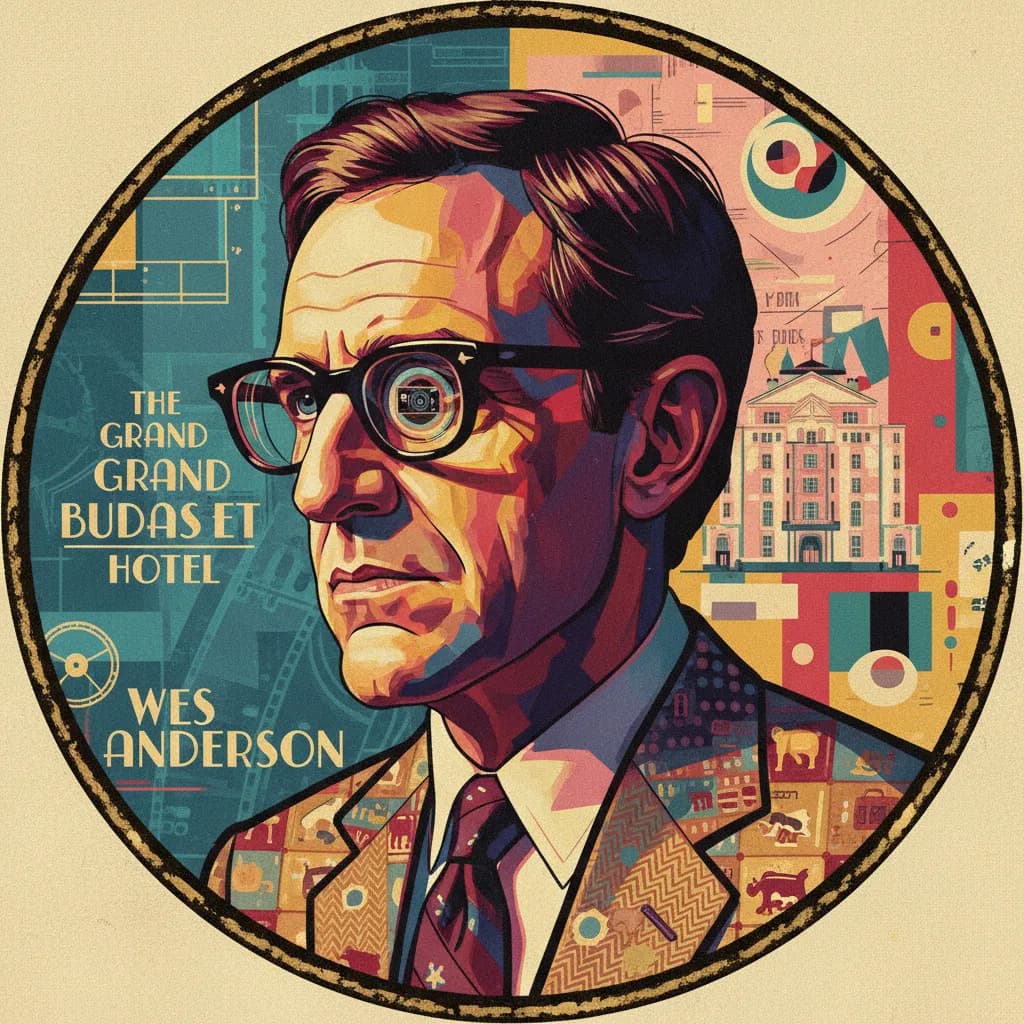
Wes Anderson
Every film, ranked

Paul Thomas Anderson
Every film, ranked

Ridley Scott
Every film, ranked

Tim Burton
Every film, ranked

Guillermo del Toro
Every film, ranked

Hayao Miyazaki
Every film, ranked

Akira Kurosawa
Every film, ranked

Francis Ford Coppola
Every film, ranked

Clint Eastwood
Every film, ranked

Bong Joon Ho
Every film, ranked

Woody Allen
Every film, ranked

Steven Soderbergh
Every film, ranked

Ron Howard
Every film, ranked

Pedro Almodóvar
Every film, ranked

Richard Linklater
Every film, ranked

Roman Polanski
Every film, ranked

Brian De Palma
Every film, ranked

Ingmar Bergman
Every film, ranked

Oliver Stone
Every film, ranked

David Cronenberg
Every film, ranked

Robert Zemeckis
Every film, ranked

Barry Levinson
Every film, ranked

John Carpenter
Every film, ranked

Joel Schumacher
Every film, ranked

Billy Wilder
Every film, ranked

Rob Reiner
Every film, ranked

Neil Jordan
Every film, ranked

Spike Lee
Every film, ranked

Ivan Reitman
Every film, ranked

John Woo
Every film, ranked

Lasse Hallström
Every film, ranked

Stephen Frears
Every film, ranked

Luc Besson
Every film, ranked

Chris Columbus
Every film, ranked

Mike Nichols
Every film, ranked

Howard Hawks
Every film, ranked

Ang Lee
Every film, ranked

Walter Hill
Every film, ranked

Gus Van Sant
Every film, ranked

William Wyler
Every film, ranked

Renny Harlin
Every film, ranked

Sidney Lumet
Every film, ranked

Tony Scott
Every film, ranked