Discover the visionary filmmakers behind cinema's greatest works.
Explore our selection of acclaimed directors and their remarkable films.
Showing 3073-3084 out of 4148

Peter Rida Michail is a talented film director known for his work in animation, particularly for his directorial debut in the widely acclaimed "Teen Titans GO! To the Movies" (2018). Michail's directorial style is characterized by his ability to infuse humor, action, and adventure into his animated films, making them appealing to both younger audiences and adults. His unique vision and creative approach have made him a notable figure in the animation industry. "Teen Titans GO! To the Movies" stands out as a pivotal moment in Michail's career, earning critical acclaim for its clever humor, vibrant animation, and entertaining storyline. The film follows the beloved Teen Titans superhero team as they embark on a journey to star in their own movie, showcasing Michail's ability to blend action and comedy seamlessly. His directorial prowess shines through in the film, as he masterfully delivers a captivating and entertaining cinematic experience. Michail's work often explores themes of friendship, heroism, and the importance of teamwork, resonating with audiences of all ages. His ability to create compelling narratives while infusing them with humor sets him apart as a director with a distinct voice in the animation genre. Through his contributions to cinema, Michail has demonstrated his commitment to pushing the boundaries of animated storytelling, captivating audiences with his imaginative and visually stunning films. As a director, Peter Rida Michail has left an indelible mark on the animation landscape with "Teen Titans GO! To the Movies." His innovative approach to storytelling and his ability to create films that appeal to a wide audience have solidified his reputation as a visionary director in the industry. Michail's impact on cinema continues to be felt, as he paves the way for the future of animated filmmaking with his unique perspective and directorial expertise.

Peter Sattler is an American film director known for his work in the drama and war genres. His most notable film to date is "Camp X-Ray" (2014), which gained critical acclaim for its poignant exploration of the complexities of human connection and morality in the context of the Guantanamo Bay detention camp. Sattler's directorial style is characterized by a deep focus on character development and emotional depth, often juxtaposed against the backdrop of intense and challenging environments. His ability to infuse his work with an authentic and raw emotional resonance has made him a standout talent in the industry. "Camp X-Ray" stands as a testament to Sattler's directorial prowess, as he expertly navigates the delicate balance between the personal and the political, delivering a thought-provoking and humanizing portrayal of the soldiers and detainees at Guantanamo Bay. Sattler's exploration of the complex dynamics and moral dilemmas faced by the characters within the confined setting of the military prison showcases his adeptness at creating a palpable sense of tension and emotional weight. Sattler's work often delves into themes of isolation, empathy, and the human condition, offering audiences a window into the inner lives of his characters. His ability to capture the nuance of human emotions and relationships within the framework of larger societal and political issues sets him apart as a director with a keen eye for storytelling that resonates on both a personal and universal level. In the realm of cinema, Sattler's impact lies in his commitment to telling stories that challenge and provoke thought, while also offering a deeply human perspective on the world. His ability to craft narratives that navigate the complexities of human nature within the context of broader social and political landscapes has solidified his reputation as a director with a distinct and meaningful voice in the film industry. As Sattler continues to evolve as a filmmaker, audiences can anticipate further thought-provoking works that illuminate the intricacies of the human experience in the face of adversity.

Peter Segal is a versatile director known for his adeptness at helming a wide range of genres, from comedy to action and drama. With a career spanning over two decades, Segal has left an indelible mark on the film industry with his unique directorial style and ability to infuse humor and heart into his projects. His filmography includes a diverse array of movies, such as "Grudge Match" (2013), "Naked Gun 33 1/3: The Final Insult" (1994), "Tommy Boy" (1995), "My Spy" (2020), "The Longest Yard" (2005), "My Fellow Americans" (1996), "Get Smart" (2008), "Anger Management" (2003), and "Second Act" (2018). Segal's directorial style is characterized by his keen sense of comedic timing and ability to seamlessly blend humor with other genres, such as action and drama. His films often feature a mix of physical comedy, witty dialogue, and heartfelt moments, creating an engaging and entertaining cinematic experience for audiences. Segal's knack for eliciting strong performances from his cast and delivering visually captivating sequences has cemented his reputation as a director capable of bringing scripts to life in a compelling and engaging manner. Notable for his ability to tackle a wide range of themes and subjects, Segal's filmography reflects his versatility as a director. From sports-themed comedies like "Grudge Match" and "The Longest Yard" to action-packed adventures such as "Get Smart" and "My Spy," Segal has consistently demonstrated his ability to craft entertaining and memorable experiences for audiences. Additionally, his collaborations with top-tier talent and his skillful storytelling have contributed to his enduring impact on the film industry. In conclusion, Peter Segal's directorial career is defined by his versatility, humor, and ability to create compelling narratives across various genres. With a diverse filmography and a penchant for infusing heart and humor into his projects, Segal has solidified his status as a respected and influential director in the world of cinema. His unique vision and contributions to the film industry continue to resonate with audiences, making him a standout figure in the realm of contemporary filmmaking.

Peter Shin is a visionary director known for his groundbreaking work in animation, particularly for his directorial debut in "Stewie Griffin: The Untold Story" (2005). With a career spanning over two decades, Shin has made significant contributions to the world of animated cinema, leaving an indelible mark on the industry. Shin's directorial style is characterized by his ability to seamlessly blend humor, adventure, and heart, creating films that resonate with audiences of all ages. His keen eye for detail and mastery of visual storytelling have cemented his reputation as a pioneering force in the animation realm. "Stewie Griffin: The Untold Story" stands as a testament to Shin's directorial prowess, with its sharp wit, inventive animation, and compelling narrative. Throughout his career, Shin has consistently explored themes of family dynamics, self-discovery, and the pursuit of identity, infusing his films with a sense of relatability and emotional depth. His commitment to crafting multifaceted characters and thought-provoking storylines has set him apart as a director who pushes the boundaries of traditional animated storytelling. "Stewie Griffin: The Untold Story" remains a standout in Shin's filmography, showcasing his ability to deliver an animated masterpiece that resonates with audiences on a profound level. The film's impact on cinema is undeniable, as it solidified Shin's position as a trailblazer in the animation genre, inspiring a new wave of animated filmmakers to push creative boundaries and challenge conventional norms. In conclusion, Peter Shin's directorial career is defined by his innovative vision, unparalleled storytelling, and enduring impact on the world of animation. His contributions to cinema have left an indelible legacy, and his influence will continue to shape the future of animated filmmaking for generations to come.
Peter Sohn is an accomplished film director known for his work in animation, adventure, and comedy. His most notable film is "The Good Dinosaur" (2015), a heartwarming and visually stunning animated feature that showcased Sohn's directorial prowess. Sohn's directorial style is distinguished by his ability to infuse profound emotional depth and relatable characters into his storytelling, while also incorporating breathtaking visuals and a touch of whimsy. His work often explores themes of friendship, resilience, and self-discovery, resonating with audiences of all ages. "The Good Dinosaur" exemplifies Sohn's talent for creating immersive and visually captivating worlds, as well as his ability to craft narratives that tug at the heartstrings. The film's stunning animation and emotionally resonant storyline underscore Sohn's commitment to pushing the boundaries of storytelling in animation. Through his direction, Sohn brought to life a heartfelt tale of an unlikely friendship between a young dinosaur and a human boy, navigating a world where dinosaurs never became extinct. Sohn's impact on cinema extends beyond his directorial achievements, as he has played a pivotal role in advancing the art of animation and expanding the possibilities of storytelling within the medium. His dedication to creating compelling characters and evocative narratives has cemented his status as a visionary director in the animation genre. With "The Good Dinosaur," Sohn demonstrated his ability to infuse timeless themes with a contemporary sensibility, leaving an indelible mark on the landscape of animated cinema. In conclusion, Peter Sohn's directorial career has been defined by his exceptional ability to blend captivating visuals with emotionally resonant storytelling, as evidenced by his standout film "The Good Dinosaur." His unique vision and contributions to the world of animation have left an enduring impact on cinema, solidifying his reputation as a director with an unparalleled ability to touch the hearts of audiences while pushing the boundaries of animation as an art form.

Peter Sollett is an American film director known for his distinctive storytelling style and ability to capture the essence of youth culture. His directorial debut, "Raising Victor Vargas" (2002), garnered critical acclaim for its authentic portrayal of teenage romance and garnered Sollett widespread recognition. However, it was his sophomore effort, "Nick and Norah's Infinite Playlist" (2008), that solidified his status as a director with a keen understanding of the complexities of young love and the power of music in shaping relationships. The film, a delightful blend of comedy, drama, and music, showcased Sollett's ability to infuse his work with infectious energy and emotional depth. Sollett's career hit another high note with "Freeheld" (2015), a poignant biographical drama that delved into the real-life story of Laurel Hester, a terminally ill police detective fighting for her pension benefits to be transferred to her domestic partner. The film, which starred Julianne Moore and Ellen Page, demonstrated Sollett's versatility as a director capable of tackling socially relevant and emotionally charged narratives with sensitivity and grace. His ability to bring authenticity and humanity to his characters and their struggles has been a recurring theme in his work, earning him a reputation as a director with a keen eye for human emotion and social justice. In 2022, Sollett ventured into new territory with "Metal Lords," a comedy that revolves around two high school friends forming a heavy metal band to compete in a battle of the bands competition. The film showcases Sollett's continued exploration of music as a powerful storytelling tool and his knack for capturing the spirit of youthful rebellion and camaraderie. Throughout his career, Sollett has consistently demonstrated a knack for infusing his films with heart, humor, and an infectious energy that resonates with audiences of all ages. Peter Sollett's impact on cinema lies in his ability to craft engaging narratives that celebrate the human experience, all while showcasing the transformative power of music and the complexities of interpersonal relationships. His distinct directorial style, characterized by a blend of emotional resonance and vibrant energy, has cemented his status as a filmmaker with a unique vision and an unwavering commitment to telling compelling stories that leave a lasting impression. Sollett's contributions to the film industry continue to inspire and resonate with audiences, solidifying his reputation as a director to watch in the world of contemporary cinema.

Peter Spierig is an Australian film director known for his unique vision and diverse range of genre-spanning films. Spierig made his directorial debut with "Undead" in 2003, a zombie action-comedy that showcased his knack for blending horror with humor. This early work established Spierig as a director unafraid to push the boundaries of genre conventions, setting the stage for his future projects. In 2009, Spierig co-directed "Daybreakers," a stylish and thought-provoking action-horror film set in a world overrun by vampires. The film was praised for its inventive take on the vampire genre and its striking visual aesthetic, further solidifying Spierig's reputation as a director with a keen eye for blending genre elements with compelling storytelling. Spierig's directorial prowess was further showcased in "Predestination" (2014), a mind-bending sci-fi thriller that delved into complex themes of time travel and identity. The film received critical acclaim for its thought-provoking narrative and Spierig's skillful direction, cementing his status as a director capable of delivering intellectually stimulating cinema. In 2017, Spierig helmed "Jigsaw," the eighth installment in the iconic "Saw" horror franchise. With this film, Spierig demonstrated his ability to revitalize a long-running franchise while infusing it with his own directorial flair. "Jigsaw" was praised for its inventive approach to the horror genre and its ability to reignite interest in the series. Spierig's most recent directorial effort, "Winchester" (2018), delved into the realm of supernatural horror, showcasing his versatility as a director. The film offered a fresh take on the haunted house subgenre, highlighting Spierig's ability to bring a distinct visual style and atmospheric tension to his work. Throughout his career, Peter Spierig has demonstrated a penchant for blending genres, crafting visually striking films, and tackling thought-provoking themes. His directorial style is characterized by a meticulous attention to detail, a penchant for inventive storytelling, and a willingness to challenge audience expectations. With a diverse filmography that spans action, horror, sci-fi, and drama, Spierig continues to make a lasting impact on cinema with his unique vision and directorial contributions.

Peter Stebbings is a Canadian film director known for his work in the comedy, crime, and drama genres. Stebbings made his directorial debut with the 2009 film "Defendor," which garnered attention for its unique blend of humor, social commentary, and a touching portrayal of a man grappling with mental illness. The film stars Woody Harrelson as a self-appointed superhero and received critical acclaim for its originality and heartfelt storytelling. Stebbings' directorial style is marked by a keen focus on character-driven narratives and a mix of dark comedy and poignant drama. "Defendor" showcases his ability to navigate complex emotional terrain while infusing the story with moments of humor and levity. His meticulous attention to detail and ability to draw out authentic performances from his actors have solidified his reputation as a director with a distinct vision. One of Stebbings' recurring themes is the exploration of unconventional heroes and outsiders navigating the complexities of life. His films often delve into the human experience, tackling issues of identity, morality, and the search for purpose. Through his work, Stebbings has demonstrated a commitment to telling stories that challenge conventional norms and shed light on the intricacies of the human condition. "Defendor" stands as a testament to Stebbings' impact on cinema, showcasing his ability to craft a thought-provoking and entertaining film that defies genre conventions. His directorial debut has left a lasting impression on audiences and critics alike, earning him a place among the emerging talents in filmmaking. With a promising start to his directorial career, Peter Stebbings continues to be a filmmaker to watch, known for his distinctive storytelling and ability to breathe fresh life into familiar genres.

Peter Strickland is a British director known for his unique and visually striking films that often blend genres and explore unconventional themes. With a distinct directorial style characterized by meticulous attention to sound design, striking visuals, and a penchant for blending genres, Strickland has carved a niche for himself in the world of cinema. His filmography includes standout works such as "Berberian Sound Studio" (2012), "The Duke of Burgundy" (2014), and "In Fabric" (2018), each of which showcases his penchant for creating atmospheric and immersive experiences for audiences. "Berberian Sound Studio" catapulted Strickland into the international spotlight, with its exploration of the horror genre and the power of sound. The film masterfully delves into the psychological effects of sound on the human mind, offering a unique and unsettling cinematic experience. "The Duke of Burgundy" further solidified Strickland's reputation as a director with a penchant for crafting visually stunning and thematically rich narratives. The film's exploration of power dynamics in a lesbian relationship, coupled with its sumptuous visuals, cemented Strickland's status as a director unafraid to tackle unconventional subject matter. "In Fabric" continued to showcase Strickland's ability to seamlessly blend genres, offering a surreal and darkly comedic take on consumerism and the supernatural. Strickland's recurring themes often revolve around the exploration of human relationships, power dynamics, and the impact of sensory experiences on the psyche. His meticulous attention to detail and ability to create immersive atmospheres have set him apart as a director with a truly unique vision. Peter Strickland's impact on cinema lies in his ability to defy traditional genre boundaries and create films that challenge audience expectations. His distinct directorial style, marked by a meticulous approach to storytelling and a focus on sensory experiences, has earned him a dedicated following. As a director unafraid to push the boundaries of conventional storytelling, Strickland continues to be a trailblazer in the world of cinema, consistently delivering thought-provoking and visually captivating works that leave a lasting impression on audiences and fellow filmmakers alike.

Peter Thorwarth is a German film director known for his unique blend of action, comedy, and crime genres. He burst onto the scene with his breakout hit "Bang Boom Bang - Ein todsicheres Ding" in 1999, which quickly established him as a formidable talent in the industry. This action-packed comedy crime film showcased Thorwarth's ability to seamlessly intertwine humor with thrilling sequences, setting the stage for his distinct directorial style. One of Thorwarth's most recent projects, "Blood Red Sky" (2021), further solidified his reputation as a director with a penchant for intense action and compelling storytelling. This adrenaline-fueled action-adventure film, featuring a gripping mix of drama and suspense, highlighted Thorwarth's ability to craft immersive and emotionally resonant narratives within the action genre. Throughout his career, Thorwarth has demonstrated a keen eye for capturing high-octane sequences while infusing his films with a touch of dark humor and compelling character dynamics. His films often explore themes of adrenaline-fueled escapades, complex human emotions, and the blurred lines between heroism and villainy, captivating audiences with their immersive storytelling and dynamic character development. Thorwarth's impact on cinema lies in his ability to consistently deliver captivating and entertaining films that push the boundaries of traditional genre conventions. His unique vision and storytelling prowess have earned him a dedicated following of fans who eagerly anticipate each new project. With a career marked by a string of successful films that continue to resonate with audiences, Peter Thorwarth remains a director to watch, as he continues to leave an indelible mark on the world of cinema with his distinctive directorial style and captivating storytelling.

Peter Webber is a British film director known for his visually stunning and emotionally resonant films. He made his directorial debut with the critically acclaimed "Girl with a Pearl Earring" in 2003. The film, based on the novel by Tracy Chevalier, delves into the life of the famous painter Johannes Vermeer and the creation of his iconic painting. Webber's keen eye for detail and his ability to capture the subtleties of human emotion garnered widespread praise, earning three Academy Award nominations. In "Emperor" (2012), Webber showcased his talent for historical storytelling, delving into the aftermath of World War II in Japan. The film, starring Matthew Fox and Tommy Lee Jones, explores the complexities of post-war politics and the moral dilemmas faced by its characters. Webber's deft handling of historical narratives and his ability to bring complex characters to life on screen solidified his reputation as a director with a keen understanding of human nature and societal dynamics. "Hannibal Rising" (2007) further demonstrated Webber's versatility as a director. The film, a prequel to the iconic "Silence of the Lambs" series, delves into the origins of the infamous Hannibal Lecter. Webber's atmospheric direction and his ability to balance suspense with character development added a new dimension to the horror genre, earning him praise for his ability to breathe new life into established narratives. Webber's directorial style is characterized by his meticulous attention to detail, his ability to evoke rich atmospheres, and his skill in bringing historical and literary narratives to life on screen. His films often explore themes of identity, power dynamics, and the human capacity for both darkness and beauty. Through his unique vision and storytelling prowess, Peter Webber has made a significant impact on cinema, earning a reputation as a director who brings depth and nuance to every project he undertakes.

Peter Weir is an Australian director known for his unique storytelling style and masterful command of multiple genres. With a career spanning over four decades, Weir has helmed an impressive array of films that have left an indelible mark on cinema. His body of work encompasses a diverse range of genres, from drama and romance to adventure and thrillers, showcasing his versatility as a director. One of Weir's most iconic films is "Dead Poets Society" (1989), which remains a timeless classic and a poignant exploration of the transformative power of education and the pursuit of individuality. The film's themes of rebellion and non-conformity resonate with audiences to this day. In "The Truman Show" (1998), Weir expertly delved into the realm of satire and existentialism, crafting a thought-provoking narrative that challenged the boundaries of reality and perception. Weir's directorial style is characterized by his meticulous attention to detail, evocative visual storytelling, and the ability to elicit powerful performances from his cast. His films often explore themes of human resilience, the clash of cultures, and the search for personal freedom. "Master and Commander: The Far Side of the World" (2003) stands as a testament to Weir's adeptness at creating immersive historical epics, showcasing his ability to seamlessly blend action and drama while capturing the intricacies of human relationships in the face of adversity. Throughout his career, Weir has consistently demonstrated an unparalleled ability to transport audiences into immersive and thought-provoking cinematic worlds. His films have not only garnered critical acclaim but have also left an enduring impact on the film industry, influencing subsequent generations of filmmakers. As a visionary director, Peter Weir's contributions to cinema continue to inspire and captivate audiences worldwide, solidifying his legacy as a true master of the craft.
Every film by the greats, ranked by our TML Score.

Christopher Nolan
Every film, ranked

Quentin Tarantino
Every film, ranked

Stanley Kubrick
Every film, ranked

Martin Scorsese
Every film, ranked

Steven Spielberg
Every film, ranked

Alfred Hitchcock
Every film, ranked

David Fincher
Every film, ranked

Denis Villeneuve
Every film, ranked

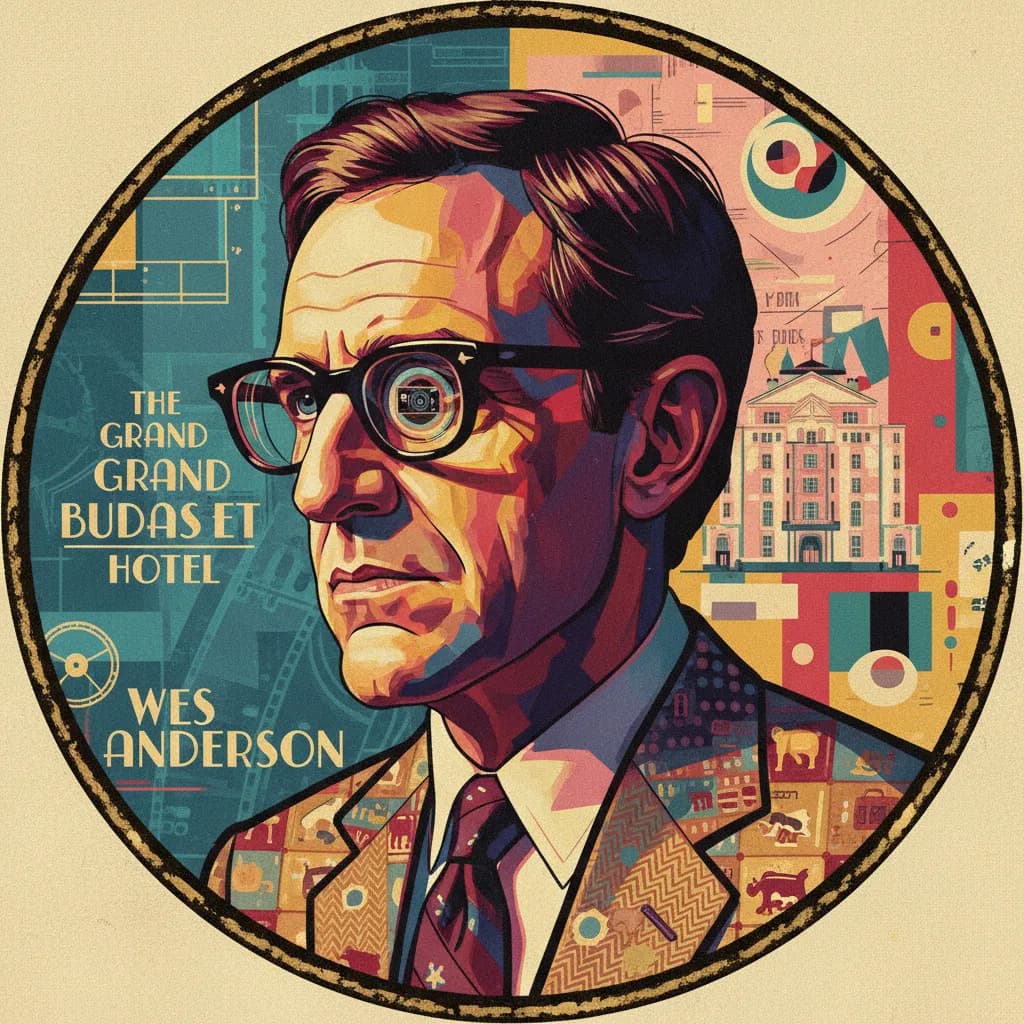
Wes Anderson
Every film, ranked

Paul Thomas Anderson
Every film, ranked

Ridley Scott
Every film, ranked

Tim Burton
Every film, ranked

Guillermo del Toro
Every film, ranked

Hayao Miyazaki
Every film, ranked

Akira Kurosawa
Every film, ranked

Francis Ford Coppola
Every film, ranked

Clint Eastwood
Every film, ranked

Bong Joon Ho
Every film, ranked

Woody Allen
Every film, ranked

Steven Soderbergh
Every film, ranked

Ron Howard
Every film, ranked

Pedro Almodóvar
Every film, ranked

Richard Linklater
Every film, ranked

Roman Polanski
Every film, ranked

Brian De Palma
Every film, ranked

Ingmar Bergman
Every film, ranked

Oliver Stone
Every film, ranked

David Cronenberg
Every film, ranked

Robert Zemeckis
Every film, ranked

Barry Levinson
Every film, ranked

John Carpenter
Every film, ranked

Joel Schumacher
Every film, ranked

Billy Wilder
Every film, ranked

Rob Reiner
Every film, ranked

Neil Jordan
Every film, ranked

Spike Lee
Every film, ranked

Ivan Reitman
Every film, ranked

John Woo
Every film, ranked

Lasse Hallström
Every film, ranked

Stephen Frears
Every film, ranked

Luc Besson
Every film, ranked

Chris Columbus
Every film, ranked

Mike Nichols
Every film, ranked

Howard Hawks
Every film, ranked

Ang Lee
Every film, ranked

Walter Hill
Every film, ranked

Gus Van Sant
Every film, ranked

William Wyler
Every film, ranked

Renny Harlin
Every film, ranked

Sidney Lumet
Every film, ranked

Tony Scott
Every film, ranked