Discover the visionary filmmakers behind cinema's greatest works.
Explore our selection of acclaimed directors and their remarkable films.
Showing 3061-3072 out of 4148

Peter Kassovitz is a renowned film director known for his impactful storytelling and visually stunning cinematic style. With a career spanning several decades, Kassovitz has left an indelible mark on the world of cinema. His notable film "Jakob the Liar," released in 1999, is a powerful drama set against the backdrop of World War II. The film showcases Kassovitz's ability to craft emotionally resonant narratives that delve into the human condition during times of adversity. Kassovitz's directorial style is characterized by his adeptness at portraying complex, multi-dimensional characters and exploring the intricacies of human relationships. His films often feature compelling character arcs and thought-provoking themes that resonate with audiences on a deep, emotional level. Kassovitz's meticulous attention to detail and his ability to evoke raw, authentic performances from his cast have earned him widespread acclaim in the film industry. "Jakob the Liar" stands as a testament to Kassovitz's directorial prowess, as he skillfully navigates the harrowing landscape of war-torn Europe while infusing the narrative with moments of hope and resilience. The film's evocative cinematography and poignant storytelling cement Kassovitz's reputation as a director with a keen eye for capturing the human experience in all its complexities. Throughout his career, Kassovitz has consistently tackled themes of survival, compassion, and the enduring strength of the human spirit, cementing his status as a director with a profound understanding of the human condition. His contributions to cinema have left an indelible impact, inspiring audiences and fellow filmmakers alike. As a visionary director, Kassovitz continues to be celebrated for his ability to craft poignant, thought-provoking narratives that transcend time and resonate with audiences worldwide.

Peter Kosminsky is a renowned British film and television director known for his compelling storytelling and thought-provoking narratives. Throughout his career, Kosminsky has demonstrated a keen eye for capturing the complexities of human relationships and social issues, often delving into political and moral dilemmas. His distinctive directorial style is characterized by a meticulous attention to detail, immersive storytelling, and a knack for eliciting emotionally resonant performances from his actors. One of Kosminsky's most notable films is "White Oleander" (2002), a gripping drama based on Janet Fitch's novel, which explores the tumultuous journey of a young woman navigating the foster care system after her mother's imprisonment. The film showcases Kosminsky's ability to delve into the emotional depths of his characters and create a hauntingly evocative atmosphere that lingers with the audience long after the credits roll. Throughout his career, Kosminsky has consistently tackled weighty themes such as power dynamics, morality, and societal injustices, often drawing inspiration from real-life events and historical contexts. His commitment to shedding light on pressing social issues through the medium of film has earned him critical acclaim and cemented his reputation as a director unafraid to confront uncomfortable truths. Kosminsky's impact on cinema extends beyond his directorial prowess, as he has also made significant contributions to the television landscape with acclaimed series such as "The Promise" and "Wolf Hall." His ability to seamlessly transition between film and television while maintaining a high standard of storytelling underscores his versatility and enduring influence in the entertainment industry. Overall, Peter Kosminsky's body of work stands as a testament to his unwavering dedication to crafting compelling narratives that resonate with audiences on a profound level, solidifying his status as a visionary filmmaker with a profound impact on cinema.

Peter Landesman is an accomplished film director known for his thought-provoking and impactful storytelling. With a background in journalism and a keen eye for detail, Landesman brings a unique perspective to his films, often delving into historically significant events and exploring the human stories behind them. His directorial style is characterized by a meticulous attention to historical accuracy and a commitment to portraying the emotional depth of his characters. One of Landesman's notable works is "Parkland" (2013), a gripping drama that recounts the chaotic events surrounding the assassination of President John F. Kennedy. In this film, Landesman skillfully weaves together multiple narratives to provide a comprehensive and deeply moving portrayal of the tragedy. His ability to capture the emotional turmoil and human impact of historical events is evident, making "Parkland" a standout in his filmography. In "Concussion" (2015), Landesman further showcases his penchant for exploring real-life stories with profound societal implications. The film delves into the controversial issue of head injuries in professional football and the efforts of Dr. Bennet Omalu to raise awareness about the long-term effects of concussions on players. Landesman's directorial prowess is evident as he navigates the complex ethical and political dimensions of the story while maintaining a compelling and human-centric narrative. "Mark Felt: The Man Who Brought Down the White House" (2017) is another testament to Landesman's skill in bringing historical narratives to life. The film chronicles the gripping tale of Mark Felt, the FBI insider known as "Deep Throat," whose whistleblowing played a pivotal role in exposing the Watergate scandal. Landesman's ability to capture the tension and intrigue of this pivotal moment in American history solidifies his reputation as a director with a keen understanding of historical significance and its enduring impact. Throughout his career, Landesman has consistently tackled stories that resonate with audiences on a profound level. His commitment to shedding light on untold narratives, often rooted in real-world events, has left an indelible mark on cinema. As a director, Landesman's ability to infuse historical accuracy with compelling storytelling has cemented his status as a filmmaker with a distinct vision and a lasting impact on the industry. In summary, Peter Landesman's directorial career has been defined by his unwavering dedication to bringing historically significant stories to the screen with depth, empathy, and a commitment to authenticity.

Peter Lepeniotis is a visionary Canadian director known for his exceptional talent in the animation genre. His most notable work includes "The Nut Job" (2014), a delightful animated film that seamlessly blends adventure and comedy. Lepeniotis' directorial style is characterized by his ability to infuse humor and heart into his storytelling, creating a captivating cinematic experience for audiences of all ages. "The Nut Job" stands as a testament to Lepeniotis' prowess as a director, showcasing his keen eye for detail and his ability to breathe life into animated characters. The film's success can be attributed to Lepeniotis' distinctive vision, as he masterfully weaves together themes of friendship, perseverance, and redemption, resonating with viewers on a profound level. Lepeniotis' directorial approach is marked by his commitment to creating immersive worlds and endearing characters that leave a lasting impression on audiences. Lepeniotis' impact on cinema extends beyond his directorial achievements. His dedication to pushing the boundaries of animation and storytelling has cemented his status as a trailblazer in the industry. Through his work, Lepeniotis has demonstrated a remarkable ability to connect with audiences on an emotional level while delivering compelling narratives that transcend the confines of traditional animation. His contributions have undoubtedly left an indelible mark on the world of animated filmmaking, inspiring future generations of directors to follow in his footsteps. In conclusion, Peter Lepeniotis has established himself as a visionary director whose imaginative storytelling and exceptional directorial style have redefined the animated film landscape. With "The Nut Job," Lepeniotis has solidified his reputation as a director capable of crafting immersive, entertaining, and emotionally resonant cinematic experiences. His impact on cinema is undeniable, and his contributions continue to shape the future of animated filmmaking, making him a revered figure in the industry.

Peter Lord is a renowned British director and co-founder of Aardman Animations, known for his exceptional work in the animation genre. With a career spanning several decades, Lord has left an indelible mark on the film industry through his visionary storytelling and distinctive directorial style. His filmography boasts an impressive array of critically acclaimed works, including "The Pirates! Band of Misfits" (2012) and "Chicken Run" (2000), both of which showcase his unparalleled talent for creating captivating, humorous, and visually stunning animated features. Lord's directorial style is characterized by a perfect blend of wit, charm, and inventive storytelling, making his films universally appealing to audiences of all ages. His meticulous attention to detail and ability to infuse his works with heartwarming narratives have solidified his reputation as a master storyteller. Lord's films often feature endearing and quirky characters, engaging plotlines, and visually striking animation, which have set a new standard for excellence in the animation genre. Notable for his unique approach to storytelling, Lord has a penchant for exploring themes of friendship, resilience, and the triumph of the underdog in his films. His works often resonate with audiences on a deeply emotional level, as he effortlessly weaves together humor and profound messages, creating an immersive and unforgettable cinematic experience. With his unparalleled ability to breathe life into claymation characters and transport viewers to imaginative worlds, Lord has undoubtedly made an enduring impact on the animation industry. Lord's contributions to cinema have been nothing short of revolutionary, as he has played a pivotal role in elevating the status of animation as a legitimate and respected art form. His dedication to pushing the boundaries of creativity and storytelling has inspired countless filmmakers and continues to shape the future of animated filmmaking. Peter Lord's illustrious career stands as a testament to his unparalleled talent and unwavering commitment to delivering exceptional cinematic experiences, firmly establishing him as a visionary director whose influence will be felt for generations to come.

Peter MacDonald is a renowned film director known for his contributions to action and adventure cinema. With a career spanning several decades, MacDonald has left an indelible mark on the industry with his distinct directorial style and penchant for high-octane storytelling. His notable films include "Legionnaire" (1998) and "Rambo III" (1988), both of which exemplify his mastery of the action-adventure genre. MacDonald's directorial style is characterized by his ability to seamlessly blend heart-pounding action sequences with compelling storytelling. His keen eye for capturing adrenaline-fueled moments on screen has solidified his reputation as a master of the action genre. In "Rambo III," MacDonald's expert direction brought to life the iconic character of John Rambo, played by Sylvester Stallone, in a thrilling and visually stunning adventure set against the backdrop of the Afghan-Soviet war. Throughout his career, MacDonald has exhibited a recurring theme of individuals facing overwhelming challenges and rising to the occasion with courage and resilience. This thematic underpinning is evident in his films, where protagonists are often thrust into perilous situations, only to emerge as triumphant heroes in the face of adversity. MacDonald's ability to infuse his films with a sense of heroism and triumph has resonated with audiences worldwide, cementing his status as a visionary director. MacDonald's impact on cinema extends beyond his directorial prowess, as he has played a pivotal role in shaping the landscape of action and adventure films. His ability to craft visually captivating spectacles while maintaining a strong focus on character development has set a standard for the genre. Through his work, MacDonald has inspired a new generation of filmmakers and has left an enduring legacy in the annals of action cinema. In conclusion, Peter MacDonald's illustrious career as a director has been defined by his unparalleled vision and commitment to delivering exhilarating cinematic experiences. With a filmography that boasts gripping action-adventure films, MacDonald has solidified his status as a luminary in the world of filmmaking. His ability to infuse his work with compelling storytelling, memorable characters, and breathtaking action set pieces has left an indelible mark on cinema, making him a true trailblazer in the realm of action and adventure filmmaking. Keywords: Peter MacDonald, film director, action-adventure, directorial style, Rambo III, Legionnaire, action cinema, adventure films, cinematic experiences, filmmaking

Peter Markle is a versatile and accomplished film director known for his ability to infuse drama, romance, and sport seamlessly into his storytelling. One of his most notable works is "Youngblood" (1986), a coming-of-age drama set in the world of professional hockey. Markle's directorial style is characterized by his keen ability to capture the intensity and emotion of sports, while also delving into the personal and romantic relationships of his characters. His films often explore themes of aspiration, determination, and the human spirit, making them universally relatable and resonant with audiences. Markle's impact on cinema lies in his adeptness at combining the thrill of sports with the depth of human emotion, creating a cinematic experience that transcends the genre boundaries. His films are marked by a sense of authenticity and realism, drawing viewers into the captivating world of sports while also engaging them with compelling character-driven narratives. Markle's ability to blend action and drama has made him a sought-after director in the industry, and his influence can be seen in the way sports films continue to evolve and resonate with audiences today. Throughout his career, Markle has demonstrated a knack for bringing out the best in his actors and crafting visually dynamic scenes that capture the exhilaration and tension of sports competitions. His directorial expertise has left an indelible mark on the film industry, earning him a reputation as a master storyteller with a unique perspective on the intersection of sports, romance, and human drama. With each film, Markle continues to showcase his talent for crafting compelling narratives that leave a lasting impression on audiences, solidifying his status as a director with a distinct and impactful vision.

Peter Medak is a Hungarian-born film director known for his diverse body of work spanning across various genres, including horror, mystery, crime, and drama. With a career that has spanned several decades, Medak has left an indelible mark on the world of cinema, captivating audiences with his unique directorial style and storytelling prowess. One of Medak's most notable works is the haunting horror film "The Changeling" (1980), which is widely regarded as a classic in the genre. The film showcases his ability to create a palpable sense of dread and suspense, employing atmospheric cinematography and masterful storytelling to deliver a truly chilling experience. Medak's deft touch with the supernatural and his keen understanding of psychological horror have cemented "The Changeling" as a standout in his filmography. In addition to his foray into horror, Medak has also demonstrated his versatility as a director with the crime drama "Romeo Is Bleeding" (1993). The film showcases his ability to craft complex narratives and explore the darker facets of human nature, delving into themes of betrayal, love, and moral ambiguity. Medak's directorial prowess shines through in his ability to infuse the film with a palpable sense of tension and emotional depth, creating a gripping and immersive viewing experience. Throughout his career, Medak has exhibited a keen eye for visual storytelling and a knack for eliciting powerful performances from his actors. His films often delve into themes of trauma, loss, and the supernatural, showcasing a deep understanding of human emotion and the human experience. Medak's ability to craft compelling narratives and create evocative atmospheres has solidified his status as a director with a unique vision and a lasting impact on the world of cinema. In conclusion, Peter Medak's career is a testament to his enduring influence on the world of film. With a diverse body of work that spans across multiple genres, he has showcased his ability to captivate audiences with his distinct directorial style and storytelling prowess. From horror to crime drama, Medak's films continue to resonate with audiences, leaving an indelible mark on the cinematic landscape.

Peter Mullan is a renowned Scottish actor, writer, and director whose impact on cinema is as significant as it is multifaceted. Mullan's directorial style is marked by raw emotional intensity, social commentary, and unflinching realism. His debut feature film, "Orphans" (1998), showcased his adeptness at portraying the struggles and complexities of working-class life in Glasgow. However, it was with "The Magdalene Sisters" (2002) that Mullan solidified his reputation as a director of uncompromising vision and narrative power. This powerful drama, which exposed the abuse and exploitation within the Magdalene asylums in Ireland, earned the prestigious Golden Lion at the Venice Film Festival and garnered widespread critical acclaim. Mullan's films often delve into the lives of marginalized individuals, exploring themes of oppression, resilience, and the human spirit. His work is characterized by a deep empathy for his characters, allowing audiences to intimately connect with their experiences. Mullan's directorial approach is unapologetically confrontational, unafraid to challenge societal norms and institutional injustices. His films resonate with authenticity, as he fearlessly tackles difficult subject matter with unyielding honesty and emotional depth. "The Magdalene Sisters" stands as a testament to Mullan's fearless commitment to shedding light on the darker aspects of society. The film's impact on cinema was profound, sparking vital conversations about systemic abuse and institutionalized oppression. Mullan's unflinching portrayal of the harsh realities faced by the film's protagonists left an indelible mark on audiences and critics alike, solidifying his status as a director with an unwavering dedication to truth-telling through his art. In conclusion, Peter Mullan's directorial career has left an indelible mark on the film industry, with his uncompromising vision and unapologetic storytelling setting him apart as a director of immense talent and social conscience. His films, particularly "The Magdalene Sisters," have not only sparked crucial dialogue but have also reshaped the cinematic landscape, proving that storytelling can be a powerful force for societal change. Mullan's unique ability to capture the human experience with unflinching honesty and compassion ensures his legacy as a director of enduring significance in the history of cinema.

Peter O'Fallon is an accomplished film director known for his work in the comedy, crime, and drama genres. His most notable film, "Suicide Kings," released in 1997, showcases his ability to blend suspense, dark comedy, and character-driven narratives. O'Fallon's directorial style is characterized by his meticulous attention to detail, skillful storytelling, and the ability to draw authentic performances from his actors. "Suicide Kings" is a prime example of O'Fallon's directorial prowess, as he skillfully navigates the complexities of the crime genre while infusing the narrative with dark humor and compelling character dynamics. The film's success solidified O'Fallon's reputation as a director capable of delivering gripping, multi-layered storytelling with a distinct visual flair. Throughout his career, O'Fallon has demonstrated a penchant for exploring the darker aspects of human nature, often delving into themes of morality, identity, and the consequences of one's actions. His films often feature morally ambiguous characters and intricate plotlines that keep audiences engaged from start to finish. O'Fallon's impact on cinema lies in his ability to create thought-provoking narratives that push the boundaries of traditional genre conventions. His unique vision and storytelling sensibilities have left an indelible mark on the industry, earning him a dedicated following among fans of intelligent, character-driven cinema. In conclusion, Peter O'Fallon's directorial career is characterized by a commitment to crafting compelling and thought-provoking narratives within the comedy, crime, and drama genres. With "Suicide Kings" as the cornerstone of his filmography, O'Fallon has proven himself to be a director with a unique vision and a talent for delivering captivating stories that resonate with audiences. His work continues to inspire and influence filmmakers and cinephiles alike, cementing his status as a director of considerable talent and vision.

Peter Ramsey is a visionary director whose unique contributions to the world of animation have left an indelible mark on cinema. With a career spanning several decades, Ramsey has consistently demonstrated a keen understanding of storytelling, visual artistry, and the power of imagination. His most notable film, "Rise of the Guardians" (2012), is a testament to his directorial prowess and his ability to bring fantastical worlds to life on the big screen. Ramsey's directorial style is characterized by a seamless blend of captivating visuals, emotionally resonant storytelling, and a deep understanding of character dynamics. His approach to filmmaking is marked by a commitment to creating immersive and visually stunning experiences for audiences of all ages. "Rise of the Guardians" exemplifies Ramsey's ability to infuse animated worlds with depth, complexity, and universal themes that resonate with viewers on a profound level. Throughout his career, Ramsey has explored recurring themes of heroism, self-discovery, and the power of belief, all of which are prominently featured in "Rise of the Guardians." His films often celebrate the triumph of the human spirit and the enduring capacity for hope, making them both poignant and uplifting for audiences. Ramsey's impact on cinema extends beyond his individual films, as he has played a pivotal role in pushing the boundaries of what animated storytelling can achieve. His dedication to crafting visually stunning worlds and compelling narratives has solidified his reputation as a trailblazer in the animation industry, inspiring future generations of filmmakers to embrace creativity and innovation. In conclusion, Peter Ramsey's directorial career is defined by a commitment to pushing the boundaries of animated storytelling, creating visually stunning worlds, and crafting narratives that resonate with audiences of all ages. His visionary approach to filmmaking has left an indelible mark on cinema, and his influence will continue to be felt for years to come.

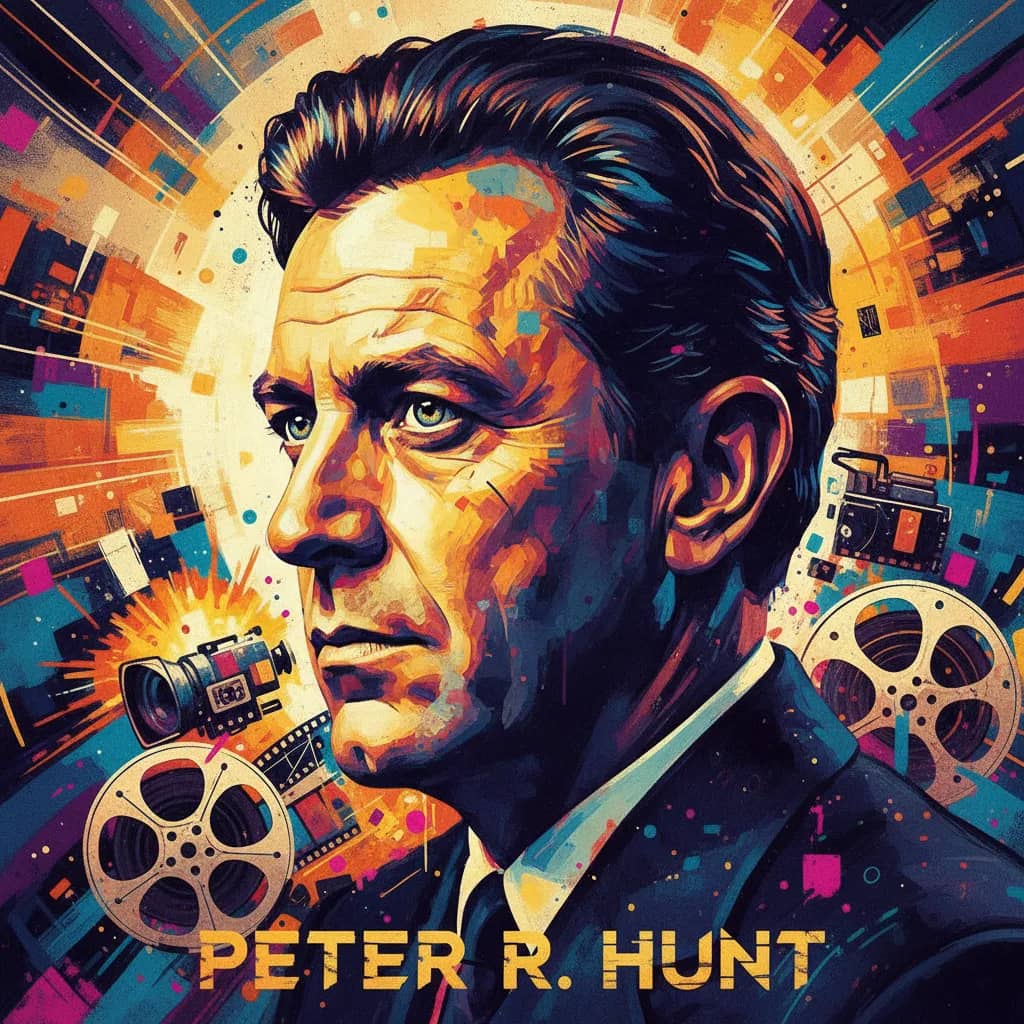
Peter R. Hunt was a British film director best known for his work in the action, adventure, and thriller genres. His most notable film is "On Her Majesty's Secret Service" (1969), which marked his directorial debut and made a significant impact on the James Bond franchise. Hunt's directorial style is characterized by a dynamic and innovative approach to action sequences, as well as a keen sense of visual storytelling. Hunt's direction in "On Her Majesty's Secret Service" introduced a more realistic and gritty portrayal of James Bond, departing from the more flamboyant style of the previous films in the franchise. His emphasis on practical stunts and intense action set pieces set a new standard for the series and influenced the way action films were crafted in the years to come. Hunt's meticulous attention to detail and mastery of editing techniques also contributed to the film's lasting impact on the spy genre. Throughout his career, Hunt's films often explored themes of espionage, intrigue, and high-stakes adventure, capturing the imaginations of audiences with his gripping narratives and compelling characters. His ability to blend suspenseful storytelling with breathtaking action sequences solidified his reputation as a director capable of delivering thrilling and memorable cinematic experiences. Peter R. Hunt's influence on cinema extends beyond his directorial achievements, as his innovative approach to action filmmaking continues to inspire a new generation of directors and filmmakers. His contributions to the James Bond franchise and the action genre as a whole have left an indelible mark on the world of cinema, cementing his legacy as a visionary director whose work continues to captivate audiences decades after its initial release.
Every film by the greats, ranked by our TML Score.

Christopher Nolan
Every film, ranked

Quentin Tarantino
Every film, ranked

Stanley Kubrick
Every film, ranked

Martin Scorsese
Every film, ranked

Steven Spielberg
Every film, ranked

Alfred Hitchcock
Every film, ranked

David Fincher
Every film, ranked

Denis Villeneuve
Every film, ranked

Wes Anderson
Every film, ranked

Paul Thomas Anderson
Every film, ranked

Ridley Scott
Every film, ranked

Tim Burton
Every film, ranked

Guillermo del Toro
Every film, ranked

Hayao Miyazaki
Every film, ranked

Akira Kurosawa
Every film, ranked

Francis Ford Coppola
Every film, ranked

Clint Eastwood
Every film, ranked

Bong Joon Ho
Every film, ranked

Woody Allen
Every film, ranked

Steven Soderbergh
Every film, ranked

Ron Howard
Every film, ranked

Pedro Almodóvar
Every film, ranked

Richard Linklater
Every film, ranked

Roman Polanski
Every film, ranked

Brian De Palma
Every film, ranked

Ingmar Bergman
Every film, ranked

Oliver Stone
Every film, ranked

David Cronenberg
Every film, ranked

Robert Zemeckis
Every film, ranked

Barry Levinson
Every film, ranked

John Carpenter
Every film, ranked

Joel Schumacher
Every film, ranked

Billy Wilder
Every film, ranked

Rob Reiner
Every film, ranked

Neil Jordan
Every film, ranked

Spike Lee
Every film, ranked

Ivan Reitman
Every film, ranked

John Woo
Every film, ranked

Lasse Hallström
Every film, ranked

Stephen Frears
Every film, ranked

Luc Besson
Every film, ranked

Chris Columbus
Every film, ranked

Mike Nichols
Every film, ranked

Howard Hawks
Every film, ranked

Ang Lee
Every film, ranked

Walter Hill
Every film, ranked

Gus Van Sant
Every film, ranked

William Wyler
Every film, ranked

Renny Harlin
Every film, ranked

Sidney Lumet
Every film, ranked

Tony Scott
Every film, ranked