Discover the visionary filmmakers behind cinema's greatest works.
Explore our selection of acclaimed directors and their remarkable films.
Showing 2869-2880 out of 4148

Nicolás López is a Chilean director known for his work in the action, adventure, and horror genres. His notable filmography includes "Aftershock" (2012), a gripping thriller that showcases his directorial prowess and unique storytelling style. López's directorial approach is characterized by his ability to seamlessly blend thrilling action sequences with deeply immersive storytelling, creating an intense and captivating cinematic experience for audiences. With "Aftershock," López demonstrated his adeptness at creating tension and suspense, skillfully incorporating elements of horror and adventure to deliver a film that is both thrilling and thought-provoking. His directorial style is marked by a keen understanding of pacing and tension, drawing audiences into the heart of the action while exploring the depths of human emotion and resilience. This distinctive approach has solidified López as a visionary director with a knack for crafting visually stunning and emotionally resonant films. López's work often delves into themes of survival, human nature, and the complexities of interpersonal relationships, offering audiences a thought-provoking exploration of the human experience within the context of high-stakes, adrenaline-fueled narratives. His ability to infuse his films with a sense of urgency and emotional depth has earned him a dedicated following and critical acclaim within the industry. As a director, Nicolás López has made a significant impact on the cinema landscape, carving out a niche for himself as a master storyteller and visual craftsman. His films continue to captivate audiences with their immersive storytelling, compelling characters, and breathtaking action sequences, solidifying his status as a director to watch in the realm of action, adventure, and horror cinema. With each new project, López continues to push the boundaries of storytelling, cementing his legacy as a visionary director with a unique and impactful voice in the world of film.

Nicolas Pesce is a talented and innovative filmmaker known for his distinctive directorial style and unique contributions to the horror genre. With a background in music videos and short films, Pesce made his feature film debut with "The Eyes of My Mother" in 2016. This haunting and visually striking film immediately established Pesce as a director to watch in the world of independent cinema. Blending elements of drama, horror, and thriller, "The Eyes of My Mother" showcased Pesce's ability to create an atmosphere of dread and unease, earning critical acclaim for its artful approach to storytelling and its chilling visual imagery. Pesce's directorial style is characterized by a meticulous attention to detail and a willingness to delve into dark and disturbing subject matter. He is known for crafting deeply unsettling narratives that explore the depths of human psychology and the complexities of the human experience. His films often feature a haunting, dreamlike quality that lingers with viewers long after the credits roll. Pesce's ability to elicit visceral reactions from audiences has solidified his reputation as a master of atmospheric horror and a visionary storyteller. "The Eyes of My Mother" serves as a testament to Pesce's ability to push boundaries and challenge conventional cinematic norms. The film's impact on the horror genre cannot be overstated, as it redefined the possibilities of psychological horror and garnered a dedicated following among fans of alternative and art-house cinema. Pesce's work has resonated with audiences and critics alike, earning him a reputation as a director who fearlessly explores the darker aspects of the human psyche while pushing the boundaries of visual storytelling. As Pesce continues to shape the landscape of contemporary horror cinema, his unique vision and uncompromising approach to storytelling have cemented his status as a director with an indelible impact on the medium. With his distinct directorial voice and penchant for crafting deeply unsettling narratives, Nicolas Pesce stands as a visionary filmmaker whose work continues to captivate and unsettle audiences, solidifying his place as a leading force in the evolution of horror cinema.

Nicolas Roeg was a visionary British film director known for his innovative and unconventional approach to storytelling. With a career spanning over five decades, Roeg made a significant impact on cinema with his unique visual style and thematic depth. His filmography includes an array of critically acclaimed and influential works, such as "Walkabout" (1971), "The Man Who Fell to Earth" (1976), "Performance" (1970), "Don't Look Now" (1973), and "The Witches" (1990). Roeg's directorial style was characterized by his non-linear narratives, striking cinematography, and a keen focus on psychological and emotional complexities. He often utilized fragmented editing techniques and juxtaposition of images to create a disorienting yet mesmerizing viewing experience. His films frequently explored themes of identity, alienation, and the fragility of human existence, delving into the subconscious and unraveling the intricacies of human relationships. "Walkabout" is widely regarded as one of Roeg's most seminal works, showcasing his ability to infuse stunning landscapes with a profound examination of cultural clash and survival. "The Man Who Fell to Earth" solidified Roeg's reputation as a master of avant-garde cinema, blending science fiction with existential introspection. "Don't Look Now" captivated audiences with its haunting portrayal of grief and precognition, while "Performance" challenged conventional notions of identity and sexuality, pushing boundaries with its bold and controversial themes. Roeg's impact on cinema extends beyond his directorial prowess, as his films continue to inspire and influence contemporary filmmakers. His bold storytelling techniques and visual innovation have left an indelible mark on the cinematic landscape, paving the way for a new generation of auteurs to experiment with form and narrative structure. Nicolas Roeg's legacy as a trailblazing director is defined by his fearless creativity and unwavering commitment to pushing the boundaries of cinematic expression, ensuring that his visionary work will resonate with audiences for years to come.

Nicolas Winding Refn, the Danish auteur, has carved out a distinct niche in contemporary cinema with his bold and stylized directorial approach. Refn's films are characterized by their visually striking cinematography, atmospheric soundtracks, and intense narratives that often delve into the darker aspects of human nature. Refn burst onto the international scene with the groundbreaking "Pusher" trilogy, a gritty exploration of the criminal underworld in Copenhagen. This early work showcased Refn's raw and unflinching directorial style, setting the stage for his future endeavors. One of Refn's most iconic films, "Drive" (2011), garnered widespread acclaim for its neo-noir aesthetic, evocative synth score, and compelling performances. The film solidified Refn's status as a visionary director with a penchant for crafting immersive and visually arresting experiences. "Drive" also marked the beginning of Refn's successful collaboration with actor Ryan Gosling, a partnership that would continue to yield innovative and thought-provoking cinema. Refn's filmography is replete with works that explore themes of violence, identity, and existentialism. From the hallucinatory Viking epic "Valhalla Rising" (2009) to the surreal horror of "The Neon Demon" (2016), Refn consistently pushes the boundaries of genre filmmaking, infusing his projects with an unmistakable blend of artistry and provocation. "Only God Forgives" (2013) further showcased Refn's audacious storytelling, as he delved into the seedy underbelly of Bangkok's criminal underworld, delivering a visually stunning and polarizing film that left a lasting impression on audiences and critics alike. Refn's impact on cinema lies in his unwavering commitment to challenging traditional conventions and his unapologetic pursuit of a unique and uncompromising artistic vision. His films have inspired a new wave of filmmakers and have left an indelible mark on the industry, cementing Refn's legacy as a true auteur and a visionary force in contemporary cinema. With his fearless exploration of the human psyche and his unorthodox approach to storytelling, Nicolas Winding Refn continues to captivate audiences and push the boundaries of cinematic expression.

Nicole Holofcener is a renowned American director known for her distinctive blend of comedy, drama, and romance, which delves into the complexities of human relationships with wit and insight. With a career spanning over two decades, Holofcener has left an indelible mark on cinema through her authentic storytelling and nuanced character portrayals. One of Holofcener's most acclaimed works is "Enough Said" (2013), a bittersweet romantic comedy that explores the challenges of finding love later in life. Featuring standout performances from Julia Louis-Dreyfus and the late James Gandolfini, the film showcases Holofcener's ability to infuse everyday situations with humor and poignancy, creating a relatable and emotionally resonant experience for audiences. In "Friends with Money" (2006), Holofcener adeptly weaves together the lives of four friends at different socioeconomic levels, offering a candid exploration of privilege, insecurity, and self-discovery. The film exemplifies her talent for crafting multi-dimensional characters and incisive social commentary, establishing her as a director with a keen eye for human behavior and societal dynamics. Another notable entry in Holofcener's filmography is "Please Give" (2010), a darkly comedic drama that dissects the moral dilemmas and contradictions inherent in modern urban life. Through her astute observations and dexterous storytelling, Holofcener skillfully navigates the complexities of guilt, empathy, and the pursuit of happiness, delivering a thought-provoking and emotionally rich narrative. Holofcener's films are characterized by their authentic, character-driven storytelling, often revolving around the intricacies of interpersonal relationships and the complexities of contemporary life. Her keen focus on the human experience, coupled with her sharp wit and empathetic approach, has positioned her as a director whose work resonates deeply with audiences, earning her a dedicated following and critical acclaim. With her insightful and relatable narratives, Nicole Holofcener has made a significant impact on cinema, enriching the medium with her distinct directorial style and thought-provoking storytelling. Her ability to infuse everyday moments with emotional depth and humor has cemented her status as a director of exceptional talent, leaving an enduring legacy in the world of independent cinema.

Nicole Kassell is a highly talented and versatile film director known for her distinctive directorial style and thought-provoking storytelling. With a career spanning over two decades, Kassell has made a significant impact on the film industry, showcasing her ability to bring emotionally resonant stories to life on the silver screen. Kassell first gained widespread recognition for her directorial debut, "The Woodsman" (2004), a powerful drama that delves into the complex themes of redemption and forgiveness. The film garnered critical acclaim and highlighted Kassell's adeptness at portraying the human experience with sensitivity and depth. Kassell's directorial style is marked by her ability to tackle challenging subject matter with nuance and empathy, drawing audiences into the inner worlds of her characters. In "A Little Bit of Heaven" (2011), Kassell showcased her versatility by venturing into the realm of comedy, drama, and fantasy. The film demonstrated her ability to seamlessly navigate between genres while maintaining her trademark focus on authentic human emotions and experiences. Kassell's films often explore themes of resilience, self-discovery, and the complexities of human relationships, resonating with audiences on a profound level. Throughout her career, Kassell has established herself as a director with a keen eye for detail and a profound understanding of the human condition. Her films are characterized by their emotional depth, compelling narratives, and richly drawn characters. Kassell's unique vision and ability to elicit captivating performances from her actors have solidified her status as a director to watch in the industry. Nicole Kassell's contributions to cinema have not only left an indelible mark on audiences but have also inspired aspiring filmmakers to explore the complexities of the human experience through the lens of storytelling. With her distinctive directorial style and unwavering commitment to crafting compelling narratives, Kassell continues to be a driving force in the world of filmmaking, leaving an enduring legacy that resonates with audiences worldwide.

Niels Arden Oplev is a Danish film director known for his compelling storytelling and visually arresting films. He gained international recognition with his gripping adaptation of Stieg Larsson's "Män som hatar kvinnor" (The Girl with the Dragon Tattoo) in 2009, a crime thriller that captivated audiences with its dark and intense narrative. Oplev's meticulous attention to detail and ability to create an atmosphere of suspense and intrigue made the film a critical and commercial success. His direction in "Män som hatar kvinnor" showcased his knack for delving into complex characters and crafting immersive experiences for viewers. In 2013, Oplev brought his directorial prowess to the American film industry with "Dead Man Down," a riveting action crime drama that further solidified his position as a director with a distinct vision. The film's taut and visceral storytelling, coupled with Oplev's dynamic visual style, demonstrated his ability to seamlessly navigate different genres while maintaining his signature flair for compelling narratives. Oplev's films often explore themes of vengeance, morality, and the human psyche, drawing audiences into thought-provoking and emotionally charged cinematic experiences. Oplev's impact on cinema is marked by his ability to infuse his films with a sense of raw authenticity and emotional depth. His directorial style is characterized by a keen eye for evocative imagery and an unwavering commitment to storytelling that resonates with audiences on a profound level. Oplev's films have left an indelible mark on the crime and thriller genres, earning him a reputation as a director who fearlessly pushes boundaries and challenges conventions in pursuit of cinematic excellence. As a visionary filmmaker, Niels Arden Oplev continues to captivate audiences with his compelling narratives and visually stunning storytelling. His unique ability to bring complex characters to life and immerse viewers in gripping, emotionally charged narratives has solidified his status as a director whose work leaves a lasting impression. With a career defined by a commitment to pushing the boundaries of storytelling and a penchant for crafting unforgettable cinematic experiences, Oplev's impact on the film industry is sure to endure for years to come.

Niels Mueller is an American film director known for his compelling storytelling and unique directorial style. His career took off with the release of his critically acclaimed film, "The Assassination of Richard Nixon" in 2004. This biographical crime drama, starring Sean Penn, showcased Mueller's ability to delve into the psyche of complex characters and explore the darker aspects of human nature. Mueller's directorial style is characterized by his meticulous attention to detail and his ability to craft emotionally charged narratives. One of his most notable films, "The Assassination of Richard Nixon," is a thought-provoking exploration of disillusionment and desperation, as it follows a man's downward spiral towards a violent act of political extremism. Mueller's films often touch on themes of alienation, societal discontent, and the struggle for identity, reflecting his deep understanding of the human condition. "The Assassination of Richard Nixon" left a lasting impact on cinema, establishing Mueller as a director with a distinct voice and a penchant for thought-provoking storytelling. His ability to infuse his narratives with raw emotion and psychological depth has earned him a reputation as a director who fearlessly delves into the complexities of the human experience. Niels Mueller's contribution to film extends beyond his directorial work. His films serve as a testament to his commitment to pushing the boundaries of conventional storytelling and shedding light on the darker recesses of the human psyche. Mueller's unique vision and uncompromising approach to storytelling have solidified his place as a director to watch in the world of cinema. With each new project, audiences eagerly anticipate the next thought-provoking narrative that Mueller will bring to the screen. In conclusion, Niels Mueller's career as a film director has been marked by his ability to craft emotionally resonant narratives that delve into the complexities of the human experience. His notable film, "The Assassination of Richard Nixon," stands as a testament to his unique directorial style and his commitment to exploring the darker aspects of human nature. Mueller's impact on cinema is undeniable, and his ability to push the boundaries of traditional storytelling continues to captivate audiences and critics alike. As he continues to carve his path in the film industry, Niels Mueller remains a director with a singular vision and an unwavering dedication to thought-provoking storytelling.

Nigel Cole is a British director known for his unique blend of comedy, drama, and heartfelt storytelling. With a career spanning several decades, Cole has left an indelible mark on cinema with his distinct directorial style and memorable films. His notable works include "Calendar Girls" (2003), "Made in Dagenham" (2010), "A Lot Like Love" (2005), and "Saving Grace" (2000), all of which showcase his ability to infuse humor and emotion into diverse narratives. Cole's directorial style is characterized by his skillful navigation of complex human emotions within lighthearted and relatable storytelling. He has a knack for capturing the intricacies of human relationships and the resilience of the human spirit, often infusing his films with a sense of empowerment and optimism. His films often feature strong female characters and explore themes of friendship, empowerment, and the triumph of the underdog, resonating with audiences on a profound level. "Calendar Girls" and "Made in Dagenham" stand out as prime examples of Cole's ability to blend humor with poignant social commentary. Both films are based on true stories and highlight the strength and determination of ordinary women facing extraordinary circumstances. Through his direction, Cole brings a sense of authenticity and warmth to these narratives, allowing the audience to connect with the characters on a deeply personal level. In "A Lot Like Love" and "Saving Grace," Cole demonstrates his versatility by delving into romantic comedy and crime genres, respectively. His adeptness at infusing humor and heart into these disparate narratives underscores his range as a director and his ability to engage audiences across different genres. Nigel Cole's impact on cinema is evident in his ability to create films that balance entertainment with substance, resonating with audiences on an emotional level. His dedication to telling stories of everyday heroes and heroines has cemented his status as a director with a keen understanding of the human experience. Cole's films continue to inspire and uplift, leaving a lasting impression on the cinematic landscape. In conclusion, Nigel Cole's directorial career is marked by his ability to infuse humor and heart into diverse narratives, creating films that resonate with audiences on a profound level. Through his unique vision and storytelling prowess, he has left an indelible mark on cinema, showcasing the triumph of the human spirit and the power of resilience. With a filmography that spans genres and resonates with universal themes, Cole's contributions to film continue to be celebrated

Niki Caro is a visionary director known for her captivating storytelling and ability to craft emotionally resonant narratives. With a diverse filmography spanning across various genres, Caro has firmly established herself as a masterful storyteller. Her directorial style is characterized by a keen attention to detail, compelling character development, and a profound exploration of human experiences. Caro's films often delve into the complexities of familial relationships, societal issues, and the triumph of the human spirit, showcasing her ability to infuse depth and authenticity into her storytelling. One of Caro's most notable films is "Whale Rider" (2002), a poignant drama that garnered international acclaim and solidified her reputation as a director to watch. The film beautifully captures the coming-of-age journey of a young Maori girl who challenges tradition to fulfill her destiny. Caro's sensitive approach to the material and her ability to evoke powerful performances from her cast earned her widespread praise. In "North Country" (2005), Caro demonstrated her adeptness at tackling socially relevant themes, as the film delves into the harrowing experiences of female miners facing sexual harassment in a male-dominated industry. Her deft handling of the subject matter and the film's powerful performances earned critical acclaim and showcased her ability to tackle complex, real-world issues with nuance and sensitivity. Caro's directorial prowess continued to shine in "McFarland, USA" (2015), a stirring sports drama that chronicles the inspiring true story of a high school cross-country team from a predominantly Latino community. The film exemplifies Caro's ability to infuse heart and authenticity into uplifting narratives, further solidifying her reputation as a director capable of eliciting genuine emotion from her audiences. In "The Zookeeper's Wife" (2017), Caro delivered a compelling biographical drama set against the backdrop of World War II. The film showcases her ability to navigate historical narratives with grace and reverence, while also emphasizing the resilience of the human spirit in the face of adversity. Caro's most recent directorial endeavor, "The Mother" (2023), marks her foray into the action-thriller genre, further showcasing her versatility as a director. With each film, Caro continues to leave an indelible mark on cinema, consistently delivering thought-provoking narratives that resonate with audiences on a profound level. Niki Caro's impact on cinema is undeniable, as she continues to push boundaries and defy genre expectations with her unique vision

Nikita Mikhalkov, a prominent figure in Russian cinema, has carved a distinguished career as a director, actor, and screenwriter. Born on October 21, 1945, in Moscow, Mikhalkov's filmography is marked by a compelling blend of historical drama, poignant storytelling, and rich character development. His directorial style often showcases a deep understanding of human emotions and relationships, combined with a keen eye for historical context and societal commentary. One of Mikhalkov's most acclaimed works is "Burnt by the Sun" (1994), which earned him international acclaim, including the Academy Award for Best Foreign Language Film. Set during Stalin-era Russia, the film masterfully captures the tension between personal and political turmoil, anchored by powerful performances and evocative cinematography. Mikhalkov's ability to interweave complex historical narratives with deeply personal stories has solidified his reputation as a master storyteller. In "The Barber of Siberia" (1998), Mikhalkov showcased his versatility by delving into a comedic yet poignant tale set against the backdrop of the Russian Empire. The film's lush visuals and nuanced storytelling underscore Mikhalkov's ability to navigate diverse genres while maintaining his signature emphasis on human emotions and societal dynamics. Mikhalkov's recurring themes often revolve around the human experience in the face of historical upheaval, love, loss, and the complexities of identity. His films resonate with audiences through their universal themes and profound emotional resonance, transcending cultural boundaries. Mikhalkov's impact on cinema extends beyond his storytelling prowess, as he has also been an influential figure in promoting Russian cinema on the global stage. With a career spanning decades, Nikita Mikhalkov continues to inspire audiences and aspiring filmmakers with his unique vision and unwavering commitment to crafting compelling narratives. His contributions to world cinema have left an indelible mark, cementing his status as a visionary director whose films offer a window into the complexities of the human condition and the tapestry of Russian history and culture.

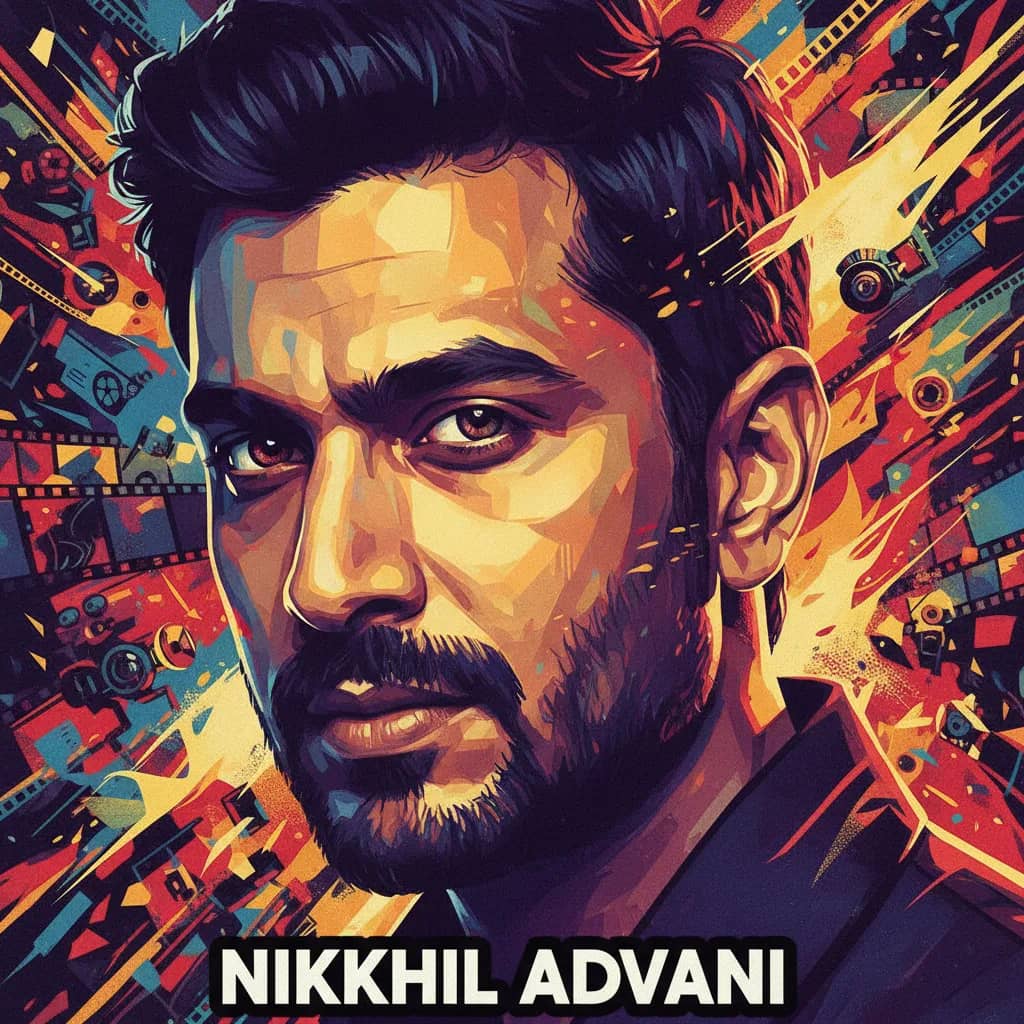
Nikkhil Advani is a highly acclaimed Indian film director known for his versatile style and compelling storytelling. With a career spanning over two decades, Advani has left an indelible mark on Indian cinema with his thought-provoking narratives and visually striking direction. He has demonstrated a remarkable ability to navigate across various genres, including action, crime, drama, and comedy, showcasing his versatility and command over diverse storytelling techniques. Advani's directorial debut, "Kal Ho Naa Ho" (2003), instantly established him as a director to watch in the Indian film industry. This romantic drama, which seamlessly blended comedy and musical elements, received widespread critical acclaim and resonated deeply with audiences, marking the beginning of his successful directorial journey. His keen sense of visual storytelling and ability to evoke genuine emotions from his characters have become trademarks of his directorial style. In "D-Day" (2013), Advani ventured into the action-thriller genre, further proving his prowess as a director capable of delivering intense, gripping narratives. The film's taut screenplay and adrenaline-pumping sequences showcased Advani's ability to create high-octane cinematic experiences, captivating audiences and critics alike. His adeptness at infusing social and political commentary into his narratives adds depth and relevance to his films, making them not only entertaining but also thought-provoking. Advani's most recent directorial venture, "Batla House" (2019), delves into the crime drama genre, once again highlighting his penchant for crafting compelling stories based on real-life events. The film garnered widespread praise for its gripping portrayal of the controversial Batla House encounter, solidifying Advani's reputation as a director unafraid to tackle complex, socially relevant subject matter. His ability to bring authenticity to his narratives and elicit powerful performances from his cast has cemented his status as a director with a unique vision and a profound impact on Indian cinema. In conclusion, Nikkhil Advani's directorial career is a testament to his exceptional storytelling abilities and his unwavering commitment to pushing the boundaries of Indian cinema. His diverse filmography, characterized by a blend of genres, showcases his versatility and creative acumen, while his thought-provoking narratives and visually arresting direction continue to captivate audiences. Advani's contributions to the film industry have left an enduring impression, solidifying his position as a visionary director with a remarkable body of work that will continue to inspire and resonate with audiences for years to come
Every film by the greats, ranked by our TML Score.

Christopher Nolan
Every film, ranked

Quentin Tarantino
Every film, ranked

Stanley Kubrick
Every film, ranked

Martin Scorsese
Every film, ranked

Steven Spielberg
Every film, ranked

Alfred Hitchcock
Every film, ranked

David Fincher
Every film, ranked

Denis Villeneuve
Every film, ranked

Wes Anderson
Every film, ranked

Paul Thomas Anderson
Every film, ranked

Ridley Scott
Every film, ranked

Tim Burton
Every film, ranked

Guillermo del Toro
Every film, ranked

Hayao Miyazaki
Every film, ranked

Akira Kurosawa
Every film, ranked

Francis Ford Coppola
Every film, ranked

Clint Eastwood
Every film, ranked

Bong Joon Ho
Every film, ranked

Woody Allen
Every film, ranked

Steven Soderbergh
Every film, ranked

Ron Howard
Every film, ranked

Pedro Almodóvar
Every film, ranked

Richard Linklater
Every film, ranked

Roman Polanski
Every film, ranked

Brian De Palma
Every film, ranked

Ingmar Bergman
Every film, ranked

Oliver Stone
Every film, ranked

David Cronenberg
Every film, ranked

Robert Zemeckis
Every film, ranked

Barry Levinson
Every film, ranked

John Carpenter
Every film, ranked

Joel Schumacher
Every film, ranked

Billy Wilder
Every film, ranked

Rob Reiner
Every film, ranked

Neil Jordan
Every film, ranked

Spike Lee
Every film, ranked

Ivan Reitman
Every film, ranked

John Woo
Every film, ranked

Lasse Hallström
Every film, ranked

Stephen Frears
Every film, ranked

Luc Besson
Every film, ranked

Chris Columbus
Every film, ranked

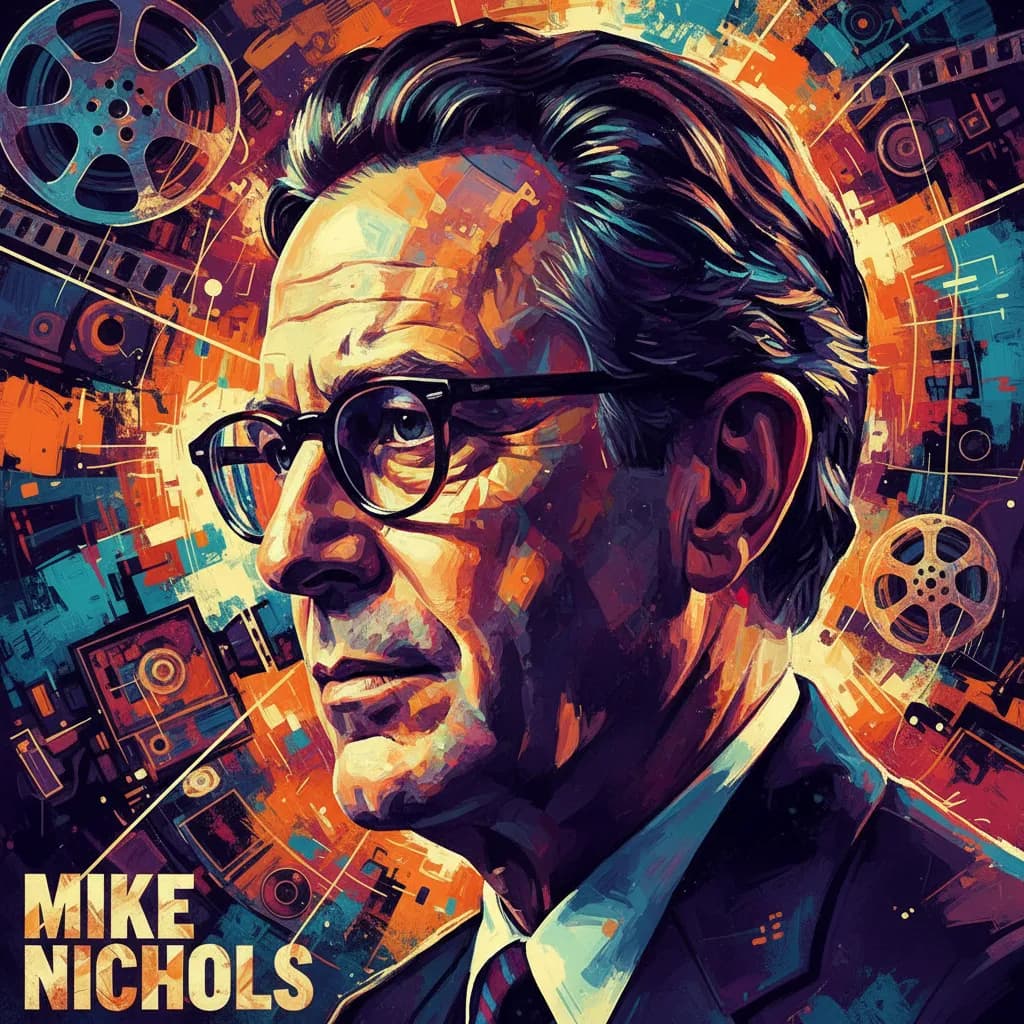
Mike Nichols
Every film, ranked

Howard Hawks
Every film, ranked

Ang Lee
Every film, ranked

Walter Hill
Every film, ranked

Gus Van Sant
Every film, ranked

William Wyler
Every film, ranked

Renny Harlin
Every film, ranked

Sidney Lumet
Every film, ranked

Tony Scott
Every film, ranked