Discover the visionary filmmakers behind cinema's greatest works.
Explore our selection of acclaimed directors and their remarkable films.
Showing 2893-2904 out of 4148

Noboru Iguchi, a maverick in the world of Japanese cinema, has carved a niche for himself with his distinct blend of outrageous gore, over-the-top action, and dark comedy. With a career spanning over two decades, Iguchi has established himself as a provocateur and a master of genre-bending filmmaking. His breakout film, "The Machine Girl" (2008), exemplifies his penchant for blending action, comedy, and horror into a frenetic and visually stunning cinematic experience. Iguchi's directorial style is characterized by an unapologetic embrace of the absurd, often pushing the boundaries of good taste with his gleefully excessive violence and dark humor. His films are a riotous celebration of the grotesque, featuring outlandish characters, inventive gore effects, and a relentless pace that keeps audiences on the edge of their seats. "The Machine Girl" stands as a testament to Iguchi's singular vision, fusing elements of revenge thriller, splatterfest, and dark comedy into a blood-soaked extravaganza. The film's unapologetic embrace of extreme violence and its audacious visual style have earned it a cult following among genre enthusiasts, solidifying Iguchi's status as a provocateur with an unapologetic disregard for convention. Iguchi's work often explores themes of empowerment, resilience, and the absurdity of violence, presenting them in a heightened, hyper-stylized manner that blurs the lines between horror, comedy, and action. His impact on cinema lies in his fearless approach to storytelling, his willingness to push the boundaries of taste and decency, and his ability to create visually striking, memorable experiences that linger in the minds of audiences long after the credits roll. In a cinematic landscape often dominated by formulaic storytelling and familiar tropes, Noboru Iguchi stands out as a fearless innovator, unafraid to challenge conventions and delight in the audacious. With "The Machine Girl" and his subsequent body of work, Iguchi has left an indelible mark on genre cinema, earning a place as a cult favorite and a trailblazer in the realm of transgressive filmmaking.

Noel Clarke is a British actor, screenwriter, and director known for his gritty, raw, and unflinchingly honest portrayal of urban life in the UK. Clarke made his directorial debut with the hard-hitting drama "Kidulthood" (2006), which he also wrote and starred in. The film was a critical and commercial success, earning Clarke a reputation as a bold and uncompromising filmmaker unafraid to tackle tough subject matter. In 2008, Clarke followed up with "Adulthood," a sequel to "Kidulthood" that further explored the lives of troubled London teenagers dealing with crime, violence, and the challenges of growing up in a tough urban environment. The film showcased Clarke's ability to capture the harsh realities of inner-city life with a rare authenticity and emotional depth. His directorial style is marked by a documentary-like approach, intense performances, and a keen eye for capturing the complexities of human behavior. Clarke's work often delves into themes of identity, social injustice, and the struggles of marginalized communities. His films shed light on the harsh realities faced by young people in urban settings, addressing issues such as gang violence, poverty, and the impact of societal neglect. Through his unflinching storytelling, Clarke has made a significant impact on British cinema by bringing to the forefront narratives that are often overlooked or misunderstood. His films have resonated with audiences and critics alike, earning him a devoted following and solidifying his status as a filmmaker with a distinctive voice. Clarke's willingness to confront uncomfortable truths and present them with unapologetic honesty has cemented his reputation as a bold and uncompromising director, and his influence on the portrayal of urban life in cinema is undeniable. Noel Clarke continues to be a trailblazing force in British filmmaking, and his uncompromising vision and dedication to telling authentic stories set him apart as a unique and important voice in the industry.

Nora Ephron was a prolific and influential film director known for her sharp wit, romantic sensibilities, and keen observations of modern relationships. With a career spanning over three decades, Ephron's body of work is characterized by her ability to infuse humor and heart into her films, making her a beloved figure in the romantic comedy genre. Ephron's directorial debut came with "This Is My Life" in 1992, which set the stage for her subsequent successes. She achieved widespread acclaim with "Sleepless in Seattle" (1993), a classic romantic comedy that showcased her knack for capturing the nuances of love and longing. The film's enduring popularity solidified Ephron's reputation as a master storyteller with an innate understanding of human emotions. One of Ephron's most iconic films, "You've Got Mail" (1998), further cemented her status as a leading voice in the romantic comedy genre. Her signature blend of humor, romance, and relatable characters resonated with audiences, earning her a dedicated following. Ephron's ability to breathe life into timeless love stories made her a trailblazer in a genre often dismissed as formulaic, and her impact on cinema continues to be felt today. Ephron's directorial style was characterized by her sharp, insightful dialogue, memorable characters, and an unapologetic celebration of love in all its forms. Her films often explored the complexities of modern relationships, the power of serendipity, and the beauty of everyday moments. Ephron's unique ability to blend humor and poignancy set her apart as a visionary director whose work transcended the confines of traditional romantic comedies. In addition to her directorial achievements, Ephron's legacy extends beyond her work behind the camera. As a prolific screenwriter and author, she left an indelible mark on popular culture, infusing her storytelling with wit, warmth, and an unwavering belief in the transformative power of love. Nora Ephron's contributions to cinema have left an enduring impact, inspiring future generations of filmmakers and solidifying her status as a beloved and influential figure in the world of film.

Nora Fingscheidt is a German director known for her powerful storytelling and unique directorial style. With only a few films under her belt, she has already made a significant impact on the world of cinema. Fingscheidt's directorial debut, "System Crasher" (2019), garnered international acclaim and solidified her reputation as a bold and innovative filmmaker. The film follows the turbulent life of a young girl named Benni, who struggles with anger management issues and the challenges of the foster care system. Fingscheidt's unflinching portrayal of Benni's journey earned her widespread recognition and several awards, including the Silver Bear Alfred Bauer Prize at the Berlin International Film Festival. In 2021, Fingscheidt directed "The Unforgivable," a crime drama that further showcased her ability to delve into complex human emotions and societal issues. Starring Sandra Bullock, the film explores themes of redemption, forgiveness, and the impact of past mistakes on present-day lives. Fingscheidt's directorial style is characterized by raw, emotionally charged storytelling that delves deep into the human psyche. Her films often tackle difficult subject matter with a sense of empathy and understanding, resonating with audiences on a profound level. Fingscheidt's work has had a profound impact on cinema, particularly in her native Germany, where she has emerged as a leading voice in contemporary filmmaking. Her ability to bring out raw, authentic performances from her actors and her fearless approach to storytelling have set her apart as a director to watch. With a keen eye for detail and a deep understanding of human nature, Fingscheidt continues to push the boundaries of cinematic storytelling, earning her a place among the most exciting and innovative directors of her generation. In conclusion, Nora Fingscheidt's directorial career is marked by a fearless and empathetic approach to storytelling, tackling complex human emotions and societal issues with raw authenticity. Her films "System Crasher" and "The Unforgivable" have cemented her reputation as a director with a unique vision and a profound impact on cinema. With her ability to bring out raw, authentic performances and her unflinching exploration of difficult subject matter, Fingscheidt has emerged as a leading voice in contemporary filmmaking, and her future projects are eagerly anticipated by audiences and critics alike.

Nora Twomey is an accomplished Irish filmmaker known for her exceptional work in animation, particularly her directorial debut, "The Breadwinner" (2017). Twomey's directorial style is characterized by her ability to seamlessly blend visually stunning animation with powerful storytelling, often exploring themes of resilience, identity, and the human spirit. Her profound understanding of the medium has established her as a visionary director in the world of animation. "The Breadwinner" stands as a testament to Twomey's directorial prowess, receiving widespread acclaim for its poignant portrayal of a young Afghan girl's struggles under Taliban rule. The film's emotive narrative and breathtaking animation garnered numerous accolades, including an Academy Award nomination for Best Animated Feature. Twomey's ability to infuse her films with authenticity and raw emotion has solidified her reputation as a director capable of crafting deeply impactful stories that resonate with audiences of all ages. Throughout her career, Twomey has exhibited a commitment to amplifying underrepresented voices and shedding light on often overlooked narratives. Her dedication to telling stories with cultural significance has not only enriched the landscape of animated cinema but has also contributed to a more inclusive and diverse cinematic experience for audiences worldwide. Nora Twomey's directorial contributions have undoubtedly left an indelible mark on the world of animation, with her distinctive vision and unwavering commitment to storytelling excellence setting her apart as a true luminary in the industry. As she continues to push boundaries and challenge conventions in her craft, Twomey remains a beacon of inspiration for aspiring filmmakers and a driving force behind the evolution of animated storytelling. In summary, Nora Twomey's directorial career is distinguished by her ability to harness the emotive power of animation to craft compelling narratives that transcend cultural boundaries. Her directorial debut, "The Breadwinner," stands as a testament to her exceptional talent and has firmly established Twomey as a leading figure in the realm of animated storytelling. With a focus on authenticity and underrepresented voices, Twomey's impact on cinema is both profound and far-reaching, cementing her status as a visionary director with a uniquely resonant storytelling sensibility.

Norman Ferguson was a visionary film director and animator known for his pioneering work in the golden age of Disney animation. With a career spanning several decades, Ferguson left an indelible mark on the industry with his distinct directorial style and innovative storytelling techniques. His notable films include "Pinocchio" (1940), "Dumbo" (1941), and "The Three Caballeros" (1944), which continue to captivate audiences with their timeless charm and artistic brilliance. Ferguson's directorial style was characterized by his meticulous attention to detail and ability to infuse warmth and emotion into his animated characters. His films often featured whimsical and fantastical elements, coupled with heartfelt narratives that resonated with both children and adults. Ferguson's dedication to pushing the boundaries of animation and storytelling set him apart as a true pioneer in the field. Throughout his career, Ferguson's work showcased recurring themes of friendship, courage, and the triumph of the human spirit, all conveyed through the endearing personalities of his animated characters. His ability to imbue his films with profound emotional depth and universal themes solidified his reputation as a master storyteller. Norman Ferguson's impact on cinema is immeasurable, as his innovative techniques and storytelling prowess continue to influence contemporary animators and filmmakers. His contributions to the art of animation have left an enduring legacy, inspiring generations of artists to push the boundaries of creativity and imagination in film. In summary, Norman Ferguson's directorial career was defined by his unwavering commitment to excellence and his ability to craft timeless stories that have stood the test of time. His films remain beloved classics, and his legacy as a visionary director and animator continues to shape the landscape of cinema today.

Norman Jewison is a prolific Canadian film director known for his diverse and impactful contributions to cinema. With a career spanning over five decades, Jewison has left an indelible mark with his directorial style and thematic storytelling. He has expertly navigated a range of genres, from crime dramas to musicals, and his films often delve into social and political issues with a keen eye for human emotion and societal complexities. One of Jewison's most acclaimed works is "In the Heat of the Night" (1967), a groundbreaking crime drama that resonated with audiences and critics alike. The film, which tackled racial tensions in the American South, showcased Jewison's ability to confront pressing social issues within the framework of a gripping mystery. Another standout in Jewison's filmography is "Fiddler on the Roof" (1971), a beloved musical drama that showcased his proficiency in capturing the human experience and cultural heritage. Jewison's directorial style is characterized by his astute attention to character development and his ability to infuse his films with thought-provoking themes. His exploration of justice, identity, and the human condition has left a lasting impact on cinema, and his films continue to resonate with audiences worldwide. Jewison's unique vision and dedication to storytelling have solidified his status as a trailblazing director with an enduring influence on the industry. Throughout his career, Jewison has consistently delivered films that push boundaries and provoke meaningful discourse. His ability to seamlessly navigate between genres and themes speaks to his versatility and creative prowess. From the iconic "Jesus Christ Superstar" (1973) to the gripping "A Soldier's Story" (1984) and the enchanting "Moonstruck" (1987), Jewison's directorial portfolio showcases a rich tapestry of storytelling that has left an indelible mark on the cinematic landscape. In summary, Norman Jewison's directorial career stands as a testament to his artistic vision and unwavering commitment to storytelling. His ability to seamlessly blend genres and confront societal issues has cemented his legacy as a pioneering filmmaker. With a diverse filmography and a dedication to thought-provoking narratives, Jewison's impact on cinema is undeniable, and his contributions continue to resonate with audiences and aspiring filmmakers alike.

Norman Panama was a prolific American film director, screenwriter, and producer whose career spanned over four decades. Known for his sharp wit and comedic sensibilities, Panama made a significant impact on the world of cinema, particularly in the genre of comedy. With a career that began in the golden age of Hollywood, Panama's work continues to entertain and influence filmmakers and audiences to this day. One of Panama's most acclaimed directorial works is "The Court Jester" (1955), a swashbuckling adventure film that seamlessly blends comedy and family-friendly entertainment. Starring the iconic Danny Kaye, the film remains a beloved classic for its timeless humor, memorable musical sequences, and Panama's adept direction. His directorial style often incorporated fast-paced, slapstick comedy with clever wordplay, showcasing his penchant for crafting lighthearted yet sophisticated entertainment. Throughout his career, Panama collaborated with writing partner Melvin Frank, and the duo became renowned for their ability to infuse their films with clever dialogue, situational comedy, and farcical elements. Their partnership yielded a string of successful films, establishing Panama as a master of comedic storytelling. Panama's films often centered on themes of mistaken identity, absurd situations, and the triumph of the underdog, resonating with audiences and cementing his status as a comedic visionary. Panama's impact on cinema extends beyond his directorial prowess, as he was also a prolific screenwriter and producer. His contributions to the industry helped shape the landscape of comedy films, influencing future generations of filmmakers. His ability to inject humor into a variety of genres, from adventure to romance, demonstrated his versatility and creative range, leaving an indelible mark on the history of filmmaking. In summary, Norman Panama's legacy as a director is characterized by his sharp comedic timing, memorable collaborations, and enduring contributions to the art of cinematic storytelling. With "The Court Jester" standing as a testament to his directorial talent, Panama's body of work continues to inspire laughter and joy, solidifying his status as a revered figure in the pantheon of comedy directors. His unique vision and dedication to entertaining audiences have secured his place in the annals of cinema history.

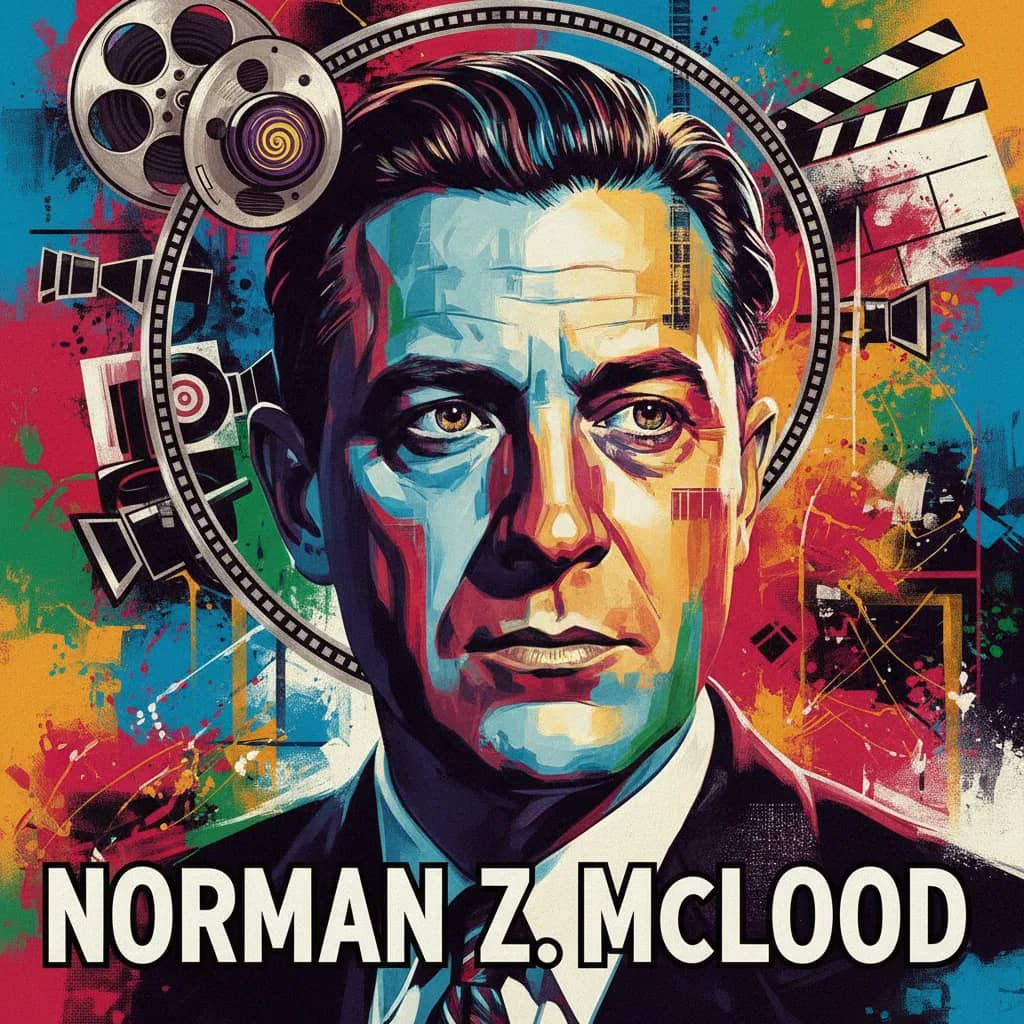
Norman Z. McLeod was an influential and versatile film director renowned for his comedic genius, innovative storytelling, and visual flair. Born in 1895, McLeod's career spanned several decades, during which he left an indelible mark on Hollywood's golden era. With a diverse filmography that included a wide range of genres, he became best known for his exceptional work in comedy, family, and musical films. His most celebrated work was the uproarious classic "Horse Feathers" (1932), a timeless comedy masterpiece that showcased his directorial prowess. McLeod's directorial style was characterized by a deft ability to blend slapstick humor with clever wit, creating a unique brand of comedy that resonated with audiences of all ages. His seamless incorporation of musical elements into his films further solidified his reputation as a visionary director. McLeod's films often featured zany, fast-paced sequences, whimsical visual gags, and a keen sense of timing, cementing his status as a master of comedic timing and visual storytelling. Throughout his career, McLeod displayed a remarkable knack for capturing the essence of lighthearted entertainment while infusing his works with subtle social commentary and timeless themes. His films often explored the absurdities of life with a playful yet incisive touch, endearing him to audiences and critics alike. McLeod's enduring impact on cinema can be attributed to his pioneering approach to blending humor, music, and family-friendly themes, influencing generations of filmmakers who followed in his footsteps. Norman Z. McLeod's legacy as a director lies in his ability to transport audiences into whimsical, imaginative worlds filled with laughter, joy, and timeless storytelling. His directorial contributions continue to inspire contemporary filmmakers, and his films remain cherished classics that have stood the test of time. With his sharp wit, innovative visual storytelling, and boundless creativity, McLeod's influence on the comedy and family film genres remains unparalleled, ensuring his place as a beloved and influential figure in the history of cinema.

Norton Virgien is a highly acclaimed animation director, best known for his exceptional work on "The Rugrats Movie" (1998). With a career spanning decades, Virgien has made a significant impact on the animation genre, captivating audiences with his distinctive directorial style and unique vision. "The Rugrats Movie" marked a pivotal moment in Virgien's career, as it showcased his ability to seamlessly blend animation, adventure, and comedy into a heartwarming and entertaining cinematic experience. His directorial prowess shone through in the film's seamless storytelling, captivating visuals, and endearing characters, solidifying his reputation as a masterful director in the animation realm. Virgien's directorial style is characterized by his keen attention to detail, a penchant for vibrant and immersive visuals, and an innate ability to infuse depth and emotion into his characters. His work often explores universal themes such as friendship, adventure, and the power of imagination, resonating with audiences of all ages. Throughout his career, Virgien has consistently delivered films that not only entertain but also provoke thought and evoke strong emotional connections. His dedication to storytelling and his ability to bring animated worlds to life have left an indelible mark on cinema, inspiring future generations of filmmakers and animators. Norton Virgien's contributions to the animation industry have been nothing short of groundbreaking, and his directorial legacy continues to shape the landscape of animated films. With a remarkable body of work and a reputation for excellence, Virgien remains a revered figure in the world of animation, and his films continue to stand the test of time, enchanting new audiences with each passing generation.

Nuri Bilge Ceylan is a Turkish film director known for his visually striking and emotionally profound works that delve into the complexities of human relationships and the human condition. With a filmography that includes "Kis Uykusu" (2014), "The Wild Pear Tree" (2018), "Once Upon a Time in Anatolia" (2011), "Climates" (2006), "Three Monkeys" (2008), "Distant" (2002), "Winter Sleep" (2014), and "Bir Zamanlar Anadolu'da" (2011), Ceylan has established himself as a master of contemplative cinema. Ceylan's directorial style is characterized by his meticulous attention to visual composition and a penchant for long, unhurried takes that allow the audience to immerse themselves in the intricate details of his characters' lives. His films often unfold at a deliberate pace, inviting viewers to reflect on the existential dilemmas and moral quandaries faced by his protagonists. Ceylan's use of natural light and awe-inspiring landscapes adds a poetic quality to his storytelling, creating a sense of timelessness and introspection. Notable for their thematic richness and psychological depth, Ceylan's films frequently explore the complexities of human nature, the search for meaning in life, and the tensions between tradition and modernity. His characters grapple with existential angst, moral ambiguity, and the weight of their past decisions, offering audiences a profound and introspective cinematic experience. Ceylan's impact on cinema extends beyond the boundaries of Turkish cinema, earning him international acclaim and numerous prestigious awards, including the Palme d'Or at the Cannes Film Festival for "Winter Sleep." His films have left an indelible mark on the global film landscape, inspiring a new generation of filmmakers to embrace introspective storytelling and visual poetry. Nuri Bilge Ceylan's unique vision and contributions to film have solidified his status as one of the most influential and revered directors in contemporary cinema, cementing his legacy as a true auteur with an uncompromising commitment to artistic excellence.

Nzingha Stewart is a multifaceted director known for her work in comedy, drama, and family films. Her standout achievement is the 2019 Netflix original movie "Tall Girl," which garnered significant attention for its heartwarming story and relatable characters. Stewart's directorial style is characterized by a keen understanding of human emotions and relationships, which she skillfully translates onto the screen. She has a knack for infusing her films with humor, empathy, and a strong sense of identity, making her work resonate with audiences of all ages. "Tall Girl" is a prime example of Stewart's ability to tackle complex themes with a light-hearted touch. The film explores the challenges of self-acceptance and the importance of embracing one's uniqueness, all while delivering a charming and entertaining narrative. Stewart's directorial approach in "Tall Girl" showcases her commitment to presenting authentic and empowering stories, particularly focusing on the adolescent experience and the universal struggle to find one's place in the world. Throughout her career, Nzingha Stewart has consistently demonstrated a dedication to creating inclusive and uplifting cinema. Her films often center on themes of self-discovery, empowerment, and the courage to defy societal norms. By infusing her work with a blend of humor, heart, and poignant storytelling, Stewart has made a significant impact on the film industry, offering a fresh perspective and amplifying underrepresented voices on screen. Nzingha Stewart's directorial contributions have left an indelible mark on contemporary cinema, solidifying her position as a visionary filmmaker with a distinct storytelling style. With her unique ability to blend humor and emotional depth, Stewart continues to captivate audiences and inspire a new generation of storytellers, cementing her status as a director to watch in the ever-evolving landscape of film.


Every film by the greats, ranked by our TML Score.

Christopher Nolan
Every film, ranked

Quentin Tarantino
Every film, ranked

Stanley Kubrick
Every film, ranked

Martin Scorsese
Every film, ranked

Steven Spielberg
Every film, ranked

Alfred Hitchcock
Every film, ranked

David Fincher
Every film, ranked

Denis Villeneuve
Every film, ranked

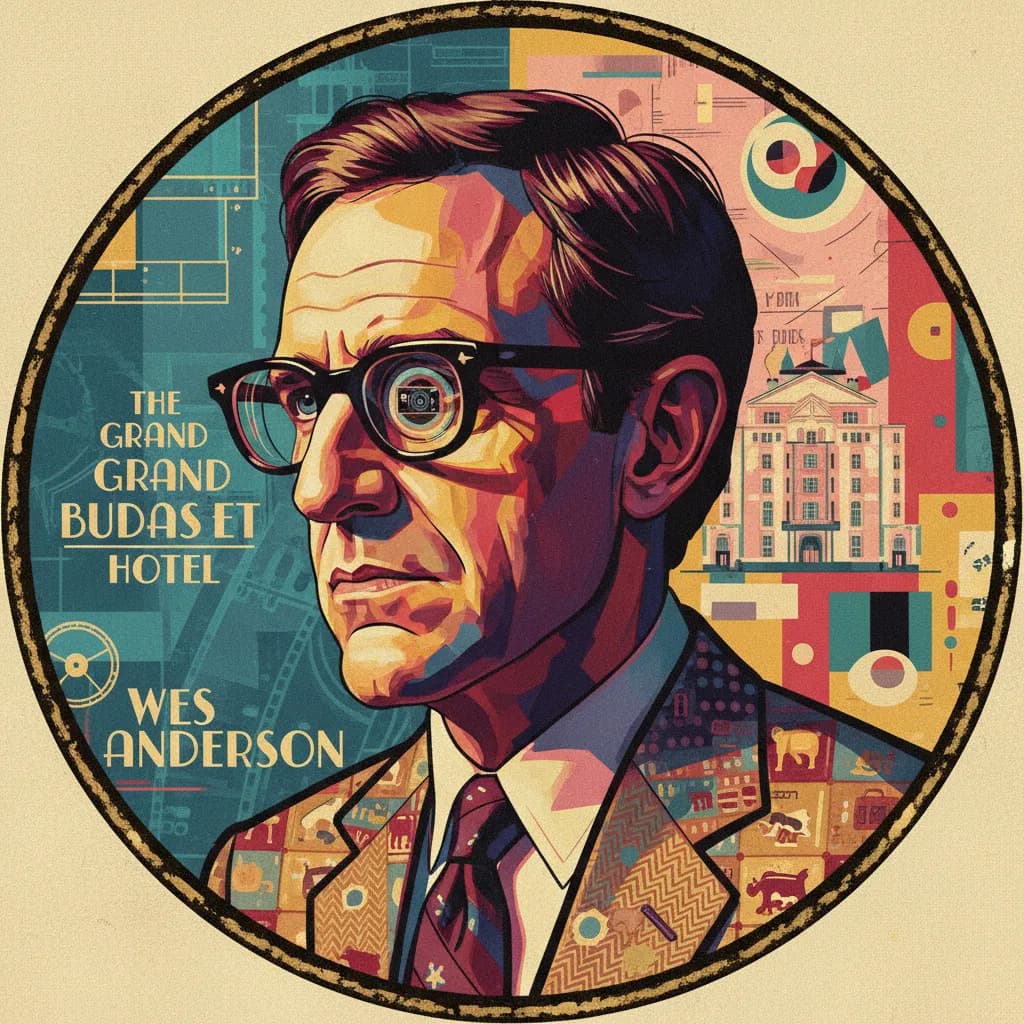
Wes Anderson
Every film, ranked

Paul Thomas Anderson
Every film, ranked

Ridley Scott
Every film, ranked

Tim Burton
Every film, ranked

Guillermo del Toro
Every film, ranked

Hayao Miyazaki
Every film, ranked

Akira Kurosawa
Every film, ranked

Francis Ford Coppola
Every film, ranked

Clint Eastwood
Every film, ranked

Bong Joon Ho
Every film, ranked

Woody Allen
Every film, ranked

Steven Soderbergh
Every film, ranked

Ron Howard
Every film, ranked

Pedro Almodóvar
Every film, ranked

Richard Linklater
Every film, ranked

Roman Polanski
Every film, ranked

Brian De Palma
Every film, ranked

Ingmar Bergman
Every film, ranked

Oliver Stone
Every film, ranked

David Cronenberg
Every film, ranked

Robert Zemeckis
Every film, ranked

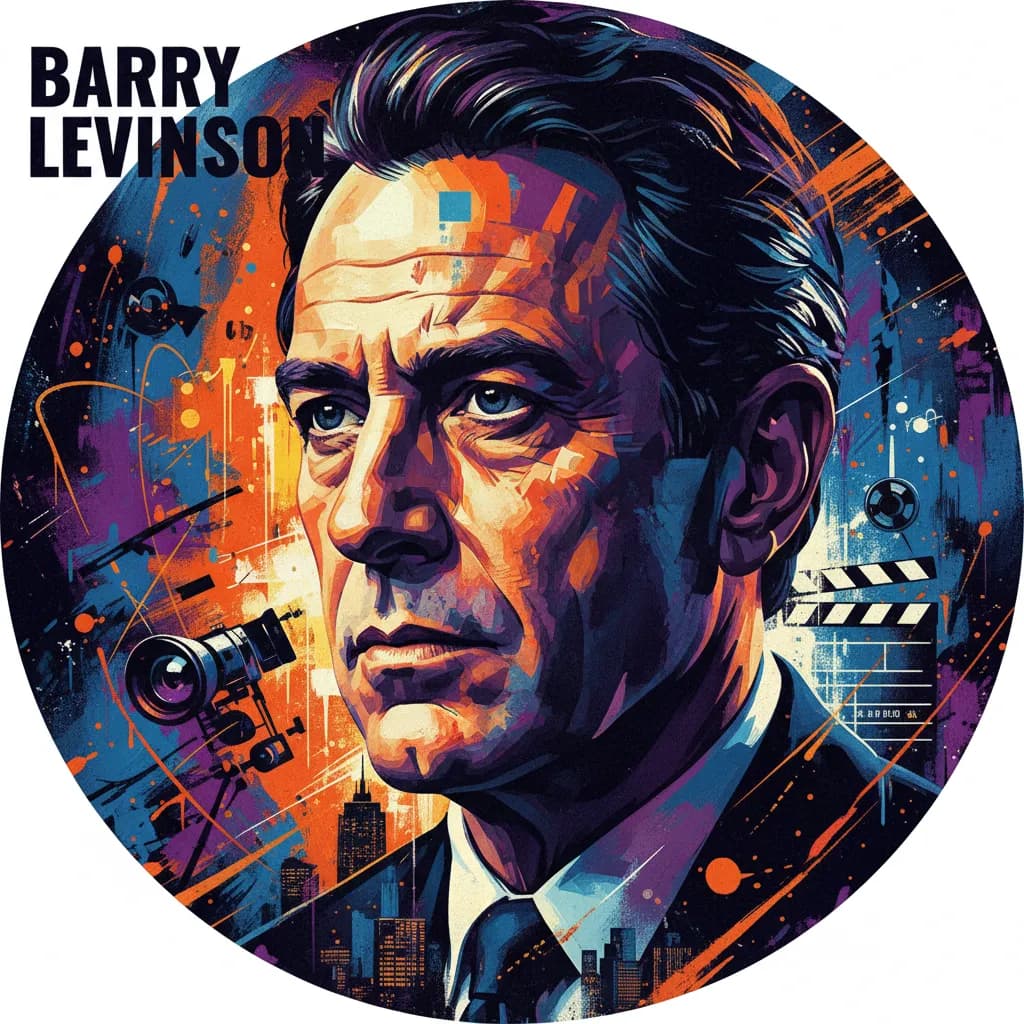
Barry Levinson
Every film, ranked

John Carpenter
Every film, ranked

Joel Schumacher
Every film, ranked

Billy Wilder
Every film, ranked

Rob Reiner
Every film, ranked

Neil Jordan
Every film, ranked

Spike Lee
Every film, ranked

Ivan Reitman
Every film, ranked

John Woo
Every film, ranked

Lasse Hallström
Every film, ranked

Stephen Frears
Every film, ranked

Luc Besson
Every film, ranked

Chris Columbus
Every film, ranked

Mike Nichols
Every film, ranked

Howard Hawks
Every film, ranked

Ang Lee
Every film, ranked

Walter Hill
Every film, ranked

Gus Van Sant
Every film, ranked

William Wyler
Every film, ranked

Renny Harlin
Every film, ranked

Sidney Lumet
Every film, ranked

Tony Scott
Every film, ranked