Discover the visionary filmmakers behind cinema's greatest works.
Explore our selection of acclaimed directors and their remarkable films.
Showing 2725-2736 out of 4148

Michel Ocelot is a visionary French director known for his distinctive and enchanting animated films. With a career spanning several decades, Ocelot has left an indelible mark on the world of animation with his unique directorial style and storytelling prowess. Ocelot's films often explore themes of empowerment, resilience, and the triumph of the human spirit, captivating audiences of all ages with their universal appeal and timeless narratives. Ocelot first gained widespread acclaim with his breakthrough film "Kirikou and the Sorceress" (1998), a captivating animated adventure that garnered international recognition for its breathtaking visuals and compelling storytelling. The film, set in a magical African village, follows the courageous young hero Kirikou as he embarks on a quest to save his people from a malevolent sorceress. Ocelot's masterful use of traditional animation techniques and rich, vibrant imagery brought the world of Kirikou to life, earning the film a place in the pantheon of animated classics. Throughout his career, Ocelot has continued to push the boundaries of animation, seamlessly blending traditional storytelling elements with innovative visual techniques. His films often celebrate diverse cultures and traditions, showcasing a deep reverence for the beauty and complexity of the world. Ocelot's directorial style is characterized by a keen attention to detail, meticulous craftsmanship, and a deep understanding of the power of visual storytelling. Ocelot's influence on the world of cinema extends far beyond his individual films, as he has inspired a new generation of animators and storytellers to push the boundaries of creativity and imagination. His enduring legacy as a director lies in his ability to transport audiences to fantastical worlds while imparting timeless lessons about courage, compassion, and the resilience of the human spirit. Whether through his captivating characters or visually stunning landscapes, Ocelot's films continue to captivate and inspire audiences, solidifying his reputation as a true master of the animated medium.

Mick Davis is a talented film director known for his evocative storytelling and visually stunning cinematic style. His notable filmography includes the biographical drama "Modigliani" (2004), which showcases his ability to bring historical figures to life on the silver screen. Davis's directorial style is characterized by meticulous attention to detail, immersive storytelling, and a keen eye for capturing the essence of his subjects. "Modigliani" stands as a testament to Davis's knack for bringing historical narratives to the screen with authenticity and emotional depth. The film delves into the turbulent life of the iconic Italian artist Amedeo Modigliani, capturing the essence of his artistic genius and personal struggles. Davis's directorial prowess is evident in the film's compelling narrative, striking visuals, and masterful portrayal of the artist's tumultuous life. Davis's directorial career is marked by a commitment to exploring the complex inner lives of his characters and delving into the human experience with profound insight. His films often grapple with themes of art, passion, and the human condition, resonating with audiences on a deep emotional level. Through his work, Davis has made a lasting impact on cinema, earning acclaim for his ability to breathe life into historical accounts and evoke powerful emotions through his storytelling. Mick Davis's unique vision and directorial contributions have solidified his status as a revered filmmaker in the industry. His ability to infuse historical narratives with emotional resonance and visual splendor sets him apart as a director with a distinct and compelling voice. With a keen understanding of the human experience and a talent for crafting immersive narratives, Davis continues to captivate audiences with his evocative storytelling and visually stunning films.

Mick Garris is a renowned film director known for his distinct contributions to the horror and fantasy genres. With a career spanning several decades, Garris has left an indelible mark on cinema through his unique directorial style and storytelling prowess. His directorial debut came with the cult classic "Critters 2: The Main Course" in 1988, where he showcased his ability to blend comedy, horror, and sci-fi elements seamlessly. This early success laid the groundwork for Garris's subsequent exploration of the supernatural and macabre in his directorial endeavors. One of Garris's most notable works is "Sleepwalkers" (1992), a chilling fantasy horror film that delves into the realm of shape-shifting creatures and the dark forces that haunt small-town America. With this film, Garris demonstrated his adeptness at creating an atmosphere of dread and suspense while weaving a compelling narrative that captivates audiences. His ability to elicit visceral reactions from viewers through expertly crafted tension and terror has solidified his reputation as a master of the horror genre. In 2004, Garris further solidified his standing in the horror genre with "Riding the Bullet," a gripping thriller that delves into the psychological depths of fear and mortality. Through his directorial vision, Garris skillfully navigated the intricacies of adapting Stephen King's work to the screen, showcasing his keen understanding of the author's macabre universe. His collaboration with King has yielded several successful adaptations, highlighting Garris's proficiency in bringing the author's literary nightmares to life on the silver screen. Garris's directorial style is characterized by a deep reverence for the supernatural, an exploration of human fears, and an unwavering commitment to crafting immersive and chilling experiences for audiences. His recurring themes often revolve around the juxtaposition of the ordinary with the otherworldly, creating a sense of unease and suspense that permeates his films. Garris's impact on cinema extends beyond his individual works, as he has played a pivotal role in shaping the modern horror landscape through his dedication to the craft and his ability to tap into the primal fears that resonate with viewers. In conclusion, Mick Garris's directorial career has been defined by his unwavering commitment to the horror and fantasy genres, his collaboration with renowned authors, and his ability to craft compelling narratives that leave a lasting impact on audiences. His unique vision and storytelling prowess have cemented his status as a revered figure in

Mick Jackson is a British film director known for his diverse range of directorial projects spanning across various genres. Jackson's career took off with the critically acclaimed "L.A. Story" in 1991, a whimsical comedy-drama that showcased his ability to blend humor with poignant storytelling. This early success propelled him into the Hollywood limelight, leading to the action-packed romantic drama "The Bodyguard" in 1992, which further solidified his reputation as a versatile director capable of delivering compelling narratives with mass appeal. In 1997, Mick Jackson ventured into the realm of disaster films with "Volcano," a gripping action-drama that showcased his adeptness at creating high-stakes, adrenaline-fueled spectacles. His directorial prowess shone through in the film's seamless combination of thrilling special effects and character-driven storytelling, cementing his status as a director capable of delivering visually stunning and emotionally resonant cinematic experiences. In 2016, Mick Jackson delved into the realm of biographical drama with "Denial," a thought-provoking film based on a true story. Through this project, Jackson demonstrated his ability to tackle weighty subjects with nuance and sensitivity, further expanding his repertoire and showcasing his versatility as a director capable of navigating diverse narrative terrains. Throughout his career, Mick Jackson has exhibited a penchant for crafting compelling stories that resonate with audiences on both an emotional and intellectual level. His ability to seamlessly transition between genres while maintaining a distinct directorial voice has solidified his status as a filmmaker with a keen understanding of storytelling and visual spectacle. Whether through his comedic flair, gripping action sequences, or thought-provoking dramas, Jackson's impact on cinema is marked by his unwavering commitment to delivering captivating narratives that leave a lasting impression on viewers. Mick Jackson's directorial style is characterized by a deft balance of gripping storytelling, visually arresting sequences, and a deep understanding of human emotions. His ability to infuse each project with a unique blend of entertainment and substance has earned him a revered place in the realm of film direction. With a career marked by a diverse array of projects spanning multiple genres, Mick Jackson continues to leave an indelible mark on cinema, showcasing his ability to captivate audiences and push the boundaries of storytelling with each new directorial endeavor.

Miguel Arteta is a versatile film director known for his distinctive blend of comedy, drama, and romance, often infused with social commentary and heartfelt storytelling. With a career spanning over two decades, Arteta has established himself as a director with a keen eye for character-driven narratives and a knack for extracting authentic performances from his actors. His filmography includes a diverse range of titles, from the uproarious comedy "Like a Boss" (2020) to the introspective drama "The Good Girl" (2002) and the heartwarming family film "Alexander and the Terrible, Horrible, No Good, Very Bad Day" (2014). One of Arteta's most notable works is "The Good Girl," a quietly powerful exploration of a woman's struggles with existential ennui and the complexities of love. Starring Jennifer Aniston in a departure from her typical roles, the film showcases Arteta's ability to delve into the human psyche with nuance and sensitivity. In "Beatriz at Dinner" (2017), Arteta tackles timely social and political themes through a darkly comedic lens, offering a thought-provoking commentary on class divisions and cultural clashes. Arteta's directorial style is characterized by his skillful navigation of emotional landscapes, blending humor with poignant moments to create deeply affecting stories. His films often revolve around characters at pivotal junctures in their lives, grappling with personal growth, relationships, and societal expectations. Whether crafting whimsical family comedies like "Yes Day" (2021) or crafting offbeat romantic tales such as "Youth in Revolt" (2009), Arteta infuses his work with a distinct blend of wit, warmth, and relatability. As a director, Miguel Arteta has made a significant impact on cinema by consistently delivering films that resonate with audiences on both an emotional and intellectual level. His ability to seamlessly weave together disparate genres and themes has solidified his reputation as a storyteller with a keen understanding of the human experience. Arteta's work stands as a testament to his artistry, leaving an indelible mark on the fabric of contemporary filmmaking.

Miguel Sapochnik is a visionary film director known for his unique storytelling and visually stunning cinematic style. With a diverse filmography that includes both blockbuster hits and critically acclaimed projects, Sapochnik has established himself as a masterful storyteller with a keen eye for detail and a talent for creating immersive, thought-provoking narratives. One of Sapochnik's most notable films is "Repo Men" (2010), a gripping action-packed sci-fi thriller that showcases his ability to blend high-octane action with thought-provoking themes. The film's striking visuals and intense storytelling solidified Sapochnik's reputation as a director with a distinct vision and a penchant for pushing the boundaries of the sci-fi genre. In 2021, Sapochnik directed "Finch," a captivating adventure-drama that delves into the complexities of the human experience and the relationship between man and machine. With his trademark visual flair and immersive storytelling, Sapochnik once again captivated audiences and critics alike, solidifying his status as a director with a unique ability to bring compelling narratives to life on the big screen. Sapochnik's directorial style is characterized by his meticulous attention to detail, stunning visual compositions, and a deep understanding of character-driven storytelling. His films often explore themes of humanity, morality, and the impact of technology on society, offering audiences a thought-provoking and visually captivating cinematic experience. With his impressive body of work and his ability to seamlessly blend genre elements with compelling narratives, Sapochnik has made a significant impact on the world of cinema. His unique vision and contributions to the sci-fi and action genres have solidified his place as a director to watch, and his future projects are eagerly anticipated by audiences and industry insiders alike.

Mikael Håfström is a Swedish film director known for his diverse portfolio of gripping and visually stunning movies. With a career spanning over two decades, Håfström has made a mark in the industry with his distinct directorial style and ability to seamlessly navigate across various genres. His filmography boasts a range of successful films, including "Derailed" (2005), a gripping crime thriller, "Escape Plan" (2013), an action-packed thriller, "Ondskan" (2003), a powerful drama, "Outside the Wire" (2021), an action-adventure, and "The Rite" (2011), a compelling mix of drama, horror, and mystery. Håfström's directorial style is characterized by his adeptness in creating intense, edge-of-your-seat experiences for audiences. He has a talent for crafting taut narratives, building suspense, and delivering unexpected plot twists that keep viewers engaged from start to finish. His films often feature complex characters and explore the darker aspects of human nature, adding depth and dimension to his storytelling. Notable themes in Håfström's work include the exploration of moral dilemmas, the human capacity for both good and evil, and the psychological intricacies of his characters. He has a knack for delving into the complexities of interpersonal relationships and the inner struggles of his protagonists, infusing his films with emotional depth and resonance. Håfström's impact on cinema is evident in his ability to seamlessly transition between different genres, showcasing his versatility as a director. His films have garnered critical acclaim and commercial success, solidifying his reputation as a director capable of delivering compelling, high-quality cinema across diverse genres. With a keen eye for visual storytelling and a talent for building suspense, Håfström continues to captivate audiences and leave an indelible mark on the film industry.

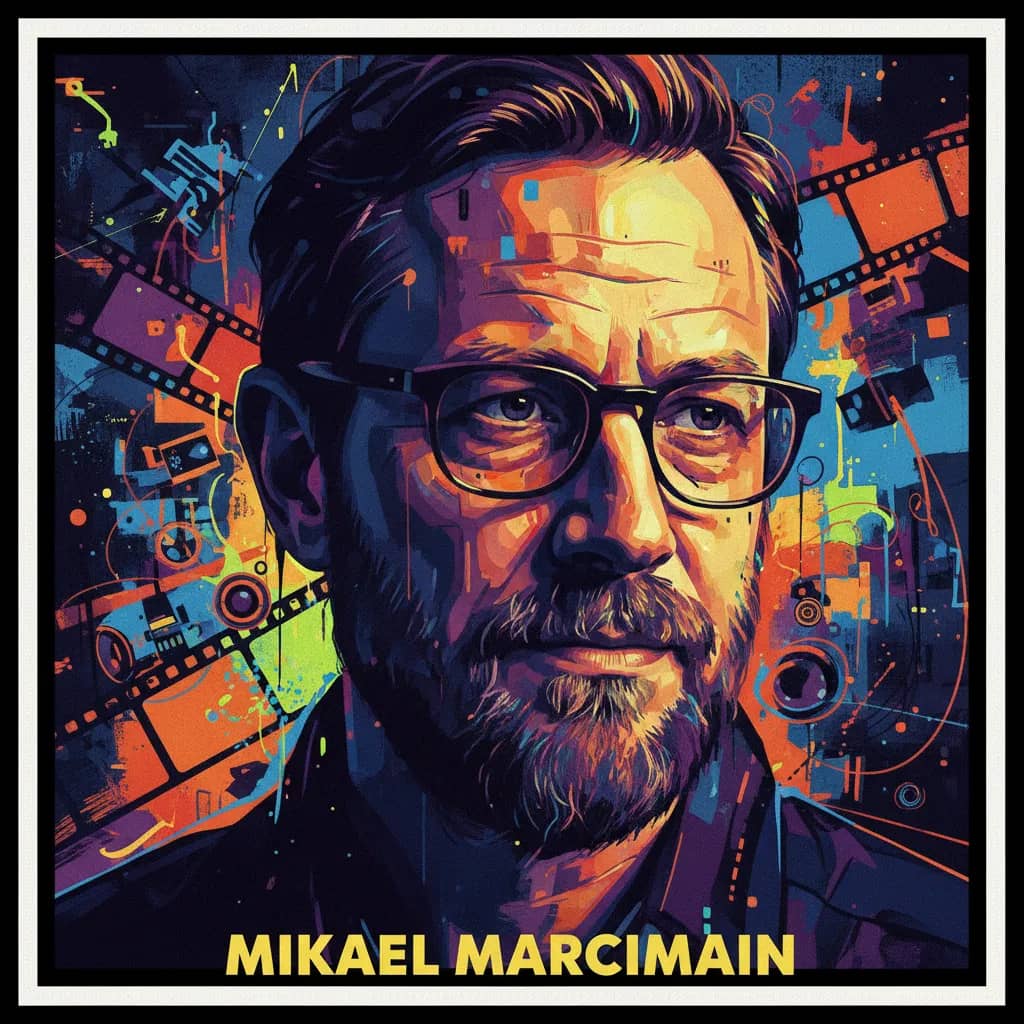
Mikael Marcimain is a Swedish film director known for his distinct directorial style and unique storytelling approach. With a career spanning over two decades, Marcimain has left an indelible mark on the film industry with his impressive body of work. His notable film "Horizon Line" (2020) exemplifies his prowess in crafting compelling narratives within the action, adventure, and drama genres. Marcimain's directorial style is characterized by his adeptness at creating immersive and visually stunning cinematic experiences. His keen eye for detail and ability to seamlessly blend action with gripping drama has solidified his reputation as a visionary director. "Horizon Line" stands as a testament to Marcimain's skill in infusing high-octane adventure with deeply resonant human emotions, captivating audiences with its thrilling storyline and breathtaking visuals. Throughout his career, Marcimain has explored recurring themes such as resilience, human survival, and the complexities of interpersonal relationships. His films often delve into the depths of the human psyche, portraying characters who navigate extraordinary circumstances while grappling with their innermost fears and desires. Marcimain's ability to intricately weave these themes into his narratives sets him apart as a director with a profound understanding of the human experience. With "Horizon Line" and his other works, Mikael Marcimain has made a significant impact on cinema, pushing the boundaries of storytelling and redefining the action-adventure genre. His contributions have garnered acclaim from audiences and critics alike, cementing his status as a director with a distinct vision and an unparalleled ability to transport viewers into mesmerizing worlds of his creation. As he continues to leave an indelible mark on the film industry, audiences can eagerly anticipate the next captivating tale that Mikael Marcimain will bring to the silver screen.

Mikael Salomon is a renowned film director known for his exceptional visual storytelling and ability to seamlessly blend action, crime, and drama genres into captivating cinematic experiences. With a career spanning several decades, Salomon has left an indelible mark on the film industry, demonstrating a keen eye for impactful visuals and immersive storytelling. While he has an extensive body of work, one of his standout films is "Hard Rain" (1998), which showcased his adeptness at crafting high-octane action sequences within a tense and atmospheric setting. Salomon's directorial style is characterized by his meticulous attention to detail and his adeptness at creating immersive, pulse-pounding cinematic experiences. His films often feature stunning cinematography and dynamic visual compositions, drawing audiences into the heart of the action. "Hard Rain" exemplifies his ability to infuse intense action with compelling character-driven narratives, effectively immersing viewers in a world fraught with danger and moral complexity. Throughout his career, Salomon has demonstrated a penchant for exploring themes of survival, moral ambiguity, and the human psyche under duress. His films often delve into the depths of human nature when faced with extraordinary circumstances, offering audiences thought-provoking insights into the complexities of the human condition. This thematic richness, coupled with his masterful command of visual storytelling, has solidified Salomon's reputation as a director capable of delivering compelling narratives with a distinct visual flair. Salomon's impact on cinema extends beyond his individual films, as he has consistently pushed the boundaries of what is achievable within the action, crime, and drama genres. His contributions have helped shape the visual language of contemporary cinema, inspiring a new generation of filmmakers to embrace bold, kinetic storytelling infused with striking visuals. As a director, Salomon continues to captivate audiences with his unique vision and unwavering commitment to delivering exhilarating, visually arresting cinema. In conclusion, Mikael Salomon stands as a visionary director whose unparalleled skill in crafting immersive, action-packed narratives has left an indelible mark on the film industry. With "Hard Rain" serving as a testament to his ability to merge pulse-pounding action with compelling drama, Salomon's directorial prowess continues to captivate audiences and inspire filmmakers alike. His legacy as a masterful storyteller and visual artist remains an integral part of contemporary cinema, and his contributions to the medium are sure to resonate for years to come.

Mike Ahern is a dynamic director known for blending comedy, fantasy, and horror elements in his work, creating a unique and captivating cinematic experience. His notable film, "Extra Ordinary" (2019), exemplifies his directorial style, showcasing his ability to seamlessly intertwine humor with supernatural themes. Ahern's films often delve into the extraordinary, infusing everyday life with a touch of the supernatural and exploring the comedic potential within the horror genre. "Extra Ordinary" stands as a testament to Ahern's ability to craft a compelling narrative that seamlessly weaves together disparate genres, creating a film that is both entertaining and thought-provoking. Through his distinct directorial style, Ahern has carved out a niche for himself in the film industry, earning recognition for his innovative approach to storytelling and genre blending. One of the recurring themes in Ahern's work is the exploration of the supernatural within the context of ordinary life. This thematic exploration allows Ahern to infuse his films with a sense of wonder and whimsy, creating an immersive experience for audiences. Additionally, Ahern's keen sense of humor permeates his work, adding levity to the often dark and mysterious subject matter he tackles. Ahern's impact on cinema is evident in the way he fearlessly pushes boundaries and defies genre conventions, breathing new life into familiar tropes and narratives. His unique vision and directorial prowess have garnered acclaim from both audiences and critics, solidifying his status as a director to watch in the ever-evolving landscape of filmmaking. As he continues to hone his craft and expand his repertoire, Mike Ahern remains a driving force in the realm of genre-bending cinema, leaving an indelible mark on the industry.

Mike Barker is a talented film director known for his diverse range of work across various genres. With a career spanning several decades, Barker has made a name for himself with his distinct directorial style and keen storytelling abilities. His notable films include "Shattered" (2007), a gripping crime drama thriller, "A Good Woman" (2004), a captivating drama infused with comedy and romance, and the highly anticipated "Luckiest Girl Alive" (2022), a compelling drama mystery thriller. Barker's directorial style is characterized by his ability to delve deep into the human psyche, bringing forth complex emotions and rich character development. His films are often lauded for their compelling narratives, intense storytelling, and visually striking cinematography. Barker has a knack for creating immersive cinematic experiences that resonate with audiences and critics alike. Throughout his career, Barker has explored a wide array of themes, from the complexities of human relationships to the intricacies of crime and mystery. His films often delve into the darker aspects of human nature, presenting thought-provoking narratives that challenge societal norms and conventions. Barker's ability to infuse depth and nuance into his storytelling has set him apart as a director with a keen understanding of human behavior and emotion. Barker's impact on cinema is evident in his ability to seamlessly navigate between different genres, showcasing his versatility and adaptability as a director. His films have left a lasting impression on audiences, with their powerful storytelling and memorable characters. Barker's unique vision and contributions to film have solidified his position as a director to watch, with each new project eagerly anticipated by cinephiles and industry insiders alike. In conclusion, Mike Barker's illustrious career as a film director is a testament to his creativity, storytelling prowess, and unwavering dedication to his craft. With a diverse filmography that spans across genres, Barker continues to captivate audiences with his compelling narratives and visually stunning storytelling. As he continues to push the boundaries of cinematic storytelling, Barker's influence on the industry is sure to endure for years to come.

Mike Bigelow is a renowned film director best known for his work in the comedy genre. He made his directorial debut with the uproarious film "Deuce Bigalow: European Gigolo" in 2005. Bigelow's directorial style is characterized by his ability to infuse humor with a touch of absurdity, creating a distinctive and memorable cinematic experience for audiences. His films often feature over-the-top characters and outlandish situations, making them a delightful escape for viewers seeking pure entertainment. "Deuce Bigalow: European Gigolo" stands as Bigelow's most notable film, showcasing his knack for crafting outrageous comedy with a hint of heart. The film's success solidified his position as a director capable of delivering side-splitting laughter while also addressing deeper themes. Throughout his career, Bigelow has consistently brought his unique vision to the screen, earning a dedicated following of fans who eagerly anticipate his next project. Bigelow's films often explore themes of self-discovery, acceptance, and the absurdity of everyday life, resonating with audiences on a universal level. His ability to blend humor with meaningful storytelling has made him a significant figure in the comedy genre. With his distinct directorial approach, he has left an indelible mark on cinema, inspiring a new wave of comedic filmmakers to push boundaries and embrace the unconventional. As a director, Mike Bigelow has made a lasting impact on the film industry, contributing to the evolution of comedy in cinema. His ability to create larger-than-life characters and absurd scenarios has redefined the boundaries of humor on screen, influencing a generation of filmmakers and entertainers. With his signature style and unwavering commitment to crafting memorable experiences, Bigelow continues to shape the landscape of comedy in film, leaving audiences eagerly awaiting his next comedic masterpiece.
Every film by the greats, ranked by our TML Score.

Christopher Nolan
Every film, ranked

Quentin Tarantino
Every film, ranked

Stanley Kubrick
Every film, ranked

Martin Scorsese
Every film, ranked

Steven Spielberg
Every film, ranked

Alfred Hitchcock
Every film, ranked

David Fincher
Every film, ranked

Denis Villeneuve
Every film, ranked

Wes Anderson
Every film, ranked

Paul Thomas Anderson
Every film, ranked

Ridley Scott
Every film, ranked

Tim Burton
Every film, ranked

Guillermo del Toro
Every film, ranked

Hayao Miyazaki
Every film, ranked

Akira Kurosawa
Every film, ranked

Francis Ford Coppola
Every film, ranked

Clint Eastwood
Every film, ranked

Bong Joon Ho
Every film, ranked

Woody Allen
Every film, ranked

Steven Soderbergh
Every film, ranked

Ron Howard
Every film, ranked

Pedro Almodóvar
Every film, ranked

Richard Linklater
Every film, ranked

Roman Polanski
Every film, ranked

Brian De Palma
Every film, ranked

Ingmar Bergman
Every film, ranked

Oliver Stone
Every film, ranked

David Cronenberg
Every film, ranked

Robert Zemeckis
Every film, ranked

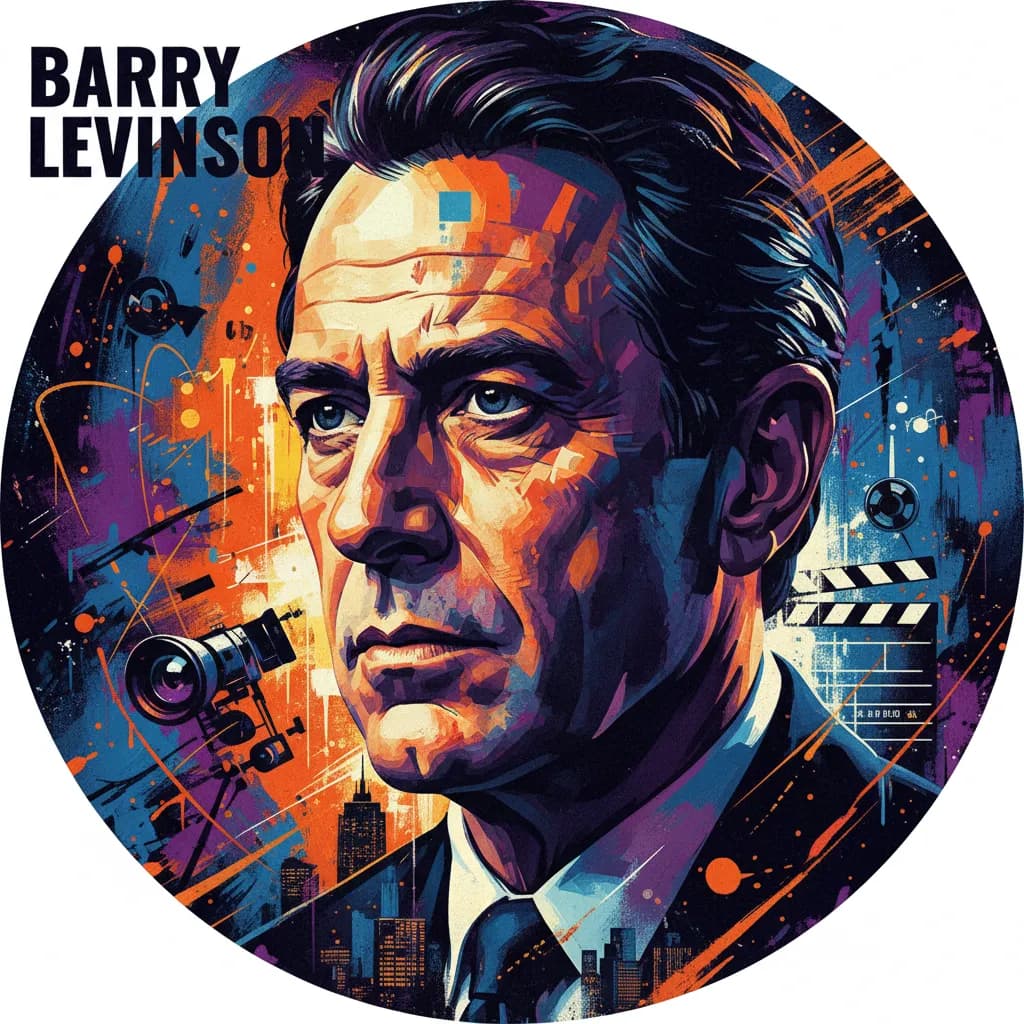
Barry Levinson
Every film, ranked

John Carpenter
Every film, ranked

Joel Schumacher
Every film, ranked

Billy Wilder
Every film, ranked

Rob Reiner
Every film, ranked

Neil Jordan
Every film, ranked

Spike Lee
Every film, ranked

Ivan Reitman
Every film, ranked

John Woo
Every film, ranked

Lasse Hallström
Every film, ranked

Stephen Frears
Every film, ranked

Luc Besson
Every film, ranked

Chris Columbus
Every film, ranked

Mike Nichols
Every film, ranked

Howard Hawks
Every film, ranked

Ang Lee
Every film, ranked

Walter Hill
Every film, ranked

Gus Van Sant
Every film, ranked

William Wyler
Every film, ranked

Renny Harlin
Every film, ranked

Sidney Lumet
Every film, ranked

Tony Scott
Every film, ranked