Discover the visionary filmmakers behind cinema's greatest works.
Explore our selection of acclaimed directors and their remarkable films.
Showing 2713-2724 out of 4148

Michael Tiddes is a talented director known for his work in the comedy, fantasy, and horror genres. His notable films include "A Haunted House" (2013) and its sequel "A Haunted House 2" (2014). Tiddes has made a mark in the industry with his distinct directorial style, blending humor, fantasy elements, and horror tropes to create entertaining and unique cinematic experiences. Tiddes' directorial style is characterized by a keen sense of timing and a sharp understanding of comedic and horror elements. He has a knack for infusing his films with a mix of slapstick humor, witty dialogue, and clever visual gags, all while incorporating the tense and eerie atmosphere commonly associated with the horror genre. His ability to seamlessly blend these disparate elements has garnered him a dedicated fan base and critical acclaim. The "A Haunted House" films exemplify Tiddes' directorial prowess, showcasing his ability to subvert horror tropes while delivering laugh-out-loud moments and genuine scares. Tiddes' films often explore themes of supernatural encounters, haunted houses, and the paranormal, albeit with a comedic twist. His unique approach to storytelling and genre-bending has set him apart as a director with a fresh and innovative vision. Tiddes' impact on cinema lies in his ability to push the boundaries of traditional genre filmmaking, infusing his work with a distinct personality and a flair for the unexpected. His films resonate with audiences who appreciate a blend of humor and horror, offering a refreshing take on familiar tropes. Tiddes' contributions to the industry have helped redefine the comedic horror genre, inspiring a new wave of filmmakers to explore the possibilities of blending disparate genres to create captivating and entertaining cinema. With a growing body of work, Michael Tiddes continues to leave his mark on the film industry, showcasing his unique vision and directorial talent. In conclusion, Michael Tiddes is a director whose work continues to captivate audiences with its blend of comedy, fantasy, and horror. His films stand as a testament to his unique directorial style, offering a fresh and innovative take on genre filmmaking. Tiddes' impact on cinema is undeniable, and his contributions have solidified his status as a filmmaker with a distinct vision and an enduring influence on the industry.


Michael Tollin is an accomplished film director known for his knack for blending heartwarming drama with comedy and romance. With a career spanning over two decades, Tollin has left an indelible mark on the film industry with his unique storytelling style and memorable characters. His notable films include "Summer Catch" (2001), a romantic comedy-drama that captures the essence of small-town life and the pursuit of dreams, and "Radio" (2003), a poignant biographical drama that explores the transformative power of compassion and friendship. Tollin's directorial style is characterized by his ability to infuse emotional depth into his narratives while maintaining a lighthearted and relatable tone. His films often delve into themes of personal growth, human connections, and the triumph of the human spirit, resonating with audiences on a profound level. Tollin's adeptness at capturing the complexities of human relationships and the resilience of the human soul sets his work apart, making him a revered figure in the film industry. With a keen eye for casting and a talent for eliciting authentic performances from his actors, Tollin has consistently delivered compelling and uplifting stories that endure in the hearts of viewers. His films have showcased his commitment to celebrating the triumphs and tribulations of everyday life, creating a cinematic legacy that continues to inspire and captivate audiences worldwide. Tollin's impact on cinema extends beyond his directorial achievements, as he has also made significant contributions to the sports film genre, using the backdrop of athletics to explore universal themes of perseverance, camaraderie, and self-discovery. His ability to seamlessly blend sports with heartfelt storytelling has solidified his reputation as a versatile and visionary director, leaving an indelible mark on the film landscape. In summary, Michael Tollin's directorial career is defined by his ability to craft emotionally resonant narratives that speak to the human experience. His films stand as testaments to the enduring power of storytelling, and his versatile approach to filmmaking has earned him a well-deserved place among the most influential directors in the industry. Tollin's legacy is one of inspiration, empathy, and the unwavering belief in the transformative nature of cinema.

Michael Wadleigh is a visionary film director known for his groundbreaking work in the horror and thriller genres. Wadleigh is best known for his directorial debut in the 1981 film "Wolfen." His distinct directorial style and innovative storytelling techniques have left an indelible mark on the world of cinema. "Wolfen" is a prime example of Wadleigh's directorial prowess, showcasing his ability to create an eerie and suspenseful atmosphere that captivates audiences. The film's seamless blend of horror and thriller elements, coupled with Wadleigh's unique visual storytelling, solidified his reputation as a director with a keen ability to evoke fear and tension on screen. Throughout his career, Wadleigh has demonstrated a penchant for exploring themes of the supernatural, the unknown, and the human psyche. His films often delve into the darker aspects of human nature, inviting viewers to confront their deepest fears and anxieties. Wadleigh's ability to infuse his work with thought-provoking narratives and complex characters has earned him a dedicated following among fans of the horror and thriller genres. Wadleigh's impact on cinema extends beyond his directorial achievements. His innovative approach to storytelling and his willingness to push the boundaries of conventional filmmaking have paved the way for future generations of directors. His contributions to the horror and thriller genres have influenced countless filmmakers, leaving an enduring legacy in the world of cinema. In conclusion, Michael Wadleigh's directorial career is a testament to his unparalleled creativity and his ability to craft visually stunning and emotionally resonant films. His directorial debut with "Wolfen" solidified his status as a trailblazer in the horror and thriller genres, and his work continues to inspire and captivate audiences to this day. Wadleigh's unique vision and impactful contributions to film have secured his place as a legendary figure in the world of cinema.

Michael Winner was a prolific film director known for his work in the action, crime, and drama genres. Born in London in 1935, Winner made a name for himself with his distinct directorial style and bold storytelling. His impact on cinema is most notably felt through his work on the "Death Wish" series, particularly "Death Wish II" (1982) and "Death Wish 3" (1985), which solidified his reputation as a director with a penchant for gritty, intense narratives. Winner's directorial style was characterized by a focus on raw, unfiltered storytelling that delved into the darker aspects of human nature. His films often explored themes of vigilantism, justice, and the consequences of violence, resonating with audiences through their visceral and thought-provoking narratives. Winner's ability to craft intense and action-packed sequences set against the backdrop of urban decay and moral ambiguity became a trademark of his work, earning him a dedicated following among fans of the genre. In "Death Wish II," Winner delved deeper into the vigilante narrative, depicting the protagonist's relentless quest for justice in the face of personal tragedy. The film's unflinching portrayal of violence and its impact on society sparked discussions about the ethics of vigilantism and the nature of retribution, cementing Winner's reputation as a director unafraid to tackle controversial subject matter. Similarly, "Death Wish 3" continued to explore the themes of justice and urban decay, showcasing Winner's ability to create tension-filled, action-packed scenes that kept audiences on the edge of their seats. Michael Winner's impact on cinema is undeniable, as his films continue to be celebrated for their uncompromising storytelling and unapologetic exploration of complex themes. His unique vision and directorial prowess have left an indelible mark on the action and crime genres, influencing a generation of filmmakers and captivating audiences with his gripping narratives. Winner's legacy as a filmmaker who fearlessly pushed the boundaries of conventional storytelling continues to resonate, solidifying his status as a true maverick in the world of cinema.

Michael Winterbottom is a prolific and versatile British film director known for his eclectic filmography and innovative storytelling techniques. With a career spanning over three decades, Winterbottom has established himself as a director with a keen eye for capturing the complexities of human relationships and societal issues. His films often delve into dark and gritty subject matter, offering audiences a raw and unflinching portrayal of the human condition. One of Winterbottom's most notable works is "A Mighty Heart" (2007), a gripping biographical drama based on the true story of journalist Daniel Pearl's abduction and murder in Pakistan. The film showcases Winterbottom's ability to blend intense drama with a documentary-style approach, creating a deeply immersive and emotional experience for viewers. Another standout in his filmography is "The Road to Guantanamo" (2006), a powerful and controversial drama that follows the harrowing experiences of three British Muslims who were detained at Guantanamo Bay. Winterbottom's fearless exploration of political and social issues sets him apart as a director unafraid to tackle challenging and thought-provoking subject matter. Winterbottom's directorial style is characterized by his willingness to experiment with various genres, from crime thrillers like "The Killer Inside Me" (2010) to comedic dramas such as "The Trip to Italy" (2014). His films often feature non-linear narratives, handheld camera work, and a naturalistic visual aesthetic that lends an authentic and immersive quality to his storytelling. Additionally, Winterbottom's recurring themes of identity, morality, and the impact of globalization on individuals have cemented his reputation as a filmmaker unafraid to confront uncomfortable truths. Throughout his career, Winterbottom has left an indelible mark on cinema, earning critical acclaim and accolades for his boundary-pushing approach to filmmaking. His ability to tackle a wide range of genres and subject matter while maintaining a distinct directorial voice has solidified his status as a visionary filmmaker with a unique perspective. Winterbottom's contributions to the film industry continue to inspire and challenge both audiences and fellow filmmakers, securing his place as a trailblazer in contemporary cinema.

Michael Zimbalist is a distinguished film director known for his exceptional storytelling and innovative approach to filmmaking. With a career spanning several decades, Zimbalist has made a significant impact on the industry, particularly with his notable film "Pele: Birth of a Legend" (2016). This biographical drama showcases his ability to capture the essence of a compelling narrative while infusing it with emotional depth and authenticity. Zimbalist's directorial style is characterized by his adeptness at bringing real-life stories to the screen with a captivating and impactful cinematic flair. "Pele: Birth of a Legend" stands as a testament to Zimbalist's prowess in helming biographical dramas and sports-themed films. His keen eye for detail and commitment to authenticity shine through in his meticulous portrayal of the legendary Brazilian footballer Pele's journey to stardom. Zimbalist's adept direction elevates the film, making it a riveting and emotionally resonant experience for audiences. Throughout his career, Zimbalist has demonstrated a penchant for delving into the human spirit, resilience, and triumph over adversity, often weaving these themes into his works. His films are marked by their ability to inspire, uplift, and offer profound insights into the human experience. Zimbalist's commitment to storytelling that resonates on a deep, emotional level has garnered him acclaim and cemented his status as a director with a unique and impactful vision. Zimbalist's contributions to cinema extend beyond his directorial achievements, as he has played a pivotal role in shaping the landscape of biographical and sports-themed films. His dedication to portraying the lives of iconic figures with reverence and authenticity has left an indelible mark on the industry. As a director, Zimbalist continues to push the boundaries of storytelling, captivating audiences with his compelling narratives and distinctive directorial style. His impact on cinema is profound, and his legacy as a visionary filmmaker is sure to endure for years to come.

Michelangelo Antonioni was a pioneering Italian film director known for his distinct visual style and exploration of existential themes. His career spanned over five decades and produced a body of work that significantly impacted the world of cinema. Antonioni's directorial style was characterized by his use of long takes, striking compositions, and a deliberate pacing that invited audiences to contemplate the complexities of human existence. One of Antonioni's most notable films is "L'Avventura" (1960), which marked a turning point in his career and solidified his reputation as a master filmmaker. The film's enigmatic narrative and visually arresting cinematography captivated audiences and critics alike, earning it the prestigious Jury Prize at the Cannes Film Festival. "L'Avventura" also introduced recurring themes in Antonioni's work, such as alienation, the search for meaning, and the fragility of human relationships. Another iconic work in Antonioni's filmography is "Blow-Up" (1966), a groundbreaking exploration of perception and reality set in the swinging London of the 1960s. This mystery thriller not only showcased Antonioni's mastery of visual storytelling but also challenged traditional narrative conventions, influencing a generation of filmmakers with its innovative approach to storytelling and visual aesthetics. Antonioni's impact on cinema is undeniable, as his films continue to inspire and influence contemporary directors. His daring exploration of existential themes and innovative visual language expanded the possibilities of cinematic storytelling, earning him a revered place in the history of film. Furthermore, his films have left an indelible mark on the landscape of international cinema, cementing his legacy as a visionary director whose work continues to resonate with audiences and filmmakers worldwide. In summary, Michelangelo Antonioni's directorial career was defined by his unique vision, uncompromising artistic sensibility, and profound exploration of human existence. His films, including "L'Avventura" and "Blow-Up," not only captivated audiences with their visual beauty but also challenged the conventions of storytelling, leaving an enduring impact on the world of cinema. Antonioni's legacy as a pioneering director continues to shape the evolution of filmmaking, securing his position as one of the most influential figures in the history of cinema.

Michele Mulroney is a talented film director known for her work in the comedy-drama genre. Her notable filmography includes the 2009 film "Paper Man," which showcased her distinct directorial style and storytelling prowess. Mulroney's directorial approach is characterized by a keen focus on character-driven narratives and emotional depth, resulting in compelling and thought-provoking cinematic experiences. In "Paper Man," Mulroney masterfully weaves a poignant and humorous tale that delves into the complexities of human relationships and the journey of self-discovery. Her ability to infuse humor with sincere emotional resonance sets her apart as a director with a unique vision and storytelling sensibility. Mulroney's keen insight into the human psyche shines through in her films, as she explores themes of introspection, personal growth, and the intricacies of human connection. With "Paper Man," Mulroney made a significant impact on cinema by delivering a film that resonated with audiences on a profound level. Her directorial finesse and ability to elicit authentic performances from her cast have solidified her reputation as a director to watch. Mulroney's emphasis on character development and nuanced storytelling has garnered acclaim from both critics and viewers, cementing her status as a director with a distinct and compelling voice in the industry. As a director, Michele Mulroney continues to captivate audiences with her compelling narratives and insightful exploration of the human experience. Her contributions to the comedy-drama genre have left an indelible mark on cinema, earning her a place among the most notable and influential directors of her generation. With her unique directorial style and unwavering commitment to storytelling excellence, Mulroney's future projects are highly anticipated, promising to further enrich the cinematic landscape with her exceptional talent and visionary approach to filmmaking.

Michele Soavi is an Italian film director known for his unique blend of dark humor, horror, and visually striking storytelling. He first made a name for himself as an assistant director to the legendary Italian horror maestro Dario Argento, where he honed his craft and developed his own distinct directorial style. Soavi's directorial debut came with the 1987 film "Stage Fright," a slasher movie that showcased his knack for creating tension and atmosphere. However, it was his 1994 cult classic "Cemetery Man" that solidified his reputation as a visionary director. "Cemetery Man," also known as "Dellamorte Dellamore," is a surreal and darkly comedic horror film that perfectly encapsulates Soavi's directorial style. The film revolves around the caretaker of a cemetery who must confront the living dead that rise from their graves. Soavi's masterful use of visual storytelling, macabre humor, and stunning cinematography elevates "Cemetery Man" to a cult classic status, earning admiration from horror aficionados and cinephiles alike. Soavi's directorial approach is characterized by his ability to seamlessly blend horror, fantasy, and dark comedy, creating a unique and immersive cinematic experience. His films often explore existential themes, the thin line between life and death, and the absurdity of human existence, all while maintaining a visually striking and atmospheric aesthetic. His impact on cinema extends beyond his directorial work, as he has influenced a new generation of filmmakers through his innovative storytelling and boundary-pushing narratives. While "Cemetery Man" remains Soavi's most celebrated work, his contributions to the horror genre and his distinct directorial vision have left an indelible mark on the world of cinema. His ability to infuse horror with dark humor and philosophical undertones has earned him a devoted fan base and cemented his status as a visionary director. Michele Soavi's legacy continues to inspire and captivate audiences, solidifying his place as a master of the macabre and a true auteur in the realm of horror cinema.

Michel Gomez is a visionary director known for his high-octane action sequences and masterful blend of comedy and adventure. His most notable film to date is "Operation Condor" (2022), which exemplifies his signature directorial style. With a career spanning over two decades, Gomez has left an indelible mark on the film industry, captivating audiences with his immersive storytelling and dynamic visual flair. Gomez's directorial style is characterized by his adeptness at creating adrenaline-pumping action sequences while infusing them with a lighthearted comedic touch. This unique blend of genres has set him apart in the industry, earning him a dedicated following of fans who eagerly anticipate his next project. "Operation Condor" exemplifies Gomez's ability to seamlessly intertwine heart-racing stunts with witty humor, showcasing his mastery of both action and comedy elements in filmmaking. Throughout his career, Gomez has consistently explored themes of bravery, camaraderie, and the triumph of the human spirit in the face of adversity. His films often feature charismatic characters who embark on exhilarating adventures, resonating with audiences on a visceral level. With an astute understanding of visual storytelling, Gomez crafts immersive cinematic experiences that transport viewers into captivating worlds filled with excitement and laughter. Gomez's impact on cinema extends beyond his individual films, as he has contributed to the evolution of the action-adventure genre, infusing it with his distinct directorial sensibilities. His ability to balance pulse-pounding thrills with comedic levity has influenced a new generation of filmmakers, inspiring them to explore unconventional approaches to storytelling. As a trailblazer in his field, Gomez continues to push the boundaries of cinematic storytelling, solidifying his status as a directorial maverick. In conclusion, Michel Gomez's directorial career is defined by his unparalleled ability to craft exhilarating action-adventure films that resonate with audiences on a profound level. With "Operation Condor" serving as a testament to his directorial prowess, Gomez has cemented his legacy as a visionary filmmaker who has redefined the boundaries of genre filmmaking. As he continues to captivate audiences with his electrifying storytelling, Gomez remains a driving force in the world of cinema, inspiring both audiences and aspiring filmmakers alike.

Michel Gondry is a visionary French film director known for his distinctive visual style and innovative storytelling techniques. His career spans over two decades, during which he has left an indelible mark on cinema with his unique approach to filmmaking. Gondry's directorial style is characterized by whimsical and surreal elements, often blending fantasy with poignant human drama. He is celebrated for his ability to seamlessly intertwine the fantastical with the mundane, creating immersive and emotionally resonant cinematic experiences. One of Gondry's most notable films is "Eternal Sunshine of the Spotless Mind" (2004), which garnered widespread acclaim and solidified his reputation as a masterful storyteller. This thought-provoking romantic drama, starring Jim Carrey and Kate Winslet, showcased Gondry's talent for weaving intricate narratives while exploring the complexities of memory, love, and human connection. The film's non-linear storytelling and visually inventive sequences earned Gondry an Academy Award for Best Original Screenplay, cementing his status as a trailblazing director. Throughout his career, Gondry has consistently delved into themes of love, memory, and the human psyche, infusing his films with a sense of childlike wonder and emotional depth. His works often feature a blend of comedy, drama, and fantasy, inviting audiences into enchanting worlds that challenge conventional storytelling norms. Films such as "The Science of Sleep" (2006) and "Mood Indigo" (2013) further exemplify Gondry's penchant for crafting visually stunning narratives that blur the lines between reality and imagination. Gondry's impact on cinema extends beyond his directorial prowess; he has redefined the possibilities of visual storytelling, inspiring a new generation of filmmakers to embrace unconventional narratives and embrace the boundless potential of the medium. His collaborations with acclaimed actors and artists have further solidified his influence on the industry, showcasing his ability to elicit powerful performances and create captivating cinematic experiences. Michel Gondry's legacy as a visionary director continues to shape the landscape of contemporary filmmaking, leaving an enduring imprint on audiences worldwide.

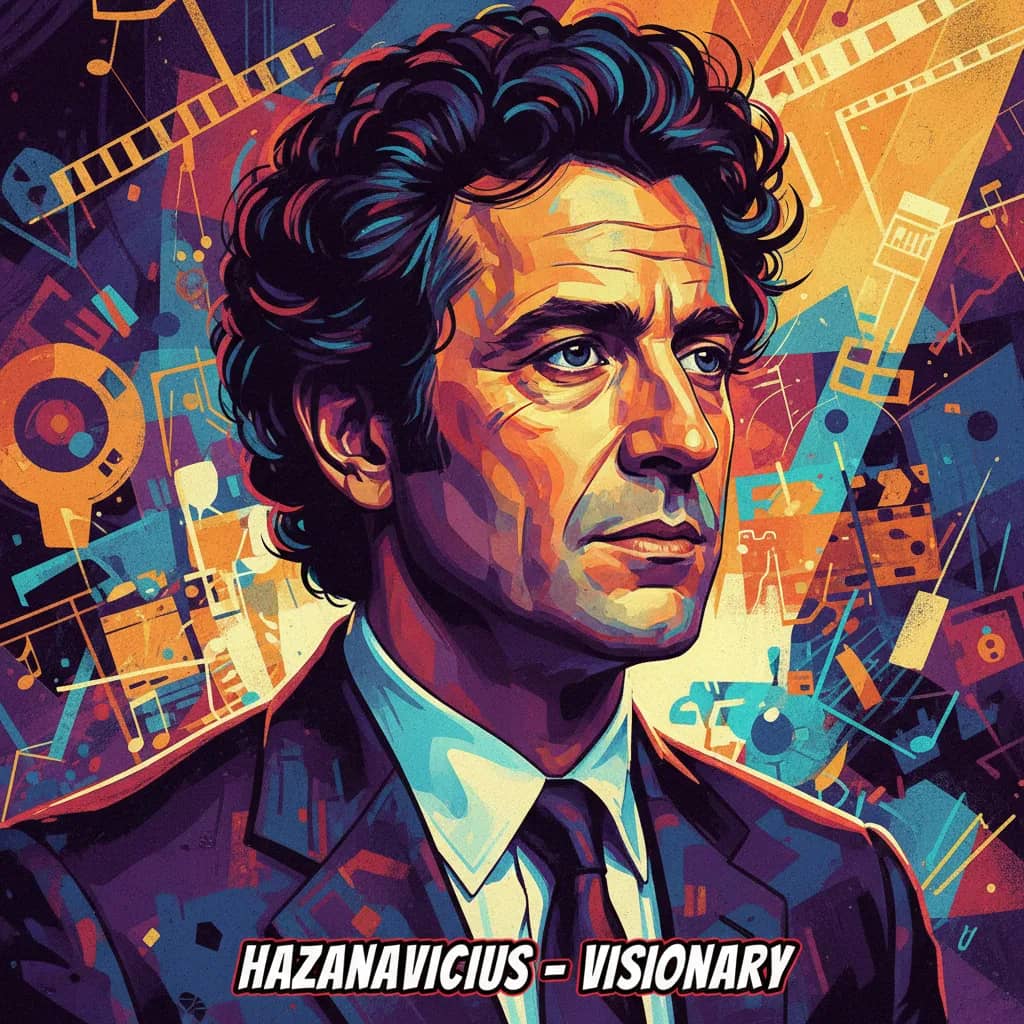
Michel Hazanavicius is a French director widely acclaimed for his distinctive style and remarkable contributions to the world of cinema. With a diverse filmography that spans across various genres, Hazanavicius has cemented his reputation as a visionary filmmaker with a keen eye for storytelling and a penchant for blending genres seamlessly. Hazanavicius first gained international recognition with his spy parody films, "OSS 117: Cairo, Nest of Spies" (2006) and its sequel "OSS 117: Lost in Rio" (2009). These action-packed comedies showcased Hazanavicius's ability to infuse humor and wit into the spy genre, demonstrating his adeptness at crafting visually engaging and entertaining narratives. However, it was Hazanavicius's magnum opus, "The Artist" (2011), that solidified his status as a maestro of cinema. This silent, black-and-white romantic comedy-drama not only paid homage to the golden age of Hollywood but also showcased Hazanavicius's unparalleled storytelling prowess. The film garnered widespread critical acclaim and earned Hazanavicius an Academy Award for Best Director, firmly establishing him as a luminary in the film industry. Hazanavicius's directorial style is characterized by his ability to seamlessly blend humor, romance, and drama while paying homage to classic cinema. His films often feature a strong emphasis on visual storytelling, with a meticulous attention to detail and a nostalgic reverence for cinematic history. Themes of love, resilience, and the human spirit are recurrent in his works, offering audiences an emotionally resonant and visually captivating cinematic experience. In conclusion, Michel Hazanavicius's impact on cinema is undeniable, with his innovative approach to storytelling and his ability to breathe new life into classic genres. His unique vision and directorial acumen have left an indelible mark on the film industry, inspiring future generations of filmmakers to push the boundaries of traditional storytelling. Hazanavicius continues to be a revered figure in the world of cinema, with audiences eagerly anticipating his next cinematic masterpiece.
Every film by the greats, ranked by our TML Score.

Christopher Nolan
Every film, ranked

Quentin Tarantino
Every film, ranked

Stanley Kubrick
Every film, ranked

Martin Scorsese
Every film, ranked

Steven Spielberg
Every film, ranked

Alfred Hitchcock
Every film, ranked

David Fincher
Every film, ranked

Denis Villeneuve
Every film, ranked

Wes Anderson
Every film, ranked

Paul Thomas Anderson
Every film, ranked

Ridley Scott
Every film, ranked

Tim Burton
Every film, ranked

Guillermo del Toro
Every film, ranked

Hayao Miyazaki
Every film, ranked

Akira Kurosawa
Every film, ranked

Francis Ford Coppola
Every film, ranked

Clint Eastwood
Every film, ranked

Bong Joon Ho
Every film, ranked

Woody Allen
Every film, ranked

Steven Soderbergh
Every film, ranked

Ron Howard
Every film, ranked

Pedro Almodóvar
Every film, ranked

Richard Linklater
Every film, ranked

Roman Polanski
Every film, ranked

Brian De Palma
Every film, ranked

Ingmar Bergman
Every film, ranked

Oliver Stone
Every film, ranked

David Cronenberg
Every film, ranked

Robert Zemeckis
Every film, ranked

Barry Levinson
Every film, ranked

John Carpenter
Every film, ranked

Joel Schumacher
Every film, ranked

Billy Wilder
Every film, ranked

Rob Reiner
Every film, ranked

Neil Jordan
Every film, ranked

Spike Lee
Every film, ranked

Ivan Reitman
Every film, ranked

John Woo
Every film, ranked

Lasse Hallström
Every film, ranked

Stephen Frears
Every film, ranked

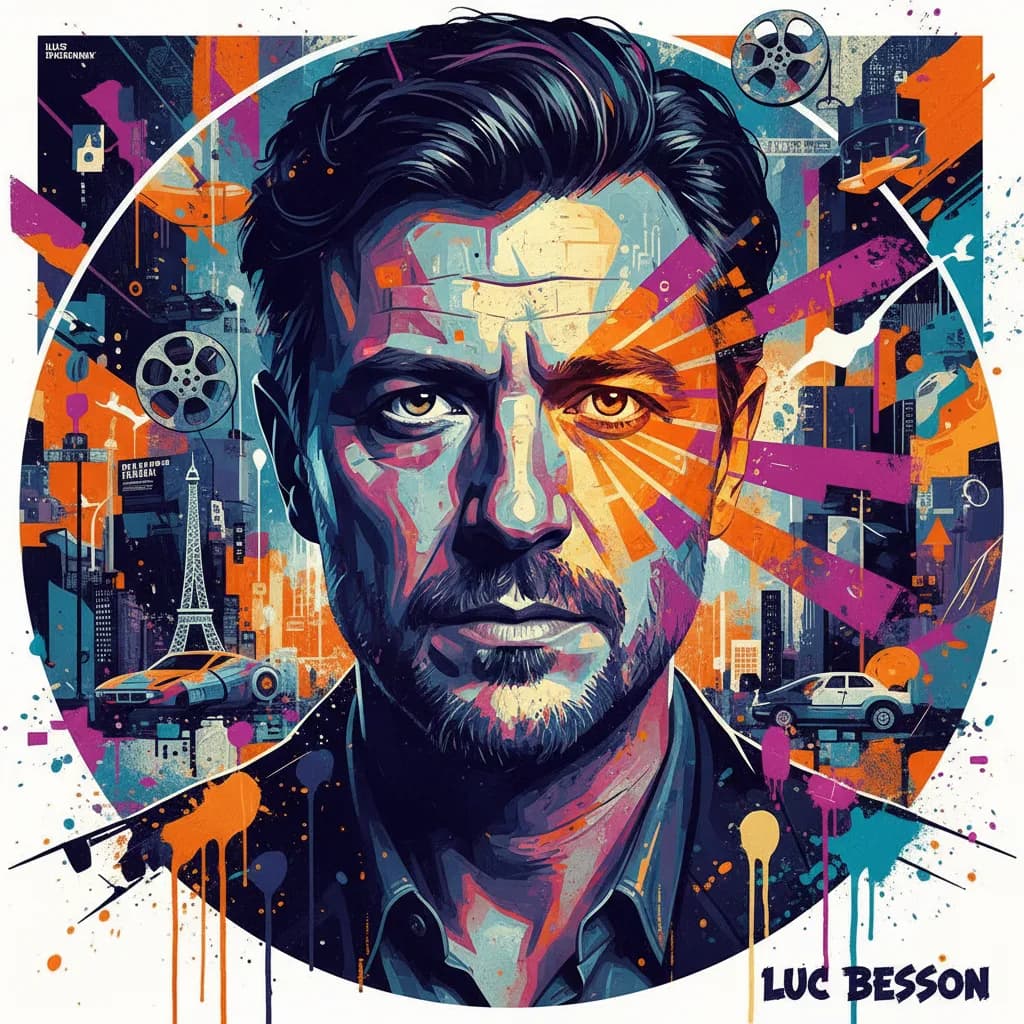
Luc Besson
Every film, ranked

Chris Columbus
Every film, ranked

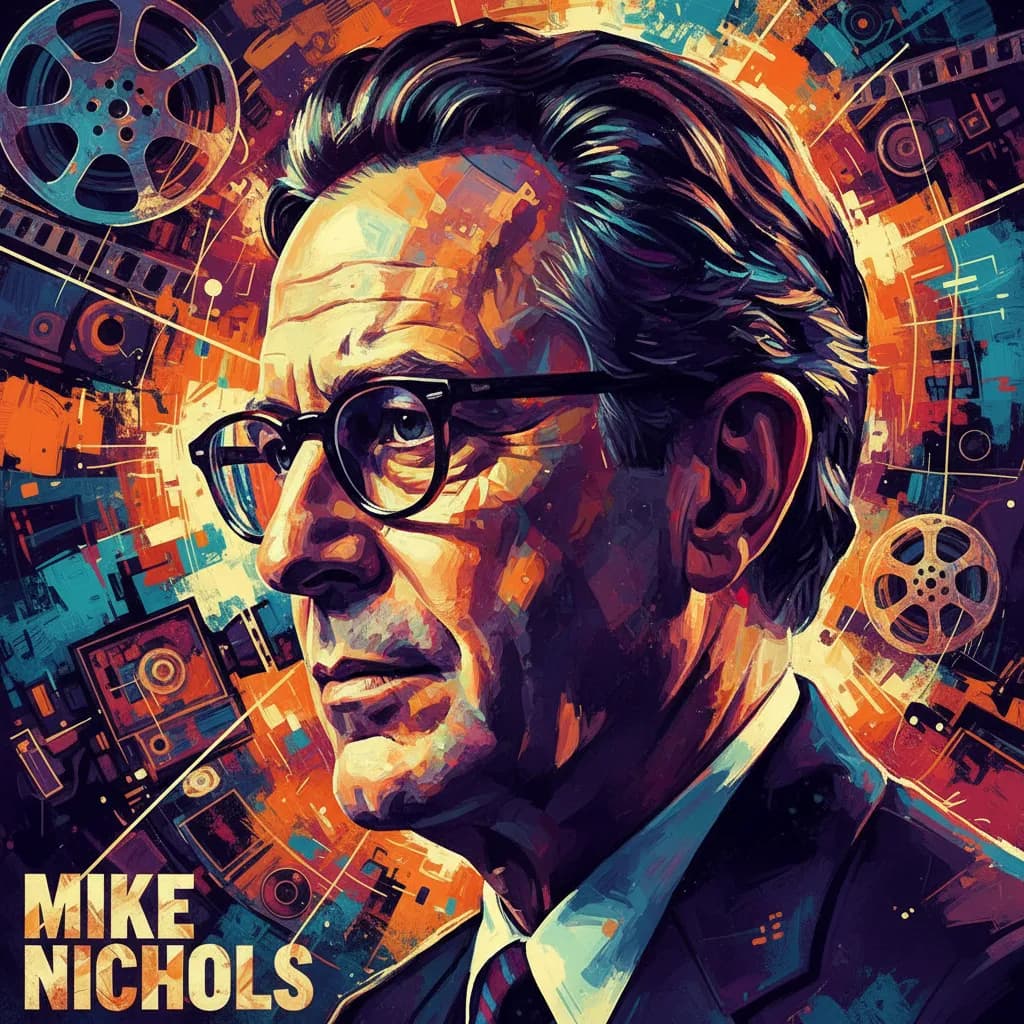
Mike Nichols
Every film, ranked

Howard Hawks
Every film, ranked

Ang Lee
Every film, ranked

Walter Hill
Every film, ranked

Gus Van Sant
Every film, ranked

William Wyler
Every film, ranked

Renny Harlin
Every film, ranked

Sidney Lumet
Every film, ranked

Tony Scott
Every film, ranked