Discover the visionary filmmakers behind cinema's greatest works.
Explore our selection of acclaimed directors and their remarkable films.
Showing 2689-2700 out of 4148

Michael Moore is a renowned filmmaker known for his distinct documentary style and impactful storytelling. Born in Flint, Michigan, Moore kickstarted his career with the groundbreaking documentary "Roger & Me" (1989), which examined the effects of General Motors' plant closures on his hometown. This marked the beginning of Moore's signature directorial style, characterized by his bold, unapologetic approach to tackling sociopolitical issues. Throughout his career, Moore has fearlessly tackled hot-button topics, often incorporating a satirical and comedic edge into his work. One of Moore's most notable films, "Bowling for Columbine" (2002), earned him an Academy Award for Best Documentary Feature. The film delved into America's culture of gun violence, exploring the complex societal factors contributing to this issue. Moore's ability to blend incisive commentary with humor and pathos has solidified his status as a leading force in the documentary genre. Furthermore, his documentary "Fahrenheit 9/11" (2004) stands as the highest-grossing documentary of all time, underscoring his ability to engage and resonate with audiences on a global scale. A recurring theme in Moore's work is his unwavering dedication to holding powerful institutions and figures accountable. His films often shed light on the plight of the working class, corporate greed, and the impact of political decisions on everyday citizens. Moore's approach has influenced a new generation of documentary filmmakers, inspiring them to use the medium as a tool for social change and justice. Michael Moore's impact on cinema extends beyond his directorial work; he has become a prominent public figure, utilizing his platform to advocate for progressive causes and challenge the status quo. His films have sparked national conversations and prompted real-world change, cementing his legacy as a filmmaker who fearlessly confronts societal injustices. With a career spanning over three decades, Moore continues to provoke thought, spark debate, and push the boundaries of documentary filmmaking, leaving an indelible mark on the industry.

Michael Morris is a visionary director known for his compelling storytelling and evocative visual style. With a career spanning several decades, Morris has left an indelible mark on the film industry with his thought-provoking narratives and masterful direction. His most recent film, "To Leslie" (2022), exemplifies his ability to delve into the intricacies of human emotions and relationships with a profound and introspective lens. Throughout his career, Morris has showcased a penchant for crafting deeply emotional and character-driven stories that resonate with audiences on a profound level. His directorial style is marked by meticulous attention to detail, nuanced character development, and a keen understanding of human psychology. This has allowed him to create films that are not only visually stunning but also profoundly moving and thought-provoking. "To Leslie" stands as a testament to Morris's ability to capture the complexities of the human experience, portraying characters in a raw and authentic light. The film's exploration of love, loss, and self-discovery is a testament to Morris's commitment to diving deep into the human condition. His films often explore themes of introspection, resilience, and the intricacies of interpersonal relationships, offering audiences a deeply immersive and introspective viewing experience. Morris's impact on cinema is undeniable, as he continues to push the boundaries of storytelling and visual innovation. His ability to elicit raw and authentic performances from his cast, coupled with his masterful command of the directorial craft, has solidified his status as a revered filmmaker in the industry. With "To Leslie," Morris once again demonstrates his unparalleled ability to evoke profound emotional responses from his audience while delivering a film that is as visually captivating as it is emotionally resonant. In conclusion, Michael Morris's illustrious career as a director has been defined by his unwavering commitment to crafting emotionally resonant narratives that leave a lasting impact on audiences. His distinct directorial style, coupled with his ability to authentically capture the human experience, has cemented his status as a revered figure in cinema. As he continues to push the boundaries of storytelling and visual innovation, Morris remains a visionary director whose work will undoubtedly continue to captivate and inspire audiences for years to come.

Michael M. Scott is a prolific and versatile director known for his work in television movies and thrillers. With an extensive filmography, Scott has made a significant impact on the entertainment industry, showcasing his ability to captivate audiences with compelling storytelling and visually stunning productions. Scott's directorial style is characterized by his keen attention to detail, masterful storytelling, and ability to create tension and suspense. He has a knack for building strong character-driven narratives that resonate with audiences on an emotional level. His films often feature intricate plot twists and a sense of unpredictability, keeping viewers on the edge of their seats from start to finish. One of Scott's most notable films is "Dangerous Lies" (2020), a gripping thriller that follows a young couple who find themselves embroiled in a web of deceit and danger after inheriting a lavish estate. With its suspenseful plot and compelling performances, "Dangerous Lies" showcases Scott's ability to craft a compelling and suspenseful narrative that keeps audiences engaged and guessing until the very end. Throughout his career, Scott has explored recurring themes of trust, betrayal, and the complexities of human relationships. His films often delve into the darker aspects of human nature, challenging audiences to confront their own moral compass and ethical dilemmas. With a keen eye for suspense and a talent for crafting compelling narratives, Scott has left an indelible mark on the thriller genre and continues to captivate audiences with his unique vision and storytelling prowess. With his impressive body of work and dedication to his craft, Michael M. Scott has solidified his status as a talented and influential director in the entertainment industry. His ability to create thought-provoking and suspenseful films has earned him a dedicated following and cemented his reputation as a master of the thriller genre. As he continues to push the boundaries of storytelling and visual artistry, audiences can eagerly anticipate the next captivating and suspenseful tale from this visionary director.

Michael O. Sajbel is a versatile film director known for his work in the drama, family, and romance genres. His most acclaimed film to date is "The Ultimate Gift" (2006), which has solidified his reputation as a director with a keen eye for heartfelt storytelling and impactful narratives. Sajbel's directorial style is characterized by his ability to elicit powerful emotions from his audience through thought-provoking storytelling and compelling character development. "The Ultimate Gift" stands as a testament to Sajbel's ability to craft emotionally resonant films that explore themes of family, love, and personal growth. The film's success cemented Sajbel's status as a director capable of creating compelling and uplifting cinematic experiences. His work often delves into the complexities of human relationships and the transformative power of personal experiences, resonating deeply with audiences on an emotional level. Sajbel's impact on cinema lies in his dedication to creating films that inspire and uplift, offering audiences a refreshing departure from the often formulaic nature of mainstream cinema. His films consistently emphasize the importance of empathy, understanding, and personal growth, resonating with viewers across various demographics. Sajbel's unique vision and ability to infuse his work with sincerity and emotional depth have earned him a dedicated following, establishing him as a director with a distinct voice in the industry. Overall, Michael O. Sajbel's filmography reflects a commitment to crafting poignant and emotionally impactful stories that resonate with audiences on a deeply personal level. His ability to infuse his films with sincerity, warmth, and genuine emotion has solidified his reputation as a director capable of creating enduring cinematic experiences. Sajbel's work continues to inspire and uplift audiences, cementing his legacy as a filmmaker dedicated to crafting stories that leave a lasting impression.

Michael Patrick Jann is an accomplished film director known for his distinctive style and ability to blend comedy, romance, and thriller elements in his works. His most notable film, "Drop Dead Gorgeous" (1999), is a dark comedy that showcases his sharp wit, visual flair, and knack for creating memorable characters. Jann's directorial style is characterized by a keen sense of satire, offbeat humor, and a knack for blending genres to create compelling narratives. "Drop Dead Gorgeous" is a prime example of Jann's directorial prowess, as he expertly navigates the complexities of small-town rivalry, beauty pageants, and the dark underbelly of competition. His ability to infuse humor with underlying social commentary adds depth to his work, making it both entertaining and thought-provoking. Jann's film is a cult classic that continues to resonate with audiences, showcasing his enduring impact on the comedy genre. Throughout his career, Jann has demonstrated a penchant for exploring the absurdities of human behavior and the intricacies of interpersonal relationships. His films often delve into the quirks and idiosyncrasies of his characters, capturing the essence of the human experience with a distinct blend of humor and pathos. Jann's directorial vision has left an indelible mark on cinema, as he continues to push boundaries and challenge conventions with his storytelling. Jann's unique ability to infuse his films with a blend of comedy, romance, and thriller elements sets him apart as a versatile director with a distinct voice. His contributions to the film industry have solidified his status as a visionary filmmaker, and his work continues to inspire and entertain audiences worldwide. With a career marked by creativity and innovation, Michael Patrick Jann remains a trailblazing director whose films endure as timeless classics in the annals of cinema.

Michael Pavone is a talented filmmaker known for his work in the 2011 coming-of-age comedy-drama, "That's What I Am." Despite having a relatively small filmography, Pavone has left a lasting impression with his unique directorial style and storytelling approach. In "That's What I Am," Pavone showcases his ability to seamlessly blend elements of comedy, drama, and romance, creating a heartfelt and relatable narrative that resonates with audiences. Pavone's directorial style is characterized by his keen attention to character development and emotional depth. He has a knack for capturing the intricacies of human relationships and presenting them in a compelling and authentic manner. His films often explore themes of self-discovery, empathy, and the complexities of interpersonal connections, offering audiences a thought-provoking and introspective viewing experience. "That's What I Am" stands as a testament to Pavone's ability to infuse his storytelling with humor, poignancy, and universal truths. The film received critical acclaim for its engaging narrative, well-crafted characters, and genuine portrayal of adolescence. Pavone's directorial prowess was evident in his ability to elicit genuine performances from his cast and create a cinematic world that feels both nostalgic and contemporary. Although Pavone's filmography may be limited, his impact on cinema is undeniable. Through "That's What I Am," he has proven himself as a director capable of crafting emotionally resonant stories that leave a lasting impression on audiences. His commitment to authentic storytelling and his ability to connect with viewers on a deep, emotional level set him apart as a director to watch in the industry. As Pavone continues to expand his body of work, audiences can eagerly anticipate more thought-provoking and emotionally rich narratives from this talented filmmaker.

Michael Pearce is a British film director known for his unique blend of drama, sci-fi, and thriller genres, as evidenced by his acclaimed 2021 film "Encounter." Pearce's directorial style is characterized by intense, atmospheric storytelling and an emphasis on character-driven narratives. His thought-provoking approach to filmmaking has solidified his reputation as a visionary director with a distinct voice in the industry. "Encounter" stands as a testament to Pearce's directorial prowess, earning praise for its gripping storyline and compelling performances. The film showcases Pearce's ability to seamlessly intertwine genres while delving into complex themes, demonstrating his versatility as a director. Pearce's distinct visual style and meticulous attention to detail have resonated with audiences and critics alike, positioning him as a rising talent in the film industry. Notable themes that recur throughout Pearce's work include the exploration of human nature, identity, and the complexities of interpersonal relationships. His films often delve into the psychological and emotional depths of his characters, inviting audiences to empathize with their struggles and experiences. Pearce's ability to craft rich, multi-layered narratives has distinguished him as a director capable of delivering thought-provoking and emotionally resonant storytelling. Pearce's impact on cinema can be attributed to his commitment to pushing artistic boundaries and challenging traditional storytelling conventions. His willingness to tackle daring subject matter and his ability to evoke genuine emotion from audiences have cemented his status as a director to watch. As Pearce continues to evolve as a filmmaker, his contributions to the industry are poised to leave a lasting imprint on the world of cinema. In conclusion, Michael Pearce's directorial career is marked by a commitment to crafting immersive, emotionally charged narratives that transcend genre boundaries. With "Encounter" serving as a testament to his directorial prowess, Pearce's unique vision and thought-provoking storytelling have positioned him as a rising talent in the film industry. As he continues to push artistic boundaries and challenge storytelling norms, Pearce's impact on cinema is sure to endure for years to come.

Michael Petroni is an Australian film director, known for his work in drama, fantasy, and horror genres. His notable film, "Backtrack" (2015), showcases his directorial style, which often incorporates elements of psychological depth and atmospheric storytelling. Petroni's films often explore intricate human emotions, the supernatural, and the blurred lines between reality and the unknown. In "Backtrack," Petroni skillfully weaves a narrative that delves into the psychological complexities of the human mind, incorporating supernatural elements that create a haunting and mesmerizing atmosphere. His directorial approach in this film demonstrates his ability to blend genres seamlessly, creating a unique and compelling cinematic experience. Throughout his career, Petroni has exhibited a recurring theme of exploring the human psyche in the face of the unknown, often incorporating elements of mystery and mysticism into his storytelling. His films often challenge audiences to confront their deepest fears and delve into the complexities of the human experience, leaving a lasting impact on viewers. Petroni's directorial contributions to cinema have been lauded for their ability to create thought-provoking narratives that transcend traditional genre boundaries. His unique vision and storytelling prowess have solidified his status as a director with a distinct voice in the industry, consistently delivering films that captivate audiences and leave a lasting impression. As a director, Michael Petroni continues to leave an indelible mark on cinema, pushing the boundaries of storytelling and captivating audiences with his distinct blend of drama, fantasy, and horror. His ability to craft narratives that delve into the depths of human emotion and the unknown solidifies his place as a visionary filmmaker with a unique and impactful cinematic voice.

Michael Philippou is a visionary director known for his compelling storytelling and distinctive directorial style. With a career spanning over two decades, Philippou has made a significant impact on the film industry, leaving an indelible mark with his thought-provoking narratives and visually stunning cinematography. His filmography includes the highly acclaimed "Talk to Me" (2022), a poignant exploration of the life of a renowned historical figure, which showcases Philippou's adeptness at tackling complex subject matter with sensitivity and depth. Philippou's directorial style is characterized by a keen attention to detail and a masterful ability to evoke emotional resonance from his audiences. His films are often marked by a blend of historical accuracy and artistic interpretation, creating a captivating viewing experience that transports viewers to different eras and cultures. "Talk to Me" exemplifies Philippou's ability to breathe life into historical narratives, deftly weaving together the personal and political aspects of his subjects' lives to offer a comprehensive portrayal that resonates with contemporary audiences. Notable for his exploration of themes such as resilience, identity, and the human spirit, Philippou infuses his work with a sense of authenticity and depth that sets his films apart. Through his directorial lens, Philippou delves into the complexities of human experience, shedding light on the triumphs and tribulations of his characters with nuance and empathy. His commitment to depicting multifaceted characters and thought-provoking storylines has earned him a dedicated following and critical acclaim within the film industry. Philippou's impact on cinema is undeniable, as he continues to push boundaries and challenge conventions with each new project. His distinct directorial voice and unwavering dedication to storytelling have established him as a formidable force in the world of filmmaking. With "Talk to Me," Philippou reaffirms his status as a director whose work transcends mere entertainment, offering audiences a profound cinematic experience that lingers long after the credits roll. As he continues to evolve as a filmmaker, Philippou's contributions to the art of storytelling are sure to endure as a testament to his enduring talent and creative vision. In summary, Michael Philippou's directorial career is defined by his ability to infuse historical narratives with emotional depth, his exploration of complex themes, and his unwavering commitment to delivering impactful storytelling. With "Talk to Me" standing as a testament to his directorial prowess, Philippou's influence on cinema is set to endure, solidifying his status as a

Michael Polish is an American film director known for his distinctive visual style and emotionally resonant storytelling. With a career spanning over two decades, Polish has left an indelible mark on cinema with his unique vision and dedication to bringing compelling narratives to the screen. Polish made a significant impact with his 2006 film "The Astronaut Farmer." This adventure-drama-sci-fi hybrid follows the story of a former astronaut who builds a rocket in his barn to fulfill his dream of reaching outer space. The film showcases Polish's ability to blend poignant human drama with elements of fantasy and adventure, captivating audiences with its heartfelt exploration of ambition and perseverance. Throughout his career, Polish has demonstrated a penchant for crafting intimate, character-driven narratives that delve into the complexities of the human experience. His directorial style often incorporates breathtaking cinematography and evocative visual compositions, creating an immersive and emotive cinematic experience for viewers. Polish's films are characterized by their profound emotional depth and thought-provoking themes, resonating with audiences on a deeply personal level. Notable themes that recur in Polish's work include the pursuit of dreams, the resilience of the human spirit, and the allure of the unknown. His films often explore the intersection of ambition and family dynamics, offering poignant reflections on the sacrifices individuals make in pursuit of their aspirations. Polish's ability to infuse his stories with genuine emotion and universal truths has earned him a reputation as a director with a keen understanding of the human condition. With "The Astronaut Farmer" and his body of work, Michael Polish has solidified his status as a director whose cinematic contributions have left an indelible imprint on the industry. His ability to seamlessly blend elements of adventure, drama, and sci-fi while infusing his films with authenticity and emotional resonance has garnered acclaim from audiences and critics alike. Polish's dedication to storytelling and his distinct directorial style ensure that his influence on cinema will continue to be felt for years to come.

Michael Powell was a British film director whose career spanned over five decades and left an indelible mark on the world of cinema. He was known for his innovative storytelling techniques, visually stunning compositions, and exploration of psychological depths in his characters. Powell's directorial style often incorporated elements of fantasy, romance, and drama, creating a unique and captivating cinematic experience for audiences. One of Powell's most acclaimed works is "The Red Shoes" (1948), a visually arresting drama that intertwines the world of ballet with a haunting love story. The film's use of color and choreography set new standards for visual storytelling in cinema. Another notable film is "The Thief of Bagdad" (1940), a fantasy adventure that showcased Powell's ability to create magical and enchanting worlds on screen. "Black Narcissus" (1947) is another standout in Powell's filmography, exploring the psychological complexities of a group of nuns in the Himalayas, with its breathtaking cinematography and intense emotional depth. Powell's recurring themes often revolved around the human psyche, the pursuit of passion, and the clash between dreams and reality. His films delved into the complexities of human emotions and desires, often with a touch of surrealism that added depth and richness to his storytelling. Powell's impact on cinema cannot be overstated, as his groundbreaking techniques and storytelling innovations influenced generations of filmmakers, and his films continue to be studied and revered by cinephiles and scholars alike. In his later years, Powell directed "Peeping Tom" (1960), a controversial and ahead-of-its-time horror thriller that explored voyeurism and the psychology of a disturbed protagonist. The film was initially met with controversy and criticism but has since been recognized as a bold and influential work that pushed boundaries and challenged conventions in filmmaking. Powell's earlier masterpiece, "The Life and Death of Colonel Blimp" (1943), is a poignant and beautifully crafted drama that examines love, friendship, and the impact of war on individuals. Michael Powell's legacy as a visionary director who pushed the boundaries of storytelling and visual aesthetics in cinema continues to resonate with audiences and filmmakers today. His films remain timeless classics that showcase his unparalleled artistic vision and storytelling prowess, cementing his status as one of the most influential directors in the history of cinema.

Michael Pressman is an accomplished film and television director known for his work in a variety of genres, including action, adventure, and comedy. Pressman's most notable directorial work includes "Teenage Mutant Ninja Turtles II: The Secret of the Ooze" (1991), a beloved sequel to the popular Teenage Mutant Ninja Turtles franchise. His unique directorial style is characterized by a keen sense of visual storytelling, dynamic action sequences, and a knack for blending humor with heart-pounding adventure. Pressman's impact on cinema is evident in his ability to bring larger-than-life characters and stories to the screen while infusing them with a sense of relatability and charm. His work often features themes of camaraderie, heroism, and the triumph of good over evil, resonating with audiences of all ages. "Teenage Mutant Ninja Turtles II: The Secret of the Ooze" stands as a testament to Pressman's skill in creating a thrilling and entertaining cinematic experience that captivates viewers and leaves a lasting impression. Throughout his career, Pressman has demonstrated a talent for crafting memorable characters and immersive worlds that transport audiences to new and exciting realms. His ability to seamlessly blend action, adventure, and comedy has made him a sought-after director in the industry. Pressman's contributions to film continue to inspire and entertain, leaving an indelible mark on the landscape of cinema. In conclusion, Michael Pressman's directorial career is characterized by his ability to infuse his projects with a unique blend of action, adventure, and comedy, resulting in memorable and impactful cinematic experiences. His work on "Teenage Mutant Ninja Turtles II: The Secret of the Ooze" solidifies his reputation as a director with a keen eye for creating visually stunning and emotionally resonant films. Pressman's contributions to the world of cinema have left an enduring legacy, and his ability to captivate audiences with his storytelling prowess makes him a standout figure in the entertainment industry.
Every film by the greats, ranked by our TML Score.

Christopher Nolan
Every film, ranked

Quentin Tarantino
Every film, ranked

Stanley Kubrick
Every film, ranked

Martin Scorsese
Every film, ranked

Steven Spielberg
Every film, ranked

Alfred Hitchcock
Every film, ranked

David Fincher
Every film, ranked

Denis Villeneuve
Every film, ranked

Wes Anderson
Every film, ranked

Paul Thomas Anderson
Every film, ranked

Ridley Scott
Every film, ranked

Tim Burton
Every film, ranked

Guillermo del Toro
Every film, ranked

Hayao Miyazaki
Every film, ranked

Akira Kurosawa
Every film, ranked

Francis Ford Coppola
Every film, ranked

Clint Eastwood
Every film, ranked

Bong Joon Ho
Every film, ranked

Woody Allen
Every film, ranked

Steven Soderbergh
Every film, ranked

Ron Howard
Every film, ranked

Pedro Almodóvar
Every film, ranked

Richard Linklater
Every film, ranked

Roman Polanski
Every film, ranked

Brian De Palma
Every film, ranked

Ingmar Bergman
Every film, ranked

Oliver Stone
Every film, ranked

David Cronenberg
Every film, ranked

Robert Zemeckis
Every film, ranked

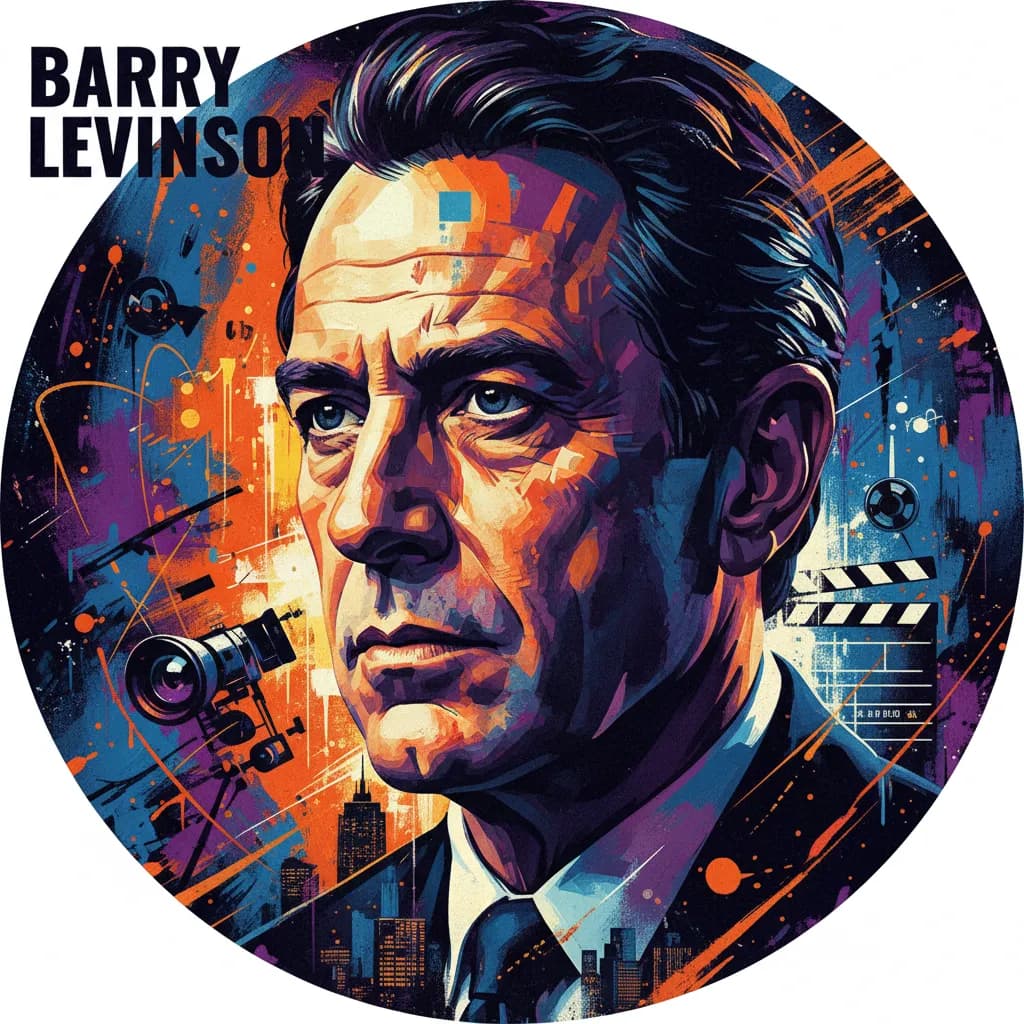
Barry Levinson
Every film, ranked

John Carpenter
Every film, ranked

Joel Schumacher
Every film, ranked

Billy Wilder
Every film, ranked

Rob Reiner
Every film, ranked

Neil Jordan
Every film, ranked

Spike Lee
Every film, ranked

Ivan Reitman
Every film, ranked

John Woo
Every film, ranked

Lasse Hallström
Every film, ranked

Stephen Frears
Every film, ranked

Luc Besson
Every film, ranked

Chris Columbus
Every film, ranked

Mike Nichols
Every film, ranked

Howard Hawks
Every film, ranked

Ang Lee
Every film, ranked

Walter Hill
Every film, ranked

Gus Van Sant
Every film, ranked

William Wyler
Every film, ranked

Renny Harlin
Every film, ranked

Sidney Lumet
Every film, ranked

Tony Scott
Every film, ranked