Discover the visionary filmmakers behind cinema's greatest works.
Explore our selection of acclaimed directors and their remarkable films.
Showing 2425-2436 out of 4148

Luke Snellin is a talented British director known for his work in film and television. His notable filmography includes the 2019 Netflix original movie "Let It Snow," a heartwarming comedy and romance that garnered attention for its charming storytelling and memorable characters. Snellin's directorial style is marked by a keen understanding of human emotions and relationships, as well as a knack for infusing warmth and humor into his narratives. In "Let It Snow," Snellin adeptly captures the essence of young love and friendship amidst a snowstorm, creating a visually captivating and emotionally resonant story. His ability to bring out authentic performances from his actors and craft compelling, relatable characters has solidified his reputation as a director with a keen eye for human connections. Snellin's work often delves into themes of love, friendship, and self-discovery, presenting them in a way that feels both genuine and heartwarming. With "Let It Snow," Luke Snellin has made a significant impact on the romantic comedy genre, showcasing his talent for blending humor and romance with a touch of whimsy. His ability to capture the nuances of human interaction and emotion has resonated with audiences, earning him a dedicated following. As a director, Snellin continues to make strides in the industry, leaving a lasting impression with his distinct storytelling style and ability to create emotionally captivating narratives. In conclusion, Luke Snellin's directorial career is marked by his unique ability to infuse warmth and authenticity into his storytelling. With "Let It Snow," he has proven himself as a director capable of delivering heartfelt and entertaining narratives that leave a lasting impact. His contributions to the romantic comedy genre and his commitment to portraying genuine human experiences have cemented his status as a director to watch in the industry.


Luke Sparke is an Australian director known for his work in the action and sci-fi genres. His most notable film to date is "Occupation: Rainfall" (2020), which has garnered attention for its visually stunning action sequences and compelling sci-fi narrative. Sparke's directorial style is characterized by his ability to seamlessly blend intense action with thought-provoking science fiction elements, creating a captivating cinematic experience for audiences. "Occupation: Rainfall" stands as a testament to Sparke's prowess as a director, showcasing his skill in crafting visually stunning sequences and his ability to bring complex sci-fi concepts to life on the big screen. The film's success has solidified Sparke's reputation as a visionary director with a keen eye for creating immersive and entertaining cinema. Sparke's films often explore themes of resilience, survival, and the human spirit in the face of adversity, resonating with audiences on a deeply emotional level. His ability to infuse his work with these recurring themes has earned him a dedicated fan base and critical acclaim in the industry. Throughout his career, Luke Sparke has made a significant impact on the world of cinema, pushing boundaries and expanding the possibilities of what action and sci-fi films can achieve. His unique vision and innovative storytelling have cemented his status as a director to watch, and his contributions to the film industry continue to inspire and influence filmmakers and audiences alike. In conclusion, Luke Sparke's directorial career has been marked by a commitment to pushing the boundaries of action and sci-fi cinema. With "Occupation: Rainfall" as a standout example of his directorial prowess, Sparke has proven himself to be a visionary filmmaker with a unique ability to create visually stunning and thematically rich cinematic experiences. As he continues to make his mark on the industry, audiences can look forward to more captivating and thought-provoking films from this talented director.

Lulu Wang is a visionary Chinese-American filmmaker whose work has made a significant impact on contemporary cinema. With a focus on heartfelt storytelling and authentic character development, Wang has captivated audiences with her unique directorial style. Her most notable film, "The Farewell" (2019), garnered critical acclaim and showcased her ability to blend comedy and drama in a poignant and thought-provoking narrative. Wang's directorial approach often delves into the complexities of cultural identity, family dynamics, and the immigrant experience, resonating deeply with viewers across diverse backgrounds. "The Farewell" stands as a testament to Wang's ability to infuse her films with emotional depth and nuance, eliciting powerful performances from her cast and delivering a deeply affecting cinematic experience. Wang's directorial style is characterized by its intimate exploration of human connections and the universal themes that bind us all. Her keen insight into the human condition and her adeptness at weaving intricate narratives have firmly established her as a director to watch in the industry. Wang's impact on cinema extends beyond her directorial prowess, as she has also been a vocal advocate for greater inclusion and representation in the film industry. Through her work, she has brought underrepresented stories to the forefront, shedding light on the rich tapestry of human experiences. As a trailblazing filmmaker, Wang continues to push boundaries and challenge cinematic conventions, paving the way for a new generation of storytellers. In conclusion, Lulu Wang's directorial career is defined by her commitment to authentic storytelling and her ability to craft narratives that resonate on a profound emotional level. With "The Farewell," she has solidified her position as a director with a distinct and impactful voice, and her contributions to cinema have left an indelible mark on the industry. As she continues to evolve her craft and champion diverse perspectives, Lulu Wang's influence on the cinematic landscape is sure to endure for years to come.

Luv Ranjan is a prominent Indian film director known for his unique blend of comedy, drama, and romance in his films. He made his directorial debut with the widely acclaimed "Pyaar Ka Punchnama" in 2011, which immediately established his signature style. Known for his witty and relatable storytelling, Ranjan gained a loyal fan base with his honest portrayal of modern relationships and the dynamics between the sexes. His ability to infuse humor into everyday situations and delve into the complexities of love and friendship has set him apart in the Indian film industry. Following the success of "Pyaar Ka Punchnama," Ranjan continued to captivate audiences with its sequel, "Pyaar Ka Punchnama 2," in 2015. The film further solidified his reputation as a director who understands the pulse of today's youth. Ranjan's keen observation of interpersonal relationships and his knack for delivering sharp dialogues have become his trademark, resonating with a generation grappling with similar issues. In 2018, Ranjan achieved unprecedented success with "Sonu Ke Titu Ki Sweety," a film that not only entertained but also challenged societal norms. The movie was a commercial blockbuster and further established Ranjan as a director with a keen understanding of the audience's sensibilities. His ability to infuse light-hearted comedy with emotional depth has made his films a favorite among viewers of all ages. Ranjan's upcoming project, "Tu Jhoothi Main Makkaar," slated for release in 2023, has already generated significant anticipation. With his distinct storytelling style and an impressive track record, audiences and critics alike eagerly await his next cinematic offering. Luv Ranjan's impact on Indian cinema lies in his ability to create films that not only entertain but also resonate with the audience on a profound level, making him a director to watch in the ever-evolving landscape of Indian cinema.

Lynne Ramsay is a visionary film director known for her distinct and impactful storytelling. With a career spanning over two decades, Ramsay has crafted a remarkable body of work that has left an indelible mark on cinema. Her directorial style is characterized by its raw and unflinching portrayal of human emotions, often delving into the darker aspects of the human psyche. Ramsay's films are renowned for their visual poetry and hauntingly beautiful imagery, captivating audiences with their visceral and evocative storytelling. One of Ramsay's most notable films is "We Need to Talk About Kevin" (2011), a gripping psychological drama that delves into the complexities of motherhood and the nature vs. nurture debate. The film garnered widespread critical acclaim and showcased Ramsay's adeptness at exploring the depths of human relationships with a keen eye for detail. "You Were Never Really Here" (2017) further solidified Ramsay's reputation as a master of atmospheric storytelling, blending elements of crime and drama to create a haunting and immersive cinematic experience. Throughout her career, Ramsay has been lauded for her exploration of recurring themes such as trauma, alienation, and the human capacity for both darkness and redemption. Her ability to seamlessly weave these complex themes into her narratives has earned her a reputation as a director unafraid to confront the complexities of the human experience. Ramsay's impact on cinema extends beyond her storytelling prowess, as she has inspired a new generation of filmmakers to push the boundaries of visual storytelling and challenge conventional norms. Ramsay's directorial vision has left an indelible mark on the film industry, with her films serving as a testament to the power of uncompromising storytelling. Her unique ability to evoke deep emotional resonance through her work has solidified her as a true auteur, with each film bearing her distinct signature. As she continues to push the boundaries of cinematic storytelling, Ramsay remains a trailblazer in the world of film, leaving an enduring legacy that will continue to inspire and captivate audiences for years to come.

Lynn Shelton was a highly influential and beloved film director known for her authentic and emotionally resonant storytelling. Tragically passing away in 2020, Shelton's impact on cinema is undeniable, as she left behind a rich body of work that continues to resonate with audiences. Her directorial style was characterized by its naturalistic approach, often exploring the complexities of human relationships with a keen eye for emotional nuance and humor. One of Shelton's notable films is "Laggies" (2014), a charming and insightful comedy-drama that follows the story of a 28-year-old woman who finds herself at a crossroads in life and decides to take a break from adulthood by spending a week with a group of high schoolers. Shelton's deft touch with character-driven narratives shines through in this film, as she skillfully navigates the themes of self-discovery and the uncertainty of adulthood with warmth and authenticity. Another standout in Shelton's filmography is "Your Sister's Sister" (2011), a heartfelt and intimate comedy-drama that revolves around a love triangle involving two sisters and a close friend. The film showcases Shelton's ability to capture the complexities of human emotions and relationships with honesty and sensitivity, making it a standout in her body of work. Shelton's films often revolve around themes of self-discovery, interpersonal relationships, and the messiness of life, all approached with a refreshing and relatable authenticity. Her impact on cinema lies in her ability to create deeply human stories that resonate with audiences on a profound level, and her legacy continues to inspire filmmakers to explore the emotional depths of human experiences with honesty and empathy. In the wake of her passing, Lynn Shelton's contributions to the world of cinema continue to be celebrated, and her work remains a testament to her unique vision and unwavering commitment to authentic storytelling. As audiences revisit her films, they are reminded of the profound impact of a director whose work transcends the screen, leaving an indelible mark on the art of storytelling.

Mabrouk El Mechri is a Tunisian-French director known for his unique approach to action and thriller genres. His notable filmography includes "JCVD" (2008), a groundbreaking action-comedy-crime film starring Jean-Claude Van Damme, and "The Cold Light of Day" (2012), an intense action-thriller featuring Henry Cavill and Bruce Willis. El Mechri's directorial style is characterized by a deft blend of heart-pounding action sequences and compelling character-driven storytelling. El Mechri's impact on cinema is evident in his ability to infuse the action genre with depth and emotional resonance. "JCVD" is a standout film in his career, as it not only showcases his penchant for adrenaline-pumping sequences but also delves into the complexities of its protagonist, played by Van Damme. The film received critical acclaim for its innovative approach to the action genre, earning El Mechri recognition as a director with a distinct vision and storytelling prowess. One of El Mechri's recurring themes is the exploration of the human condition within high-stakes situations, a theme that permeates his work and sets him apart as a director who brings a thoughtful perspective to the action and thriller genres. His ability to craft engaging narratives while maintaining a high-octane pace has solidified his reputation as a director capable of delivering both substance and excitement. In the realm of action and thriller filmmaking, Mabrouk El Mechri has carved out a niche for himself as a director who infuses his projects with a unique blend of adrenaline, depth, and emotional resonance. His contributions to cinema have expanded the possibilities within the action genre, and his ability to create compelling, character-driven narratives has set him apart as a visionary director with a lasting impact on the film industry. Overall, Mabrouk El Mechri's directorial career is defined by his ability to elevate the action and thriller genres through his distinctive storytelling style, thematic depth, and innovative approach to filmmaking. His films resonate with audiences and critics alike, cementing his status as a director with a lasting impact on the cinematic landscape.

Macon Blair is a multifaceted talent in the film industry, known for his work as a director, writer, and actor. His directorial debut came with the critically acclaimed film "I Don't Feel at Home in This World Anymore" in 2017. The movie, which falls under the comedy, crime, and drama genres, immediately established Blair as a director with a distinct vision and storytelling style. Blair's directorial approach is characterized by a keen eye for offbeat characters and darkly humorous narratives. His work often delves into the complexities of human behavior, blending elements of crime and drama with a touch of absurdity. This unique blend of genres allows Blair to craft stories that are both entertaining and thought-provoking, resonating with audiences and critics alike. "I Don't Feel at Home in This World Anymore" stands as a testament to Blair's directorial prowess, earning widespread praise for its sharp writing, compelling characters, and unpredictable plot twists. The film's success not only showcased Blair's ability to helm a project with confidence and creativity but also solidified his status as a director to watch in the industry. In addition to his directorial work, Blair's impact on cinema extends to his collaborations with other filmmakers and his contributions as an actor and writer. His involvement in independent and genre-defying projects has helped expand the boundaries of storytelling in film, earning him a dedicated following among cinephiles and industry insiders. As Macon Blair continues to carve out his path as a director, audiences can anticipate more boundary-pushing films that challenge conventions and offer a fresh perspective on the human experience. With his distinct directorial style, penchant for complex narratives, and unwavering commitment to storytelling, Blair's future contributions to cinema are bound to leave an indelible mark on the medium.

Madhavan, also known as R. Madhavan, is a versatile Indian actor, writer, and director who has made a significant impact on the Indian film industry. While primarily known for his acting prowess, Madhavan made his directorial debut with the highly anticipated film "Rocketry: The Nambi Effect" in 2022. This biographical drama marks a significant milestone in Madhavan's career as he steps into the director's chair to bring the compelling story of Indian rocket scientist Nambi Narayanan to the silver screen. As a director, Madhavan is known for his meticulous attention to detail and his ability to bring emotionally resonant stories to life. His directorial style is characterized by a keen focus on character development and a nuanced approach to storytelling. With "Rocketry: The Nambi Effect," Madhavan showcases his ability to blend historical events with human drama, creating a compelling narrative that captivates audiences. "Rocketry: The Nambi Effect" stands as a testament to Madhavan's commitment to bringing important stories to the forefront of Indian cinema. The film explores themes of resilience, perseverance, and the indomitable human spirit, making it a poignant and inspiring cinematic experience. Madhavan's directorial debut is poised to leave a lasting impact on Indian cinema, shedding light on a lesser-known chapter of history while showcasing his directorial prowess. Madhavan's foray into directing adds a new dimension to his already illustrious career, further solidifying his status as a multifaceted talent in the Indian film industry. With "Rocketry: The Nambi Effect," Madhavan demonstrates his ability to helm ambitious, thought-provoking projects while leaving an indelible mark on audiences. As a director, Madhavan's unique vision and dedication to storytelling are sure to continue shaping the landscape of Indian cinema for years to come. In summary, Madhavan's directorial debut with "Rocketry: The Nambi Effect" marks a significant milestone in his career, showcasing his distinctive directorial style and his commitment to bringing important stories to the forefront of Indian cinema. This biographical drama stands as a testament to his ability to craft emotionally resonant narratives and is poised to leave a lasting impact on audiences. Madhavan's directorial debut is a testament to his multifaceted talent and his ongoing contributions to the Indian film industry.

Madhu C. Narayanan is a talented Indian film director known for his exceptional storytelling and unique directorial style. He made his directorial debut with the critically acclaimed film "Kumbalangi Nights" in 2019, which garnered widespread praise for its exceptional storytelling, compelling characters, and poignant portrayal of human emotions. The film, a blend of comedy, drama, and romance, showcased Narayanan's ability to craft narratives that resonate with audiences on a deep and emotional level. Narayanan's directorial style is characterized by a keen focus on character development, nuanced storytelling, and a deep understanding of human relationships. His films often delve into the complexities of human emotions, offering a raw and unflinching portrayal of life's intricacies. "Kumbalangi Nights" is a testament to Narayanan's ability to weave together multiple narrative threads seamlessly, creating a rich tapestry of interconnected stories that leave a lasting impact on the audience. Notable for its exploration of sibling dynamics, family bonds, and societal norms, "Kumbalangi Nights" showcases Narayanan's affinity for delving into the human experience with authenticity and depth. The film's success solidified Narayanan's position as a director with a distinct voice and a unique perspective on storytelling. Narayanan's impact on Indian cinema is profound, as he has emerged as a director who brings a fresh and innovative approach to filmmaking. His ability to capture the essence of human relationships and emotions has resonated with audiences, earning him a dedicated following and critical acclaim. With "Kumbalangi Nights," Narayanan has not only left an indelible mark on the industry but has also set high expectations for his future projects, solidifying his status as a director to watch in the Indian film landscape.

Madhur Bhandarkar is a renowned Indian film director known for his compelling and thought-provoking cinema. His directorial style is marked by a keen eye for realism and an unflinching portrayal of societal issues. Bhandarkar's films often delve into the underbelly of various industries, offering a raw and unfiltered look at the lives of individuals navigating complex environments. With a career spanning several decades, Bhandarkar has made a significant impact on Indian cinema, earning critical acclaim and commercial success for his work. One of Bhandarkar's most notable films is "Fashion" (2008), a gripping drama that delves into the cutthroat world of the fashion industry. The film offers a behind-the-scenes glimpse of the glamour and the dark underbelly of the fashion world, exploring themes of ambition, exploitation, and the price of success. "Fashion" received widespread acclaim for its powerful storytelling, compelling performances, and Bhandarkar's astute direction, earning him accolades and cementing his reputation as a master storyteller. Bhandarkar's films often revolve around themes of ambition, power dynamics, and the human cost of societal pursuits. His unique ability to capture the essence of various industries and the individuals within them has set him apart as a director with a distinct vision. Bhandarkar's films are characterized by their unapologetic portrayal of harsh realities, offering a mirror to society and compelling audiences to confront uncomfortable truths. Throughout his career, Madhur Bhandarkar has left an indelible mark on Indian cinema, earning a reputation for his uncompromising storytelling and ability to shed light on the often-overlooked aspects of society. His films have not only entertained audiences but also sparked important conversations about the human experience and the societal structures that shape our lives. With a body of work that continues to captivate and provoke, Bhandarkar remains a trailblazing director whose impact on cinema endures.

Madonna, the iconic pop star, ventured into the world of film directing with her 2011 release "W.E." The film, a blend of drama, history, and romance, marked her directorial debut and showcased her unique visual style and storytelling abilities. Although Madonna's directorial career is still in its early stages, her impact on cinema has been notable, as she brings her distinct artistic vision and a fresh perspective to the medium. In "W.E.," Madonna demonstrated a keen eye for aesthetics, as the film's visuals were striking and meticulously crafted. Her directorial style can be described as elegant and visually sumptuous, with a focus on capturing the emotional nuances of her characters. Madonna's background as a performer also shines through in her direction, as she brings a sense of theatricality and grandeur to her filmmaking. While Madonna's directorial oeuvre is currently limited to "W.E.," the film serves as a testament to her ability to tackle complex historical narratives and intertwine them with compelling human drama. Her unique approach to storytelling and her willingness to explore unconventional subject matter have set her apart as a director to watch in the future. Madonna's impact on cinema lies in her ability to bring a fresh perspective to the director's chair, challenging traditional norms and pushing boundaries with her artistic choices. As a trailblazing figure in the music industry, Madonna's foray into directing has brought an exciting new dimension to her creative repertoire, and her potential to make a lasting mark on the film industry is undeniable. In conclusion, Madonna's directorial debut with "W.E." offers a glimpse into her distinctive directorial style and storytelling prowess. As she continues to explore her voice as a filmmaker, her impact on cinema is poised to be significant, as she brings her unique perspective and artistic sensibilities to the world of filmmaking. Madonna's contribution to the medium reflects her fearless approach to creativity and her ability to captivate audiences with her visionary storytelling.
Every film by the greats, ranked by our TML Score.

Christopher Nolan
Every film, ranked

Quentin Tarantino
Every film, ranked

Stanley Kubrick
Every film, ranked

Martin Scorsese
Every film, ranked

Steven Spielberg
Every film, ranked

Alfred Hitchcock
Every film, ranked

David Fincher
Every film, ranked

Denis Villeneuve
Every film, ranked

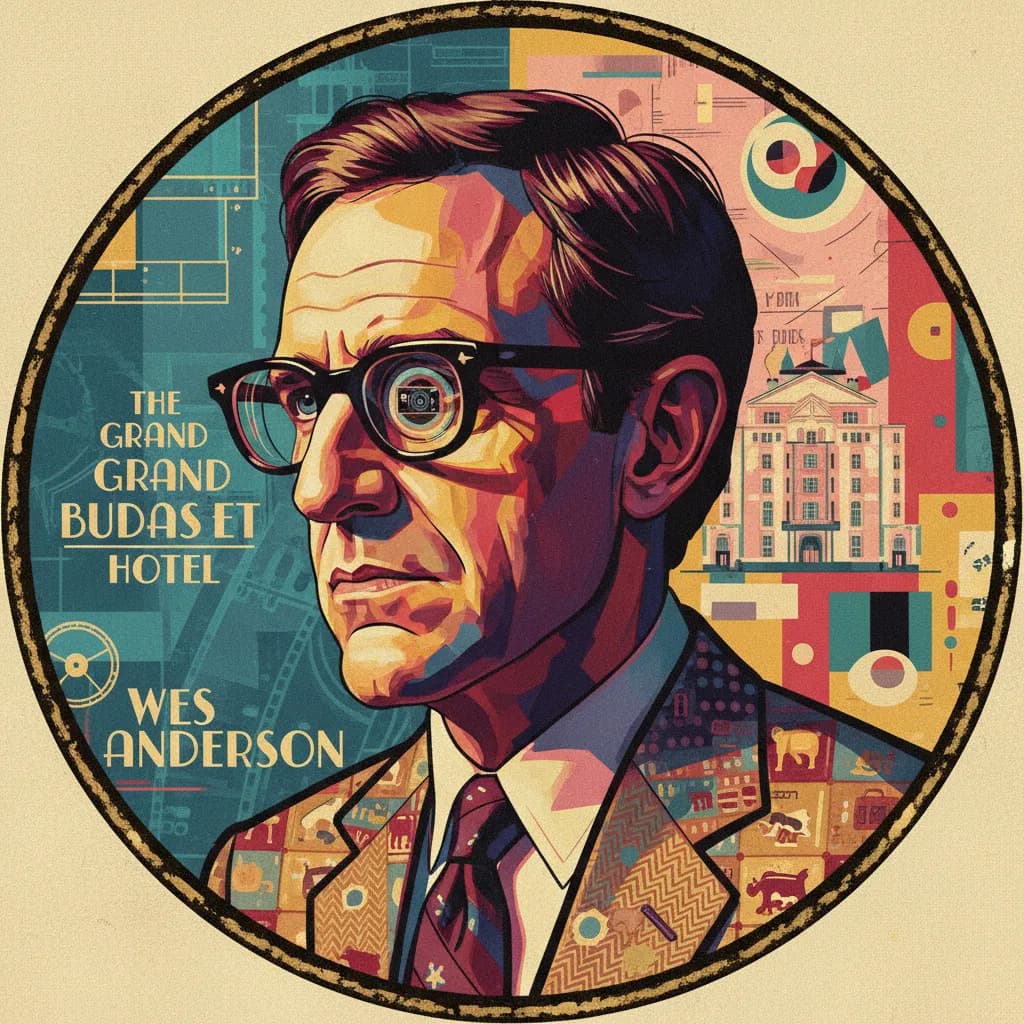
Wes Anderson
Every film, ranked

Paul Thomas Anderson
Every film, ranked

Ridley Scott
Every film, ranked

Tim Burton
Every film, ranked

Guillermo del Toro
Every film, ranked

Hayao Miyazaki
Every film, ranked

Akira Kurosawa
Every film, ranked

Francis Ford Coppola
Every film, ranked

Clint Eastwood
Every film, ranked

Bong Joon Ho
Every film, ranked

Woody Allen
Every film, ranked

Steven Soderbergh
Every film, ranked

Ron Howard
Every film, ranked

Pedro Almodóvar
Every film, ranked

Richard Linklater
Every film, ranked

Roman Polanski
Every film, ranked

Brian De Palma
Every film, ranked

Ingmar Bergman
Every film, ranked

Oliver Stone
Every film, ranked

David Cronenberg
Every film, ranked

Robert Zemeckis
Every film, ranked

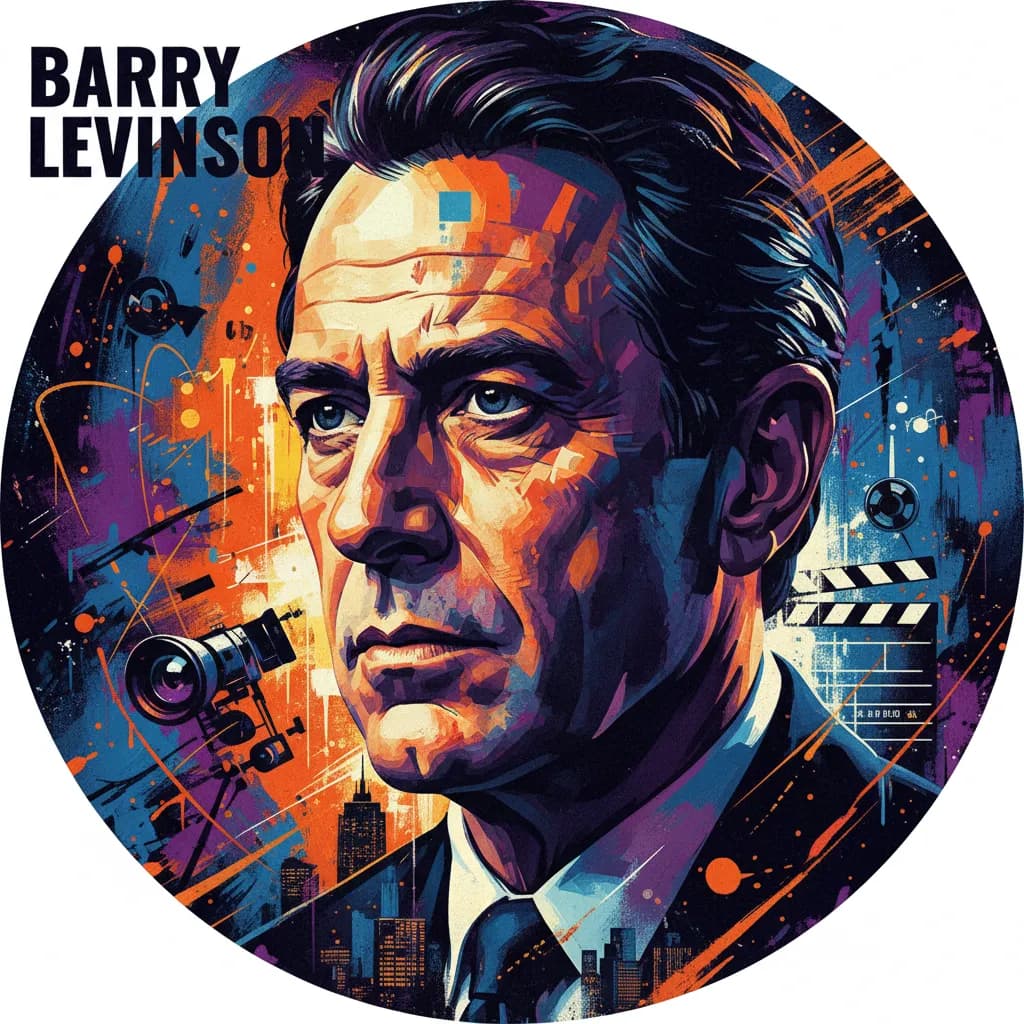
Barry Levinson
Every film, ranked

John Carpenter
Every film, ranked

Joel Schumacher
Every film, ranked

Billy Wilder
Every film, ranked

Rob Reiner
Every film, ranked

Neil Jordan
Every film, ranked

Spike Lee
Every film, ranked

Ivan Reitman
Every film, ranked

John Woo
Every film, ranked

Lasse Hallström
Every film, ranked

Stephen Frears
Every film, ranked

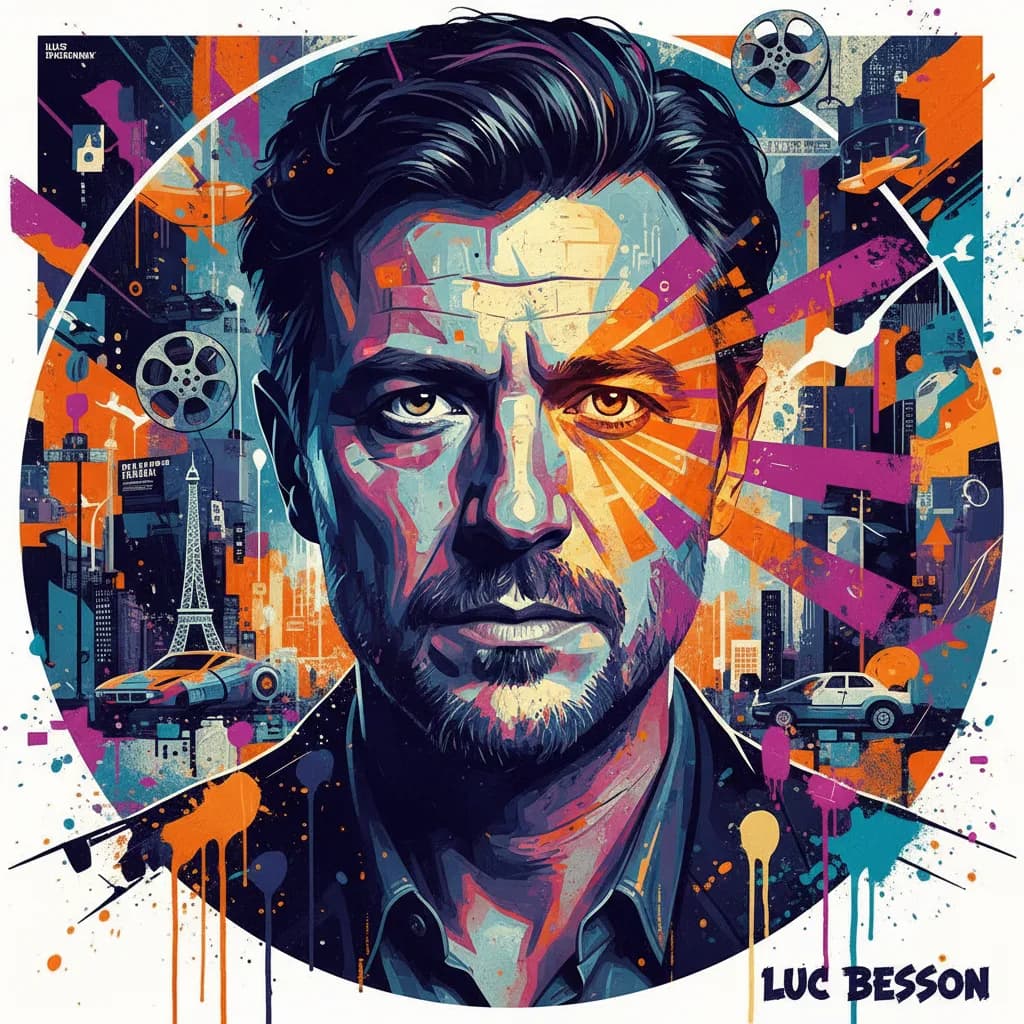
Luc Besson
Every film, ranked

Chris Columbus
Every film, ranked

Mike Nichols
Every film, ranked

Howard Hawks
Every film, ranked

Ang Lee
Every film, ranked

Walter Hill
Every film, ranked

Gus Van Sant
Every film, ranked

William Wyler
Every film, ranked

Renny Harlin
Every film, ranked

Sidney Lumet
Every film, ranked

Tony Scott
Every film, ranked