Discover the visionary filmmakers behind cinema's greatest works.
Explore our selection of acclaimed directors and their remarkable films.
Showing 2401-2412 out of 4148

Luca Guadagnino is an Italian film director renowned for his visually sumptuous and emotionally resonant works that have captivated audiences and critics alike. With a career spanning over two decades, Guadagnino has carved a niche for himself in the world of cinema, known for his keen eye for aesthetics and compelling storytelling. His directorial style is characterized by a meticulous attention to detail, a focus on sensuality, and a penchant for exploring complex human emotions through stunning visuals and evocative narratives. One of Guadagnino's most notable films is "I Am Love" (2009), a visually stunning drama that delves into the intricacies of love, family, and personal liberation. The film garnered widespread acclaim for its lush cinematography, captivating performances, and immersive storytelling. Guadagnino continued to garner acclaim with the 2015 release of "A Bigger Splash," a mesmerizing blend of drama, music, and thriller elements that further showcased his directorial prowess. In 2017, Guadagnino achieved international acclaim with "Call Me by Your Name," a poignant coming-of-age romance set against the backdrop of the Italian countryside. The film received widespread critical acclaim and garnered numerous accolades, including an Academy Award nomination for Best Picture. Guadagnino's ability to authentically capture the nuances of human relationships and evoke a strong sense of time and place solidified his reputation as a director with a unique and compelling vision. Guadagnino's most recent project, "Bones and All" (2022), sees the director delving into the realms of horror and romance, further showcasing his versatility and willingness to explore diverse genres while maintaining his signature aesthetic sensibilities. Throughout his career, Guadagnino has consistently explored themes of desire, identity, and the human experience, establishing himself as a filmmaker with a distinct voice and a profound impact on contemporary cinema. With an impressive body of work and a reputation for crafting visually arresting and emotionally resonant films, Luca Guadagnino continues to leave an indelible mark on the world of filmmaking.

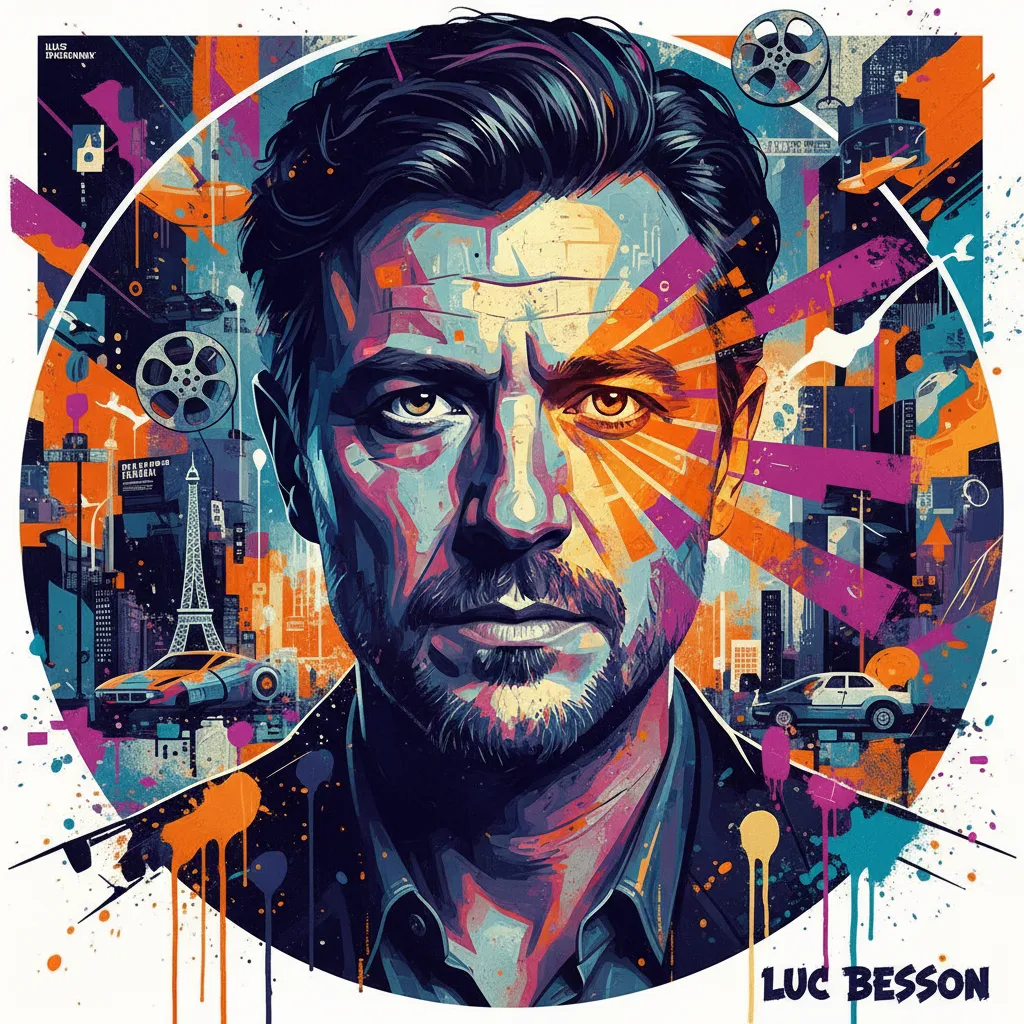
Luc Besson is a visionary French director, producer, and screenwriter known for his distinct directorial style and groundbreaking contributions to the film industry. With a career spanning over three decades, Besson has left an indelible mark on cinema with his diverse and visually captivating filmography. His directorial repertoire includes a wide range of genres, from action-packed thrillers to thought-provoking biographical dramas and visually stunning sci-fi epics. Besson's directorial style is characterized by his ability to seamlessly blend exhilarating action sequences with compelling storytelling and visually striking cinematography. He has a penchant for creating immersive and dynamic worlds that capture the imagination of audiences worldwide. Notable films that exemplify his directorial prowess include "Léon: The Professional," a gripping action-crime drama that showcases Besson's ability to craft complex characters and intense, emotionally charged narratives. Additionally, "The Fifth Element" stands as a testament to his visionary approach to science fiction, with its innovative visual effects and immersive world-building. Throughout his career, Besson has explored recurring themes such as the resilience of the human spirit, the complexities of morality, and the juxtaposition of beauty and brutality. His films often feature strong, enigmatic female protagonists and delve into the complexities of their experiences and motivations. Besson's impact on cinema extends beyond his directorial work, as he has also produced and written numerous influential films, further solidifying his status as a cinematic trailblazer. With critically acclaimed works like "Lucy," "Valerian and the City of a Thousand Planets," and "The Messenger: The Story of Joan of Arc," Besson has continually pushed the boundaries of storytelling and visual effects, cementing his legacy as a visionary director with an unparalleled creative vision. His ability to craft compelling narratives across a spectrum of genres has earned him a devoted global fanbase and secured his place as a pioneering force in the world of filmmaking. Besson's impact on cinema has been profound, and his contributions continue to inspire and captivate audiences around the world. In summary, Luc Besson's illustrious career as a director, producer, and screenwriter has left an indelible mark on the film industry. His unique directorial style, exploration of recurring themes, and groundbreaking contributions have solidified his status as a visionary filmmaker. With a diverse and visually captivating filmography, Besson's impact on cinema is undeniable, and his ability to craft immersive and thought-provoking narratives has

Luc Dardenne, the renowned Belgian filmmaker, has carved a distinct niche for himself in the world of cinema with his socially conscious and deeply humanistic storytelling. Alongside his brother Jean-Pierre, Dardenne has co-directed a series of critically acclaimed films that have garnered international acclaim and numerous awards. Dardenne's directorial style is characterized by his use of handheld camerawork, naturalistic performances, and a focus on the struggles of working-class individuals in contemporary society. Dardenne's filmography is marked by several notable works that have left an indelible mark on the cinematic landscape. "Rosetta" (1999), a raw and unflinching portrayal of a young woman's struggle for survival in the face of poverty, earned Dardenne the prestigious Palme d'Or at the Cannes Film Festival. "The Child" (2005) and "The Kid with a Bike" (2011) further solidified his reputation as a masterful storyteller, delving into themes of redemption, responsibility, and the complexities of human relationships. "Two Days, One Night" (2014) starring Marion Cotillard, showcased Dardenne's ability to extract powerful performances while exploring the ethical dilemmas faced by the working class. Dardenne's films often revolve around marginalized characters navigating the challenges of contemporary society, addressing pressing social issues with empathy and insight. His work is characterized by a commitment to realism and an unwavering focus on the human experience, depicting the struggles and triumphs of ordinary people with authenticity and compassion. Dardenne's impact on cinema extends beyond his directorial achievements, as his films have influenced a generation of filmmakers and inspired meaningful discussions around social justice and the human condition. In conclusion, Luc Dardenne's directorial vision has left an indelible mark on the world of cinema, earning him a place among the most influential and revered auteurs of contemporary filmmaking. With a keen eye for human drama and a commitment to portraying the complexities of everyday life, Dardenne has crafted a body of work that continues to resonate with audiences and critics alike. His films stand as a testament to the power of cinema to provoke introspection and spark conversations about the pressing issues of our time.

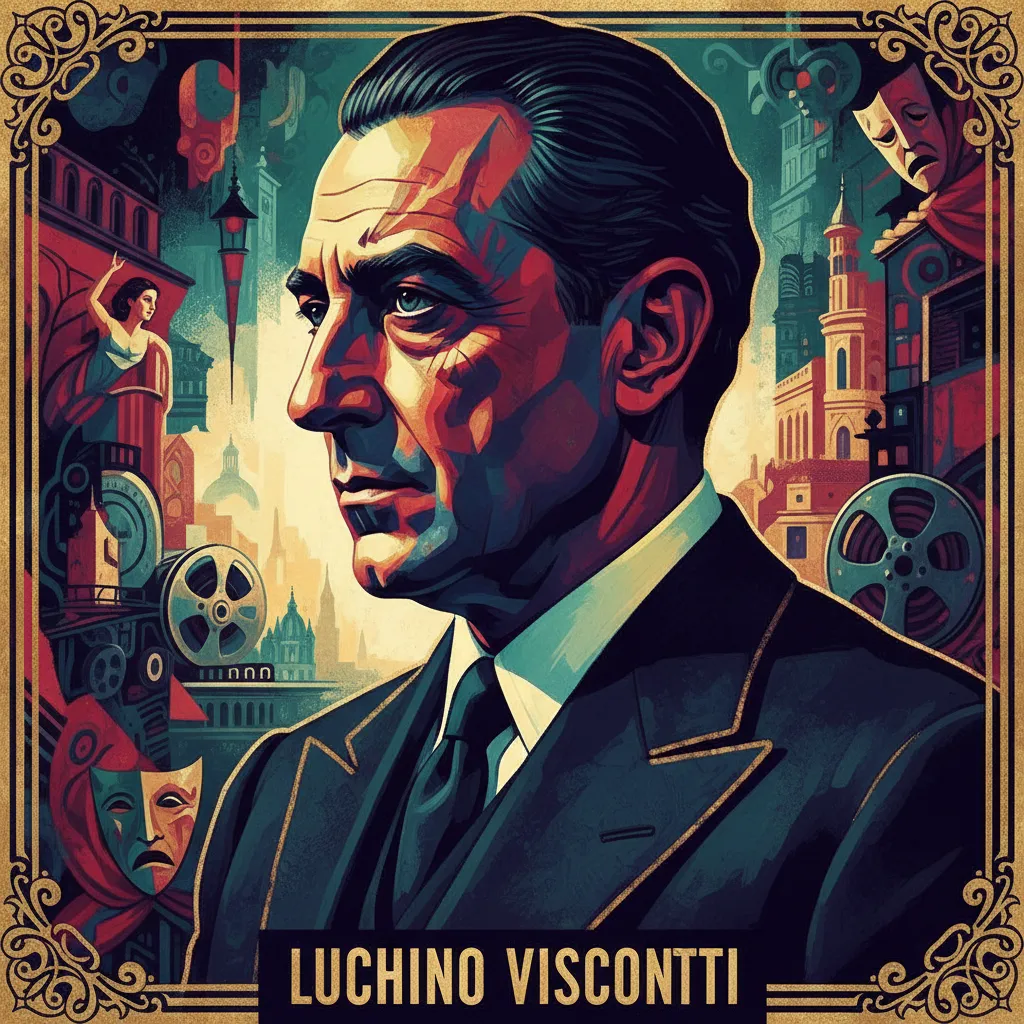
Luchino Visconti was a prominent Italian film director whose career spanned over five decades, leaving an indelible mark on the world of cinema. Known for his meticulous attention to detail and sumptuous visual style, Visconti's films often revolved around themes of decadence, class struggle, and the fading aristocracy, providing a deep insight into Italian society and culture. His directorial style was characterized by a profound appreciation for classical literature, which he skillfully adapted to the screen, infusing his films with a sense of grandeur and emotional depth. One of Visconti's most celebrated works is "Rocco and His Brothers" (1960), a gripping tale of a southern Italian family's struggle to survive in the brutal urban landscape of Milan. This film exemplifies Visconti's ability to capture the raw emotions and complexities of human relationships, earning him international acclaim and establishing him as a leading figure in the Italian neorealism movement. Another milestone in Visconti's career is "The Leopard" (1963), an epic historical drama set against the backdrop of the Risorgimento, which showcased his mastery in creating visually stunning period pieces while delving into the intricacies of power and change. In "Death in Venice" (1971), Visconti took on Thomas Mann's classic novella, delivering a haunting and visually mesmerizing exploration of repressed desires and the fragility of beauty. The film's evocative imagery and haunting score solidified Visconti's reputation as a master of sensual storytelling, leaving an enduring impact on the cinematic landscape. Throughout his career, Visconti's films were marked by their lavish production design, exquisite cinematography, and deeply introspective narratives, cementing his status as a visionary auteur whose influence continues to resonate in contemporary filmmaking. Luchino Visconti's oeuvre remains a testament to his unparalleled ability to infuse his films with striking visual poetry and profound social commentary, shaping the course of Italian and world cinema. His unparalleled impact on the art of filmmaking has inspired generations of directors and continues to captivate audiences with its timeless beauty and emotional resonance. Visconti's legacy endures as a testament to the transformative power of cinema and the enduring brilliance of a visionary director whose work transcends the boundaries of time and culture.

Lucia Aniello is a talented film director known for her work in the comedy genre. Her notable filmography includes the 2017 hit "Rough Night," which showcased her skill in crafting hilarious and engaging narratives. Aniello's directorial style is marked by a sharp wit, clever storytelling, and a keen eye for comedic timing. Her work often features strong ensemble casts and dynamic female characters, contributing to her reputation as a director with a fresh and modern perspective. "Rough Night" stands as a prime example of Aniello's ability to blend humor with compelling storytelling. The film follows a group of friends who find themselves entangled in a wild and chaotic bachelorette party gone awry. Aniello's direction infuses the movie with a vibrant energy and a unique blend of humor and heart, resonating with audiences and critics alike. Aniello's work often explores themes of friendship, identity, and the complexities of modern relationships, all while maintaining a sharp comedic edge. Her contributions to cinema have helped pave the way for more diverse and inclusive storytelling, particularly in the realm of female-led comedies. Aniello's unique vision and directorial prowess have left an indelible mark on the comedy genre, earning her a well-deserved place among the industry's most promising talents. As a director, Lucia Aniello continues to push boundaries and challenge conventions, consistently delivering films that are both entertaining and thought-provoking. Her impact on cinema is undeniable, and her future projects are highly anticipated as she continues to carve out her place as a trailblazer in the world of comedy filmmaking. With her distinct directorial style and keen storytelling abilities, Aniello is undoubtedly a director to watch, with her work leaving a lasting impression on audiences and industry professionals alike.


Lucía Puenzo is an Argentine director, screenwriter, and novelist known for her unique and thought-provoking storytelling. With a keen eye for human emotion and complex characters, Puenzo has made a significant impact on cinema, particularly in the realm of drama and romance. Her directorial style is marked by a delicate balance of introspection and societal commentary, often delving into themes of identity, sexuality, and the human condition. Puenzo's most notable film to date is "XXY" (2007), a poignant drama that explores the struggles of an intersex teenager coming to terms with their gender identity in a small coastal town. The film garnered critical acclaim and won the Critics' Week Grand Prize at the Cannes Film Festival, solidifying Puenzo's reputation as a director with a distinct and powerful voice. Her ability to tackle sensitive subject matter with empathy and nuance has set her apart in the industry. Throughout her career, Puenzo has demonstrated a consistent commitment to portraying marginalized voices and challenging societal norms. Her films often confront issues of prejudice and discrimination, offering audiences a fresh perspective on the human experience. Puenzo's exploration of unconventional relationships and the complexities of human connection has resonated with audiences worldwide, earning her a dedicated following and critical acclaim. Puenzo's work stands as a testament to the power of cinema to provoke introspection and inspire empathy. Her ability to craft compelling narratives with depth and sensitivity has cemented her status as a leading voice in contemporary cinema. As she continues to push boundaries and elevate underrepresented stories, Puenzo remains a director to watch, with each new project promising to captivate and provoke audiences in equal measure.

Lucio Fulci, the Italian film director, made an indelible mark on the horror genre with his unique directorial style and a string of influential films that have left an enduring impact on cinema. Known for his visceral and unapologetically graphic approach to horror, Fulci's filmography boasts an impressive array of cult classics that continue to captivate audiences to this day. Fulci's directorial style is characterized by his unflinching portrayal of violence and gore, often pushing the boundaries of the genre. His films are marked by their atmospheric tension, surreal imagery, and a relentless sense of dread that permeates every frame. With an emphasis on visceral, often shocking imagery, Fulci's work has earned him a reputation as a master of Italian horror cinema. Notable films in Fulci's oeuvre include the chilling and atmospheric "City of the Living Dead" (1980), the nightmarish and hallucinatory "The Beyond" (1981), and the haunting and macabre "The House by the Cemetery" (1981). These films showcase Fulci's penchant for blending supernatural horror with elements of mystery and suspense, creating an immersive and terrifying experience for audiences. Throughout his career, Fulci explored recurring themes such as the blurring of the boundaries between the living and the dead, the fragility of sanity, and the primal fear of the unknown. His films often delve into the darkest recesses of the human psyche, confronting audiences with their deepest fears and anxieties. Fulci's impact on cinema is undeniable, as his work continues to inspire and influence contemporary filmmakers and genre enthusiasts. His uncompromising vision and boundary-pushing approach to horror have solidified his legacy as a pioneer of the genre and a revered figure in the annals of cult cinema. With a body of work that remains as viscerally potent and thematically resonant as ever, Lucio Fulci's contributions to the world of horror cinema are nothing short of legendary.

Lucky McKee is a talented and versatile film director known for his unique blend of horror, drama, and dark comedy. With a career spanning over two decades, McKee has established himself as a distinctive voice in the world of cinema. His directorial style is characterized by his ability to seamlessly blend different genres, creating thought-provoking and visually striking films that leave a lasting impact on audiences. One of McKee's most notable films is "May" (2002), a dark comedy horror that showcases his ability to delve into the complexities of human nature and the macabre. The film received critical acclaim for its originality and marked McKee as a director to watch. "The Woods" (2006) further solidified his reputation in the horror genre, demonstrating his adeptness at creating tension and suspense on screen. In 2011, McKee directed "The Woman," a provocative and unsettling drama that further showcased his penchant for pushing boundaries and challenging societal norms. The film delves into themes of power dynamics, gender roles, and the dark side of human nature, cementing McKee's status as a director unafraid to tackle controversial subject matter. McKee's films often explore the darker aspects of human psychology, often featuring complex and flawed characters that resonate with audiences on a deep level. His ability to infuse horror with emotional depth and social commentary sets him apart as a visionary director who is unafraid to confront uncomfortable truths. Lucky McKee's impact on cinema lies in his ability to subvert genre conventions and deliver thought-provoking narratives that linger in the minds of viewers long after the credits roll. His unique vision and uncompromising approach to storytelling have earned him a dedicated following and a well-deserved place in the pantheon of influential contemporary directors.

Ludwig Berger was a German film director whose impact on cinema continues to be felt through his visionary approach to storytelling and direction. Born in 1892, Berger's career spanned several decades and included a wide range of films that showcased his unique directorial style and imagination. One of his most notable works is "The Thief of Bagdad" (1940), an adventure-fantasy film that has endured as a classic in the genre. Berger's directorial prowess in this film is evident through his ability to seamlessly blend adventure, family themes, and fantasy elements, creating an immersive and captivating cinematic experience that resonates with audiences to this day. Throughout his career, Ludwig Berger demonstrated a keen eye for visual storytelling and a penchant for creating fantastical worlds on screen. His directorial style often featured sweeping cinematography, elaborate set designs, and imaginative storytelling that transported viewers to enchanting realms. "The Thief of Bagdad" stands as a testament to Berger's ability to bring larger-than-life stories to the silver screen with a sense of grandeur and spectacle that continues to inspire filmmakers and enchant audiences. In addition to his directorial flair, Ludwig Berger's films often explored recurring themes of heroism, adventure, and the triumph of the human spirit. His ability to infuse fantastical narratives with relatable and timeless themes contributed to the enduring appeal of his work. "The Thief of Bagdad" exemplifies Berger's skill in crafting narratives that resonate with audiences on an emotional level while also captivating them with dazzling visuals and thrilling action sequences. Ludwig Berger's impact on cinema extends beyond his individual films, as his visionary approach to storytelling and direction has left an indelible mark on the film industry. His contributions to the adventure, family, and fantasy genres have influenced generations of filmmakers, and his legacy continues to inspire contemporary directors seeking to imbue their work with a sense of wonder and imagination. As audiences continue to be captivated by the magic of "The Thief of Bagdad" and Berger's other timeless works, his directorial legacy remains an integral part of cinematic history.

Luis Buñuel, a pioneering Spanish filmmaker, is renowned for his surrealist and subversive approach to cinema. Born in 1900, Buñuel's career spanned several decades and his filmography boasts a diverse array of groundbreaking works. His directorial style is characterized by a penchant for challenging societal norms, blending dreamlike sequences with sharp social commentary, and often incorporating controversial and provocative themes. Buñuel's influence on cinema is immeasurable, and his distinct vision continues to inspire filmmakers around the world. One of Buñuel's most iconic films is "Belle de Jour" (1967), a mesmerizing exploration of desire and repression. Starring Catherine Deneuve, the film delves into the complex inner world of a young housewife who seeks fulfillment through a double life as a daytime prostitute. This film encapsulates Buñuel's ability to unravel the human psyche in a visually captivating manner, while unearthing the underbelly of societal conventions. In "The Discreet Charm of the Bourgeoisie" (1972), Buñuel masterfully weaves together a comedic yet scathing critique of the bourgeoisie. The film follows a group of affluent friends as they attempt to attend a dinner party, only to be repeatedly thwarted by absurd and surreal circumstances. Buñuel's satirical take on class dynamics and societal facades is both thought-provoking and darkly humorous, showcasing his knack for subverting expectations and challenging the status quo. Buñuel's exploration of existential themes and societal taboos is further exemplified in "The Exterminating Angel" (1962). This enigmatic and unsettling film follows a group of aristocrats who find themselves inexplicably unable to leave a dinner party, descending into chaos and primal behavior. The film's surreal and allegorical nature underscores Buñuel's ability to craft narratives that transcend traditional storytelling, leaving a lasting impact on audiences and fellow filmmakers alike. Luis Buñuel's bold and unapologetic approach to filmmaking has cemented his status as a true auteur. His ability to meld the subconscious with societal critique, all while challenging cinematic conventions, has left an indelible mark on the medium. Buñuel's films continue to resonate with audiences and aspiring filmmakers, solidifying his legacy as a visionary director whose work remains as relevant and influential as ever.

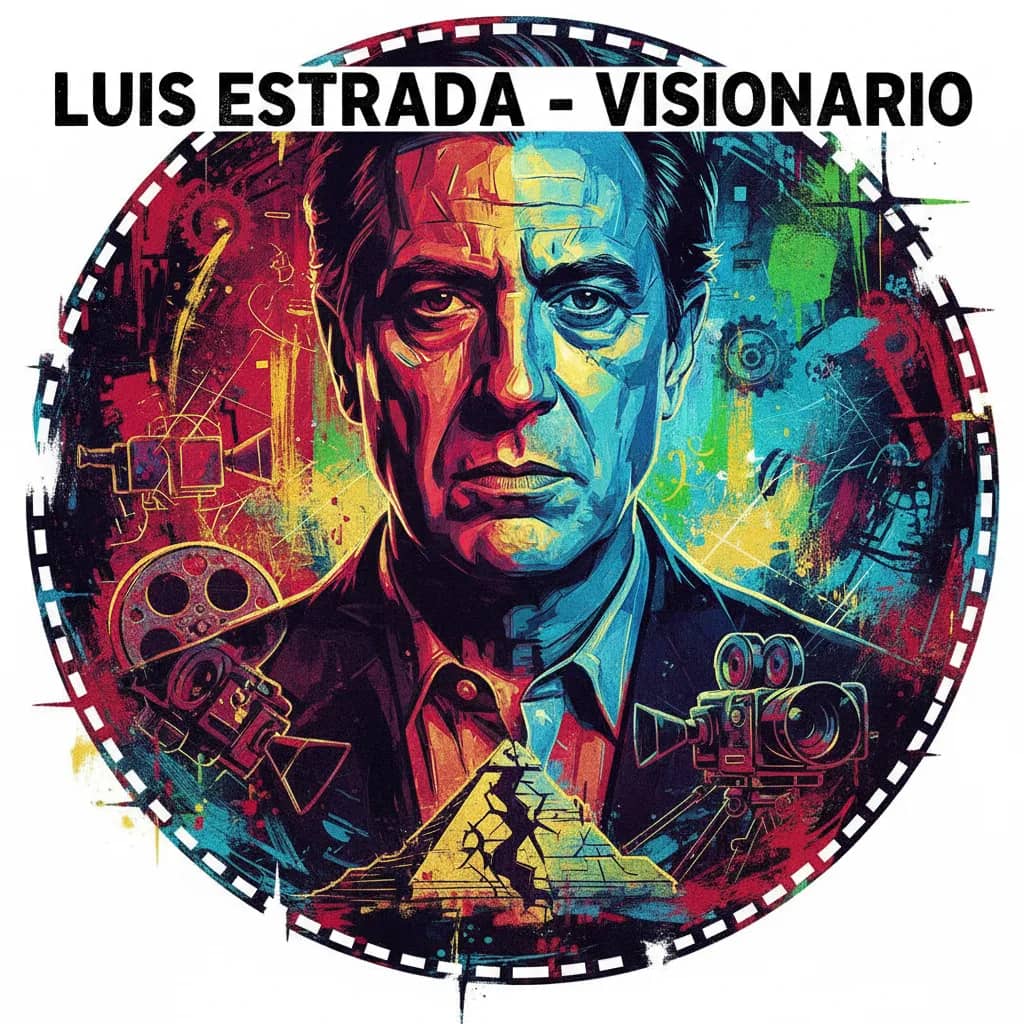
Luis Estrada, a renowned Mexican film director, has made significant contributions to the world of cinema with his distinct directorial style and thought-provoking storytelling. With a career spanning over three decades, Estrada has cemented his reputation as a master of blending sharp political satire with dark humor, making him a prominent figure in the realm of social commentary through film. Estrada's filmography boasts a diverse range of works, but one of his most celebrated films is "Hell" (2010). This action-packed comedy crime film, set against the backdrop of Mexico's corrupt political landscape, showcases Estrada's ability to merge gripping narratives with biting satire. His directorial prowess shines through in "Hell," as he fearlessly exposes societal injustices and political corruption while infusing the story with a touch of dark comedy, ultimately provoking introspection and critical thinking among audiences. Notably, Estrada's directorial style often revolves around unapologetically addressing socio-political issues, shedding light on the harsh realities of contemporary Mexican society. His films often feature flawed yet relatable characters navigating through the complexities of corruption, inequality, and societal decay, effectively resonating with audiences on a profound level. Estrada's impact on cinema extends beyond mere entertainment, as his work serves as a powerful vehicle for inciting meaningful discourse and challenging the status quo. By fearlessly tackling controversial subjects and pushing the boundaries of conventional storytelling, he has carved a niche for himself as a visionary director unafraid to confront uncomfortable truths and spark vital conversations through his art. In conclusion, Luis Estrada's directorial career stands as a testament to his unwavering commitment to using film as a tool for societal reflection and transformation. Through his distinctive directorial style, notable films like "Hell," and uncompromising exploration of socio-political themes, Estrada has left an indelible mark on cinema, earning him a well-deserved place among the most influential and revered directors of our time.

Luis Llosa is a Peruvian film director known for his action-packed, adrenaline-pumping movies that have left an indelible mark on the action genre. With a career spanning over three decades, Llosa has made a name for himself with his distinctive directorial style, characterized by intense, high-stakes storytelling and visually stunning action sequences. His filmography boasts several notable works, including "Sniper" (1993), "The Specialist" (1994), and "Anaconda" (1997), each showcasing his prowess in delivering gripping narratives with a focus on thrills and suspense. Llosa's directorial style is marked by a keen eye for crafting heart-pounding action sequences and taut, suspenseful storytelling. His films often feature protagonists thrust into high-stakes situations, navigating through perilous obstacles while facing formidable adversaries. Llosa's ability to build tension and create immersive, pulse-pounding experiences has cemented his reputation as a master of the action genre. Notable for his emphasis on adrenaline-fueled storytelling, Llosa has consistently delivered films that captivate audiences with their high-octane action and riveting plotlines. "Sniper," which follows a veteran sniper and his apprentice navigating through the dangerous terrain of the Panamanian jungle, exemplifies Llosa's skill in crafting intense, war-themed narratives. "The Specialist," starring Sylvester Stallone and Sharon Stone, showcases Llosa's ability to infuse drama and suspense into an action-packed storyline, while "Anaconda" demonstrates his adeptness in creating chilling horror-tinged adventures set in the Amazon rainforest. Llosa's impact on cinema lies in his ability to transport audiences into heart-racing, adrenaline-charged worlds, where the stakes are high, and the action is relentless. His films have left an indelible mark on the action genre, influencing subsequent filmmakers and shaping audience expectations for exhilarating, edge-of-your-seat entertainment. With a career defined by a commitment to delivering electrifying cinematic experiences, Luis Llosa has solidified his status as a visionary director whose distinctive style continues to resonate with action enthusiasts and thrill-seekers alike.
Every film by the greats, ranked by our TML Score.

Christopher Nolan
Every film, ranked

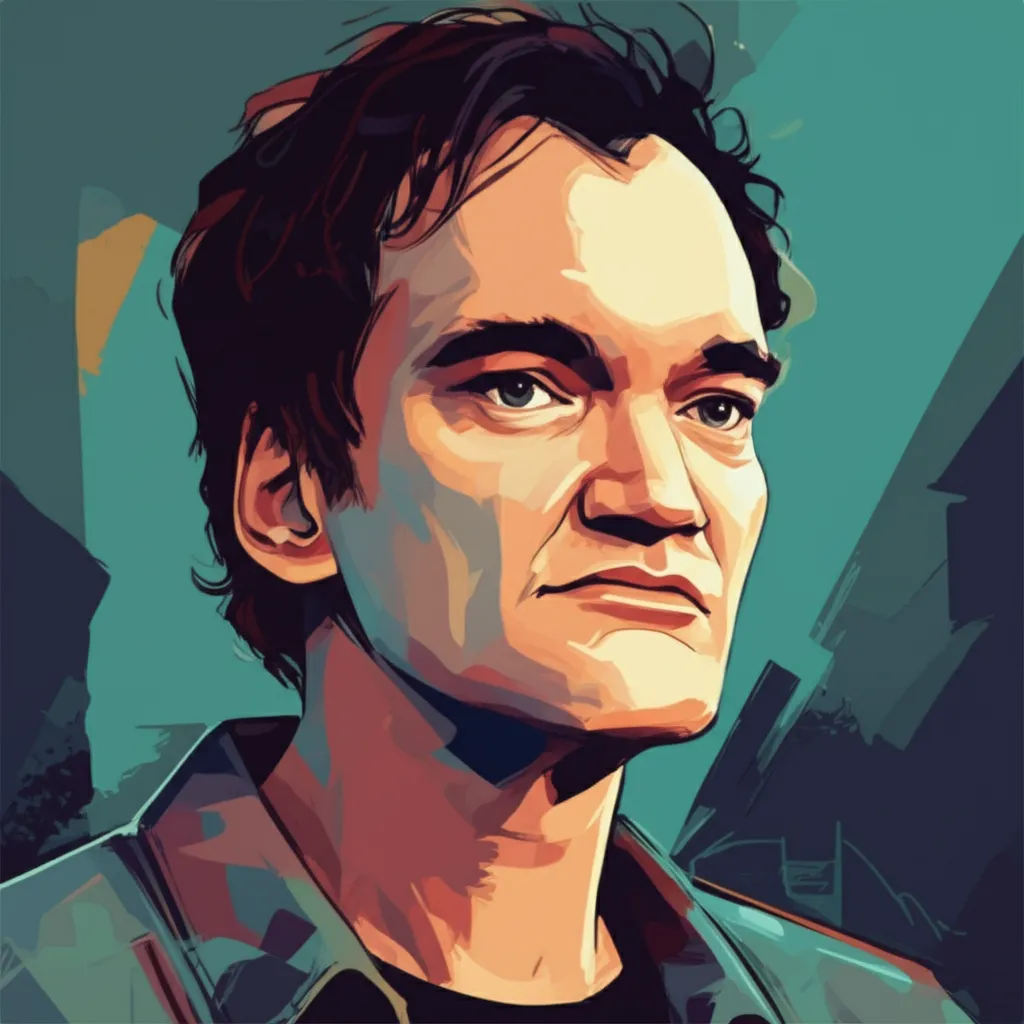
Quentin Tarantino
Every film, ranked

Stanley Kubrick
Every film, ranked

Martin Scorsese
Every film, ranked

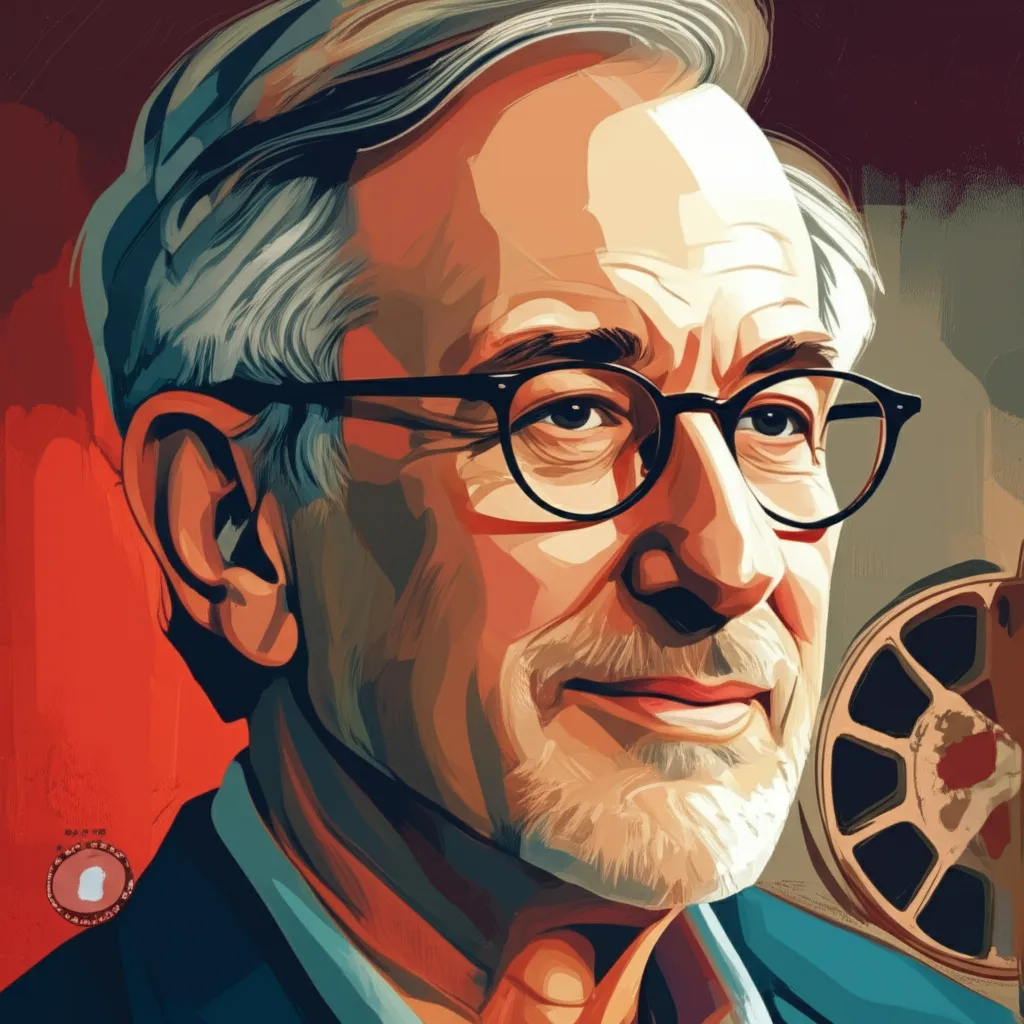
Steven Spielberg
Every film, ranked

Alfred Hitchcock
Every film, ranked

David Fincher
Every film, ranked

Denis Villeneuve
Every film, ranked

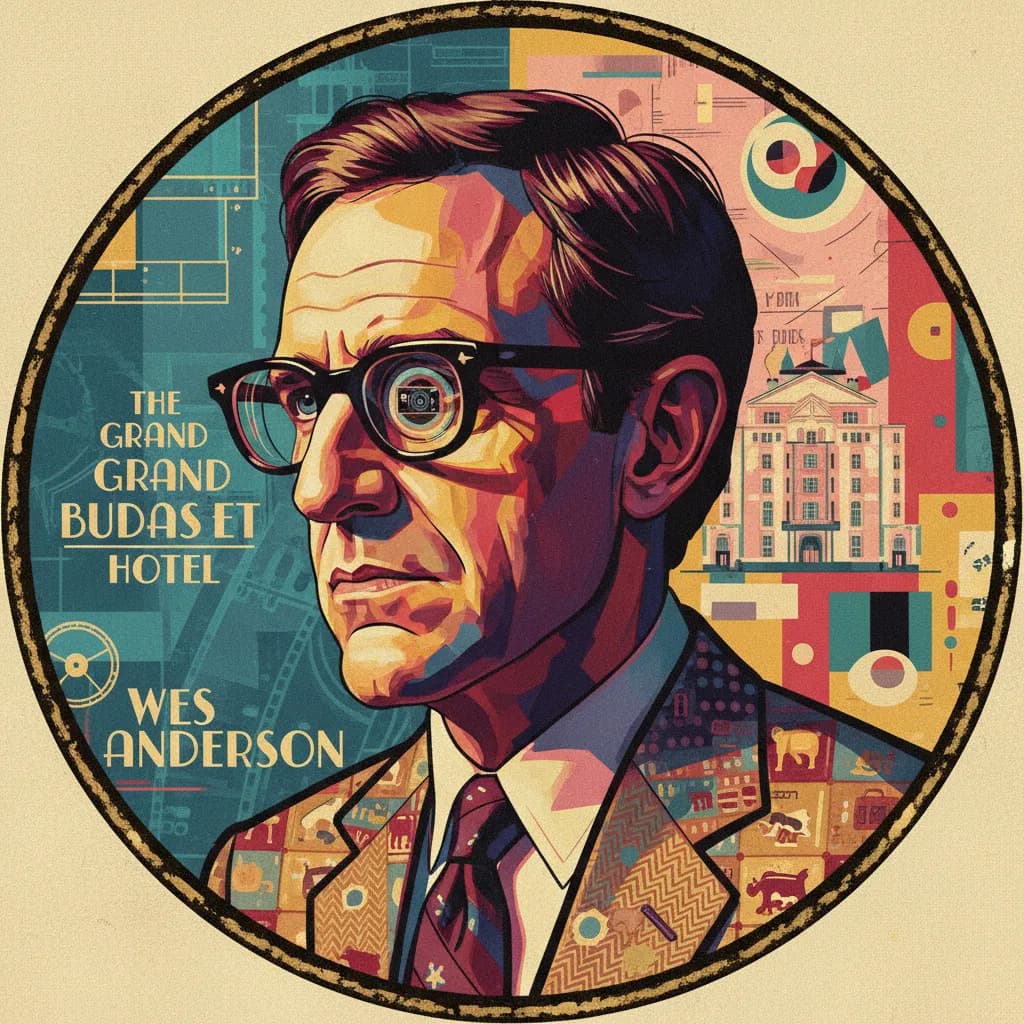
Wes Anderson
Every film, ranked

Paul Thomas Anderson
Every film, ranked

Ridley Scott
Every film, ranked

Tim Burton
Every film, ranked

Guillermo del Toro
Every film, ranked

Hayao Miyazaki
Every film, ranked

Akira Kurosawa
Every film, ranked

Francis Ford Coppola
Every film, ranked

Clint Eastwood
Every film, ranked

Bong Joon Ho
Every film, ranked

Woody Allen
Every film, ranked

Steven Soderbergh
Every film, ranked

Ron Howard
Every film, ranked

Pedro Almodóvar
Every film, ranked

Richard Linklater
Every film, ranked

Roman Polanski
Every film, ranked

Brian De Palma
Every film, ranked

Ingmar Bergman
Every film, ranked

Oliver Stone
Every film, ranked

David Cronenberg
Every film, ranked

Robert Zemeckis
Every film, ranked

Barry Levinson
Every film, ranked

John Carpenter
Every film, ranked

Joel Schumacher
Every film, ranked

Billy Wilder
Every film, ranked

Rob Reiner
Every film, ranked

Neil Jordan
Every film, ranked

Spike Lee
Every film, ranked

Ivan Reitman
Every film, ranked

John Woo
Every film, ranked

Lasse Hallström
Every film, ranked

Stephen Frears
Every film, ranked

Luc Besson
Every film, ranked

Chris Columbus
Every film, ranked

Mike Nichols
Every film, ranked

Howard Hawks
Every film, ranked

Ang Lee
Every film, ranked

Walter Hill
Every film, ranked

Gus Van Sant
Every film, ranked

William Wyler
Every film, ranked

Renny Harlin
Every film, ranked

Sidney Lumet
Every film, ranked

Tony Scott
Every film, ranked