Discover the visionary filmmakers behind cinema's greatest works.
Explore our selection of acclaimed directors and their remarkable films.
Showing 2329-2340 out of 4148

Lee H. Katzin was an American film and television director best known for his work on "Le Mans" (1971), an action-packed racing film starring Steve McQueen. Katzin's directorial style often emphasized intense, immersive action sequences and a focus on authentic, gritty realism. His approach to storytelling and visual flair made him a notable figure in the world of filmmaking. "Le Mans" remains Katzin's most significant contribution to cinema. The film is celebrated for its groundbreaking use of in-car cameras, which provided audiences with a visceral and unprecedentedly realistic portrayal of auto racing. Katzin's ability to capture the high-stakes drama and adrenaline-fueled action of the Le Mans 24 Hours race set a new standard for the portrayal of motorsport on screen. His meticulous attention to detail and dedication to authenticity in filming racing sequences left an indelible mark on the genre. Throughout his career, Katzin demonstrated a penchant for exploring themes of courage, determination, and the pursuit of excellence. His films often featured protagonists facing insurmountable challenges, and he excelled at creating tension-filled narratives that kept audiences on the edge of their seats. In "Le Mans," Katzin's skillful direction brought to life the intense competition and danger faced by race car drivers, showcasing his ability to convey the raw emotion and perilous nature of their profession. Katzin's impact on cinema extends beyond his individual films, as he helped shape the visual language of action and sports dramas. His innovative techniques and commitment to capturing the authenticity of his subjects set a precedent for future filmmakers working in similar genres. As a director, Lee H. Katzin left an enduring legacy, inspiring subsequent generations of filmmakers to push the boundaries of storytelling and visual storytelling in action cinema.

Lee Isaac Chung is an American director who made a significant impact on the film industry with his deeply personal and emotionally resonant storytelling. Chung gained widespread recognition for his critically acclaimed film "Minari" (2020), which earned six Academy Award nominations, including Best Director and Best Picture. Known for his evocative directorial style, Chung has a remarkable ability to infuse his films with raw emotion and authenticity, capturing the complexities of human relationships and the immigrant experience. Chung's directorial debut, "Minari," is a semi-autobiographical film that draws from his own upbringing as the child of Korean immigrants in rural Arkansas. The film beautifully captures the struggles and triumphs of the immigrant experience, exploring themes of family, identity, and the pursuit of the American dream. Through his nuanced storytelling and visually stunning cinematography, Chung masterfully immerses audiences in the world of his characters, creating a deeply moving and immersive cinematic experience. One of Chung's notable directorial strengths is his ability to portray the universal human experience within specific cultural contexts. His films often explore the complexities of identity, belonging, and cultural assimilation, resonating with audiences across diverse backgrounds. Chung's work reflects a deep understanding of human emotion and the complexities of interpersonal relationships, showcasing his talent for crafting deeply empathetic and relatable narratives. Chung's impact on cinema extends beyond his individual films, as he has become a leading voice for underrepresented storytellers in the industry. Through his groundbreaking work, Chung has paved the way for greater diversity and inclusivity in filmmaking, inspiring a new generation of filmmakers to share their unique perspectives and experiences on the big screen. With his authentic storytelling and keen insight into the human condition, Lee Isaac Chung continues to be a driving force in shaping the future of cinema.

Lee Jeong-beom is a South Korean film director known for his gripping and visually stunning works in the action, crime, and drama genres. His most notable film, "The Man from Nowhere" (2010), catapulted him to international acclaim and solidified his reputation as a master of intense and emotionally charged storytelling. With a keen eye for detail and an innate ability to capture raw human emotion on screen, Lee Jeong-beom has carved a niche for himself in the world of cinema. As a director, Lee Jeong-beom is celebrated for his distinctive style, characterized by meticulous attention to choreography in action sequences, immersive storytelling, and a penchant for exploring complex characters and their moral dilemmas. His films often feature morally ambiguous protagonists caught in high-stakes situations, leading to riveting narratives that keep audiences on the edge of their seats. Furthermore, Lee Jeong-beom's meticulous approach to cinematography and his ability to infuse intense emotion into every frame make his films a visually captivating experience. "The Man from Nowhere" stands as a testament to Lee Jeong-beom's directorial prowess, with its masterful blend of heart-pounding action and poignant drama. The film not only showcased his ability to deliver compelling and visceral action sequences but also demonstrated his adeptness at delving into the depths of human emotion, resulting in a truly immersive cinematic experience. In terms of recurring themes, Lee Jeong-beom often explores the concept of redemption, the enduring resilience of the human spirit, and the complexities of morality in his films. His work has left an indelible mark on the action and crime genres, influencing a new wave of filmmakers and inspiring a fresh approach to storytelling within these genres. Lee Jeong-beom's impact on cinema extends beyond his ability to craft captivating narratives and stunning visuals. His films have resonated with audiences globally, earning him a dedicated following and cementing his status as a visionary director. With a career defined by a commitment to pushing creative boundaries and a dedication to crafting emotionally resonant stories, Lee Jeong-beom continues to leave an indelible mark on the world of cinema.

Lee Kirk is an American director known for his work in the comedy-drama genre. His most notable film, "The Giant Mechanical Man" (2012), showcases his directorial style, characterized by heartfelt storytelling, genuine characters, and a touch of whimsy. Kirk's approach to filmmaking often revolves around exploring the complexities of human relationships, blending emotional depth with lighthearted humor to create a relatable and engaging cinematic experience. "The Giant Mechanical Man" stands as a testament to Kirk's ability to craft intimate narratives that resonate with audiences. The film follows the lives of two lost souls who find solace in each other's company amidst the chaos of modern life. Kirk's directorial prowess shines through in his adeptness at capturing authentic human emotions and crafting endearing, multi-dimensional characters. His emphasis on interpersonal connections and personal growth serves as a recurring theme throughout his works, reflecting his keen insight into the human condition. In the realm of cinema, Lee Kirk has made a distinctive mark by infusing his films with a refreshing blend of sincerity and humor. His directorial contributions have enriched the comedy-drama landscape, offering audiences a departure from conventional storytelling and inviting them into a world where genuine emotions and genuine laughs coexist harmoniously. Through his unique vision, Kirk has carved out a niche for himself as a director who celebrates the beauty of life's imperfections, portraying them with warmth, empathy, and a touch of whimsy. Kirk's impact on cinema lies in his ability to create films that resonate with viewers on a deeply human level. His directorial style, marked by its authenticity and emotional resonance, has garnered acclaim for its ability to capture the intricacies of human relationships with sincerity and wit. As he continues to pursue his craft, Lee Kirk's work serves as a testament to the enduring power of storytelling and the universal appeal of genuine, heartfelt narratives in the world of filmmaking.

Lee Sternthal is an accomplished film director known for his work in the drama, mystery, and romance genres. His most notable directorial effort is "The Words" (2012), a thought-provoking film that delves into the complexities of identity, ambition, and the consequences of one's actions. Sternthal's directorial style is characterized by his ability to craft compelling narratives that resonate with audiences on an emotional level. His keen eye for detail and nuanced storytelling have solidified his reputation as a director with a distinct and evocative vision. "The Words" stands as a testament to Sternthal's ability to seamlessly blend genres, offering audiences a captivating and multi-layered cinematic experience. His directorial approach is marked by a meticulous attention to character development and a deep exploration of moral dilemmas, which have become recurring themes in his work. Sternthal's films often challenge viewers to question their own beliefs and values, creating a lasting impact that extends beyond the screen. In the realm of cinema, Sternthal has made significant contributions by pushing the boundaries of traditional storytelling and infusing his films with a sense of depth and introspection. His ability to evoke raw emotions and provoke introspection has earned him a dedicated following and critical acclaim. Sternthal's directorial prowess lies in his ability to create thought-provoking narratives that transcend the confines of genre, leaving a lasting impression on audiences and fellow filmmakers alike. As a director, Lee Sternthal continues to shape the landscape of contemporary cinema with his unique vision and storytelling prowess. His impact on the industry is evident through his ability to craft compelling narratives that resonate with audiences and critics alike. With his distinct directorial style and thought-provoking themes, Sternthal remains a formidable force in the world of cinema, leaving an indelible mark on the art of storytelling through film.

Lee Tamahori is a New Zealand director known for his diverse filmography spanning various genres, from action to drama and thriller. He burst onto the international scene with his feature film debut, "Once Were Warriors" in 1994. The gritty and powerful portrayal of Maori urban life garnered critical acclaim and announced Tamahori as a director to watch. This film showcased his ability to delve into complex societal issues and human struggles, a theme that would be a recurring element in his subsequent works. Tamahori's directorial style is characterized by his keen eye for visual storytelling and his knack for creating intense, edge-of-your-seat moments. He has a penchant for exploring the darker aspects of human nature, often delving into themes of power, identity, and moral ambiguity. This is evident in films such as "Mulholland Falls" and "The Devil's Double," where he skillfully navigates the complexities of crime, power dynamics, and the human psyche. His ability to craft compelling narratives within these themes has solidified his reputation as a director unafraid to tackle challenging subject matter. One of Tamahori's most notable contributions to cinema is his direction of the James Bond film "Die Another Day." His distinctive visual style and flair for high-octane action sequences breathed new life into the iconic franchise, earning him a place among the notable directors in the Bond series. This film showcased his versatility as a director, seamlessly transitioning from intimate character-driven dramas to large-scale, pulse-pounding action spectacles. Tamahori's impact on cinema lies in his ability to infuse his films with a sense of raw authenticity and emotional depth, drawing audiences into the visceral experiences of his characters. Through his diverse filmography, he has proven himself to be a director capable of tackling a wide range of genres while maintaining a distinct directorial voice. As he continues to push boundaries and challenge conventional storytelling, Lee Tamahori remains a formidable force in the world of filmmaking, leaving an indelible mark on the industry with his unique vision and storytelling prowess.

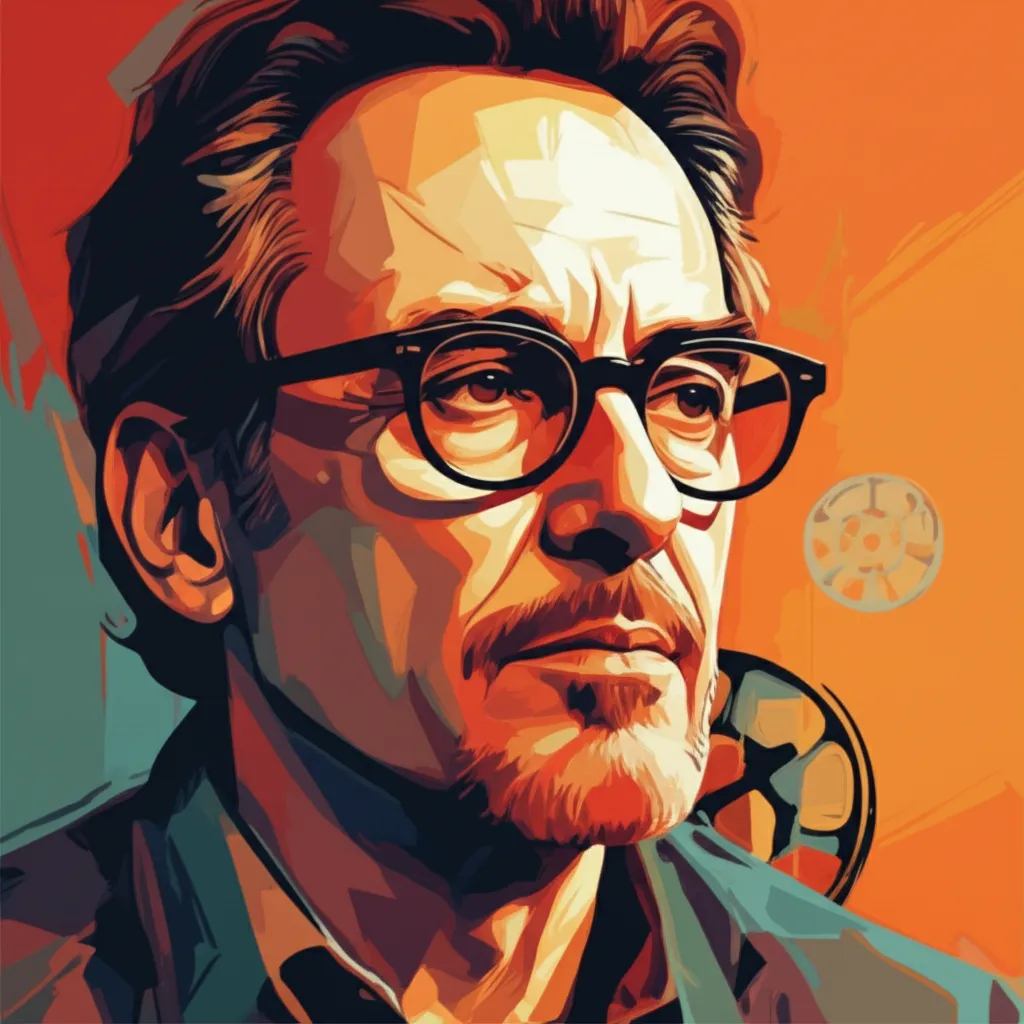
Lee Toland Krieger is a talented American film director known for his unique storytelling and visually stunning cinematic style. Krieger's directorial debut came with the 2007 film "The Vicious Kind," which immediately showcased his ability to craft emotionally rich narratives and complex character dynamics. His distinct directorial style often incorporates elements of comedy, drama, and romance, allowing him to explore the intricacies of human relationships with depth and authenticity. One of Krieger's most notable works is "Celeste & Jesse Forever" (2012), a critically acclaimed comedy-drama that he both directed and co-wrote. The film, which delves into the complexities of modern relationships, received praise for its sharp dialogue, well-drawn characters, and Krieger's sensitive direction. His ability to infuse romantic narratives with emotional depth and genuine human experiences has established him as a director with a keen understanding of the human condition. Krieger continued to captivate audiences with "The Age of Adaline" (2015), a visually enchanting drama that intertwines romance and fantasy. The film's timeless and ethereal quality, coupled with Krieger's meticulous attention to detail, garnered widespread acclaim. His ability to seamlessly blend genres while maintaining a strong focus on character development has solidified his reputation as a versatile and visionary director in contemporary cinema. Throughout his career, Krieger has demonstrated a penchant for exploring themes of love, loss, and the passage of time, often imbuing his films with a sense of magic and wonder. His visually striking storytelling and emotional resonance have left an indelible mark on cinema, influencing a new generation of filmmakers. With a keen eye for human emotion and a commitment to crafting captivating narratives, Lee Toland Krieger continues to be a director to watch, poised to make an enduring impact on the world of filmmaking.

Lee Unkrich is an acclaimed American film director and former Pixar Animation Studios employee, recognized for his visionary storytelling and innovative contributions to animated cinema. With a career spanning over two decades, Unkrich's directorial prowess is evident in his notable works, including "Coco" (2017) and "Toy Story 3" (2010). His directorial style is characterized by a seamless blend of heartwarming narratives, visually stunning animation, and emotionally resonant themes, captivating audiences of all ages. Unkrich's directorial debut with "Toy Story 3" garnered widespread critical acclaim and commercial success, solidifying his reputation as a master storyteller in the animation genre. The film's seamless combination of humor, heart, and poignant storytelling elevated the animated medium, earning Unkrich an Academy Award for Best Animated Feature. His ability to infuse depth and emotional resonance into animated characters has set a new standard for storytelling in the genre. In "Coco," Unkrich's meticulous attention to cultural authenticity and heartfelt storytelling shines through, as he skillfully weaves a vibrant tapestry of Mexican traditions and folklore into the narrative. The film's celebration of family, identity, and the power of music resonated with audiences worldwide, further establishing Unkrich as a director with a profound understanding of universal themes and emotions. Throughout his career, Unkrich has demonstrated a penchant for exploring themes of identity, belonging, and the human experience, transcending the boundaries of animation to deliver profound and thought-provoking stories. His commitment to pushing the boundaries of animated storytelling has left an indelible mark on cinema, inspiring a new generation of filmmakers to embrace the art form's limitless potential. In conclusion, Lee Unkrich's directorial contributions have not only redefined the animated genre but have also left an enduring impact on the world of cinema. His ability to infuse depth, emotion, and cultural richness into his films has earned him a well-deserved place among the most influential and visionary directors in the industry. With a career marked by critical acclaim, commercial success, and a legacy of groundbreaking storytelling, Lee Unkrich continues to inspire and captivate audiences with his unparalleled directorial vision.

Lee Won-tae is a South Korean director who has made a name for himself in the film industry with his unique directorial style and compelling storytelling. His most notable film, "The Gangster, the Cop, the Devil" (2019), has garnered international acclaim and solidified his reputation as a master of action, crime, and thriller genres. Lee's directorial style is characterized by intense, gritty narratives, dynamic action sequences, and complex character dynamics, which have left a lasting impact on cinema. "The Gangster, the Cop, the Devil" is a prime example of Lee Won-tae's prowess as a director. The film follows the gripping tale of a gangster and a cop who form an unlikely alliance to track down a sadistic serial killer. Through his meticulous direction, Lee creates a high-octane cinematic experience filled with pulsating action, suspenseful thrills, and a deep exploration of moral ambiguity. His ability to seamlessly blend heart-pounding action with compelling storytelling has captivated audiences and critics alike, earning him widespread acclaim. One of the recurring themes in Lee's work is the exploration of the dark underbelly of society, as well as the complexities of human nature. His films often delve into the moral dilemmas faced by his characters, blurring the lines between good and evil. This thematic depth, coupled with his masterful command of visual storytelling, sets Lee apart as a director with a keen eye for nuanced storytelling and compelling character development. Lee Won-tae's impact on cinema extends beyond just his storytelling abilities. His distinct directorial style and knack for crafting visceral, edge-of-your-seat experiences have cemented his status as a trailblazer in the action and crime genres. His work has undoubtedly influenced a new generation of filmmakers, inspiring them to push the boundaries of storytelling and visual aesthetics. In conclusion, Lee Won-tae's directorial career is defined by his ability to craft gripping narratives, intense action sequences, and morally complex characters. His film "The Gangster, the Cop, the Devil" stands as a testament to his visionary approach to filmmaking, and his impact on cinema is undeniable. As he continues to push the boundaries of storytelling and visual storytelling, Lee Won-tae's contributions to the film industry will undoubtedly leave a lasting legacy for years to come.

Leigh Janiak is a visionary director known for her distinctive blend of drama, horror, and mystery. Her impressive filmography includes the highly anticipated Fear Street trilogy (Part One - 1994, Part Two - 1978, and Part Three - 1666), which has captivated audiences with its compelling storytelling and spine-chilling thrills. Janiak's directorial debut, "Honeymoon" (2014), further solidified her reputation as a filmmaker with a keen eye for crafting atmospheric and haunting narratives. Janiak's directorial style is characterized by her ability to seamlessly blend different genres, creating a unique and immersive viewing experience. Her films often explore the complexities of human relationships amidst supernatural and terrifying circumstances, showcasing her knack for delving into the darker aspects of human nature. With a keen understanding of pacing and tension-building, Janiak has garnered praise for her ability to keep audiences on the edge of their seats while delivering thought-provoking narratives. Notable for her thematic exploration of fear, trauma, and the supernatural, Janiak's films often delve into the depths of human psyche, offering audiences a visceral and emotionally resonant journey. Her Fear Street trilogy, based on R.L. Stine's popular book series, has been lauded for its fresh take on the horror genre, reinvigorating classic tropes with a modern sensibility. Janiak's impact on cinema lies in her ability to push boundaries and challenge conventions, offering a new perspective on familiar genres while staying true to her unique artistic vision. Leigh Janiak's contributions to film have cemented her as a director to watch, with her distinct voice and storytelling prowess garnering widespread acclaim. As she continues to carve her path in the industry, audiences can anticipate more captivating and boundary-pushing work from this talented filmmaker. Janiak's ability to immerse audiences in her meticulously crafted worlds and her fearless approach to storytelling ensure that her influence on cinema will endure for years to come.

Leigh Whannell is an Australian film director, screenwriter, producer, and actor known for his innovative contributions to the horror and science fiction genres. Whannell's directorial debut came with the 2018 action-packed sci-fi thriller "Upgrade," which showcased his unique vision and directorial style. Whannell's directorial style is characterized by his ability to seamlessly blend visceral action with thought-provoking themes, creating an immersive cinematic experience for audiences. His keen eye for visual storytelling and knack for creating tension and suspense have solidified his reputation as a director to watch in the industry. "Upgrade" garnered critical acclaim for its inventive storytelling, striking visuals, and intense action sequences. The film's premise, which explores the integration of technology with the human body, reflects Whannell's recurring theme of the intersection between humanity and technology. This thematic exploration, combined with his distinct directorial approach, has set Whannell apart as a visionary filmmaker. Whannell's impact on cinema extends beyond his directorial work. As a co-creator of the "Saw" and "Insidious" franchises, he has left an indelible mark on the horror genre, with his innovative storytelling and ability to create immersive and terrifying worlds. His directorial debut further solidified his position as a director capable of pushing boundaries and challenging conventions in the industry. With "Upgrade," Leigh Whannell has firmly established himself as a director with a unique vision and a penchant for crafting compelling narratives that resonate with audiences. His foray into directing has only just begun, and audiences eagerly anticipate his future projects, eager to experience more of his captivating storytelling and visionary approach to filmmaking.

Lena Dunham is a bold and dynamic filmmaker known for her unique directorial style and unapologetic storytelling. Her breakout film "Tiny Furniture" (2010) garnered widespread acclaim for its candid exploration of millennial angst and relationships. Displaying a keen eye for intimate character studies, Dunham effortlessly blends comedy, drama, and romance to create thought-provoking narratives that resonate with audiences. Dunham's directorial style is characterized by its raw authenticity and unfiltered portrayal of human experiences. She fearlessly delves into the complexities of relationships, identity, and self-discovery, often infusing her work with a darkly humorous and deeply relatable tone. Through her keen observations and sharp wit, Dunham has established herself as a trailblazing voice in independent cinema, challenging traditional storytelling conventions and pushing boundaries with her unflinchingly honest approach. "Tiny Furniture" stands as a testament to Dunham's ability to capture the intricacies of everyday life with poignancy and humor. The film's exploration of post-graduate malaise and the quest for self-fulfillment struck a chord with audiences, cementing Dunham's reputation as a director unafraid to tackle the complexities of young adulthood. Her willingness to confront uncomfortable truths and showcase the messiness of human emotions has left an indelible mark on the cinematic landscape. Dunham's impact on cinema extends beyond her directorial prowess, as she has become a symbol of empowerment for aspiring filmmakers. Her fearlessness in confronting taboo subjects and championing diverse perspectives has inspired a new generation of storytellers to embrace their unique voices and craft narratives that challenge societal norms. With her uncompromising vision and unwavering commitment to authenticity, Lena Dunham continues to shape the future of filmmaking, leaving an enduring legacy that transcends the screen.
Every film by the greats, ranked by our TML Score.

Christopher Nolan
Every film, ranked

Quentin Tarantino
Every film, ranked

Stanley Kubrick
Every film, ranked

Martin Scorsese
Every film, ranked

Steven Spielberg
Every film, ranked

Alfred Hitchcock
Every film, ranked

David Fincher
Every film, ranked

Denis Villeneuve
Every film, ranked

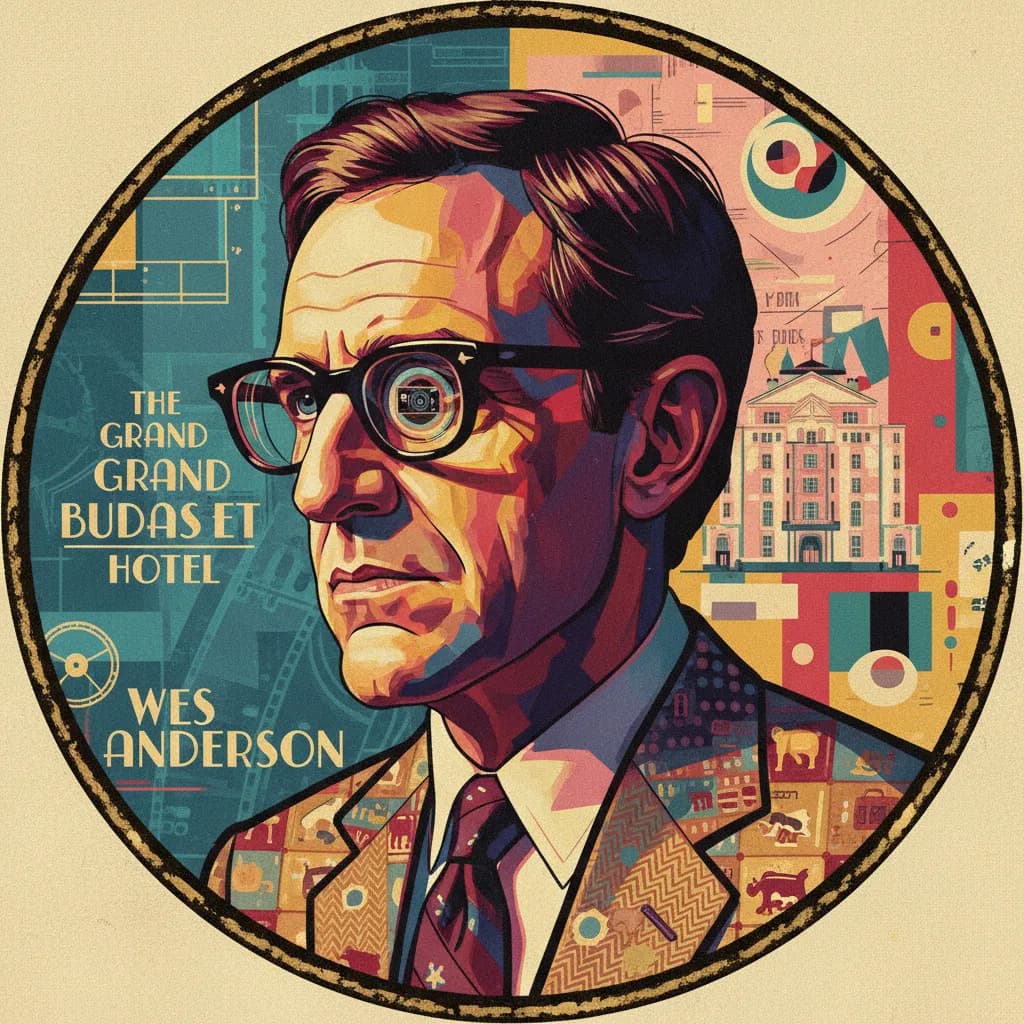
Wes Anderson
Every film, ranked

Paul Thomas Anderson
Every film, ranked

Ridley Scott
Every film, ranked

Tim Burton
Every film, ranked

Guillermo del Toro
Every film, ranked

Hayao Miyazaki
Every film, ranked

Akira Kurosawa
Every film, ranked

Francis Ford Coppola
Every film, ranked

Clint Eastwood
Every film, ranked

Bong Joon Ho
Every film, ranked

Woody Allen
Every film, ranked

Steven Soderbergh
Every film, ranked

Ron Howard
Every film, ranked

Pedro Almodóvar
Every film, ranked

Richard Linklater
Every film, ranked

Roman Polanski
Every film, ranked

Brian De Palma
Every film, ranked

Ingmar Bergman
Every film, ranked

Oliver Stone
Every film, ranked

David Cronenberg
Every film, ranked

Robert Zemeckis
Every film, ranked

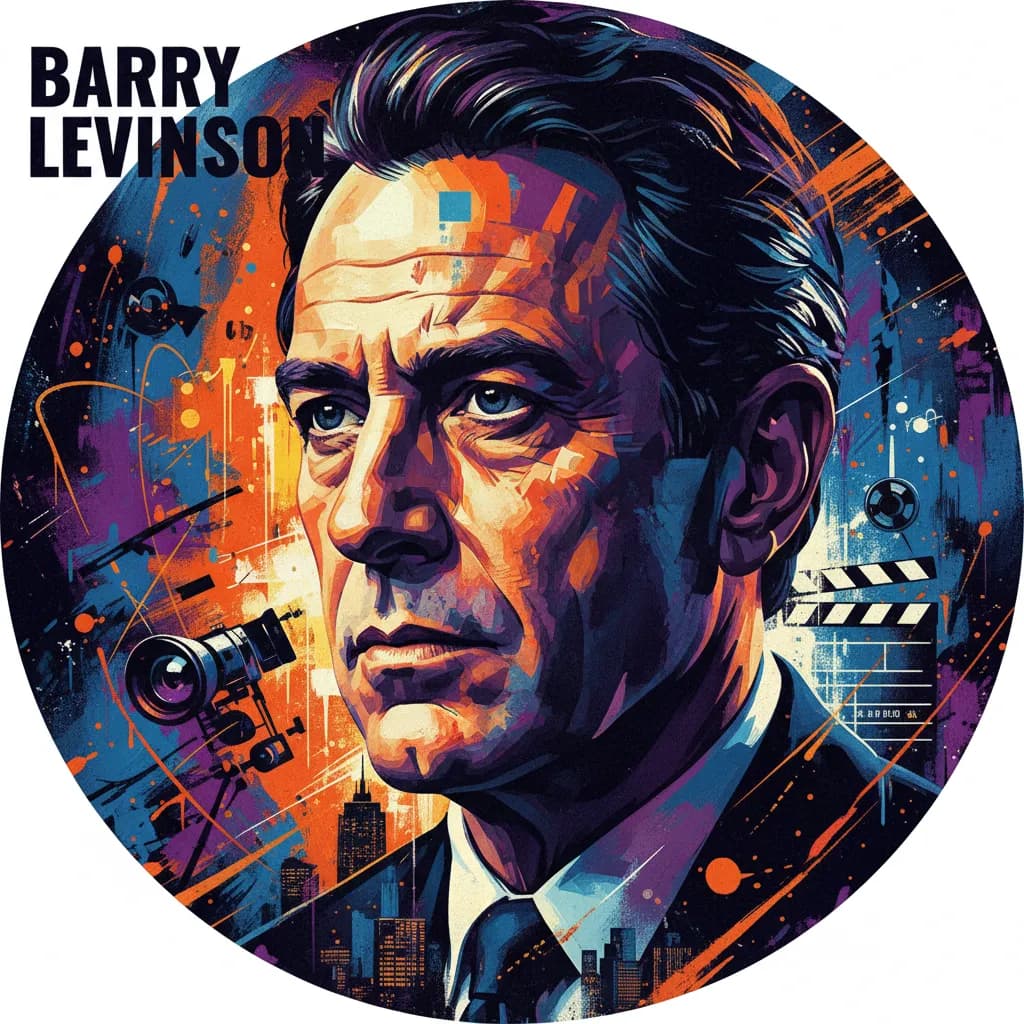
Barry Levinson
Every film, ranked

John Carpenter
Every film, ranked

Joel Schumacher
Every film, ranked

Billy Wilder
Every film, ranked

Rob Reiner
Every film, ranked

Neil Jordan
Every film, ranked

Spike Lee
Every film, ranked

Ivan Reitman
Every film, ranked

John Woo
Every film, ranked

Lasse Hallström
Every film, ranked

Stephen Frears
Every film, ranked

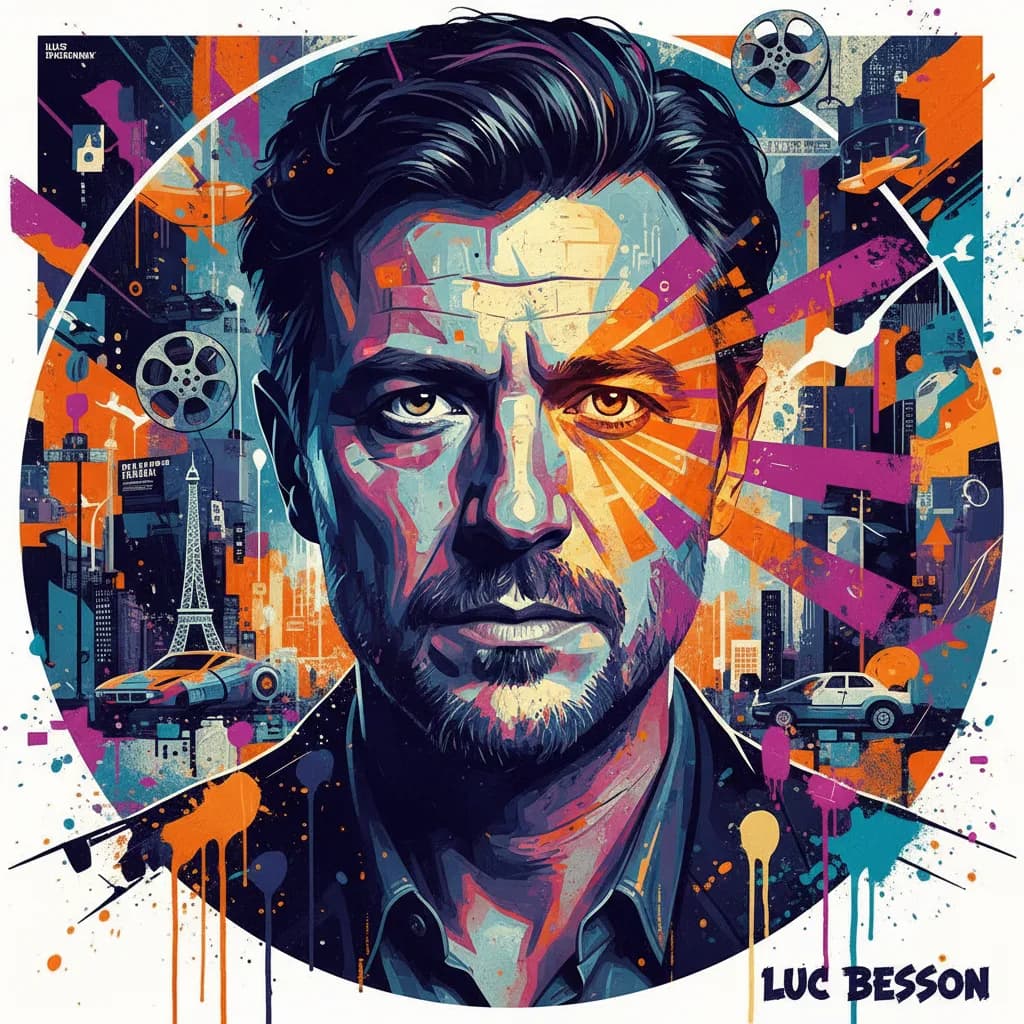
Luc Besson
Every film, ranked

Chris Columbus
Every film, ranked

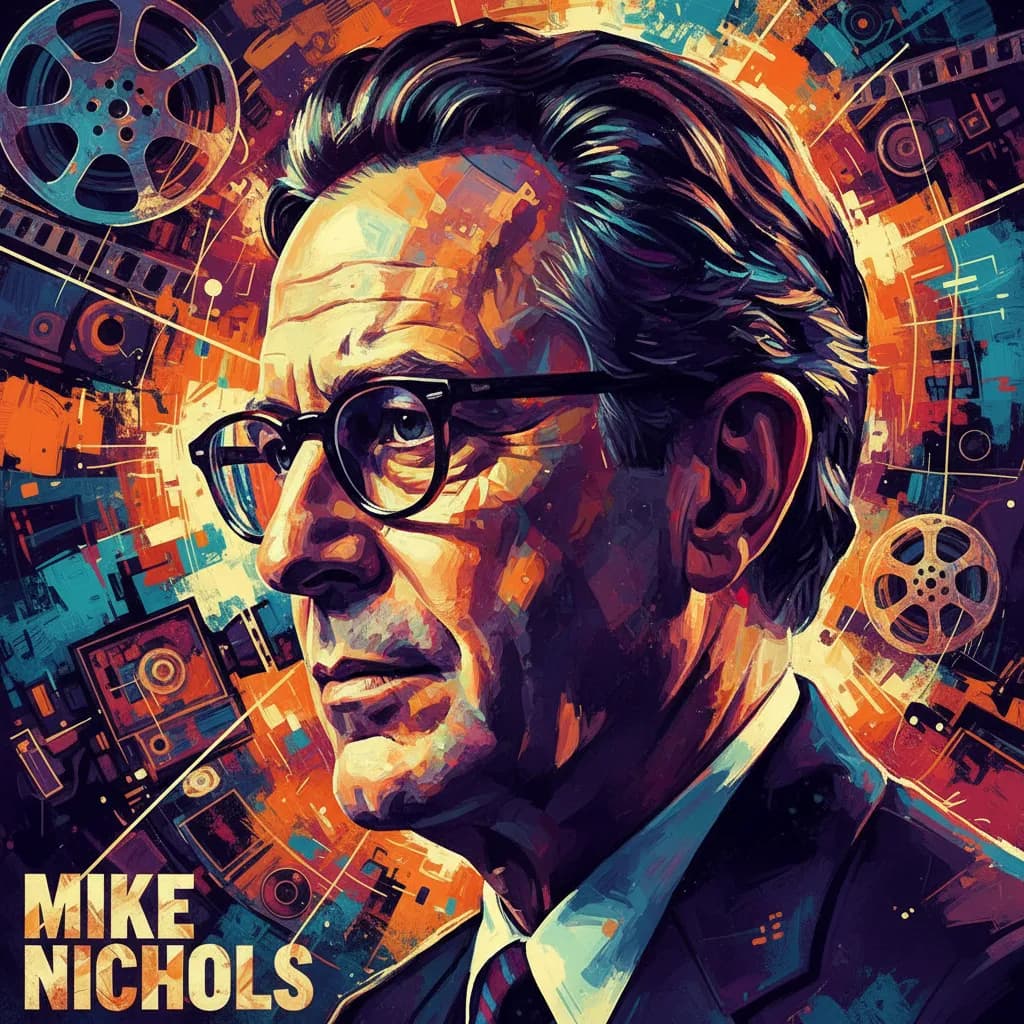
Mike Nichols
Every film, ranked

Howard Hawks
Every film, ranked

Ang Lee
Every film, ranked

Walter Hill
Every film, ranked

Gus Van Sant
Every film, ranked

William Wyler
Every film, ranked

Renny Harlin
Every film, ranked

Sidney Lumet
Every film, ranked

Tony Scott
Every film, ranked