Discover the visionary filmmakers behind cinema's greatest works.
Explore our selection of acclaimed directors and their remarkable films.
Showing 2353-2364 out of 4148

Lesli Linka Glatter is a celebrated film and television director known for her exceptional storytelling and versatile directorial style. With a career spanning over three decades, she has left an indelible mark on the entertainment industry. Glatter's directorial debut in the feature film Now and Then (1995) showcased her ability to seamlessly blend comedy, drama, and romance, setting the stage for her illustrious career. Her directorial style is characterized by a keen focus on character development and emotional depth, allowing audiences to connect with the narratives on a profound level. Glatter's films often explore the complexities of human relationships and the transformative power of personal experiences, resonating with viewers on a universal scale. Through her expert direction, she brings authenticity and empathy to each story she tells, leaving a lasting impact on audiences. Now and Then, a coming-of-age film, exemplifies Glatter's ability to capture the essence of pivotal life moments with sincerity and insight. The film's enduring popularity is a testament to her skill in crafting compelling narratives that stand the test of time. Glatter's work consistently reflects her commitment to portraying authentic human experiences, making her a revered figure in the film industry. In addition to her work in film, Glatter has made significant contributions to television, directing episodes of critically acclaimed series such as Homeland and Mad Men. Her remarkable career trajectory continues to inspire aspiring filmmakers and storytellers, solidifying her status as a trailblazer in the entertainment world. As a director, Glatter's legacy is defined by her unwavering dedication to storytelling and her ability to touch the hearts of audiences worldwide.

Leslye Headland is a talented and versatile film director known for her sharp wit, relatable characters, and bold storytelling. With a passion for exploring the complexities of relationships and human behavior, Headland has made a significant impact on the world of cinema through her unique directorial style and thought-provoking narratives. Her filmography includes "Sleeping with Other People" (2015), a refreshing take on the romantic comedy genre, and "Bachelorette" (2012), a darkly comedic exploration of friendship and self-destruction. Headland's directorial style is characterized by its raw authenticity and unapologetic honesty. She fearlessly delves into the messy, imperfect aspects of human connections, infusing her films with dark humor, emotional depth, and compelling character dynamics. Her keen eye for capturing the nuances of human relationships has resonated with audiences and critics alike, cementing her reputation as a director unafraid to explore the intricacies of love, friendship, and personal growth. Notable for her ability to infuse her films with both humor and poignancy, Headland consistently delivers narratives that are as thought-provoking as they are entertaining. Her work often explores themes of redemption, self-discovery, and the complexities of modern relationships, offering audiences a fresh perspective on familiar storytelling tropes. Through her distinct directorial voice, Headland has carved out a niche for herself in the industry, earning praise for her ability to blend comedy with genuine emotional resonance. Leslye Headland's impact on cinema is undeniable, as she continues to push boundaries and challenge conventions with her thought-provoking narratives and memorable characters. With a keen understanding of human behavior and an unwavering commitment to authenticity, she has solidified her status as a director to watch in the ever-evolving landscape of filmmaking. Her contributions to the art of storytelling have left an indelible mark on the industry, inspiring audiences and aspiring filmmakers alike.

Les Mayfield is an American film director known for his diverse range of work across different genres, including comedy, action, and family films. With a career spanning over two decades, Mayfield has established himself as a versatile filmmaker with a keen eye for blending humor, action, and compelling storytelling. One of his notable films is "Encino Man" (1992), a comedy that showcases Mayfield's ability to infuse lighthearted humor with endearing characters and entertaining plotlines. The film's success catapulted Mayfield into the spotlight and set the stage for his future directorial endeavors. In "Blue Streak" (1999), Mayfield demonstrated his adeptness at directing action-comedy films, seamlessly weaving thrilling action sequences with comedic elements. The movie's success further solidified Mayfield's reputation as a director capable of delivering high-energy, entertaining films that resonate with audiences. "Flubber" (1997) showcased Mayfield's ability to helm family-friendly fare, combining whimsical storytelling with cutting-edge special effects to create a heartwarming and visually captivating film. Mayfield's directorial style is characterized by his knack for infusing humor and heart into his projects, regardless of the genre. His films often feature relatable characters, witty dialogue, and visually engaging sequences, making them accessible to a wide audience. Additionally, Mayfield's consistent ability to blend genres, such as action and comedy in "The Man" (2005) and "American Outlaws" (2001), demonstrates his versatility and willingness to push artistic boundaries. Throughout his career, Les Mayfield has made a significant impact on cinema by delivering entertaining, crowd-pleasing films that have resonated with audiences worldwide. His ability to navigate various genres while maintaining a distinct directorial voice has solidified his status as a respected filmmaker in the industry. Whether it's eliciting laughter, delivering adrenaline-pumping action, or capturing the imagination of family audiences, Mayfield's contributions to film continue to leave a lasting impression on the cinematic landscape.

Levan Akin is a visionary Swedish-Georgian director who has made a significant impact on cinema with his unique directorial style and compelling storytelling. Akin's notable filmography includes his critically acclaimed work "And Then We Danced" (2019), a powerful drama and romance that garnered international attention and acclaim for its bold and poignant portrayal of LGBTQ+ themes. Akin's directorial style is characterized by his ability to craft deeply emotional and visually striking narratives that resonate with audiences on a profound level. His films often delve into complex and intimate human experiences, exploring themes of identity, self-discovery, and the pursuit of personal freedom. Akin's keen eye for detail and his masterful use of cinematography and sound design create a captivating and immersive cinematic experience that lingers long after the credits roll. "And Then We Danced" stands as a testament to Akin's directorial prowess, as he fearlessly navigates the delicate terrain of forbidden love and societal repression within the context of traditional Georgian dance culture. The film's raw authenticity and emotional depth have solidified Akin's reputation as a director unafraid to tackle challenging and thought-provoking subject matter. Akin's impact on cinema extends beyond his individual works, as he has emerged as a trailblazer in advocating for greater diversity and representation within the film industry. With a keen focus on amplifying marginalized voices and experiences, Akin's contributions have helped pave the way for a more inclusive and authentic cinematic landscape. In conclusion, Levan Akin's directorial career is defined by his unwavering commitment to storytelling that challenges norms, celebrates diversity, and fosters empathy. His distinct vision and profound impact on cinema have cemented his status as a director to watch, and his future projects are eagerly anticipated by audiences and critics alike.

Levan Gabriadze is a visionary filmmaker known for his unique approach to storytelling and his impact on the horror genre. His most notable work is the groundbreaking 2014 film "Unfriended," a horror, mystery, and thriller that received widespread acclaim for its innovative use of computer screens as the primary visual medium. Gabriadze's directorial style is characterized by his ability to create intense and gripping narratives within the confines of digital interfaces, effectively engaging audiences in a new and immersive cinematic experience. "Unfriended" marked a significant shift in the horror genre, as Gabriadze adeptly utilized modern technology to craft a chilling and suspenseful narrative that resonated with audiences worldwide. His ability to seamlessly integrate the digital realm with traditional storytelling techniques showcased his versatility and creativity as a director. The film's success solidified Gabriadze's position as a trailblazer in the industry, and he continues to influence a new wave of filmmakers exploring the potential of digital media in cinema. Gabriadze's directorial vision often delves into themes of technology, isolation, and the dark undercurrents of modern society. His ability to capture the anxieties and vulnerabilities of the digital age has resonated with audiences, making him a prominent figure in contemporary horror cinema. His work has sparked conversations about the evolving nature of storytelling and the potential for innovation within the genre. In the years since "Unfriended," Levan Gabriadze has continued to push the boundaries of cinematic storytelling, solidifying his status as a director with a keen eye for the intersection of technology and horror. His impact on cinema is undeniable, as he has inspired a new generation of filmmakers to explore the possibilities of digital media as a narrative tool. With a unique directorial style and a commitment to pushing artistic boundaries, Gabriadze's influence will undoubtedly continue to shape the future of cinema for years to come.

Le-Van Kiet is a visionary Vietnamese director known for his distinct directorial style and captivating storytelling. With an impressive filmography that includes the action-packed drama "The Princess" (2022), Kiet has made significant contributions to the world of cinema. His unique directorial approach and ability to blend action, drama, and fantasy elements have cemented his status as a prominent filmmaker in the industry. Kiet's directorial style is characterized by his keen attention to detail, visually stunning cinematography, and a knack for creating immersive storytelling experiences. His films often feature compelling characters and intricate narratives that delve into themes of heroism, sacrifice, and the human experience. Kiet's ability to seamlessly blend action and drama while infusing fantastical elements sets him apart as a director with a truly unique vision. "The Princess" stands out as a shining example of Kiet's directorial prowess, showcasing his ability to craft visually striking cinematic worlds while delivering powerful emotional storytelling. The film's seamless blend of action, drama, and fantasy elements demonstrates Kiet's versatility and his skill in creating multi-layered narratives that resonate with audiences on a profound level. Throughout his career, Le-Van Kiet has left an indelible mark on cinema, influencing a new generation of filmmakers with his innovative approach to storytelling and visual storytelling. His ability to infuse his films with depth, emotion, and breathtaking action sequences has earned him a well-deserved reputation as a director to watch. As he continues to push boundaries and captivate audiences with his unique vision, Kiet's impact on the world of cinema is sure to endure for years to come. In conclusion, Le-Van Kiet's directorial career is defined by his exceptional talent, innovative storytelling, and unparalleled ability to transport audiences to captivating cinematic worlds. With "The Princess" and his other notable works, Kiet has solidified his status as a visionary director with a lasting impact on the film industry. His distinct directorial style, recurring themes, and ability to seamlessly blend genres have established him as a true trailblazer in the world of cinema.

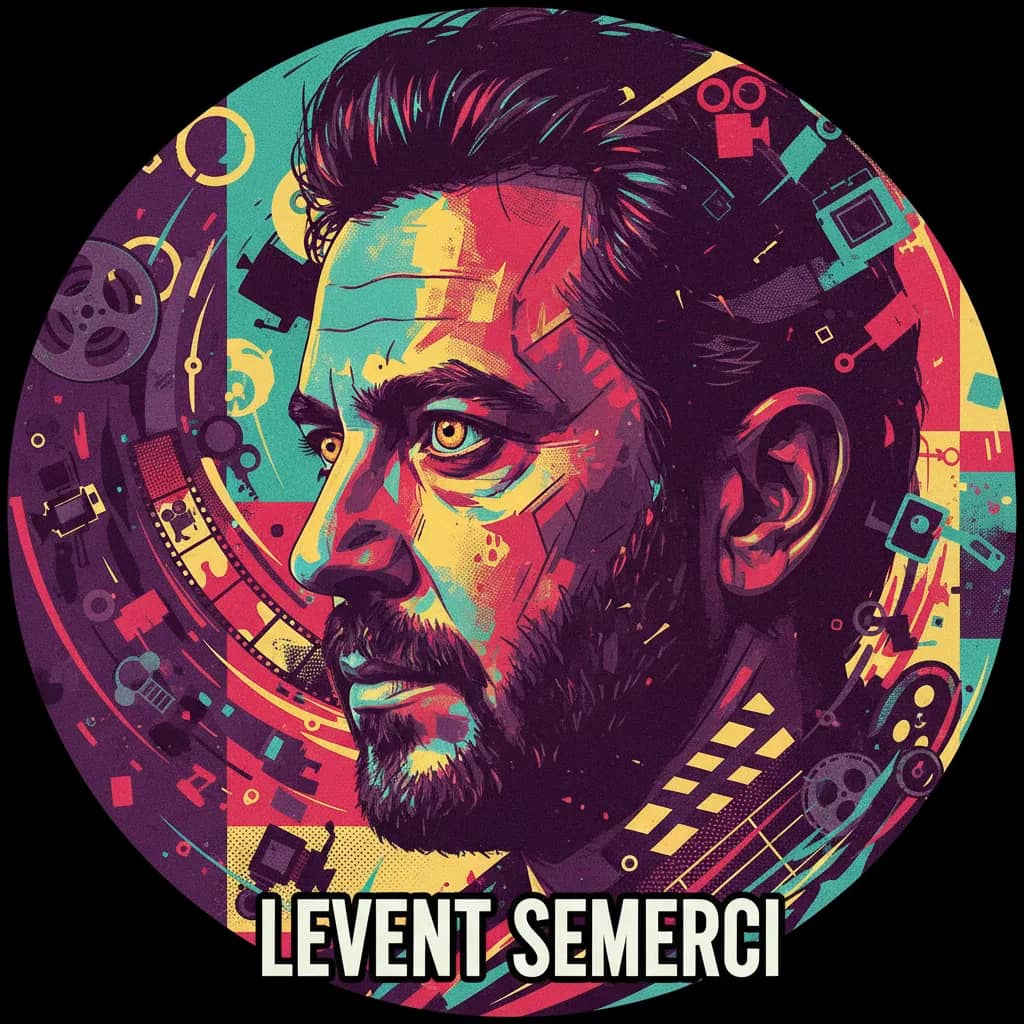
Levent Semerci is a Turkish film director known for his intense and gripping portrayal of action, drama, and thriller genres. His notable films include "The Breath" (2009) and "Nefes: Vatan Sagolsun" (2009), both of which showcase his distinct directorial style and storytelling prowess. Semerci's films often explore themes of patriotism, sacrifice, and the human spirit in the face of adversity, resonating with audiences and critics alike. Semerci's directorial style is characterized by his meticulous attention to detail, immersive cinematography, and compelling narrative structure. He has a knack for creating high-octane, edge-of-your-seat experiences that keep viewers engaged from start to finish. His films are renowned for their adrenaline-pumping action sequences, emotionally charged performances, and thought-provoking storytelling, cementing his reputation as a master of his craft. In "The Breath" and "Nefes: Vatan Sagolsun," Semerci delves into the lives of soldiers and the harrowing realities of war, offering a raw and unflinching look at the human cost of conflict. His films often highlight the resilience and camaraderie of individuals in the face of overwhelming circumstances, delivering powerful and poignant narratives that linger long after the credits roll. Semerci's impact on cinema is undeniable, as he has carved a niche for himself as a director who fearlessly tackles challenging subject matter while maintaining a strong connection with his audience. His films have garnered critical acclaim and have resonated with viewers, solidifying his status as a visionary filmmaker with a unique perspective on the human experience. Overall, Levent Semerci's directorial contributions have left an indelible mark on the film industry, earning him a place among the most influential and innovative directors in Turkish cinema. With his unparalleled vision and storytelling prowess, Semerci continues to captivate audiences and inspire fellow filmmakers, ensuring his legacy as a cinematic trailblazer for years to come.


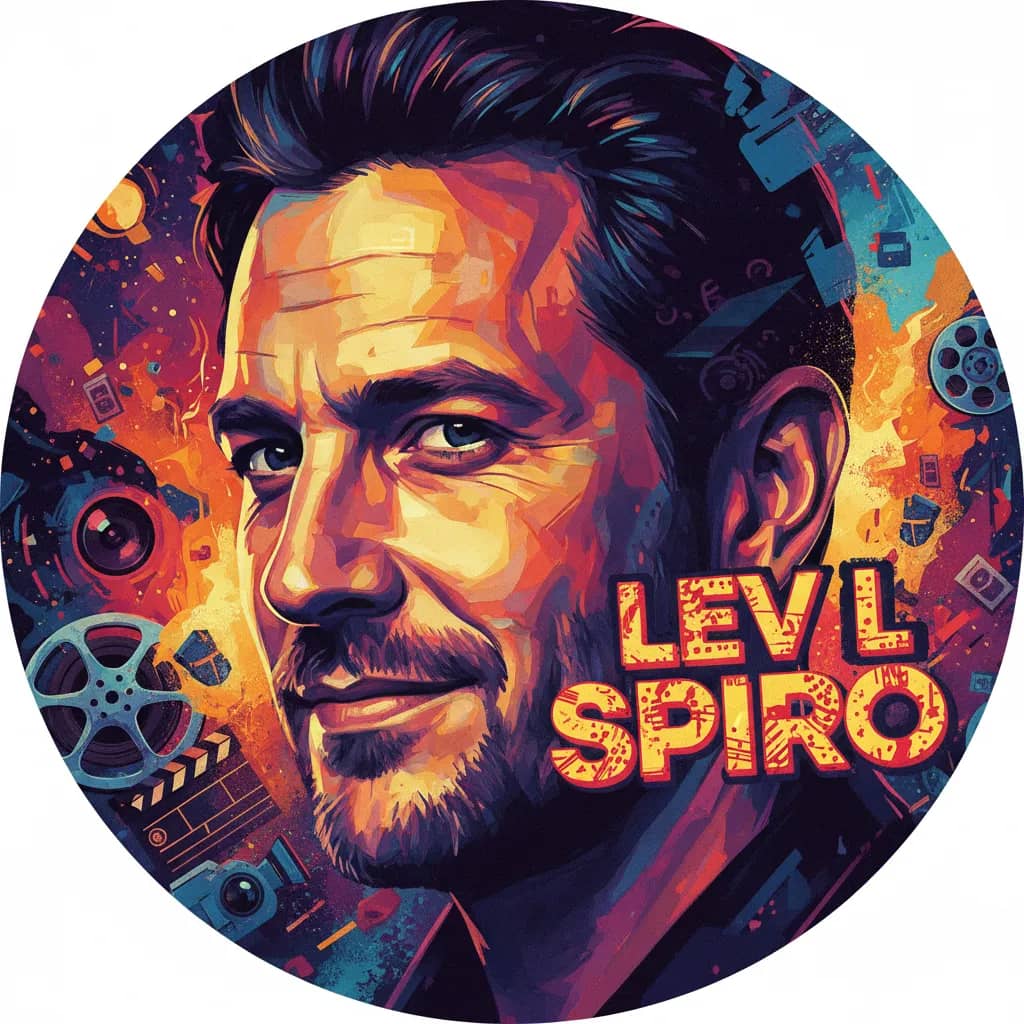
Lev L. Spiro is a versatile and accomplished film director known for his work in both television and feature films. With a career spanning over two decades, Spiro has made a significant impact on the entertainment industry. He is widely recognized for his directorial style, which combines sharp comedic timing, compelling storytelling, and a keen eye for capturing the essence of his characters. His notable film, "Blue Mountain State: The Rise of Thadland" (2016), showcases his ability to seamlessly blend comedy and sport, delivering a high-energy and entertaining experience for audiences. Spiro's directorial approach is characterized by his ability to infuse humor and heart into his projects, creating engaging narratives that resonate with viewers. His work often features dynamic and relatable characters, and he excels at bringing out the best in his cast, resulting in authentic and memorable performances. Spiro's keen understanding of comedic timing and visual storytelling has earned him a reputation as a director who can skillfully navigate the complexities of both comedy and sports genres, delivering films that leave a lasting impression on audiences. Throughout his career, Spiro has consistently demonstrated his commitment to pushing creative boundaries and exploring diverse themes. His work reflects a deep understanding of human dynamics, often delving into themes of friendship, rivalry, and personal growth. Spiro's ability to infuse his films with humor while addressing universal themes has resonated with audiences, earning him a dedicated following. Lev L. Spiro's contributions to cinema have left an indelible mark, showcasing his talent for crafting compelling narratives and captivating visuals. His unique vision and directorial prowess have solidified his status as a respected filmmaker in the industry. As Spiro continues to evolve as a director, audiences can anticipate more captivating and entertaining projects that showcase his exceptional storytelling abilities and his unwavering dedication to his craft.

Lewis Gilbert was a British film director whose career spanned over five decades, leaving an indelible mark on cinema. Known for his versatility and ability to helm a wide range of genres, Gilbert's filmography includes a diverse array of films, from compelling dramas to high-octane action thrillers. He is perhaps best remembered for his work on the iconic James Bond franchise, directing three of the most beloved 007 adventures: "You Only Live Twice" (1967), "The Spy Who Loved Me" (1977), and "Moonraker" (1979). Gilbert's adeptness at crafting exhilarating action sequences and his keen eye for spectacle solidified his status as a master of the genre. One of Gilbert's most notable directorial achievements outside of the Bond series is the acclaimed comedy-drama "Educating Rita" (1983), which garnered widespread acclaim and earned multiple award nominations, showcasing his ability to seamlessly transition between genres while maintaining a distinct directorial voice. Throughout his career, Gilbert exhibited a proclivity for exploring the complexities of human relationships and the pursuit of adventure, often infusing his films with a sense of escapism and larger-than-life storytelling. Gilbert's directorial style was characterized by his meticulous attention to detail, immersive storytelling, and a flair for capturing breathtaking visuals. His films often featured striking cinematography and grand set pieces, creating a sense of spectacle that captivated audiences. With a career that spanned from the 1940s to the 1980s, Gilbert's impact on cinema is undeniable, as he contributed to some of the most enduring and beloved films of his era. Through his work, Lewis Gilbert left an indelible imprint on the cinematic landscape, earning a reputation as a versatile and visionary director. His ability to navigate diverse genres with finesse and deliver captivating storytelling cemented his legacy as a directorial maestro. The enduring popularity of his films, particularly within the James Bond franchise, continues to resonate with audiences, solidifying Gilbert's status as a revered figure in the pantheon of film history.

Lewis John Carlino is an American film director and screenwriter known for his insightful storytelling and ability to capture the complexities of human relationships on the big screen. With an impressive career spanning several decades, Carlino has left an indelible mark on the entertainment industry with his distinctive directorial style and thought-provoking narratives. His notable film, "Class" (1983), seamlessly blends elements of comedy, drama, and romance to create a compelling and emotionally resonant cinematic experience. Throughout his career, Carlino has demonstrated a keen eye for delving into the intricacies of human behavior and emotions, often exploring themes of identity, love, and personal growth. His directorial approach is characterized by a nuanced understanding of character dynamics and a commitment to crafting authentic, relatable stories. In "Class," Carlino showcases his adeptness at navigating the complexities of young love and social dynamics, creating a film that continues to resonate with audiences for its heartfelt portrayal of coming-of-age experiences. "Class" stands as a testament to Carlino's ability to infuse his work with both depth and entertainment, captivating viewers with his compelling storytelling and evocative visual style. As a director, he has made a lasting impact on cinema by consistently challenging storytelling conventions and offering audiences narratives that resonate on an emotional and intellectual level. His dedication to portraying the human experience with sincerity and empathy has solidified his reputation as a director with a distinct and authentic voice. In conclusion, Lewis John Carlino's directorial career has been defined by his unwavering commitment to crafting narratives that authentically capture the human experience. With "Class" serving as a testament to his directorial prowess, Carlino has established himself as a visionary filmmaker whose work continues to resonate with audiences. His unique directorial style and ability to explore the complexities of human relationships have left an indelible mark on the entertainment industry, cementing his legacy as a director whose contributions to film will endure for generations to come.

Lewis Milestone was a pioneering director whose impact on cinema is still felt today. With a career spanning several decades, Milestone is best known for his exceptional ability to bring powerful and thought-provoking stories to the screen. His directorial style was marked by a keen attention to detail, a flair for capturing intense emotions, and a talent for crafting visually stunning scenes. Milestone's films often delved into the human condition, exploring themes of war, morality, and the complexities of human relationships. One of Milestone's most iconic works is "All Quiet on the Western Front" (1930), a groundbreaking war drama that won him the Academy Award for Best Director. The film's raw portrayal of the horrors of World War I and its impact on the soldiers resonated deeply with audiences and critics alike. Milestone's ability to convey the psychological and emotional toll of war through his direction earned him widespread acclaim and cemented his reputation as a master storyteller. In "The Strange Love of Martha Ivers" (1946), Milestone showcased his versatility as a director by venturing into the film-noir genre. The film's dark and brooding atmosphere, coupled with its complex characters and intricate plot, further solidified Milestone's status as a director capable of tackling a wide range of themes and genres. Milestone's impact on cinema extends beyond his individual films. His innovative use of camera techniques, such as deep focus and tracking shots, helped shape the visual language of filmmaking and influenced generations of directors to come. His meticulous attention to detail and his ability to elicit nuanced performances from his actors set a standard for excellence in the industry. Lewis Milestone's legacy as a director is defined by his unwavering commitment to storytelling and his ability to infuse his films with depth, emotion, and social relevance. His body of work continues to inspire and captivate audiences, making him a true trailblazer in the world of cinema.

Lewis Teague is a prolific film director known for his diverse body of work that spans various genres, including horror, comedy, action, and adventure. Teague's directorial style is characterized by his ability to create tension and suspense while infusing his films with a sense of humor and adventure. His keen understanding of pacing and storytelling has made him a respected figure in the world of cinema. One of Teague's most notable works is "Cujo" (1983), a gripping horror-thriller based on Stephen King's novel. The film showcases Teague's ability to build intense and claustrophobic atmospheres, keeping audiences on the edge of their seats. His skillful direction of "Cujo" solidified his reputation as a master of horror storytelling. In "Cat's Eye" (1985), Teague demonstrated his versatility by blending comedy, horror, and thriller elements into a cohesive and entertaining narrative. The film's anthology format allowed Teague to showcase his range as a director, seamlessly transitioning between different tones and genres while maintaining a cohesive vision. Teague's impact on cinema extends beyond the horror genre, as evidenced by his direction of "The Jewel of the Nile" (1985) and "Navy Seals" (1990). In these action-adventure films, Teague showcased his ability to orchestrate thrilling set pieces and high-octane sequences, earning him a reputation as a director capable of delivering pulse-pounding entertainment. Another standout film in Teague's career is "Alligator" (1980), a horror-thriller that combines creature feature elements with social commentary. Teague's deft handling of tension and suspense, coupled with his ability to inject a sense of realism into the fantastical premise, solidified "Alligator" as a cult classic in the horror genre. Throughout his career, Teague has demonstrated a consistent ability to engage audiences with his unique blend of genres, striking visuals, and captivating storytelling. His impact on cinema is undeniable, as he continues to inspire aspiring filmmakers with his diverse body of work and his ability to transcend genre boundaries with his distinct directorial vision. Lewis Teague's legacy as a multifaceted director continues to resonate with audiences and cinephiles alike, cementing his status as a revered figure in the world of filmmaking.
Every film by the greats, ranked by our TML Score.

Christopher Nolan
Every film, ranked

Quentin Tarantino
Every film, ranked

Stanley Kubrick
Every film, ranked

Martin Scorsese
Every film, ranked

Steven Spielberg
Every film, ranked

Alfred Hitchcock
Every film, ranked

David Fincher
Every film, ranked

Denis Villeneuve
Every film, ranked

Wes Anderson
Every film, ranked

Paul Thomas Anderson
Every film, ranked

Ridley Scott
Every film, ranked

Tim Burton
Every film, ranked

Guillermo del Toro
Every film, ranked

Hayao Miyazaki
Every film, ranked

Akira Kurosawa
Every film, ranked

Francis Ford Coppola
Every film, ranked

Clint Eastwood
Every film, ranked

Bong Joon Ho
Every film, ranked

Woody Allen
Every film, ranked

Steven Soderbergh
Every film, ranked

Ron Howard
Every film, ranked

Pedro Almodóvar
Every film, ranked

Richard Linklater
Every film, ranked

Roman Polanski
Every film, ranked

Brian De Palma
Every film, ranked

Ingmar Bergman
Every film, ranked

Oliver Stone
Every film, ranked

David Cronenberg
Every film, ranked

Robert Zemeckis
Every film, ranked

Barry Levinson
Every film, ranked

John Carpenter
Every film, ranked

Joel Schumacher
Every film, ranked

Billy Wilder
Every film, ranked

Rob Reiner
Every film, ranked

Neil Jordan
Every film, ranked

Spike Lee
Every film, ranked

Ivan Reitman
Every film, ranked

John Woo
Every film, ranked

Lasse Hallström
Every film, ranked

Stephen Frears
Every film, ranked

Luc Besson
Every film, ranked

Chris Columbus
Every film, ranked

Mike Nichols
Every film, ranked

Howard Hawks
Every film, ranked

Ang Lee
Every film, ranked

Walter Hill
Every film, ranked

Gus Van Sant
Every film, ranked

William Wyler
Every film, ranked

Renny Harlin
Every film, ranked

Sidney Lumet
Every film, ranked

Tony Scott
Every film, ranked