Discover the visionary filmmakers behind cinema's greatest works.
Explore our selection of acclaimed directors and their remarkable films.
Showing 2305-2316 out of 4148

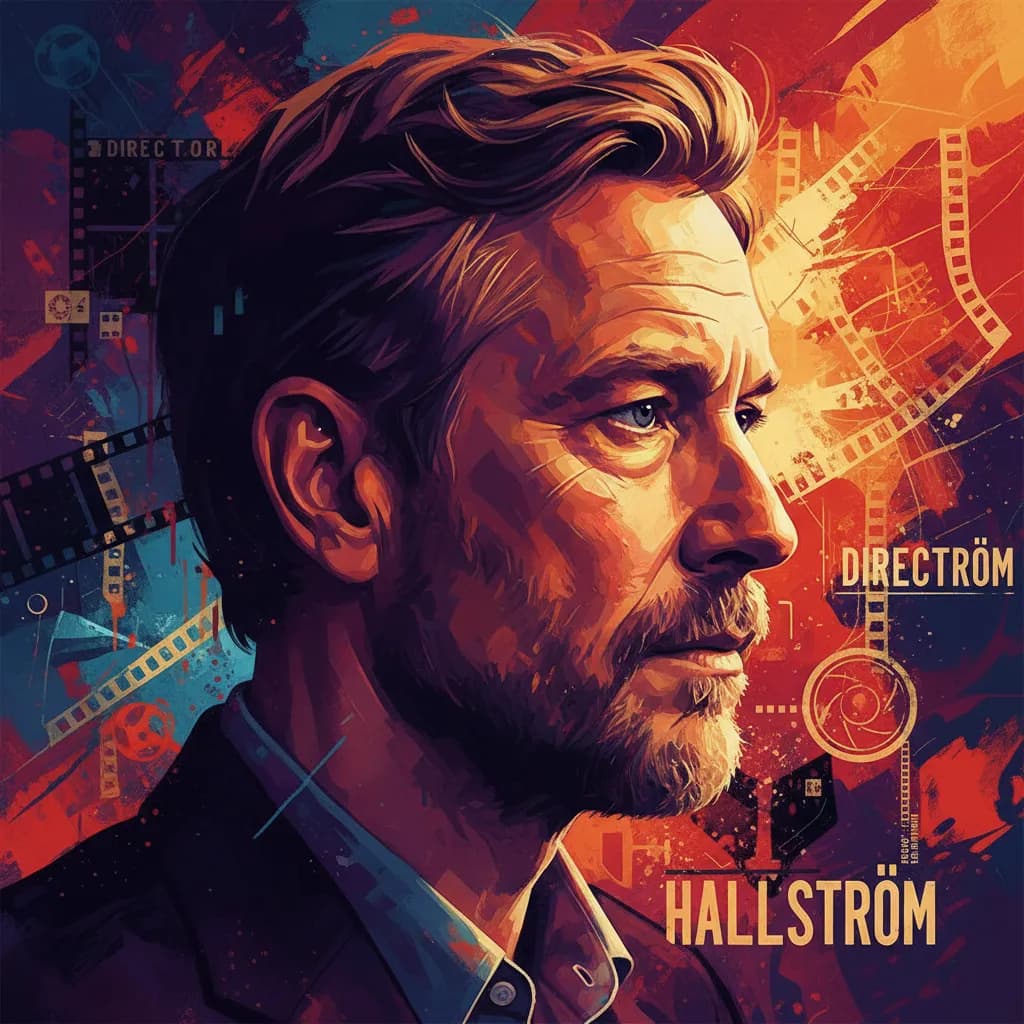
Lasse Hallström is a Swedish film director known for his diverse and compelling body of work across various genres. He began his career with the critically acclaimed film "My Life as a Dog" in 1985, which showcased his ability to blend drama and comedy while exploring the complexities of human emotions. This early success set the stage for a prolific career, during which Hallström has continued to deliver thought-provoking and visually stunning films that resonate with audiences worldwide. One of Hallström's most notable films is "What's Eating Gilbert Grape" (1993), a powerful drama that earned widespread acclaim for its poignant storytelling and exceptional performances. This film exemplifies Hallström's skill in capturing the human experience with sensitivity and depth. Throughout his career, Hallström has demonstrated a penchant for crafting emotionally resonant narratives, often centered around themes of love, family, and personal growth. Hallström's directorial style is marked by a keen attention to detail and a talent for evoking strong, heartfelt performances from his actors. His ability to create immersive worlds and bring characters to life has been evident in a wide range of films, from the heartwarming "Hachi: A Dog's Tale" (2009) to the enchanting fantasy adventure "The Nutcracker and the Four Realms" (2018). Hallström's work consistently reflects his commitment to storytelling that engages the audience on both an emotional and intellectual level. Throughout his career, Hallström has left an indelible mark on the film industry, earning multiple award nominations and accolades for his contributions to cinema. His films have resonated with audiences of all ages, and his unique vision and storytelling prowess continue to inspire and captivate film enthusiasts around the globe. With a diverse filmography that spans genres and themes, Lasse Hallström remains a director whose work continues to leave a lasting impression on the world of cinema.

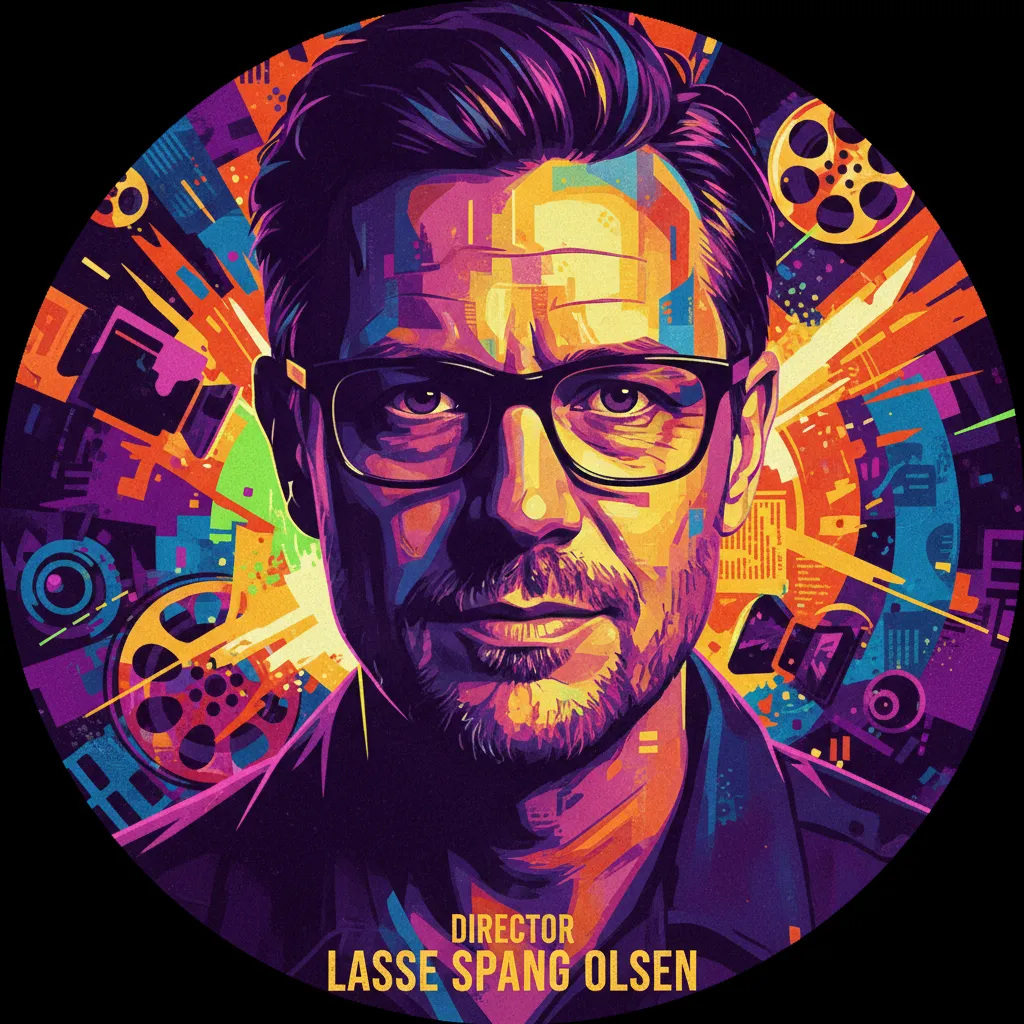
Lasse Spang Olsen is a Danish film director known for his distinct blend of action, comedy, and crime genres. His most notable work, "In China They Eat Dogs" (1999), exemplifies his directorial style, which is characterized by a darkly humorous and gritty approach to storytelling. Olsen's films often feature morally ambiguous characters navigating through complex, often criminal, situations, all while injecting a healthy dose of wit and irony into the narrative. "In China They Eat Dogs" marked Olsen's breakthrough as a director and established him as a key figure in the Danish film industry. The film's success can be attributed to Olsen's ability to seamlessly weave together action-packed sequences with sharp comedic timing, creating a unique cinematic experience that resonated with both domestic and international audiences. The film's impact on the crime-comedy genre is undeniable, as it paved the way for a new wave of Danish filmmakers to explore similar thematic and stylistic territories. Olsen's directorial career is characterized by a consistent exploration of the human condition within the framework of criminal subcultures, often juxtaposed with humor and irony. His films delve into the complexities of morality and the blurred lines between right and wrong, all while maintaining a distinct tonal balance that sets his work apart from traditional crime cinema. Olsen's ability to infuse his storytelling with a darkly comedic edge has cemented his reputation as a director with a penchant for crafting thought-provoking, yet entertaining narratives. As a director, Lasse Spang Olsen has left an indelible mark on Danish cinema, with "In China They Eat Dogs" serving as a testament to his unique vision and storytelling prowess. His films continue to be celebrated for their bold approach to genre conventions and their ability to captivate audiences with their compelling characters and narratives. Olsen's contributions to the crime-comedy genre have solidified his status as a filmmaker who deftly navigates the complexities of human nature while delivering an exhilarating and memorable cinematic experience.

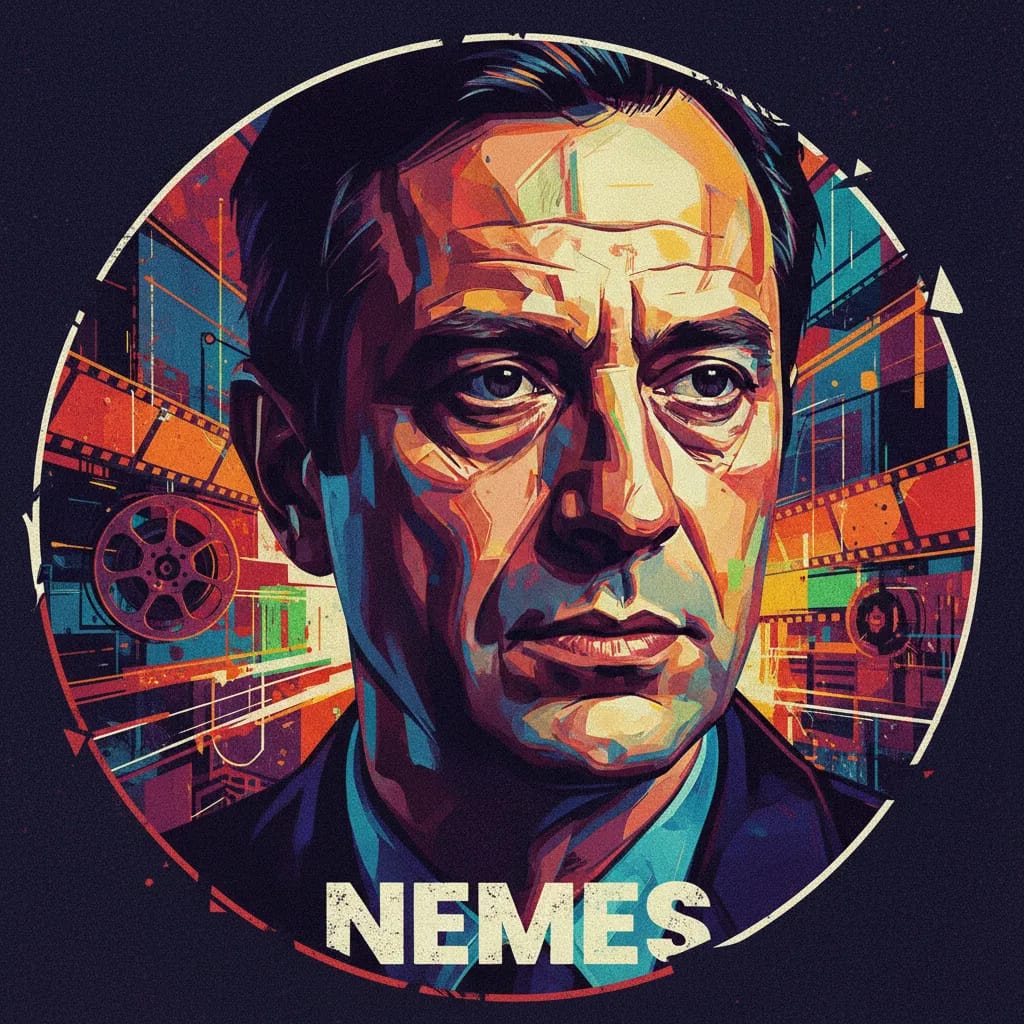
László Nemes is a Hungarian director renowned for his gripping storytelling and visually immersive cinematic style. His breakout film, "Son of Saul" (2015), catapulted him to international acclaim and garnered widespread critical praise, including the Academy Award for Best Foreign Language Film. Nemes' directorial debut demonstrated his remarkable ability to convey raw emotion and harrowing narratives within the context of war, setting a new standard for immersive storytelling in cinema. Nemes' directorial style is distinguished by his unflinching and intimate portrayal of human experiences amidst historical turmoil. "Son of Saul" epitomizes his unique approach, utilizing long takes and a narrow depth of field to immerse audiences in the harrowing world of a concentration camp prisoner. Nemes' meticulous attention to detail and his dedication to capturing the visceral and emotional essence of his characters have solidified his reputation as a masterful storyteller. In "Son of Saul," Nemes delves into the moral complexities of survival and resistance during the Holocaust, encapsulating the relentless struggle for humanity in the face of unspeakable atrocities. His portrayal of the protagonist's desperate quest for dignity and redemption amidst the horrors of the concentration camp resonates profoundly, showcasing Nemes' ability to confront the darkest chapters of history with unflinching honesty and compassion. Nemes' impact on cinema extends beyond the critical acclaim and accolades garnered by "Son of Saul." His directorial vision has redefined the possibilities of storytelling within the realm of historical and war films, inspiring a new generation of filmmakers to explore complex narratives with uncompromising authenticity. As Nemes continues to shape the landscape of contemporary cinema with his visionary approach to storytelling, his influence on the medium remains indelible, cementing his status as one of the most impactful and innovative directors of our time. In conclusion, László Nemes' directorial career is marked by a relentless pursuit of truth and empathy, as evidenced in his seminal work "Son of Saul." His ability to confront the darkest chapters of history with profound humanity and visual artistry has positioned him as a trailblazer in the realm of historical storytelling. With his distinctive directorial style and unwavering commitment to immersive and emotionally resonant narratives, Nemes continues to leave an indelible mark on the cinematic landscape, solidifying his legacy as a visionary director whose work transcends boundaries and leaves an enduring impact on audiences worldwide.

Laura Brousseau is a rising talent in the world of animation filmmaking, with her most notable work being as the co-director of "The Addams Family 2" (2021). Brousseau has made a significant impact on the industry with her unique directorial style and her ability to infuse her films with a distinct blend of humor, adventure, and heart. Her work on "The Addams Family 2" showcases her keen understanding of the animation genre and her ability to bring beloved characters to life on the big screen. Brousseau's directorial style is characterized by her attention to detail, visual storytelling, and her commitment to creating films that appeal to audiences of all ages. Her work on "The Addams Family 2" demonstrates her ability to balance humor and heart, making the film a delight for both children and adults. Brousseau's keen eye for visual storytelling is evident in the film's vibrant animation and imaginative set pieces, which bring the Addams Family universe to life in a way that is both faithful to the original source material and fresh and engaging for modern audiences. Not only does Brousseau's work on "The Addams Family 2" highlight her talent as a director, but it also underscores her ability to tackle complex themes with nuance and sensitivity. The film addresses universal themes of family, acceptance, and the importance of staying true to oneself, all of which are recurring themes in Brousseau's body of work. Her ability to weave these themes into her films in a way that feels organic and impactful is a testament to her skill as a storyteller. Brousseau's impact on the animation genre is undeniable, as she continues to push boundaries and challenge expectations with each new project. Her work on "The Addams Family 2" solidifies her status as a director to watch in the world of animation filmmaking, and her unique vision and contributions to the medium are sure to leave a lasting impression on cinema for years to come.

Laura Lau is an accomplished film director known for her work in the horror and thriller genres. Her most notable film to date is "Silent House" (2011), a psychological horror-thriller that garnered attention for its innovative single-take filming technique and intense, immersive storytelling. Lau's directorial style is characterized by her ability to create a palpable sense of dread and tension, drawing audiences into the dark and unsettling worlds she creates on screen. In "Silent House," Lau masterfully utilizes the single-take approach to heighten the film's suspense, immersing viewers in the protagonist's terrifying ordeal as she navigates a seemingly haunted house. This bold directorial choice showcases Lau's commitment to pushing boundaries and experimenting with cinematic techniques to deliver a truly gripping and unnerving experience for audiences. Her meticulous attention to detail and skillful manipulation of atmosphere and pacing demonstrate her adeptness at crafting a visceral and haunting narrative. Lau's work often delves into themes of psychological trauma, isolation, and the blurring of reality and nightmare. Through her adept storytelling and visual storytelling, she invites audiences to confront their deepest fears and anxieties, leaving a lasting impact long after the credits roll. Her contributions to the horror genre have solidified her status as a visionary director with a unique ability to elicit genuine terror and unease from her audiences. In the realm of horror cinema, Laura Lau's directorial prowess has left an indelible mark, inspiring a new generation of filmmakers to explore the boundaries of fear and storytelling. As she continues to hone her craft, audiences eagerly anticipate her future projects, eager to once again be drawn into the chilling and immersive worlds she creates on screen. With her distinct vision and unwavering commitment to pushing the boundaries of cinematic storytelling, Laura Lau stands as a formidable force in the world of horror and thriller filmmaking.

Laura Terruso is a rising star in the film industry known for her exceptional directorial work in the 2020 comedy-music film "Work It." Terruso's directorial style is marked by her ability to infuse humor and heart into her storytelling, creating vibrant and relatable narratives that resonate with audiences. "Work It" showcases her adeptness at capturing the exhilarating world of dance while navigating the complexities of teenage life, making it a standout in her filmography. In "Work It," Terruso skillfully weaves together elements of comedy and music to craft a compelling coming-of-age story. The film follows a determined high school student who forms a dance team to gain entry into her dream college. Terruso's keen directorial eye brings the characters to life, blending humor and emotion to create a captivating cinematic experience. Her ability to seamlessly integrate music and dance into the narrative demonstrates her versatility as a director. Terruso's work often revolves around themes of self-discovery, perseverance, and the transformative power of the arts. Her films capture the essence of human connection and the pursuit of one's passions, resonating with audiences on a deep and personal level. Through her unique vision and storytelling prowess, Terruso has made a significant impact on the cinematic landscape, contributing refreshing narratives and diverse perspectives to the film industry. As a director, Laura Terruso continues to carve out a niche for herself with her distinct directorial voice and compelling storytelling. With "Work It," she has solidified her position as a director to watch, showcasing her ability to breathe life into stories that celebrate the human spirit and the pursuit of dreams. Terruso's contributions to cinema have not only entertained audiences but have also left a lasting impression, cementing her as a trailblazing director with a promising future in the film industry.

Laure de Clermont-Tonnerre is a talented French director known for her unique vision and impactful storytelling. Her directorial style is characterized by a deep exploration of human emotions and relationships, often set against evocative backdrops and compelling narratives. With a focus on drama and romance, Clermont-Tonnerre's films delve into the complexities of human nature, offering a poignant and thought-provoking cinematic experience. In 2019, Clermont-Tonnerre made waves with her critically acclaimed film "The Mustang," a powerful drama that follows the emotional journey of a violent convict who finds redemption through the training of wild mustangs. The film received widespread praise for its raw portrayal of human resilience and the healing power of connection, solidifying Clermont-Tonnerre's reputation as a director capable of eliciting profound emotions from her audience. In 2022, Clermont-Tonnerre further showcased her directorial prowess with "Lady Chatterley's Lover," a captivating adaptation of D.H. Lawrence's classic novel. Infusing the timeless tale of love and desire with her distinctive storytelling flair, Clermont-Tonnerre brought a fresh perspective to the beloved literary work, captivating audiences with her nuanced exploration of passion and societal constraints. Throughout her career, Clermont-Tonnerre has exhibited a penchant for delving into themes of redemption, human connection, and the transformative power of empathy. Her ability to craft emotionally resonant narratives and bring out compelling performances from her actors has cemented her as a director to watch in the industry. With a keen eye for detail and a profound understanding of the human experience, Clermont-Tonnerre continues to leave an indelible mark on cinema, enriching the medium with her unique storytelling sensibilities.

Laurence Dunmore is a British director known for his compelling storytelling and visually stunning approach to filmmaking. His notable work includes "The Libertine" (2004), a biographical drama set in 17th century England. Dunmore's directorial style is marked by a meticulous attention to detail and a keen eye for capturing the essence of historical periods. His films often delve into the complexities of human nature and societal dynamics, showcasing his ability to bring depth and nuance to his characters and narratives. "The Libertine" stands as a testament to Dunmore's directorial prowess, as he skillfully navigates the turbulent life of the notorious poet and libertine John Wilmot, the Earl of Rochester, portrayed by Johnny Depp. The film's rich visual aesthetic and immersive storytelling demonstrate Dunmore's commitment to creating a cinematic experience that resonates with audiences. His ability to seamlessly blend historical accuracy with artistic expression elevates the film and solidifies his reputation as a director with a unique vision. Dunmore's work often explores themes of rebellion, passion, and the human struggle for identity and freedom. His films are characterized by a raw and unapologetic portrayal of the human condition, delving into the darker aspects of history and society with unflinching honesty. Through his distinct directorial style, Dunmore brings a fresh perspective to the historical drama genre, infusing it with modern sensibilities and thought-provoking storytelling. Laurence Dunmore's impact on cinema lies in his ability to breathe new life into historical narratives and deliver compelling, visually arresting films that resonate with audiences on a profound level. His dedication to crafting immersive and emotionally resonant experiences sets him apart as a director of immense talent and vision. As he continues to expand his body of work, Dunmore's contributions to the film industry are sure to leave a lasting impression, solidifying his place as a director who deftly marries historical authenticity with artistic innovation.

Lauren Miller Rogen is an accomplished film director known for her exceptional work in the comedy-drama genre. Her notable film, "Like Father" (2018), showcases her directorial prowess and storytelling ability. As a director, Rogen has a keen eye for blending humor with poignant emotional moments, creating a cinematic experience that resonates with audiences on a deep level. In "Like Father," Rogen demonstrates her directorial style by beautifully capturing the complexities of human relationships and the universal themes of love, forgiveness, and self-discovery. Her ability to infuse humor into the narrative while maintaining a heartfelt and sincere tone sets her apart as a director with a unique vision. Rogen's skillful direction brings out authentic performances from her cast, creating a genuine and relatable atmosphere that draws viewers into the story. Rogen's directorial debut with "Like Father" has made a significant impact on the comedy-drama genre, earning her recognition for her refreshing approach to storytelling. Her film has resonated with audiences and critics alike, establishing her as a director to watch in the industry. Rogen's ability to craft compelling narratives with engaging characters and genuine emotion sets her apart as a director with the potential to make a lasting impression on cinema. Through her work, Rogen has shown a consistent focus on themes of self-discovery, second chances, and the complexities of family dynamics. Her unique perspective as a filmmaker allows her to explore these themes with depth and sincerity, creating films that leave a lasting impact on viewers. As she continues to refine her craft, Rogen's contributions to cinema are sure to shape the future of the comedy-drama genre, solidifying her position as a visionary director with a distinctive storytelling voice. In summary, Lauren Miller Rogen's directorial career is marked by her ability to blend humor and heartfelt storytelling, creating films that resonate with audiences on an emotional level. Through her unique vision and directorial style, Rogen has made a significant impact on the comedy-drama genre, establishing herself as a director with a promising future in the industry. Her contributions to cinema reflect her talent for crafting compelling narratives and authentic characters, setting her apart as a director with a distinct voice and a promising career ahead.

Laurent Cantet is a French director known for his thought-provoking and socially conscious films. With a career spanning over three decades, Cantet has established himself as a prominent figure in world cinema. His directorial style is characterized by a documentary-like realism, allowing audiences to immerse themselves in the authentic portrayal of human experiences. Cantet's films often feature non-professional actors, adding to the raw and genuine quality of his storytelling. One of Cantet's most notable works is "The Class" (2008), a gripping drama that offers an unflinching look at the dynamics within a high school classroom. The film, which won the prestigious Palme d'Or at the Cannes Film Festival, exemplifies Cantet's ability to capture the complexities of interpersonal relationships and societal issues. Through his astute direction, Cantet delves into the challenges faced by both students and teachers, shedding light on the educational system and the struggles of adolescence. Cantet's recurring themes often revolve around social commentary, exploring topics such as class dynamics, cultural identity, and the human condition. His films provide a platform for marginalized voices, addressing pertinent issues with empathy and insight. The director's commitment to authenticity and his unwavering dedication to storytelling have made a lasting impact on the cinematic landscape, earning him critical acclaim and international recognition. Laurent Cantet's unique vision and deft storytelling have solidified his status as a trailblazer in contemporary cinema. His ability to infuse his films with emotional depth and societal relevance has resonated with audiences worldwide, cementing his place as a director of immense influence. As a pioneer of humanistic storytelling, Cantet continues to shape the discourse of modern filmmaking, inspiring a new generation of directors to embrace the power of storytelling as a means of societal reflection and change.

Laurent Tirard is a talented French director known for his whimsical and family-friendly films that have captivated audiences worldwide. With a keen eye for comedic timing and heartwarming storytelling, Tirard has established himself as a master of feel-good cinema. His directorial style is characterized by a blend of humor, adventure, and heart, making his films accessible to audiences of all ages. Tirard's breakout film, "Little Nicholas" (2009), perfectly encapsulates his directorial prowess, as it charmingly brings to life the beloved children's book series by René Goscinny and Jean-Jacques Sempé. The film's endearing portrayal of childhood mischief and camaraderie struck a chord with both young viewers and nostalgic adults, solidifying Tirard's reputation as a director with a knack for capturing the universal joys of youth. In "Astérix and Obélix: God Save Britannia" (2012), Tirard demonstrated his ability to tackle beloved comic book characters with a fresh and entertaining approach. The film, part of the iconic Astérix and Obélix franchise, showcases Tirard's talent for infusing larger-than-life adventures with clever humor and visual spectacle, earning the admiration of both fans and critics alike. Throughout his career, Tirard's films have consistently featured themes of friendship, courage, and the enduring spirit of adventure, resonating with audiences on a profound level. His unique vision and ability to craft heartwarming narratives have made him a significant figure in contemporary cinema, with a lasting impact on the family film genre. Laurent Tirard's contributions to cinema have brought joy to countless viewers, and his distinct directorial style continues to inspire filmmakers and entertain audiences around the world. With his talent for blending comedy, adventure, and heartfelt storytelling, Tirard's films are timeless treasures that will undoubtedly continue to enchant audiences for generations to come.


Laurie Collyer is a renowned director known for her emotionally raw and unflinching portrayal of complex characters. With a career spanning both film and television, Collyer has made a significant mark on the industry with her unique directorial style and thought-provoking narratives. Her most notable work includes the critically acclaimed film "Sherrybaby" (2006), a powerful drama that garnered widespread praise and established Collyer as a formidable talent in the world of cinema. Collyer's directorial style is characterized by its intimate and unapologetic exploration of human struggles and resilience. Her films often delve into the gritty realities of life, offering a candid and unvarnished look at the human experience. "Sherrybaby" exemplifies Collyer's ability to delve deep into the psyche of her characters, presenting them with nuance and empathy while tackling challenging themes such as addiction, redemption, and the pursuit of self-discovery. One of Collyer's recurring themes is the exploration of complex and flawed protagonists, whose personal journeys serve as a lens through which audiences can examine their own lives and relationships. Her films are marked by their emotional depth and unflinching honesty, inviting viewers to confront uncomfortable truths and empathize with characters who defy easy categorization. Collyer's directorial vision is rooted in authenticity, and her commitment to portraying the human experience with unapologetic realism has resonated with audiences and critics alike. Collyer's impact on cinema extends beyond her individual filmography, as she has contributed to the diversification of storytelling perspectives in the industry. Through her work, she has brought marginalized voices to the forefront, shedding light on the often overlooked struggles of individuals grappling with societal constraints and personal demons. Collyer's dedication to crafting narratives that challenge conventions and confront societal taboos has enriched the cinematic landscape, paving the way for a more inclusive and empathetic approach to storytelling. In summary, Laurie Collyer's directorial career is defined by her uncompromising commitment to telling authentic and emotionally resonant stories. Her films, notably "Sherrybaby," stand as a testament to her ability to capture the complexities of the human spirit with unflinching honesty and compassion. With a unique directorial style that embraces raw emotional narratives and complex characters, Collyer continues to make a profound impact on cinema, inspiring audiences and fellow filmmakers alike with her thought-provoking and evocative storytelling.
Every film by the greats, ranked by our TML Score.

Christopher Nolan
Every film, ranked

Quentin Tarantino
Every film, ranked

Stanley Kubrick
Every film, ranked

Martin Scorsese
Every film, ranked

Steven Spielberg
Every film, ranked

Alfred Hitchcock
Every film, ranked

David Fincher
Every film, ranked

Denis Villeneuve
Every film, ranked

Wes Anderson
Every film, ranked

Paul Thomas Anderson
Every film, ranked

Ridley Scott
Every film, ranked

Tim Burton
Every film, ranked

Guillermo del Toro
Every film, ranked

Hayao Miyazaki
Every film, ranked

Akira Kurosawa
Every film, ranked

Francis Ford Coppola
Every film, ranked

Clint Eastwood
Every film, ranked

Bong Joon Ho
Every film, ranked

Woody Allen
Every film, ranked

Steven Soderbergh
Every film, ranked

Ron Howard
Every film, ranked

Pedro Almodóvar
Every film, ranked

Richard Linklater
Every film, ranked

Roman Polanski
Every film, ranked

Brian De Palma
Every film, ranked

Ingmar Bergman
Every film, ranked

Oliver Stone
Every film, ranked

David Cronenberg
Every film, ranked

Robert Zemeckis
Every film, ranked

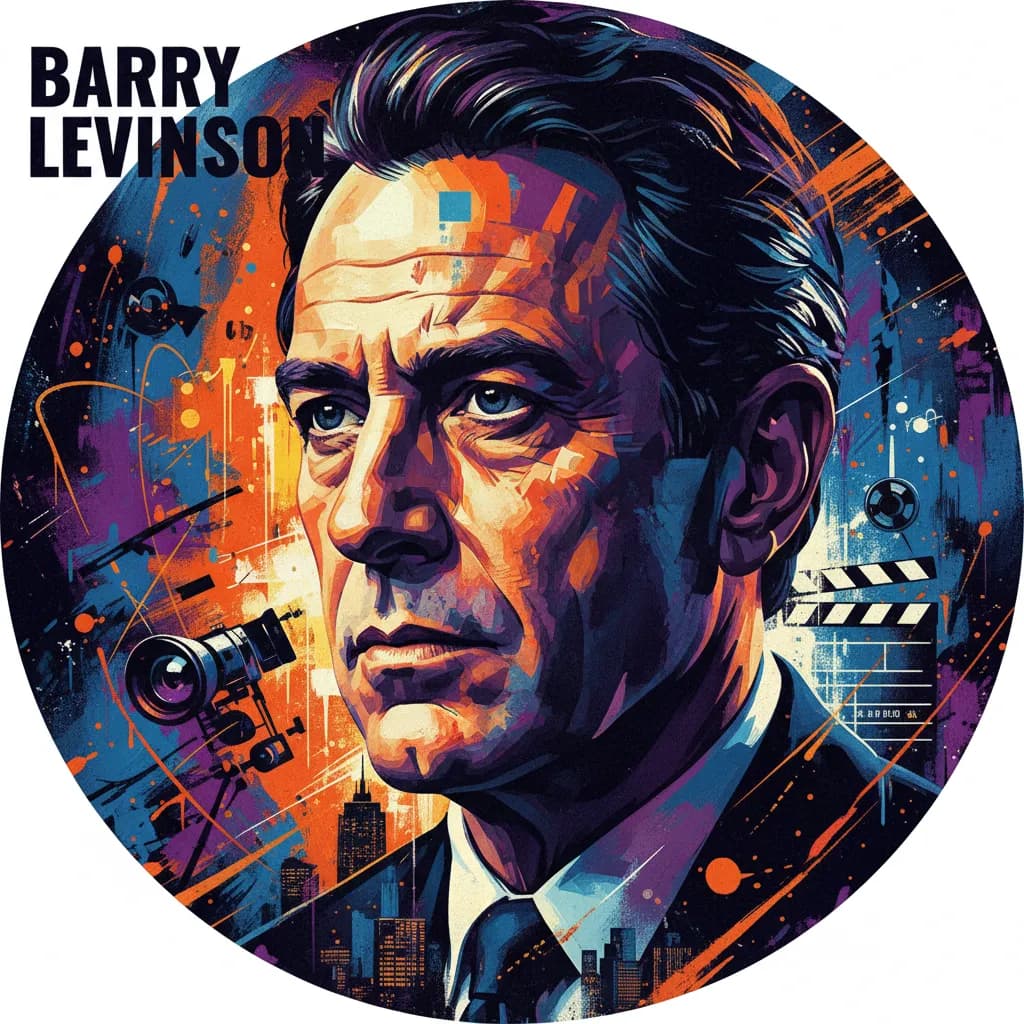
Barry Levinson
Every film, ranked

John Carpenter
Every film, ranked

Joel Schumacher
Every film, ranked

Billy Wilder
Every film, ranked

Rob Reiner
Every film, ranked

Neil Jordan
Every film, ranked

Spike Lee
Every film, ranked

Ivan Reitman
Every film, ranked

John Woo
Every film, ranked

Lasse Hallström
Every film, ranked

Stephen Frears
Every film, ranked

Luc Besson
Every film, ranked

Chris Columbus
Every film, ranked

Mike Nichols
Every film, ranked

Howard Hawks
Every film, ranked

Ang Lee
Every film, ranked

Walter Hill
Every film, ranked

Gus Van Sant
Every film, ranked

William Wyler
Every film, ranked

Renny Harlin
Every film, ranked

Sidney Lumet
Every film, ranked

Tony Scott
Every film, ranked