Discover the visionary filmmakers behind cinema's greatest works.
Explore our selection of acclaimed directors and their remarkable films.
Showing 2173-2184 out of 4148

Kenji Mizoguchi, a renowned Japanese film director, left an indelible mark on the world of cinema with his unique directorial style and captivating storytelling. Born in 1898 in Tokyo, Mizoguchi's career spanned over three decades, during which he directed numerous acclaimed films that continue to resonate with audiences and filmmakers alike. Known for his meticulous attention to detail and poignant portrayal of human suffering, Mizoguchi's films often delved into themes of social injustice, the plight of women, and the human spirit's resilience. Mizoguchi's directorial style was characterized by long, fluid takes and masterful compositions, showcasing his mastery of visual storytelling. He often employed a lyrical and contemplative approach, allowing the audience to immerse themselves in the emotional depth of his narratives. His notable films include "Ugetsu" (1953) and "Sansho the Bailiff" (1954), both of which are considered masterpieces of Japanese cinema. "Ugetsu" seamlessly intertwines elements of drama, fantasy, and war, while "Sansho the Bailiff" is a poignant exploration of human suffering and the enduring power of compassion. Throughout his career, Mizoguchi's films frequently addressed the struggles of marginalized individuals, particularly women, and the injustices they faced in society. His films often depicted the resilience and strength of the human spirit in the face of adversity, earning him a reputation as a compassionate and empathetic storyteller. Mizoguchi's impact on cinema extended beyond his artistic achievements, as his films continue to inspire and influence contemporary filmmakers, with his profound exploration of human experiences and societal issues leaving an enduring legacy. Kenji Mizoguchi's contribution to cinema is immeasurable, as his directorial vision and thematic depth have left an indelible imprint on the art of filmmaking. His unique ability to infuse his films with emotional resonance and social commentary has solidified his status as a master of the craft. Through his meticulous craftsmanship and unwavering commitment to storytelling, Mizoguchi's films continue to captivate audiences and serve as a testament to the enduring power of cinema to illuminate the human experience.

Kenji Nagasaki is a highly talented Japanese animation director best known for his work on the critically acclaimed film "My Hero Academia: Two Heroes" (2018). Nagasaki's directorial style is characterized by his ability to bring dynamic action sequences to life, infusing them with emotional depth and compelling storytelling. His meticulous attention to detail and ability to capture the essence of the source material has earned him a dedicated following among anime enthusiasts worldwide. "My Hero Academia: Two Heroes" stands as a testament to Nagasaki's directorial prowess, showcasing his ability to seamlessly blend heart-pounding action with heartfelt character development. The film's success not only solidified Nagasaki's reputation as a master of his craft but also brought the popular anime series to a whole new level of international recognition. Nagasaki's work often explores themes of heroism, friendship, and the struggles of self-discovery, resonating with audiences of all ages. His ability to create compelling characters and immersive worlds has left an indelible mark on the anime genre, inspiring a new generation of storytellers and filmmakers. With "My Hero Academia: Two Heroes," Nagasaki has proven himself to be a visionary director capable of delivering both visually stunning and emotionally resonant storytelling. His impact on cinema extends beyond the realm of animation, as he continues to push the boundaries of what is possible within the medium, solidifying his status as a trailblazer in the world of Japanese animation. In conclusion, Kenji Nagasaki's directorial career is a testament to his unparalleled talent and unwavering dedication to his craft. His ability to bring complex narratives to life through captivating visuals and compelling storytelling sets him apart as a true visionary in the world of animation. With a legacy that continues to inspire and captivate audiences worldwide, Nagasaki's influence on cinema is undeniable, and his contributions to the art form are sure to endure for generations to come.

Ken Kwapis is a versatile American film director known for his ability to seamlessly transition between genres, showcasing his skill in capturing heartfelt and witty stories on the big screen. With a career spanning over three decades, Kwapis has left an indelible mark on cinema with his diverse filmography. His directorial style is characterized by a blend of humor, warmth, and human connection, making his films resonate with audiences of all ages. One of Kwapis' most notable works is "The Sisterhood of the Traveling Pants" (2005), a heartwarming coming-of-age film that follows the bond of friendship among four young women. The film's emphasis on the complexities of relationships and personal growth reflects Kwapis' recurring theme of human connection and self-discovery. In "Big Miracle" (2012), Kwapis skillfully navigates the biographical drama genre, delivering a compelling narrative based on a true story. His ability to infuse emotional depth into the storytelling and portray the triumph of the human spirit underscores his directorial prowess. Kwapis has also made his mark in the comedy genre with films like "License to Wed" (2007) and "He's Just Not That Into You" (2009). His comedic sensibilities and adept handling of ensemble casts have cemented his reputation as a director capable of eliciting genuine laughter while exploring the intricacies of relationships. In "A Walk in the Woods" (2015), Kwapis delves into the adventure and biography genres, further showcasing his versatility as a director who can bring to life captivating real-life stories with humor and emotional resonance. Throughout his career, Ken Kwapis has demonstrated a keen understanding of human emotions and relationships, using his directorial talents to craft engaging narratives that leave a lasting impact on audiences. His unique vision and ability to seamlessly navigate various genres have solidified his status as a director with a distinct voice in cinema. Kwapis' contributions to film have enriched the cinematic landscape, earning him a well-deserved place among the industry's most respected directors.

Ken Loach is a revered British filmmaker best known for his socially conscious and politically charged films that have left an indelible mark on the world of cinema. With a career spanning over six decades, Loach has fearlessly tackled issues of social injustice, poverty, and the human condition through his thought-provoking and emotionally resonant films. His directorial style is characterized by a raw and unflinching approach to storytelling, often using non-professional actors to authentically capture the struggles of everyday people. One of Loach's most acclaimed works is "I, Daniel Blake" (2016), a powerful drama that sheds light on the bureaucratic dehumanization of the welfare system. The film received widespread critical acclaim and won the prestigious Palme d'Or at the Cannes Film Festival, solidifying Loach's status as a master of socially relevant cinema. Another notable film in Loach's oeuvre is "The Wind that Shakes the Barley" (2006), a gripping drama set during the Irish War of Independence, which won the Palme d'Or and brought international attention to the director's ability to depict the complexities of political strife and personal sacrifice. Throughout his career, Loach has consistently explored themes of resilience, solidarity, and the struggle for dignity in the face of systemic oppression. His films often serve as a mirror to society, challenging viewers to confront uncomfortable truths and empathize with the marginalized. From "Land and Freedom" (1995), which delves into the Spanish Civil War, to "Sweet Sixteen" (2002), a gritty crime drama set in a deprived Scottish community, Loach's filmography reflects a steadfast commitment to giving a voice to the voiceless. Ken Loach's impact on cinema extends beyond his compelling narratives and distinctive directorial style. His unwavering dedication to social realism and his unapologetic portrayal of the human condition have inspired a generation of filmmakers to use their craft as a tool for social change. With a body of work that continues to resonate with audiences worldwide, Ken Loach remains a pioneering force in the realm of politically charged filmmaking, leaving an enduring legacy that challenges, provokes, and ultimately humanizes the struggles of everyday people. In summary, Ken Loach's directorial career is defined by a relentless pursuit of truth and a commitment to amplifying the voices of the marginalized. His films serve as a testament to the power of cinema in fostering empathy and inciting meaningful conversations about the

Ken Marino is a multi-talented director, writer, and actor who has made a significant impact on the comedy genre in Hollywood. His directorial debut came with the 2017 film "How to Be a Latin Lover," a delightful blend of comedy and drama that showcases his ability to infuse humor with heart. Marino's directorial style is characterized by his keen understanding of comedic timing and his skill in crafting relatable, endearing characters. His films often explore the complexities of human relationships and the absurdities of everyday life, making them both entertaining and thought-provoking. "How to Be a Latin Lover" stands as a testament to Marino's ability to bring out the best in his cast and create a vibrant, engaging world on screen. The film features a stellar ensemble, including Eugenio Derbez, Salma Hayek, and Rob Lowe, and received praise for its sharp wit and genuine emotional depth. Marino's directorial approach infuses the narrative with a sense of warmth and sincerity, elevating it beyond typical comedy fare. Throughout his career, Marino has demonstrated a knack for blending humor with heartfelt storytelling, and "How to Be a Latin Lover" is a prime example of his directorial prowess. His work reflects a deep understanding of human nature and a commitment to celebrating the quirks and imperfections that make us all unique. With his directorial debut, Marino has firmly established himself as a filmmaker with a distinctive voice and a talent for crafting memorable, entertaining experiences for audiences. Ken Marino's impact on cinema lies in his ability to infuse comedy with genuine emotion, creating films that resonate with audiences on a deep, personal level. His directorial debut, "How to Be a Latin Lover," is a testament to his skill in crafting heartfelt, humorous stories that leave a lasting impression. As Marino continues to make his mark on the film industry, audiences can look forward to more captivating, emotionally resonant works that showcase his unique directorial vision.

Kenneth Branagh is a prolific and versatile film director known for his diverse range of directorial works that span across various genres. Born in Belfast, Northern Ireland, in 1960, Branagh's career began in the theater before transitioning to film. His directorial style is marked by a keen attention to character development, rich storytelling, and a deep understanding of the human experience. One of Branagh's most notable directorial works is "Henry V" (1989), a historical drama that garnered critical acclaim and established Branagh as a promising director. The film's grand scale and powerful performances showcased Branagh's ability to bring classic literature to life on the big screen. Branagh's adaptation of Shakespeare's "Hamlet" (1996) further solidified his reputation as a masterful director, as he skillfully navigated the complexities of the iconic play, earning him multiple award nominations, including an Academy Award for Best Adapted Screenplay. Branagh's directorial prowess extends beyond Shakespearean adaptations, as evidenced by his work on "Dead Again" (1991), a gripping crime drama with elements of mystery and romance. Additionally, Branagh's directorial vision breathed new life into classic tales with the enchanting "Cinderella" (2015), a visually stunning and emotionally resonant retelling of the beloved fairy tale. With a keen eye for storytelling and a commitment to bringing compelling narratives to the screen, Branagh's impact on cinema is undeniable. His ability to seamlessly transition between genres, from crime dramas like "Murder on the Orient Express" (2017) to biographical dramas like "Belfast" (2021), exemplifies his versatility as a director. Branagh's recurring themes of love, ambition, and the human condition resonate with audiences, cementing his status as a visionary director whose work continues to captivate and inspire. In conclusion, Kenneth Branagh's directorial career is a testament to his multifaceted talent and unwavering dedication to the craft of storytelling. His unique vision and contributions to film have left an indelible mark on the industry, and his ability to transcend genres and breathe new life into classic tales has solidified his legacy as a director of unparalleled skill and artistry. Keywords: Kenneth Branagh, film director, directorial style, notable films, recurring themes, impact on cinema, Shakespeare adaptations, versatile director, storytelling, cinematic vision

Kenneth Johnson is an accomplished film and television director known for his unique blend of comedy, drama, and family-centric storytelling. His notable work includes the 1988 film "Short Circuit 2," which exemplifies his ability to infuse heartwarming narratives with humor and emotional depth. Johnson's directorial style is characterized by his skillful navigation of complex themes while maintaining a lighthearted and accessible tone, making his films universally appealing to audiences of all ages. "Short Circuit 2" stands as a testament to Johnson's ability to craft endearing stories that resonate with viewers, as the film explores the unlikely friendship between a lovable robot and a young protagonist. Johnson's directorial approach seamlessly weaves together themes of friendship, self-discovery, and the enduring power of human connection, resulting in a film that continues to captivate audiences decades after its release. Throughout his career, Johnson has demonstrated a penchant for creating emotionally resonant narratives that celebrate the triumph of the human spirit. His films often feature underdog protagonists who overcome adversity through courage, determination, and the support of their community. Johnson's directorial contributions have left an indelible mark on cinema, as he has successfully crafted timeless stories that evoke laughter, tears, and a profound sense of empathy. Kenneth Johnson's impact on the film industry extends beyond his directorial work, as his ability to infuse entertainment with genuine emotional depth has influenced a generation of filmmakers. His dedication to crafting narratives that transcend genre boundaries and resonate with diverse audiences has solidified his status as a visionary director with a lasting legacy in the world of cinema. Johnson's ability to create enduring, heartfelt stories continues to inspire and entertain audiences, cementing his reputation as a director who has left an indelible mark on the art of storytelling.

Kenneth Lonergan is a highly acclaimed film director known for his emotionally resonant and character-driven dramas. With a career spanning over two decades, Lonergan has left an indelible mark on the film industry with his unique directorial style and powerful storytelling. His notable films include "You Can Count on Me" (2000), "Manchester by the Sea" (2016), and "Margaret" (2011), all of which have garnered critical acclaim and numerous accolades. Lonergan's directorial style is characterized by his meticulous attention to detail and his ability to authentically capture the complexities of human relationships. His films often delve into themes of grief, family dynamics, and the human experience, offering a raw and unflinching portrayal of life's challenges. Lonergan's keen sense of character development and nuanced storytelling have solidified his reputation as a masterful director with a distinct voice. "You Can Count on Me" marked Lonergan's directorial debut and received widespread praise for its poignant exploration of sibling dynamics and personal growth. The film earned Lonergan an Academy Award nomination for Best Original Screenplay, establishing him as a formidable talent in the industry. "Manchester by the Sea" further cemented his status as a visionary director, earning him an Academy Award for Best Original Screenplay and a nomination for Best Director. The film's emotionally powerful narrative and authentic performances showcased Lonergan's ability to elicit profound emotional responses from audiences. Lonergan's impact on cinema lies in his ability to craft deeply human stories that resonate on a profound level. His films have set a standard for authenticity and emotional depth, influencing a new generation of filmmakers to prioritize substance and storytelling over spectacle. His commitment to exploring the complexities of human emotion and relationships has earned him a dedicated following and a place among the most influential directors of his generation. In conclusion, Kenneth Lonergan's directorial career is characterized by a commitment to crafting emotionally resonant narratives that delve into the depths of the human experience. His films have left an indelible mark on cinema, earning critical acclaim and accolades for their raw and authentic portrayal of life's complexities. Lonergan's unique vision and storytelling prowess have solidified his reputation as a director with a profound impact on the industry, and his contributions continue to inspire and influence filmmakers and audiences alike.

Kenny Ortega is a renowned film director, choreographer, and producer whose career has left an indelible mark on the world of entertainment. With a directorial style that seamlessly blends storytelling, music, and dance, Ortega has become synonymous with creating visually captivating and emotionally resonant films. He is best known for his work on beloved family-friendly movies such as "Newsies" (1992), "Hocus Pocus" (1993), and "High School Musical 3: Senior Year" (2008). Ortega's directorial style is characterized by his ability to infuse his films with infectious energy, dynamic musical sequences, and heartfelt narratives. His keen eye for capturing the essence of youth culture and the universal themes of friendship, love, and self-discovery has made him a favorite among audiences of all ages. Ortega's films often feature elaborate dance numbers and meticulously choreographed scenes, showcasing his passion for using movement as a storytelling device. "Newsies" stands as a testament to Ortega's ability to bring historical events to life through compelling storytelling and captivating musical numbers. The film, set against the backdrop of the 1899 Newsboys' Strike in New York City, received critical acclaim for its vibrant performances and rousing musical sequences. In "Hocus Pocus," Ortega demonstrated his skill in crafting imaginative and whimsical worlds, weaving together comedy, fantasy, and family-friendly thrills to create a cult classic that continues to enchant audiences to this day. Ortega's impact on cinema extends beyond his individual films, as he has played a pivotal role in shaping the musical genre and revitalizing the popularity of musical films in contemporary culture. His work on the "High School Musical" franchise, particularly "High School Musical 3: Senior Year," solidified his reputation as a visionary director capable of capturing the essence of adolescence and the power of music to transcend barriers. In summary, Kenny Ortega's directorial career is a testament to his ability to infuse his films with infectious energy, dynamic musical sequences, and heartfelt narratives. His unique vision and contributions to film have not only entertained audiences but also reinvigorated the musical genre, leaving an enduring impact on cinema. With a diverse filmography that spans across genres and generations, Ortega's legacy as a director and choreographer continues to inspire and delight audiences worldwide.

Ken Russell was a British film director known for his audacious and controversial style, which often pushed the boundaries of conventional storytelling and visual aesthetics. Throughout his career, Russell gained a reputation for creating visually stunning and emotionally charged films that left a lasting impact on audiences and critics alike. His filmography includes a wide range of genres, from biographical dramas to horror and musicals. Notable films by Russell include "The Devils" (1971), "Tommy" (1975), "Altered States" (1980), and "The Lair of the White Worm" (1988). Russell's directorial style was marked by his bold and often provocative approach to storytelling. He was unafraid to tackle controversial subject matter and was known for his use of surreal imagery and striking visuals. His films often delved into the depths of human psychology and explored themes of sexuality, religion, and the human condition. Russell's unapologetic and daring style set him apart from his contemporaries and solidified his status as a visionary filmmaker. "The Devils" stands as one of Russell's most controversial and acclaimed works, depicting the events surrounding the real-life case of mass hysteria and possession in a 17th-century convent. The film's bold exploration of religious and political themes, as well as its graphic and unflinching portrayal of sexuality, sparked intense debate and censorship. "Tommy," an adaptation of The Who's rock opera, showcased Russell's flair for blending music and visuals, earning him critical acclaim and commercial success. Russell's impact on cinema extends beyond his individual films, as he challenged the norms of filmmaking and inspired a generation of directors to push creative boundaries. His willingness to take risks and his ability to infuse his films with raw emotion and visual spectacle left an indelible mark on the industry. Despite the controversy surrounding some of his works, Russell's legacy as a daring and visionary filmmaker continues to influence and inspire filmmakers to this day.

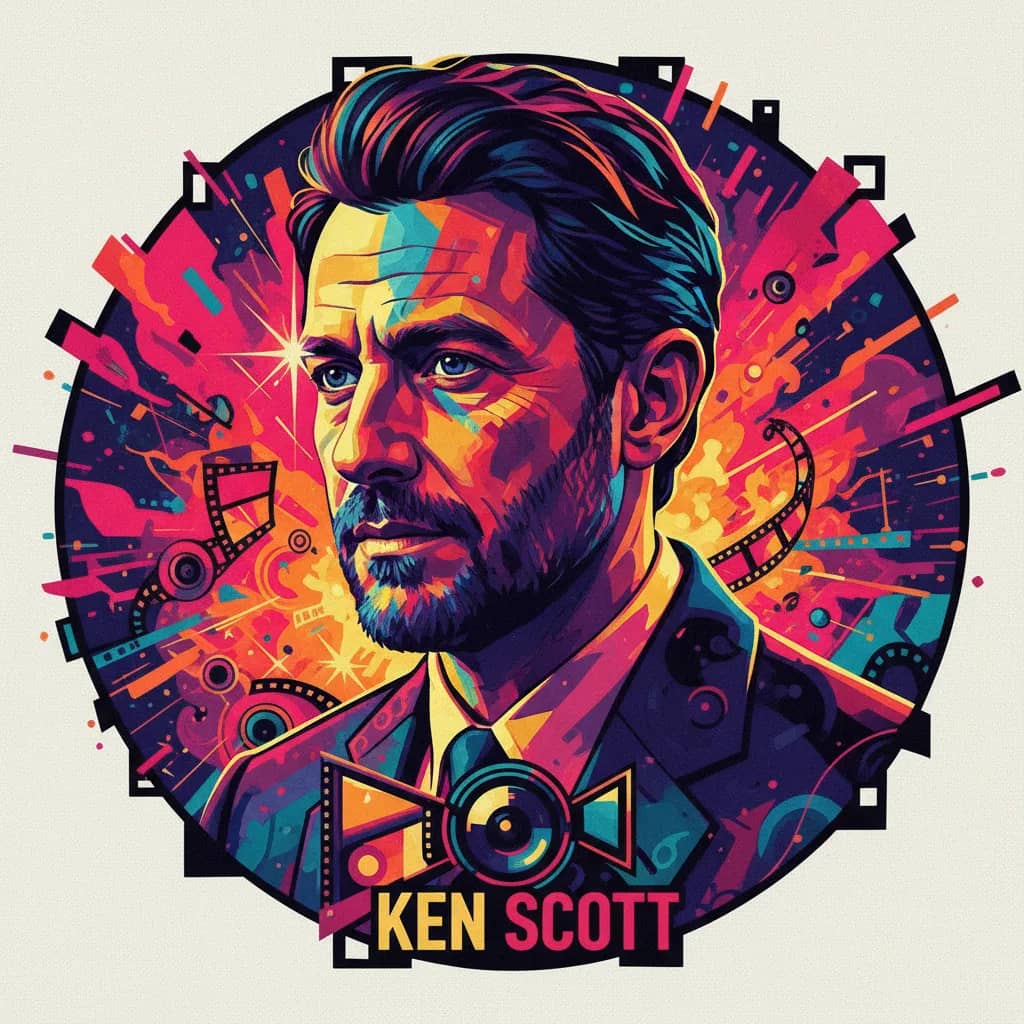
Ken Scott is a Canadian director and screenwriter known for his unique blend of comedy, drama, and heartfelt storytelling. With a career spanning over a decade, Scott has made a significant impact on cinema with his distinct directorial style and ability to capture the complexities of human relationships. His notable films include "Delivery Man" (2013), "Unfinished Business" (2015), and "Starbuck" (2011), all of which showcase his talent for blending humor and emotion. In "Delivery Man," Scott explores the themes of family, responsibility, and the unexpected challenges of parenthood. The film follows the story of a man who discovers he has fathered 533 children through sperm donation. Through this premise, Scott delves into the complexities of fatherhood and the impact of one's actions on the lives of others. Similarly, "Unfinished Business" delves into the world of corporate culture and the pursuit of the American Dream, while infusing the narrative with Scott's signature humor and wit. One of Scott's most acclaimed works, "Starbuck," exemplifies his ability to infuse comedy with poignant storytelling. The film revolves around a middle-aged man who discovers he has fathered over 500 children through sperm donation. This heartwarming and humorous tale explores the meaning of family, the bonds that connect us, and the complexities of identity. Scott's directorial approach often reflects a deep understanding of human nature, portraying characters in a relatable and empathetic light, despite their flaws and quirks. With a keen eye for human dynamics and an innate ability to balance comedy and drama, Ken Scott has carved out a niche for himself in the film industry. His films resonate with audiences due to their honesty, humor, and universal themes. Scott's directorial style continues to influence contemporary cinema, as he consistently delivers narratives that are both entertaining and thought-provoking. His work stands as a testament to the power of storytelling and the lasting impact a skilled director can have on the medium of film.

Kent Alterman is a highly acclaimed film director known for his unique blend of comedy and sports themes in his works. With a career spanning over several decades, Alterman has made a significant impact on the film industry, leaving an indelible mark with his distinctive directorial style. His notable film, "Semi-Pro" (2008), stands as a testament to his prowess in seamlessly intertwining humor and sports drama, captivating audiences with its engaging storyline and witty dialogue. Alterman's directorial style is characterized by a keen ability to infuse comedic elements with the energy and excitement of sports narratives. His films often explore the human dynamics within the competitive world of sports, shedding light on the humorous and poignant moments that unfold both on and off the playing field. Through his astute direction, Alterman brings a refreshing perspective to the sports genre, captivating viewers with his distinct storytelling and compelling character portrayals. "Semi-Pro" (2008) stands out as a quintessential example of Alterman's directorial finesse, featuring a perfect amalgamation of uproarious comedy and exhilarating sports action. The film's enduring appeal lies in its ability to resonate with audiences on multiple levels, offering a seamless blend of laughter, heartfelt moments, and triumphant underdog stories. Alterman's adept handling of the film's narrative and pacing showcases his mastery in creating an immersive and entertaining cinematic experience. Throughout his career, Alterman has consistently explored recurring themes of camaraderie, resilience, and the pursuit of victory against all odds. His films delve into the complexities of human relationships, often using the backdrop of sports as a canvas to showcase the triumphs and tribulations of the human spirit. Alterman's directorial contributions have not only entertained audiences but also provided a fresh perspective on the sports comedy genre, cementing his status as a visionary director with a distinct and influential cinematic voice. Kent Alterman's impact on cinema extends beyond his individual films, as his directorial work has contributed to reshaping the landscape of sports-themed comedies. His ability to infuse humor with poignant storytelling has carved a niche for him in the industry, earning him a revered status among both audiences and peers. With a legacy defined by his exceptional talent and innovative approach to filmmaking, Kent Alterman continues to be a driving force in the realm of sports comedy, leaving an indelible mark on the cinematic world.
Every film by the greats, ranked by our TML Score.

Christopher Nolan
Every film, ranked

Quentin Tarantino
Every film, ranked

Stanley Kubrick
Every film, ranked

Martin Scorsese
Every film, ranked

Steven Spielberg
Every film, ranked

Alfred Hitchcock
Every film, ranked

David Fincher
Every film, ranked

Denis Villeneuve
Every film, ranked

Wes Anderson
Every film, ranked

Paul Thomas Anderson
Every film, ranked

Ridley Scott
Every film, ranked

Tim Burton
Every film, ranked

Guillermo del Toro
Every film, ranked

Hayao Miyazaki
Every film, ranked

Akira Kurosawa
Every film, ranked

Francis Ford Coppola
Every film, ranked

Clint Eastwood
Every film, ranked

Bong Joon Ho
Every film, ranked

Woody Allen
Every film, ranked

Steven Soderbergh
Every film, ranked

Ron Howard
Every film, ranked

Pedro Almodóvar
Every film, ranked

Richard Linklater
Every film, ranked

Roman Polanski
Every film, ranked

Brian De Palma
Every film, ranked

Ingmar Bergman
Every film, ranked

Oliver Stone
Every film, ranked

David Cronenberg
Every film, ranked

Robert Zemeckis
Every film, ranked

Barry Levinson
Every film, ranked

John Carpenter
Every film, ranked

Joel Schumacher
Every film, ranked

Billy Wilder
Every film, ranked

Rob Reiner
Every film, ranked

Neil Jordan
Every film, ranked

Spike Lee
Every film, ranked

Ivan Reitman
Every film, ranked

John Woo
Every film, ranked

Lasse Hallström
Every film, ranked

Stephen Frears
Every film, ranked

Luc Besson
Every film, ranked

Chris Columbus
Every film, ranked

Mike Nichols
Every film, ranked

Howard Hawks
Every film, ranked

Ang Lee
Every film, ranked

Walter Hill
Every film, ranked

Gus Van Sant
Every film, ranked

William Wyler
Every film, ranked

Renny Harlin
Every film, ranked

Sidney Lumet
Every film, ranked

Tony Scott
Every film, ranked