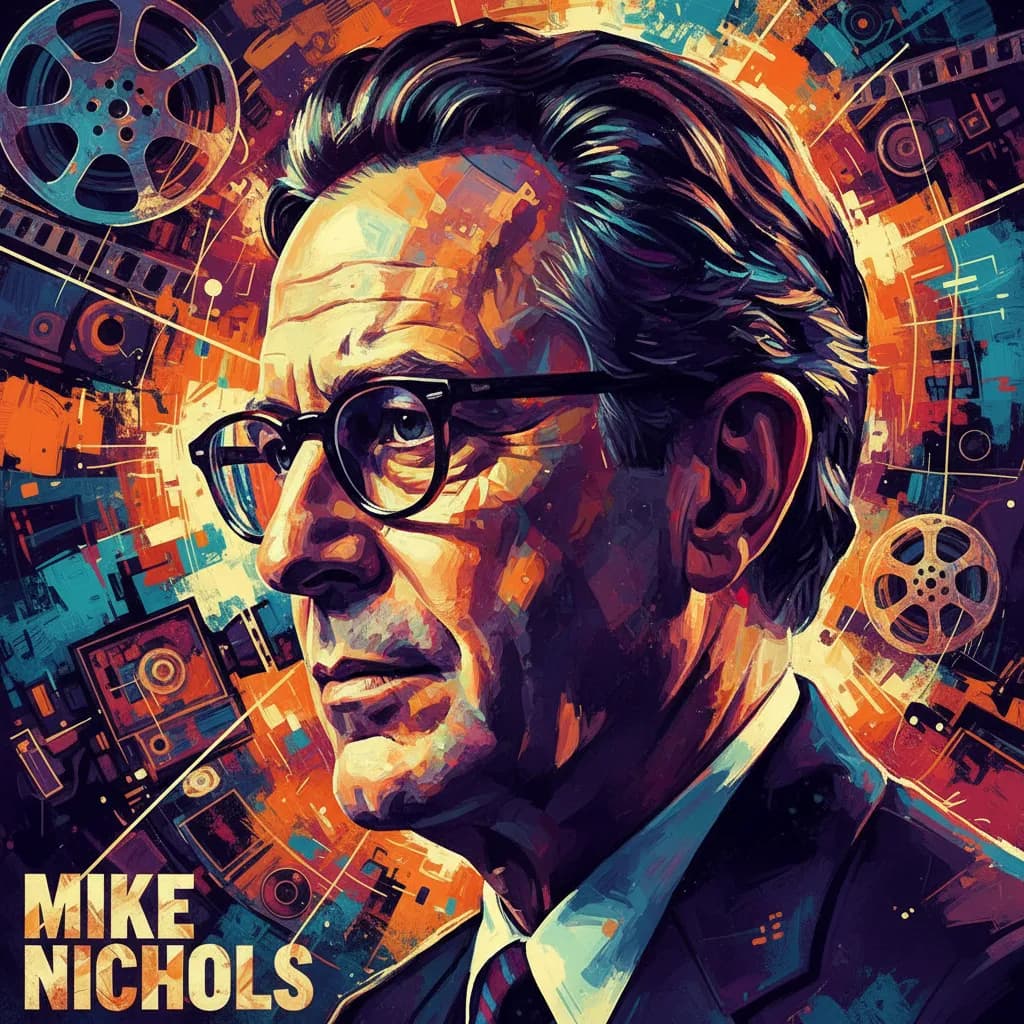
Discover the visionary filmmakers behind cinema's greatest works.
Explore our selection of acclaimed directors and their remarkable films.
Showing 2161-2172 out of 4148

Keishi Otomo is a Japanese film director renowned for his exceptional work in the action-adventure genre. Otomo's notable filmography includes the highly acclaimed "Rurouni Kenshin" trilogy, comprising "Rurouni Kenshin Part I: Origins" (2012), "Rurouni Kenshin Part II: Kyoto Inferno" (2014), and "Rurouni Kenshin: The Legend Ends" (2014). These films have solidified Otomo's reputation as a masterful director with a unique vision, firmly establishing him as a leading figure in the Japanese film industry. Otomo's directorial style is characterized by his adeptness in capturing intense action sequences while infusing profound emotional depth into his storytelling. His meticulous attention to detail and ability to seamlessly blend dynamic fight choreography with compelling character development sets him apart in the realm of action cinema. Otomo's films often showcase breathtaking visuals and meticulous period detail, transporting audiences to the vivid world of historical Japan. A recurring theme in Otomo's work is the exploration of redemption, honor, and the internal conflicts faced by his protagonists. His films delve into the complexities of morality and the struggle for personal transformation, resonating with audiences on a profound level. Otomo's storytelling prowess lies in his ability to infuse his action-packed narratives with philosophical and ethical dilemmas, elevating the genre beyond mere spectacle. Otomo's impact on cinema extends beyond the boundaries of his native Japan, as his "Rurouni Kenshin" trilogy has garnered international acclaim, captivating audiences worldwide. His films have not only redefined the standards for action-adventure cinema but have also contributed to the global appreciation of Japanese filmmaking. Otomo's unique vision and directorial finesse have left an indelible mark on the industry, inspiring a new generation of filmmakers and captivating audiences with his unparalleled storytelling. In summary, Keishi Otomo stands as a visionary director whose prowess in crafting captivating narratives and breathtaking action sequences has cemented his legacy in cinema. His "Rurouni Kenshin" trilogy serves as a testament to his exceptional talent, and his contributions continue to shape and redefine the landscape of action-adventure filmmaking. With a keen eye for detail and an innate ability to infuse depth into his work, Otomo remains a cinematic force to be reckoned with, leaving an enduring impact on the world of cinema.

Kelly Asbury was a celebrated director known for his exceptional contributions to the world of animation. He cemented his status as a visionary director with a distinct flair for crafting heartwarming stories and captivating visuals. Asbury's directorial style was characterized by his ability to infuse animated worlds with depth, emotion, and humor, making his films appealing to audiences of all ages. With a career spanning several iconic films, Asbury made an indelible mark on the industry, leaving a legacy that continues to inspire aspiring filmmakers and entertain audiences worldwide. One of Asbury's most notable directorial achievements was "Smurfs: The Lost Village" (2017), a delightful animated adventure that showcased his creative prowess. The film exemplified Asbury's ability to breathe new life into beloved characters while delivering a compelling and visually stunning narrative. His directorial finesse was also on display in "Gnomeo & Juliet" (2011), a charming retelling of the classic love story set against the backdrop of warring garden gnomes. Asbury's unique touch was evident in the film's seamless blend of humor, romance, and adventure, making it a standout in the animated film landscape. Asbury's impact on cinema extended beyond his directorial endeavors, as he played a pivotal role in shaping the success of blockbuster hits such as "Shrek 2" (2004). His creative input and directorial acumen contributed to the film's widespread acclaim and box office triumph, solidifying his reputation as a director capable of delivering commercial and critical success. Furthermore, Asbury's directorial contribution to "Spirit: Stallion of the Cimarron" (2002) demonstrated his versatility in bringing to life a captivating tale of friendship, freedom, and adventure through animation. Throughout his career, Asbury consistently demonstrated a propensity for weaving timeless themes of friendship, love, and self-discovery into his directorial projects, endearing him to audiences and critics alike. His ability to infuse animated worlds with emotional depth and relatable characters set him apart as a director with an innate understanding of storytelling and visual storytelling. Asbury's legacy continues to resonate in the world of animation, where his influence remains palpable, and his films continue to enchant and inspire audiences of all generations. In conclusion, Kelly Asbury's directorial career was characterized by a unique vision and an unwavering commitment to bringing imaginative stories to life through animation. His notable films, including "Smurfs:

Kelly Fremon Craig is an accomplished film director known for her unique blend of comedy and drama, as evidenced in her notable work "The Edge of Seventeen" (2016). Throughout her career, Craig has demonstrated a keen ability to capture the complexities of adolescence with authenticity and humor, establishing herself as a distinctive voice in the world of cinema. In "The Edge of Seventeen," Craig masterfully navigates the tumultuous journey of a high school student, played by Hailee Steinfeld, as she grapples with the challenges of friendship, family dynamics, and self-discovery. The film's sharp wit, heartfelt moments, and relatable characters showcase Craig's directorial style, characterized by her ability to infuse emotionally resonant narratives with a refreshing sense of humor. Notably, Craig's directorial debut with "The Edge of Seventeen" garnered widespread acclaim for its insightful exploration of teenage angst and the complexities of growing up. Her ability to authentically capture the emotional turbulence of adolescence has solidified her status as a director with a keen understanding of the human experience, particularly during the formative years of youth. One of Craig's recurring themes is the portrayal of authentic and multifaceted characters who grapple with the universal challenges of identity, relationships, and personal growth. Her films resonate with audiences due to their genuine portrayal of the human experience, creating a lasting impact on viewers and establishing Craig as a director with a distinctive and relatable storytelling approach. Kelly Fremon Craig's impact on cinema is evident through her ability to create poignant coming-of-age narratives that transcend genre conventions. Her directorial vision, characterized by its emotional depth and comedic flair, has left an indelible mark on the film industry, inspiring audiences and aspiring filmmakers alike. As she continues to shape compelling stories that resonate with viewers, Craig's contributions to cinema are sure to endure as a testament to her talent and artistry.

Kelly Makin is a renowned film director known for his exceptional work in the entertainment industry. With a diverse range of directorial credits, Makin has made a significant impact on cinema with his unique vision and storytelling prowess. He is particularly noted for his directorial work in the 1999 film "Mickey Blue Eyes," a delightful blend of comedy, crime, and romance. Makin's directorial style is characterized by his ability to seamlessly blend different genres, creating compelling narratives that resonate with audiences. "Mickey Blue Eyes" exemplifies his talent for infusing humor into a crime-centric storyline while also exploring the complexities of romantic relationships. Through his adept direction, Makin skillfully navigates the intersection of these genres, resulting in a captivating and entertaining film. Notable for his directorial contributions, Kelly Makin has consistently delivered films that showcase his keen eye for storytelling and visual flair. His works often feature recurring themes of human connection, love, and the complexities of interpersonal relationships. Makin's ability to capture the nuances of human emotions and interactions has cemented his reputation as a director with a profound understanding of the human experience. Makin's impact on cinema extends beyond his individual films, as he has contributed to the industry by shaping the narrative and visual landscape of contemporary filmmaking. His directorial achievements have left an indelible mark on the world of cinema, inspiring aspiring filmmakers and captivating audiences worldwide. As a visionary director, Kelly Makin continues to be a driving force in the film industry, leaving an enduring legacy through his exceptional body of work.

Kelly Reichardt is a highly acclaimed American film director known for her distinct directorial style and thought-provoking storytelling. With a career spanning over three decades, Reichardt has left an indelible mark on independent cinema, with a focus on intimate character studies and exploration of the human condition. Her films often feature quiet, contemplative narratives that delve into the lives of ordinary individuals facing extraordinary circumstances. Reichardt's filmography boasts an impressive array of works that have garnered critical acclaim and earned her a dedicated following among cinephiles. Notable films in her repertoire include "Meek's Cutoff" (2010), a gripping adventure-drama set in the 1845 Oregon Trail, "Wendy and Lucy" (2008), a poignant drama that explores the struggles of a young woman and her dog as they navigate life on the margins of society, "First Cow" (2019), a captivating drama set in the 1820s American frontier, and "Certain Women" (2016), a deeply human drama that weaves together the lives of several women in a small Montana town. Reichardt's directorial style is characterized by her meticulous attention to detail, understated storytelling, and emphasis on naturalistic performances. Her films often eschew traditional narrative structures in favor of immersive, atmospheric experiences that invite audiences to contemplate the complexities of the human experience. Reichardt's recurring themes include the exploration of isolation, resilience, and the quiet moments of everyday life, all underscored by a keen sense of empathy and compassion for her characters. As a director, Reichardt has had a profound impact on contemporary cinema, influencing a new generation of filmmakers with her uncompromising commitment to authentic storytelling and her ability to capture the raw emotions of her characters. Her body of work stands as a testament to the power of independent filmmaking and the ability to craft deeply affecting narratives that resonate with audiences on a profound level. With her distinctive voice and unwavering dedication to her craft, Kelly Reichardt continues to be a trailblazer in the world of cinema, leaving an enduring legacy that will continue to inspire and captivate audiences for years to come.

Kemp Powers is a multifaceted talent known for his impactful contributions to the world of film and entertainment. As a director, Powers has made a significant mark on the industry with his innovative approach to storytelling and his ability to captivate audiences across different genres. His directorial debut in the highly anticipated animated film "Spider-Man: Across the Spider-Verse" (2023) showcases his prowess in creating visually stunning and emotionally resonant cinematic experiences. Powers' directorial style is characterized by a seamless blend of captivating visuals, compelling narratives, and rich character development. His keen eye for detail and dynamic storytelling techniques have garnered widespread acclaim, cementing his status as a visionary director. In "Spider-Man: Across the Spider-Verse," Powers brings his unique perspective to the beloved superhero genre, infusing the film with his signature creativity and originality. Notable for his ability to infuse his work with thought-provoking themes and social commentary, Powers' films often explore complex human emotions and societal issues. His commitment to diversity and representation in storytelling has had a profound impact on cinema, paving the way for more inclusive narratives and underrepresented voices in the industry. With "Spider-Man: Across the Spider-Verse," Powers continues to push boundaries and redefine the possibilities of animated filmmaking, solidifying his position as a trailblazing director. His dedication to pushing the envelope and challenging conventional norms has earned him a dedicated following and positioned him as a leading force in the world of film. In summary, Kemp Powers' directorial career is marked by a commitment to pushing artistic boundaries, exploring diverse narratives, and leaving a lasting impact on the film industry. His visionary approach to storytelling and his ability to connect with audiences on a profound level have established him as a director to watch, with "Spider-Man: Across the Spider-Verse" serving as a testament to his remarkable talent and enduring influence in cinema.

Ken Andô is a highly esteemed film director known for his exceptional work in the animation, action, and drama genres. With a career spanning several decades, Andô has left an indelible mark on the world of cinema. One of his most notable works is "Neon Genesis Evangelion: Death & Rebirth" (1997), a groundbreaking film that exemplifies his directorial prowess and innovative storytelling techniques. Andô's directorial style is characterized by his ability to seamlessly blend animation with compelling narratives, resulting in films that captivate audiences and push the boundaries of visual storytelling. His meticulous attention to detail and masterful command of the animation medium have earned him a reputation as a visionary director with an unparalleled ability to bring stories to life on the screen. "Neon Genesis Evangelion: Death & Rebirth" stands as a testament to Andô's creative genius, showcasing his penchant for crafting immersive and thought-provoking narratives within the realm of animation. The film's exploration of complex themes such as identity, existentialism, and the human condition underscores Andô's ability to infuse depth and meaning into his work, resonating with audiences on a profound level. Throughout his career, Andô has consistently explored recurring themes such as the nature of humanity, the impact of technology on society, and the inner struggles of his characters. His unique perspective and ability to tackle profound subject matter have solidified his status as a pioneering force in the world of animation and filmmaking. Ken Andô's contributions to cinema have had a lasting impact, inspiring future generations of filmmakers and animators to push the boundaries of storytelling and visual artistry. His visionary approach to directing has cemented his legacy as a true luminary in the world of film, and his work continues to be celebrated and revered by audiences and critics alike.

Ken Annakin was a British film director whose career spanned over five decades, leaving an indelible mark on cinema with his versatile directorial style and a string of notable films. Known for his adeptness in directing films across multiple genres, Annakin's work showcased his ability to seamlessly transition from adventure to war dramas with a keen eye for detail and a knack for crafting compelling narratives. His directorial style was characterized by a blend of grand-scale epic storytelling, immersive action sequences, and an emphasis on human emotions, making his films both visually captivating and emotionally resonant. One of Annakin's most celebrated films is "Swiss Family Robinson" (1960), an adventure and family film that epitomized his ability to create immersive, larger-than-life worlds on screen. The movie's enduring appeal lies in Annakin's adept direction, which brought to life the captivating tale of a family's struggle for survival on a deserted island. Additionally, his directorial prowess was on full display in "Battle of the Bulge" (1965), a gripping war drama that masterfully depicted the eponymous World War II battle. The film's meticulously choreographed battle sequences and nuanced portrayal of human resilience underscored Annakin's ability to infuse historical dramas with a profound sense of realism and emotional depth. Another standout in his filmography is "The Longest Day" (1962), an epic war film that depicted the events of D-Day with unparalleled scale and authenticity, solidifying Annakin's reputation as a masterful storyteller of historical events. Throughout his career, Annakin's films often delved into themes of resilience, human spirit, and the triumph of the human will in the face of adversity. His ability to intertwine these themes with visually stunning set pieces and emotionally engaging narratives made his films resonate with audiences worldwide. Annakin's impact on cinema is undeniable, as his directorial contributions have left an indelible imprint on the landscape of filmmaking, influencing subsequent generations of filmmakers and leaving behind a rich legacy of timeless cinematic gems. In summary, Ken Annakin's directorial career is defined by a remarkable versatility and an unparalleled ability to breathe life into captivating stories across various genres. His films continue to stand the test of time, captivating audiences with their grandeur, emotional depth, and enduring resonance. As a visionary filmmaker, Annakin's legacy remains an integral part of the cinematic tapestry, with his contributions continuing to inspire and captivate audiences worldwide.

Ken Finkleman is a Canadian director known for his sharp wit and satirical take on the entertainment industry. Finkleman's directorial style is characterized by his ability to blend humor with social commentary, often poking fun at the absurdities of modern life. His notable film, "Airplane II: The Sequel" (1982), is a prime example of his comedic prowess and ability to infuse science fiction elements with laugh-out-loud moments. Throughout his career, Finkleman has masterfully tackled a wide range of genres, including comedy and sci-fi, demonstrating his versatility as a director. His work often delves into the complexities of human relationships, the impact of technology on society, and the comical side of bureaucracy. Finkleman's films are known for their sharp dialogue, clever storytelling, and subtle yet incisive social commentary, making them both entertaining and thought-provoking. Finkleman's impact on cinema lies in his ability to challenge conventions and push boundaries, using humor as a tool to dissect and critique societal norms. His work has influenced a generation of filmmakers, inspiring them to use comedy as a means of confronting serious issues with a lighthearted touch. Finkleman's unique vision and willingness to explore unconventional themes have earned him a dedicated following and cemented his status as a trailblazer in the world of comedy and science fiction filmmaking. In conclusion, Ken Finkleman's career as a director has been defined by his ability to infuse comedy with astute social commentary, creating films that are both entertaining and thought-provoking. His impact on cinema is undeniable, as he continues to inspire audiences and fellow filmmakers with his unique vision and unapologetic approach to storytelling. With a diverse filmography and a keen eye for satire, Finkleman remains a prominent figure in the world of comedy and science fiction filmmaking.

Ken Hughes was a British film director known for his diverse body of work spanning various genres. Born in 1922, he began his career as a screenwriter before transitioning to directing. Hughes's directorial style was characterized by a keen sense of visual storytelling and a knack for blending adventure, fantasy, and family themes. His most notable film, "Chitty Chitty Bang Bang" (1968), remains a beloved classic that continues to captivate audiences with its whimsical charm and imaginative world-building. In "Chitty Chitty Bang Bang," Hughes demonstrated his ability to bring fantastical narratives to life on the big screen, showcasing his talent for creating enchanting and immersive cinematic experiences. The film's enduring appeal and enduring popularity are a testament to Hughes's directorial prowess and his ability to transport viewers to magical realms through his distinct visual storytelling. Throughout his career, Hughes explored various themes, often infusing his films with a sense of adventure, wonder, and heartwarming storytelling. His ability to craft compelling narratives that resonate with audiences of all ages solidified his reputation as a versatile director with a gift for capturing the imagination. "Chitty Chitty Bang Bang" stands as a testament to Hughes's impact on family-friendly cinema, leaving an indelible mark on the genre and inspiring generations of filmmakers. Ken Hughes's legacy as a director is defined by his ability to create timeless cinematic experiences that continue to enchant audiences decades after their initial release. His contributions to the world of filmmaking have left an indelible mark on the industry, and his work continues to inspire and influence filmmakers today. With "Chitty Chitty Bang Bang," Hughes cemented his status as a visionary director capable of bringing magical worlds to life on the silver screen, leaving behind a rich and enduring legacy that continues to captivate and delight audiences worldwide.

Kenji Kamiyama is a highly acclaimed Japanese film director known for his exceptional work in the realm of animation, action, and drama. With a career spanning over two decades, Kamiyama has garnered a reputation for his distinctive directorial style and thought-provoking storytelling. His notable film "Jin-Roh: The Wolf Brigade" (1999) stands as a testament to his prowess in crafting emotionally resonant narratives that captivate audiences worldwide. Kamiyama's directorial style is characterized by its meticulous attention to detail, striking visual imagery, and deeply immersive storytelling. He possesses a remarkable ability to infuse his works with a profound sense of depth, exploring complex themes and thought-provoking narratives that transcend the traditional boundaries of animation. His films often feature a perfect balance of action-packed sequences and poignant drama, creating a cinematic experience that resonates with viewers on a profound level. "Jin-Roh: The Wolf Brigade" exemplifies Kamiyama's directorial prowess, showcasing his adeptness in crafting a compelling narrative that delves into the intricate complexities of human emotions and societal dynamics. The film's striking animation and masterful direction serve as a testament to Kamiyama's unparalleled vision and storytelling abilities, solidifying his status as a visionary director in the realm of animated cinema. Throughout his career, Kamiyama has displayed a penchant for exploring recurring themes such as the human condition, moral dilemmas, and the impact of technology on society. His films often serve as thought-provoking explorations of these themes, offering audiences a profound and introspective look into the intricacies of the human experience. Kamiyama's impact on cinema is undeniable, as he continues to push the boundaries of animated filmmaking, earning widespread acclaim and adoration from critics and audiences alike. In conclusion, Kenji Kamiyama's illustrious career as a film director has left an indelible mark on the world of cinema. His unique vision, unparalleled storytelling abilities, and profound exploration of complex themes have solidified his status as a pioneering force in the realm of animation and drama. As he continues to captivate audiences with his thought-provoking narratives and striking visual aesthetics, Kamiyama remains a visionary director whose impact on cinema will be felt for generations to come. Keywords: Kenji Kamiyama, film director, animation, action, drama, Jin-Roh: The Wolf Brigade, directorial style, storytelling, themes, impact on cinema, Japanese director,

Kenji Misumi was a revered Japanese film director known for his influential contributions to the samurai genre, particularly his work on the iconic "Lone Wolf and Cub" film series. With a career spanning several decades, Misumi's directorial style was characterized by a meticulous attention to detail, striking visuals, and a masterful command of action sequences. His impact on cinema is often lauded for elevating the samurai film genre to new heights and inspiring generations of filmmakers worldwide. One of Kenji Misumi's most celebrated works is "Shogun Assassin" (1980), a gripping action-adventure film that has achieved cult status among enthusiasts of martial arts cinema. As a director, Misumi demonstrated a knack for infusing his films with intense, visceral action sequences while maintaining a profound exploration of honor, duty, and the complexities of the human condition. "Shogun Assassin" stands as a testament to Misumi's ability to captivate audiences with his unique blend of kinetic storytelling and visual splendor. Throughout his career, Misumi displayed a penchant for exploring themes of redemption, familial bonds, and the moral dilemmas faced by his characters. His directorial prowess was often showcased through his ability to choreograph breathtaking sword fights and depict the beauty of Japanese landscapes. Misumi's legacy in cinema is underscored by his influence on subsequent filmmakers who have drawn inspiration from his directorial techniques and storytelling sensibilities. Kenji Misumi's impact on the film industry cannot be overstated, as his directorial contributions continue to resonate with audiences and filmmakers alike. His enduring legacy is a testament to his ability to imbue his films with emotional depth, gripping narratives, and visually stunning compositions. Misumi's work remains a testament to the enduring power of storytelling and its ability to transcend cultural boundaries, making him a revered figure in the annals of cinema history.
Every film by the greats, ranked by our TML Score.

Christopher Nolan
Every film, ranked

Quentin Tarantino
Every film, ranked

Stanley Kubrick
Every film, ranked

Martin Scorsese
Every film, ranked

Steven Spielberg
Every film, ranked

Alfred Hitchcock
Every film, ranked

David Fincher
Every film, ranked

Denis Villeneuve
Every film, ranked

Wes Anderson
Every film, ranked

Paul Thomas Anderson
Every film, ranked

Ridley Scott
Every film, ranked

Tim Burton
Every film, ranked

Guillermo del Toro
Every film, ranked

Hayao Miyazaki
Every film, ranked

Akira Kurosawa
Every film, ranked

Francis Ford Coppola
Every film, ranked

Clint Eastwood
Every film, ranked

Bong Joon Ho
Every film, ranked

Woody Allen
Every film, ranked

Steven Soderbergh
Every film, ranked

Ron Howard
Every film, ranked

Pedro Almodóvar
Every film, ranked

Richard Linklater
Every film, ranked

Roman Polanski
Every film, ranked

Brian De Palma
Every film, ranked

Ingmar Bergman
Every film, ranked

Oliver Stone
Every film, ranked

David Cronenberg
Every film, ranked

Robert Zemeckis
Every film, ranked

Barry Levinson
Every film, ranked

John Carpenter
Every film, ranked

Joel Schumacher
Every film, ranked

Billy Wilder
Every film, ranked

Rob Reiner
Every film, ranked

Neil Jordan
Every film, ranked

Spike Lee
Every film, ranked

Ivan Reitman
Every film, ranked

John Woo
Every film, ranked

Lasse Hallström
Every film, ranked

Stephen Frears
Every film, ranked

Luc Besson
Every film, ranked

Chris Columbus
Every film, ranked

Mike Nichols
Every film, ranked

Howard Hawks
Every film, ranked

Ang Lee
Every film, ranked

Walter Hill
Every film, ranked

Gus Van Sant
Every film, ranked

William Wyler
Every film, ranked

Renny Harlin
Every film, ranked

Sidney Lumet
Every film, ranked

Tony Scott
Every film, ranked