Discover the visionary filmmakers behind cinema's greatest works.
Explore our selection of acclaimed directors and their remarkable films.
Showing 1933-1944 out of 4148

John Michael McDonagh is an Irish film director known for his unique blend of dark comedy, crime, and drama. With a distinct directorial style, McDonagh has gained a reputation for crafting thought-provoking narratives with a sharp wit and a keen eye for social commentary. His filmography includes "War on Everyone" (2016), "The Guard" (2011), and "Calvary" (2014), each showcasing his ability to infuse genre films with depth and complexity. In "War on Everyone," McDonagh delivers a raucous action-comedy that subverts the buddy cop genre, incorporating his trademark dark humor and irreverent take on law enforcement. "The Guard" solidified McDonagh's status as a director to watch, with its offbeat humor and compelling characters set against the backdrop of a crime thriller. "Calvary" delves into darker territory, exploring themes of faith, morality, and redemption within a small Irish community, demonstrating McDonagh's versatility in navigating complex, emotionally resonant narratives. McDonagh's directorial style is characterized by sharp, witty dialogue, morally ambiguous characters, and a knack for blending genres to create compelling, multi-layered storytelling. His films often confront societal issues and moral dilemmas, challenging audiences to consider the complexities of human nature. McDonagh's work has made a significant impact on cinema, earning him a devoted following and critical acclaim for his ability to infuse genre films with depth and substance. Throughout his career, McDonagh has consistently delivered films that defy categorization, offering a fresh perspective on familiar genres and pushing the boundaries of storytelling. With his distinctive voice and uncompromising approach to filmmaking, McDonagh continues to be a leading figure in contemporary cinema, shaping the landscape with his thought-provoking narratives and bold directorial vision.

John Milius is a renowned American film director, screenwriter, and producer known for his bold and distinctive style that often explores themes of masculinity, heroism, and the human condition. Born in 1944, Milius rose to prominence in the 1970s and 1980s as a prominent figure in the New Hollywood movement, leaving an indelible mark on the action and adventure genres. His most notable film, "Conan the Barbarian" (1982), solidified his reputation as a director with a keen eye for epic storytelling and larger-than-life characters. Milius' directorial style is characterized by his unapologetic embrace of grandiose narratives and visceral action sequences. His films often feature rugged, larger-than-life protagonists who grapple with primal conflicts, set against visually stunning backdrops. "Conan the Barbarian" perfectly encapsulates Milius' directorial prowess, as he masterfully brought Robert E. Howard's iconic sword-and-sorcery character to life with a mix of raw power and mythic grandeur. In addition to "Conan the Barbarian," Milius' directorial and screenwriting credits include influential films such as "Apocalypse Now" (1979) and "Red Dawn" (1984), which further underscore his impact on the cinematic landscape. Throughout his career, Milius has consistently explored themes of heroism, honor, and the struggle between civilization and primal instincts, leaving an enduring imprint on the action and adventure genres. Milius' contributions to cinema have been profound, as he has influenced countless filmmakers with his unflinching storytelling and larger-than-life characters. His visionary approach to filmmaking has left an indelible legacy, inspiring a new generation of directors to push the boundaries of storytelling and visual spectacle. Milius' enduring impact on the action and adventure genres cements his status as a director whose bold vision continues to resonate with audiences and filmmakers alike. In conclusion, John Milius stands as a towering figure in the world of cinema, renowned for his distinctive directorial style and unyielding commitment to crafting captivating, larger-than-life narratives. His filmography, including the iconic "Conan the Barbarian," serves as a testament to his enduring influence on the action and adventure genres, solidifying his status as a true visionary in the realm of filmmaking. Milius' bold storytelling and thematic depth have left an indelible mark on

John Moore is a film director known for his expertise in crafting high-octane action and thrilling drama on the big screen. With a career spanning several decades, Moore has left an indelible mark on the action genre. His filmography boasts a diverse range of films, including "A Good Day to Die Hard" (2013), "Behind Enemy Lines" (2001), "Max Payne" (2008), "I.T." (2016), and "Flight of the Phoenix" (2004). Throughout his career, Moore has showcased a penchant for creating visually stunning and adrenaline-pumping cinematic experiences, earning him a reputation as a master of action-packed storytelling. Moore's directorial style is characterized by his ability to seamlessly blend heart-stopping action sequences with compelling character-driven narratives. His films often feature breathtaking aerial shots, intense combat scenes, and pulse-pounding chase sequences, captivating audiences with their visceral energy. Moore's keen eye for detail and mastery of visual storytelling have solidified his status as a visionary director in the action genre. Notable for his exploration of themes such as bravery in the face of adversity, the human cost of warfare, and the complexities of moral dilemmas, Moore infuses his films with thought-provoking elements that elevate them beyond mere spectacle. With "Behind Enemy Lines," Moore demonstrated his ability to depict the harrowing realities of war while "Max Payne" showcased his talent for delving into the dark underbelly of crime and corruption. Moore's impact on cinema lies in his ability to consistently deliver high-quality, audience-pleasing entertainment that resonates with fans of the action genre. His films have influenced a new generation of filmmakers, inspiring them to push the boundaries of what is possible within the realm of action-packed storytelling. As Moore continues to leave his mark on the industry, his legacy as a director who redefined the action genre is firmly secured. With his unique vision and unparalleled skill, John Moore remains a force to be reckoned with in the world of filmmaking.


John M. Stahl, a prominent figure in the Golden Age of Hollywood, left an indelible mark on cinema with his distinctive directorial style, which seamlessly blended drama, film-noir, and romance. Stahl's career was defined by his ability to craft emotionally resonant narratives and vibrant characters, making his films timeless classics that continue to captivate audiences. His most notable work, "Leave Her to Heaven" (1945), stands as a testament to his storytelling prowess and directorial finesse. Stahl's directorial approach was characterized by his keen eye for exploring the complexities of human relationships and the emotional turmoil that often accompanies them. His films often delved into the darker aspects of human nature, incorporating elements of psychological depth and moral ambiguity, which became hallmarks of his signature style. "Leave Her to Heaven" exemplifies Stahl's adeptness at infusing a gripping narrative with intense emotional depth, creating a film that remains a touchstone in the annals of cinema. Throughout his career, Stahl's films frequently explored themes of love, obsession, and the intricacies of the human psyche, showcasing his ability to imbue his work with profound emotional resonance. His adept handling of complex characters and morally ambiguous situations set him apart as a director with a distinct and compelling vision. Stahl's impact on cinema reverberates through his masterful storytelling and his ability to elicit powerful performances from his cast, cementing his legacy as a director of unparalleled skill and artistry. John M. Stahl's contributions to the film industry endure as a testament to his enduring legacy, with "Leave Her to Heaven" serving as a prime example of his directorial prowess. His ability to navigate the complexities of human emotion and interpersonal dynamics solidified his status as a visionary filmmaker, leaving an indelible mark on the cinematic landscape. Stahl's directorial legacy continues to inspire filmmakers and captivate audiences, ensuring his esteemed place in the pantheon of cinematic greats.

John Musker is a renowned film director and animator whose career spans over four decades, leaving an indelible mark on the animation genre. With a distinctive directorial style that seamlessly blends humor, adventure, and heart, Musker has been a driving force behind several beloved animated classics. His notable filmography includes "Hercules" (1997), "The Princess and the Frog" (2009), and "Treasure Planet" (2002), each showcasing his unique storytelling prowess and innovative approach to animation. Musker's directorial style is characterized by his ability to infuse his films with a perfect blend of wit, charm, and emotional depth. His films often feature vibrant, larger-than-life characters, epic adventures, and memorable musical numbers, all of which have become hallmarks of his directorial vision. Musker's keen understanding of storytelling and character development has earned him a reputation as a masterful storyteller, captivating audiences of all ages with his imaginative narratives. Throughout his career, Musker has explored recurring themes of self-discovery, resilience, and the triumph of the human spirit, resonating with audiences on a profound level. His films often celebrate the power of hope, friendship, and the pursuit of dreams, instilling timeless messages that continue to inspire and uplift viewers. Musker's commitment to crafting compelling narratives that resonate with universal emotions has solidified his status as a visionary director with a profound impact on cinema. Musker's contribution to the animation genre has been nothing short of revolutionary, pushing the boundaries of storytelling and animation techniques. His films have set new standards for visual storytelling, incorporating cutting-edge animation technology while staying true to the timeless art of traditional animation. Musker's dedication to pushing the envelope of creativity and innovation has cemented his legacy as a trailblazing director whose influence will be felt for generations to come. In conclusion, John Musker's directorial career is a testament to his unparalleled creativity, storytelling prowess, and lasting impact on the world of animation. His films continue to enchant and captivate audiences worldwide, earning him a well-deserved place among the most influential directors in the history of cinema. Musker's unique vision and unwavering dedication to his craft have left an indelible mark on the medium, ensuring that his legacy will endure as a source of inspiration and joy for years to come.

Johnnie To is a renowned Hong Kong film director known for his distinct directorial style, which often combines gritty action sequences with intricate character-driven narratives. With over 50 directorial credits to his name, To has made a significant impact on the international film scene, particularly in the action, crime, and drama genres. His filmography includes the critically acclaimed "Drug War" (2012), which exemplifies his signature approach to storytelling and filmmaking. To's directorial style is characterized by its kinetic energy, expertly choreographed action sequences, and an emphasis on moral ambiguity and human complexity. His films often explore the intricacies of the criminal underworld, delving into the psychological motivations of both law enforcement and criminal characters. This nuanced approach to storytelling has earned To a dedicated following among cinephiles and has cemented his reputation as a master of the crime genre. "Drug War" stands as a testament to To's directorial prowess, offering a gripping portrayal of the cat-and-mouse game between law enforcement and drug traffickers. The film showcases To's ability to seamlessly blend high-stakes action with compelling character development, resulting in a taut and immersive cinematic experience. The film's success further solidified To's status as a visionary director capable of delivering thought-provoking narratives within the framework of the crime genre. Throughout his career, To has explored recurring themes such as honor, loyalty, and the blurred lines between right and wrong. His films often present morally complex characters grappling with ethical dilemmas, adding layers of depth to the action-packed narratives. To's ability to infuse his films with rich thematic material has contributed to his enduring influence on cinema, inspiring a new generation of filmmakers to explore similar storytelling terrain. In conclusion, Johnnie To's impact on the film industry is undeniable, with his unique directorial vision and thematic explorations leaving an indelible mark on the action, crime, and drama genres. Through films like "Drug War," To has demonstrated his ability to captivate audiences with his gripping narratives and dynamic storytelling techniques. As a director, To continues to push boundaries and challenge conventions, solidifying his legacy as a pioneering force in contemporary cinema.

John N. Smith is a Canadian film director known for his compelling storytelling and ability to capture the human experience with authenticity. With a career spanning several decades, Smith has established himself as a versatile director with a keen eye for social issues and emotional depth. His most notable film, "Dangerous Minds" (1995), is a powerful portrayal of an educator's impact on troubled students, starring Michelle Pfeiffer. The film's success catapulted Smith into the spotlight and cemented his reputation as a director with a knack for creating thought-provoking narratives. Smith's directorial style is characterized by his ability to delve into complex human emotions and societal challenges. He has a remarkable talent for crafting narratives that resonate with audiences on a profound level. Through his films, Smith often explores themes of education, empowerment, and the resilience of the human spirit. His storytelling is marked by a raw and unflinching portrayal of real-life struggles, which has garnered him critical acclaim and a dedicated following. In addition to "Dangerous Minds," Smith's filmography includes a diverse range of projects that showcase his versatility as a director. From character-driven dramas to poignant biographical films, he has consistently delivered compelling stories that leave a lasting impact. Smith's commitment to shining a light on important social issues through his work has earned him a reputation as a director with a social conscience. Smith's contributions to cinema extend beyond his directorial achievements. His films have sparked meaningful conversations about the human condition and have shed light on the importance of empathy and understanding in a world fraught with challenges. Through his unique vision and storytelling prowess, Smith has left an indelible mark on the film industry, inspiring audiences and fellow filmmakers alike. In conclusion, John N. Smith's career as a film director is defined by his ability to craft emotionally resonant narratives that confront societal issues with honesty and compassion. His impact on cinema is evident through his thought-provoking storytelling and his unwavering commitment to depicting the human experience in all its complexities. As a director, Smith continues to inspire and provoke audiences, solidifying his legacy as a visionary filmmaker with a profound understanding of the power of storytelling.

Johnny Depp is an acclaimed actor known for his versatile performances, but many may not be aware of his foray into directing. Depp made his directorial debut with the 1997 film "The Brave," a gritty drama that showcased his unique vision behind the camera. The film, which also featured Depp in the lead role, follows the harrowing story of a Native American man who agrees to star in a snuff film in exchange for much-needed money for his family. "The Brave" earned attention for its unflinching portrayal of poverty and desperation, marking Depp as a director unafraid to tackle challenging subject matter. In "The Brave," Depp demonstrated a directorial style characterized by raw emotion and a willingness to confront difficult themes. The film's unapologetic portrayal of societal issues and human struggles reflected Depp's commitment to storytelling that pushes boundaries and provokes introspection. While "The Brave" was not a commercial success, it garnered critical acclaim for its bold storytelling and marked Depp as a filmmaker with a distinct voice. As a director, Depp's work often explores themes of marginalized communities, the human condition, and the complexities of morality. His ability to elicit powerful performances from actors and create immersive, emotionally charged atmospheres has left a lasting impact on audiences and the film industry. While Depp's directorial career may not be as prolific as his acting, "The Brave" remains a testament to his artistic vision and willingness to challenge conventional storytelling. Despite the limited scope of his directorial work, Johnny Depp's passion for storytelling and his willingness to tackle challenging subject matter have solidified his place as a filmmaker with a unique perspective. As he continues to pursue his artistic endeavors, audiences can anticipate thought-provoking narratives and emotionally resonant storytelling from this multi-talented artist.

Johnny Martin is a talented film director known for his work in the crime, drama, and mystery genres. His notable filmography includes the gripping thriller "Hangman" (2017), which showcases his distinctive directorial style and storytelling prowess. Martin's directorial approach is marked by a keen eye for suspenseful narratives, intense character development, and a commitment to delivering thought-provoking and emotionally resonant experiences for audiences. In "Hangman," Martin expertly weaves together a taut and atmospheric tale of a detective duo tracking a serial killer who leaves clues based on the children's game. Through his adept direction, Martin creates a palpable sense of tension and urgency, drawing viewers into the heart-pounding pursuit of the elusive criminal. His skillful use of cinematography, pacing, and visual storytelling amplifies the film's impact, cementing his reputation as a director with a knack for crafting immersive and engrossing cinematic experiences. Throughout his career, Johnny Martin has demonstrated a penchant for delving into the darker aspects of human nature, often exploring themes of obsession, morality, and the complexities of the criminal mind. His films are characterized by their compelling narratives, nuanced characterizations, and a deft handling of psychological elements that heighten the suspense and intrigue. With "Hangman," Martin solidified his position as a director capable of delivering compelling, edge-of-your-seat storytelling that resonates with audiences and leaves a lasting impression. Johnny Martin's impact on cinema lies in his ability to infuse his directorial projects with a distinct blend of tension, emotion, and psychological depth. His storytelling finesse and the ability to craft compelling narratives have garnered him recognition as a director to watch in the realm of crime and mystery filmmaking. As he continues to hone his craft and explore new creative territories, audiences can anticipate further captivating and immersive cinematic offerings from this talented filmmaker.

John Pasquin is a prominent American director known for his remarkable contributions to the world of comedy and family films. With a diverse filmography that spans over two decades, Pasquin has left an indelible mark on the industry with his unique directorial style and knack for crafting heartwarming and entertaining stories. His notable films include "The Santa Clause" (1994), "Jungle 2 Jungle" (1997), "Miss Congeniality 2: Armed & Fabulous" (2005), and "Joe Somebody" (2001), all of which showcase his adeptness at blending humor, drama, and family dynamics. Pasquin's directorial style is characterized by his ability to infuse warmth and humor into his films while also delving into poignant human emotions. His films often feature endearing characters navigating through relatable life challenges, resonating with audiences of all ages. With a keen eye for visual storytelling and a talent for eliciting authentic performances from his cast, Pasquin has successfully captured the hearts of viewers worldwide. Throughout his career, Pasquin has demonstrated a penchant for exploring themes of family, self-discovery, and the importance of human connection. His films often center around protagonists undergoing personal growth and learning valuable life lessons, making his works both entertaining and thought-provoking. Pasquin's ability to balance lighthearted comedy with genuine emotional depth has solidified his reputation as a director capable of creating timeless, beloved films. In the realm of comedy and family entertainment, John Pasquin's impact on cinema is undeniable. His films have resonated with audiences across generations, earning him a dedicated following and cementing his status as a director with a distinct and enduring cinematic vision. Through his storytelling prowess and ability to capture the essence of human experiences, Pasquin has carved out a significant place in the annals of film history, leaving behind a legacy of heartwarming and memorable movies that continue to enchant and inspire audiences worldwide.

John Patrick Shanley is a revered film director known for his diverse body of work, marked by a unique blend of comedy, romance, drama, and mystery. His directorial style is characterized by an insightful exploration of human relationships and emotions, often infused with wit and poignancy. Shanley's films are notable for their thought-provoking narratives, rich character development, and visually captivating storytelling. One of Shanley's most beloved works is "Joe Versus the Volcano" (1990), a whimsical comedy that showcases his flair for creating offbeat yet endearing characters and imaginative storytelling. The film's romantic elements and underlying existential themes reflect Shanley's ability to infuse depth and meaning into seemingly lighthearted narratives. "Joe Versus the Volcano" remains a cult classic, celebrated for its off-kilter charm and profound reflections on life and purpose. In 2008, Shanley delivered a tour de force with "Doubt," a gripping drama that delves into themes of morality, faith, and the complexities of human nature. The film's intense performances and nuanced exploration of uncertainty and conviction underscore Shanley's skill in crafting emotionally resonant and intellectually stimulating cinema. "Doubt" received widespread critical acclaim and garnered multiple award nominations, solidifying Shanley's reputation as a masterful director with a keen understanding of human psychology and ethical dilemmas. Shanley's most recent directorial endeavor, "Wild Mountain Thyme" (2020), exemplifies his ability to infuse romantic comedies with a touch of whimsy and emotional depth. The film's picturesque landscapes and heartfelt storytelling reflect Shanley's adeptness at capturing the nuances of love and longing, while infusing the narrative with his trademark wit and introspection. "Wild Mountain Thyme" further cements Shanley's status as a director capable of crafting visually stunning and emotionally resonant tales that leave a lasting impact on audiences. Throughout his career, Shanley has consistently explored themes of love, faith, identity, and the human experience, weaving them into narratives that transcend genre boundaries and resonate with audiences on a profound level. His unique vision and storytelling prowess have made him a cinematic luminary, and his contributions to film continue to inspire and captivate audiences worldwide. John Patrick Shanley's legacy as a director is defined by his ability to infuse every film with a distinct blend of sincerity, humor, and emotional depth, leaving an indelible mark on the fabric of

John Patton Ford is a visionary film director known for his distinct style and thought-provoking storytelling. With a career spanning over two decades, Ford has left an indelible mark on the cinematic landscape, captivating audiences with his unique directorial approach and compelling narratives. His notable film, "Emily the Criminal" (2022), is a testament to his ability to seamlessly blend genres, infusing crime, drama, and thriller elements to create a riveting and immersive cinematic experience. Ford's directorial style is characterized by a meticulous attention to detail, evocative visuals, and a knack for delving into the complexities of human nature. His films often explore the darker facets of society, delving deep into the psyche of his characters and unraveling gripping narratives that resonate with audiences on a profound level. "Emily the Criminal" stands as a prime example of Ford's ability to craft compelling, multi-layered stories that challenge conventional storytelling norms and leave a lasting impact on viewers. Throughout his career, Ford has demonstrated a penchant for delving into recurring themes such as moral ambiguity, the human condition, and the intricacies of interpersonal relationships. His films often confront societal issues and moral dilemmas, offering thought-provoking insights into the complexities of the human experience. This thematic richness, coupled with Ford's adept storytelling skills, has solidified his reputation as a director with a keen understanding of the human psyche and an unwavering commitment to pushing the boundaries of cinematic storytelling. Ford's impact on cinema is undeniable, as he continues to push the envelope with his boundary-pushing narratives and visually captivating storytelling. His ability to seamlessly blend genres and infuse his films with profound emotional depth has earned him a dedicated following and critical acclaim. As a director, Ford remains committed to crafting compelling narratives that challenge and inspire audiences, cementing his status as a cinematic trailblazer with a distinct and unparalleled vision. In conclusion, John Patton Ford's directorial prowess has left an indelible mark on the film industry, with "Emily the Criminal" serving as a testament to his unparalleled storytelling abilities and uncompromising vision. With a career defined by thought-provoking narratives, evocative visuals, and a deep exploration of the human condition, Ford continues to captivate audiences and push the boundaries of cinematic storytelling, solidifying his status as a directorial force to be reckoned with.
Every film by the greats, ranked by our TML Score.

Christopher Nolan
Every film, ranked

Quentin Tarantino
Every film, ranked

Stanley Kubrick
Every film, ranked

Martin Scorsese
Every film, ranked

Steven Spielberg
Every film, ranked

Alfred Hitchcock
Every film, ranked

David Fincher
Every film, ranked

Denis Villeneuve
Every film, ranked

Wes Anderson
Every film, ranked

Paul Thomas Anderson
Every film, ranked

Ridley Scott
Every film, ranked

Tim Burton
Every film, ranked

Guillermo del Toro
Every film, ranked

Hayao Miyazaki
Every film, ranked

Akira Kurosawa
Every film, ranked

Francis Ford Coppola
Every film, ranked

Clint Eastwood
Every film, ranked

Bong Joon Ho
Every film, ranked

Woody Allen
Every film, ranked

Steven Soderbergh
Every film, ranked

Ron Howard
Every film, ranked

Pedro Almodóvar
Every film, ranked

Richard Linklater
Every film, ranked

Roman Polanski
Every film, ranked

Brian De Palma
Every film, ranked

Ingmar Bergman
Every film, ranked

Oliver Stone
Every film, ranked

David Cronenberg
Every film, ranked

Robert Zemeckis
Every film, ranked

Barry Levinson
Every film, ranked

John Carpenter
Every film, ranked

Joel Schumacher
Every film, ranked

Billy Wilder
Every film, ranked

Rob Reiner
Every film, ranked

Neil Jordan
Every film, ranked

Spike Lee
Every film, ranked

Ivan Reitman
Every film, ranked

John Woo
Every film, ranked

Lasse Hallström
Every film, ranked

Stephen Frears
Every film, ranked

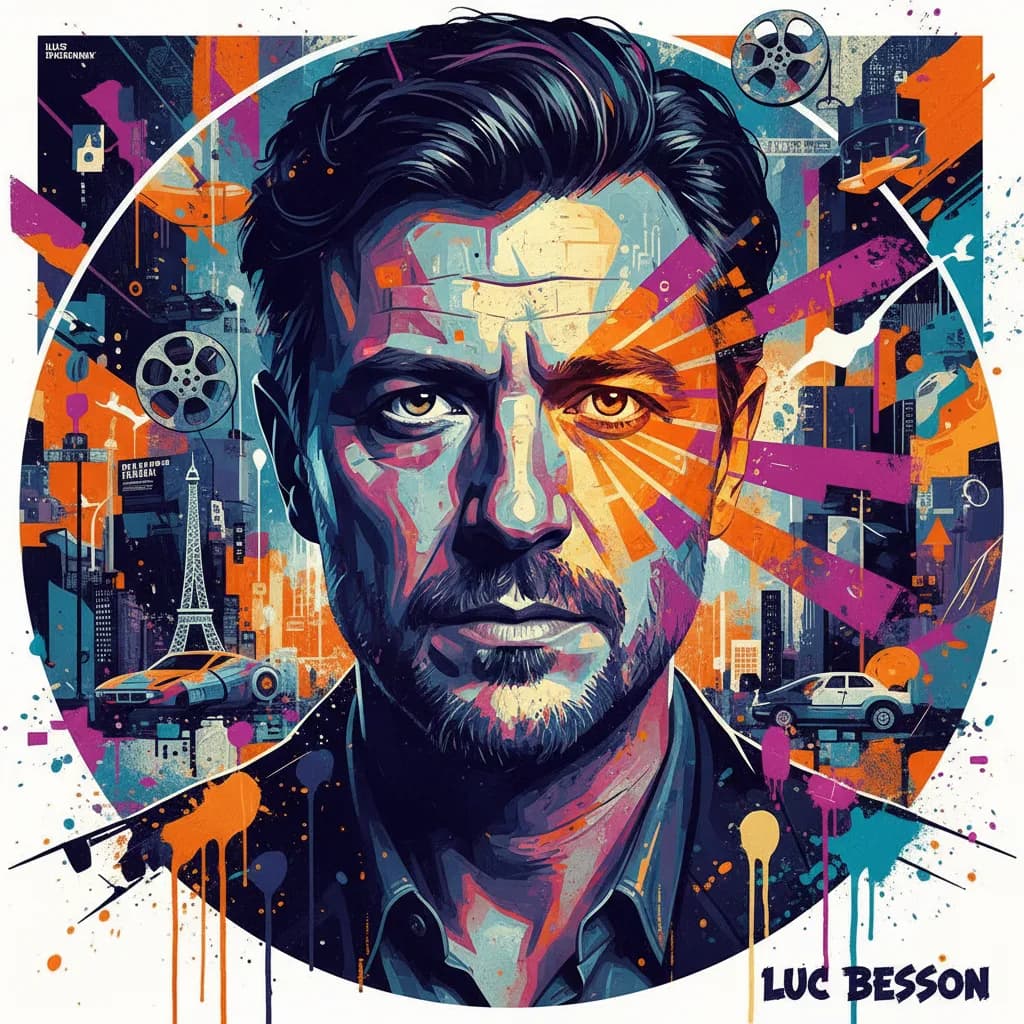
Luc Besson
Every film, ranked

Chris Columbus
Every film, ranked

Mike Nichols
Every film, ranked

Howard Hawks
Every film, ranked

Ang Lee
Every film, ranked

Walter Hill
Every film, ranked

Gus Van Sant
Every film, ranked

William Wyler
Every film, ranked

Renny Harlin
Every film, ranked

Sidney Lumet
Every film, ranked

Tony Scott
Every film, ranked