Discover the visionary filmmakers behind cinema's greatest works.
Explore our selection of acclaimed directors and their remarkable films.
Showing 1897-1908 out of 4148

John G. Avildsen was an American film director known for his exceptional talent in capturing the essence of underdog stories and delivering them with an emotional punch. His directorial style can be characterized by his ability to infuse sports and action-driven narratives with profound human drama and compelling family dynamics. Avildsen's notable films include "Rocky" (1976), "The Karate Kid" (1984), "Lean on Me" (1989), and "The Power of One" (1992). These movies not only showcased his mastery in crafting gripping, inspirational stories but also solidified his reputation as a maestro of the sports drama genre. Avildsen's cinematic legacy is deeply intertwined with his exploration of themes like perseverance, mentorship, and the triumph of the human spirit. His films often revolve around protagonists who are faced with seemingly insurmountable challenges, and through Avildsen's lens, audiences witness their arduous journeys towards self-discovery and victory. The director's ability to infuse these narratives with raw emotion and poignant character development has left an indelible mark on cinema, influencing a generation of filmmakers and resonating with audiences worldwide. Among Avildsen's most revered works is "Rocky," which not only garnered widespread critical acclaim but also earned him the Academy Award for Best Director. The film's enduring legacy, coupled with Avildsen's adeptness in portraying the complexities of human emotion, solidified his status as a visionary director. Additionally, "The Karate Kid" franchise, particularly the sequels "The Karate Kid Part II" (1986) and "The Karate Kid Part III" (1989), further exemplifies Avildsen's skill in crafting compelling narratives with profound emotional depth, resonating with audiences across generations. John G. Avildsen's impact on cinema is profound, as his films continue to inspire and captivate audiences decades after their release. His unique vision and storytelling prowess have left an indelible mark on the sports drama genre, setting a standard for nuanced character-driven narratives. Avildsen's ability to seamlessly intertwine action, drama, and family dynamics has cemented his place in cinematic history, making him a revered figure in the realm of directorial excellence. In conclusion, John G. Avildsen's directorial career is defined by his unparalleled talent in crafting emotionally resonant narratives, particularly within the sports drama genre. His films, including "Rocky," "

John G. Blystone was a prolific American film director whose career spanned the silent and early sound eras of cinema. Blystone's directorial style was characterized by a keen sense of humor, a flair for visual storytelling, and a skillful blend of comedy, romance, and thriller elements. His notable film "Our Hospitality" (1923) remains a classic example of his directorial prowess, showcasing his ability to seamlessly blend genres while delivering a captivating narrative. "Our Hospitality" stands as a testament to Blystone's adeptness at crafting engaging and entertaining films that resonated with audiences of his time. The movie's success solidified Blystone's reputation as a versatile director with a penchant for creating memorable cinematic experiences. Throughout his career, Blystone demonstrated a knack for infusing his films with lighthearted humor, endearing romance, and captivating thrills, earning him a dedicated following among moviegoers. Blystone's recurring themes often revolved around the human experience, love, and the triumph of the underdog, all of which he skillfully portrayed through his directorial lens. His impact on cinema is evidenced by his ability to consistently deliver films that stood the test of time and continue to resonate with contemporary audiences. Blystone's unique vision and contributions to film have left an indelible mark on the industry, inspiring future generations of filmmakers to embrace the art of storytelling with creativity and finesse. In conclusion, John G. Blystone's directorial career is a testament to his enduring legacy as a visionary filmmaker. His ability to seamlessly blend comedy, romance, and thriller elements in films like "Our Hospitality" solidified his reputation as a director with a distinct and captivating style. Blystone's impact on cinema continues to be felt, with his films serving as a timeless reminder of his unparalleled talent and contribution to the art of filmmaking.

John Glen was a prolific British film director known for his work on several James Bond films during the 1980s. His career in the film industry spanned over four decades, during which he made a significant impact on the action and adventure genre. Glen's directorial style was characterized by his ability to create high-octane, adrenaline-pumping sequences that captivated audiences and set a new standard for action-packed cinema. One of Glen's most notable contributions to cinema was his directorial work on the James Bond franchise. He helmed a total of five Bond films, including "For Your Eyes Only" (1981), "Octopussy" (1983), "A View to a Kill" (1985), "The Living Daylights" (1987), and "Licence to Kill" (1989). His films were celebrated for their gripping action sequences, innovative stunts, and larger-than-life set pieces, cementing his reputation as a master of the action-adventure genre. Glen's directorial approach often featured recurring themes of espionage, intrigue, and larger-than-life escapades, which resonated with audiences worldwide. His ability to infuse his films with a sense of urgency and suspense made him a sought-after director for high-profile action projects. Glen's impact on cinema can be seen in the enduring popularity of the James Bond franchise, with his films standing as beloved entries in the series that continue to captivate new generations of viewers. Overall, John Glen's unique vision and directorial prowess left an indelible mark on the action-adventure genre, redefining the standards for high-stakes, pulse-pounding filmmaking. His legacy as a director is firmly rooted in his ability to transport audiences into a world of daring exploits, larger-than-life characters, and heart-stopping thrills. His contributions to the James Bond franchise and the broader action genre continue to inspire filmmakers and entertain audiences, solidifying his status as a visionary director whose impact on cinema endures to this day.

John Glenn is an accomplished film director known for his masterful storytelling and captivating visuals. With a career spanning over two decades, Glenn has left an indelible mark on the film industry. His directorial debut came in 2008 with the release of "The Lazarus Project," a gripping drama infused with mystery and thriller elements. The film showcased Glenn's keen ability to immerse audiences in a world of suspense and intrigue, setting the stage for a career defined by thought-provoking narratives and compelling characters. Glenn's directorial style is characterized by a meticulous attention to detail and a knack for delving into the complexities of the human psyche. His films often explore themes of redemption, existentialism, and the blurred lines between reality and illusion. With a keen eye for visual storytelling, Glenn expertly crafts atmospheric scenes that draw viewers into the emotional core of his characters' journeys. His ability to seamlessly blend genres, infusing drama with elements of mystery and suspense, sets his work apart and keeps audiences on the edge of their seats. "The Lazarus Project" stands as a testament to Glenn's storytelling prowess, marked by its haunting ambiance and nuanced character development. The film's exploration of moral dilemmas and the fragility of human existence resonated with audiences and solidified Glenn's reputation as a director with a penchant for thought-provoking narratives. His impact on cinema extends beyond mere entertainment, as his films invite audiences to ponder the deeper layers of the human experience. Throughout his career, Glenn has continued to push artistic boundaries and challenge conventional storytelling norms, earning accolades for his ability to infuse each project with a distinct sense of authenticity and emotional depth. As a director, he has demonstrated an unwavering commitment to presenting narratives that linger in the minds of viewers long after the credits roll, cementing his status as a visionary filmmaker with a unique perspective on the human condition. In conclusion, John Glenn's directorial career has been defined by a captivating blend of drama, mystery, and thriller elements, underscored by his ability to craft narratives that resonate on an emotional and intellectual level. With "The Lazarus Project" as a testament to his directorial prowess, Glenn has established himself as a masterful storyteller with a penchant for exploring the intricacies of the human experience. As his career continues to unfold, audiences can anticipate further captivating tales that challenge, inspire, and leave an indelible impression on the cinematic landscape.

John Gray is a renowned film director known for his captivating work in the action, comedy, and crime genres. His directorial debut came with the 1996 film "The Glimmer Man," which showcased his distinct style and storytelling prowess. Gray's directorial approach often intertwines gripping action sequences with subtle humor and intricate crime narratives, earning him a dedicated fan base and critical acclaim. "The Glimmer Man" stands as a testament to Gray's ability to skillfully blend various genres, offering audiences a captivating and multifaceted cinematic experience. The film's success solidified Gray's position as a versatile director capable of delivering compelling narratives across different genres, further establishing his impact on the industry. Gray's directorial style is characterized by his adeptness at infusing action-packed sequences with comedic elements, creating a dynamic and engaging viewing experience. His ability to seamlessly weave together thrilling action and lighthearted humor has set him apart as a director with a unique vision, leaving a lasting impression on audiences and shaping the landscape of action-comedy films. Throughout his career, Gray has showcased a penchant for exploring complex and enthralling crime narratives, seamlessly integrating them into his films. His storytelling acumen and ability to delve into the intricacies of criminal plots have cemented his reputation as a director capable of crafting compelling and suspenseful crime dramas. John Gray's contributions to cinema have left an indelible mark, with "The Glimmer Man" serving as a testament to his directorial prowess and innovative approach to filmmaking. His unique vision, coupled with his ability to seamlessly navigate across genres, has solidified his status as a director whose work continues to resonate with audiences and fellow filmmakers alike. Gray's directorial career stands as a testament to his enduring impact on the industry, with his films leaving an indelible mark on the action, comedy, and crime genres.

John Guillermin was a British film director known for his work in action, drama, and thriller genres. With a career spanning several decades, Guillermin made a significant impact on cinema with his distinct directorial style and visionary storytelling. He was particularly renowned for his ability to create high-tension, visually stunning action sequences and his knack for weaving compelling human drama into the heart of his films. Guillermin's most notable film, "The Towering Inferno" (1974), solidified his reputation as a master of disaster movies. The film, which starred Steve McQueen and Paul Newman, was a groundbreaking action-thriller set in a burning skyscraper and showcased Guillermin's exceptional talent for orchestrating large-scale, edge-of-your-seat spectacle while maintaining a focus on character development and emotional depth. In "The Bridge at Remagen" (1969), Guillermin demonstrated his adeptness at capturing the intensity and chaos of war, further showcasing his versatility as a director. His ability to infuse gripping action with poignant human stories set him apart in the industry, earning him a dedicated following and critical acclaim. Throughout his career, Guillermin's films often explored themes of heroism, survival, and the resilience of the human spirit in the face of adversity. His meticulous attention to detail and dynamic visual storytelling techniques left an indelible mark on the action and disaster movie genres, influencing subsequent filmmakers and shaping the way audiences experienced and appreciated cinematic thrills. John Guillermin's legacy as a director is defined by his unparalleled ability to blend heart-pounding action with compelling human drama, setting a precedent for the blockbuster films of today. His contributions to cinema continue to inspire filmmakers and captivate audiences, solidifying his status as a visionary director whose impact on the industry endures.


John Gulager is an American filmmaker known for his distinct style in the action, comedy, and horror genres. His breakout film "Feast" (2005) introduced audiences to his bold and unapologetic approach to filmmaking. Gulager's directorial style is characterized by a blend of dark humor, intense action sequences, and a penchant for pushing the boundaries of horror storytelling. "Feast" garnered attention for its relentless energy, innovative camera work, and memorable characters, establishing Gulager as a director unafraid to challenge conventions. His ability to infuse horror with humor and heart has set him apart in the industry, earning him a dedicated fan base and critical acclaim. Gulager's filmography may be relatively compact, but it showcases his knack for delivering visceral and entertaining cinema. His work often delves into the primal fears of humanity, utilizing grotesque imagery and shocking twists to keep audiences on the edge of their seats. With "Feast," Gulager demonstrated his talent for crafting a fast-paced, adrenaline-fueled narrative that resonates with fans of genre-bending cinema. Gulager's impact on cinema lies in his willingness to take risks and defy genre expectations. His films are a testament to his dedication to crafting immersive experiences that leave a lasting impression on viewers. While his body of work may be limited, Gulager's contributions to the action, comedy, and horror genres have solidified his status as a filmmaker with a unique vision and a penchant for pushing the boundaries of storytelling. In conclusion, John Gulager's directorial career has been defined by his distinct style, marked by a fusion of action, comedy, and horror. Through "Feast" and subsequent projects, he has left an indelible mark on cinema, showcasing his ability to captivate audiences with his unorthodox approach to storytelling. As a director unafraid to challenge genre norms, Gulager continues to inspire filmmakers and entertain audiences with his bold and inventive vision.

John Halas was a pioneering figure in the world of animation, known for his innovative approach and groundbreaking work in the field. With a career spanning several decades, Halas made a significant impact on the industry through his unique directorial style and visionary storytelling. He was a trailblazer in the animation genre, pushing boundaries and redefining the possibilities of the medium. One of Halas' most notable directorial achievements was the animated adaptation of George Orwell's classic novel, "Animal Farm" (1954). The film was a bold and ambitious project, tackling complex themes and socio-political commentary through the use of animation. Halas' meticulous attention to detail and his ability to infuse the characters with depth and emotion cemented the film as a timeless classic and a testament to his directorial prowess. In addition to "Animal Farm," Halas also left an indelible mark on the industry with his work on "Heavy Metal" (1981), an animated anthology film that combined elements of science fiction, fantasy, and adventure. Through this project, Halas showcased his versatility as a director, proving that he could seamlessly transition between different genres while maintaining his distinct artistic vision. Halas' directorial style was characterized by his commitment to storytelling and his willingness to explore complex and thought-provoking themes. His films often delved into social and political commentary, challenging audiences to engage with deeper issues through the lens of animation. Furthermore, his use of animation as a means of artistic expression set him apart as a visionary director whose work continues to inspire and influence filmmakers to this day. Overall, John Halas' impact on cinema is undeniable. His contributions to the animation genre have left an enduring legacy, and his influence can be seen in the work of contemporary filmmakers who continue to push the boundaries of animation and storytelling. As a director, Halas' visionary approach and commitment to artistic excellence have solidified his place as a true trailblazer in the world of animation.

John Hamburg is a talented film director known for his unique blend of comedy and romance in his works. With a career spanning several successful films, Hamburg has made a name for himself in the industry. His notable directorial debut came with the 2004 hit "Along Came Polly," a comedic romance starring Ben Stiller and Jennifer Aniston. This film showcased Hamburg's ability to infuse humor with heartfelt moments, setting the stage for his future projects. One of Hamburg's most beloved works is "I Love You, Man" (2009), a comedy that explores the complexities of male friendships. The film received critical acclaim for its witty humor and genuine portrayal of relationships, solidifying Hamburg's reputation as a director with a keen understanding of human dynamics. Hamburg's directorial style often incorporates sharp, quick-witted dialogue and relatable characters, creating an immersive experience for audiences. In 2016, Hamburg continued to display his comedic prowess with "Why Him?" The film, starring James Franco and Bryan Cranston, delves into the humorous clash between a well-meaning but eccentric boyfriend and a protective father. Hamburg's ability to navigate comedic tension and heartfelt moments shines through in this production, further establishing him as a master of blending humor and emotion. With the upcoming release of "Me Time" (2022), Hamburg continues to showcase his directorial finesse. This latest project promises to bring his signature comedic touch to the screen, captivating audiences with his distinct storytelling style. Hamburg's impact on cinema lies in his ability to craft entertaining and relatable narratives that resonate with viewers, making him a director to watch in the ever-evolving landscape of comedy filmmaking. In conclusion, John Hamburg's directorial career is marked by a string of successful films that highlight his unique vision and storytelling prowess. His ability to seamlessly blend comedy and romance while delving into the intricacies of human relationships has earned him a dedicated fan base and critical acclaim. As he continues to contribute to the cinematic landscape with his upcoming projects, Hamburg's influence on the comedy genre remains undeniable, cementing his status as a director with a lasting impact on film.

John Harrison is a renowned film director known for his exceptional contributions to the realms of comedy, fantasy, and horror. His directorial debut came in 1990 with the cult classic "Tales from the Darkside: The Movie." This anthology film, based on the popular TV series, showcased Harrison's adeptness in weaving together tales of the macabre with a touch of dark humor. His directorial style is marked by a keen ability to elicit spine-tingling thrills while infusing the narrative with elements of fantasy and wry wit. Harrison's filmography is characterized by a unique blend of genres, often intertwining fantasy and horror with elements of comedy. This distinctive approach sets his work apart and has garnered a dedicated following among fans of genre cinema. His films are known for their evocative visuals, atmospheric storytelling, and an imaginative flair that transports audiences to otherworldly realms. Harrison's directorial prowess lies in his ability to elicit genuine scares while infusing his narratives with thought-provoking themes and compelling character dynamics. "Tales from the Darkside: The Movie" stands as a testament to Harrison's talent for crafting memorable tales that linger in the minds of viewers long after the credits roll. With this film, he solidified his status as a director capable of delivering captivating and chilling stories, earning acclaim from both critics and audiences alike. Harrison's impact on cinema is reflected in his ability to transcend genre boundaries, creating films that resonate with a diverse spectrum of moviegoers and leaving an indelible mark on the fabric of contemporary cinema. In conclusion, John Harrison's directorial career is defined by a remarkable fusion of comedy, fantasy, and horror, showcased in his notable work "Tales from the Darkside: The Movie." His visionary approach to storytelling, marked by a unique blend of genres and a penchant for evocative visuals, has cemented his status as a director with an enduring impact on the world of cinema. With a talent for crafting captivating narratives that blur the lines between reality and the supernatural, Harrison continues to captivate audiences with his imaginative and haunting cinematic creations.

John Herzfeld is an American film director known for his dynamic and versatile approach to storytelling. With a career spanning several decades, Herzfeld has made a mark in Hollywood through his distinct directorial style and ability to seamlessly navigate various genres. One of his notable directorial works is "Bobby Z" (2007), an action-packed crime thriller that showcases Herzfeld's talent for crafting high-octane, adrenaline-pumping narratives. Throughout his career, Herzfeld has demonstrated a knack for infusing his films with intense action sequences, gripping suspense, and complex character dynamics. "Bobby Z" exemplifies his affinity for delving into the criminal underworld, as he weaves a compelling tale of crime, betrayal, and redemption. Herzfeld's directorial prowess is evident in his ability to keep audiences on the edge of their seats while delivering a thought-provoking narrative that goes beyond mere spectacle. Herzfeld's films often explore themes of morality, loyalty, and the human capacity for resilience in the face of adversity. His characters are multifaceted and flawed, adding layers of depth to his storytelling. With "Bobby Z," Herzfeld showcases his skill in crafting intricate plotlines and capturing the gritty, visceral essence of the crime genre. As a director, Herzfeld's impact on cinema lies in his ability to transcend genre boundaries and deliver compelling narratives that resonate with audiences. His work reflects a commitment to pushing the boundaries of traditional storytelling, and his dedication to creating immersive cinematic experiences is evident in each of his projects. Herzfeld's directorial style is marked by its kinetic energy, visual flair, and an unapologetic approach to exploring the darker aspects of human nature. In a competitive industry, John Herzfeld stands out as a director who consistently delivers engaging, high-quality content that keeps audiences captivated. His contributions to the film industry have left an indelible mark, solidifying his status as a director with a unique vision and an enduring impact on the world of cinema.

John Hillcoat is a celebrated Australian film director known for his gritty, visually stunning, and emotionally intense films. With a career spanning over two decades, Hillcoat has established himself as a master of the crime, drama, and thriller genres, crafting films that are both visually striking and thematically rich. His directorial style is characterized by a raw and visceral approach to storytelling, often delving into the darker aspects of human nature and society. One of Hillcoat's most notable works is "The Proposition" (2005), a gripping Australian Western that received widespread critical acclaim for its uncompromising portrayal of the harsh and unforgiving outback. The film showcased Hillcoat's ability to create a visually arresting world while delving into complex moral and ethical dilemmas. "The Road" (2009), based on Cormac McCarthy's Pulitzer Prize-winning novel, further solidified Hillcoat's reputation as a director capable of tackling profound themes with sensitivity and depth. The film's bleak yet poignant portrayal of a post-apocalyptic world resonated with audiences and critics alike. Hillcoat's directorial prowess was further evident in "Lawless" (2012), a biographical crime drama set during the Prohibition era. The film's rich character development and immersive period detail showcased Hillcoat's ability to bring historical narratives to life with authenticity and cinematic flair. In "Triple 9" (2016), Hillcoat ventured into the action thriller genre, delivering a pulse-pounding and morally ambiguous tale of corruption and betrayal among criminals and law enforcement. Throughout his career, Hillcoat has explored recurring themes of morality, survival, and the human condition, often portraying characters grappling with internal conflicts and external threats. His films are distinguished by their evocative cinematography, immersive soundscapes, and compelling performances from actors. Hillcoat's impact on cinema lies in his ability to push the boundaries of genre conventions and offer audiences thought-provoking narratives that linger long after the credits roll. In conclusion, John Hillcoat's directorial career is a testament to his uncompromising vision and dedication to storytelling. With a portfolio of films that embody his distinctive style and thematic depth, Hillcoat has left an indelible mark on the world of cinema, earning the respect of both audiences and industry peers. As a director, he continues to captivate and challenge viewers, solidifying his status as a visionary filmmaker with a profound understanding of the human experience.
Every film by the greats, ranked by our TML Score.

Christopher Nolan
Every film, ranked

Quentin Tarantino
Every film, ranked

Stanley Kubrick
Every film, ranked

Martin Scorsese
Every film, ranked

Steven Spielberg
Every film, ranked

Alfred Hitchcock
Every film, ranked

David Fincher
Every film, ranked

Denis Villeneuve
Every film, ranked

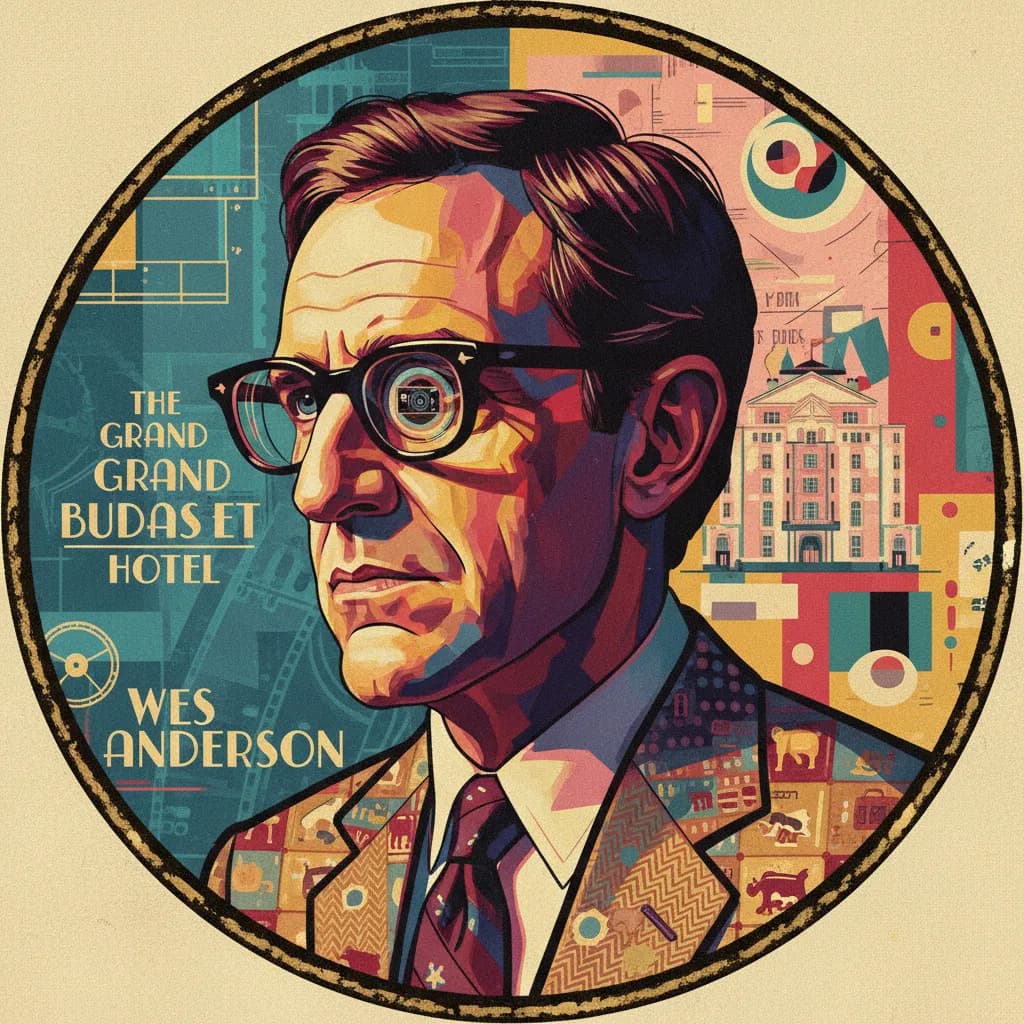
Wes Anderson
Every film, ranked

Paul Thomas Anderson
Every film, ranked

Ridley Scott
Every film, ranked

Tim Burton
Every film, ranked

Guillermo del Toro
Every film, ranked

Hayao Miyazaki
Every film, ranked

Akira Kurosawa
Every film, ranked

Francis Ford Coppola
Every film, ranked

Clint Eastwood
Every film, ranked

Bong Joon Ho
Every film, ranked

Woody Allen
Every film, ranked

Steven Soderbergh
Every film, ranked

Ron Howard
Every film, ranked

Pedro Almodóvar
Every film, ranked

Richard Linklater
Every film, ranked

Roman Polanski
Every film, ranked

Brian De Palma
Every film, ranked

Ingmar Bergman
Every film, ranked

Oliver Stone
Every film, ranked

David Cronenberg
Every film, ranked

Robert Zemeckis
Every film, ranked

Barry Levinson
Every film, ranked

John Carpenter
Every film, ranked

Joel Schumacher
Every film, ranked

Billy Wilder
Every film, ranked

Rob Reiner
Every film, ranked

Neil Jordan
Every film, ranked

Spike Lee
Every film, ranked

Ivan Reitman
Every film, ranked

John Woo
Every film, ranked

Lasse Hallström
Every film, ranked

Stephen Frears
Every film, ranked

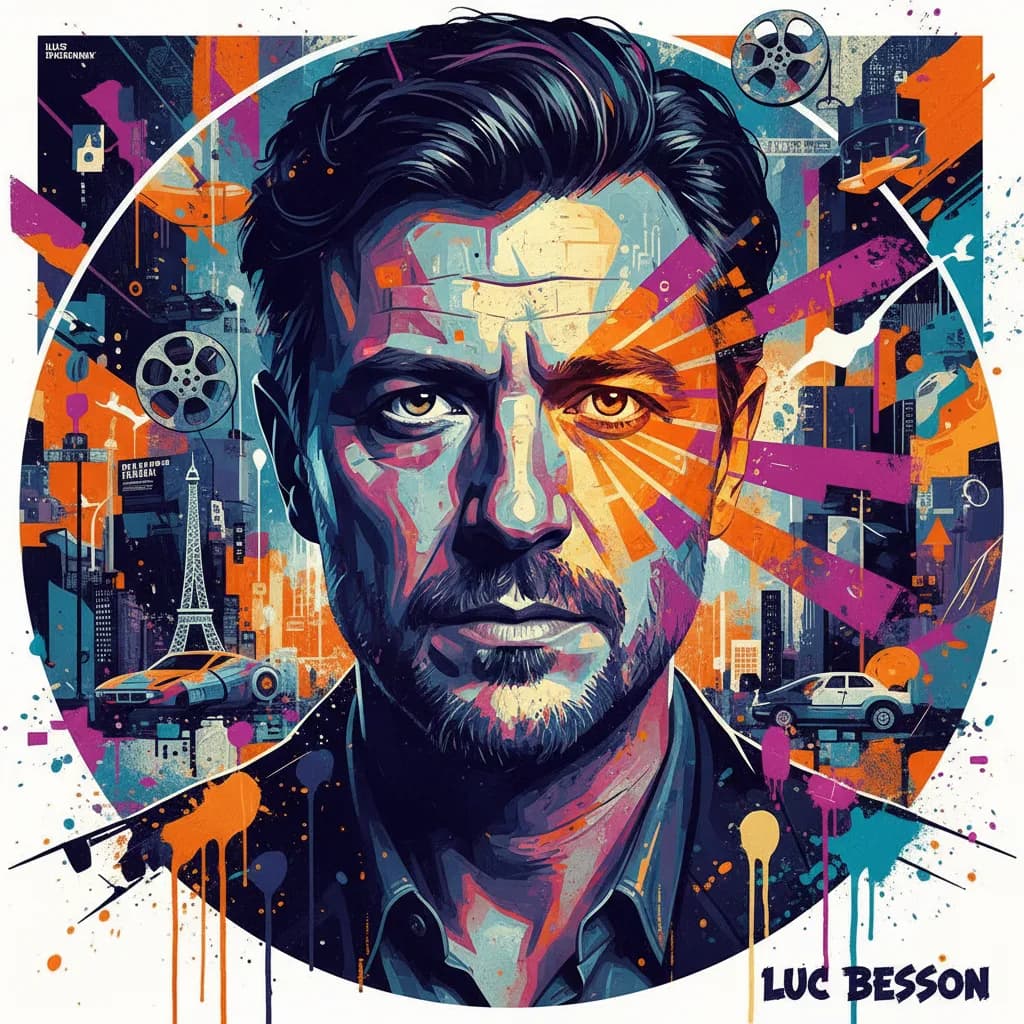
Luc Besson
Every film, ranked

Chris Columbus
Every film, ranked

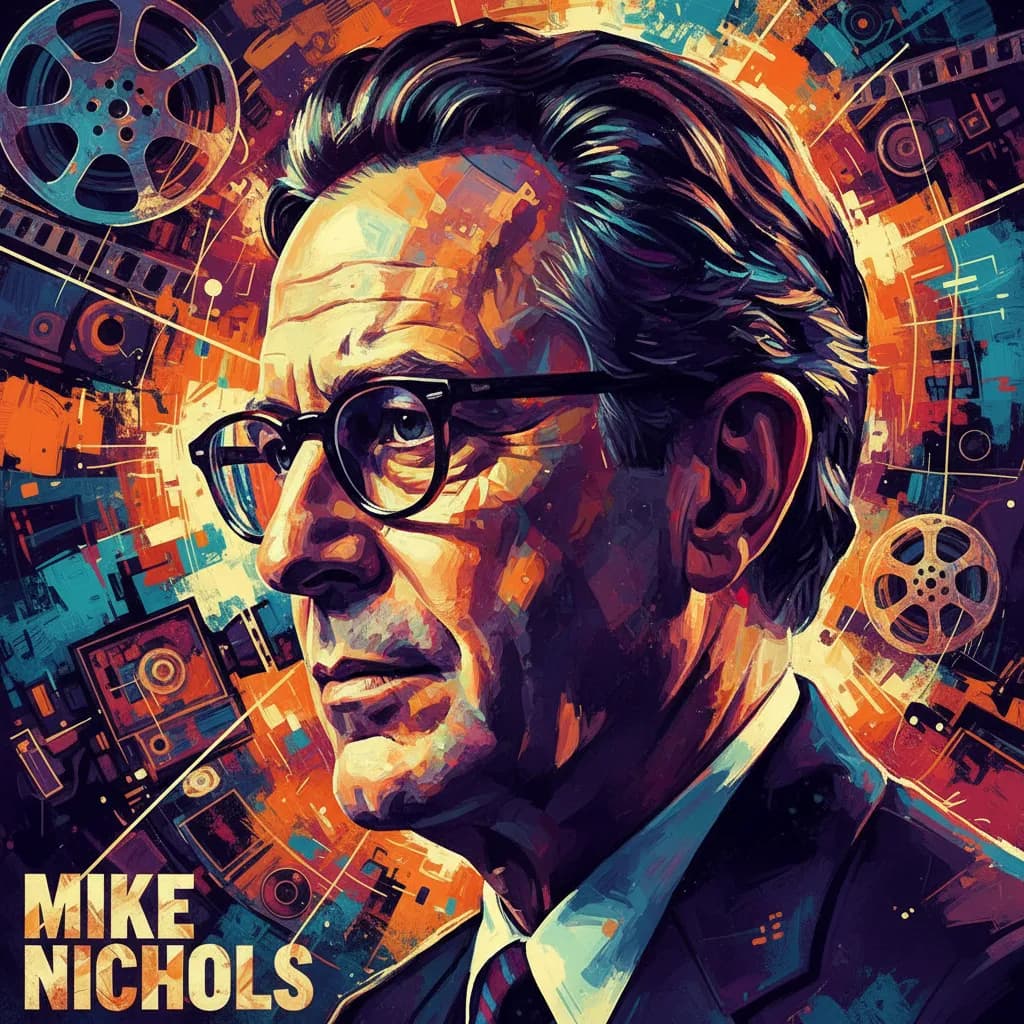
Mike Nichols
Every film, ranked

Howard Hawks
Every film, ranked

Ang Lee
Every film, ranked

Walter Hill
Every film, ranked

Gus Van Sant
Every film, ranked

William Wyler
Every film, ranked

Renny Harlin
Every film, ranked

Sidney Lumet
Every film, ranked

Tony Scott
Every film, ranked