Discover the visionary filmmakers behind cinema's greatest works.
Explore our selection of acclaimed directors and their remarkable films.
Showing 1825-1836 out of 4148

J.J. Abrams is a prolific and visionary film director known for his captivating storytelling, innovative visual style, and ability to breathe new life into beloved franchises. With a career spanning over two decades, Abrams has made a significant impact on the film industry, marking himself as a leading force in the world of blockbuster filmmaking. His directorial style is characterized by a seamless blend of action, adventure, and science fiction, often accompanied by gripping mystery and compelling human drama. One of Abrams' most notable films is "Star Wars: Episode VII - The Force Awakens" (2015), which revitalized the iconic space opera franchise with his signature blend of heart-pounding action and emotionally resonant storytelling. This monumental achievement set the stage for his subsequent directorial effort, "Star Wars: Episode IX - The Rise of Skywalker" (2019), where he masterfully tied together the Skywalker saga, delighting fans and critics alike. Abrams' foray into the world of science fiction continued with his reimagining of the "Star Trek" franchise, starting with "Star Trek" (2009) and followed by "Star Trek Into Darkness" (2013). These films showcased his ability to infuse classic narratives with a modern sensibility while honoring the essence of the source material. Moreover, his directorial debut, "Mission: Impossible III" (2006), demonstrated his adeptness at helming high-octane action thrillers, earning acclaim for his dynamic storytelling and kinetic visual style. Throughout his career, Abrams has exhibited a penchant for weaving intricate mysteries and exploring the depths of human resilience, often intertwining them with grand, otherworldly adventures. His films frequently delve into themes of heroism, redemption, and the enduring power of hope, resonating with audiences on a profound level. J.J. Abrams' impact on cinema is undeniable, as he continues to shape the landscape of contemporary filmmaking with his imaginative storytelling and unparalleled directorial prowess. His ability to reinvigorate cherished franchises while maintaining a fresh and modern perspective has solidified his status as a visionary director, leaving an indelible mark on the cinematic universe.

J.J. Perry is a renowned film director known for his unique blend of action, comedy, and fantasy elements in his works. His impressive filmography includes the highly anticipated "Day Shift" (2022), which showcases his distinct directorial style and imaginative storytelling. Perry's career has been marked by his ability to seamlessly intertwine high-octane action sequences with lighthearted comedy and fantastical elements, creating a truly distinctive cinematic experience for audiences. Perry's directorial approach is characterized by his meticulous attention to choreographing exhilarating action scenes, infusing them with a sense of humor and a touch of fantasy. This unique blend sets his work apart and captivates viewers with its thrilling and entertaining storytelling. His ability to balance these diverse elements has cemented his reputation as a versatile and innovative director in the industry. Notable for his ability to bring larger-than-life characters and worlds to the screen, Perry's films often explore themes of heroism, resilience, and the power of imagination. His visionary approach to storytelling has left a lasting impact on cinema, inspiring a new generation of filmmakers to push the boundaries of genre and narrative conventions. With "Day Shift," Perry continues to push the envelope, delivering a fresh and exhilarating take on the action-comedy genre. His directorial prowess and ability to craft immersive and visually stunning cinematic experiences have solidified his status as a trailblazer in the industry. Perry's contributions to film have not only entertained audiences but have also pushed the boundaries of what is possible in the realm of action, comedy, and fantasy storytelling.

J. Lee Thompson was a prolific and versatile film director known for his contributions to a wide range of genres, from action and drama to horror and science fiction. With a career spanning several decades, Thompson left an indelible mark on cinema with his distinctive directorial style and keen ability to bring compelling stories to life on the big screen. Thompson's filmography boasts an impressive array of notable films, including "Cape Fear" (1962), "The Guns of Navarone" (1961), "Conquest of the Planet of the Apes" (1972), "Battle for the Planet of the Apes" (1973), "Happy Birthday to Me" (1981), and "Death Wish 4: The Crackdown" (1987). These films not only showcase Thompson's versatility as a director but also underscore his penchant for crafting gripping narratives that captivate audiences across different genres. One of Thompson's most enduring contributions to cinema is his masterful directorial work on "Cape Fear," a psychological thriller that continues to be revered for its intense atmosphere and gripping performances. His adept handling of tension and suspense in this film solidified his reputation as a director capable of delivering edge-of-your-seat entertainment. Additionally, his work on "The Guns of Navarone" and the "Planet of the Apes" franchise demonstrated his proficiency in helming action-packed narratives with compelling thematic depth. Thompson's directorial style was characterized by a meticulous attention to detail, a penchant for crafting taut and suspenseful scenes, and a knack for eliciting powerful performances from his cast. His films often delved into themes of morality, justice, and human nature, reflecting his ability to infuse his work with thought-provoking elements that resonated with audiences. In the pantheon of influential film directors, J. Lee Thompson's legacy endures through his diverse body of work and his lasting impact on cinema. His ability to navigate and excel in various genres, coupled with his distinct directorial vision, solidifies his status as a director who left an indelible imprint on the art of filmmaking. Thompson's legacy continues to inspire filmmakers and captivate audiences, ensuring that his contributions to the medium will be celebrated for generations to come.

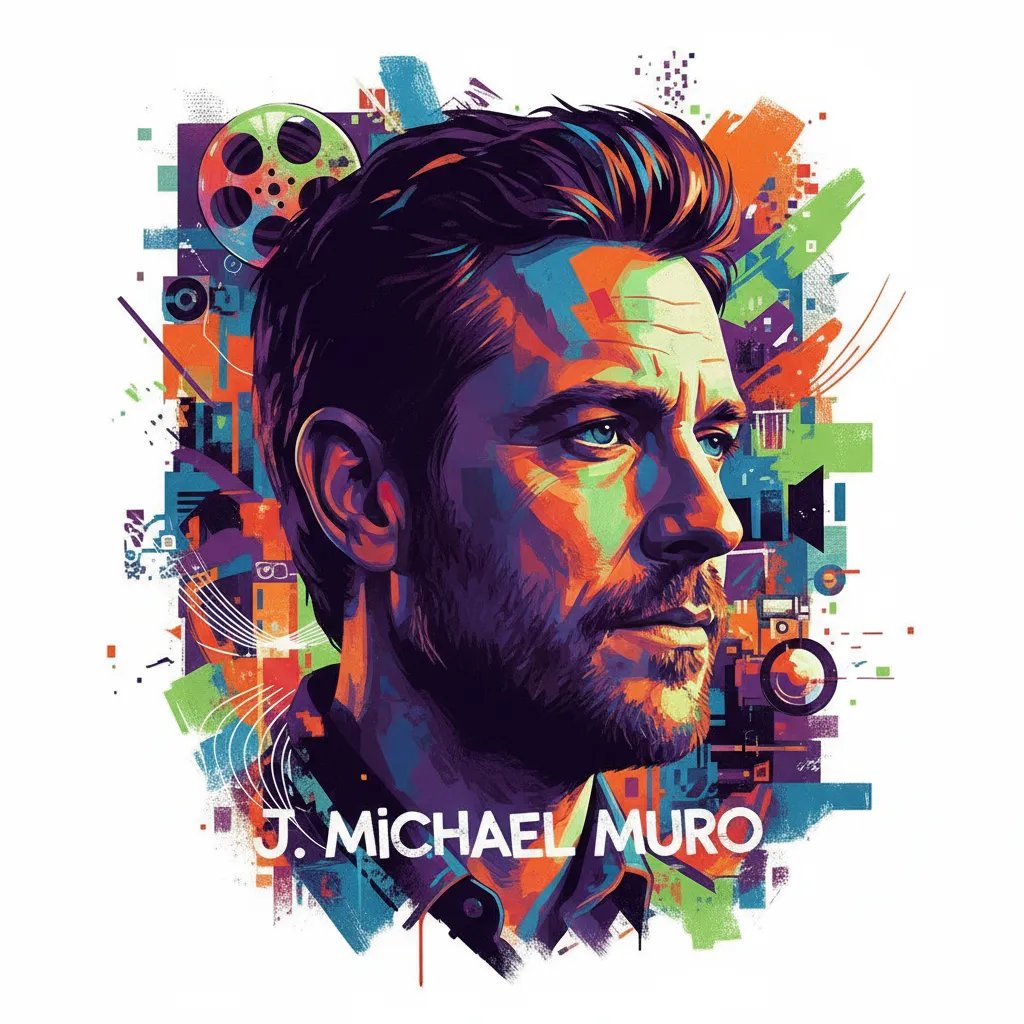
J. Michael Muro is a prolific director known for his work in the realm of horror and comedy. His most notable film, "Street Trash" (1987), has become a cult classic and a testament to his unique directorial style. Muro's approach to filmmaking often blends elements of horror and comedy, creating a distinctive and memorable viewing experience for audiences. His ability to balance these genres with a keen eye for visual storytelling has firmly established him as a noteworthy figure in the world of cult cinema. "Street Trash" is a prime example of Muro's directorial prowess, as it seamlessly weaves together dark humor, grotesque imagery, and social commentary. The film's exploration of urban decay and societal fringes remains a poignant and enduring theme in Muro's work. His distinctive vision and ability to push boundaries have left an indelible mark on the horror-comedy genre, inspiring future filmmakers and garnering a dedicated following. Muro's impact on cinema extends beyond "Street Trash," as his directorial style continues to influence contemporary filmmakers. His fearless approach to storytelling and penchant for subverting genre conventions has solidified his legacy as a trailblazer in cult cinema. Muro's work serves as a testament to the power of independent filmmaking and the enduring appeal of genre-bending narratives. His commitment to crafting boundary-pushing, visually striking films has left an indelible mark on the industry, cementing his status as a revered director in the world of cult cinema. In conclusion, J. Michael Muro's directorial career is defined by his bold, boundary-pushing approach to filmmaking, particularly within the horror-comedy genre. His influential work, notably "Street Trash," continues to captivate audiences and inspire future generations of filmmakers. Muro's unique vision and commitment to storytelling have made a lasting impact on cinema, solidifying his status as a visionary director in the realm of cult cinema.

Joachim Rønning is a Norwegian film director known for his visually stunning and captivating storytelling. With a career spanning over two decades, Rønning has made a name for himself in the world of action, adventure, and fantasy films. His directorial style is characterized by his ability to seamlessly blend thrilling action sequences with emotionally resonant storytelling, resulting in films that leave a lasting impact on audiences. One of Rønning's most notable works is "Kon-Tiki" (2012), a riveting biographical adventure film that follows the journey of the legendary explorer Thor Heyerdahl as he crosses the Pacific Ocean on a balsa wood raft. The film received widespread critical acclaim and earned an Academy Award nomination for Best Foreign Language Film, showcasing Rønning's talent for bringing real-life stories to the big screen with authenticity and grandeur. In 2017, Rønning took on the helm of "Pirates of the Caribbean: Dead Men Tell No Tales," the fifth installment in the beloved franchise. His adeptness at helming large-scale productions was evident in the film's breathtaking visuals and exhilarating action sequences, solidifying his status as a director capable of handling blockbuster spectacles while infusing them with depth and character-driven storytelling. Rønning's penchant for crafting visually stunning fantasy worlds was further demonstrated in "Maleficent: Mistress of Evil" (2019), the sequel to the reimagining of the classic fairy tale. With a keen eye for detail and a flair for creating enchanting landscapes, Rønning brought a fresh and visually striking perspective to the fantasy genre, captivating audiences with his imaginative vision. Throughout his career, Rønning has exhibited a recurring theme of exploring the triumph of the human spirit in the face of adversity, often rooted in historical or mythical narratives. His meticulous attention to historical accuracy and his ability to infuse larger-than-life stories with genuine human emotion have made him a respected and influential director in the industry. Joachim Rønning's contributions to cinema have left an indelible mark, demonstrating his ability to transport audiences to mesmerizing worlds while grounding his films in relatable and compelling human experiences.

Joachim Trier is a Norwegian film director known for his distinctive storytelling style and thought-provoking films that explore the complexities of human emotions and relationships. With a career spanning over a decade, Trier has established himself as a prominent figure in contemporary cinema, earning critical acclaim for his compelling narratives and visually striking filmmaking. His filmography includes notable works such as "Reprise" (2006), "The Worst Person in the World" (2021), "Thelma" (2017), "Oslo, August 31st" (2011), and "Louder Than Bombs" (2015). Trier's directorial style is characterized by a keen focus on character-driven storytelling, nuanced performances, and evocative cinematography. He has a penchant for delving into the inner workings of his protagonists' minds, crafting narratives that are deeply introspective and emotionally resonant. His films often navigate themes of identity, existentialism, and the human experience, offering audiences a profound and thought-provoking cinematic journey. Notable for his ability to seamlessly blend genres, Trier has proven his versatility as a director, effortlessly transitioning between drama, comedy, romance, and elements of fantasy and horror. His film "The Worst Person in the World" received widespread acclaim for its refreshing take on the romantic comedy genre, showcasing Trier's ability to infuse a familiar narrative with depth and authenticity. Trier's impact on cinema lies in his ability to challenge traditional storytelling conventions and push the boundaries of cinematic expression. His work has garnered accolades at prestigious film festivals and has cemented his status as a visionary director with a distinctive voice in the global film landscape. As Trier continues to captivate audiences with his evocative storytelling and innovative approach to filmmaking, he remains a director to watch, with each new project eagerly anticipated by cinephiles and critics alike.

Joan Chen is a multifaceted talent in the entertainment industry, widely recognized for her exceptional work as an actress and director. Born in Shanghai, China, Joan Chen made her directorial debut with the enchanting romantic drama "Autumn in New York" (2000), which captivated audiences with its poignant storytelling and emotional depth. Known for her ability to craft visually stunning narratives, Chen's directorial style is marked by a delicate balance of intimacy and grandeur, allowing audiences to immerse themselves fully in her characters' emotional journeys. "Autumn in New York" showcases Chen's adeptness at capturing the complexities of human relationships, as well as her keen eye for evocative imagery. The film's thematic exploration of love, loss, and the passage of time reflects Chen's recurring interest in the human experience and the profound impact of personal connections. Her directorial work is distinguished by its ability to evoke genuine emotion and resonate deeply with viewers, making her a standout figure in the realm of romantic dramas. Chen's impact on cinema extends beyond her directorial endeavors, as her illustrious career as an actress has also left an indelible mark on the industry. With a wealth of experience in front of the camera, she brings a unique perspective to her directorial projects, infusing them with a rich tapestry of emotions and nuanced performances. This seamless transition from acting to directing demonstrates Chen's versatility and depth as a storyteller, solidifying her status as a trailblazer in the world of filmmaking. Joan Chen's directorial debut with "Autumn in New York" heralded her as a formidable force behind the camera, showcasing her ability to craft compelling narratives that resonate with audiences on a profound level. With her distinct directorial style, thematic depth, and unwavering commitment to storytelling, Chen continues to be a revered figure in the cinematic landscape, leaving an indelible imprint on the art of filmmaking. As a visionary director with a unique ability to capture the intricacies of human emotions, Joan Chen's contributions to cinema are a testament to her enduring impact on the world of film.

Joanna Hogg is a British filmmaker known for her unique and introspective approach to storytelling. Her directorial style is characterized by its quiet yet deeply profound exploration of human emotions and relationships. Hogg's films often delve into the complexities of everyday life, offering an unflinchingly honest portrayal of the human experience. Her work is marked by its raw authenticity and a keen eye for detail, making her a distinctive voice in contemporary cinema. One of Hogg's most notable films is "The Souvenir" (2019), a critically acclaimed drama that showcases her distinct directorial style. Set in the 1980s, the film follows a young film student who becomes romantically involved with a troubled man, leading to a tumultuous and transformative relationship. Hogg's keen attention to character development and nuanced storytelling shines through in "The Souvenir," as she delicately navigates the complexities of love, identity, and self-discovery. Throughout her career, Joanna Hogg has demonstrated a penchant for exploring the intricacies of human behavior and interpersonal dynamics. Her films often revolve around themes of memory, identity, and the passage of time, offering a deeply introspective look at the human psyche. Hogg's ability to evoke profound emotional resonance through her storytelling has solidified her reputation as a director with a keen understanding of the human condition. Hogg's impact on cinema lies in her uncompromising commitment to authenticity and emotional depth. Her films eschew conventional storytelling tropes in favor of a more contemplative and immersive approach, inviting audiences to engage with the rich complexities of her characters' inner lives. With "The Souvenir," Hogg has further cemented her status as a filmmaker who fearlessly confronts the complexities of human relationships and the universal experiences that shape our lives. In conclusion, Joanna Hogg's directorial career is defined by her unwavering dedication to crafting emotionally resonant narratives that delve into the depths of the human experience. Her films offer a thought-provoking and introspective exploration of relationships, memory, and self-discovery, marking her as a visionary director with a distinctive voice in contemporary cinema. Hogg's ability to capture the nuances of human emotion and interpersonal dynamics has left an indelible mark on the film industry, solidifying her as a director to watch in the evolving landscape of cinematic storytelling.

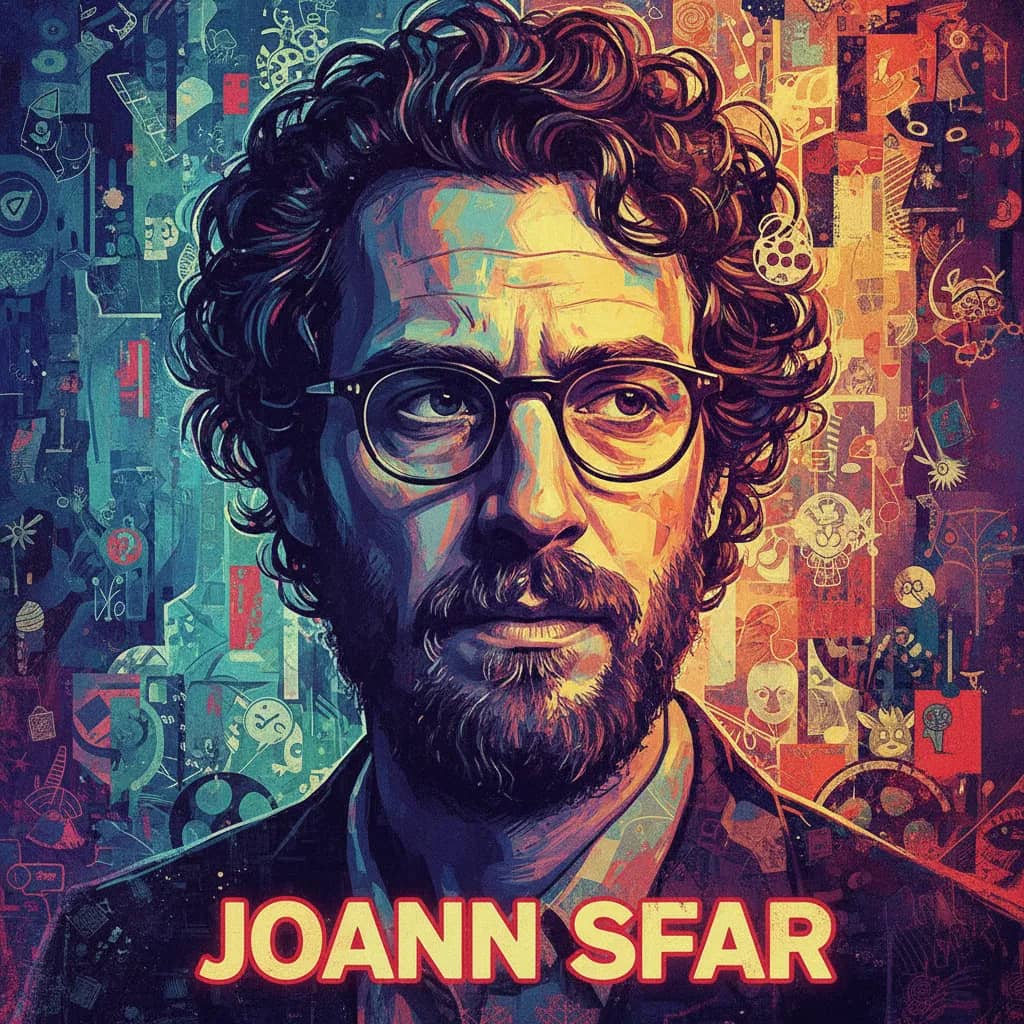
Joann Sfar is a renowned French director, known for his unique and imaginative approach to storytelling. With a background in graphic novels and illustrations, Sfar's directorial style is visually striking and deeply rooted in artistic expression. He made his directorial debut with the critically acclaimed film "Gainsbourg: A Heroic Life" in 2010, a biographical drama that chronicles the life and career of the iconic French singer-songwriter Serge Gainsbourg. This film showcased Sfar's ability to bring larger-than-life characters to the screen with a blend of creativity and emotional depth. Sfar's directorial style is characterized by his ability to infuse his films with a sense of whimsy and fantasy, often drawing inspiration from his background in graphic novels. His visual storytelling is rich with symbolism and metaphor, creating a captivating and immersive experience for audiences. In "Gainsbourg: A Heroic Life," Sfar skillfully weaves together elements of biography, drama, and music, capturing the essence of Gainsbourg's artistry and personal struggles. One of Sfar's notable contributions to cinema is his unique ability to blend genres and artistic mediums, seamlessly integrating elements of music, visual art, and compelling storytelling. His films often explore the complexities of human emotion, creativity, and the pursuit of artistic expression. Sfar's work has had a significant impact on the cinematic landscape, inspiring a new generation of filmmakers to embrace a more imaginative and multi-disciplinary approach to storytelling. Throughout his career, Sfar has demonstrated a keen interest in exploring the lives of iconic figures and the creative process, infusing his films with a sense of reverence for artistic vision and the human experience. His ability to breathe life into the stories of larger-than-life personalities while maintaining a deep sense of empathy and understanding sets him apart as a director with a distinctive and resonant voice in the world of cinema. Sfar's work continues to captivate audiences and influence the way in which biography, music, and visual art intersect on screen.

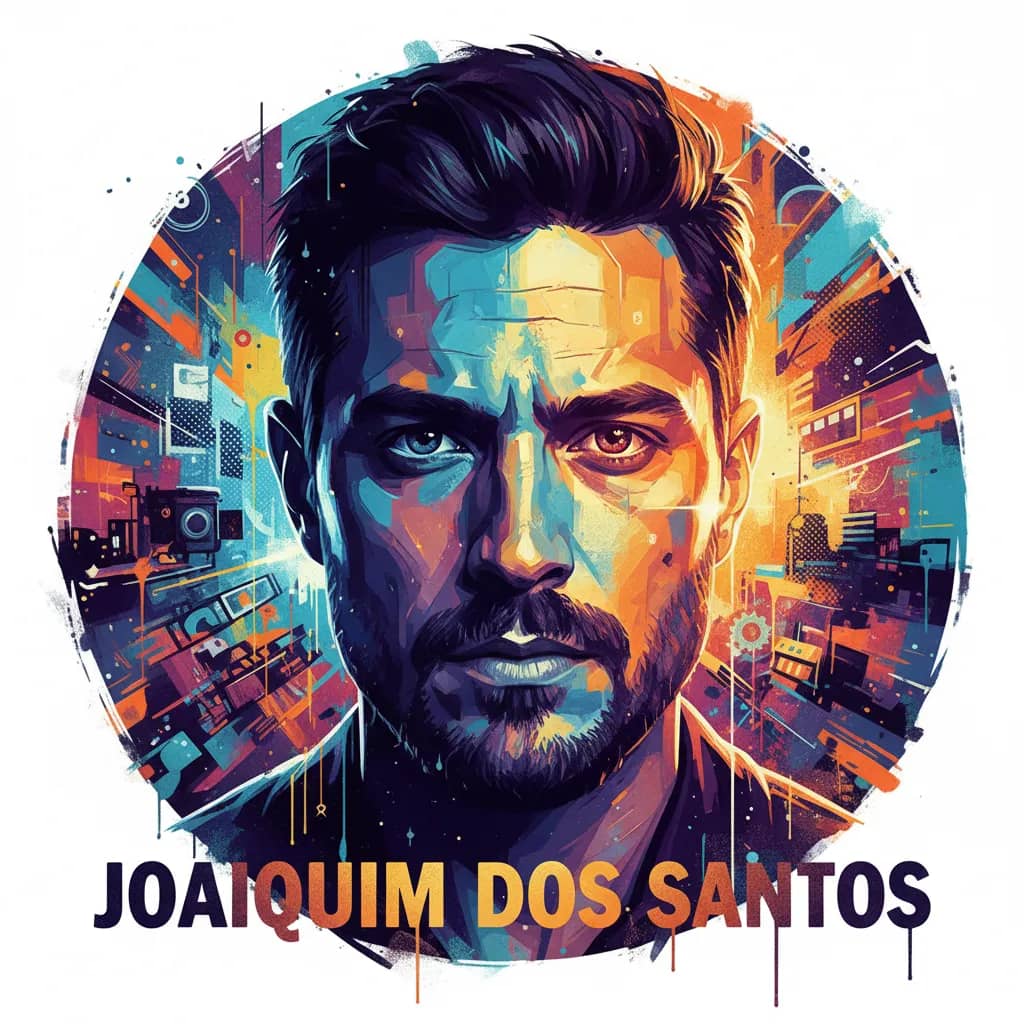
Joaquim Dos Santos is a visionary director renowned for his exceptional work in animation and action-adventure films. With a career spanning several decades, Dos Santos has made a significant impact on cinema through his distinct directorial style and innovative storytelling techniques. His directorial debut in the highly anticipated "Spider-Man: Across the Spider-Verse" (2023) promises to further solidify his reputation as a masterful filmmaker. Dos Santos is celebrated for his ability to infuse animated films with a compelling blend of action, adventure, and emotion. His keen eye for dynamic visuals and captivating storytelling has earned him a dedicated fan base and critical acclaim. He has a remarkable talent for creating immersive worlds and bringing beloved characters to life, making him a sought-after director in the animation genre. One of Dos Santos' most notable contributions to cinema is his influential work on "Spider-Man: Across the Spider-Verse." The highly anticipated sequel to the groundbreaking "Spider-Man: Into the Spider-Verse" (2018) has generated immense excitement, with Dos Santos' directorial prowess set to elevate the superhero genre to new heights. His distinct visual style and innovative approach to storytelling are expected to leave a lasting impression on audiences and fellow filmmakers alike. Throughout his career, Dos Santos has consistently explored themes of heroism, identity, and the power of resilience, resonating with audiences of all ages. His ability to infuse depth and emotional resonance into his films sets him apart as a director with a profound understanding of the human experience. Dos Santos' commitment to pushing the boundaries of animation and storytelling has cemented his status as a visionary filmmaker with a lasting impact on the industry. In conclusion, Joaquim Dos Santos' directorial career is marked by a remarkable ability to craft visually stunning and emotionally resonant films. With "Spider-Man: Across the Spider-Verse," Dos Santos is poised to further solidify his legacy as a director who has redefined the animation and action-adventure genres. His unique vision and unparalleled storytelling continue to captivate audiences and inspire future generations of filmmakers, making him a true luminary in the world of cinema.

Joby Harold is a multi-talented filmmaker known for his work as a director, writer, and producer in the entertainment industry. His directorial debut came with the 2007 film "Awake," a gripping crime, drama, and mystery thriller that showcased his ability to create tension and suspense on screen. The film, which starred Hayden Christensen and Jessica Alba, was a testament to Harold's unique directorial style, characterized by his knack for building intense and immersive narratives that keep audiences on the edge of their seats. Harold's directorial work reflects a keen focus on storytelling and character development, as evidenced by the compelling performances and intricate plot twists in "Awake." His ability to blend genres and infuse his films with a sense of unpredictability has set him apart as a director with a distinct vision and a penchant for pushing creative boundaries. Through his work, Harold has demonstrated a commitment to delivering thought-provoking and emotionally resonant cinema that leaves a lasting impact on viewers. In addition to his directorial accomplishments, Harold has made significant contributions to the film industry as a writer and producer. His diverse skill set has allowed him to craft compelling narratives that captivate audiences and explore a wide range of themes and genres. His work reflects a deep understanding of the filmmaking process and a dedication to bringing original and evocative stories to the screen. Overall, Joby Harold's directorial career has been marked by a commitment to pushing the boundaries of storytelling and creating immersive cinematic experiences that resonate with audiences. His directorial debut "Awake" serves as a testament to his ability to craft gripping narratives and establish himself as a filmmaker with a unique and compelling vision. As he continues to make his mark on the industry, Harold's work is sure to leave a lasting impression on the world of cinema.

Jocelyn Moorhouse is an Australian film director known for her unique blend of comedy, drama, and romance in her works. Her career has been highlighted by her ability to infuse her films with a distinct visual style and rich storytelling, making her a standout in the world of cinema. Her notable films, including "The Dressmaker" (2015) and "How to Make an American Quilt" (1995), have cemented her reputation as a director with a keen eye for storytelling and a knack for creating compelling narratives. Moorhouse's directorial style is characterized by her ability to seamlessly blend genres, as evident in "The Dressmaker," which effortlessly combines elements of comedy, drama, and Western. Her use of vibrant visuals and attention to detail has garnered widespread acclaim, setting her apart as a director with a strong artistic vision. Moorhouse's films often explore themes of identity, belonging, and the complexities of human relationships, adding depth and emotional resonance to her work. "The Dressmaker," in particular, showcased Moorhouse's ability to craft a visually stunning and emotionally impactful film that resonated with audiences worldwide. The film's success solidified her position as a director capable of delivering compelling and thought-provoking stories. Similarly, "How to Make an American Quilt" demonstrated Moorhouse's adeptness at capturing the intricacies of human emotions and relationships, further establishing her as a director with a keen understanding of the human experience. Moorhouse's impact on cinema is undeniable, as she has consistently delivered films that are both visually captivating and thematically rich. Her ability to infuse her work with a distinct blend of genres and her focus on exploring universal themes have earned her a dedicated following and critical acclaim. Moorhouse's unique vision and contributions to film have left an indelible mark on the industry, firmly establishing her as a director to watch and a true auteur in her own right.
Every film by the greats, ranked by our TML Score.

Christopher Nolan
Every film, ranked

Quentin Tarantino
Every film, ranked

Stanley Kubrick
Every film, ranked

Martin Scorsese
Every film, ranked

Steven Spielberg
Every film, ranked

Alfred Hitchcock
Every film, ranked

David Fincher
Every film, ranked

Denis Villeneuve
Every film, ranked

Wes Anderson
Every film, ranked

Paul Thomas Anderson
Every film, ranked

Ridley Scott
Every film, ranked

Tim Burton
Every film, ranked

Guillermo del Toro
Every film, ranked

Hayao Miyazaki
Every film, ranked

Akira Kurosawa
Every film, ranked

Francis Ford Coppola
Every film, ranked

Clint Eastwood
Every film, ranked

Bong Joon Ho
Every film, ranked

Woody Allen
Every film, ranked

Steven Soderbergh
Every film, ranked

Ron Howard
Every film, ranked

Pedro Almodóvar
Every film, ranked

Richard Linklater
Every film, ranked

Roman Polanski
Every film, ranked

Brian De Palma
Every film, ranked

Ingmar Bergman
Every film, ranked

Oliver Stone
Every film, ranked

David Cronenberg
Every film, ranked

Robert Zemeckis
Every film, ranked

Barry Levinson
Every film, ranked

John Carpenter
Every film, ranked

Joel Schumacher
Every film, ranked

Billy Wilder
Every film, ranked

Rob Reiner
Every film, ranked

Neil Jordan
Every film, ranked

Spike Lee
Every film, ranked

Ivan Reitman
Every film, ranked

John Woo
Every film, ranked

Lasse Hallström
Every film, ranked

Stephen Frears
Every film, ranked

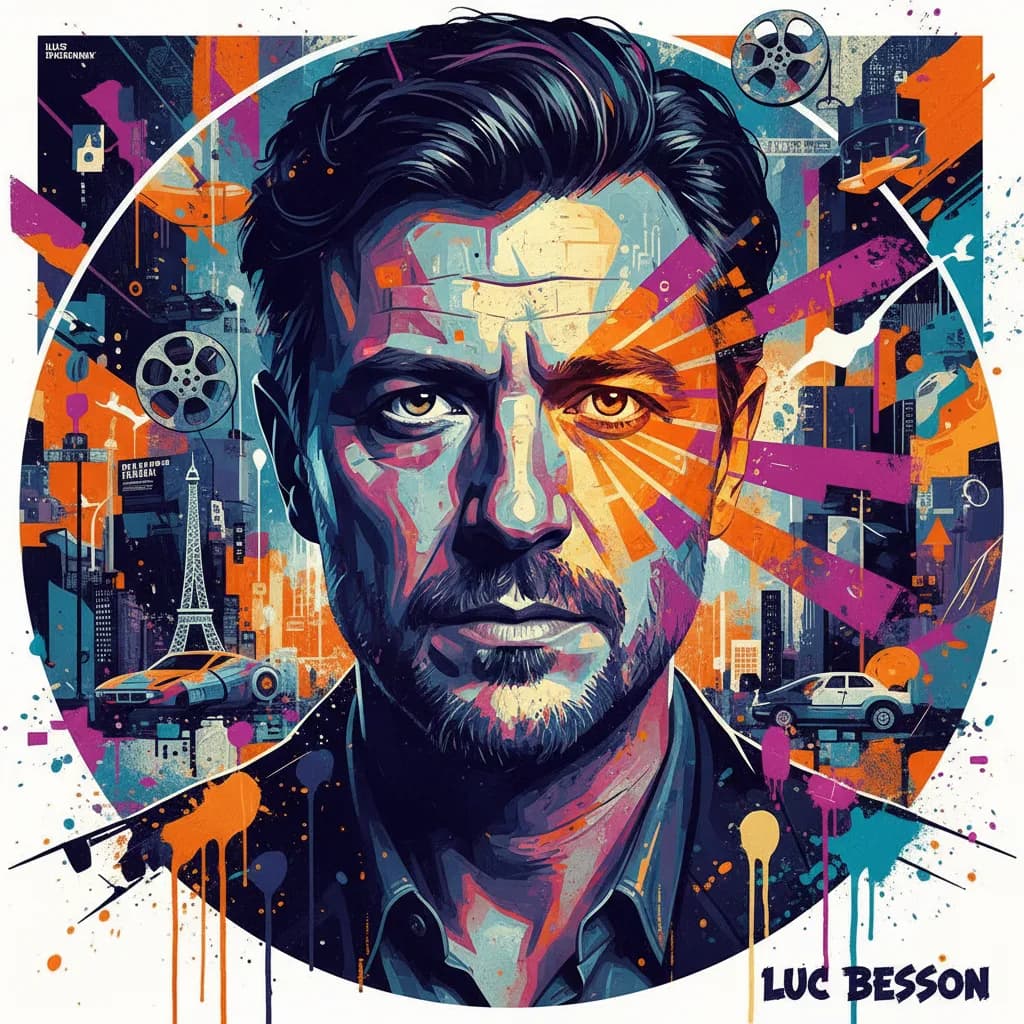
Luc Besson
Every film, ranked

Chris Columbus
Every film, ranked

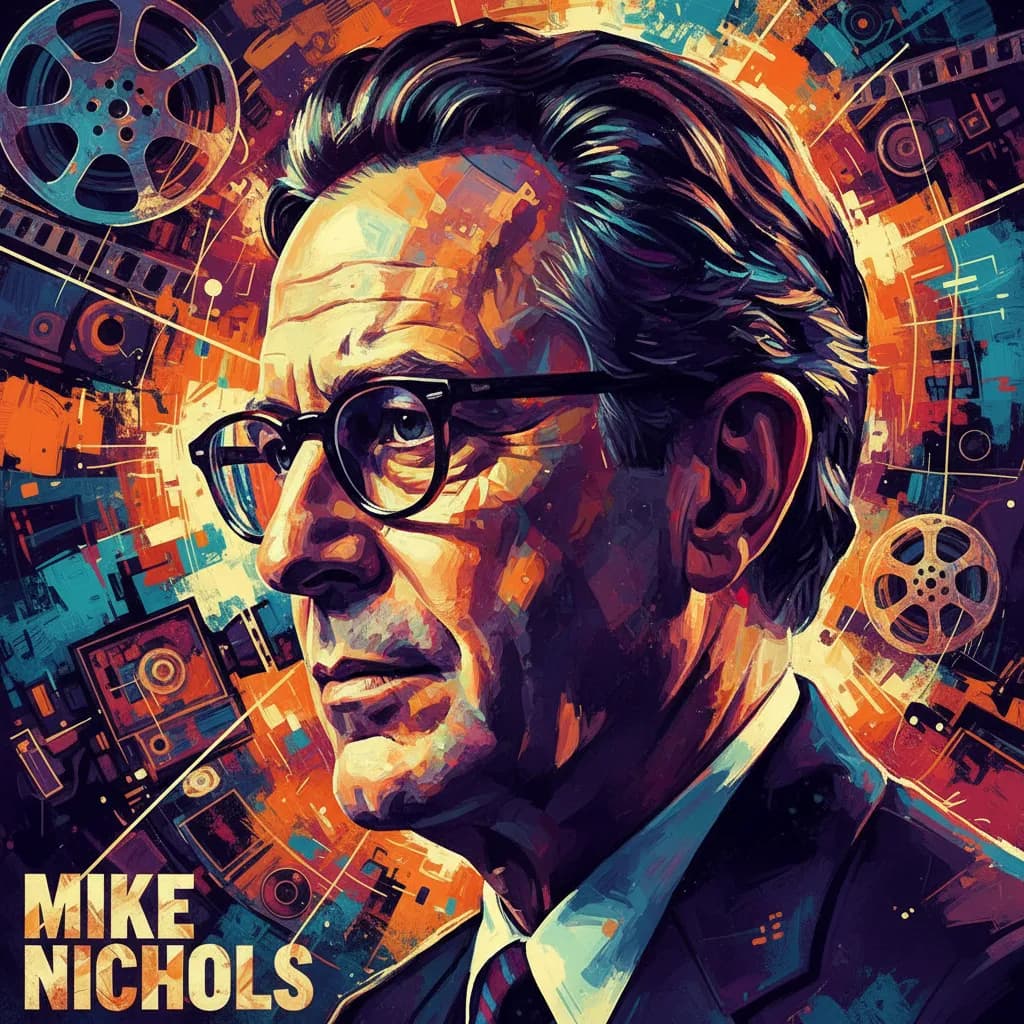
Mike Nichols
Every film, ranked

Howard Hawks
Every film, ranked

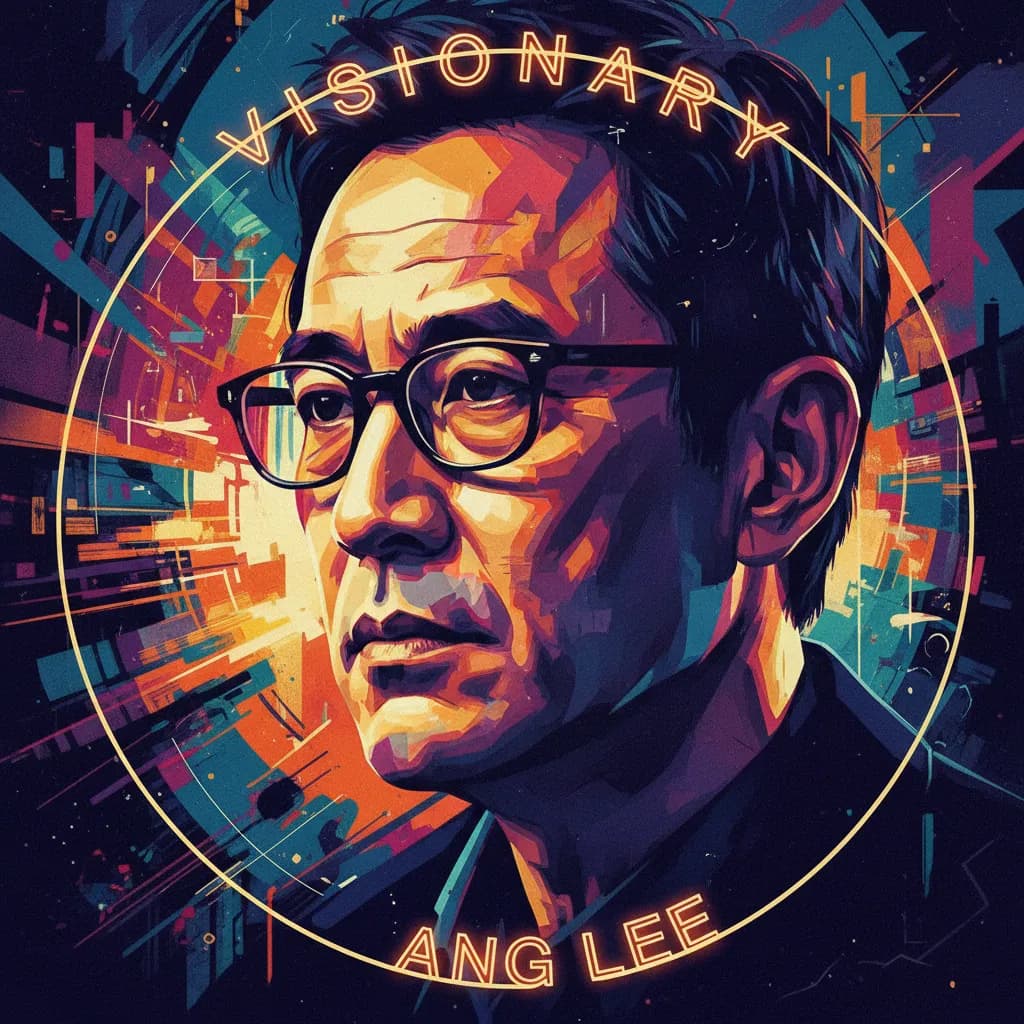
Ang Lee
Every film, ranked

Walter Hill
Every film, ranked

Gus Van Sant
Every film, ranked

William Wyler
Every film, ranked

Renny Harlin
Every film, ranked

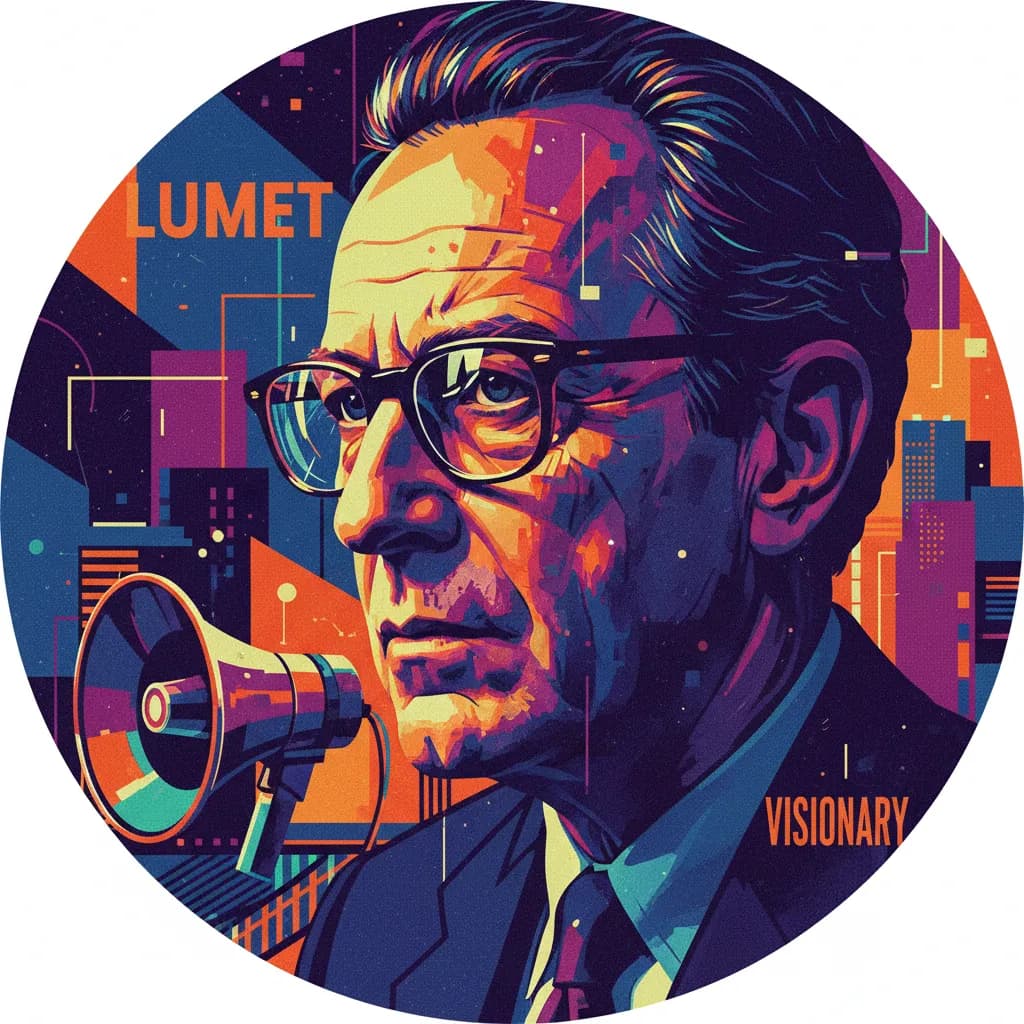
Sidney Lumet
Every film, ranked

Tony Scott
Every film, ranked