Discover the visionary filmmakers behind cinema's greatest works.
Explore our selection of acclaimed directors and their remarkable films.
Showing 1801-1812 out of 4148

**Jieho Lee: A Master of Multifaceted Storytelling** Jieho Lee is a visionary filmmaker renowned for his compelling narratives, intricate character studies, and visually arresting storytelling. Lee burst onto the Hollywood scene with his directorial debut, "The Air I Breathe" in 2007, a crime drama thriller that showcased his distinct directorial style and marked him as a promising talent in the industry. Lee's directorial style is characterized by an immersive and emotionally resonant approach to storytelling. His films often intertwine multiple narratives, weaving together diverse characters and storylines to create a tapestry of interconnected lives. This unique storytelling technique allows Lee to explore complex themes such as fate, morality, and the human condition, captivating audiences with his thought-provoking and deeply moving narratives. "The Air I Breathe" stands as a testament to Lee's directorial prowess, featuring a stellar ensemble cast including Forest Whitaker, Brendan Fraser, Sarah Michelle Gellar, and Andy Garcia. The film delves into the interconnected lives of its characters, each representing a different human emotion - happiness, pleasure, sorrow, and love. Lee's masterful direction infuses the film with a palpable sense of tension, intrigue, and emotional depth, captivating audiences with its gripping storytelling and compelling performances. Throughout his career, Lee has demonstrated a penchant for exploring profound and universal themes, infusing his films with a sense of existentialism and moral introspection. His directorial work reflects a profound understanding of the human experience, delving into the complexities of human emotions, relationships, and the choices that define our lives. This thematic richness has solidified Lee's reputation as a director with a unique and introspective vision, capable of crafting narratives that resonate on a deeply personal level with audiences. Jieho Lee's impact on cinema is undeniable, as he continues to push the boundaries of storytelling and cinematic expression. His ability to craft compelling narratives that resonate with audiences on a profound emotional level sets him apart as a director of immense talent and vision. As the film industry continues to evolve, Jieho Lee stands as a director whose work will undoubtedly continue to captivate and inspire audiences for years to come.

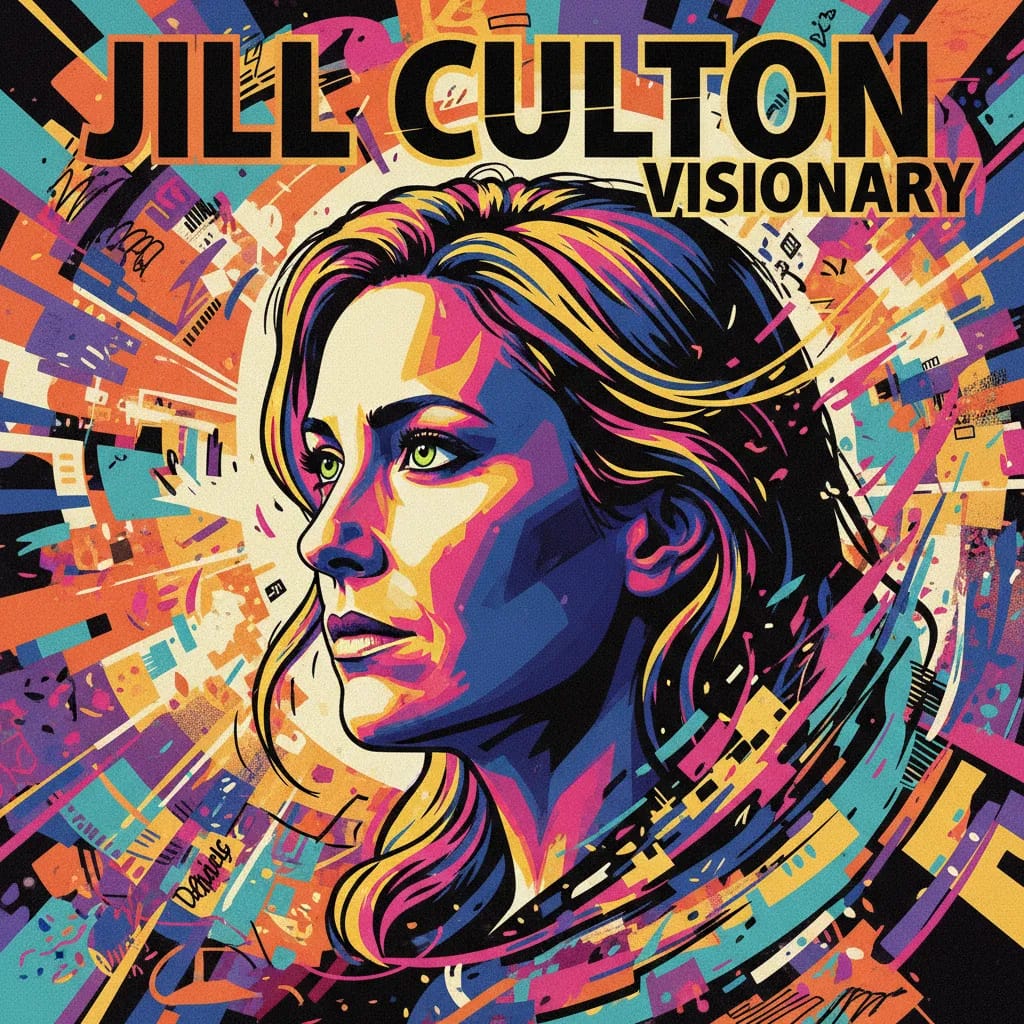
Jill Culton is a highly accomplished film director known for her work in the animation genre. Her career took off with the release of "Open Season" in 2006, a delightful animated feature that seamlessly blended comedy, adventure, and heartwarming storytelling. This film marked Culton's directorial debut and showcased her ability to create endearing characters and captivating narratives within the animated realm. Culton's directorial style is characterized by a perfect balance of humor, emotion, and visually stunning animation, making her a standout talent in the industry. In 2019, Culton further solidified her reputation in the animation world with the release of "Abominable." This enchanting film expertly weaves together elements of adventure, comedy, and touching themes, resonating with audiences of all ages. "Abominable" stands as a testament to Culton's ability to create visually stunning and emotionally compelling animated films that leave a lasting impact. Her films often explore themes of friendship, self-discovery, and the power of perseverance, resonating with audiences on a profound level. Culton's impact on cinema extends beyond her individual films, as she has contributed to the evolution of animated storytelling. Her unique vision and directorial prowess have helped shape the landscape of animated cinema, inspiring a new generation of filmmakers and captivating audiences worldwide. Culton's dedication to crafting immersive worlds and endearing characters has left an indelible mark on the industry, solidifying her status as a visionary director in the animation genre. In conclusion, Jill Culton's career as a film director has been defined by her exceptional talent for creating captivating animated films that transcend age barriers and resonate with audiences on a deep emotional level. With a distinctive directorial style that seamlessly blends humor, adventure, and heartfelt storytelling, Culton continues to leave an indelible mark on the world of cinema. Her contributions to animated storytelling have not only entertained audiences but have also paved the way for a new era of animated filmmaking, cementing her legacy as a visionary director in the industry.

Jill Sprecher is a visionary film director known for her thought-provoking narratives and compelling characters. With a career spanning over two decades, Sprecher has made a significant impact on cinema with her unique directorial style and insightful storytelling. Her standout film, "Thirteen Conversations About One Thing," exemplifies her ability to delve into the complexities of human existence and morality, showcasing her talent for creating multi-layered, character-driven dramas. Sprecher's directorial style is characterized by its meticulous attention to detail and nuanced exploration of human relationships. Her films often feature intricately woven narratives that offer profound insights into the human experience. "Thirteen Conversations About One Thing" stands as a testament to her ability to craft emotionally resonant stories that leave a lasting impression on audiences. Notable for her ability to capture the essence of human emotions, Sprecher's films frequently explore themes of fate, morality, and the interconnectedness of individuals. Her work reflects a deep understanding of the human condition, offering audiences a thought-provoking and introspective cinematic experience. With "Thirteen Conversations About One Thing," Sprecher solidified her reputation as a director with a keen eye for storytelling that transcends conventional genre boundaries. The film's critical acclaim and enduring impact have firmly established Sprecher as a director whose work continues to resonate with audiences and critics alike. Jill Sprecher's contribution to cinema lies in her ability to create films that are both intellectually stimulating and emotionally compelling. Her directorial vision and passion for storytelling have cemented her status as a director to watch, and her impact on cinema is sure to endure for years to come.

Jim Abrahams is a renowned film director known for his unique brand of comedy that blends slapstick humor with clever satire. Beginning his career as one of the creative minds behind the cult classic "Airplane!" in 1980, Abrahams quickly made a name for himself in the industry. His directorial style is marked by fast-paced storytelling, zany visual gags, and a keen eye for parodying popular film genres. One of Abrahams' most notable films is "Ruthless People" (1986), a comedic crime caper that showcases his ability to blend dark humor with a lighthearted tone. The film's success solidified Abrahams' reputation as a master of comedic storytelling. Another standout in his filmography is "Top Secret!" (1984), a comedic take on the spy genre that displays his knack for creating absurd yet endearing characters and situations. Throughout his career, Abrahams has consistently explored recurring themes of absurdity, irreverence, and the subversion of genre conventions. His films often feature larger-than-life characters caught in outlandish predicaments, all while delivering a thoughtful commentary on societal norms and expectations. Additionally, Abrahams' work has had a lasting impact on cinema, influencing a generation of filmmakers with his innovative approach to comedy and storytelling. With a filmography that includes beloved comedies such as "Big Business" (1988), "Hot Shots!" (1991), and "Hot Shots! Part Deux" (1993), Abrahams has left an indelible mark on the world of entertainment. His ability to infuse humor with social commentary and his unique directorial vision have cemented his status as a true pioneer in the realm of comedic filmmaking. As a director, Abrahams continues to inspire and entertain audiences with his one-of-a-kind approach to storytelling and satire. In conclusion, Jim Abrahams' career is a testament to his unparalleled creativity and his ability to push the boundaries of comedy in film. His legacy as a director is defined by his distinctive style, memorable characters, and a body of work that continues to captivate audiences worldwide. As a visionary filmmaker, Abrahams has not only left an enduring impact on cinema but has also set a high standard for comedic storytelling in the industry.

Jim Cummings is a rising star in the world of independent filmmaking, known for his unique blend of comedy and drama with a touch of dark humor. His breakout film, "Thunder Road" (2018), garnered widespread critical acclaim and catapulted him into the spotlight as a director to watch. Cummings' directorial style is characterized by his ability to navigate complex emotional landscapes with a deft touch, seamlessly blending moments of heart-wrenching drama with laugh-out-loud comedy. His keen understanding of human nature and the intricacies of relationships allows him to create deeply compelling and relatable characters, making his films a captivating exploration of the human experience. In "Thunder Road," Cummings not only directed but also wrote, produced, and starred in the film, showcasing his multi-faceted talents as a filmmaker. The movie follows a troubled police officer grappling with personal tragedy and professional challenges, and Cummings' nuanced portrayal of the protagonist earned him widespread praise. The film's intimate storytelling and raw emotional depth resonated with audiences, cementing Cummings' reputation as a director capable of crafting deeply affecting narratives. Cummings continued to display his directorial prowess with "The Wolf of Snow Hollow" (2020), a darkly comedic horror-mystery that further solidified his position as a master of genre-bending storytelling. The film's clever mix of horror and humor, coupled with Cummings' skillful direction, garnered acclaim for its innovative approach to genre conventions. With a keen eye for blending tension and levity, Cummings has proven himself adept at subverting audience expectations and delivering refreshingly original cinematic experiences. Throughout his career, Cummings has consistently explored themes of vulnerability, resilience, and the complexities of human emotions. His films often delve into the darker aspects of the human psyche while infusing moments of genuine warmth and humor, creating a rich tapestry of emotional depth. Cummings' impact on cinema lies in his ability to create films that resonate with audiences on a deeply personal level, offering a fresh perspective on the human condition through his distinct directorial voice. In the world of independent cinema, Jim Cummings stands out as a visionary director with a unique ability to craft emotionally resonant stories that defy traditional genre boundaries. His films are a testament to his creative vision and unwavering commitment to storytelling, solidifying his status as a director whose work will continue to leave a lasting impression on audiences and the film industry at large.


Jim Drake was an American film and television director best known for his work on the popular comedy film Police Academy 4: Citizens on Patrol (1987). Drake's directorial style was marked by his ability to blend comedic timing with action and crime elements, resulting in a highly entertaining and engaging film. Throughout his career, Drake showcased a knack for bringing humor to life on the big screen, earning him a dedicated following of fans who appreciated his unique approach to storytelling. In Police Academy 4: Citizens on Patrol, Drake deftly balanced the comedic antics of the characters with the crime-fighting plot, delivering a film that resonated with audiences and critics alike. His ability to capture the essence of comedy within a crime genre setting set him apart as a director with a distinct vision and an understanding of what audiences craved. Drake's work on this film solidified his reputation as a director capable of delivering lighthearted entertainment with a touch of adrenaline, making Police Academy 4 a standout in his filmography. While Police Academy 4: Citizens on Patrol remains one of Drake's most notable contributions to cinema, his impact on the comedy and crime genres is undeniable. Drake's ability to infuse humor into action-packed narratives demonstrated his versatility as a director and contributed to the enduring appeal of his films. His work continues to influence filmmakers and entertain audiences, cementing his legacy as a director who left an indelible mark on the world of cinema. In conclusion, Jim Drake's directorial career was defined by his unique ability to blend comedy and crime, as evidenced by his standout film Police Academy 4: Citizens on Patrol. His distinct vision and impact on cinema have solidified his status as a director with a lasting legacy, and his influence on the comedy and crime genres remains palpable to this day. Keywords: Jim Drake, director, Police Academy 4: Citizens on Patrol, comedy, crime, directorial style, comedic timing, action elements, filmography, cinema, entertainment

Jim Fall is a talented film director known for his work in the adventure, comedy, and family genres. Perhaps his most notable film is "The Lizzie McGuire Movie" (2003), which garnered widespread acclaim for its engaging storytelling and charming characters. Fall's directorial style is characterized by his ability to blend humor and heart, creating films that resonate with audiences of all ages. His keen eye for visual storytelling and knack for capturing authentic emotions have made him a beloved figure in the world of family entertainment. One of Fall's strengths as a director lies in his ability to infuse his films with a sense of whimsy and nostalgia, making them both relatable and enchanting. His films often explore themes of self-discovery, friendship, and the universal struggles of growing up, resonating with audiences on a deeply emotional level. Through his work, Fall has demonstrated a keen understanding of the complexities of adolescence and the importance of authenticity in storytelling. "The Lizzie McGuire Movie" stands as a testament to Fall's directorial prowess, as it remains a beloved classic in the family entertainment genre. The film's enduring popularity is a testament to Fall's ability to create timeless stories that continue to captivate audiences years after their release. With his unique vision and commitment to crafting heartwarming and entertaining films, Fall has left an indelible mark on cinema, inspiring future generations of filmmakers to create stories that are both meaningful and enjoyable. In summary, Jim Fall is a director whose work has had a significant impact on the world of family entertainment. Through his unique directorial style, he has brought to life stories that resonate with audiences of all ages, leaving a lasting impression on the cinematic landscape. As a visionary storyteller, Fall's contributions to film continue to be celebrated, and his influence on the industry is sure to endure for years to come.

Jim Field Smith is a British film director known for his witty and insightful approach to storytelling in the comedy and drama genres. His directorial style is characterized by sharp humor, endearing characters, and a keen eye for capturing the complexities of human relationships. With an impressive filmography, Smith has made a significant impact on cinema, offering audiences a fresh perspective on familiar themes. In 2010, Smith made his mark in the industry with "She's Out of My League," a delightful romantic comedy that struck a chord with audiences and critics alike. The film showcased Smith's ability to infuse humor with heartfelt moments, creating a relatable and enjoyable cinematic experience. Following this success, Smith directed "Butter" in 2011, a satirical comedy-drama that further demonstrated his skill in blending humor and social commentary. The film's exploration of ambition, competition, and the absurdities of small-town life reflected Smith's penchant for weaving thought-provoking narratives into comedic settings. Smith's recurring themes often revolve around the complexities of human connections, self-discovery, and the pursuit of personal fulfillment. His films are characterized by a balance of lighthearted comedy and genuine emotional depth, resonating with audiences on a profound level. Through his work, Smith has established himself as a director who fearlessly delves into the intricacies of human nature, offering a refreshing take on universal experiences. With a keen understanding of the human condition and a knack for crafting engaging narratives, Jim Field Smith has left an indelible mark on the film industry. His unique vision and contributions to comedy and drama have enriched the cinematic landscape, earning him a well-deserved place among the most talented and versatile directors of his generation. As audiences eagerly anticipate his future projects, Smith's artistic prowess continues to shape and elevate the world of cinema.

Jim Gillespie is a British film director best known for his work in the horror and thriller genres. His career took off with the release of "I Know What You Did Last Summer" in 1997, a horror-mystery film that garnered both critical and commercial success. The film's atmospheric tension and suspenseful storytelling established Gillespie as a director with a keen eye for building fear and intrigue on screen. His adept handling of the genre's conventions and ability to create unforgettable moments of terror endeared him to audiences and solidified his place in the horror film pantheon. Gillespie's directorial style is characterized by his meticulous attention to detail and his ability to create a sense of unease through carefully crafted visuals and narrative pacing. This is evident in his 2002 film "Eye See You," a crime thriller that showcased his versatility as a director. The film's intense action sequences and gripping suspense underscore Gillespie's ability to navigate different genres while maintaining his signature directorial flair. Throughout his career, Gillespie has demonstrated a penchant for exploring themes of fear, guilt, and the consequences of one's actions. His films often delve into the darker aspects of human nature, presenting audiences with thought-provoking narratives that linger long after the credits roll. This thematic depth, combined with his skillful direction, has cemented Gillespie as a director capable of delivering compelling and impactful storytelling. Gillespie's contributions to cinema have left an indelible mark on the horror and thriller genres, influencing a generation of filmmakers and captivating audiences worldwide. His ability to craft immersive and spine-tingling cinematic experiences has earned him a dedicated following and a well-deserved reputation as a master of suspense. As he continues to helm projects, audiences eagerly anticipate the next chilling and captivating tale that only Jim Gillespie can deliver.

Jim Henson was a visionary director known for his innovative blend of puppetry and storytelling. Born in 1936, Henson's career took off with the creation of "The Muppets," a beloved ensemble of characters that would become his signature. His directorial debut came with "The Great Muppet Caper" in 1981, showcasing his ability to infuse comedy, adventure, and crime elements into a family-friendly film. Henson's directorial style was characterized by his knack for creating fantastical worlds and endearing characters, often brought to life through puppetry and animatronics. One of Henson's most notable directorial works is "The Dark Crystal" (1982), a groundbreaking fantasy film that showcased his unparalleled creativity and technical mastery. The movie, which he co-directed with Frank Oz, transported audiences to a richly imagined world filled with mythical creatures and intricate puppetry. "Labyrinth" (1986), another of Henson's directorial triumphs, further demonstrated his ability to blend adventure, family dynamics, and fantasy elements into a visually stunning and emotionally resonant film. Throughout his career, Henson's films often explored themes of friendship, self-discovery, and the power of imagination, resonating with audiences of all ages. His impact on cinema extends beyond his directorial achievements, as he revolutionized puppetry in film and television, pushing the boundaries of what was possible in the medium. Henson's dedication to storytelling and his ability to create enchanting worlds through puppetry have left an indelible mark on the film industry. In conclusion, Jim Henson's directorial legacy is one of boundless creativity and imagination, as he brought to life captivating stories and characters through his pioneering use of puppetry and animatronics. His films continue to enchant and inspire audiences, and his influence on the art of storytelling and visual effects in cinema is immeasurable. Henson's unique vision and contributions to film have solidified him as a true innovator, and his work will continue to captivate audiences for generations to come.

Jim Jarmusch is a highly influential filmmaker known for his distinctive directorial style, characterized by deadpan humor, minimalist storytelling, and a penchant for exploring the idiosyncratic lives of his characters. With a career spanning several decades, Jarmusch has left an indelible mark on the world of cinema, earning a dedicated following and critical acclaim for his thought-provoking and visually captivating films. One of Jarmusch's most notable films is "Stranger Than Paradise" (1984), which marked his breakthrough as a filmmaker. This black-and-white indie gem captured the attention of audiences and critics alike with its offbeat humor and minimalist approach to storytelling. Jarmusch's exploration of alienation, existentialism, and the search for meaning in modern life became recurring themes throughout his filmography. The director's 1999 film "Ghost Dog: The Way of the Samurai" showcased his ability to blend genres, weaving elements of crime, drama, and philosophy into a captivating narrative. The film's exploration of honor, loyalty, and the complexities of modern society solidified Jarmusch's reputation as a master of blending disparate elements into cohesive and thought-provoking cinema. Jarmusch's impact on cinema extends beyond his individual films, as he has consistently pushed the boundaries of traditional storytelling and challenged audiences to engage with unconventional narratives. His unique vision and commitment to creating films that defy categorization have inspired a new generation of filmmakers and cemented his status as a true auteur. With a filmography that includes "Broken Flowers" (2005), "Paterson" (2016), and "Only Lovers Left Alive" (2013), Jarmusch continues to captivate audiences with his distinct directorial style, proving that his influence on the world of cinema remains as potent as ever. As a director, Jarmusch's ability to infuse his work with profound philosophical and existential themes while maintaining a sense of humor and humanity sets him apart as a true visionary in the world of film.

Jim Mallon is a prominent filmmaker best known for his work on "Mystery Science Theater 3000: The Movie" (1996). As a director, Mallon's creative vision and unique approach to storytelling have left an indelible mark on the world of cinema. His directorial style is characterized by a seamless blend of comedy, drama, and fantasy, which has captivated audiences and critics alike. "Mystery Science Theater 3000: The Movie" stands as Mallon's most notable film, showcasing his ability to infuse humor and wit into the science fiction and fantasy genres. The movie's success solidified Mallon's reputation as a director with a keen eye for blending genres, creating a distinctive experience for audiences. Mallon's work often explores the interplay between imagination and reality, drawing viewers into fantastical worlds while addressing underlying human emotions and experiences. Throughout his career, Mallon has consistently incorporated recurring themes of humor, satire, and inventive storytelling, establishing himself as a director with a singular vision. His contributions to cinema have not only entertained audiences but also challenged traditional narrative structures, pushing the boundaries of storytelling in film. Mallon's impact on the industry is evident in the enduring popularity of "Mystery Science Theater 3000: The Movie," which has garnered a dedicated fan base and continues to influence contemporary filmmakers. Jim Mallon's directorial legacy is defined by his ability to transport audiences into imaginative realms while infusing his films with humor and emotional depth. His unique approach to storytelling and genre-blending has left an indelible mark on cinema, cementing his status as a visionary director. Mallon's work continues to inspire and entertain, ensuring his enduring influence on the art of filmmaking for years to come.
Every film by the greats, ranked by our TML Score.

Christopher Nolan
Every film, ranked

Quentin Tarantino
Every film, ranked

Stanley Kubrick
Every film, ranked

Martin Scorsese
Every film, ranked

Steven Spielberg
Every film, ranked

Alfred Hitchcock
Every film, ranked

David Fincher
Every film, ranked

Denis Villeneuve
Every film, ranked

Wes Anderson
Every film, ranked

Paul Thomas Anderson
Every film, ranked

Ridley Scott
Every film, ranked

Tim Burton
Every film, ranked

Guillermo del Toro
Every film, ranked

Hayao Miyazaki
Every film, ranked

Akira Kurosawa
Every film, ranked

Francis Ford Coppola
Every film, ranked

Clint Eastwood
Every film, ranked

Bong Joon Ho
Every film, ranked

Woody Allen
Every film, ranked

Steven Soderbergh
Every film, ranked

Ron Howard
Every film, ranked

Pedro Almodóvar
Every film, ranked

Richard Linklater
Every film, ranked

Roman Polanski
Every film, ranked

Brian De Palma
Every film, ranked

Ingmar Bergman
Every film, ranked

Oliver Stone
Every film, ranked

David Cronenberg
Every film, ranked

Robert Zemeckis
Every film, ranked

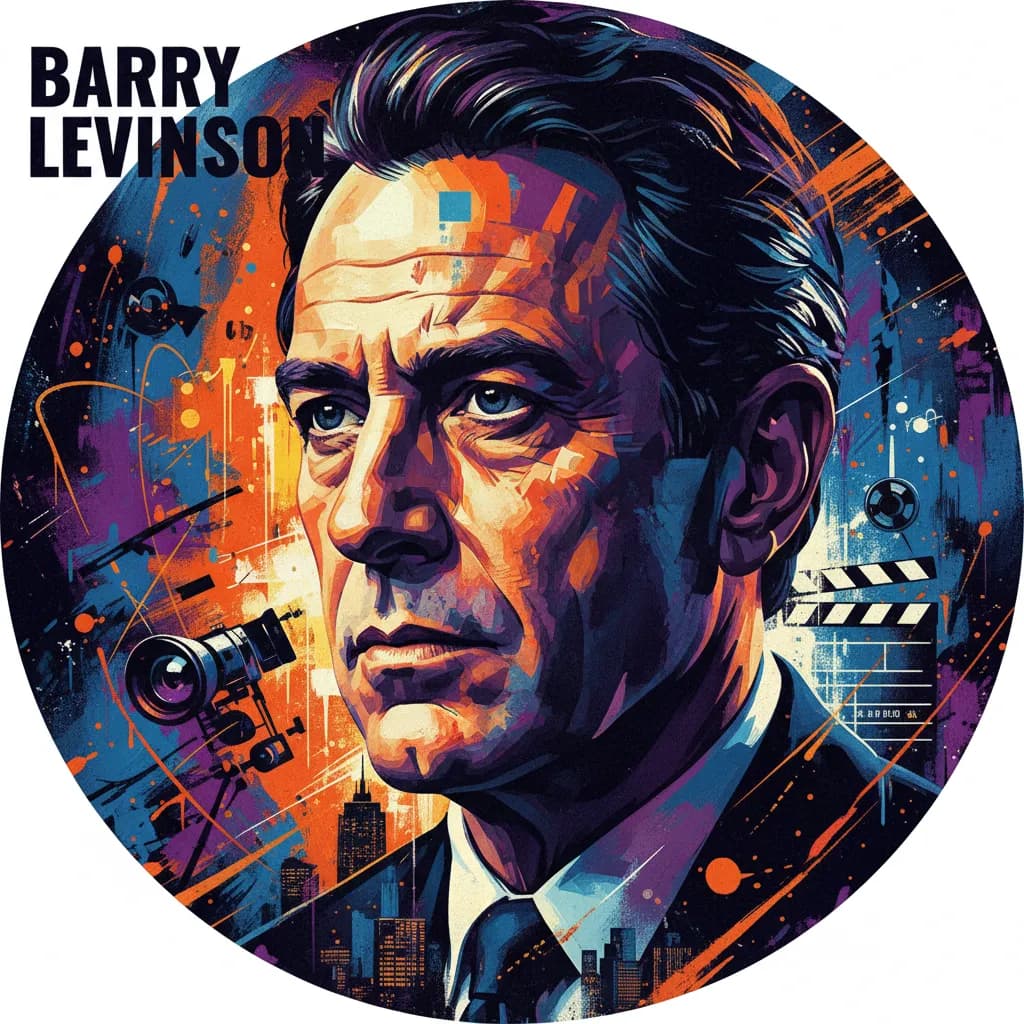
Barry Levinson
Every film, ranked

John Carpenter
Every film, ranked

Joel Schumacher
Every film, ranked

Billy Wilder
Every film, ranked

Rob Reiner
Every film, ranked

Neil Jordan
Every film, ranked

Spike Lee
Every film, ranked

Ivan Reitman
Every film, ranked

John Woo
Every film, ranked

Lasse Hallström
Every film, ranked

Stephen Frears
Every film, ranked

Luc Besson
Every film, ranked

Chris Columbus
Every film, ranked

Mike Nichols
Every film, ranked

Howard Hawks
Every film, ranked

Ang Lee
Every film, ranked

Walter Hill
Every film, ranked

Gus Van Sant
Every film, ranked

William Wyler
Every film, ranked

Renny Harlin
Every film, ranked

Sidney Lumet
Every film, ranked

Tony Scott
Every film, ranked