Discover the visionary filmmakers behind cinema's greatest works.
Explore our selection of acclaimed directors and their remarkable films.
Showing 1705-1716 out of 4148

Jean Girault was a prolific French film director best known for his iconic work in the comedy genre. Born in 1924, Girault entered the film industry as an assistant director before making his directorial debut with "Les Veinards" in 1963. However, it was his collaboration with legendary comedian Louis de Funès that truly catapulted Girault to international recognition. Their partnership gave birth to the immensely popular "The Gendarme of Saint-Tropez" in 1964, marking the beginning of a successful franchise that spanned six films. Girault's directorial style was characterized by his adeptness at blending slapstick humor with social commentary, resulting in films that were not only riotously funny but also subtly introspective. Girault's films often revolved around themes of authority, social order, and the clash between tradition and modernity, all of which were ingeniously interwoven into the fabric of his comedies. The Gendarme series, in particular, showcased Girault's talent for creating uproariously entertaining narratives while also offering astute observations on human behavior and societal norms. His visual storytelling was marked by a keen attention to detail, with picturesque settings and vibrant cinematography that captured the essence of French culture and the allure of the Riviera. "The Gendarme of Saint-Tropez" not only solidified Girault's status as a maestro of comedy but also left an indelible mark on cinematic history. The film's enduring popularity and cultural impact have firmly secured its place in the pantheon of classic comedies. Girault's legacy as a director lies in his ability to infuse lighthearted entertainment with thought-provoking themes, appealing to audiences across generations. His influence on French cinema and the comedy genre, in particular, remains palpable, with his films continuing to be cherished for their timeless humor and incisive storytelling. Jean Girault's directorial career exemplifies a remarkable ability to craft enduring cinematic experiences that transcend the boundaries of time and culture. His legacy as a visionary director is etched in the laughter and joy his films have brought to audiences worldwide, cementing his reputation as a luminary in the realm of comedy filmmaking.

Jean-Jacques Annaud, a luminary in the film industry, has masterfully carved out a distinctive place for himself with a career spanning several decades. Known for his profound storytelling and exquisite visuals, Annaud's journey in filmmaking is marked by a rich tapestry of critically acclaimed and diverse films that reflect his passion for exploring human nature, cultural conflicts, and the intricate relationship between humans and the environment. Annaud's directorial style is deeply immersive, employing meticulous research and breathtaking cinematography to transport audiences into the narrative world. He has an uncanny ability to craft compelling character-driven stories that navigate complex emotional landscapes, often set against the backdrop of significant historical or prehistorical events. Themes of survival, the clash of civilizations, and the primordial link between mankind and nature recur throughout his oeuvre, highlighting his penchant for narratives that delve into the essence of humanity. Among his most notable works are "The Name of the Rose," a gripping adaptation of Umberto Eco's novel, and "Quest for Fire," a prehistoric odyssey that won Annaud international acclaim for its groundbreaking portrayal of early humans. "Seven Years in Tibet" and "Enemy at the Gates" further exemplify his flair for capturing the human spirit amidst the turmoil of historical upheavals. Annaud's influence on cinema is profound, inspiring filmmakers to pursue ambitious and authentic storytelling. His films have received numerous accolades, including Academy Awards and César Awards, solidifying his reputation as a storyteller par excellence. His contribution to the adventure and historical drama genres, in particular, has redefined audience expectations, making him a pivotal figure in the evolution of narrative cinema. Jean-Jacques Annaud's legacy is that of a visionary director whose films resonate with universal themes of human experience, leaving an indelible mark on both audiences and the filmmaking community.

Jean-Jacques Beineix is a visionary French film director renowned for his distinct visual style and unique storytelling approach. His career in the film industry took off in the 1980s, and he quickly made a name for himself with his iconic films. Beineix's directorial style is characterized by his meticulous attention to visual detail and immersive storytelling techniques. One of Beineix's most notable works is "Diva" (1981), a crime thriller that garnered international acclaim. This film not only showcased Beineix's directorial prowess but also solidified his reputation as a filmmaker with a keen eye for capturing the essence of the urban landscape. "Diva" remains a classic in the crime thriller genre and exemplifies Beineix's ability to blend suspenseful storytelling with striking visuals and a pulsating musical score. Another significant milestone in Beineix's career is "Betty Blue" (1986), a poignant drama and romance film that captivated audiences worldwide. This emotionally charged masterpiece further solidified Beineix's reputation as a director capable of evoking raw emotions and crafting visually stunning narratives. "Betty Blue" stands as a testament to Beineix's ability to delve deep into the human psyche and portray complex relationships with unparalleled authenticity. Through his films, Beineix often explores themes of passion, obsession, and the complexities of human emotion. His visual storytelling transcends language barriers and resonates with audiences on a profound level. Beineix's impact on cinema extends beyond his individual films; his innovative techniques and artistic vision have left an indelible mark on the world of filmmaking. Jean-Jacques Beineix's contribution to cinema is immeasurable, and his influence continues to inspire filmmakers and captivate audiences. His visionary directorial style, coupled with his ability to craft compelling narratives, has cemented his legacy as a true cinematic luminary. Whether through his iconic crime thrillers or emotionally charged dramas, Beineix's films remain timeless masterpieces that continue to enthrall and inspire cinephiles around the globe.

Jean-Loup Felicioli is a visionary French director known for his exceptional work in the animation genre. His most notable film, "A Cat in Paris" (2010), garnered widespread acclaim and earned him an Academy Award nomination for Best Animated Feature. Felicioli's directorial style is characterized by its unique blend of visual storytelling, captivating narratives, and a distinct aesthetic that sets his work apart in the world of animation. "A Cat in Paris" showcases Felicioli's exceptional talent for creating immersive and visually stunning animated worlds. The film seamlessly weaves together elements of adventure, comedy, and drama, captivating audiences of all ages with its engaging storyline and memorable characters. Felicioli's directorial finesse is evident in the film's meticulous attention to detail, from its beautifully hand-drawn animation to its intricate portrayal of Parisian landscapes. Throughout his career, Felicioli has demonstrated a penchant for exploring themes of mystery, friendship, and the profound bond between humans and animals. His films often feature endearing animal characters that play pivotal roles in the narratives, serving as catalysts for adventure and self-discovery. Felicioli's ability to infuse his films with emotional depth and universal themes has undoubtedly contributed to his enduring impact on the world of animation. Felicioli's contributions to cinema have left an indelible mark, inspiring a new generation of animators and directors to push the boundaries of storytelling through animation. His dedication to creating visually arresting and emotionally resonant films has solidified his reputation as a trailblazer in the world of animated filmmaking. With a career defined by innovation and artistry, Jean-Loup Felicioli continues to be celebrated for his unparalleled vision and exceptional contributions to the cinematic landscape. In conclusion, Jean-Loup Felicioli's directorial career is characterized by a remarkable body of work that has redefined the possibilities of animated storytelling. His visionary approach to filmmaking, notable films like "A Cat in Paris," and recurring themes of friendship and adventure have left an indelible mark on cinema. Felicioli's impact on the animation genre is undeniable, and his legacy as a pioneering director continues to inspire and captivate audiences around the world.

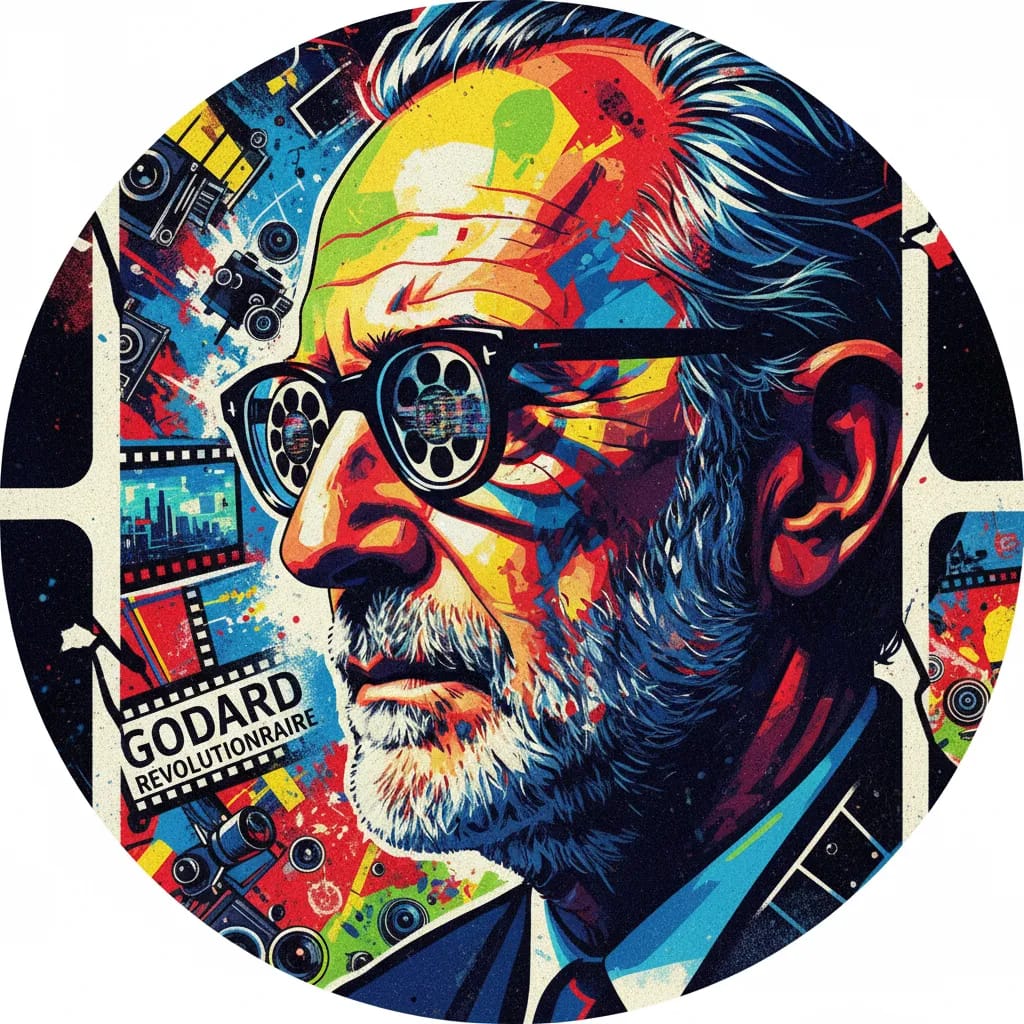
Jean-Luc Godard is a pioneering French-Swiss film director whose revolutionary approach to cinema has left an indelible mark on the industry. With a career spanning over six decades, Godard has consistently challenged cinematic norms and pushed the boundaries of storytelling, influencing generations of filmmakers in the process. His filmography reads like a hall of fame for groundbreaking cinema, with iconic works such as "Breathless" (1960), "Vivre sa vie: Film en douze tableaux" (1962), "Band of Outsiders" (1964), "Masculine Feminine" (1966), and "Contempt" (1963) showcasing his unparalleled directorial talent. Godard's directorial style is characterized by his innovative and experimental approach to filmmaking. He is renowned for his use of jump cuts, non-linear narratives, and a self-reflexive filmmaking style that often blurs the lines between fiction and reality. His films are marked by a raw, documentary-like aesthetic, and his willingness to challenge traditional cinematic techniques has earned him a reputation as a true auteur. Throughout his career, Godard has explored a diverse range of themes, including existentialism, alienation, the nature of love, and the role of the individual within society. His films often serve as a commentary on contemporary political and social issues, and his unflinching portrayal of human emotions and relationships has resonated with audiences worldwide. Godard's impact on cinema cannot be overstated. He was a leading figure of the French New Wave movement, which revolutionized filmmaking in the 1960s and continues to influence filmmakers to this day. His bold, uncompromising vision has inspired countless directors to push the boundaries of storytelling and experiment with new cinematic techniques, cementing his status as one of the most influential directors in the history of cinema. In conclusion, Jean-Luc Godard's unparalleled directorial style, exploration of thought-provoking themes, and lasting impact on the world of cinema have solidified his legacy as a true visionary. His groundbreaking approach to storytelling and filmmaking continues to inspire and influence filmmakers around the globe, ensuring that his contributions to the art of cinema will be celebrated for generations to come.

Jean-Marc Vallée is a visionary Canadian film director known for his emotionally resonant storytelling and visually stunning cinematic style. With a diverse filmography that spans various genres, Vallée has consistently delivered thought-provoking and visually captivating films that have left a lasting impact on audiences and the film industry. Vallée's directorial debut, "C.R.A.Z.Y." (2005), showcased his ability to blend comedy and drama while exploring complex family dynamics and personal identity. The film received critical acclaim and solidified Vallée's reputation as a director with a unique perspective. His subsequent works, including "The Young Victoria" (2009) and "Dallas Buyers Club" (2013), demonstrated his versatility as a director, seamlessly navigating between historical biopics and contemporary dramas with equal finesse. One of Vallée's recurring themes is the exploration of human resilience and the transformative power of personal journeys. This is evident in films like "Wild" (2014), which follows the real-life story of Cheryl Strayed's solo hike along the Pacific Crest Trail as she copes with personal loss and self-discovery. Vallée's ability to delve deep into the emotional core of his characters and their inner struggles has resonated with audiences and critics alike. Vallée's impact on cinema is undeniable, as he continues to push the boundaries of storytelling and visual aesthetics. His unique directorial style often employs non-linear narratives, evocative visuals, and immersive sound design to create an intimate and immersive viewing experience. His film "Demolition" (2015) is a testament to his bold and innovative approach to storytelling, as he explores themes of grief and self-discovery through unconventional narrative techniques. Overall, Jean-Marc Vallée's contributions to film have solidified his status as a directorial force to be reckoned with. His ability to infuse raw emotion and authenticity into his films, coupled with his visually striking storytelling, has cemented his place as a director with a distinct and influential cinematic voice. With each new project, Vallée continues to captivate audiences and leave an indelible mark on the world of cinema.

Jean-Marie Poiré is a French filmmaker celebrated for his distinctive style and imaginative storytelling. With a career spanning several decades, Poiré has left an indelible mark on the world of cinema through his unique directorial approach and a string of notable films. His directorial style is characterized by a seamless blend of comedy and fantasy, often infused with elements of adventure and time travel, which have captivated audiences worldwide. One of Poiré's most iconic works is "The Visitors" (1993), a comedic fantasy film that explores the hilariously chaotic consequences of time travel. The film's success led to a sequel, "The Visitors II: The Corridors of Time" (1998), further solidifying Poiré's reputation as a master of blending humor and fantasy. His film "Just Visiting" (2001) also exemplifies his penchant for melding genres, as it combines adventure, comedy, and fantasy in a delightful cinematic concoction. Poiré's recurring themes often revolve around the concept of time travel and its comedic implications, showcasing his ability to infuse fantastical elements with lighthearted humor. His films are known for their imaginative storytelling, eccentric characters, and visually captivating narratives, all of which have contributed to his enduring impact on the film industry. Poiré's directorial prowess has not only entertained audiences but has also influenced a generation of filmmakers, inspiring them to push the boundaries of genre blending and storytelling. His ability to transport viewers to fantastical realms while keeping them thoroughly entertained has cemented his status as a visionary director with a lasting legacy in cinema. In conclusion, Jean-Marie Poiré's career is a testament to his creative vision and storytelling acumen, where he has consistently delivered captivating films that seamlessly merge comedy, fantasy, and adventure. His unique directorial style and imaginative narratives have left an indelible mark on cinema, making him a revered figure in the world of filmmaking.


Jean Negulesco was a Romanian-born American film director known for his versatile and visually stunning work in the Golden Age of Hollywood. With a career spanning over four decades, Negulesco left an indelible mark on cinema, known for his ability to seamlessly traverse various genres and his keen eye for capturing the human experience. He became a prominent figure in the 1950s, delivering several iconic and enduring films that have solidified his legacy in the industry. Negulesco's directorial style was characterized by his meticulous attention to detail, fluid camera movements, and an innate understanding of storytelling. His ability to effortlessly transition between genres is evident in his diverse filmography, which includes the timeless romantic comedy "How to Marry a Millionaire" (1953), starring Marilyn Monroe, Betty Grable, and Lauren Bacall, and the action-packed adventure "River of No Return" (1954), featuring Marilyn Monroe and Robert Mitchum. His films were renowned for their captivating visuals and emotionally resonant narratives, showcasing his adeptness at bringing out the best in his actors and creating immersive cinematic experiences. Notable for his exploration of themes such as love, ambition, and resilience, Negulesco's films often delved into the complexities of human relationships and the pursuit of dreams. His keen insight into the human condition and his ability to infuse his films with depth and authenticity set him apart as a director with a profound understanding of storytelling. Negulesco's impact on cinema extends beyond his directorial prowess, as he played a crucial role in shaping the visual and narrative language of Hollywood during his era. Negulesco's enduring contribution to film continues to inspire and influence contemporary filmmakers, with his legacy living on through his timeless works. His unique vision and ability to seamlessly navigate through different genres have solidified his place in the pantheon of great directors, leaving behind a rich and diverse body of work that continues to captivate audiences to this day. Jean Negulesco's legacy as a master storyteller and a visionary director remains an integral part of the cinematic landscape, ensuring that his influence will be felt for generations to come.

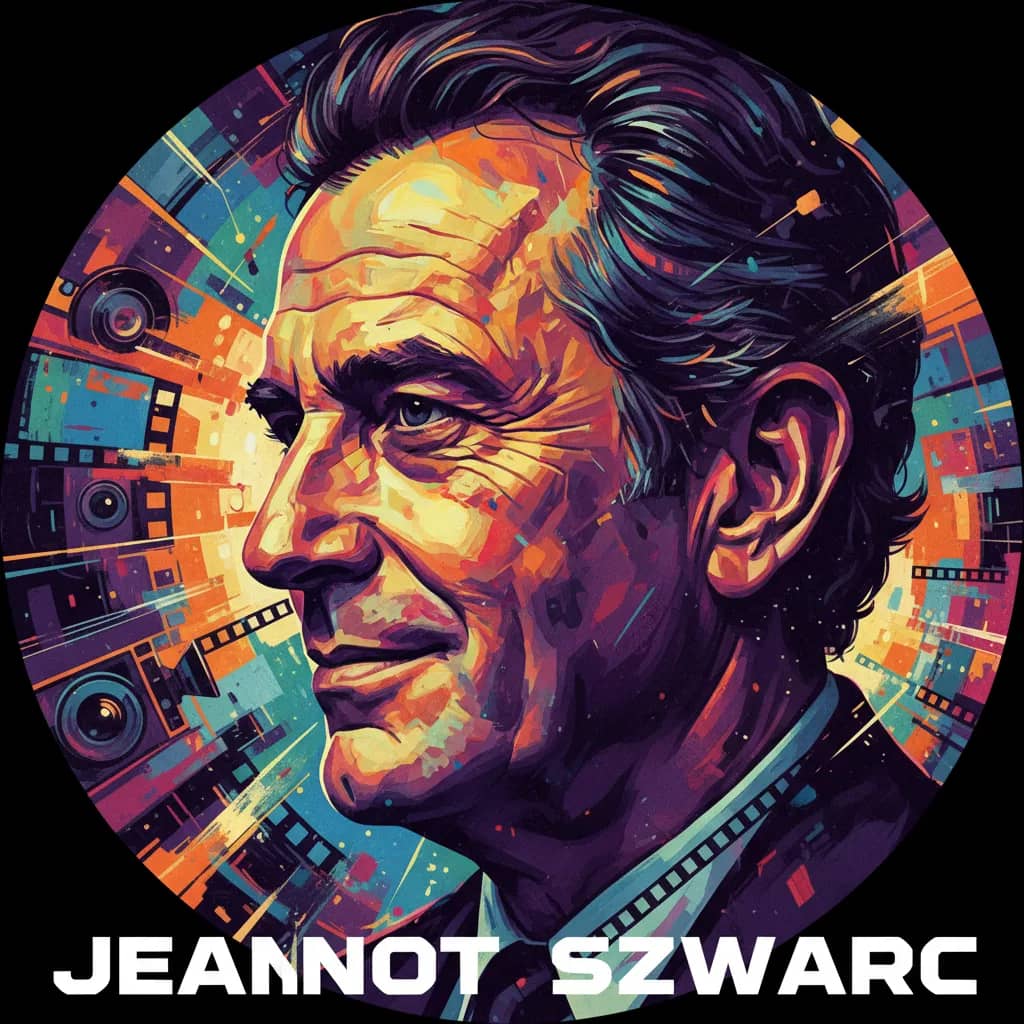
Jeannot Szwarc is a prolific French film director known for his diverse range of work across various genres. With a career spanning over four decades, Szwarc has made a lasting impact on cinema with his distinct directorial style and storytelling prowess. He has a keen eye for capturing emotional depth and evoking a sense of wonder in his films, making him a celebrated figure in the industry. Szwarc's breakthrough came with the 1975 cult classic "Jaws 2," where he skillfully continued the suspense and terror of the original blockbuster. His ability to create tension and build anticipation solidified his reputation as a master of the thriller genre. The success of "Jaws 2" propelled Szwarc into the spotlight, leading to further opportunities to showcase his directorial talent. In 1980, Szwarc directed the beloved romantic fantasy "Somewhere in Time," a film that showcased his versatility as a director. This enchanting love story, set against the backdrop of time travel, highlighted Szwarc's ability to infuse emotion and magic into his work. The film's enduring popularity and timeless appeal have cemented Szwarc's status as a visionary director with a knack for crafting captivating narratives. In the realm of family-friendly entertainment, Szwarc made an indelible mark with "Santa Claus: The Movie." This heartwarming adventure-fantasy film captured the spirit of Christmas and showcased Szwarc's ability to create enchanting worlds that resonate with audiences of all ages. His skillful direction brought a sense of wonder and joy to the screen, making the film a holiday classic that continues to delight viewers. Throughout his career, Szwarc's films have often explored themes of love, adventure, and the supernatural, captivating audiences with their emotional resonance and imaginative storytelling. His unique vision and ability to transport viewers into captivating realms have left an indelible mark on cinema, earning him a well-deserved place in the pantheon of visionary directors. Jeannot Szwarc's contributions to the film industry continue to inspire and enchant audiences, solidifying his legacy as a master storyteller and visual craftsman.

Jean-Paul Rappeneau is a revered French director known for his exceptional storytelling and visually captivating films. With a career spanning over six decades, Rappeneau's directorial style is characterized by his meticulous attention to detail, compelling narratives, and his ability to seamlessly blend genres. His notable film "Cyrano de Bergerac" (1990) is a testament to his directorial prowess, intertwining comedy, drama, and history into a timeless cinematic masterpiece. Rappeneau's films often delve into historical and literary themes, bringing to life iconic characters and stories with an unparalleled cinematic flair. His meticulous approach to period pieces and historical dramas has solidified his reputation as a director with a keen eye for authenticity and emotional depth. "Cyrano de Bergerac" stands as a prime example of Rappeneau's ability to breathe new life into classic tales, capturing the essence of the original narrative while infusing it with his own distinct directorial sensibilities. Throughout his career, Rappeneau has demonstrated a remarkable ability to craft visually stunning and emotionally resonant films that have left an indelible mark on cinema. His impact on the industry is evident through the enduring legacy of his work and the influence he has had on subsequent generations of filmmakers. Rappeneau's unique vision and dedication to his craft have cemented his status as a revered director, with "Cyrano de Bergerac" serving as a shining example of his ability to transcend genre boundaries and create timeless cinematic experiences. In conclusion, Jean-Paul Rappeneau's directorial career is a testament to his unparalleled talent and the profound impact he has had on the world of cinema. His ability to seamlessly blend genres, his dedication to authenticity, and his unique directorial vision have solidified his status as a true master of the craft. "Cyrano de Bergerac" stands as a crowning achievement in Rappeneau's illustrious career, showcasing his ability to create emotionally resonant and visually captivating films that continue to captivate audiences to this day.

Jean-Philippe Vine is a visionary director known for his exceptional work in the animation genre. His most notable film to date is "Ron's Gone Wrong" (2021), a heartwarming animated feature that seamlessly blends adventure and comedy. Vine's directorial style is characterized by a keen attention to detail, a mastery of visual storytelling, and a knack for infusing his projects with genuine emotion. Vine's film "Ron's Gone Wrong" exemplifies his ability to create rich, imaginative worlds that captivate audiences of all ages. With a focus on themes of friendship, technology, and the human experience in the digital age, Vine's work resonates with contemporary audiences while also offering timeless storytelling that transcends generational boundaries. His films often feature endearing characters, compelling narratives, and stunning animation, showcasing his commitment to pushing the boundaries of the medium. Throughout his career, Vine has made a significant impact on the animation genre, earning a reputation for his ability to bring complex and relatable characters to life through the art of animation. His dedication to creating emotionally resonant stories has solidified his place as a director who consistently delivers high-quality, thought-provoking content that resonates with audiences on a profound level. Jean-Philippe Vine's influence on cinema extends beyond his individual projects, as he has inspired a new generation of filmmakers and animators to push the boundaries of what is possible within the animation genre. His commitment to storytelling and his ability to connect with audiences on an emotional level have established him as a director with a unique vision and a lasting impact on the world of film. With "Ron's Gone Wrong" and his future projects, Vine continues to solidify his status as a leading figure in the animation industry, leaving an indelible mark on the medium for years to come.

Jean-Pierre Améris is a highly acclaimed French director known for his unique storytelling and visually captivating films. With a career spanning several decades, Améris has made a significant impact on the world of cinema with his distinctive directorial style and thought-provoking narratives. His most notable film, "Romantics Anonymous" (2010), is a delightful romantic comedy that showcases his ability to infuse charm, wit, and emotion into his work. Améris is recognized for his meticulous attention to detail and his ability to capture the complexities of human emotions on screen. He has a keen eye for creating visually stunning imagery that complements the depth of his characters and the intricacies of their relationships. "Romantics Anonymous" exemplifies his talent for seamlessly blending humor and romance while delving into the vulnerabilities and idiosyncrasies of his characters. Throughout his career, Améris has explored recurring themes such as human connection, self-discovery, and the pursuit of happiness, all of which are masterfully woven into the fabric of his storytelling. His films often offer a poignant reflection on the human experience, inviting audiences to empathize with the characters and contemplate their own lives. Améris's impact on cinema lies in his ability to breathe life into his narratives through compelling performances, evocative cinematography, and a distinct directorial voice. His films resonate with audiences on a profound level, leaving a lasting impression that extends beyond the screen. As a filmmaker, Améris continues to inspire and captivate viewers with his unique vision and unwavering commitment to crafting emotionally resonant stories. In conclusion, Jean-Pierre Améris stands as a visionary director whose films have left an indelible mark on the world of cinema. With "Romantics Anonymous" as a standout example of his talent, Améris's directorial style, recurring themes, and impact on the film industry are a testament to his enduring legacy as a master storyteller.
Every film by the greats, ranked by our TML Score.

Christopher Nolan
Every film, ranked

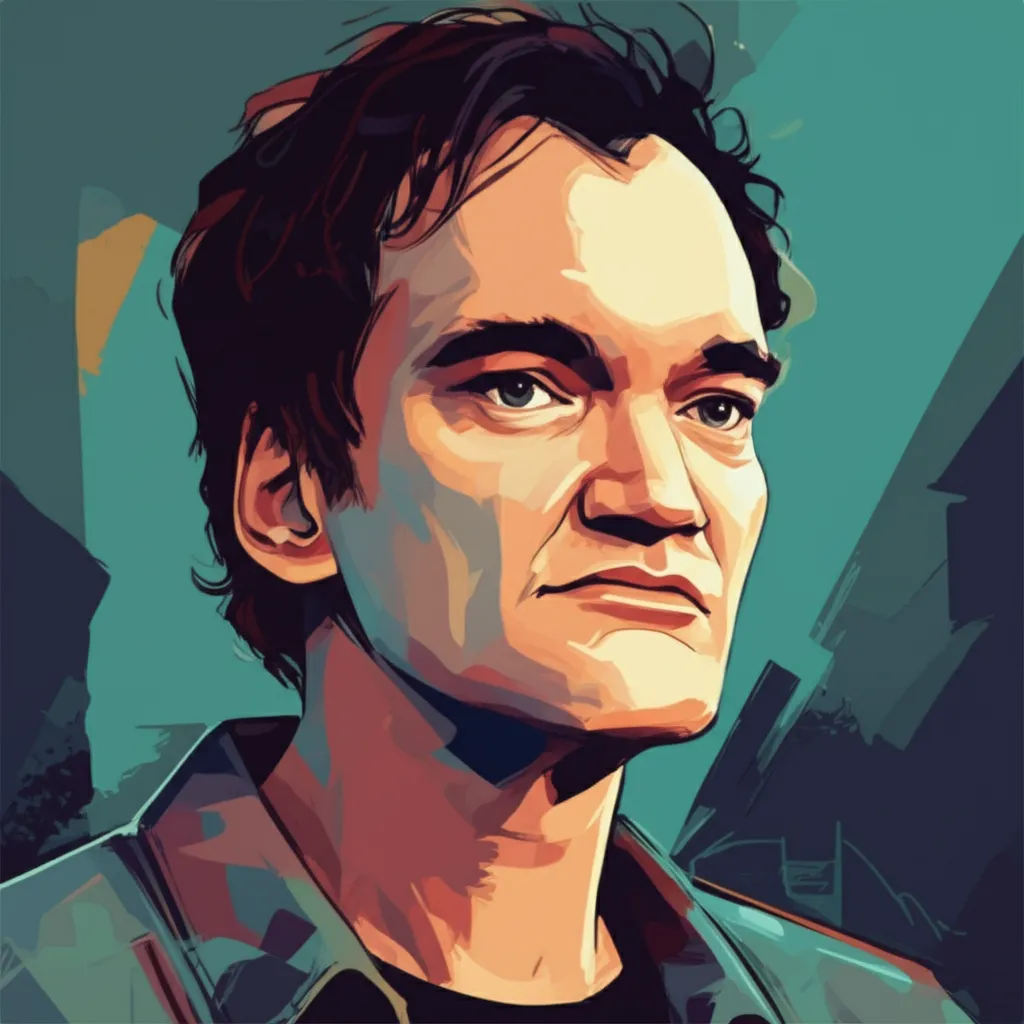
Quentin Tarantino
Every film, ranked

Stanley Kubrick
Every film, ranked

Martin Scorsese
Every film, ranked

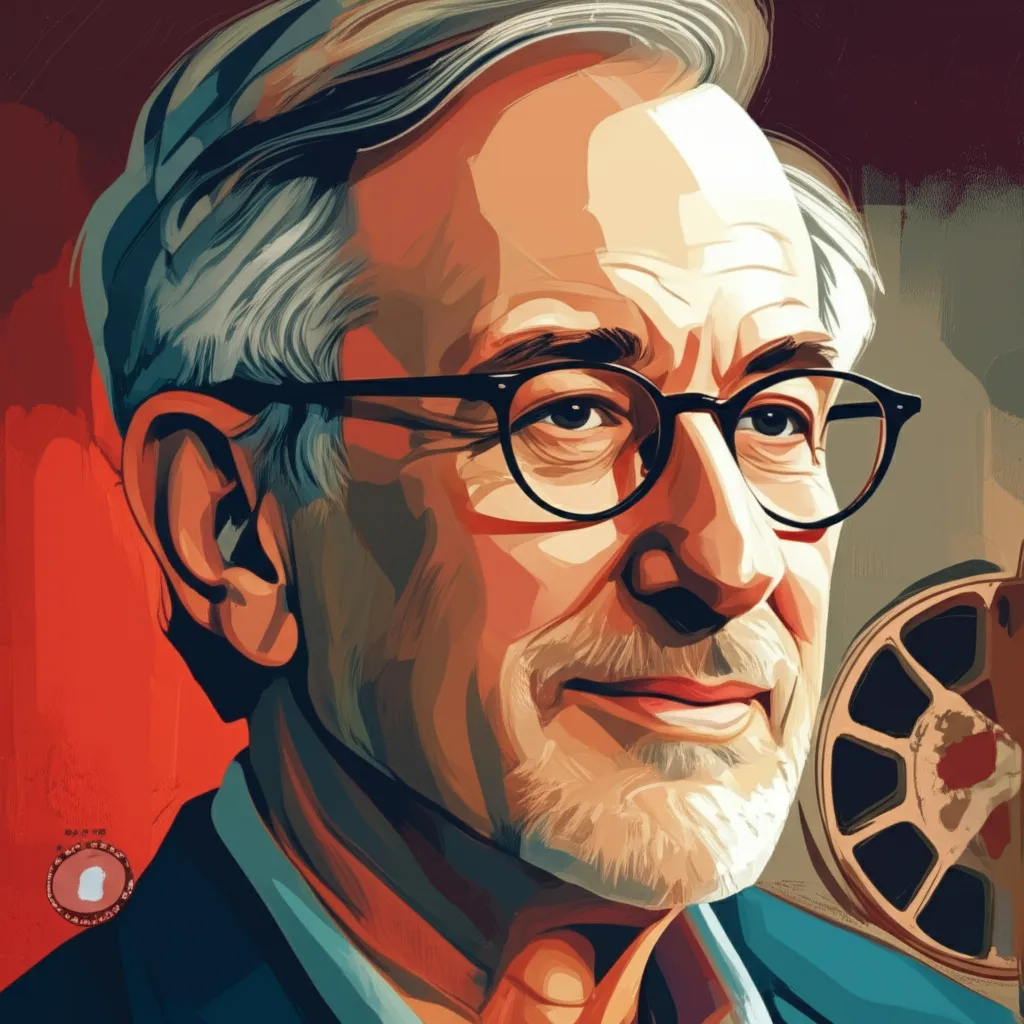
Steven Spielberg
Every film, ranked

Alfred Hitchcock
Every film, ranked

David Fincher
Every film, ranked

Denis Villeneuve
Every film, ranked

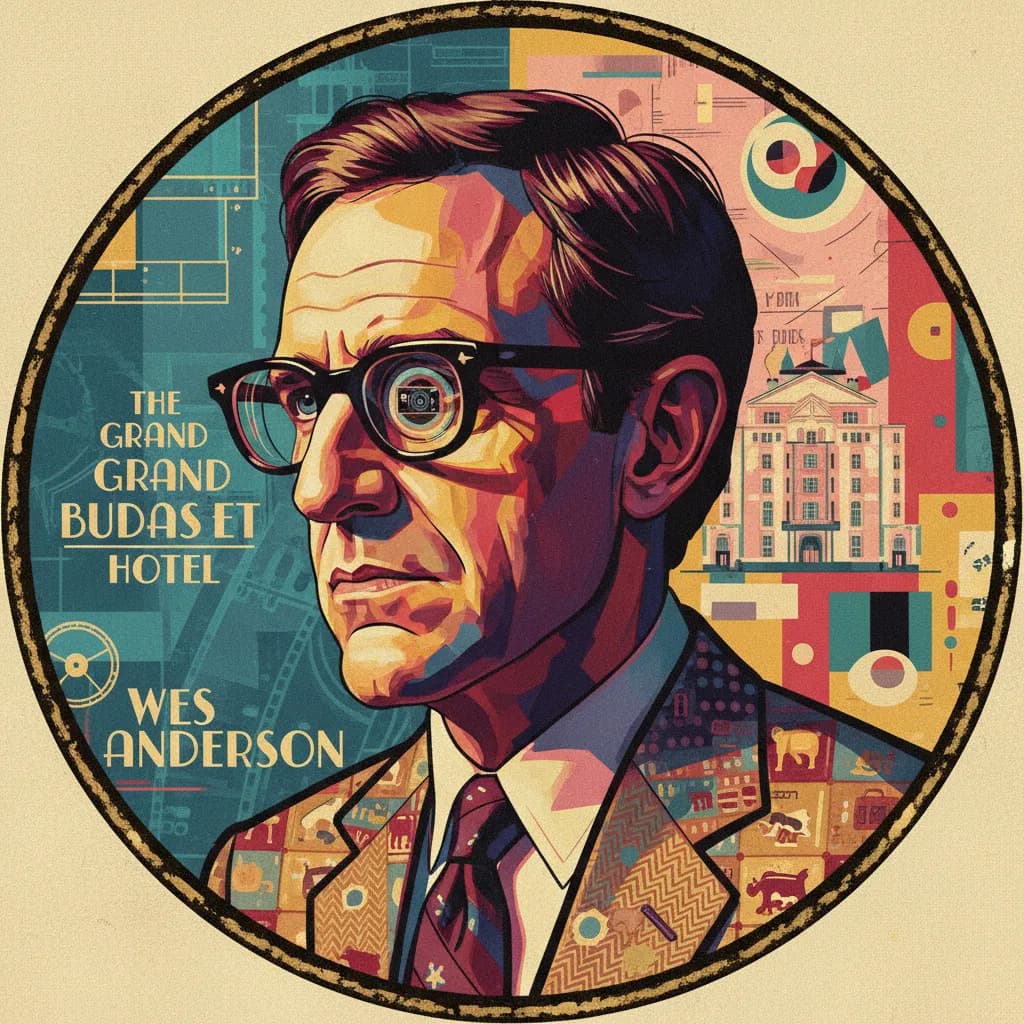
Wes Anderson
Every film, ranked

Paul Thomas Anderson
Every film, ranked

Ridley Scott
Every film, ranked

Tim Burton
Every film, ranked

Guillermo del Toro
Every film, ranked

Hayao Miyazaki
Every film, ranked

Akira Kurosawa
Every film, ranked

Francis Ford Coppola
Every film, ranked

Clint Eastwood
Every film, ranked

Bong Joon Ho
Every film, ranked

Woody Allen
Every film, ranked

Steven Soderbergh
Every film, ranked

Ron Howard
Every film, ranked

Pedro Almodóvar
Every film, ranked

Richard Linklater
Every film, ranked

Roman Polanski
Every film, ranked

Brian De Palma
Every film, ranked

Ingmar Bergman
Every film, ranked

Oliver Stone
Every film, ranked

David Cronenberg
Every film, ranked

Robert Zemeckis
Every film, ranked

Barry Levinson
Every film, ranked

John Carpenter
Every film, ranked

Joel Schumacher
Every film, ranked

Billy Wilder
Every film, ranked

Rob Reiner
Every film, ranked

Neil Jordan
Every film, ranked

Spike Lee
Every film, ranked

Ivan Reitman
Every film, ranked

John Woo
Every film, ranked

Lasse Hallström
Every film, ranked

Stephen Frears
Every film, ranked

Luc Besson
Every film, ranked

Chris Columbus
Every film, ranked

Mike Nichols
Every film, ranked

Howard Hawks
Every film, ranked

Ang Lee
Every film, ranked

Walter Hill
Every film, ranked

Gus Van Sant
Every film, ranked

William Wyler
Every film, ranked

Renny Harlin
Every film, ranked

Sidney Lumet
Every film, ranked

Tony Scott
Every film, ranked